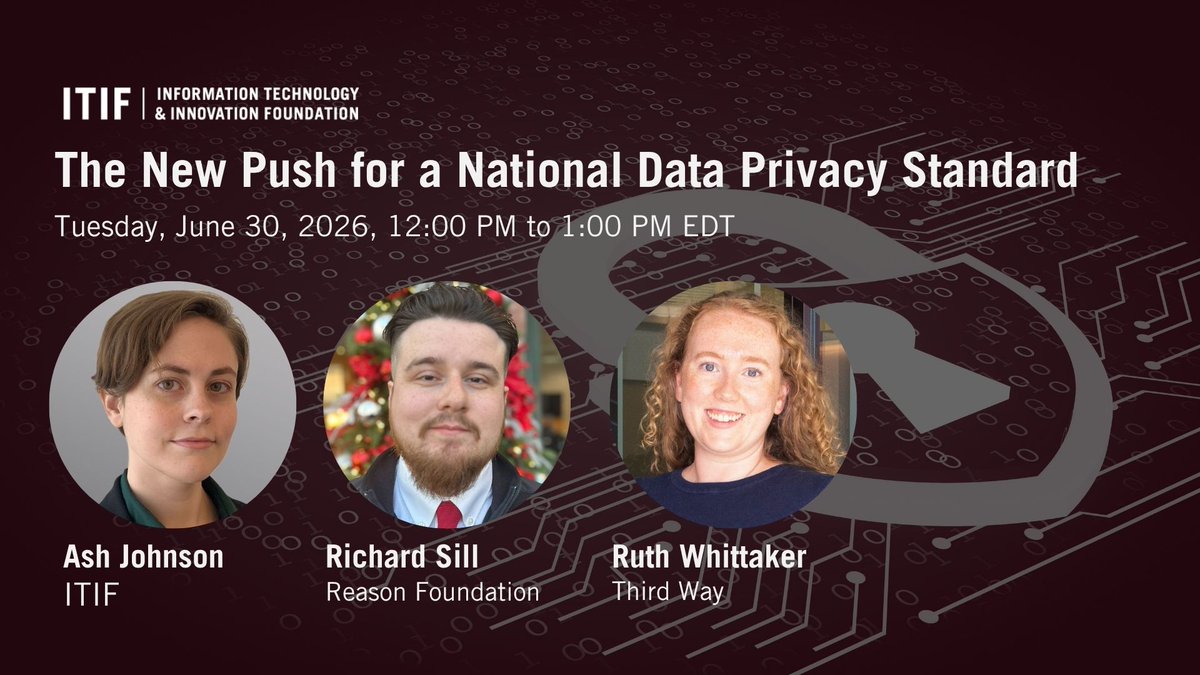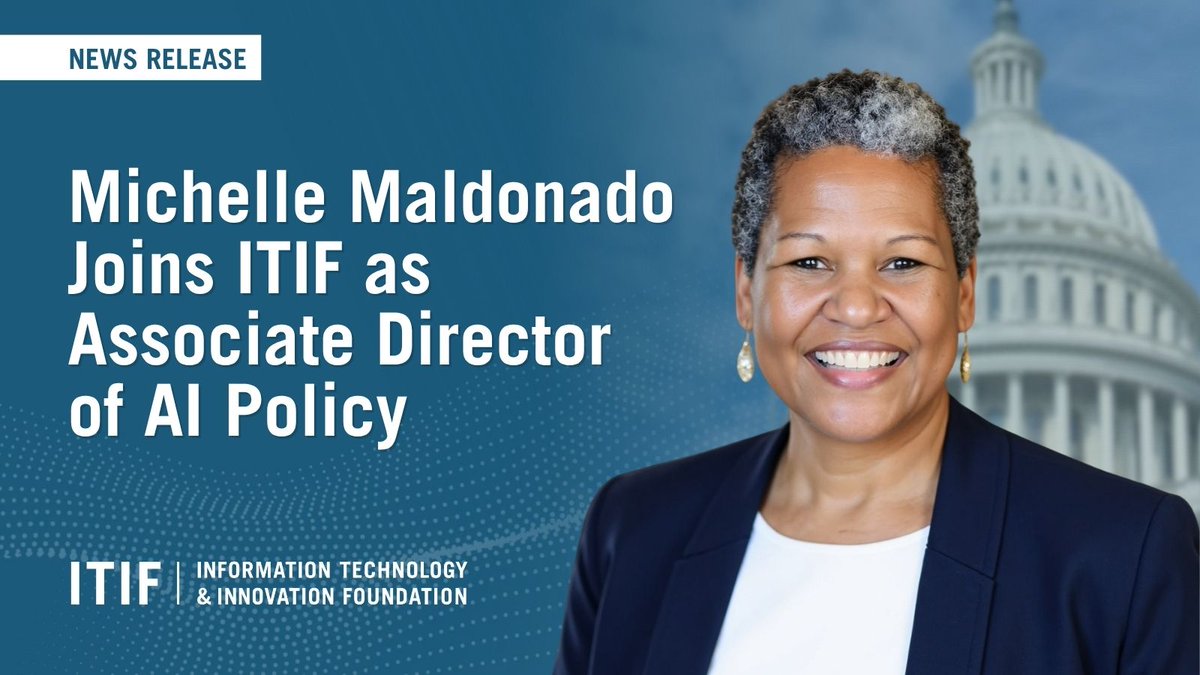
đź“… THIS TUESDAY, June 16 @ 12 PM ET:
AI companions raise real questions about child safety, privacy, & mental health—but overly restrictive policies could also limit beneficial uses.
Join ITIF for a virtual discussion on balanced solutions. ⤵️
vist.ly/57k7n
1/ The Trump administration has proven it is willing to use Section 301 when foreign governments adopt unfair policies that harm U.S. companies.
That same leverage should be aimed at Europe’s Digital Markets Act (DMA).
2/ The DMA is framed as neutral competition policy, but it overwhelmingly targets American tech firms.
Five of the seven designated “gatekeepers” are U.S. firms, while European companies face no comparable treatment in the American market.
3/ A Section 301 case would not be about starting a trade war. It would be about forcing serious negotiations and making clear that discriminatory digital regulation against U.S. firms carries consequences.
Read more 👇
itif.org/publications/2026/0…
China is closing the space innovation gap with the US—and with it, the race for next-gen space infrastructure behind GPS, broadband, weather forecasting, disaster response, agriculture, finance, and defense.
America leads, but Beijing is moving fast. vist.ly/5799e
2:21
3
4
311
Information Technology and Innovation Foundation retweeted
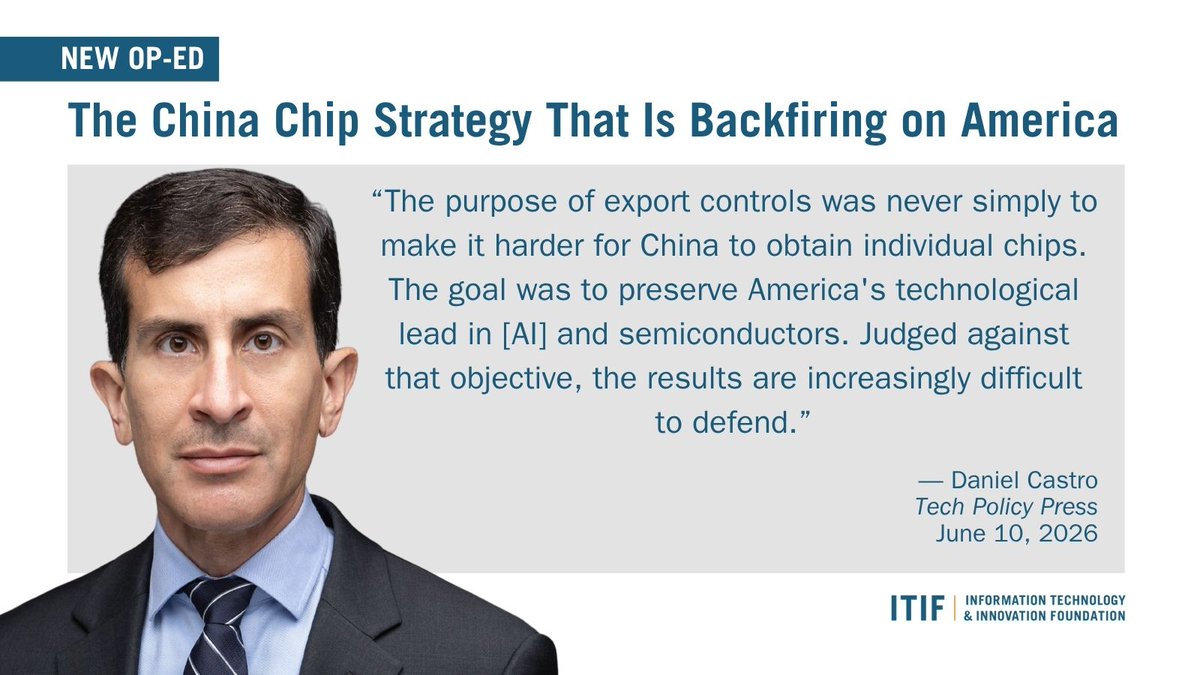
US export controls were meant to preserve America's AI lead. Instead, they may be accelerating China's push for technological self-sufficiency & strengthening rival AI ecosystems.
đź”— @Castrotech explains in @techpolicypress:
vist.ly/57anw
ALT Op-ed discussing the unintended consequences of U.S. export controls on technology. Includes a quote from Daniel Castro.
Last month, the @CommerceGov’s Inspector General found significant operational & governance failures in @NIST’s National Vulnerability Database & directed the agency to develop a corrective action plan.
But fixing the backlog alone won’t be enough. 🧵
ALT A man in a suit is featured next to a text commentary on modernizing the National Vulnerability Database, emphasizing cybersecurity improvements.
2/ The National Vulnerability Database underpins how govt & industry identify & prioritize cyber risks.
Delays, duplicated effort, & outdated processes can weaken preparedness across the cybersecurity ecosystem.
Read our analysis:
itif.org/publications/2026/0…
"Everything SpaceX ​does is a bellwether for China's space industry... I wouldn't be at all surprised to see a strong uptick in Chinese commercial-space listings and funding," said @EllisScherer of the Information Technology and Innovation Foundation.
If China surpasses the United States in space innovation, American economic competitiveness and national security will suffer. Read more from @EllisScherer 👇itif.org/publications/2026/0…
A less capable, more expensive domestic cloud won’t fix Canada’s tech adoption, commercialization, & scaling challenges.
As an industrial strategy, sovereign cloud is misaligned with how value is created in digital systems. @lawrencezed explains ⤵️ vist.ly/57i25
đź“… June 16, 12 PM ET:
Concerns over AI companions and children are driving calls for new regulation. đź’»
Join ITIF's panel of experts from @CenDemTech, @futureofprivacy, @CatoInstitute, & @RSI for a conversation on the tradeoffs of proposed chatbot safety legislation.
Register here:
vist.ly/56h8w
ALT Promotional image for an ITIF webinar on protecting kids from chatbots without bans. Includes expert panelists and event details.
5
5
485
Information Technology and Innovation Foundation retweeted
AICOA has been reintroduced.
In my first short explainer video for @ITIFdc, I explain why the American Innovation and Choice Online Act actually antagonizes both of these laudable ends.
Be sure to check out @ITIFdc and @ACTonline's letter for a more fulsome explanation: itif.org/publications/2026/0…
1:11
1
8
26
3,038
Information Technology and Innovation Foundation retweeted
I was proud to sign onto @ITIFdc’s letter opposing the anti-business, anti-innovation #AICOA to ensure that a strong collection of voices is united against a bill that would wreak havoc on the American economy. Read the letter here: itif.org/publications/2026/0…
The US Embassy in London (@USAinUK) is pushing back on a proposed UK social media ban.
ITIF's @ashljnsn explains why empowering parents with customizable tools & age-appropriate safeguards is a better approach than one-size-fits-all restrictions. ⤵️
0:38
3
11
322
Information Technology and Innovation Foundation retweeted
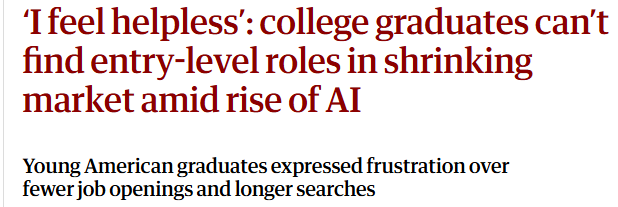
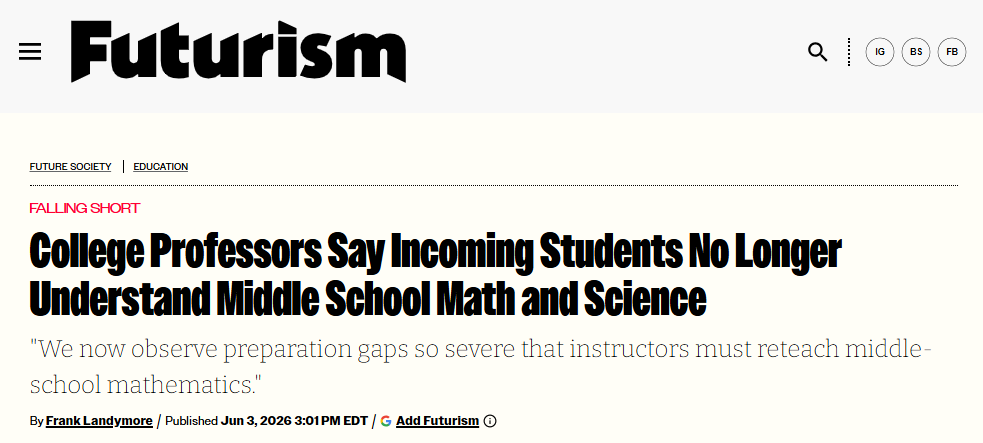
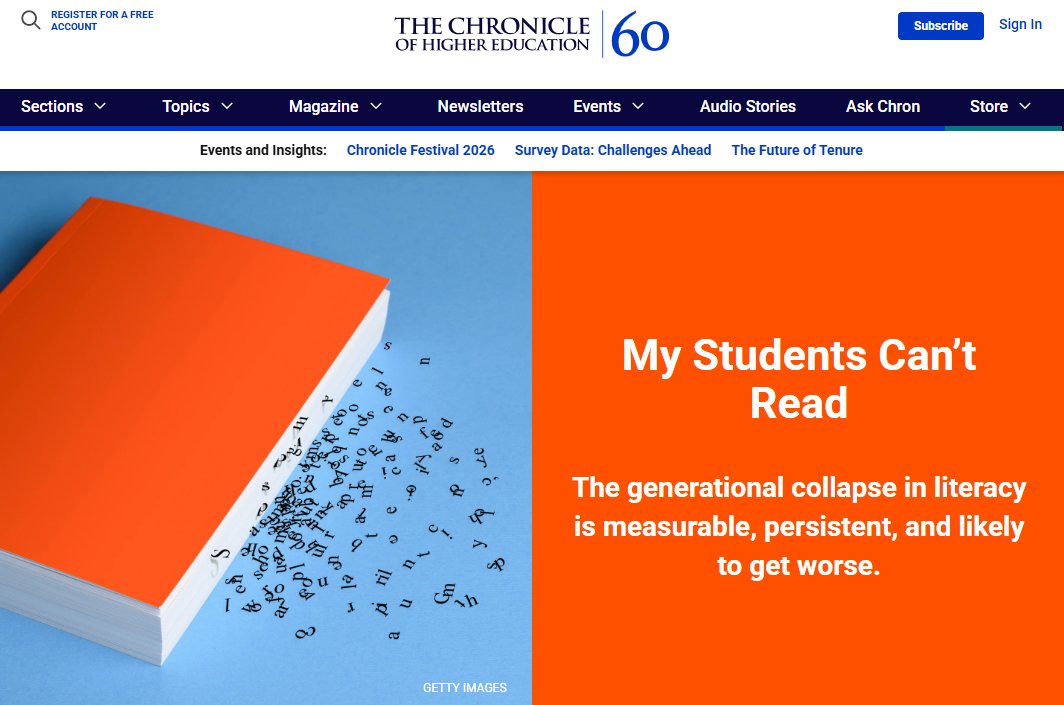
Everyone wants to blame AI for why new college graduates are struggling to find jobs.
But look at the other headlines: college students can't read proficiently, write clearly, or do basic math.
AI may be changing the job market. But declining skills are the bigger problem.
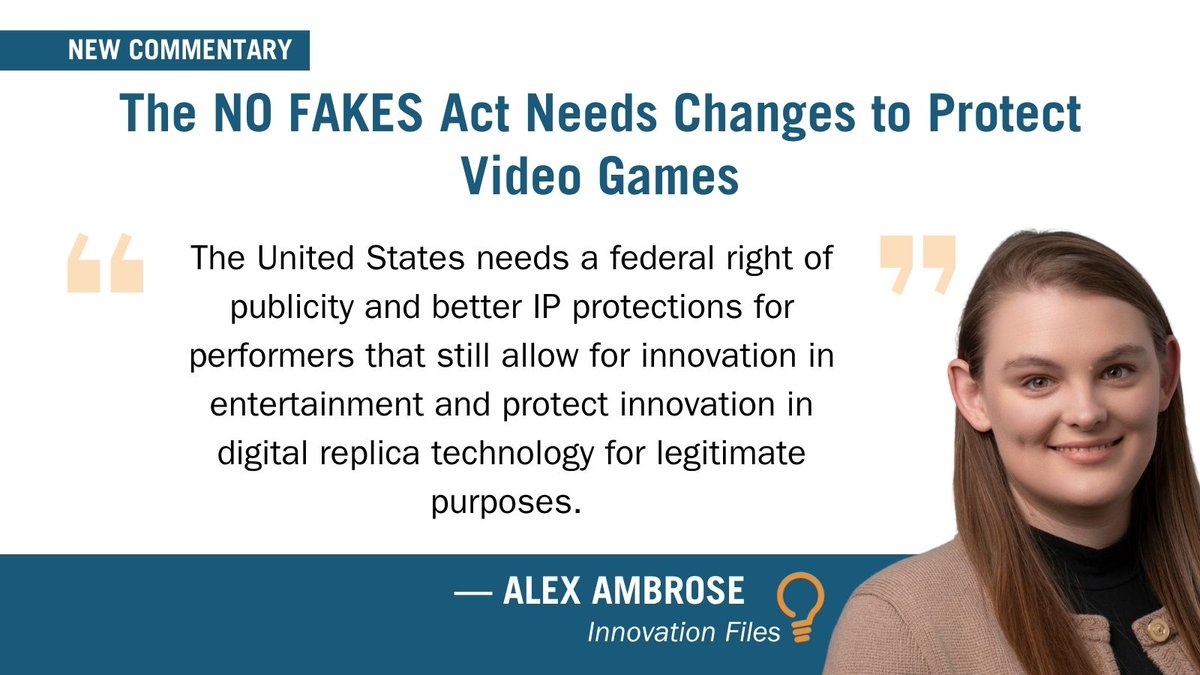
The NO FAKES Act would rightly create a federal right of publicity to protect people from unauthorized AI-generated digital replicas.
But its broad definition of “digital replica” could unintentionally harm video game development & innovation...🧵
ALT A commentary image highlighting the need for changes in the NO FAKES Act to protect video games and innovation in digital replica technology. Features a text quote and a person smiling.
2/ Video games rely on digital replicas for characters, voices, & immersion.
As @Alexitif writes, Congress should narrow its definition of “digital replica” to protect innovation while stopping harmful deepfakes.
Read more ⤵️
itif.org/publications/2026/0…
As @ITIFdc, @actonline and a coalition of over 30 organizations and individuals explain in a letter to @ChuckGrassley and @SenatorDurbin, AICOA will not only harm innovation at home, but rubberstamp the spread of discriminatory policies like the DMA abroad.
It must be stopped.
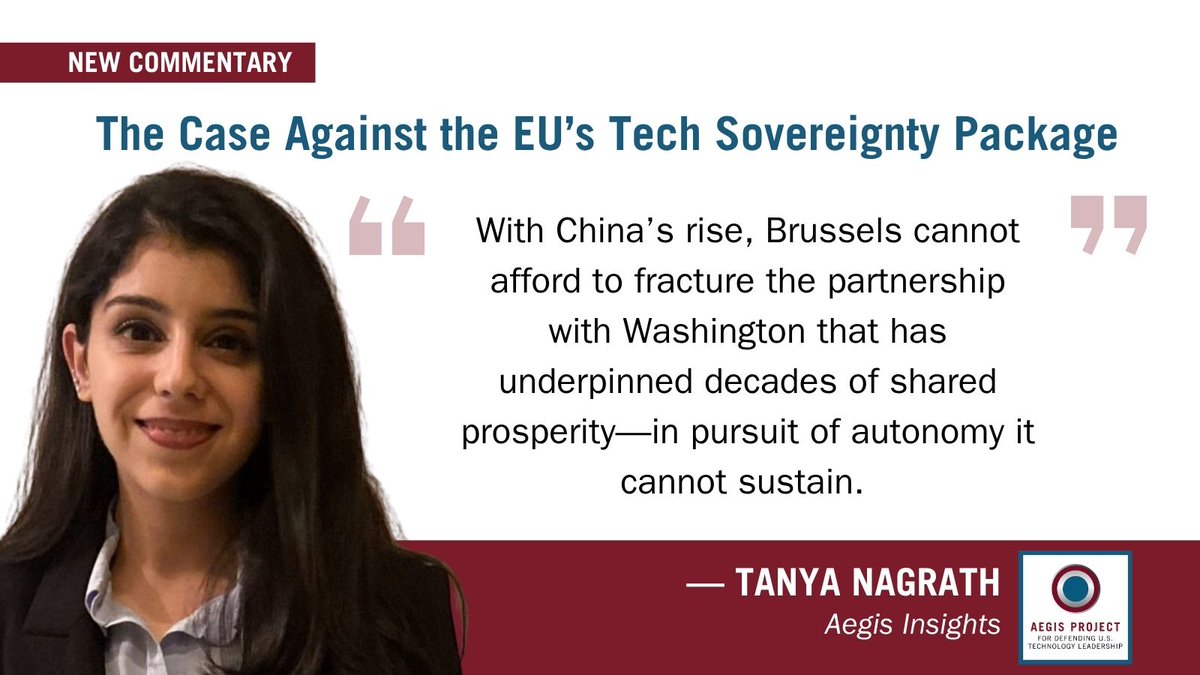
The EU unveiled its Tech Sovereignty Package to reduce reliance on U.S. technology & boost “digital autonomy.”
But restricting access to leading global tech risks slowing digital adoption, weakening productivity growth, & deepening Europe’s tech lag...🧵
ALT A commentary image featuring a young woman alongside text arguing against the EU's tech sovereignty package. The mood is professional and analytical.
2/ The package would limit U.S. cloud providers, promote European chip demand, & expand domestic data centers.
Yet Europe lacks comparable alternatives at the scale its digital ambitions require, making these goals difficult to achieve.
3/ Europe’s real challenge is competing with China—not replacing American technology.
Brussels should strengthen transatlantic cooperation, not pursue digital protectionism that could undermine innovation and economic growth.
Read our latest ⤵️
itif.org/publications/2026/0…