
A fan of Halo.
Joined April 2020
- Tweets 45,588
- Following 438
- Followers 220
- Likes 45,245
1,142 Photos and videos


Pinned Tweet

20 Apr 2023
Me when the game signals me to turn off my bodycam:

19
450
30,183
Hyper retweeted

Over the weekend a client was falsely arrested by the Houston Police Department for the crime of interfering with his own false arrest. A child had called police to report an argument between my client and his fiance. When police arrived, the woman appeared at the door. Officers wrote that they saw no visible injuries on her and that she told them it had just been a heated argument.
Police literally pushed her out of the way and entered the home without a warrant. They initially had two guns drawn but later had a gun and a taser. The woman pleaded with police that the client was not a “suspect” as they called him that. They pointed their weapons at him and ordered him to show his hands. They put their hands on him to arrest him and threw him to the ground, busting his face. They lied in their report and claimed he had “closed the distance” on them and tried to run through the apartment. He was injured in the incident.
The DAs Office refused charges on family violence (duh) but charged the client with “interference.” He did not interfere, and at any rate, you can’t interfere illegally with a false arrest.
We appeared in front of the judge where I asked for the court to find no probable cause. The court set it for a hearing the next day to give the state a chance to review the video. We showed up in court today and the judge was out, and another judge refused to hold our hearing, leaving my client in jail. I explained that he was going to lose his job and we worked very hard to get him that job (in food service).
The DAs Office continues to engage in pretend prosecutions on cases they KNOW they will never take to trial. They are using human beings as target practice for young lawyers who have no idea and no training.
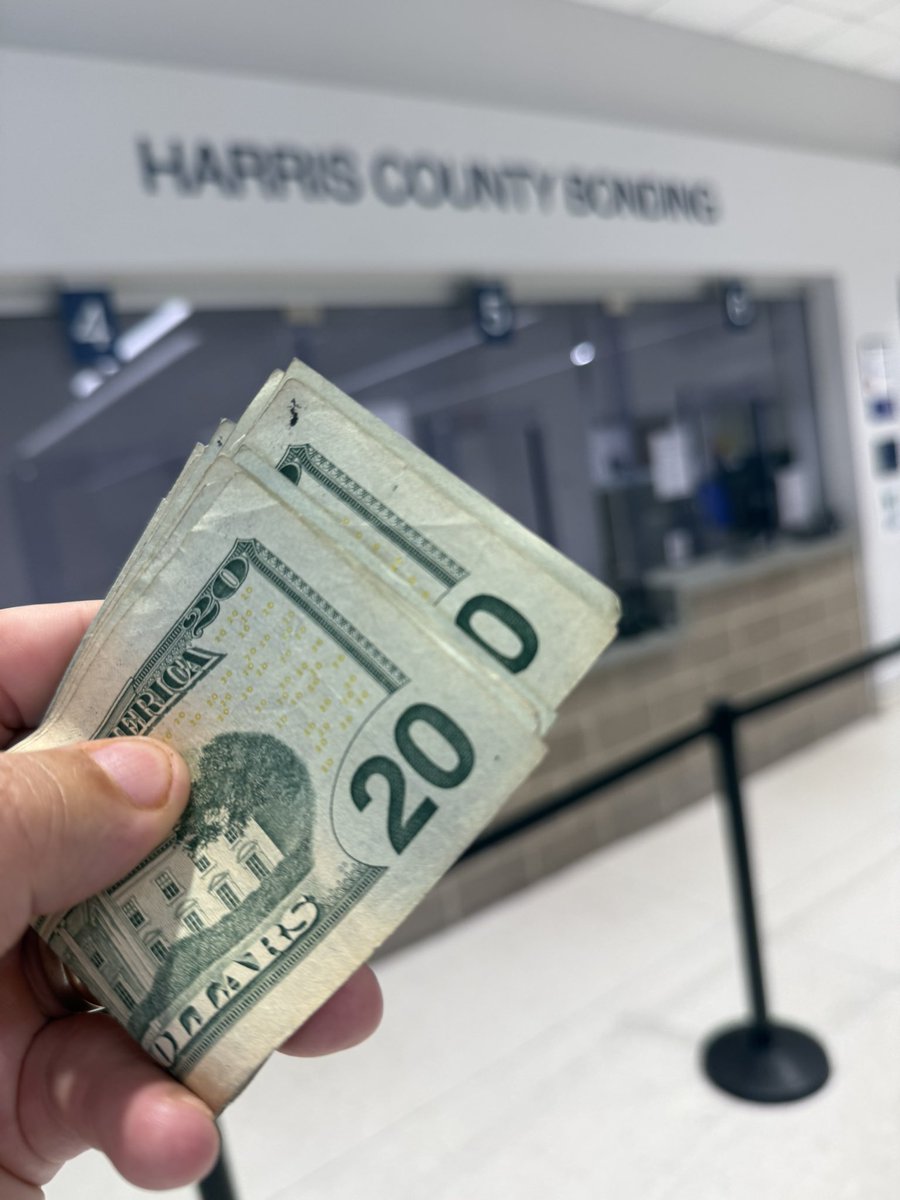
My client cannot make a $500 bond and I was told today that bond was reasonable so I am doing the only thing I can do when two arms of the same government refuses to fix an obvious miscarriage of justice. He will not sleep another night in jail on my watch for this bullshit.
37
169
2,771
316,348

Hyper retweeted

"I haven't done anything."
"Yeah you have! Comin' here INSULTIN' JEWS!"
"I haven't done anything, I'm just getting the banner."
"COMIN'HEREINSULTIN'JEWS!!" 🥴
Jun 15

A masked man was telling the Met police what to do outside Edgware United Synagogue yesterday.
No badge. No ID. Screaming at a British protester on the ground.
Since when does the Met answer to an anonymous civilian?
4
57
326
7,751
Hyper retweeted

Good people helped slaves to escape from bondage.
Good people hid Jews from Nazis.
Good people are sabotaging the weapons which are being produced for use in a genocide.
We must stand with these people.
The British government calls them "terrorists".
17
167
548
4,635
Hyper retweeted

For the first time since the U.S. government began collecting the data, young Black men are dying by suicide at a higher rate than young white men capitalbnews.org/young-black…
95
1,445
3,444
158,492
RT @TaylorLorenz: When ID verification inevitably “fails” the government will seek to ban VPNs. This is why we need to reject these authori…
339
Hyper retweeted

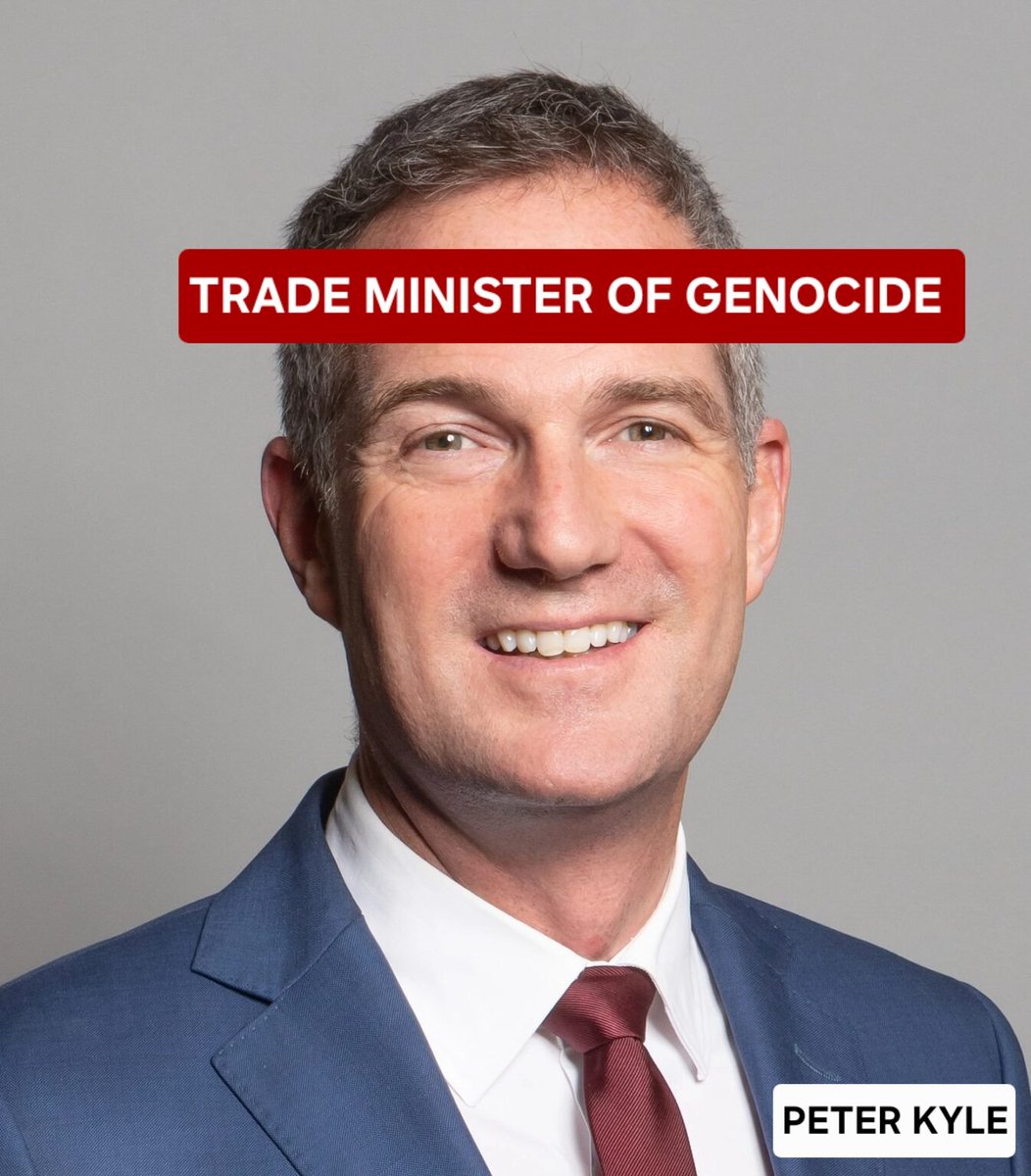
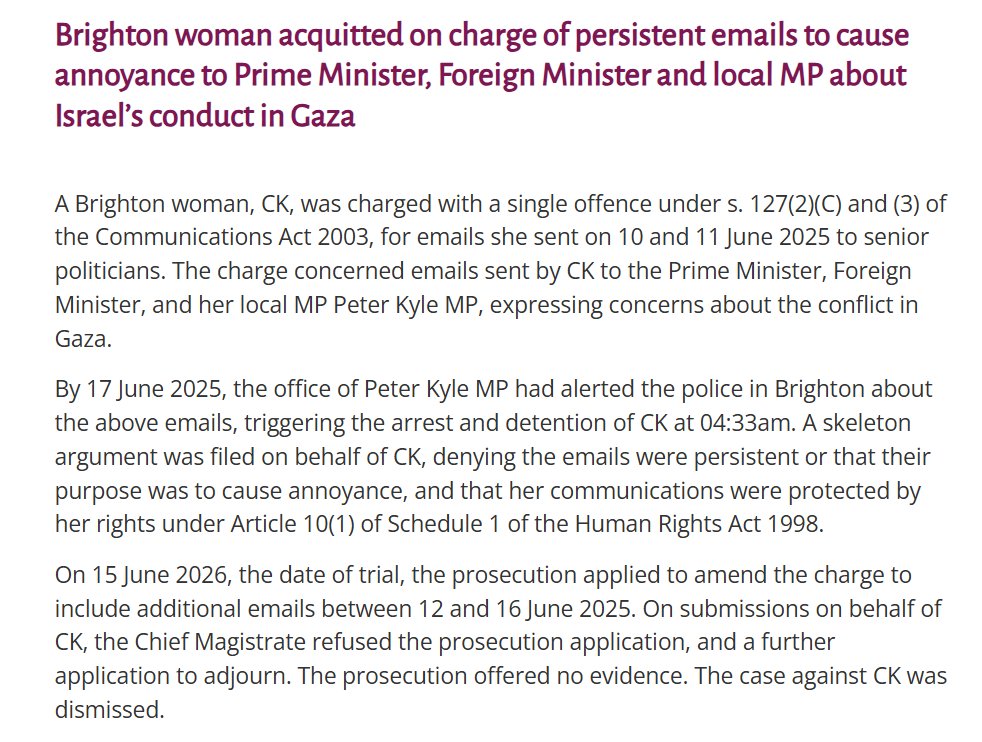
Claire Kerrison was arrested at 4:33am from her Brighton home for sending emails concerning 'israel's' genocide in Gaza to her MP Peter Kyle.
Four police officer raided her home on 17 June 2025. They seized her electronics. Held her for over eight hours with no one knowing where she was. Released her on strict bail. Charged her in late 2025 under the Communications Act.
The case dragged on for a full year. She faced multiple court hearings including not-guilty pleas.
The emails were described by those who read them as articulate and non-abusive— simply expressing horror at events in Gaza.
The man who triggered the police complaint? Her own constituency MP, Peter Kyle:
- Britain's trade minister responsible for arms exports to 'israel'.
- Long standing member and previous vice-chair of Labour Friends of 'israel'
Kyle has been accused of breaching the Ministerial Code by failing to declare his LFI membership in the official List of Ministerial Interests for 18 months despite the clear conflict.
The case was finally dismissed yesterday, with costs awarded to Claire Kerrison.
This is why British politicians who are paid/influenced by the 'israel' lobby must be banned from public office.
greghadfield.medium.com/excl…
doughtystreet.co.uk/news/bri…
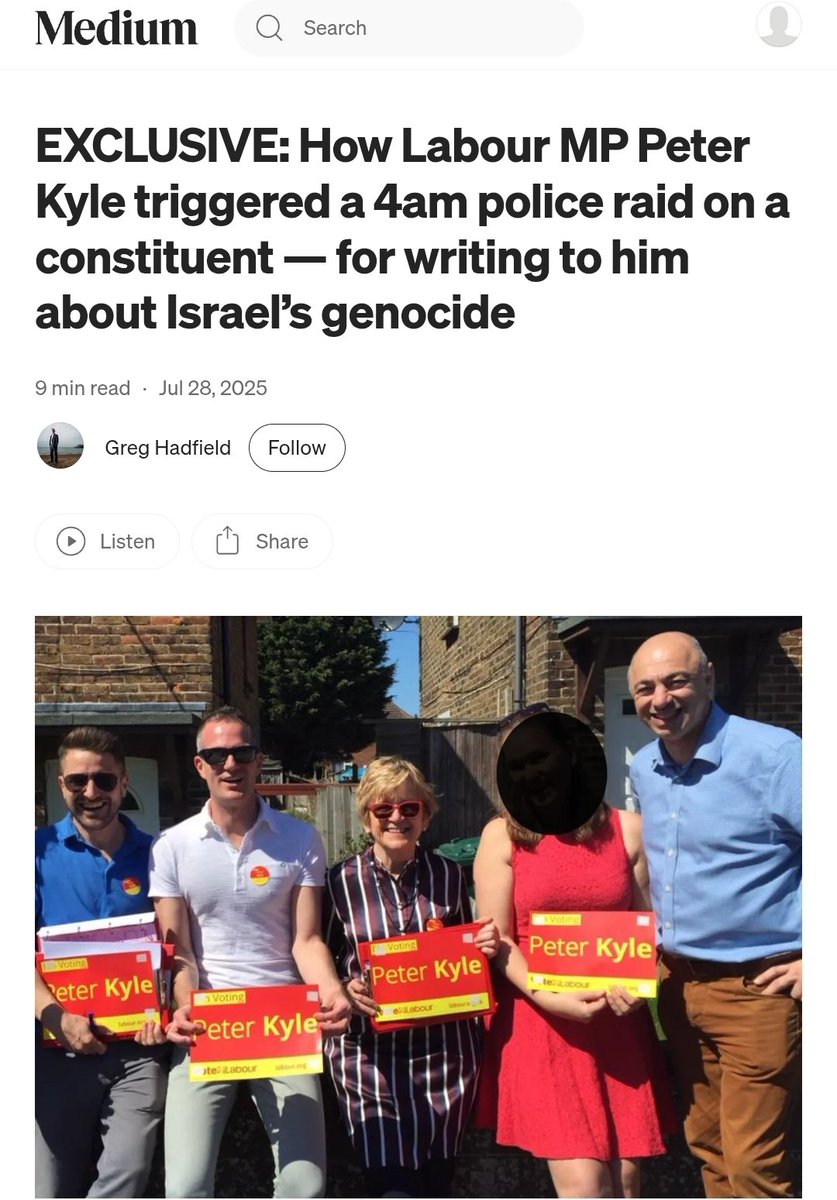

Holy crap. Peter Kyle CALLED THE POLICE on his own constituent because she wrote him a letter about Gaza.
doughtystreet.co.uk/news/bri…
151
2,605
4,951
102,553
Hyper retweeted

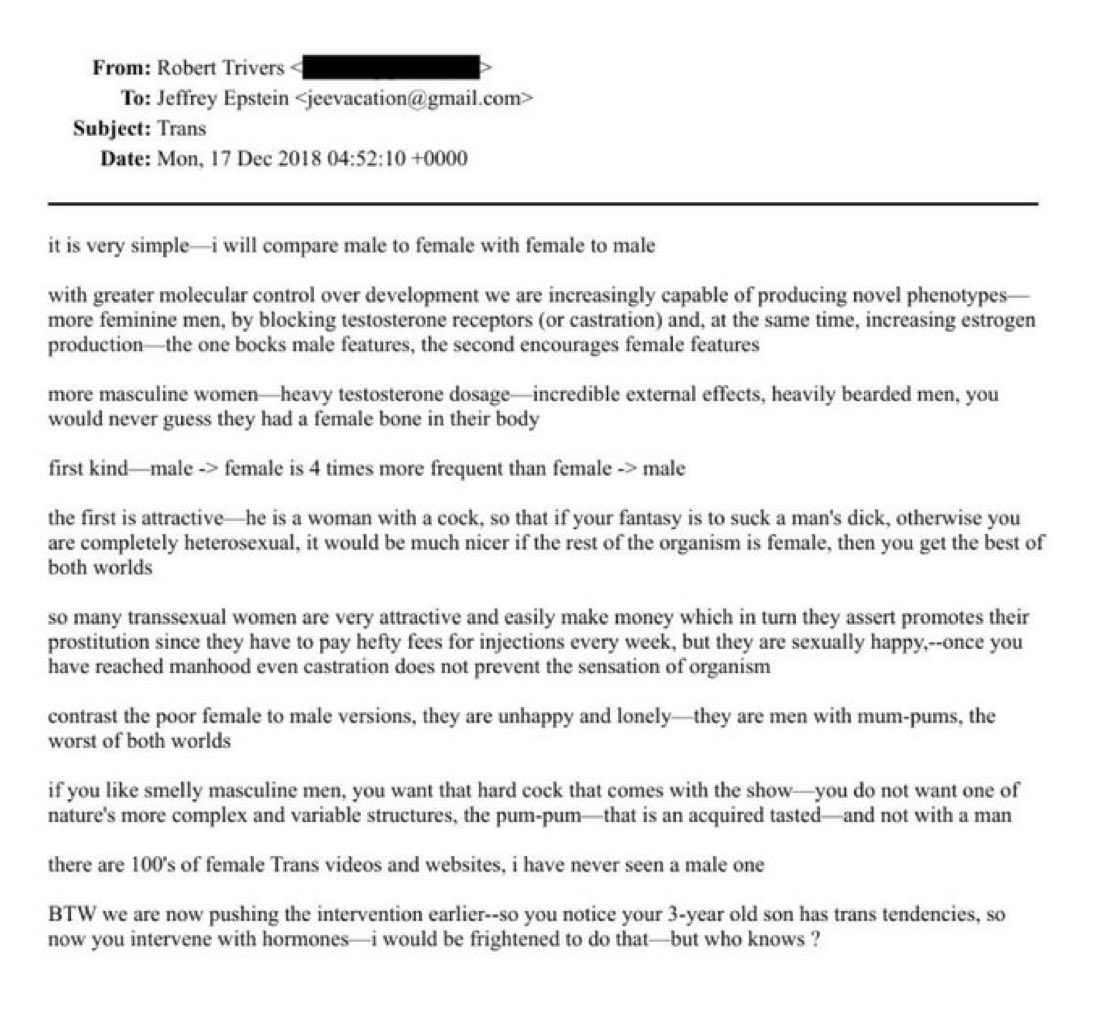
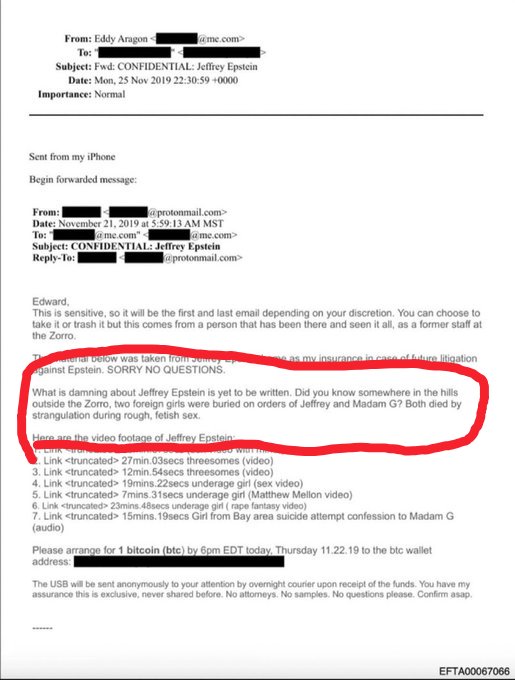
Epstein Files: Two girls were strangled and raped to death.
This is why I will never stop talking about Epstein files.
20
873
1,490
10,542
Hyper retweeted

Jun 14
197
513
4,405
41,810
Hyper retweeted

My nonprofit @ThurmanPerryFDN just sent 7500 organic menstrual products to the women at Rikers (Rose M. Singer) with the help of @NewHourNY and the staff actually echoed this sentiment. They’re just people. And people need as much support as possible to succeed. No matter what.

Mayor Mamdani tells graduates at Rikers Island “there will always be a place for you in NYC.”
“If today is proof of anything, it is that you have the power to move your life forward, even when everything feels like it is pulling you backwards.”
2
13
76
2,122
Hyper retweeted

they want to make even the THOUGHT of direct action criminal, but agents of the state shooting you dead in your community is a nothing burger to these ghouls

Q: Here in Minnesota, people still have questions as to why there isn't any prosecution or charges filed against the officers who killed Renee Good and Alex Pretti
ROSEN: Those investigations are ongoing. We're not going to get into the details.
1
14
30
632
Hyper retweeted
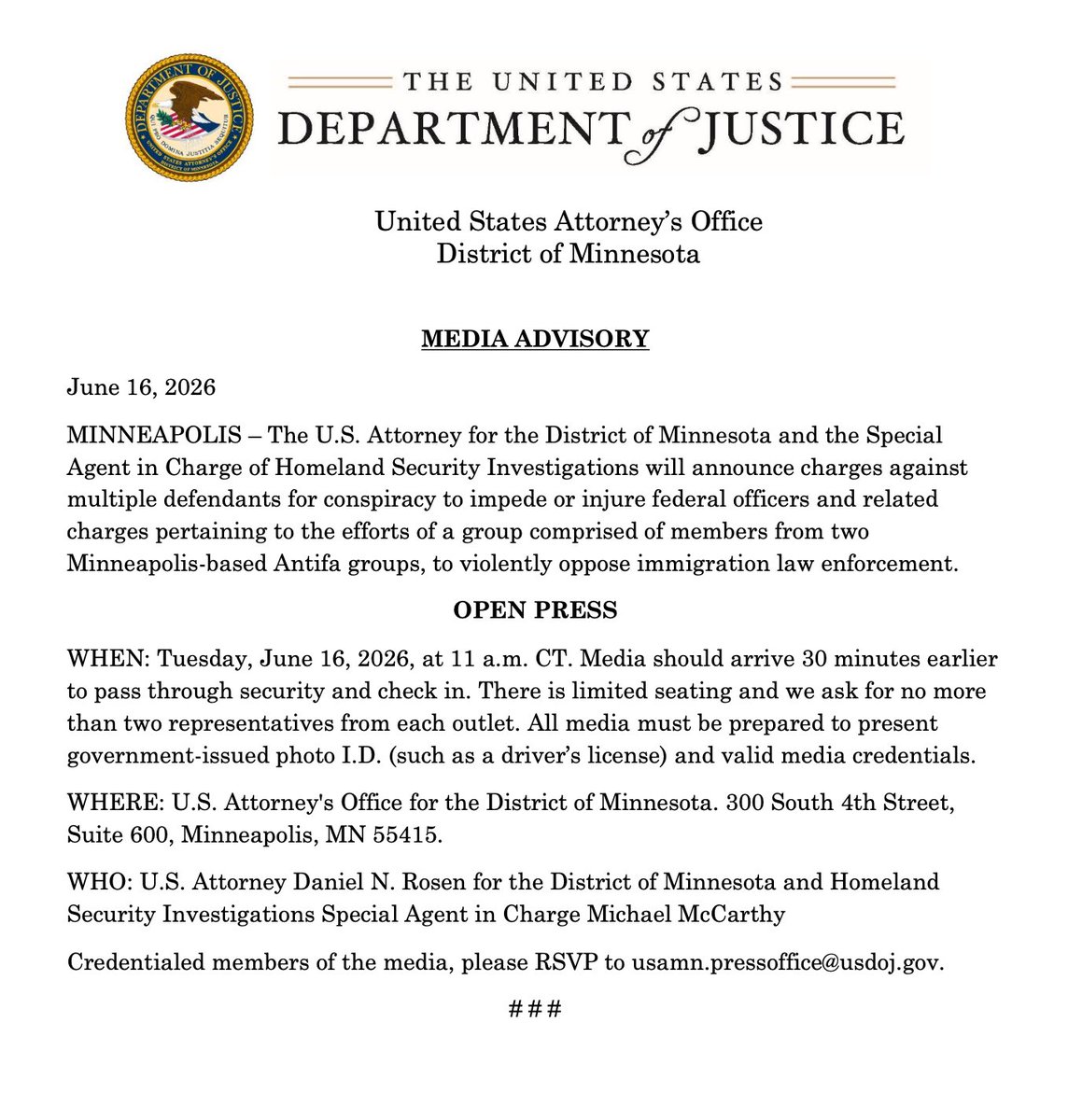
during this press conference it was said that all 15 of the defenders were conspiring to "injure" ICE agents. no ICE agents have been injured by anyone involved, as per the DA himself. a journalist in the crowd rightly noted that they were arrested for thought crimes.

🚨 DHS conducted raids this morning in Minneapolis, targeting rapid responders. In a few hours, they will announce conspiracy charges against popular defenders who allegedly resisted federal occupation of the city, describing them as “antifa” groups. Another NSPM-7 case.
2
47
114
1,969
Hyper retweeted

Black teenagers arrested at local festival—for making people "uncomfortable."
"This is straight up bullying," said witness.
"These boys were sitting on the bench minding their business.
Watch original unedited footage not yet posted here.
Police say it was "riotous behavior" that led to the arrests.
Officers claim that 2 teenage boys "refused to comply and were subsequently escorted from the park area... requiring physical restraint to ensure safety."
Incident occurred at the Edwardsville Pierogi Festival at John J. Hopkins Memorial Park in Luzerne County, Pennsylvania.
Ms. Heather filmed the original incident, researched the police report, and offered her testimony.
She does not have an account on this platform—so posting here to help her raise awareness.
57
587
1,149
21,400
Hyper retweeted

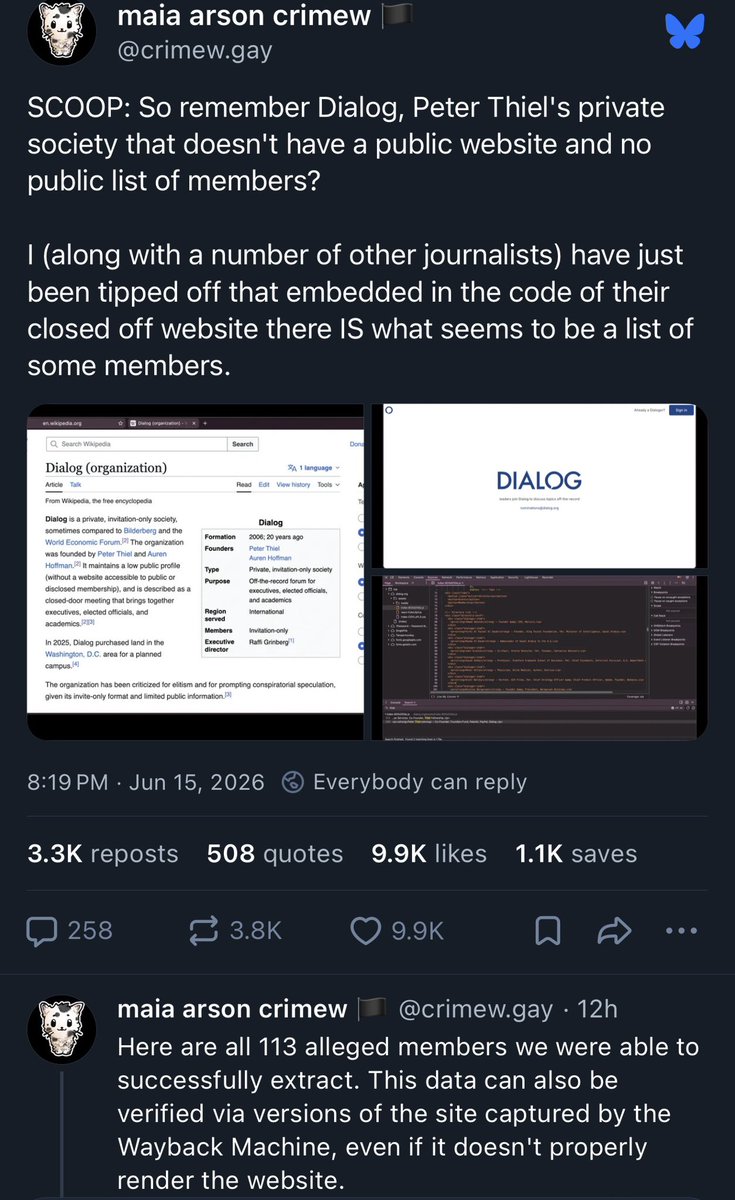
the clues are all in the places you'd most expect
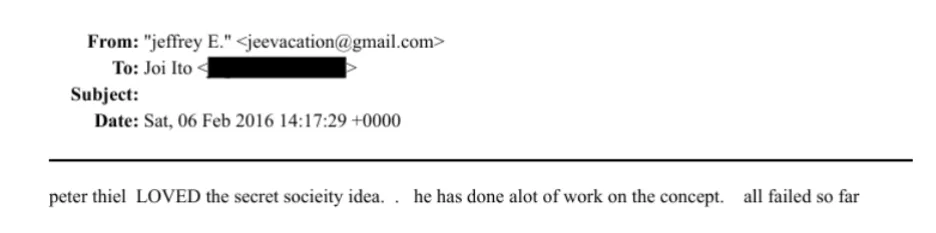

We all failed to consider that the illuminati really would leave clues
6
392
4,336
57,549
Hyper retweeted

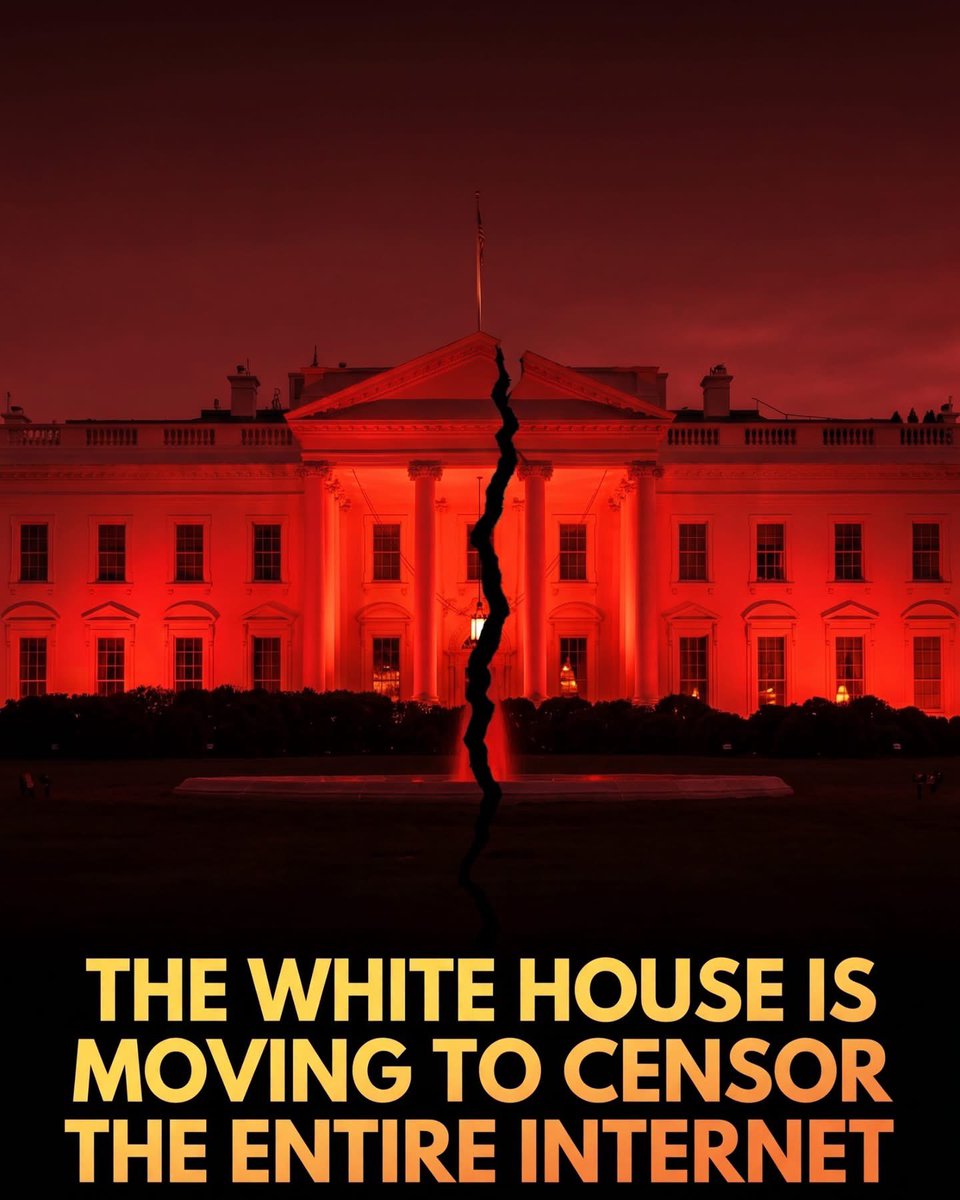
🔔ICYMI: A controversial deal in the U.S. could fundamentally rewrite internet freedom as we know it.
The congressional deal would trade the deregulation of artificial intelligence for unprecedented federal censorship powers.
A high-stakes compromise is quietly brewing in Washington as the White House negotiates with congressional leaders to fundamentally reshape the digital landscape.
Under the proposed deal reported by Axios, the federal government would strip states of their authority to regulate artificial intelligence—effectively halting progressive state-level efforts to hold tech companies accountable and restrict energy-heavy AI data centers.
In exchange, lawmakers would push through three major federal censorship bills: the Kids Online Safety Act, the NO FAKES Act, and a federal online age verification mandate. While framed as common-sense protections for minors, civil liberties advocates warn these measures represent an unprecedented expansion of federal control over online speech.
The backlash to this legislative trade-off cuts across typical political lines. Even conservative-backed organizations like the Foundation for Individual Rights and Expression (FIRE) have issued stark warnings, declaring that the package would dismantle the internet as we know it by empowering the Federal Trade Commission to dictate acceptable online speech.
Opponents argue that enforcing these rules would effectively eliminate online anonymity, while giving the administration an incredibly powerful tool to censor dissenting political views and control what users see on major platforms like Instagram.
As the White House maneuvers to secure congressional backing, Americans are left facing a troubling dilemma: the long-sought-after regulation of big tech and AI may come at the direct cost of their fundamental constitutional rights to free expression.
Source: Wilkins, J. (2026). Trump Moves to Deeply Censor the Entire Internet. Futurism.
36
217
258
6,926
Hyper retweeted

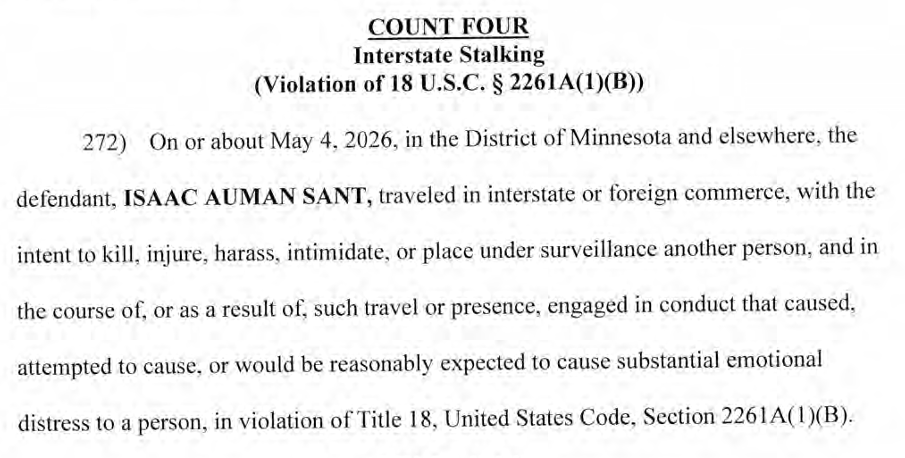
The DOJ is trying to make driving your car on the same street as ICE agents a federal crime punishable by 5-25 years.
If they want to come after you, they will come after you. The only thing that will protect us is each other.
ICErr.com
1
59
168
2,586
RT @nfrmry: Apparently Karmelo Anthony was jumped by four individuals while he was sitting down. That's why the video hasn't been shown to…
3,164
Hyper retweeted

US Attorney Daniel Rosen claims they've arrested 13 people (out of 15), whom they are charging with conspiracy. He says defendants “identify as antifa.” He referenced the EO issued by Trump designating “antifa” a terrorist group, something he does not have the authority to do.
🚨 DHS conducted raids this morning in Minneapolis, targeting rapid responders. In a few hours, they will announce conspiracy charges against popular defenders who allegedly resisted federal occupation of the city, describing them as “antifa” groups. Another NSPM-7 case.
3
76
182
13,588
Hyper retweeted

Jun 15
If the opinion is made to intentionally stir the pot and create a community following off of nothing but rage, distain and vitriol all for a selfish agenda of achieving monetary gain and notoriety off of impressionable people's misery, then yeah- I'd probably use the gif on em.
11
5
32
1,243
Hyper retweeted
🚨 DHS conducted raids this morning in Minneapolis, targeting rapid responders. In a few hours, they will announce conspiracy charges against popular defenders who allegedly resisted federal occupation of the city, describing them as “antifa” groups. Another NSPM-7 case.
14
806
1,586
87,457