Joined June 2010
- Tweets 213
- Following 449
- Followers 379
- Likes 249
48 Photos and videos


21 Dec 2025
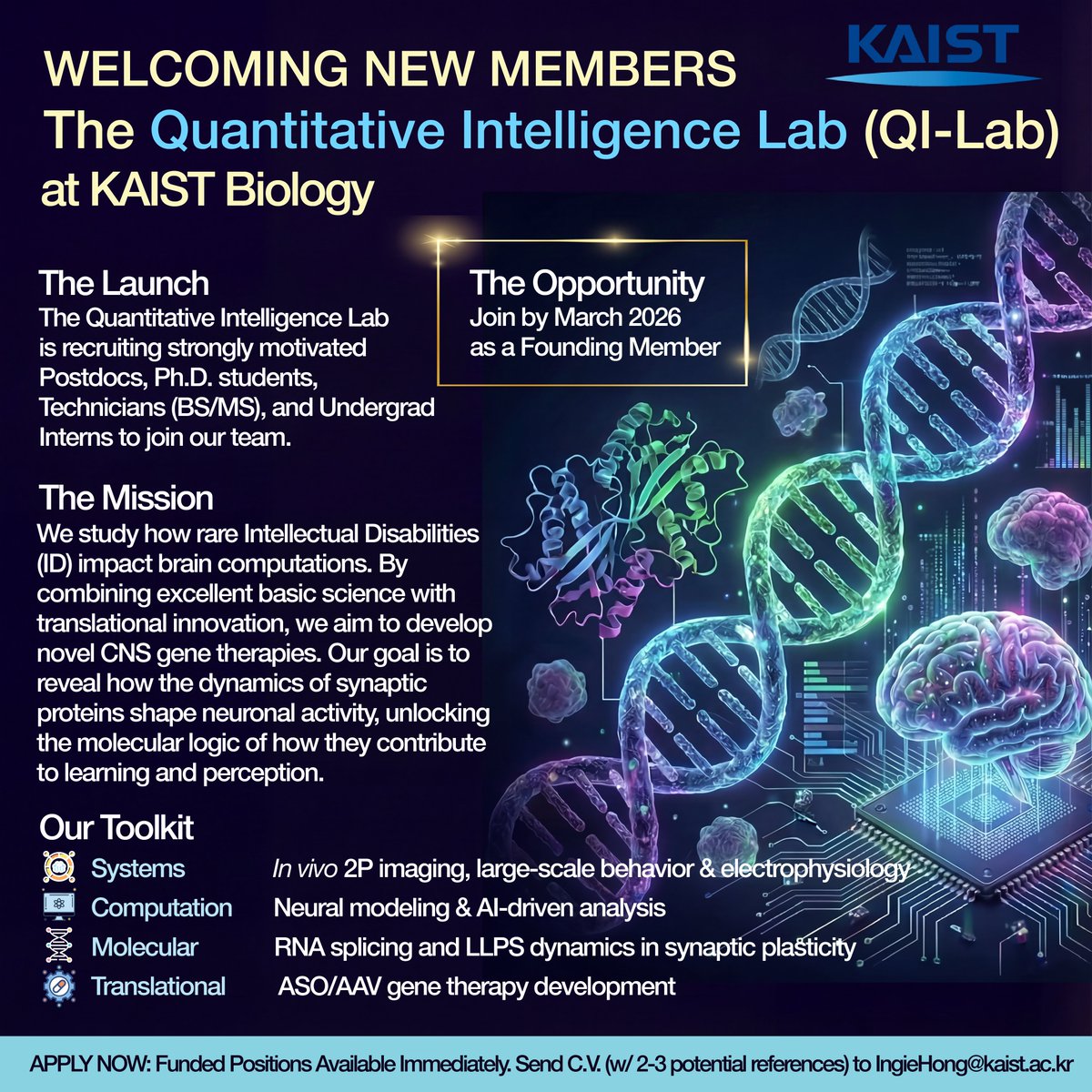
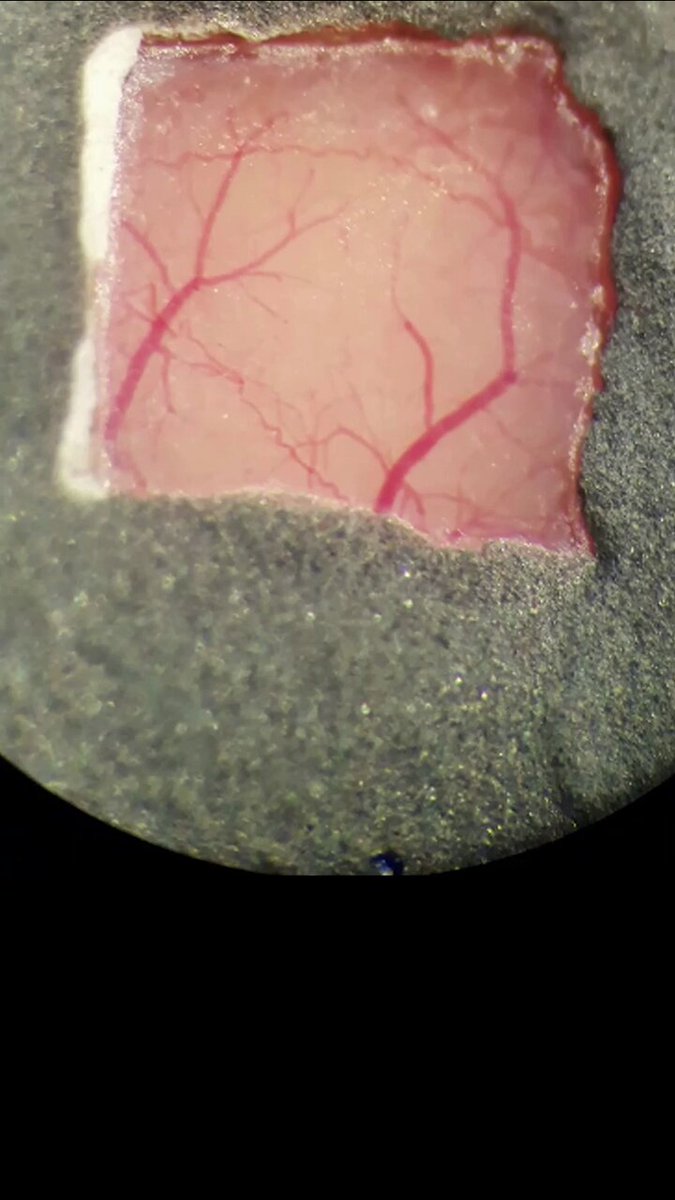
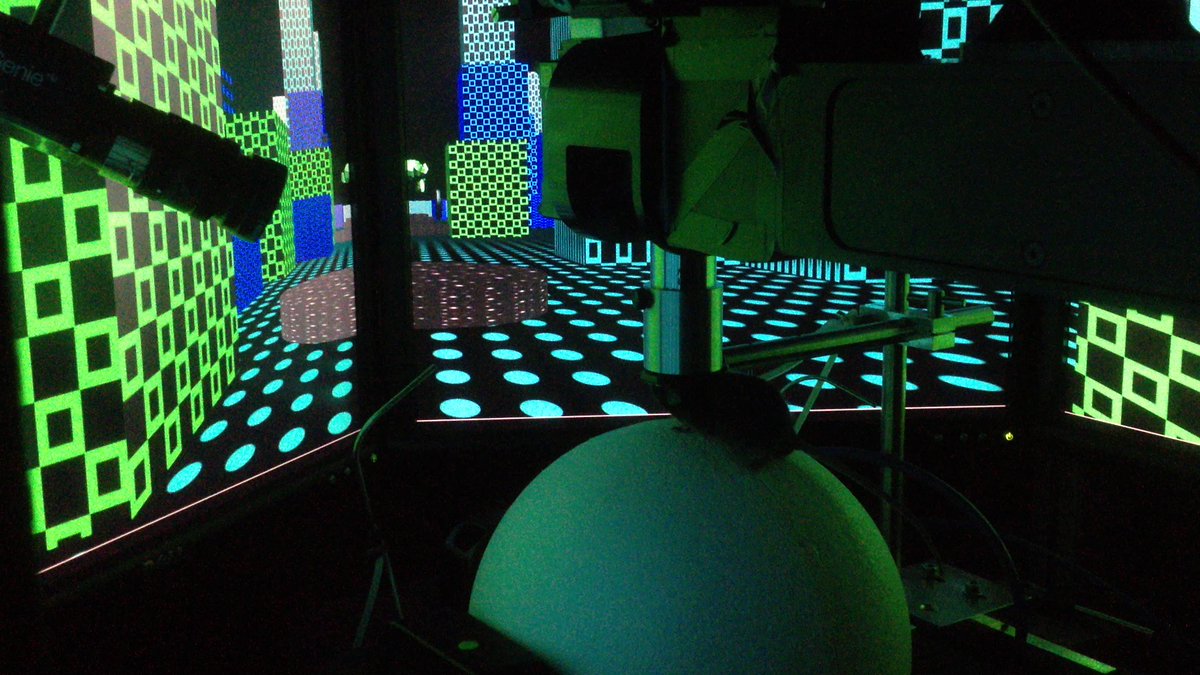
Delighted to announce the opening of my lab at KAIST in Daejeon. My lab will focus on intellectual disability proteins and their impact on brain computations.
I'm hiring!
For more details, visit ingiehonglab.org.
Please RT! Recommendations are welcomed.
8
118
17 Jan 2025
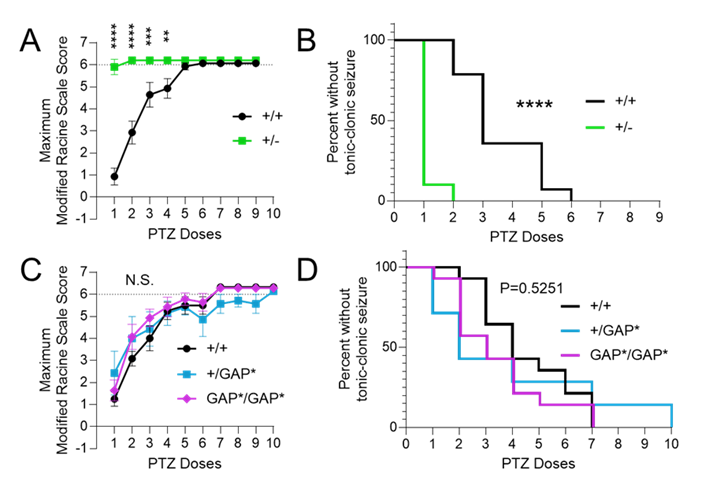
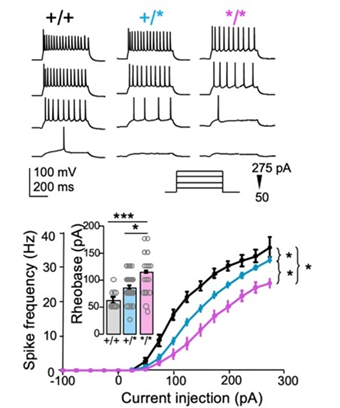
Excited to share our new preprint on #SYNGAP1 that shows how its enzymatic and structural role can be dissociated! The GAP activity is essential in increasing intrinsic excitability but does not contribute to the seizure protection SynGAP is important for. biorxiv.org/content/10.1101/…
1
2
23
1,558
17 Jan 2025
Congrats to my dear colleagues Julia Brill, Blaise Clarke, and Rick Huganir! And thanks to the many people who helped with this research. Lastly, thanks to @cureSYNGAP1 and all Syngapian families who inspired our science.
1
253
28 Apr 2025
Now published in PNAS! Congrats to my amazing colleagues Julia and Blaise & postdoctoral mentor Rick! pnas.org/doi/10.1073/pnas.24…
Here we've dissociated enzymatic vs structural roles of SYNGAP1 in excitability and seizures. This will inform treatment development for this NDD!
2
139
Ingie Hong retweeted

16 Jan 2025
We're thrilled to present ESM3 in @ScienceMagazine. ESM3 is a generative language model that reasons over the three fundamental properties of proteins: sequence, structure, and function. Today we're making ESM3 available free to researchers worldwide via the public beta of an API for biological intelligence.
Trained with over a trillion teraflops of compute, this is the first time a model of this scale has been trained for biology, pushing the frontier of AI for biological discovery and engineering.
ESM3 learns to represent the immense complexity of protein biology, learning from billions of natural proteins. From this training it developed the capability to design proteins, responding to complex prompts combining atomic level details and high level instructions to generate new proteins.
ESM3 can explore protein space far beyond natural evolution. We prompted ESM3 to generate a fluorescent protein at a far distance from any known fluorescent proteins, searching an unknown region of protein space, to discover a new fluorescent protein.
We estimate this is equivalent to simulating five hundred million years of evolution.
24
241
852
227,161
Ingie Hong retweeted

12 Dec 2024
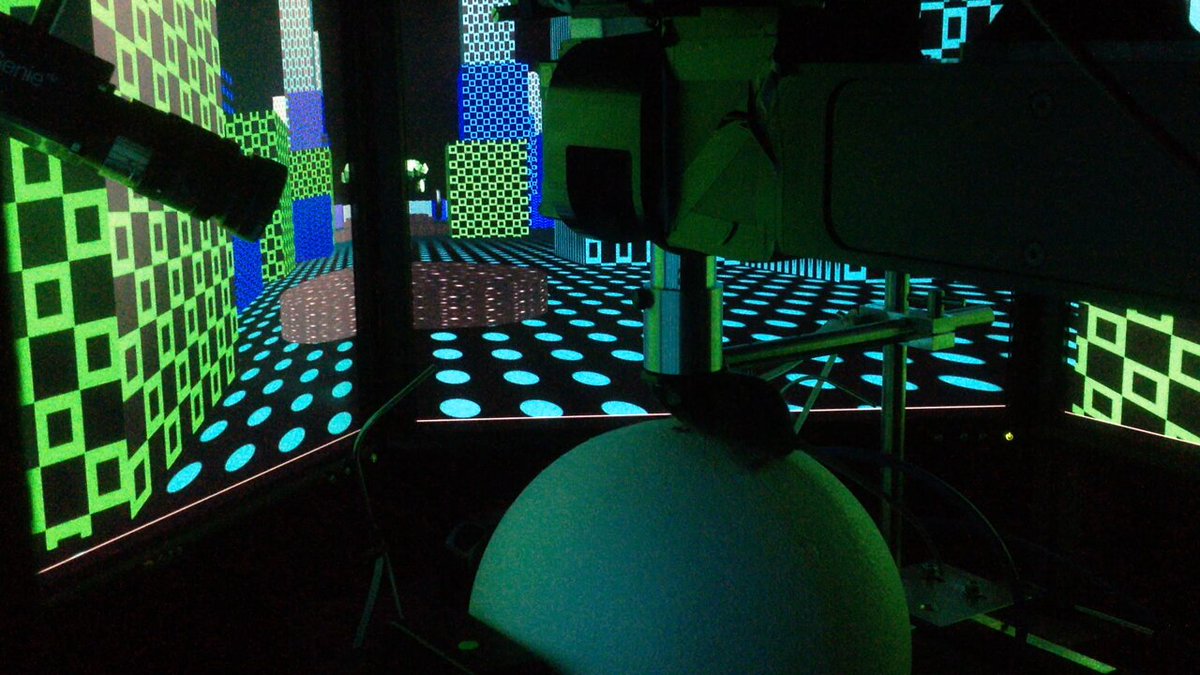
Our paper on MouseGoggles - an open-source mini VR headset for mice - just came out! Really excited about finally integrating eye-tracking into the headset. Nice working with you @hongyu_chang!
nature.com/articles/s41592-0…
github.com/sn-lab/MouseGoggl…
33
116
14,419
31 Oct 2024
Amazing work by @Han_L_Tan! These BNC2 neurons shut down hunger before you can pronounce semaglut-. Lots of implications for understanding and treating obesity 🧠🍽️ #Neuroscience #ObesityResearch #Leptin
30 Oct 2024

Thrilled to share our paper online @Nature (on my birthday)! We've identified a new population of LepR neurons (BNC2) in the hypothalamus ARC that acutely suppresses appetite by directly inhibiting AGRP neurons, decoding the missing LepR GABAergic neurons. nature.com/articles/s41586-0…
6
369
Ingie Hong retweeted

16 Oct 2024
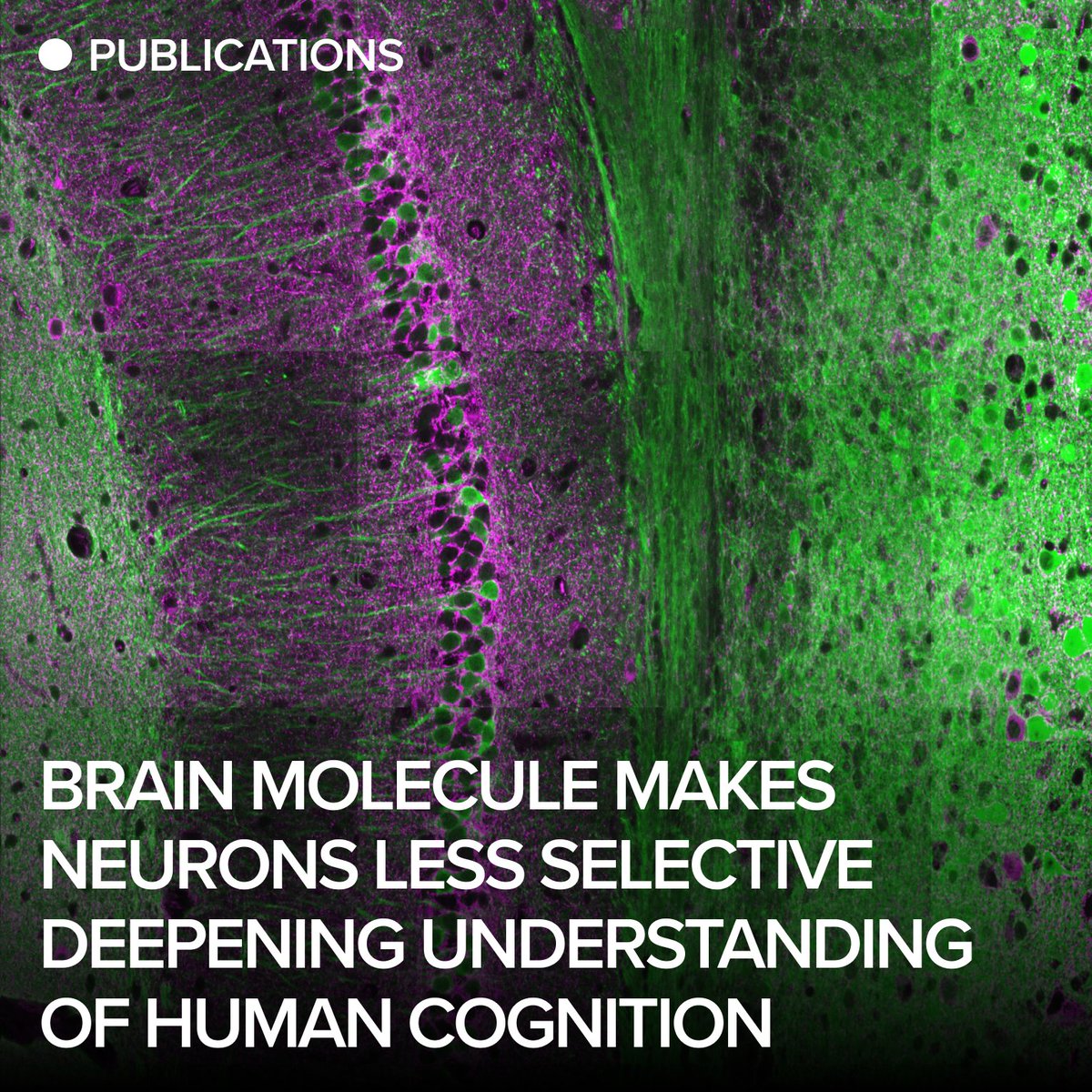
Brain Molecule Makes Neurons Less Selective Deepening Understanding of Human Cognition—Findings from Johns Hopkins Medicine may help scientists better understand causes of autism, schizophrenia and epilepsy.
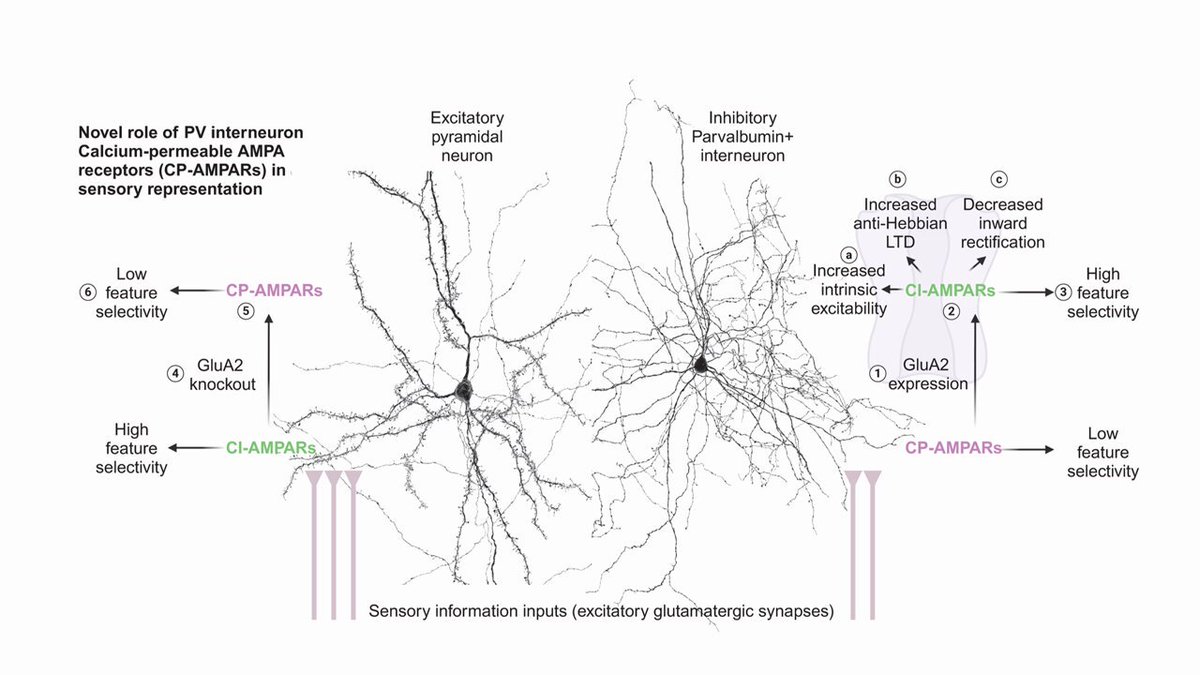
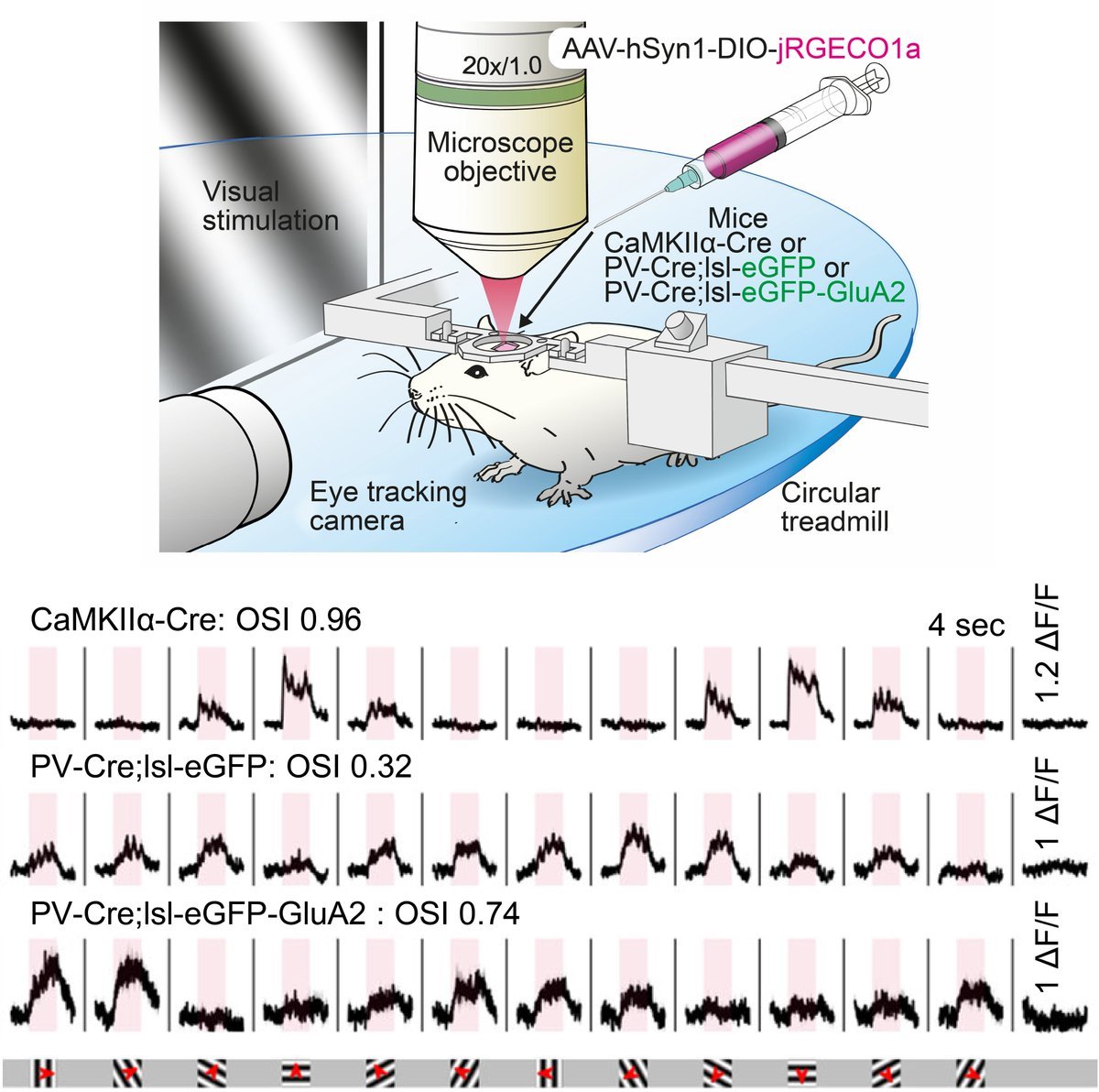
“We've discovered that the calcium permeable subtype of AMPA receptors has an added role of suppressing the selectivity of a given neuron,” says Ingie Hong, Ph.D., first author and an instructor in neuroscience at the Johns Hopkins University Medicine. “Until now, the role of these specific receptors in the wider mammalian brain as it functions in everyday life has been a mystery.”
Full article: oneneurojhu.org/2024/10/14/b…
1
1
8
816
3 Oct 2024
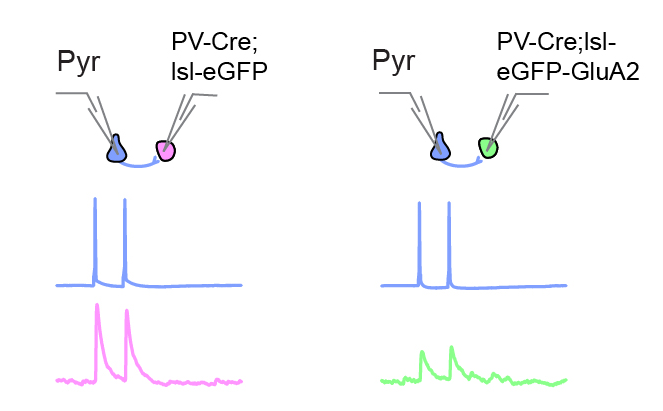
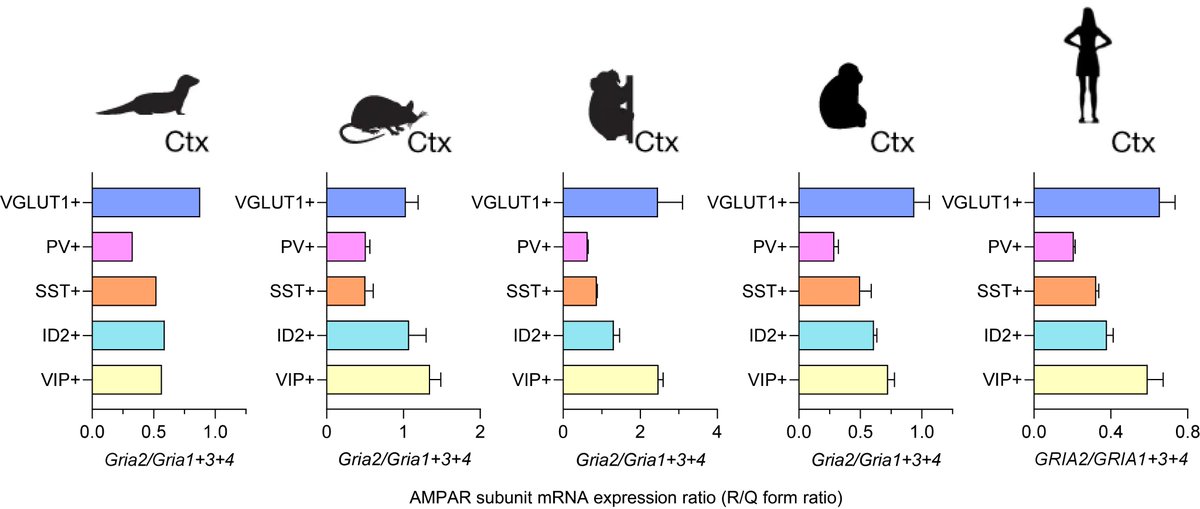
Why are some neurons more selective than others? We report now in @Nature how calcium permeable-AMPA receptors in PV neurons make them less selective to sensory features nature.com/articles/s41586-0… Long live the geniuses behind this🧠🔍juhyun.kim @thainmueller @rhuganir
17
81
334
36,200
3 Oct 2024
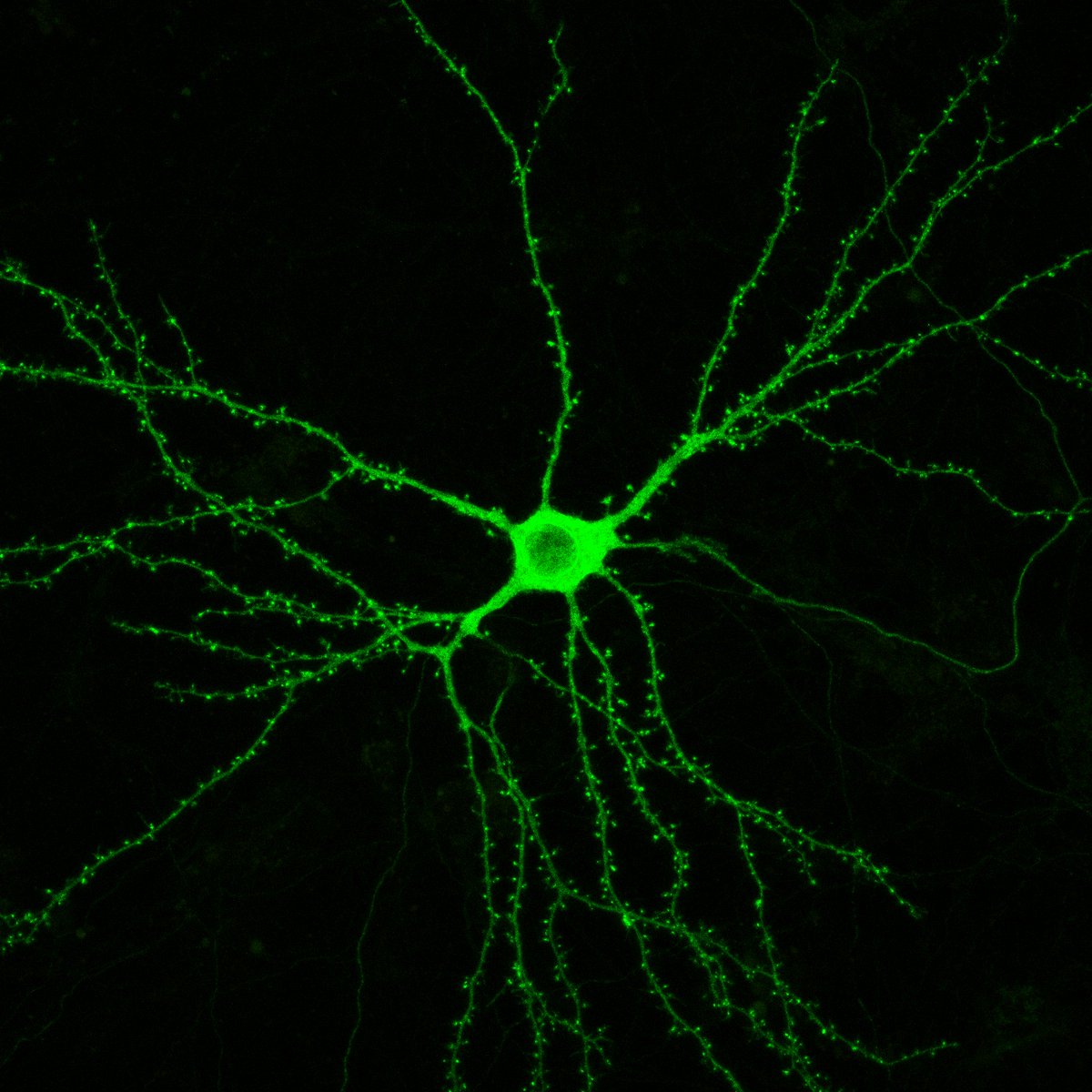
Several tools we developed along the way, including large-capacity #AAV vectors including AAV-GluA2 shown below (at @Addgene soon), updated #retinotopy, and #FICSRseq which recovers PV interneurons and other cells vulnerable to dissociation! Kudos to @ThomasDWKim @SethBlackshaw
1
1
14
1,189
3 Oct 2024
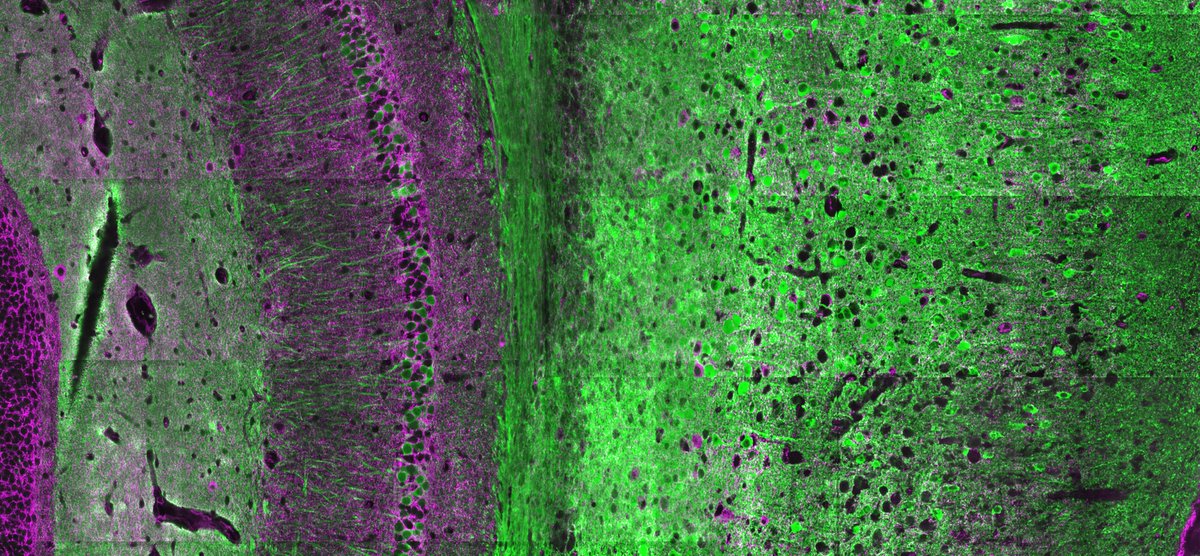
Lastly a shoutout to the amazing undergrad interns @jojo_zn_yang david.cheon @MichaelAyad10 johnson.moran who made jaw-dropping images like this that inspire us to explore more about forebrain architecture and circuit logic. Miss you guys!
8
651
Ingie Hong retweeted

5 Sep 2024
We’re presenting AlphaProteo: an AI system for designing novel proteins that bind more successfully to target molecules. 🧬
It could help scientists better understand how biological systems function, save time in research, advance drug design and more. 🧵 dpmd.ai/3XuMqbX
66
787
2,868
1,078,087
Ingie Hong retweeted

6 Sep 2024
Make critical thinking a foundational subject in education. Teach students how to think critically, analyze information, and discern fact from fiction using scientific methods, creating a more discerning and informed society.
69
799
2,784
146,711