Inclusive Design research group at the Engineering Design Centre, Cambridge University: Produces the Inclusive Design Toolkit & other tools for #InclusiveDesign
- Tweets 1,052
- Following 362
- Followers 693
- Likes 1,905
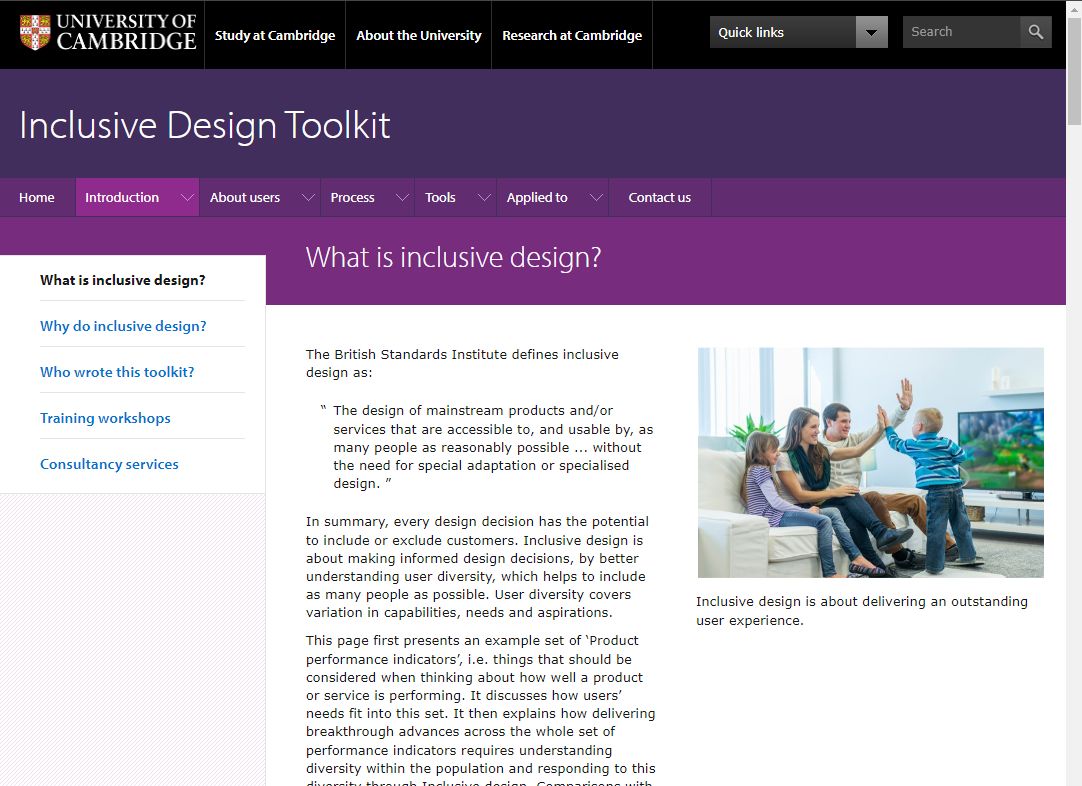

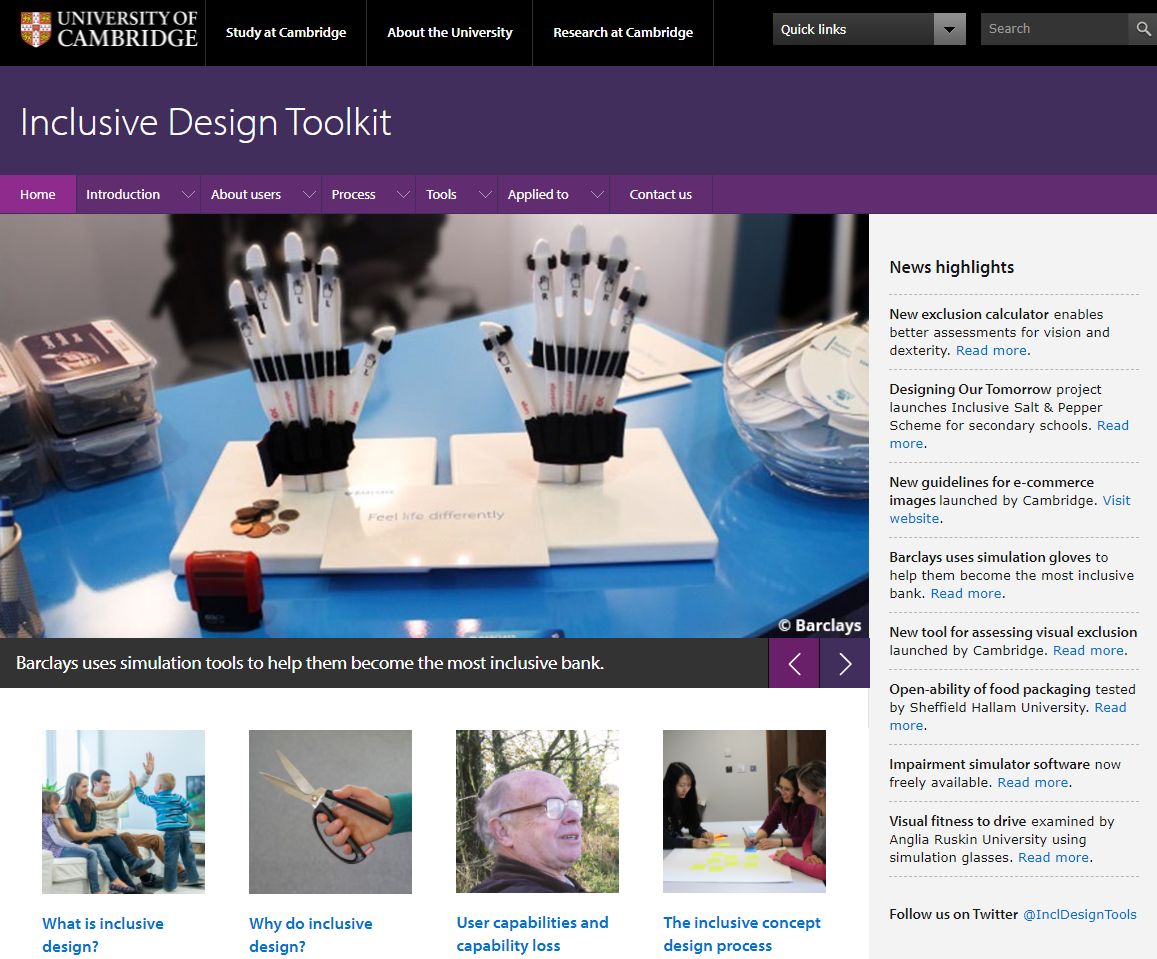
ALT Screenshot of the front page of the Inclusive Design Toolkit, with a photo of dexterity impairment gloves, news highlights and various sections
ALT Conference logo with the words 12th Cambridge Workshop on universal access and assistive technology.
ALT Conference logo. It reads 11th Cambridge Workshop on Universal Access and Assistive Technology.
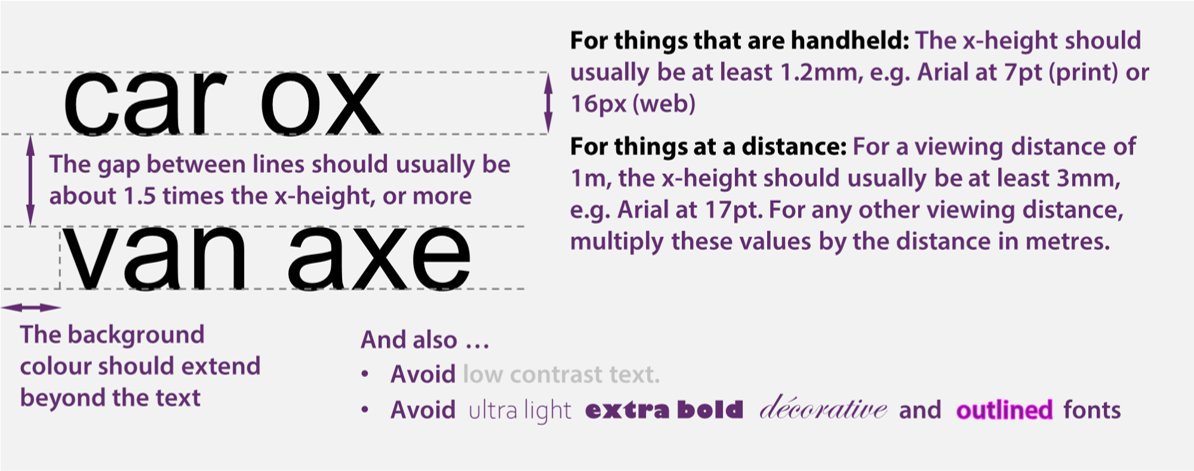
ALT Diagram showing some example text, which states that for things that are handheld, the x-height should usually be at least 1.2mm. That is Arial at 7pt in print or 16px for websites. For things at a distance, for a viewing distance of 1m, the x-height should usually be at least 3mm, e.g. Arial at 17pt. For any other viewing distance, multiply these values by the distance in metres. Additionally, the gap between lines should usually be about 1.5 times the x-height (or more) and the background colour should extend beyond the text. We also advise avoiding low contrast text and ultra light, extra bold, decorative and outlined fonts.
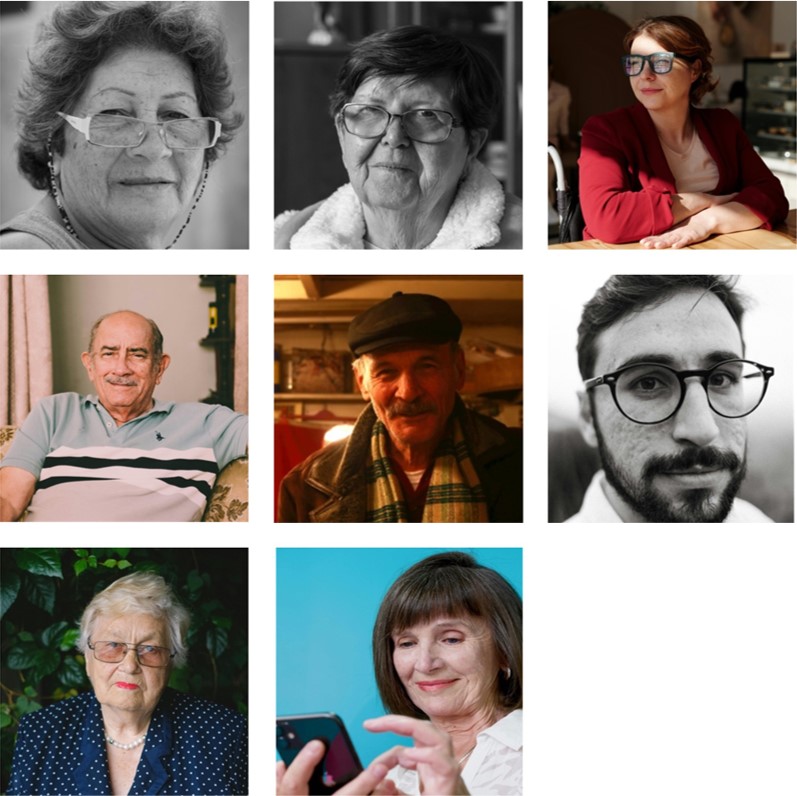
ALT Photos of 8 personas, showing a range of people of different ages and genders
ALT Logo with the words 12th Cambridge Workshop on Universal Access and Assistive Technology
ALT Conference logo, which reads CWUAAT 12th Cambridge Workshop on Universal Access and Assistive Technology
ALT Logo for the conference. It reads CWUAAT: 12th Cambridge Workshop on Universal Access and Assistive Technology.

ALT Conference logo with the words: 12th Cambridge workshop on universal access and assistive technology

ALT CWUAAT logo with the word '12th Cambridge Workshop on Universal Access and Assistive Technology'

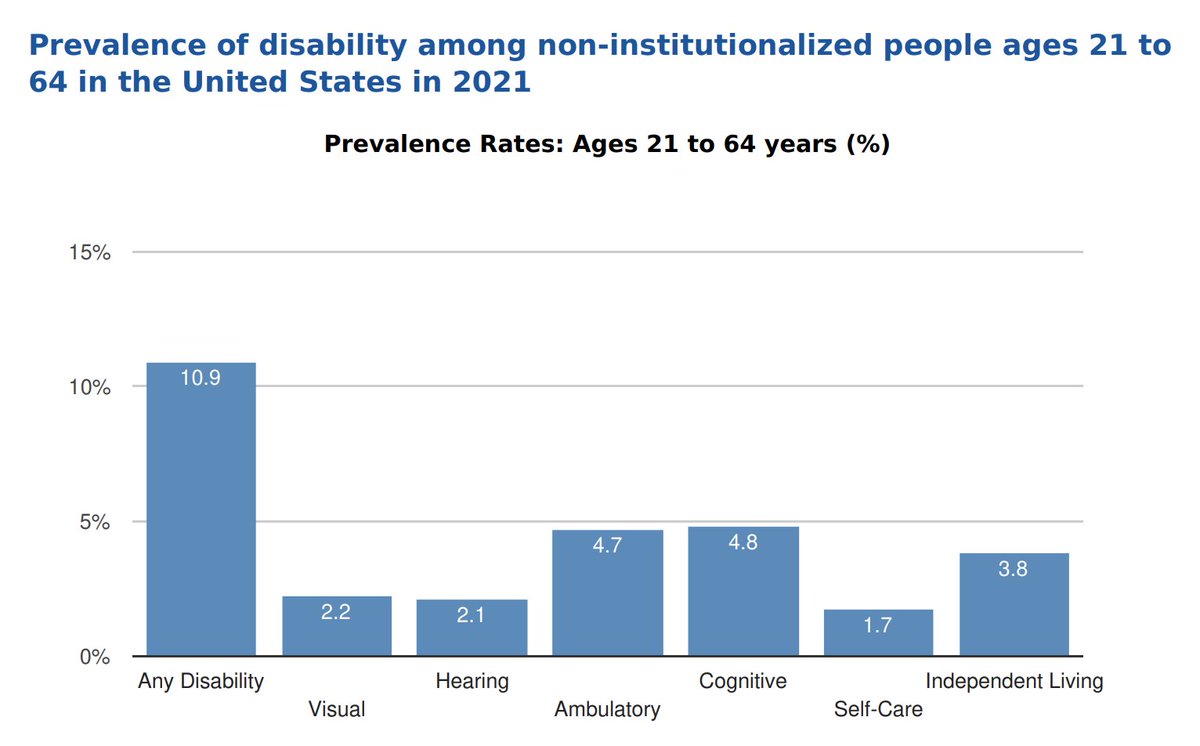
ALT Bar chart depicting the prevalence of disability among non-institutionalized people aged 21 to 64 in the United States in 2021. The chart shows the following prevalence rates: - Any Disability: 10.9% - Visual: 2.2% - Hearing: 2.1% - Ambulatory: 4.7% - Cognitive: 4.8% - Self-Care: 1.7% - Independent Living: 3.8%

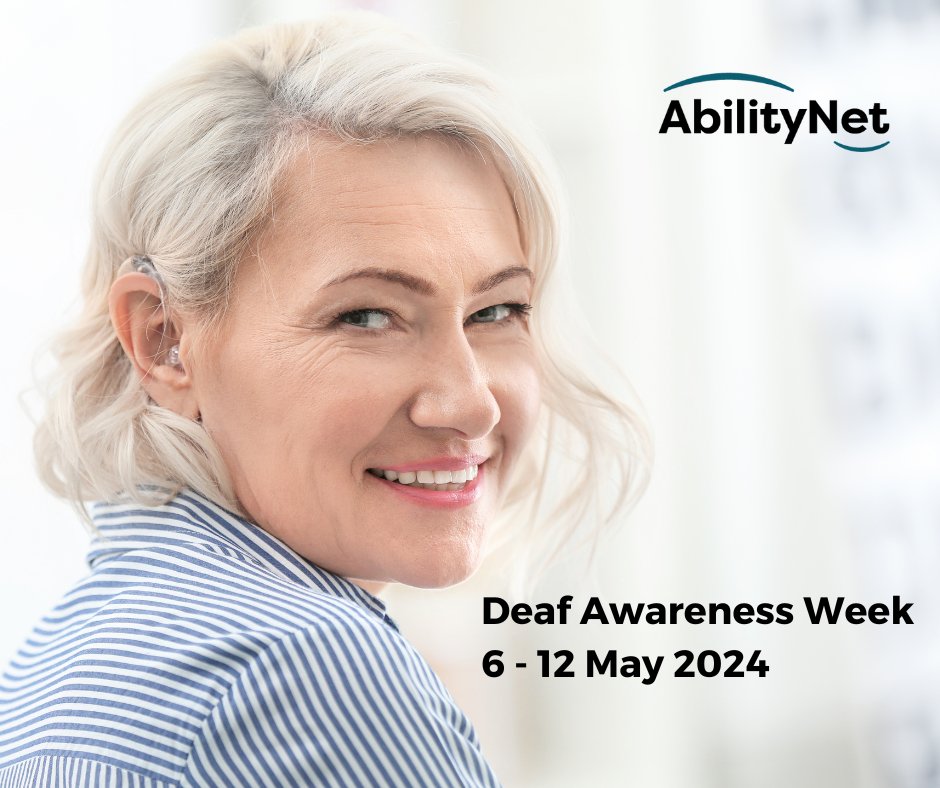
ALT A person wearing a hearing aid smiling to camera. Text displays: Deaf Awareness Week. 6-12 May 2024.

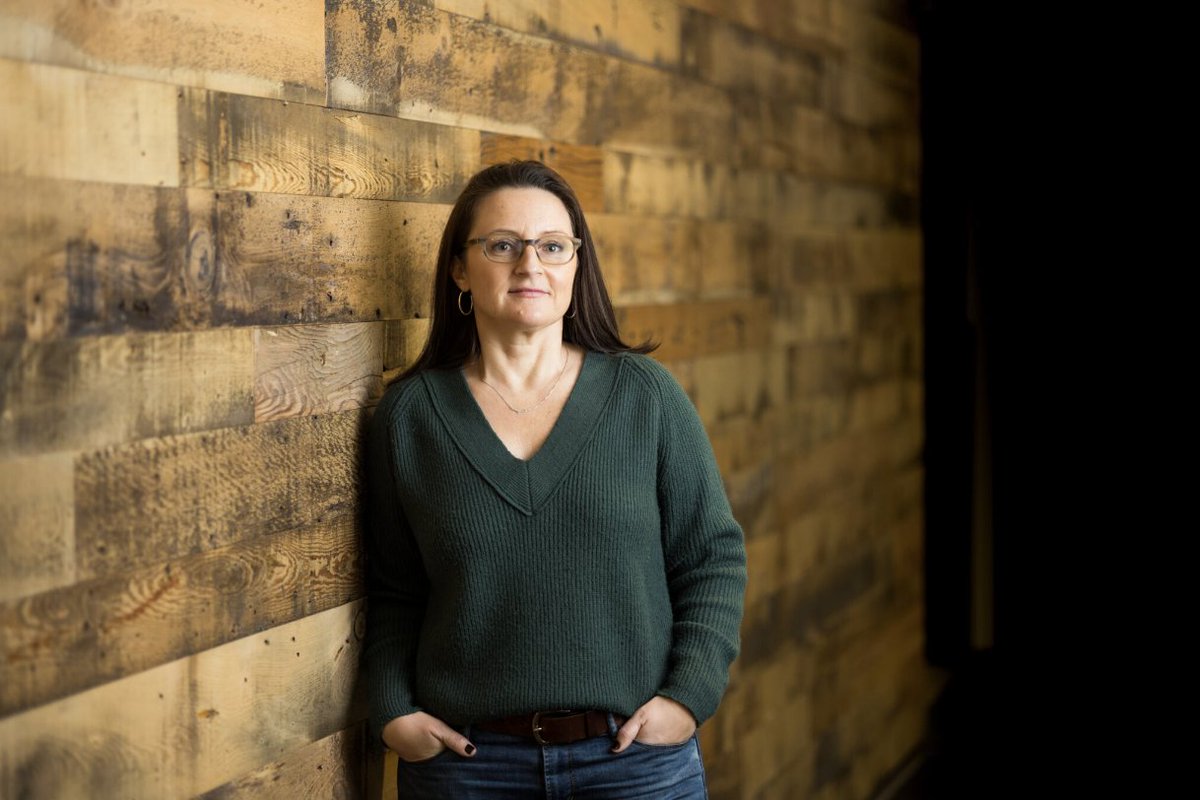
ALT Katy Jo Wright, senior director of Microsoft Gaming For Everyone Sustainability (photo by Dan DeLong)