
Liberté - Ordre public
Joined January 2016
- Tweets 21,740
- Following 1,073
- Followers 254
- Likes 68,784
919 Photos and videos







Pinned Tweet

Mar 8
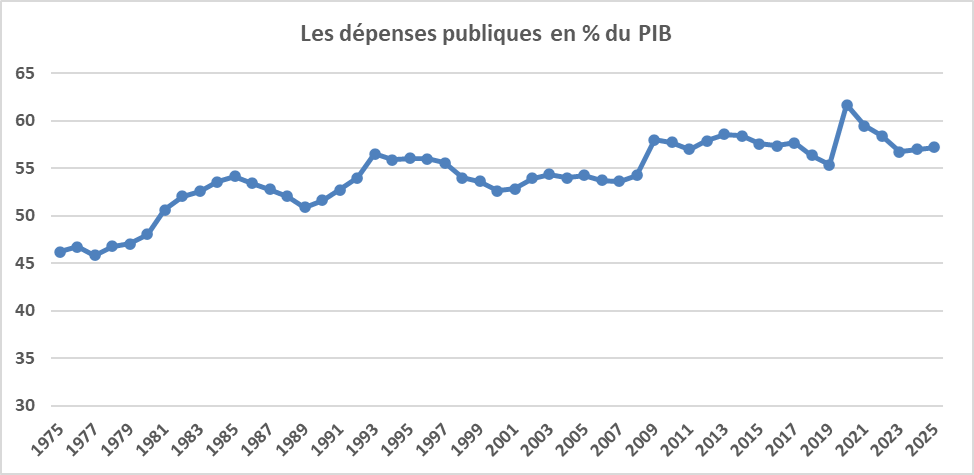
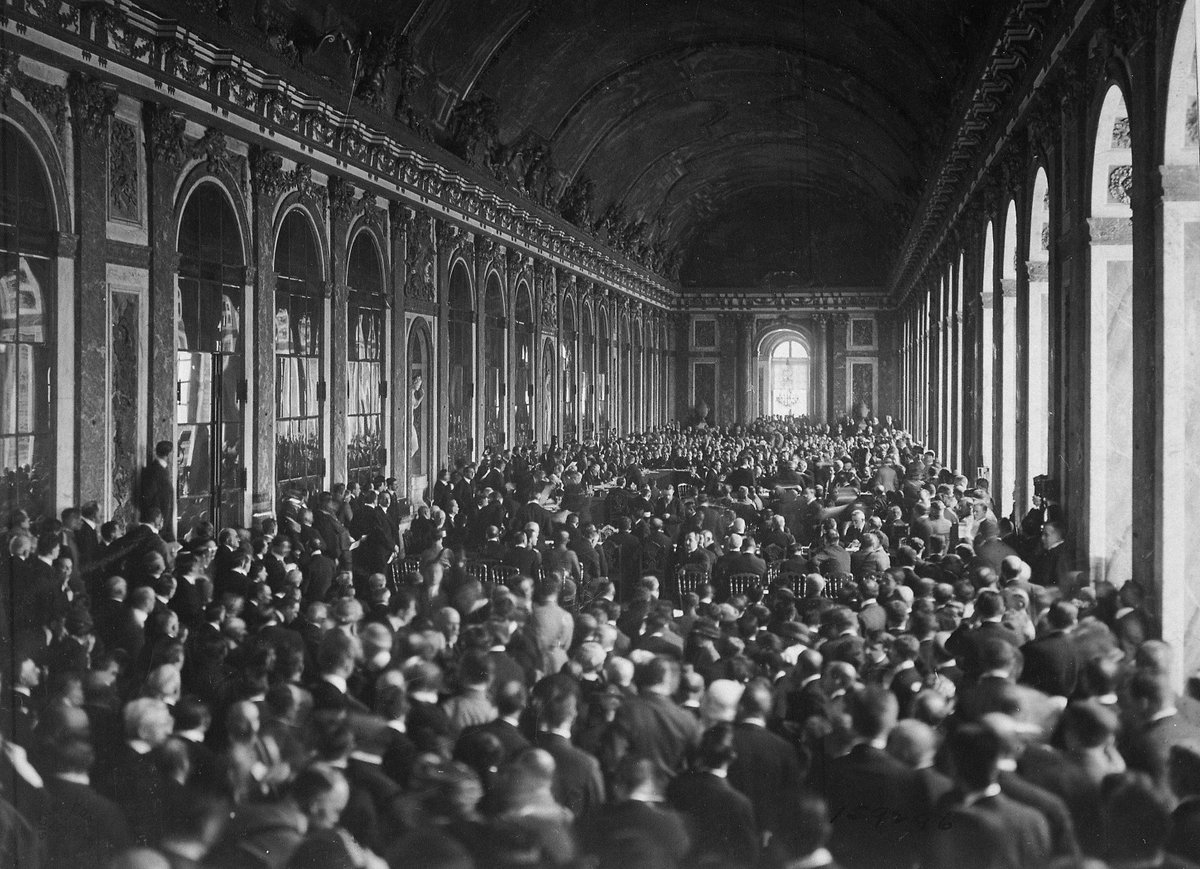
Complètement fou, 4 ans de guerres qui tuent 1.6 millions de français, qui ravage 1/4 du territoire et des centaines de villes, c'est même pas 2 ans de la voracité infinie des boomers.
Il faut mettre fin à cette gabegie et on redevient n°1 en 5 ans.

Si l'on estime le coût ajusté de l'inflation des réparations de guerre totales demandées aux Allemands lors du traité de Versailles entre 800 et 900 milliards d'euros, cela représente à peine plus de deux années de financement des retraites françaises.

1
2
625
Jun 14
On se plaint beaucoup en France mais rassurez-vous, les zinzins de l'espace sont partout en Europe mdr
Jun 14

BREAKING:
The Netherlands just told its citizens to go to hell.
36% tax on unrealized gains. Approved.
You didn't sell anything.
You didn't make a single euro in cash.
Your portfolio went up on paper.
The government sends you a bill anyway.
61,000 citizens petitioned against it.
Parliament approved it anyway.
No cash to pay the tax? Not their problem.
Asset crashes after you paid? Not their problem.
This is not tax policy.
This is the government treating your paper gains as their income. Before you've made a single euro.
The most talented Dutch investors are already leaving.
Capital goes where it is treated best.
2028 is coming.
Plan accordingly.



3
Infraraid 🇹🇫 retweeted

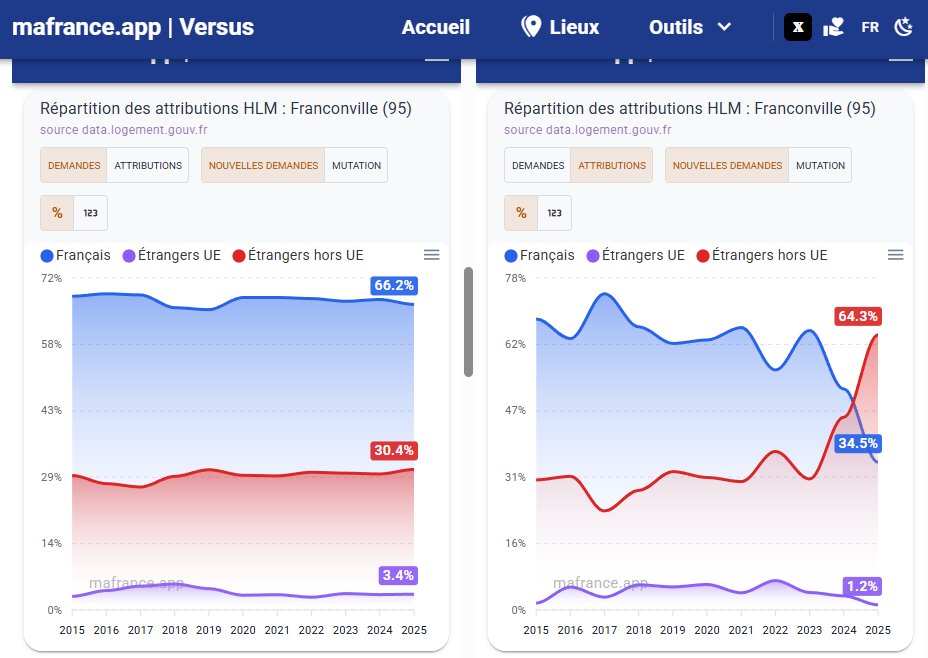
Que s'est-il passé depuis 2 ans à Franconville (95) ?
38
231
1,056
136,909
Jun 12
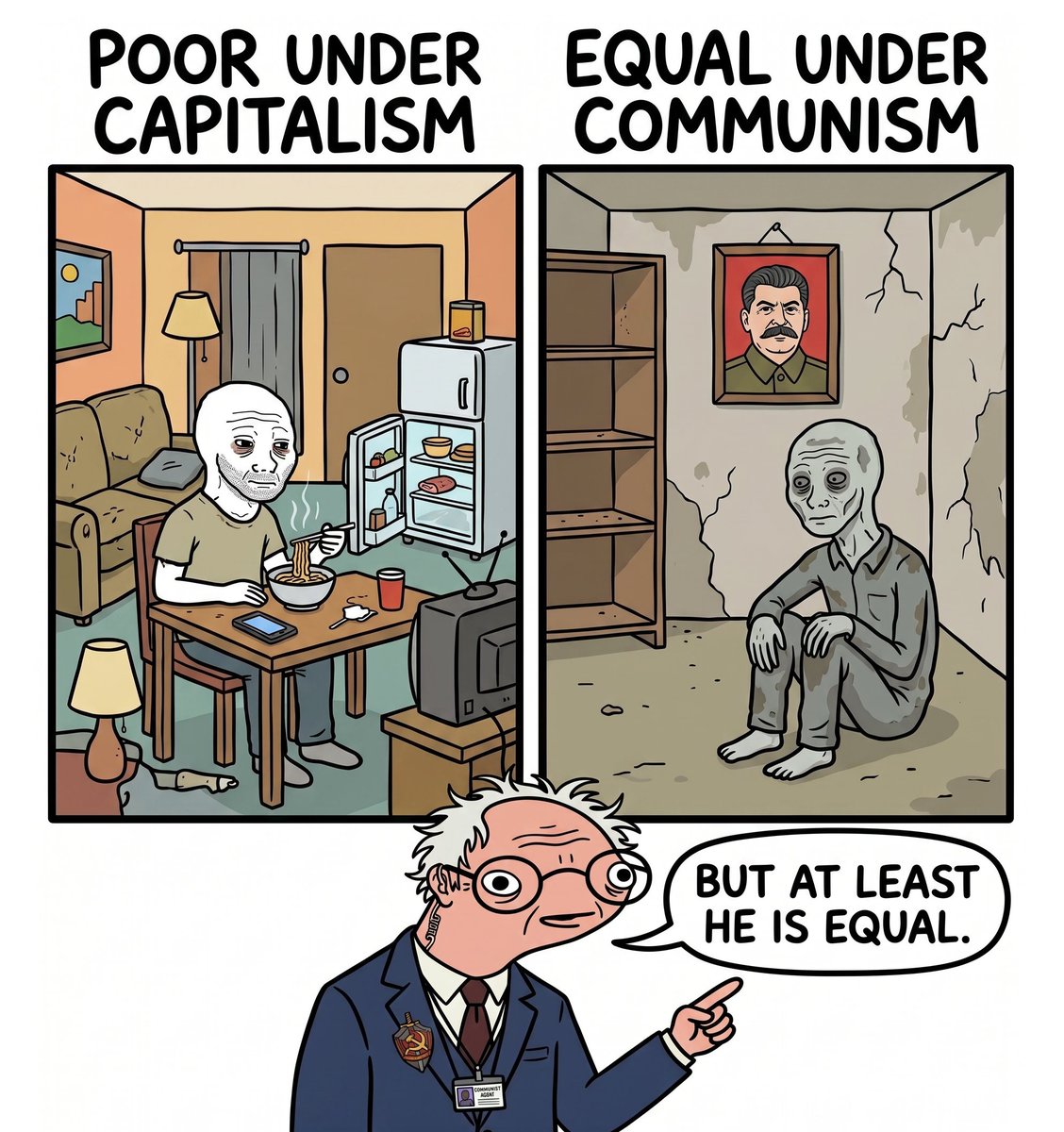
Pitié, que quelqu'un fasse les mêmes avec Mélenchon et en français et on en fait des stickers à coller partout pour la présidentielle.

7
Infraraid 🇹🇫 retweeted

Si vous voyez le système fiscal français et que vous vous dites "hmmm ça manque un peu de progressivité" franchement je peux plus rien pour vous
Jun 10

« Pour augmenter les bas salaires, je mets une #CSG progressive. »
Jean-Hervé Lorenzi @Cercle_eco #Ecorama
boursorama.com/videos/actual…
5
22
154
4,218
Infraraid 🇹🇫 retweeted

Des nouvelles des performances de Caracas ou de La Havane, les modèles de la gauche française ?

L'inflation est passée de 117% à 32% en deux ans et la croissance reste robuste: l'agence S&P salue les résultats de Javier Milei et relève la note de l'Argentine à B-
l.bfmtv.com/oSaS
28
130
1,042
31,347
Infraraid 🇹🇫 retweeted

Jun 8
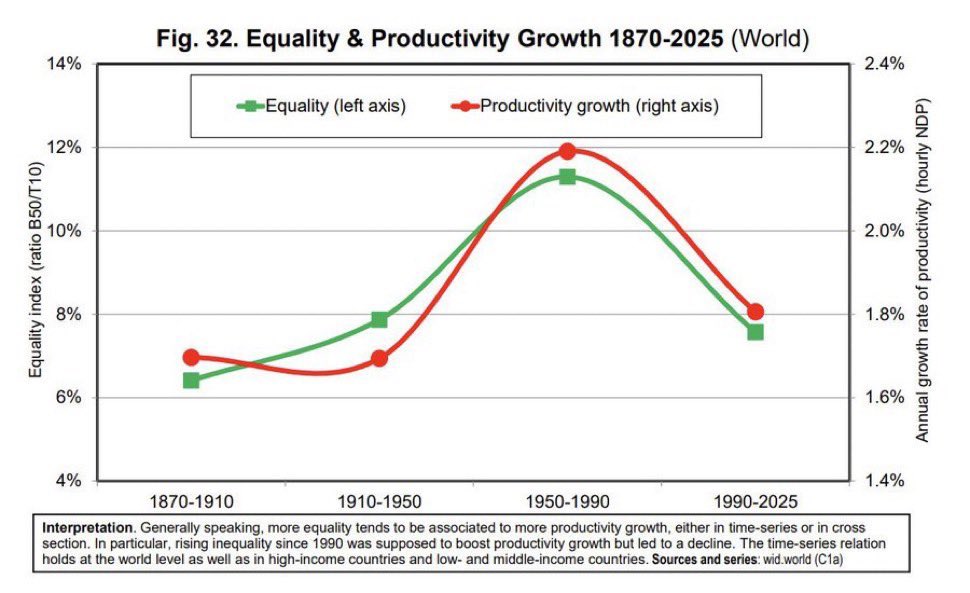
Ce que dit Sylvain Catherine est exact : si on supprimait l'État social, les allocations chômage, retraite, famille, etc., alors, dans les travaux de l'école Piketty, les inégalités... diminueraient.
Jun 8

The notion that the world is less equal today than it was between 1910 and 1950 is just historically ridiculous and really makes the point that all these metrics should take much more seriously the vast welfare state systems that emerged during and in the immediate aftermath of this period.
This is the main blind spot of Piketty, Saez and Zucman’s empirical view of the world. They consider the distribution of tax rates, of which a substantial part fund social insurance, without considering the distribution of transfers and benefits. They consider the distribution of wealth without considering the value of entitlements…
This approach creates inequality metrics that would improve if we were to dismantle the welfare state. Which is exactly what this graph suggests by implying that the world is just as unequal today as it was during a period that saw two world wars and the greatest economic depression since the Industrial Revolution.
You cannot celebrate Roosevelt, Attlee and so on and use inequality metrics that make social insurance programs look like they foster inequality
11
47
238
18,690
Infraraid 🇹🇫 retweeted

mdr
Jun 7

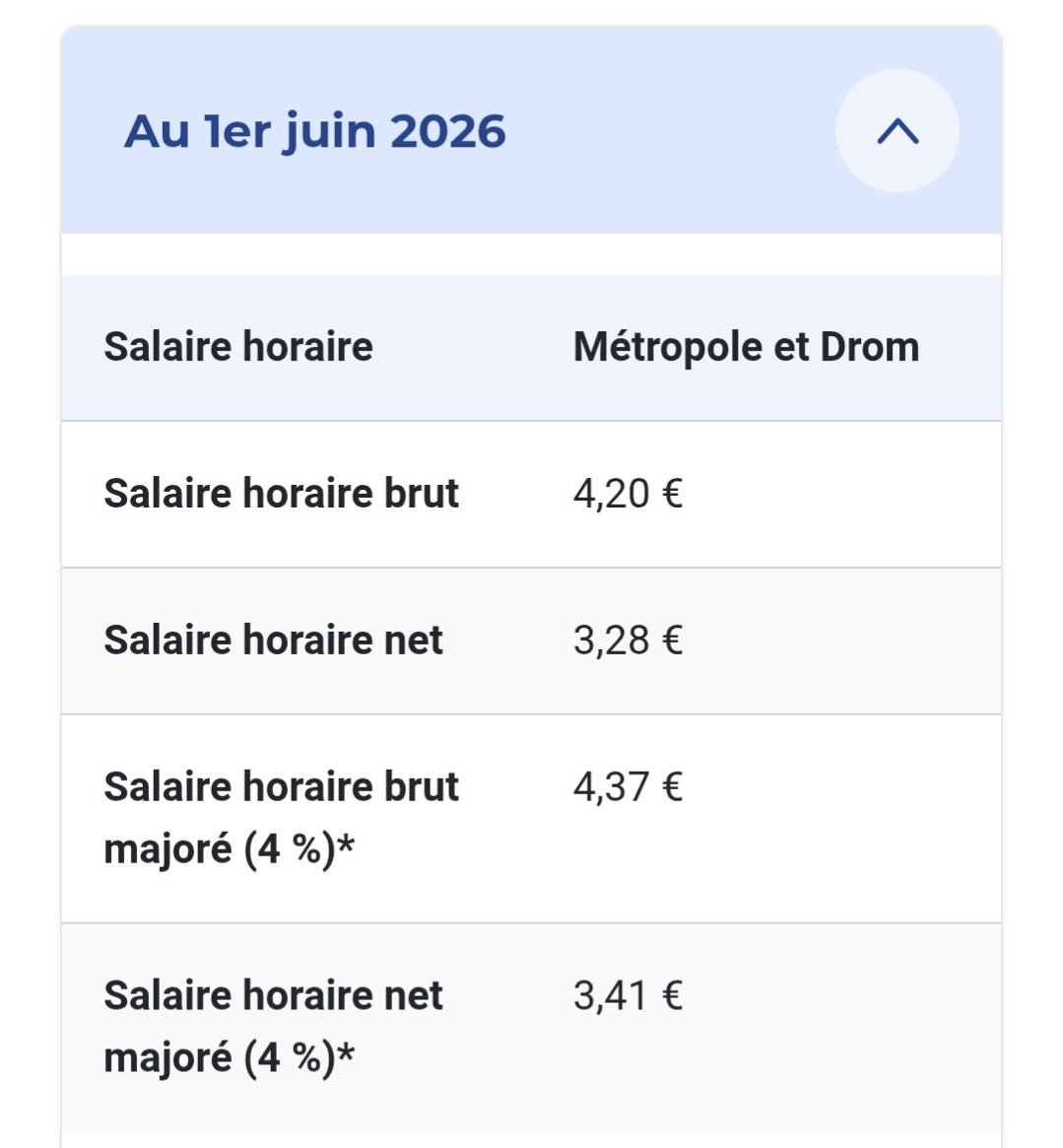
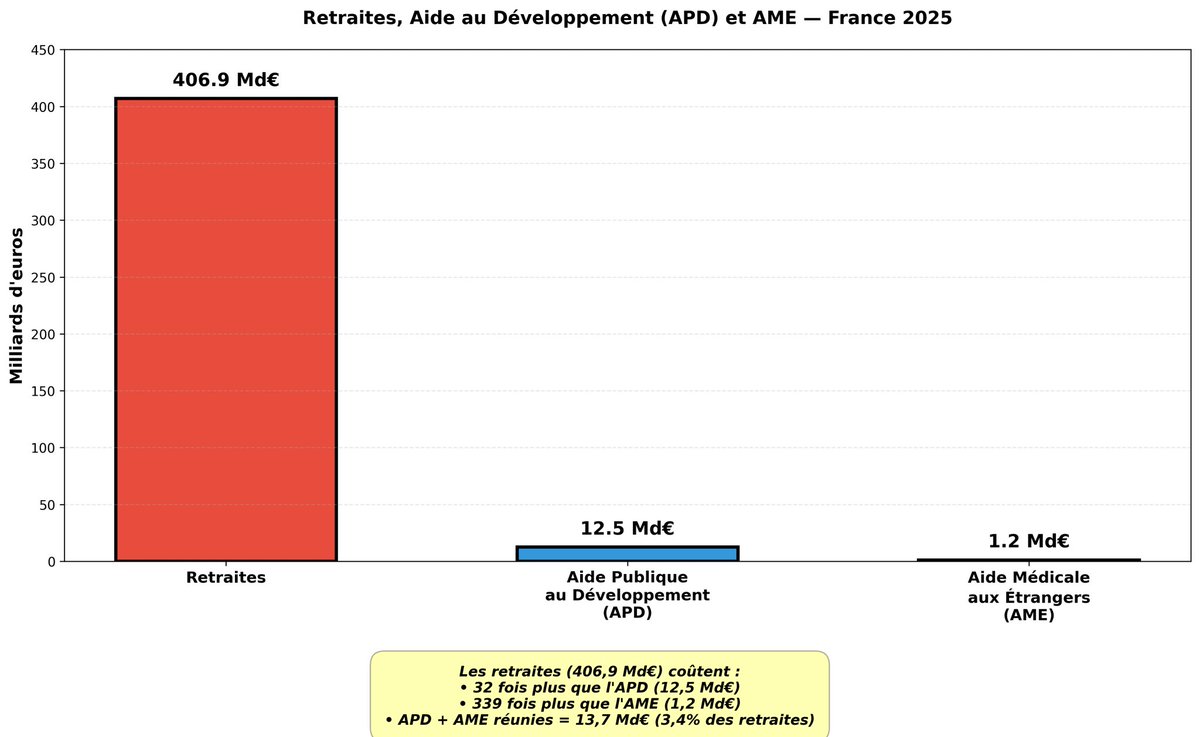
@JphTanguy a raison, supprimer l'AME plutot que désindexer les prestations et retraites aux FDS.
9
30
184
5,552
Infraraid 🇹🇫 retweeted

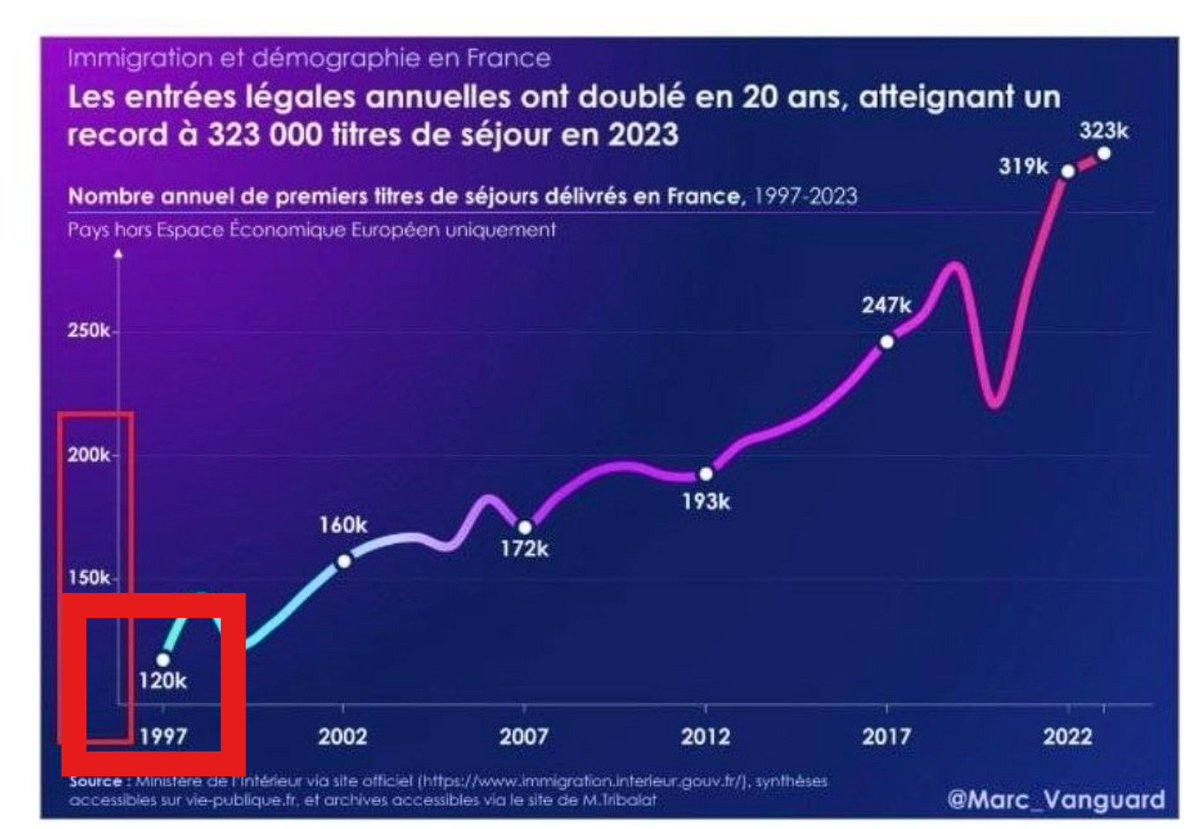
Vous ne trompez personne Marc Vanguard. Vous avez également fraudé sur l'abscisse en compressant les 1997 premières années de la terre dans ce tout petit intervalle.
45
29
1,210
15,751
Infraraid 🇹🇫 retweeted

Jun 5
I don't remember Ukrainians invading russia to rape and murder russian civilians at a music festival...


259
815
13,182
204,646
Infraraid 🇹🇫 retweeted

When you see the difference between how the Police reacted to George Floyd compared to Henry Nowak
It's honestly disgusting
481
4,920
17,135
265,104
Infraraid 🇹🇫 retweeted

Un gamin s’est fait tabasser au sol. Cette magistrate veut relâcher les agresseurs. Tout est fou dans cet extrait. Ils sont déconnectés.
746
3,675
12,294
974,654
Infraraid 🇹🇫 retweeted

Jun 5
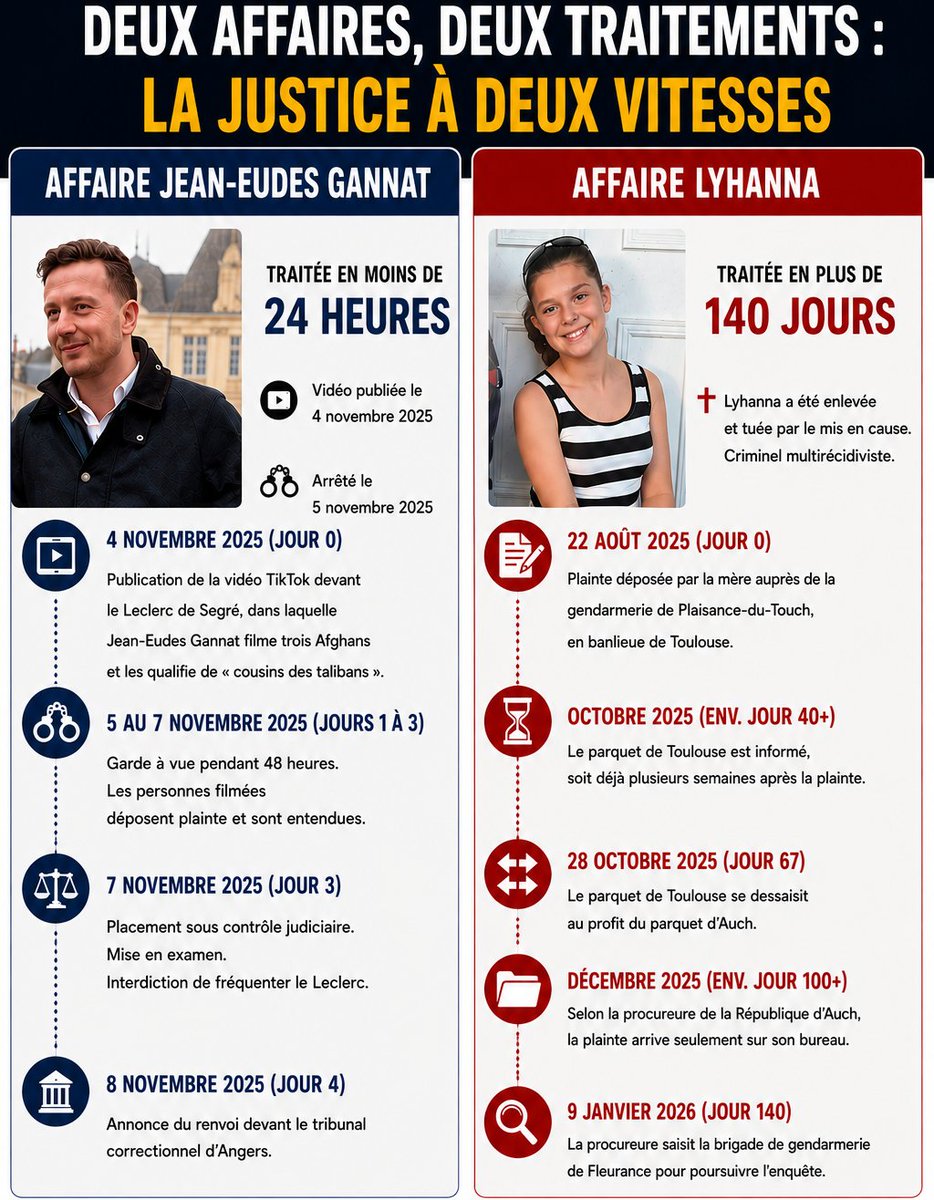
La justice française, inspiré par @FrDesouche et @gannat_JEG
177
4,392
9,308
156,583

Wrong denominator.
In London, blacks are 4.2x as likely to be stopped & searched but 7.2x as likely to be a knife crime offender and 10x as likely to be a knife murder offender. They are under searched.
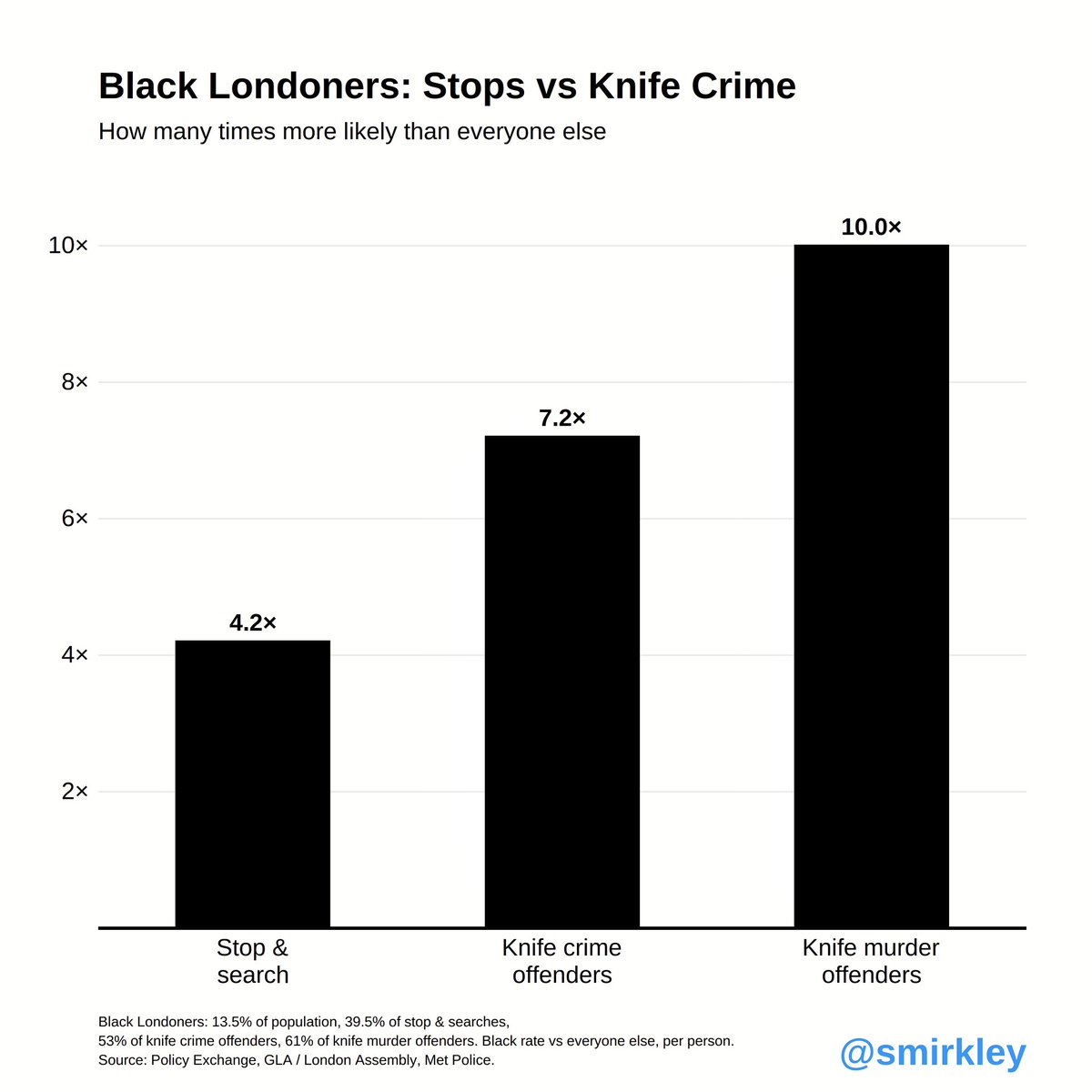
ALT Bar chart: black London rate vs everyone else, stops & knife crime. Source: Policy Exchange, GLA, Met Police. @smirkley
Jun 3

Black people are
9 times more likely to be stopped & 7 times more likely to die following police restraint
Twice as likely to be arrested on SAME EVIDENCE
There have been 800 UK Chief Constables,1 was Black
There is a Race issue in Policing & it ain’t the one being protested over
25
630
5,277
98,682
Infraraid 🇹🇫 retweeted

Jun 2
🇬🇧 | Publican imágenes de Henry Novak, el joven asesinado por un indio que lo apuñaló sin motivo y la Policía que se negó a socorrerlo y lo maltrató durante su agonía.
94
2,396
9,772
440,401
Infraraid 🇹🇫 retweeted
La loi Kasbarian, que vous qualifiez "d’odieuse", protège un droit fondamental: la propriété privée. JE L’ASSUME.
En interdisant les expulsions, vous voulez en réalité légaliser le SQUAT. Vos propositions de malheur mènent à l’anarchie et à la ruine.

929 morts de la rue en 2025 dont un bébé de 11 jours, et ce chiffre est sous-estimé. Quelle honte !
Pendant 10 ans, la macronie a trié les sans-abri, détruit le logement social, protégé les multipropriétaires et criminalisé le sans-abrisme avec l'odieuse loi Kasbarian. Cette politique de malheur tue.
Le logement est un droit inaliénable. En 2027, nous interdirons les expulsions sans relogement, nous encadrerons les loyers et nous réquisitionnerons les moyens nécessaires.
519
444
3,168
441,393
Infraraid 🇹🇫 retweeted

Vraie question @SNCFVoyageurs , si on refuse les copies de pièce d'identité pour concernant les billets nominatifs du fait du risque d'usurpation (ce que je peux entendre), pourquoi les accepte-t-on pour émettre les amendes?
Jun 1

Bonjour,
Lorsque l'on voyage, il est nécessaire de pouvoir justifier de son identité lors d’un contrôle.
En train, le billet étant nominatif, nos équipes doivent vérifier qu’il correspond bien à la personne qui voyage et à la réduction octroyée dans certains cas. C’est ce qui explique la demande d’un justificatif d’identité original, afin de limiter les fraudes et les usurpations.
Pour faciliter cette démarche, des évolutions numériques existent, comme l’application France Identité, qui permet de simplifier les contrôles via un QR code sécurisé.
Community note
Les dispositions réglementaires du code des transport prévoient d'autres moyens de preuve d'identité si on ne dispose pas d'une des pièces d'identités listées (1° à 9°).
legifrance.gouv.fr/loda/id/LEGITE…
54
785
7,679
440,098
Infraraid 🇹🇫 retweeted

May 31
Non vous racontez n'importe quoi, les plus pauvres reçoivent plus que ce qu'ils ne payent, leur taux d'imposition est donc négatif...
x.com/sc_cath/status/1933891…
14 Jun 2025
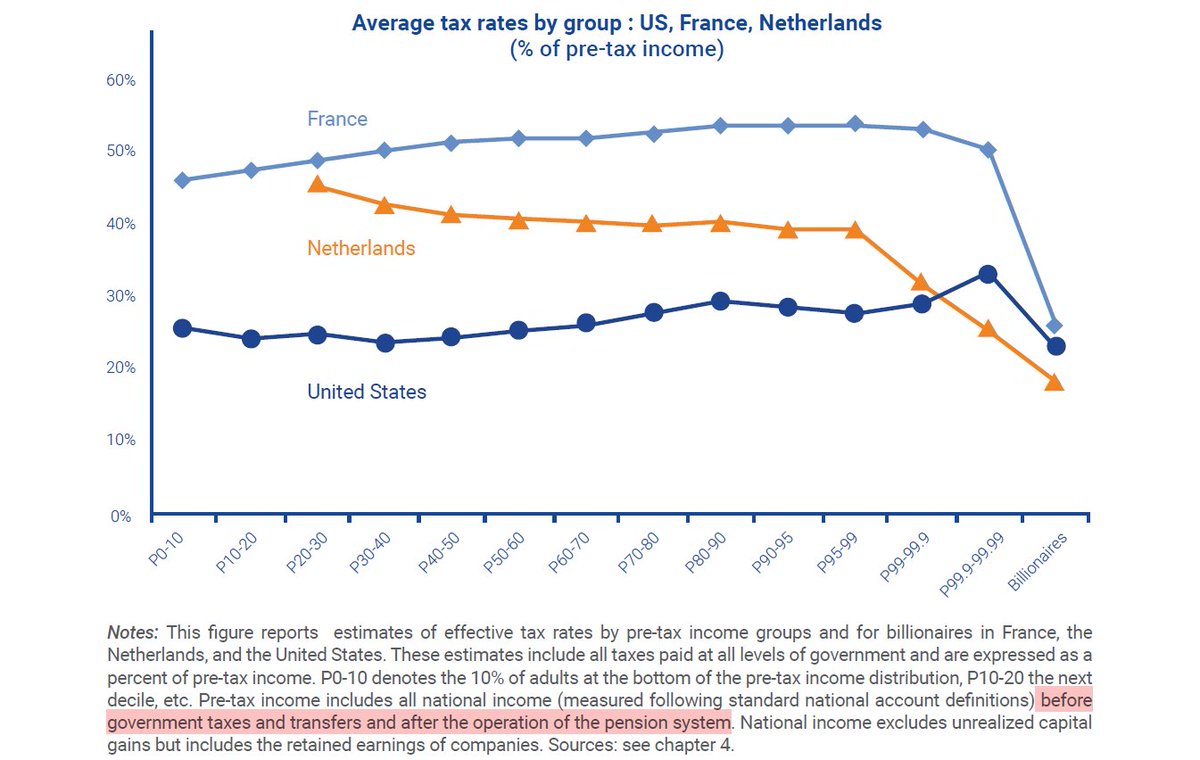
Un individu à 200€ de revenus avant impôts et redistribution. Il reçoit 600€ de minima sociaux et consomme l'intégralité (800€), avec 10% de TVA effectif.
D'après la méthodologie de ce graph (Zucman et cie), cette personne paye 80/200€=40% d'impôt.
C'est pas sérieux !!!
Si on supprime les transferts sociaux, son taux de taxation global tombera à 10%, c'est-à-dire les 10% de TVA à payer sur les 200€ de revenus propres. Donc ce sont les transferts sociaux qui quadruplent sont taux de taxation.
5
111
1,516
Infraraid 🇹🇫 retweeted

La réalité parallèle
5
37
999
15,833
Infraraid 🇹🇫 retweeted

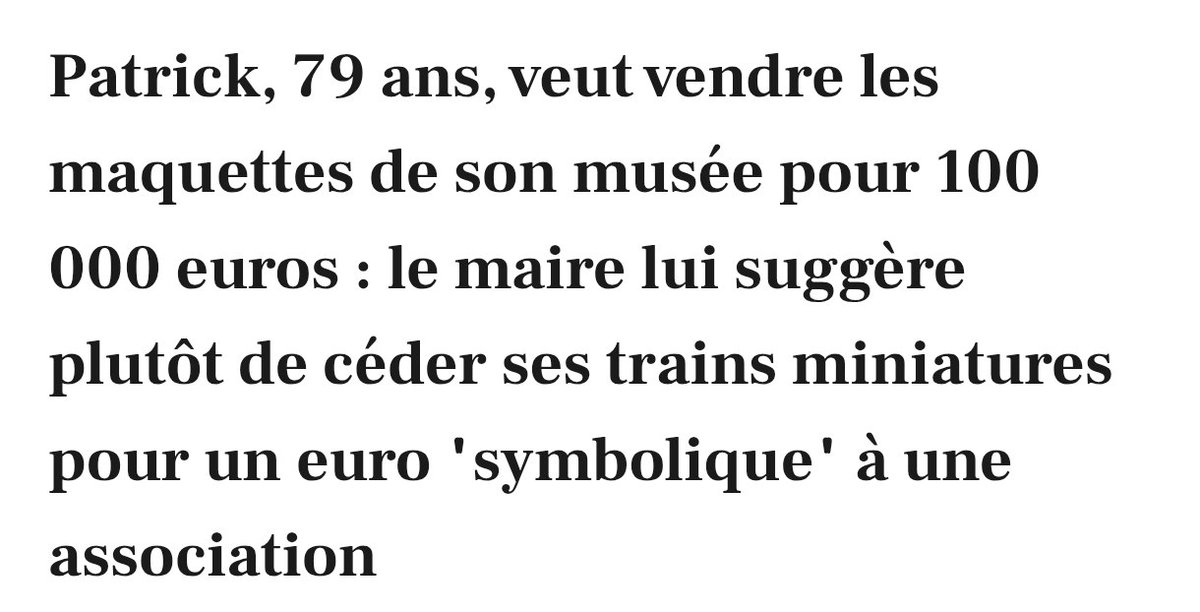
Le dernier caca nerveux de bébé boomer : "100.000 euros pour ma collection ou je casse tout"


65
146
3,943
443,051
Infraraid 🇹🇫 retweeted

May 30
Le Président de Michelin avait alerté l'Assemblée nationale il y a quelques mois : produire en France devient trop cher, et sans changement, il serait obligé de supprimer des emplois.
La réponse des députés a été d'augmenter l'IS. Ces suppressions sont de leur responsabilité
May 28

Michelin annonce un plan de départs volontaires en France, "jusqu'à 1 500 postes" supprimés l.franceinfo.fr/S8y
32
946
3,990
152,597