
Senior Fellow for International Trade, @CFR_org; PhD @GUGovt. Books editor @trade_review. TBT = technical barriers to trade. RT ≠ endorsements. Views my own.
Joined May 2009
- Tweets 10,903
- Following 2,366
- Followers 6,317
- Likes 13,337
394 Photos and videos
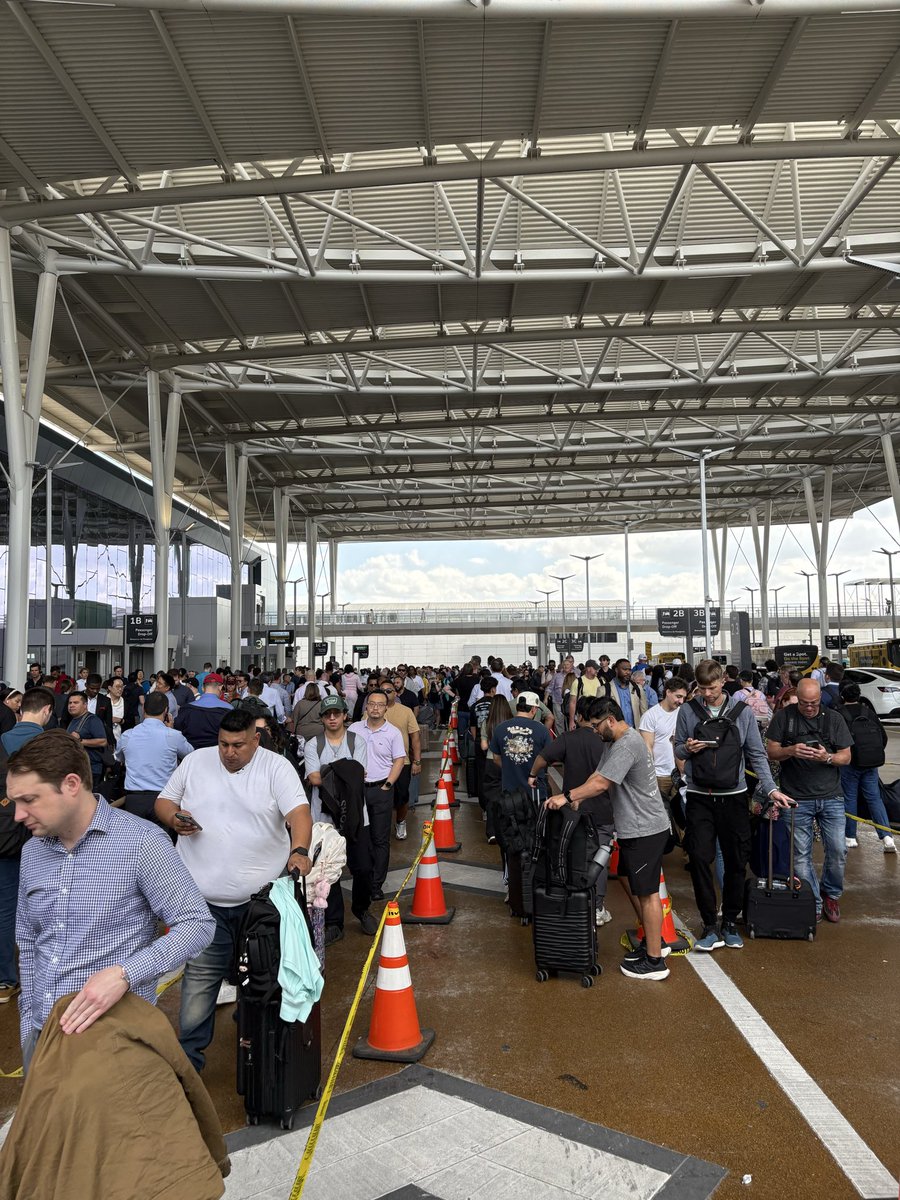
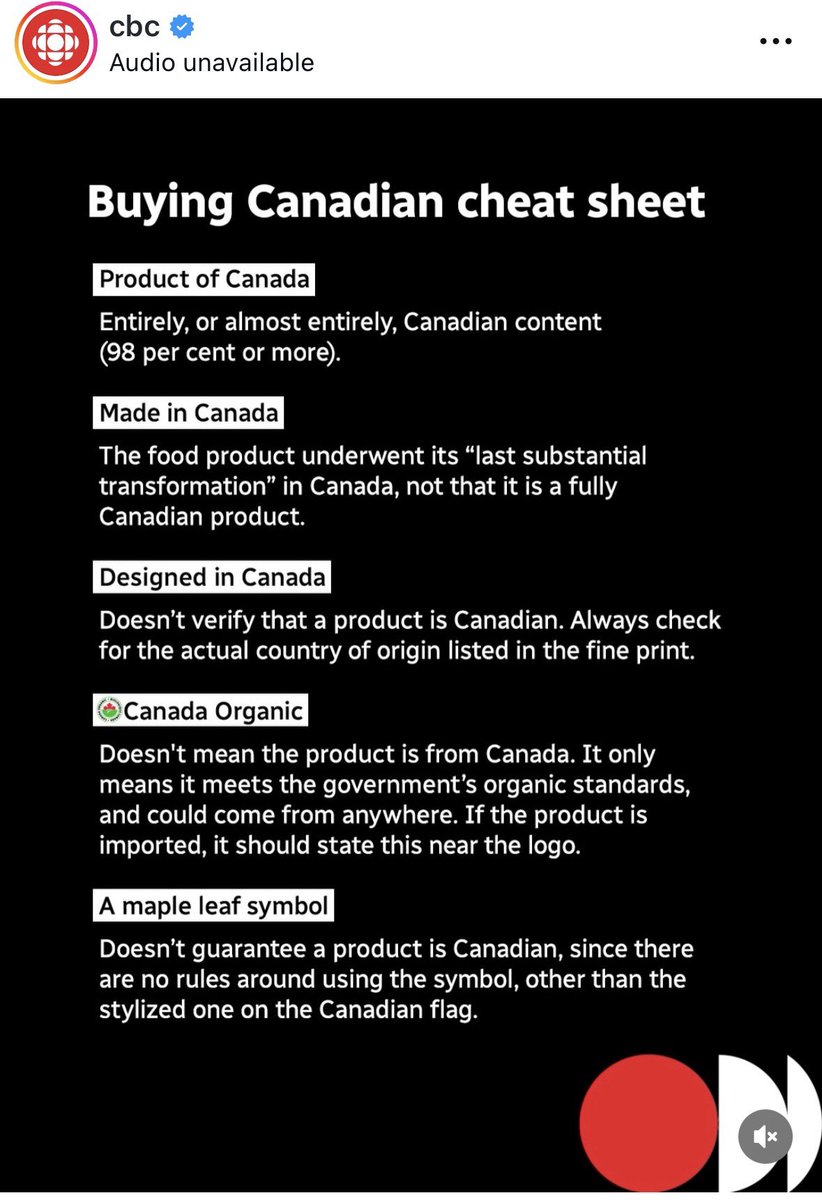
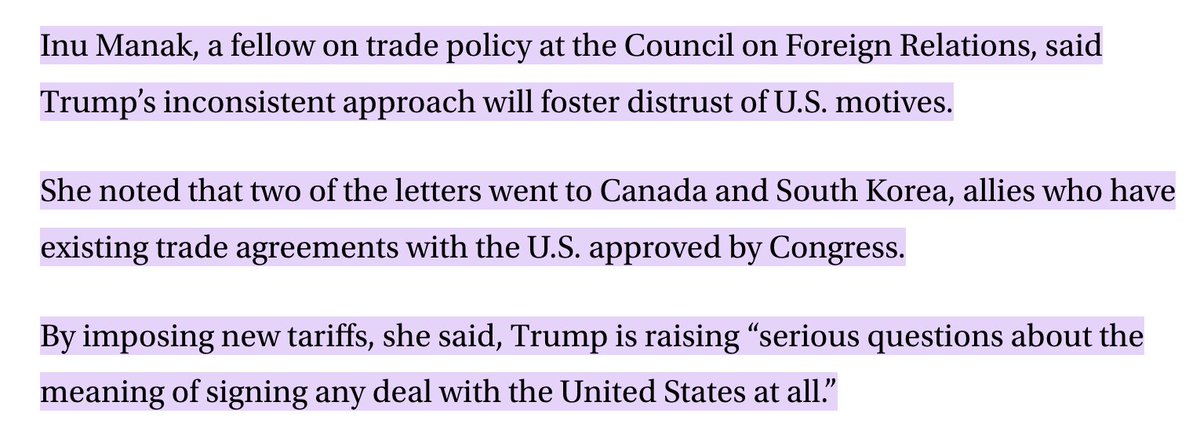

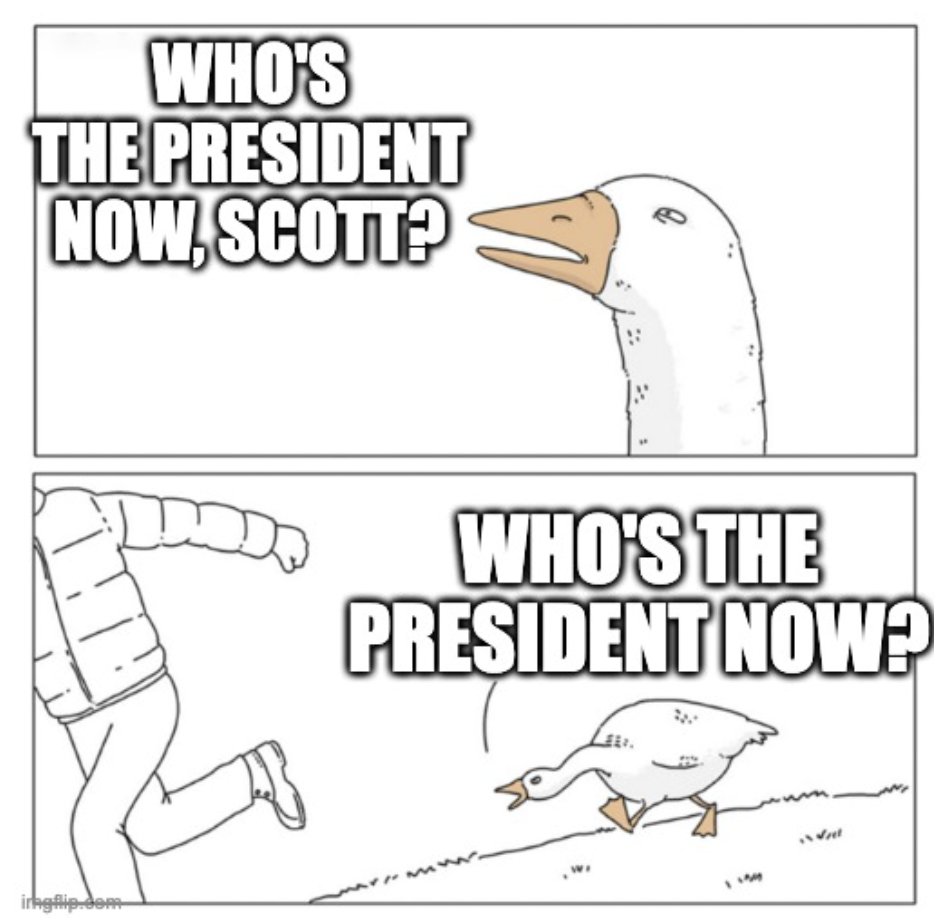
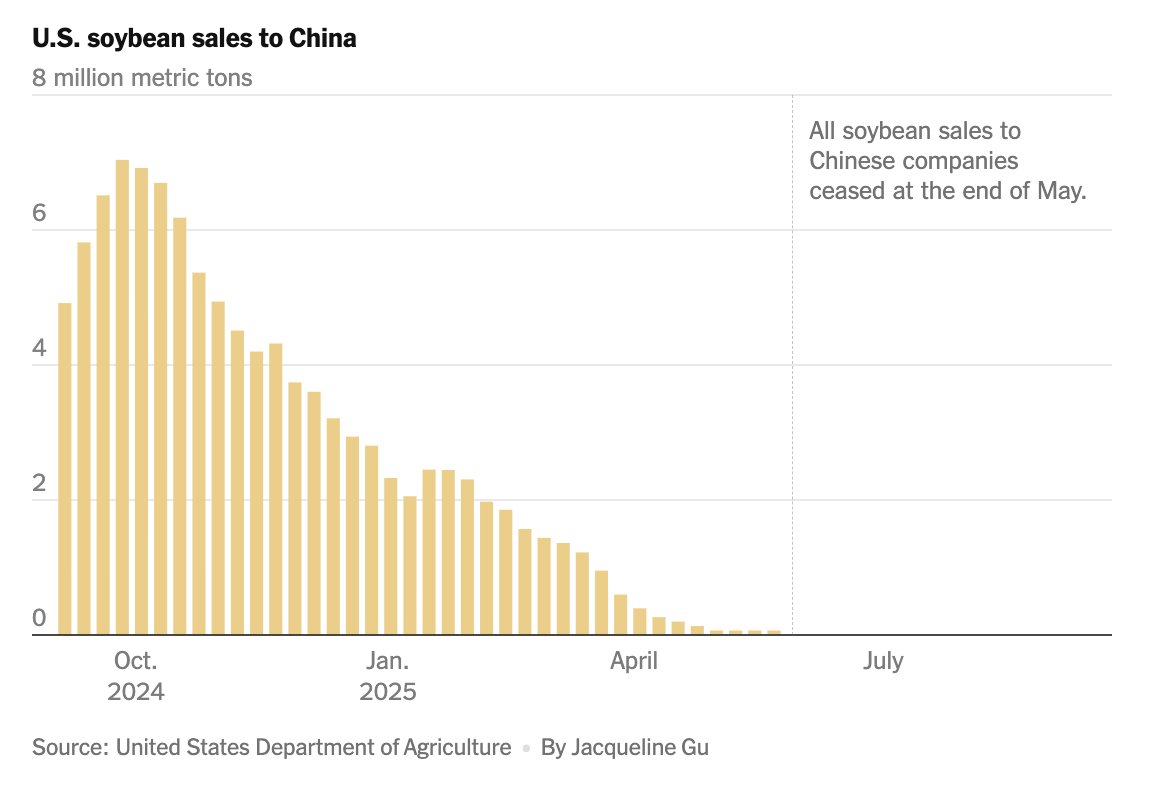
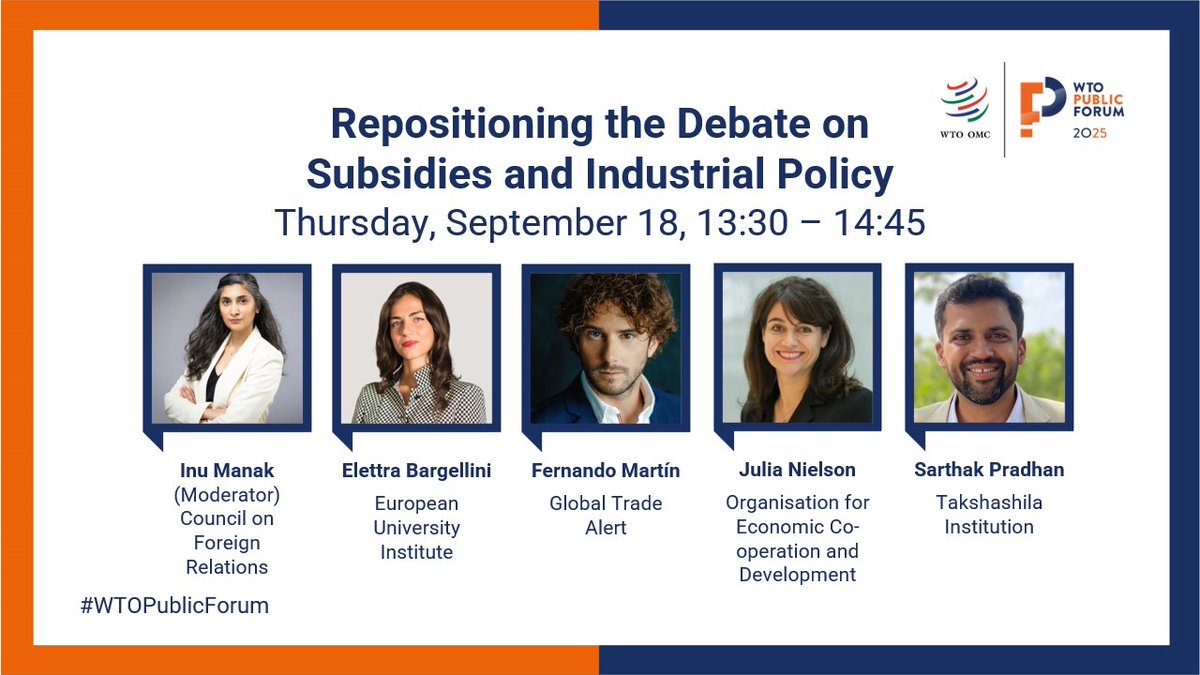
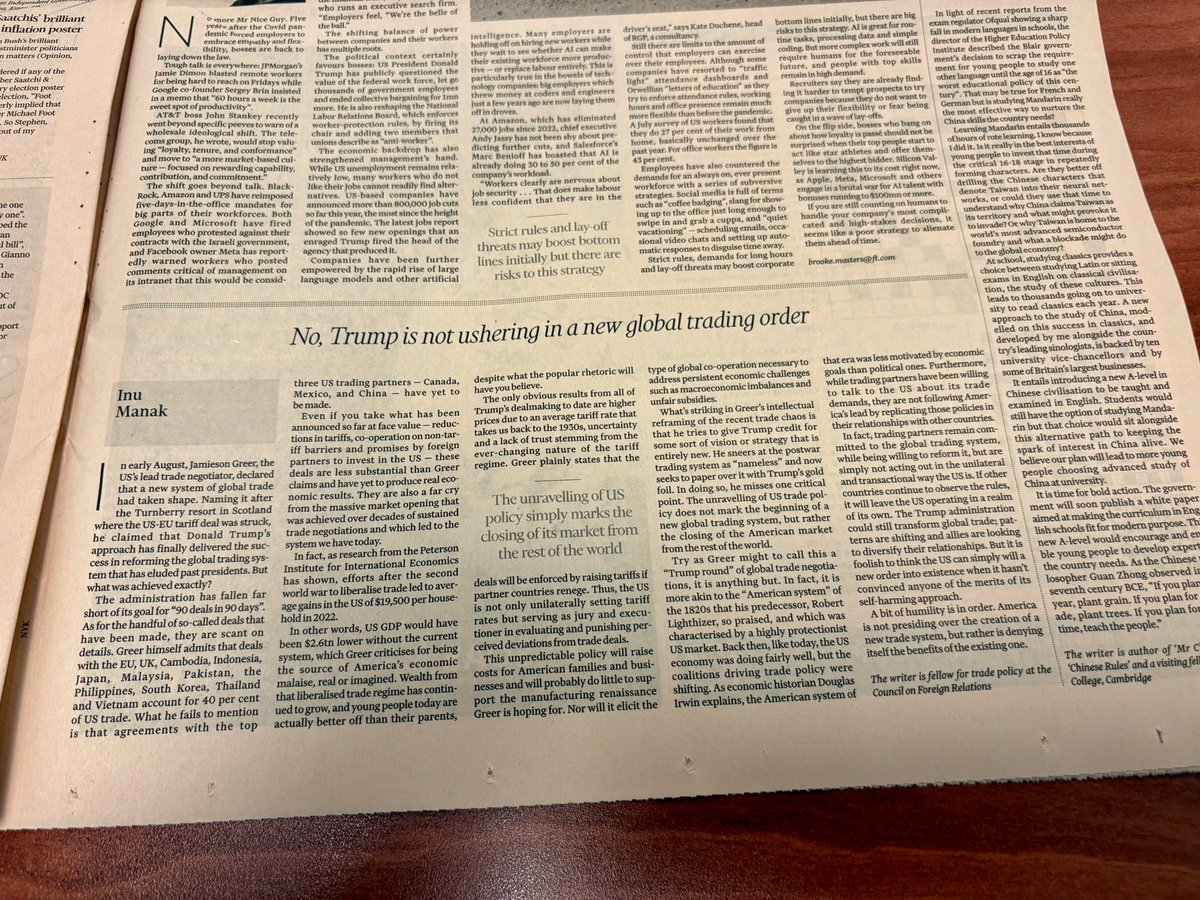

Want to know what's in all of Trump's trade deals? We combed through all of them, so you don't have to. Our tracker will be updated as more texts are released.
Check it out here on @CFR_org :
cfr.org/articles/tracking-tr…
6
21
9,445
Inu Manak retweeted

Jun 13
“In the long term, if the United States continues to insist on coercive unilateralism over reciprocity, trade partners will find alternatives,” write @inumanak and Allison Smith.
foreignaffairs.com/united-st…
1
5
14
3,823
Inu Manak retweeted

Jun 12
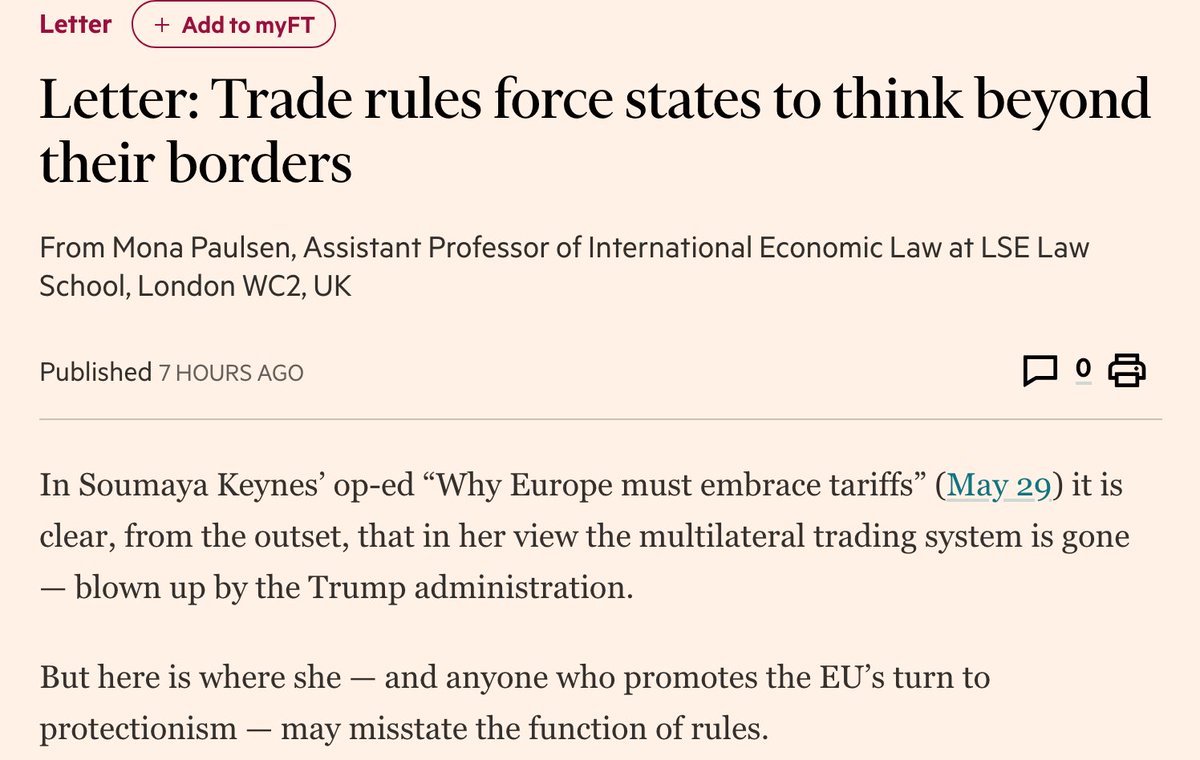
Sharing my letter, published @FT in response to the ever-generous @SoumayaKeynes (go read her new book!) op-ed last week on why Europe needs tariffs.
My bottom line: Why and how go hand in hand. Tariffs are not credible commitments, but rules are.ft.com/content/2e26c449-7479…
2
6
15
1,140
Inu Manak retweeted

Jun 12
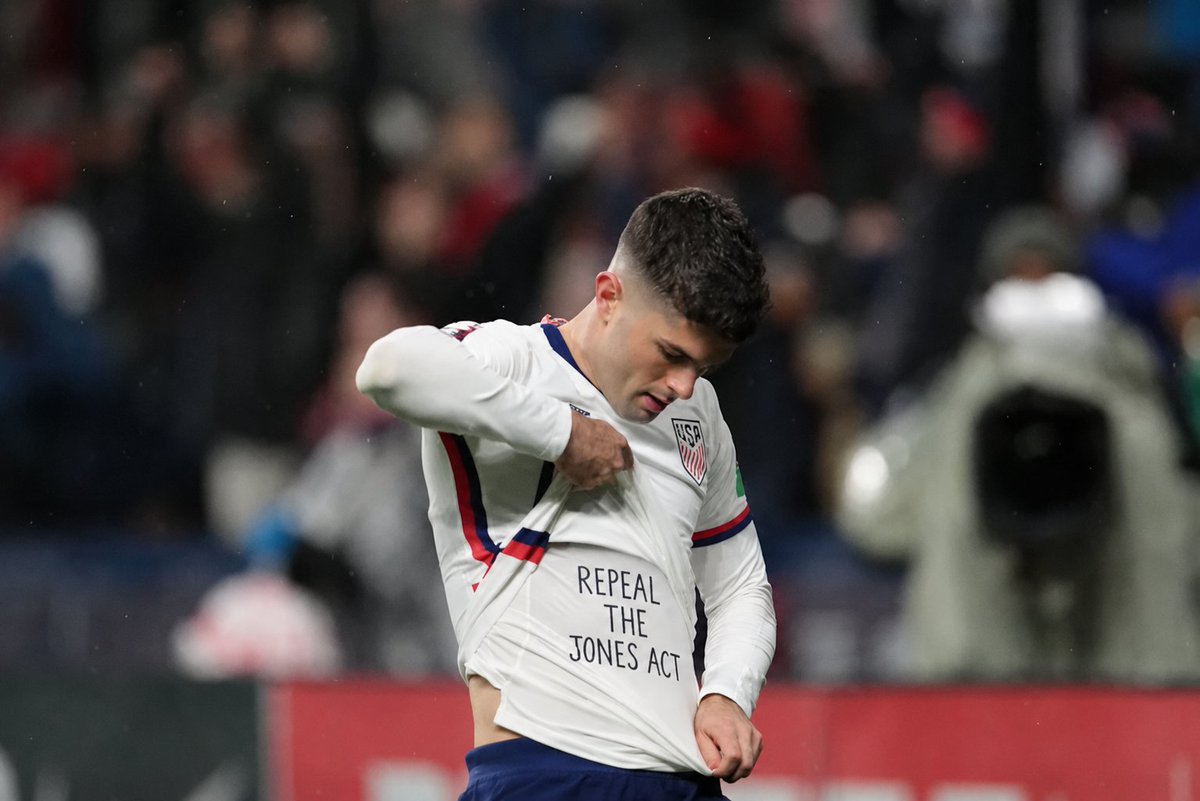
Christian Pulisic could do something incredible tonight 🇺🇸🇺🇸🇺🇸
13
39
764
75,189
Inu Manak retweeted

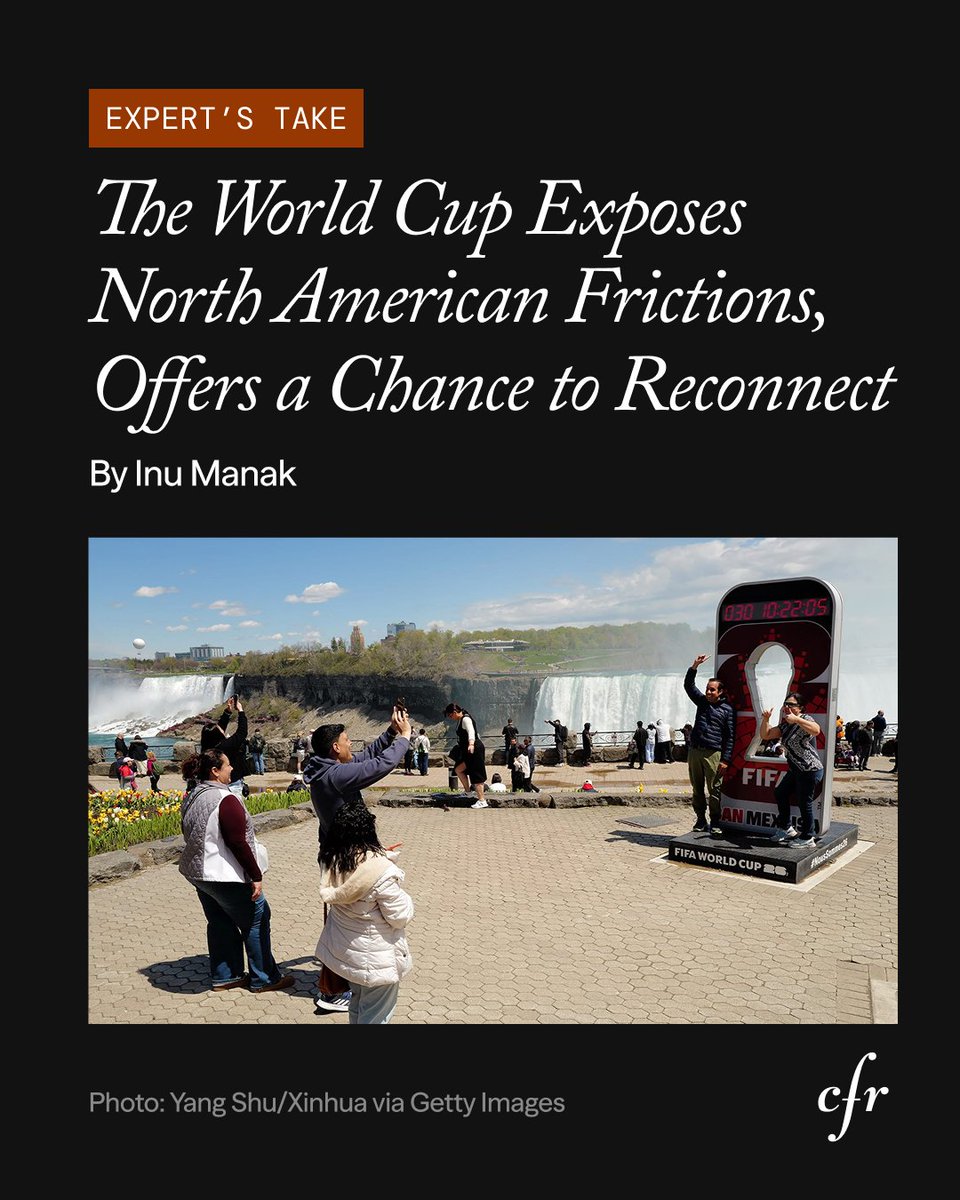
For the first time in the World Cup’s history, athletes will compete across three countries: Canada, Mexico, and the United States.
"The North American trio won the bid to host the soccer tournament in 2018 with the slogan 'United As One,' writes expert @InuManak. But the countries today "feel less like friends and more like suspicious neighbors."
1
4
10
4,274
The World Cup has landed in North America. My thoughts on what the celebrations can teach us about our shared continent:
cfr.org/articles/the-world-c…
1
304
Inu Manak retweeted
Jun 12
Trump will need to offer U.S. trading partners “a few carrots along with using sticks” if current trade arrangements are to last, argue @inumanak and Allison Smith.
foreignaffairs.com/united-st…
2
5
13
3,126
Inu Manak retweeted

Jun 11
.@AP reports that a last-minute intervention by Commerce Secretary Lutnick prompted the delay in new Detroit-Windsor bridge. Local Detroit media had reported a ribbon-cutting ceremony was in the works for Friday until Thursday's surprise delay. apnews.com/article/gordie-ho…
13
37
54
18,874
Inu Manak retweeted

Jun 6
Countervailing duties (along with anti-dumping duties and safeguards) have been used against Chinese imports for decades but have had no impact on Chinese subsidies. The better approach is to file WTO "adverse effects" complaints:
ielp.worldtradelaw.net/2024/…

Europe can't afford to adhere to free-trade dogma when it comes to the flood of Chinese imports.
noahpinion.blog/p/why-europe…
1
3
9
1,758
Inu Manak retweeted

🚨NEW TODAY🚨
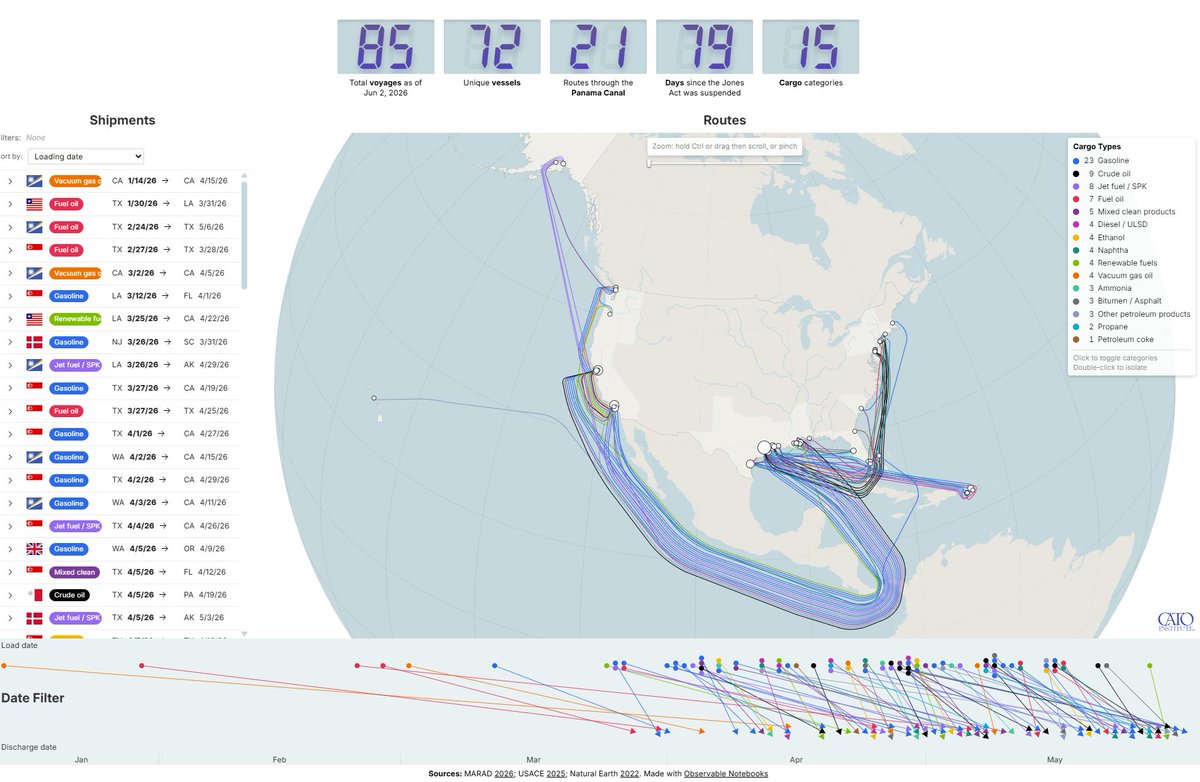
@CatoInstitute launched the "Jones Act Waiver Tracker" - an interactive, almost-real-time visual database of every US commercial voyage that's occurred since POTUS issued an unprecedented, 150-day waiver of the protectionist shipping law: /1
3
24
118
34,595
Inu Manak retweeted

Jun 5
Latest w/@AlfredCObregon: The Trump Administration’s WTO Filing Exposes the Bad Faith Behind Its Section 122 Tariffs cato.org/blog/trump-administ… via @CatoInstitute
9
7
3,248
Inu Manak retweeted

Jun 5
New: The US, Canada & Mexico are set to blow past the July 1 USMCA renewal window, with talks poised to continue. The pact remains in place and enters rolling review. It seems the US wants a pair of side deals and no Congressional vote/overhaul of USMCA text. Story w/ @btaplatt.
5
38
120
41,568
Trump’s New ‘Forced Labor’ Tariffs Are a Fig Leaf - The new import duties are “a solution in search of a problem.” foreignpolicy.com/2026/06/04…
1
2
235
Inu Manak retweeted

India-US interim trade deal talks conclude without an outcome: "Teams held constructive and positive discussions across a wide range of issues covering Trade in Goods, Non-Tariff Measures, CTF, Economic Security Alignment, other areas of mutual interest." pib.gov.in/PressReleasePage.…
2
2
176


The White House says it will reduce tariffs on agricultural equipment, such as combines and harvesters, in order to reduce costs for US farmers and manufacturers bloomberg.com/news/articles/…
119
150
691
912,228
Inu Manak retweeted
May 30
If Trump does not offer U.S. trading partners “a few carrots along with using sticks,” the “trust and order that the United States built through decades of careful trade compromises will quickly run out,” warn @inumanak and Allison Smith.
foreignaffairs.com/united-st…
2
9
11
3,937
Inu Manak retweeted

May 28
Richard Haass just made a remarkable argument on CNN:
That America now has worse relations with Canada than China because the U.S. has spent years attacking allies with tariffs and political fights instead of building a united front against Beijing.
And honestly, that gets to the heart of one of the biggest foreign policy debates happening right now:
America’s greatest strategic advantage was never just military power.
It was the alliance network.
Dozens of countries aligned economically, militarily, and diplomatically around U.S. leadership.
The argument Haass is making is that Washington has started weakening that advantage itself.
He is correct.
285
1,711
5,357
238,202
Inu Manak retweeted

May 27
Saving the global trading system is going to require some serious work.
@inumanak has some ideas on where to start
time.com/article/2026/05/27/…
1
3
2
1,715
Inu Manak retweeted
"To remake the global trading system and to update the WTO to reflect contemporary realities, the U.S. must be willing to rebuild its foundations, and it must bring the rest of the world along for the project," argues CFR expert @inumanak for @TIME. time.com/article/2026/05/27/…
6
5
16
3,066
Inu Manak retweeted

May 27
‘For Washington, fixing the problems in the trading system also necessitates a departure from its coercive unilateralism to a more coordinated, rules-based solution,’ @inumanak of @CFR_org in @TIME time.com/article/2026/05/27/…
1
1
428