
life is pain, and the panthers are my life. #keeppounding #tusksup
Joined September 2014
- Tweets 37,429
- Following 786
- Followers 490
- Likes 82,840
1,533 Photos and videos










Pinned Tweet

19 Nov 2020
Im sad its over, but more than anything i am just so grateful it happened. 🥲

10 months ago, Luke Kuechly put his health first and hung up his jersey.
His legacy as a student of the game is a reminder for all others striving for greatness.
@Panthers
6
Jun 13
Im also incredibly not convinced that if you put current lebron james out there he wouldn’t be dominating this
45
Jun 13
You’re telling me there are people that actually believe this is better than football?
1
1
217
Jun 9
They gave us more footage of switch sports thumb wrestling than they did Ocarina of Time 😭

Une légende renaît.
The Legend of Zelda: Ocarina of Time fera son arrivée cette année sur #NintendoSwitch2.
69
May 31
Wemby is kind of a pathetic rebounder for someone with a 15 foot wing span
1
109

May 16
USA, China, and Russia should strike an agreement where china takes over taiwan, russia takes over Ukraine and U.S. takes over greenland and we all just move on with our lives peacefully
May 16

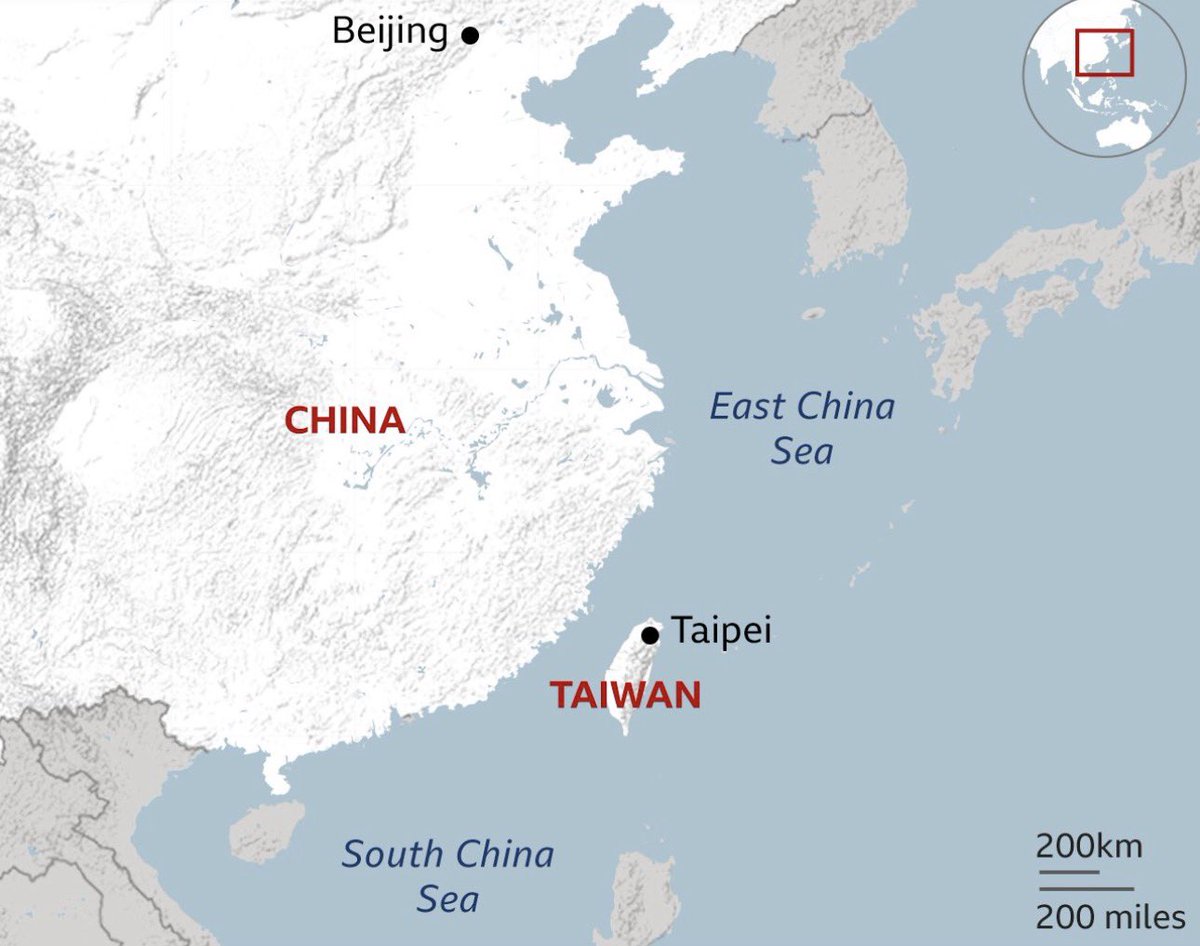
Trump on Taiwan:
“The Chinese just don’t want to see this place — we’ll call it a place, because nobody knows how to define it — but they don’t want to see it go independent.
I’d like to see everybody making chips in Taiwan come over to us in America.
I’m not looking to have somebody go independent. And, you know, are we supposed to travel 9,500 miles to fight a war? I’m not looking for that.
When you look at the odds, China is a very, very powerful and big country. That’s a very small island.
Think of it; it’s 59 miles away. We’re 9,500 miles away. That’s a little bit of a difficult problem.
If you look at the history, Taiwan was developed because we had presidents that didn’t know what the hell they were doing. They stole our chip industry”
🇺🇸🇨🇳🇹🇼
2
584
Harry retweeted

May 16
“Not my guy not my problem” is the worst type of contagious energy and I can’t wait until he’s gone
232
374
11,856
1,162,429
Harry retweeted

May 8
This one's ours: x.com/JHartley2/status/20527…
May 8

This is a 1990s drone that fires constant bursts in 8 directions. Viewed from a thermal camera at a distance, it perfectly matches this "star" UFO/UAP @DC_Draino. Especially with 30 years of technological improvements.
7
3
135
22,057
Harry retweeted

May 4
The conversation around Stratos has gotten badly unmoored from the actual proposal, and it’s worth addressing the biggest misconceptions before the vote.
The loudest claim is that this project will draw more power than the entire state. True at full buildout. Beside the point, because Stratos generates its own power on site. It doesn't draw from the public grid. Last year the legislature passed SB 132 precisely for large private loads that build and operate their own generation off-grid. Utah's existing 4 GW stays where it is. Electricity bills won’t go up because of this project. The "more than the whole state" line sounds scary to some, but falls apart the second you dig in.
The water claim deserves more care than it's been getting. The water rights at issue are existing agricultural rights. Bar H Ranch is transferring 1,900 acre-feet currently used for irrigation. This is not new pressure on the basin, but a reallocation. The data center cooling itself is closed-loop. The gas plant will use some water for power generation, and we should want the developer to specify how much; that's a fair ask. But the framing that Stratos is "draining the lake" assumes new diversions that don't exist in the actual filings. The Great Salt Lake is in real trouble, and most of that trouble has names. Stratos isn't one of them.
The tax-giveaway argument frustrates me the most, because it imagines a counterfactual that doesn't exist and ignores the actual math. The reduced energy is the price of getting the project to land here instead of in Texas or Wyoming. Even at 0.5%, the county pulls in roughly $30M a year in Phase 1, and over $100M annually at full buildout. The state pulls in roughly $49M. The developer is prepaying the county $5.4M a year for the first three years to fund emergency services before tax revenue starts. The developer is paying for every road, sewer line, and stormwater system in the project area and deeding it to the county. If specialized fire equipment is needed, the developer pays for that too. Two thousand permanent jobs in a part of Utah that has been waiting a long time for a real employer. None of that exists if the answer is no.
And the site is the part of the case I keep waiting for someone to make. Hansel Valley is unincorporated, sparsely populated, sits on the Ruby Pipeline, and is adjacent to military infrastructure with strong reasons to want resilient on-site power. The land is doing nothing else. It has been, in policy terms, waiting for this.
I'll grant the strongest version of the critique. The process moved fast, and the commissioners felt blindsided. That's a real complaint and worth fixing in how these things come to the county next time. But the choice today isn't between this Stratos and a better Stratos. It's between this Stratos and the same project getting built somewhere else.
The country has decided, at the level of abstraction, that it wants to lead on AI. You don't get to keep saying yes to the abstraction and no to every concrete project that would make the abstraction real.

Box Elder County commissioners are poised to cast a key vote that could clear the way for one of the biggest projects in Utah's history. sltrib.com/news/2026/05/04/h…
66
53
216
25,377
Harry retweeted

Almost all Wemby's blocks were goaltends/fouls.
549
2,250
32,592
4,728,399
May 2
Nba not showing the “shot clock violation” during a 45 second break in play is so nba
1
31
Harry retweeted

Apr 26
Wasting Rudy Goberts Prime

88
1,682
31,363
965,466
Harry retweeted

Apr 24
When are we all gonna agree that Gobert is probably the best defender of all time?
13
7
265
6,284
Harry retweeted

Apr 21
31 players defended 200 isolations this year. Rudy Gobert ranked #1, allowing 0.77 points per iso. Evan Mobley was 3rd & Bam Adebayo was 5th to give some context for the company he's in. Gobert a more complete, dominant defender now than when he won his 3 DPOY in '18, '19 & '21.
Apr 21

Chris Finch said he thinks it's a joke that Rudy Gobert was not even named as a finalist for Defensive Player of the Year this season.
Gobert was asked after the game if that snub gave him more juice in tonight's game.
"No extra juice. I know who I am. Not the first time I get disrespected, probably not the last. I'm gonna keep being myself. If they wanna disrespect greatness, take it for granted, whatever, sooner or later they'll realize the impact."
67
381
3,808
430,547
Harry retweeted

Apr 21
Rudy Gobert defense on Nikola Jokić over the years
26
204
3,462
204,162

It's that time of year again. With the Mammoth in the playoffs, get your Kachina Mammoth shirt and support the local high school seniors. We pay off their lunch debt so that they can walk in their graduation. #TusksUp bonfire.com/kachina-mammoth/
11
14
44
19,536
Apr 19
16 minutes after the game was supposed to tip off and we are in a commercial break 😂
48
Harry retweeted

Apr 16
The Jazz have never moved up a single spot in the NBA Draft Lottery’s history.
Utah has also never selected at No. 1 overall.
If you’re looking for a team historically overdue for lottery luck, Utah stands out.
Full circle: AJ Dybantsa attended high school and college in Utah.

113
137
2,353
120,479