
Assistant Editor @spectator, 📻 R4 Week in Westminster, Times Radio 📚 Fighting for Life,The Natural Health Service, Why We Get the Wrong Politicians
Joined July 2010
- Tweets 55,082
- Following 3,167
- Followers 159,230
- Likes 14,259
2,027 Photos and videos





Pinned Tweet

23 May 2025
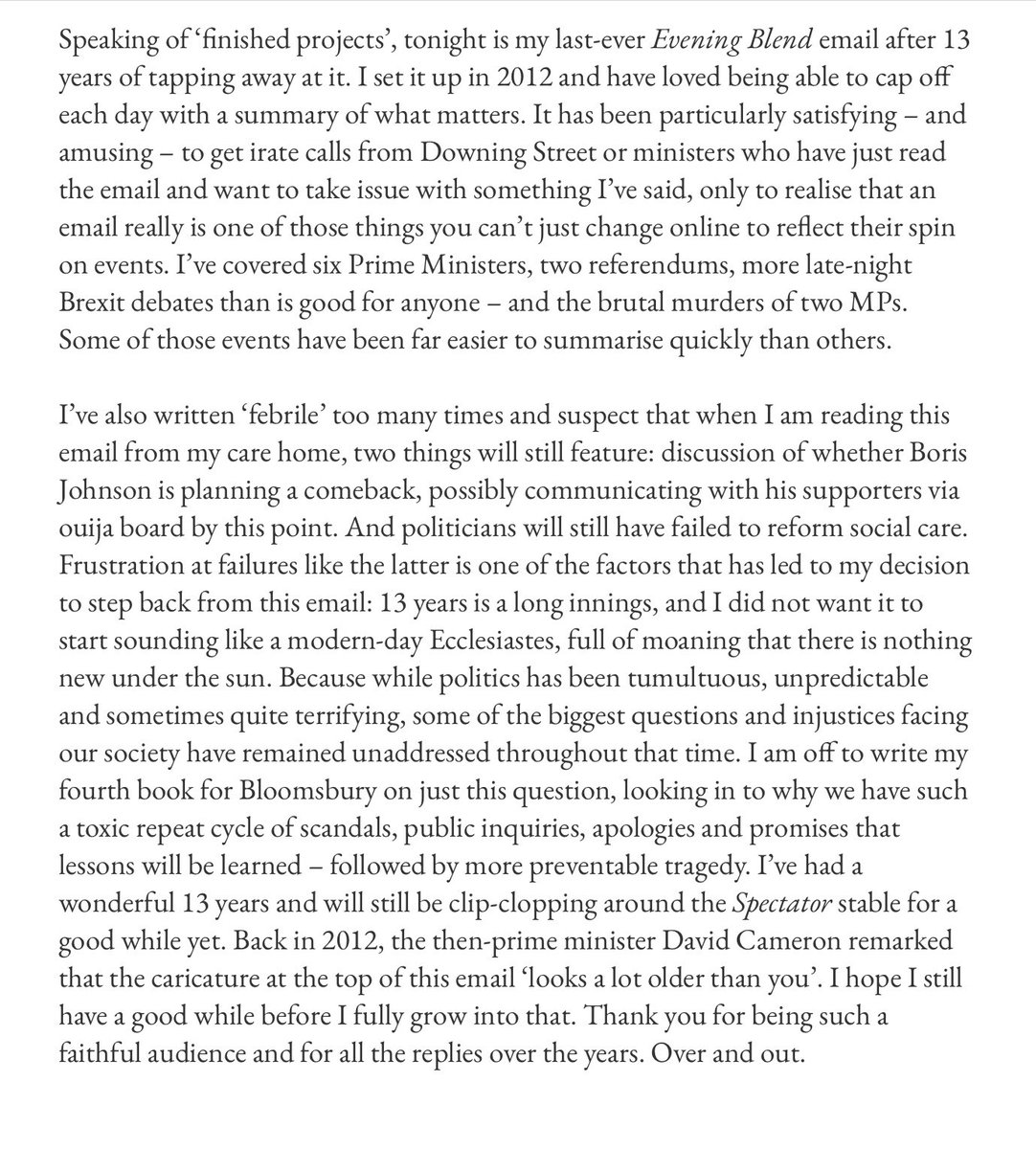
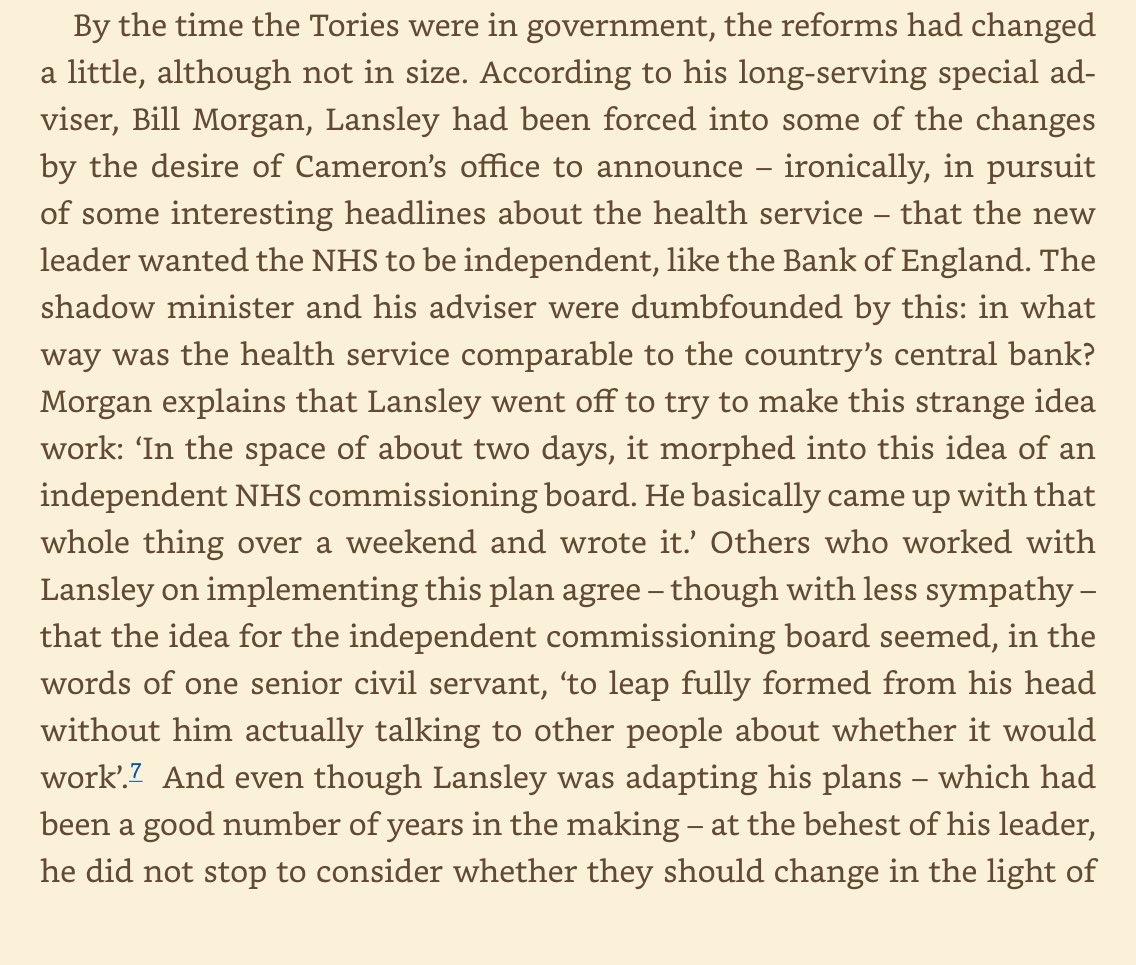
I am so pleased and honoured to announce that Bloomsbury will be publishing my 4th book. Provisionally titled ‘Power Cut’, I’ve wanted to write this exploration of why we don’t learn lessons from scandals for about a decade.
bookbrunch.co.uk/page/articl…
16
25
146
48,745
Isabel Hardman retweeted

Jun 10
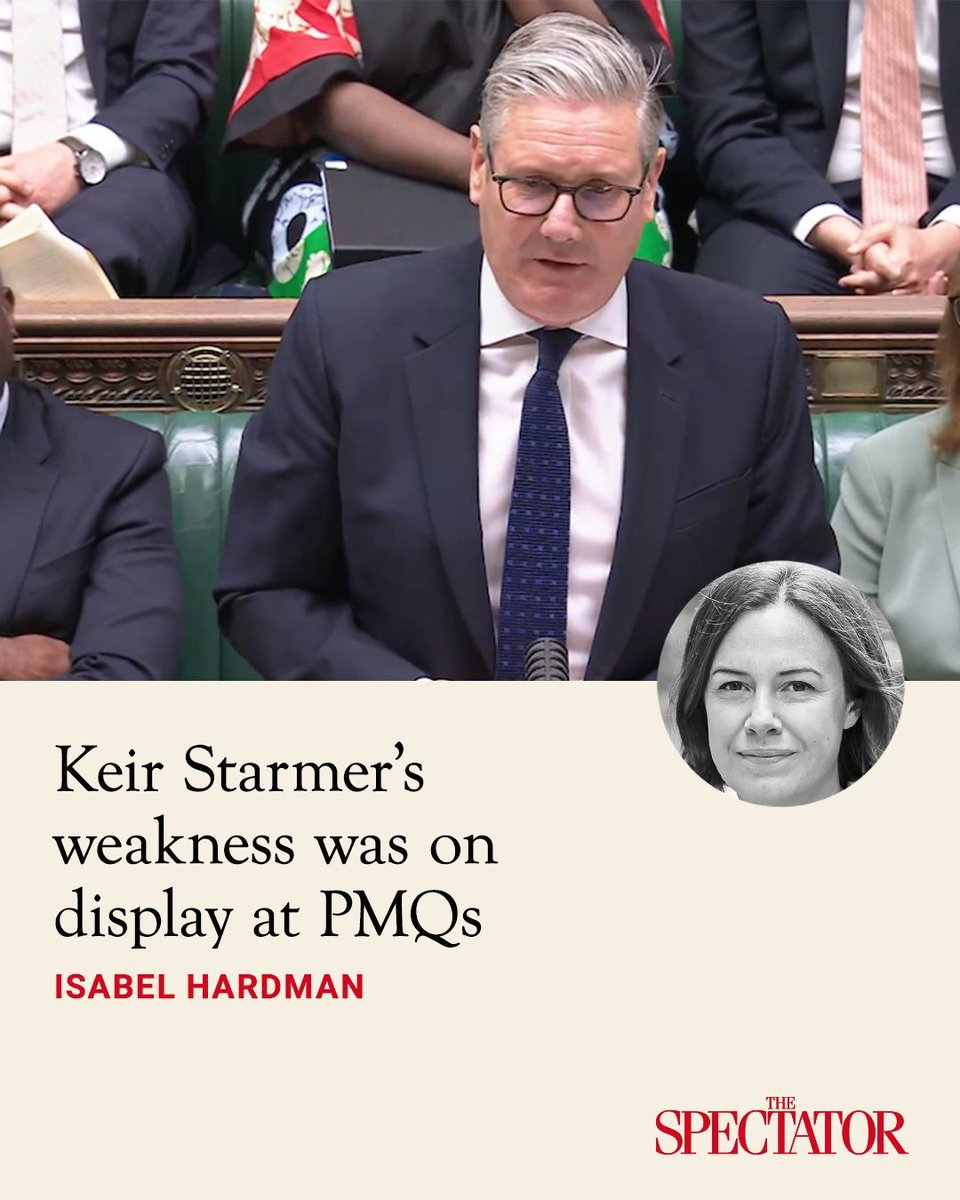
Prime Minister's Questions today was ostensibly about the Defence Investment Plan – or its absence. But Kemi Badenoch was really using the DIP in her six questions to build her narrative about Keir Starmer being unable to take any of the big decisions. He was, she said repeatedly, 'paralysed'.
Given Starmer refused in all of those questions to give any further details about the DIP other than that it would be coming 'before the Nato summit' at the start of July, Badenoch could have ended up looking like she was just churning through the same question without making progress.
But she managed to vary those questions and extract further information from the Prime Minister. He also twice avoided ruling out raising taxes to fund the DIP, which moved the story on enough to make it more than just 'Starmer won't say when defence plan due'.
✍️ Isabel Hardman
Article | spectator.com/article/keir-s…
12
22
64
9,134
Isabel Hardman retweeted
Jun 10
On today's Coffee House Shots podcast: For the second week in a row, PMQs comes in light of a disturbing instance of violent crime.
Last week, ministers were recoiling at the shocking bodycam footage from Henry Novak's murder, and this week comes in the context of a knife attack by a Sudanese asylum seeker in Belfast.
Kemi Badenoch was impressive again, not just in condemning the Belfast violence but also pressing the PM on the much-delayed defence investment plan.
She seems to have completed a remarkable turnaround in her fortunes: she's polling well, looks much more assured and is taking the fight to Labour and Reform. As she starts to win over the party and the commentariat, can she win over the country?
Listen | spectator.com/podcast/kemi-b… | @ShippersUnbound @IsabelHardman
3
2
16
4,370
Isabel Hardman retweeted
Jun 9
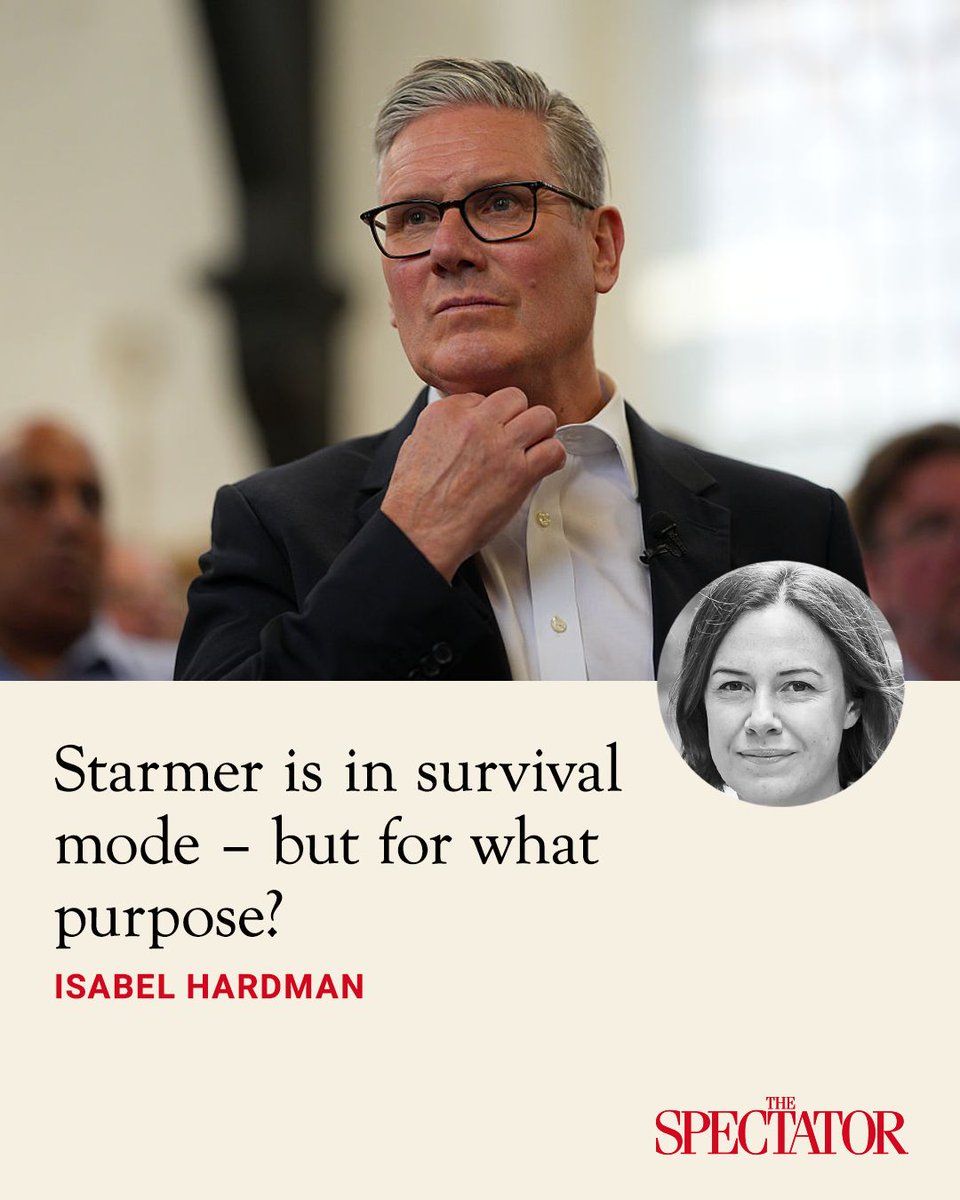
Keir Starmer is using this morning's cabinet meeting to underline the message he has been sending to more junior ministers over the past few days: he's not going without a fight.
Part of his argument is that he's got loads to do, which must come as a surprise to anyone who read the King's Speech.
One of the big things Starmer wants to show his party he can do is address the hot-button issue of children's access to social media, first with his threat to tech firms yesterday that they have three months to stop children being able to send or see explicit content.
✍️ Isabel Hardman
Article | spectator.com/article/starme…
12
11
21
6,959
Jun 8
Keir Starmer would have railed against this kind of spending raid in opposition.
spectator.com/article/the-ir…
4
3,184
Jun 4
We have now reached the stage of political debate around Henry Nowak’s murder where politicians are talking more about tone policing than they are about actual policing.
spectator.com/article/emotio…
2
27
98
5,908
Isabel Hardman retweeted
Jun 3
Kemi Badenoch clearly decided that it would be difficult to call for calm around the Henry Nowak case, and then to spend Prime Minister's Questions talking about it at length.
The format of the session rarely lends itself to calm, and she had rightly judged that others – including Nigel Farage – would bring the matter up themselves. Instead, the Tory leader did what Keir Starmer did when he answered his first question, which was to call for calm.
And then she moved onto welfare spending, using Pat McFadden's private message to Lord Mandelson as an opportunity to revisit Labour's failure to reform benefits.
But Nowak still dominated the session, and not just in the questions. The atmosphere in the chamber wasn't as rowdy as it would have been during a normal knockabout on welfare.
✍️ Isabel Hardman
Article | spectator.com/article/starme…
9
16
103
38,465
May 28
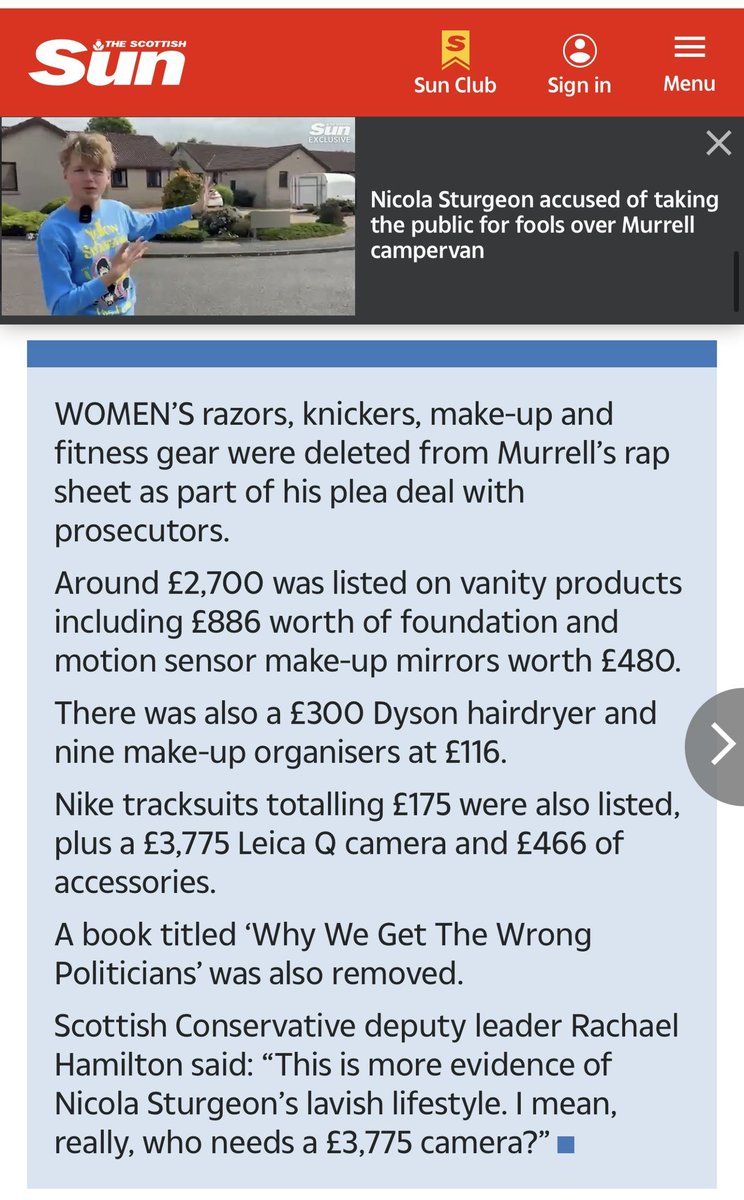
Why We Get The Wrong Politicians is still selling well - and now I know why
thescottishsun.co.uk/news/16…
6
14
56
5,944
Isabel Hardman retweeted
May 20
On today's Coffee House Shots podcast: After a turbulent few weeks, Westminster is in limbo. Keir Starmer appears safe – for now – after Wes Streeting’s underwhelming resignation speech, and all eyes are turning to the Makerfield by-election on 18 June. Until then, the drama seems to have temporarily gone out of Labour’s leadership turmoil.
Isabel Hardman and Noa Hoffman join Megan McElroy to discuss Starmer’s ‘pompous’ tone at PMQs, what is really going on with Wes Streeting, and the Essex icon causing a storm on Twitter and inside the Department for Education.
@IsabelHardman | @hoffman_noa | @meganmcelroyyy
Listen | spectator.com/podcast/the-ca…
2
6
8
7,758
Isabel Hardman retweeted
May 20
Keir Starmer probably found it vaguely comforting that today's Prime Minister's Questions at least gave the impression that he is still making decisions in Downing Street – rather than focusing entirely on when he will leave the job.
The Prime Minister still has the demeanour of a duck with mobility problems but found himself answering questions about sanctions on Russia when he faced Kemi Badenoch.
✍️ Isabel Hardman
Article | spectator.com/article/its-no…
2
6
21
9,439
May 18
We aren’t going to be done with the political turmoil in Britain until we get a leader who actually wants to answer the big questions - my latest i paper column here.
inews.co.uk/opinion/how-brit…
6
2
11
3,742
Isabel Hardman retweeted

May 16
Sunday Morning with @adamboultonTABB from 10:
🔴 Culture Secretary @lisanandy
🔵 Conservative Party leader @KemiBadenoch
✊ USDAW General Secretary @JoanneGSUsdaw
💼 Former detective @MaggieOliverUK
📰 @DavidWooding & @IsabelHardman review
Join us on @TimesRadio at 10am
1
3
4
6,003
Isabel Hardman retweeted

“Politicians have become very… frightened of the reaction from the electorate, who do want to hear answers on big questions”
The Spectator’s Isabel Hardman says the “answers are difficult” in politics, but Keir Starmer hasn’t developed a “vision” for the UK
#bbcdn
13
15
146
39,473

Isabel Hardman retweeted
May 12
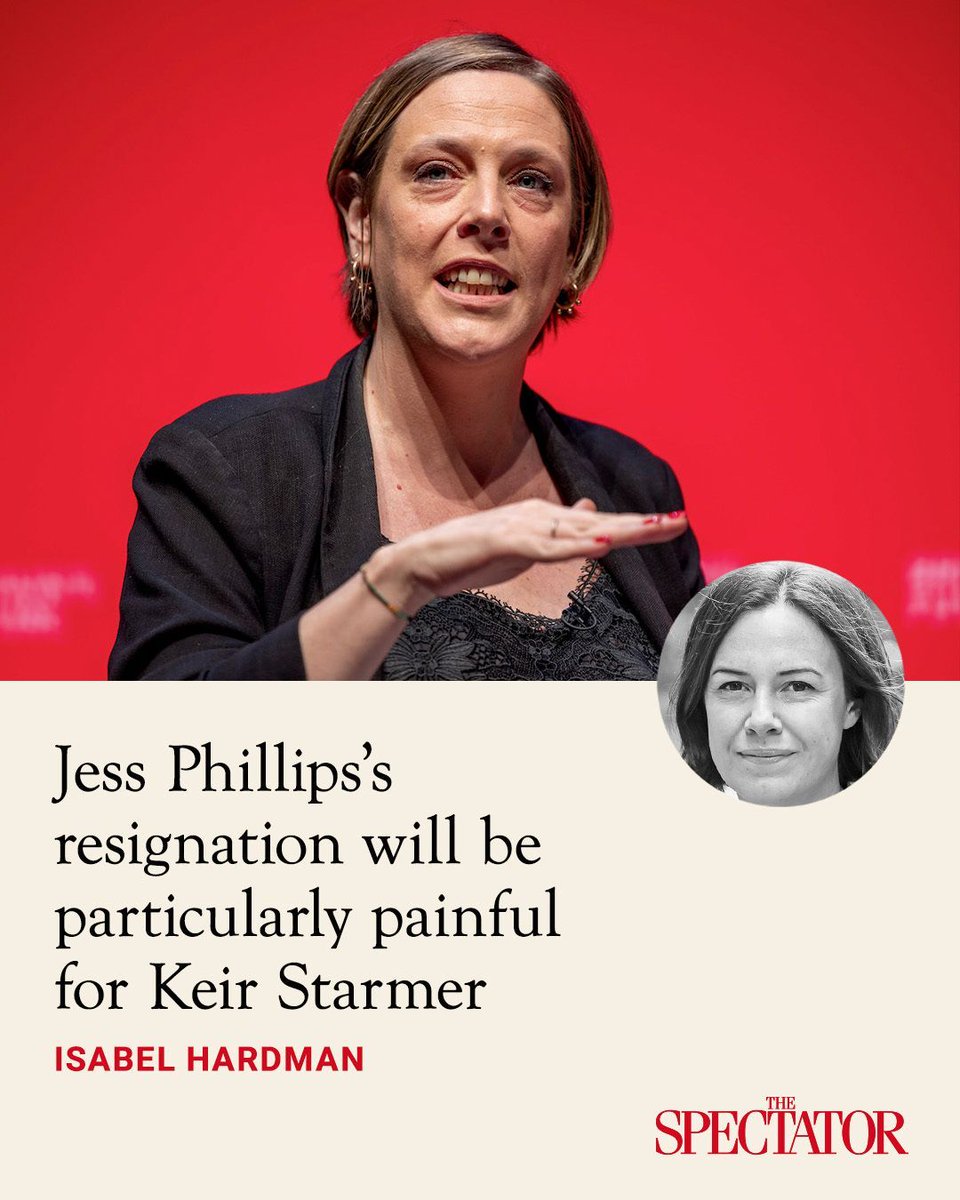
All three of the resignation letters from ministers who have quit government in the past couple of hours will be painful for Keir Starmer, but Jess Phillips’s will hurt the most.
The Safeguarding Minister makes a series of accusations against the Prime Minister which he will find personally hard to take. They cut right to the heart of why his premiership has failed.
She describes him as a ‘good man fundamentally, who cares about the right things’, with the inevitable criticism following straight after: ‘however I have seen first-hand how that is not enough’.
She claims that Starmer stalled on ‘solutions, long worked on by brilliant civil servants that would end the ability for children in the UK to take naked images of themselves’, and that ‘it has taken me a year to get you to agree to even threaten to legislate in this space. Not legislate, just threaten’.
She also claims that ‘real change and direction’ on tackling violence against women and girls ‘usually came from threats made by me in light of catastrophic mistakes’, including after the Mandelson scandal.
✍️ Isabel Hardman
Article | spectator.com/article/jess-p…
5
8
27
8,492
May 11
But if this really had been the make-or-break speech that it has been billed as, it wouldn’t have worked, either. It largely served to highlight Starmer’s weaknesses further.
spectator.com/article/its-al…
5
5
15
3,696
May 2
Presenting the Week in Westminster at 11 on BBC Radio 4. Starmer’s authority, the Golder’s Green attack and the government’s strategy on antisemitism, health inequality and the local elections. Lots to discuss!
3
6
3,025
Isabel Hardman retweeted
May 1
In this week's Edition podcast William Moore is joined by The Spectator’s economics editor Michael Simmons, assistant editor Isabel Hardman and Times columnist and Sky News presenter Trevor Phillips.
The panel unpacks Mary Wakefield’s cover story on the rise of shoplifting – and what it reveals about’ shameless Britain’.
After a Morrisons manager was reportedly sacked for stopping a thief, they ask whether petty crime, fare-dodging and everyday rule-breaking are eroding the social contract.
Listen | spectator.com/podcast/bring-…

2
3
7
7,262
Isabel Hardman retweeted

Apr 30
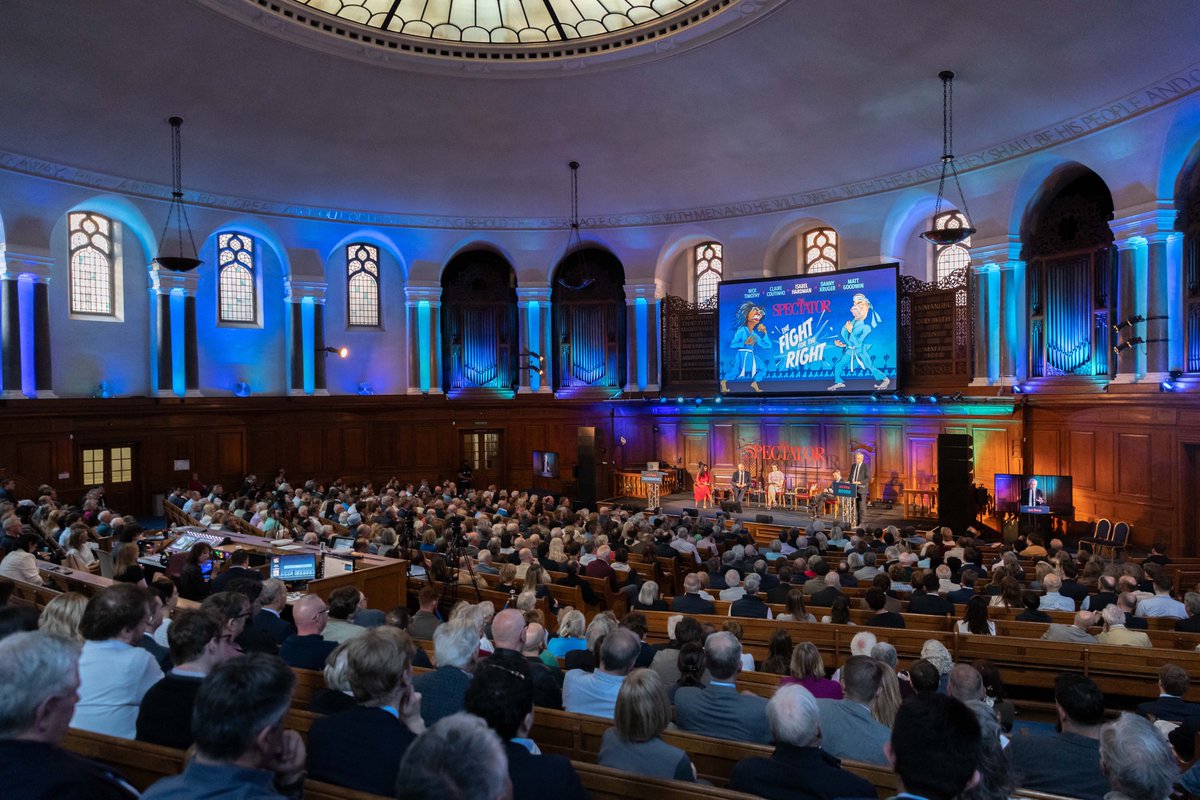
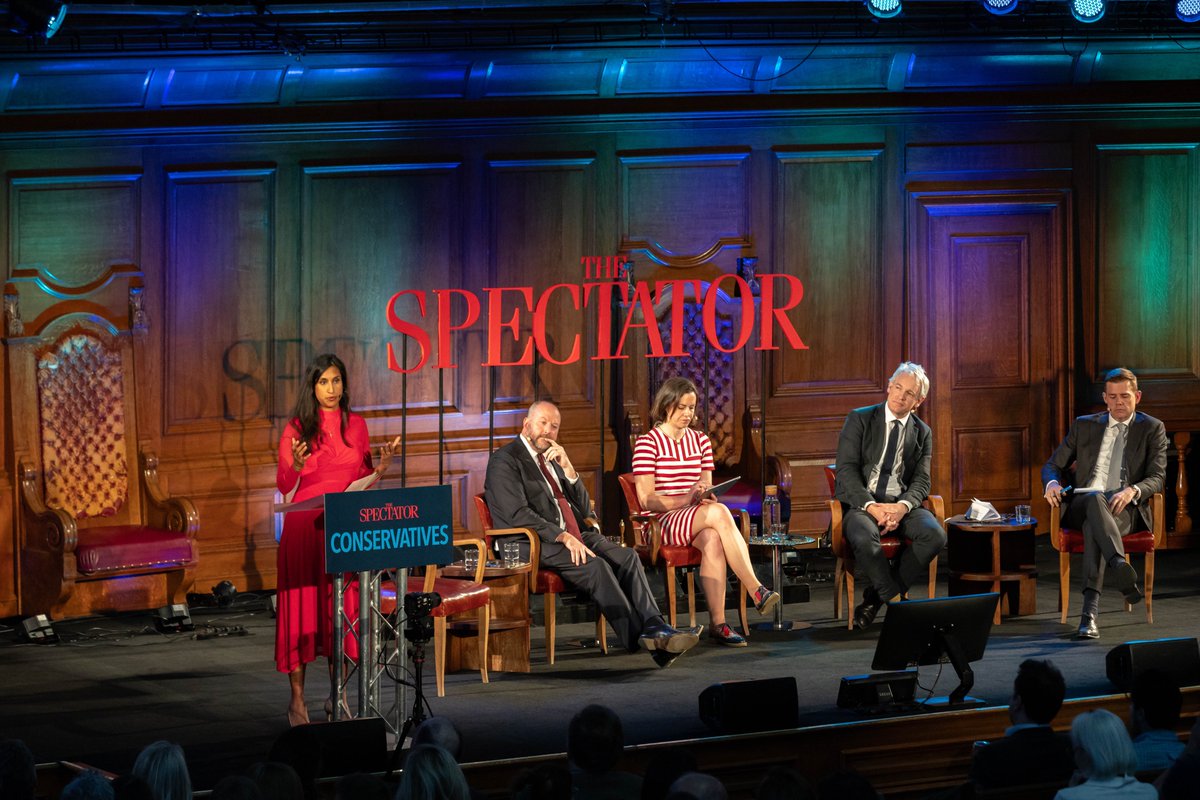
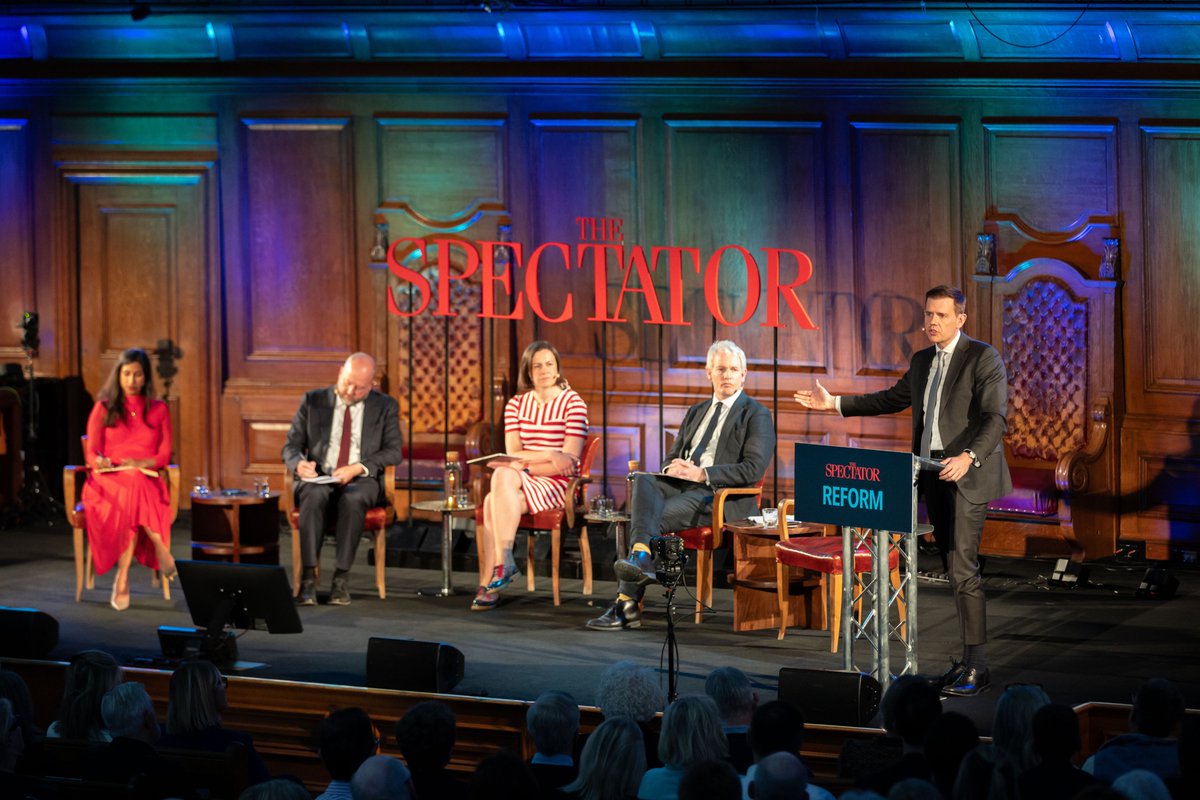
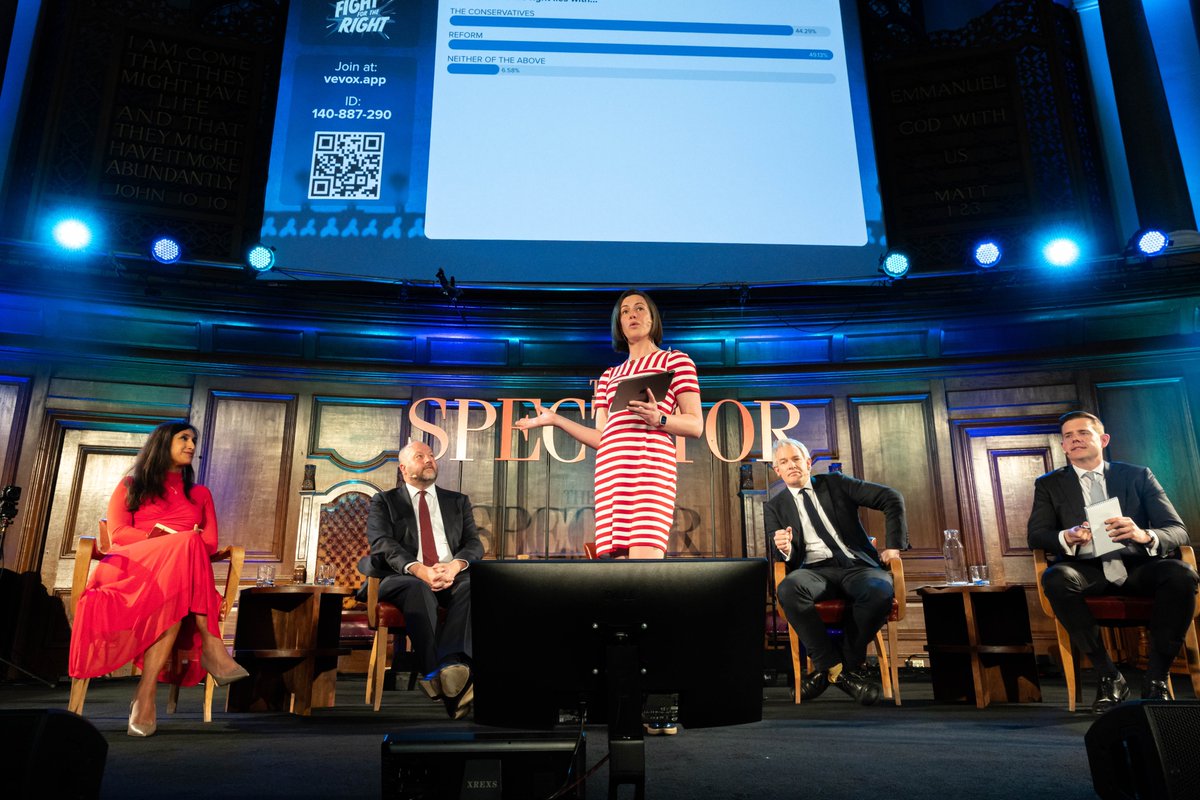
The Fight for the Right🥊
Our event last night saw the Conservatives go up against Reform UK to debate which party truly represents the future of the right.
@ClaireCoutinho @NJ_Timothy @danny__kruger @GoodwinMJ
Chaired by @IsabelHardman
It was a strong debate from both sides, but over the course of the event Reform swayed the audience, defeating the Conservatives 49% to 44%.
Join us for more events and debates: spectator.com/events
2
2
8
3,406