Your Voice. Real Impact. Beyond Elections. ⭐️ Making civic engagement accessible, efficient & impactful. Quick & easy ways to keep up with congress ⬇️
Joined October 2012
- Tweets 11,524
- Following 117
- Followers 2,772
- Likes 1,937
3,785 Photos and videos


Pinned Tweet

1 Jul 2025
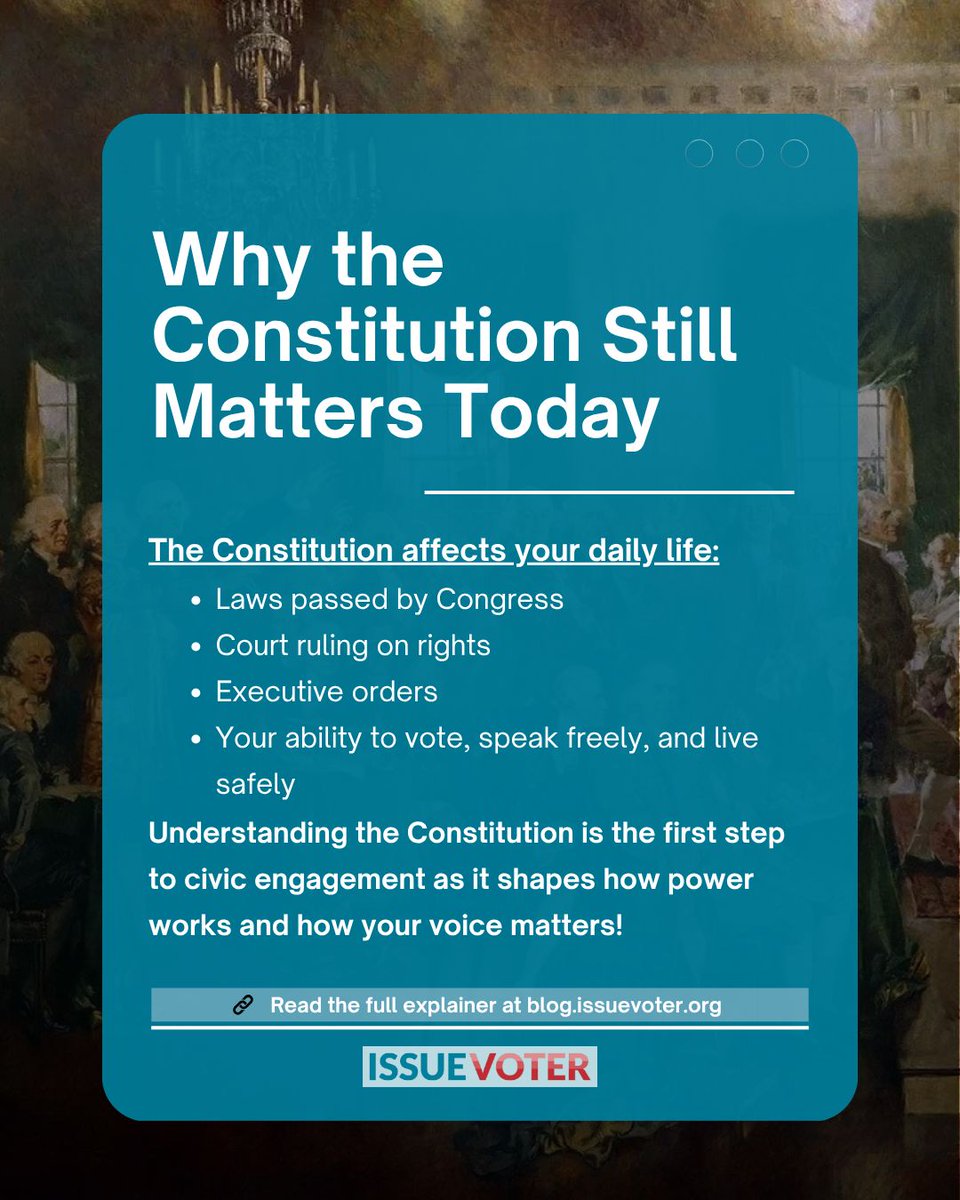
🗳️ Civic engagement starts with understanding the rules.
Explore more at blog.issuevoter.org & tell your reps what matters to you. (6/6)
#CivicEngagement #Democracy101 #IssueVoter
2
3
360
IssueVoter retweeted

May 21
Don't miss this fantastic piece by @caitlindewey over @voxdotcom.
Primaries matter even more amid the so-called "redistricting wars," as both parties race to redraw electoral maps and squeeze out additional safe seats. Gerrymandering and political self-sorting have made general elections far less competitive since the 1970s.
Today, most members of Congress hail from safely Democratic or Republican districts: Only 18 of 435 House races are considered toss-ups, according to the Cook Political Report. In other words, most members of Congress are effectively chosen in their party’s primary election.
“The root cause of our political dysfunction is that November elections in this country are for the most part meaningless,” the political reformer Katherine Gehl told my colleague Andrew Prokop in 2022. “Most November voters are wasting their time, which is…profoundly undemocratic and unrepresentative.”
Just one in five eligible voters turn out for midterm primaries, and those voters tend to be whiter, older, wealthier, and more partisan than the electorate overall. That helps explain why ideas at the outer fringes of each party tend to take up more oxygen during primary elections.
Read the full piece: vox.com/today-explained-news…
2
3
5
279
IssueVoter retweeted

May 19
Americans are more optimistic about #AI’s impact in medical care but pessimistic about its impact on education and jobs.
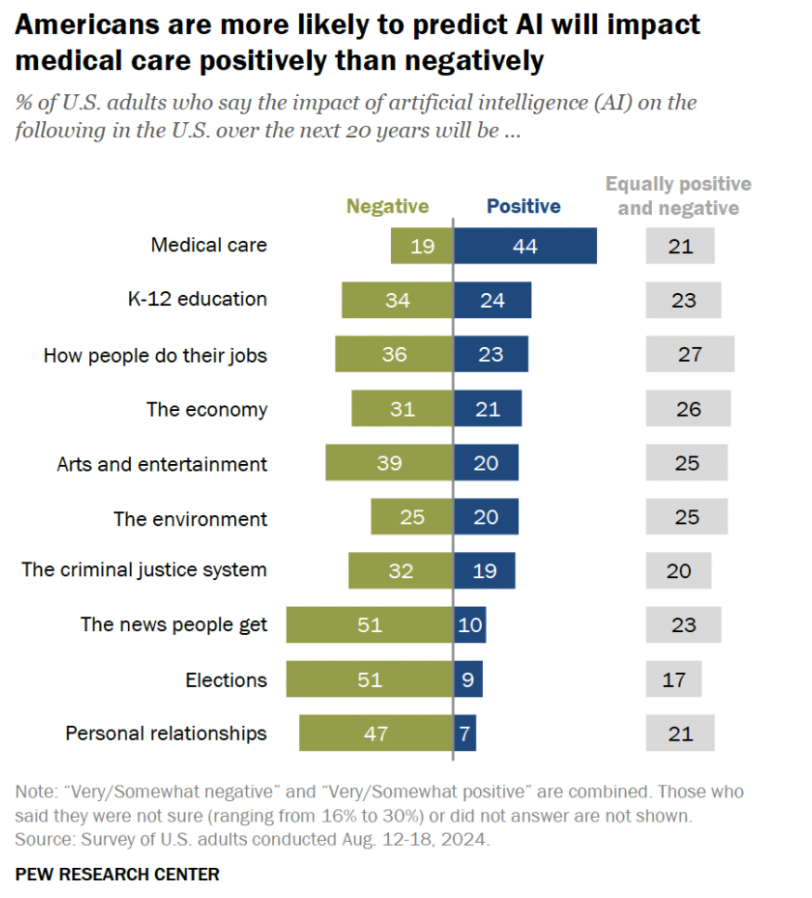
ALT Chart showing Americans are more likely to predict AI will impact medical care positively than negatively.
7
31
55
13,291
IssueVoter retweeted

Democracy doesn’t stop at graduation.
We just won the Civics Innovators Competition at the Jack Miller Center’s National Summit on Civic Education.
This award will help launch a college-level We the People pilot & expand #civiclearning into higher education.
#America250
1
4
8
277
IssueVoter retweeted
May 18
📣 Unite America featured in @nytimes 📣
"Unite America published a study on Thursday suggesting that open primaries being used in five states — California, Louisiana, Alaska, Nebraska and Washington — have improved lives by encouraging the election of pragmatic lawmakers likely to enact useful legislation.
@RichardBarton85, a Syracuse University @MaxwellSU political scientist who conducted the study, analyzed 14 metrics and found that states with nonpartisan primaries had seen “statistically significant improvements” in nine of them — even when accounting for other factors.
Mr. Barton’s research offered case studies to back up his statistical observations. In Louisiana, he argued, nonpartisan primaries had prompted the election of moderate Republican lawmakers who were forced to appeal to a broader coalition of voters. The result: Legislators expanded Medicaid under the Affordable Care Act a decade ago, making Louisiana one of only a few Southern states to do so.
Mr. Barton wrote that open primaries are “undercutting the power of each party’s ideological base, incentivizing candidates to build broader coalitions.”
nytimes.com/2026/05/14/us/po…
1
2
10
560
IssueVoter retweeted

May 18
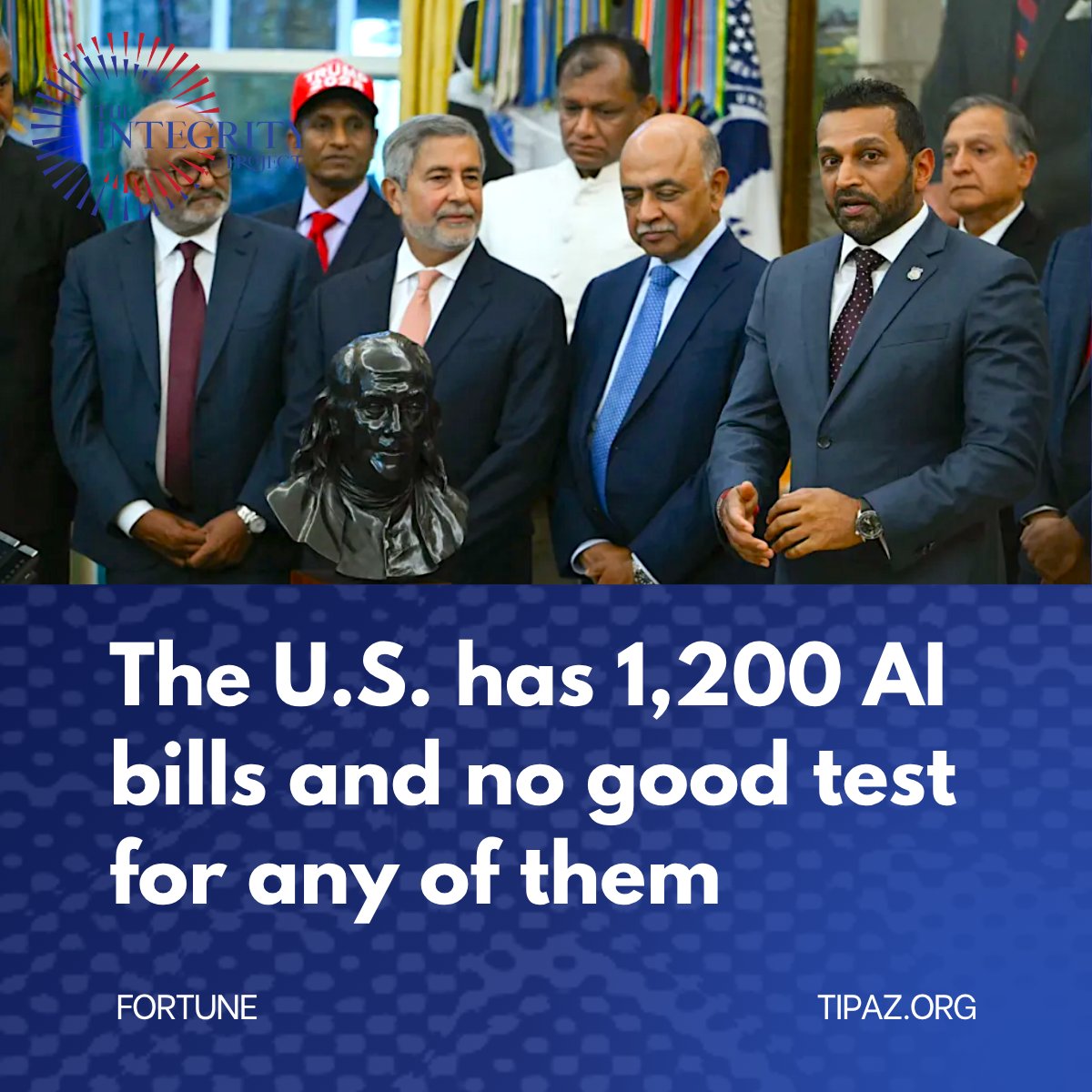
The U.S. faces a chaotic #AI regulatory patchwork with over 1,200 state bills introduced in 2025 and no unified federal framework, researchers @JeffSonnenfeld and Stephen Henriques of @YaleSOM and @GaryMarcus of @CSMAP_NYU write in a recent issue of @FortuneMagazine. The current political and digital information environment and competing legal guidance exposes the dynamic, adaptive technologies to the internet of things – including #misinformation and #disinformation – and hampers efforts by companies and developers to innovate and stay ahead of international competitors and adversaries. The researchers provide a framework that first issues interpretive guidance, then suggests narrow legislation for election disinformation and 'sandbox' situations for high-risk challenges like national security. They detail a three-stage test for each piece of legislation that evaluates national security, harm reduction, product innovation and free competition – and instills confidence and continuity rather than chaos and uncertainty. 👉 tipaz.org/latest-news/ai-reg…
2
6
11
3,792
May 14
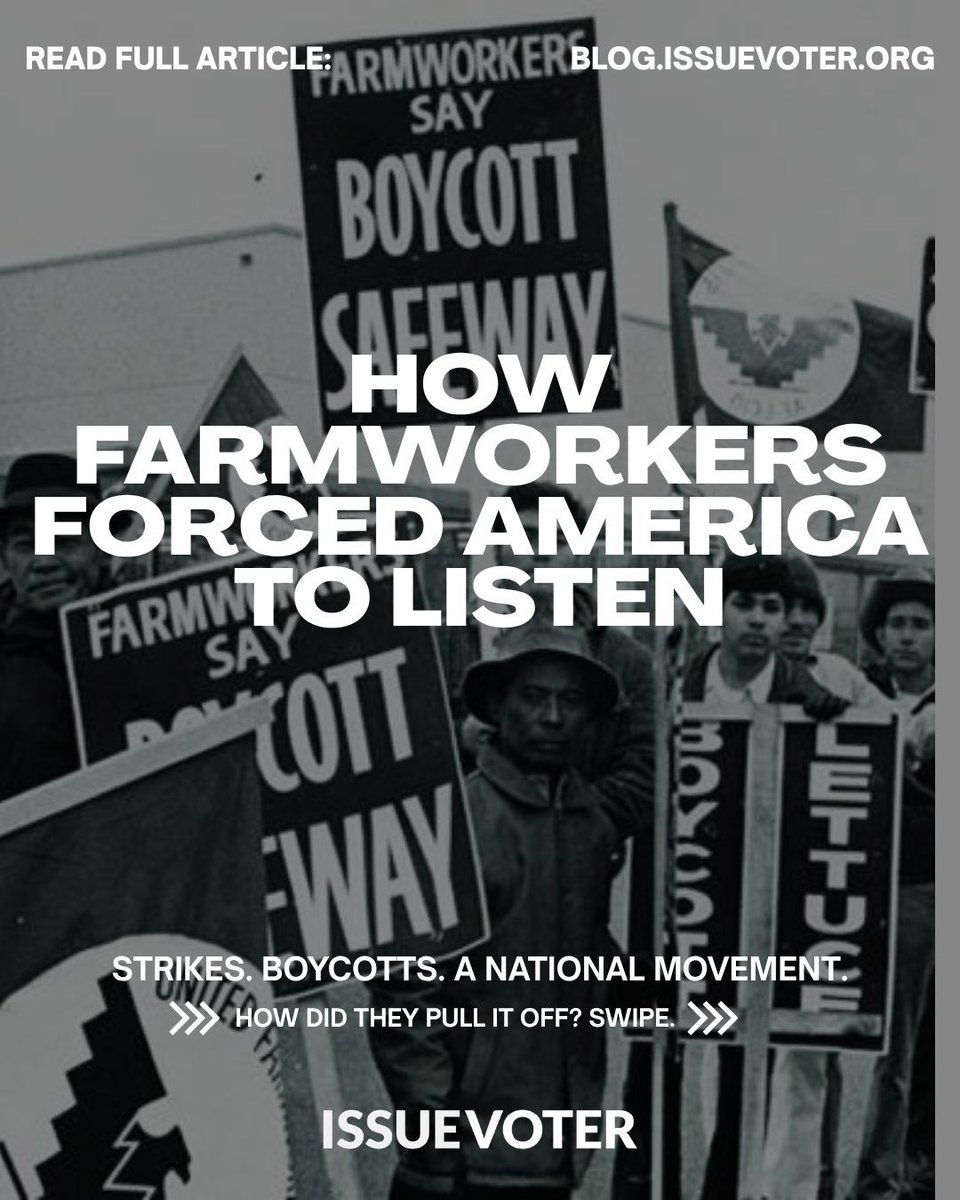
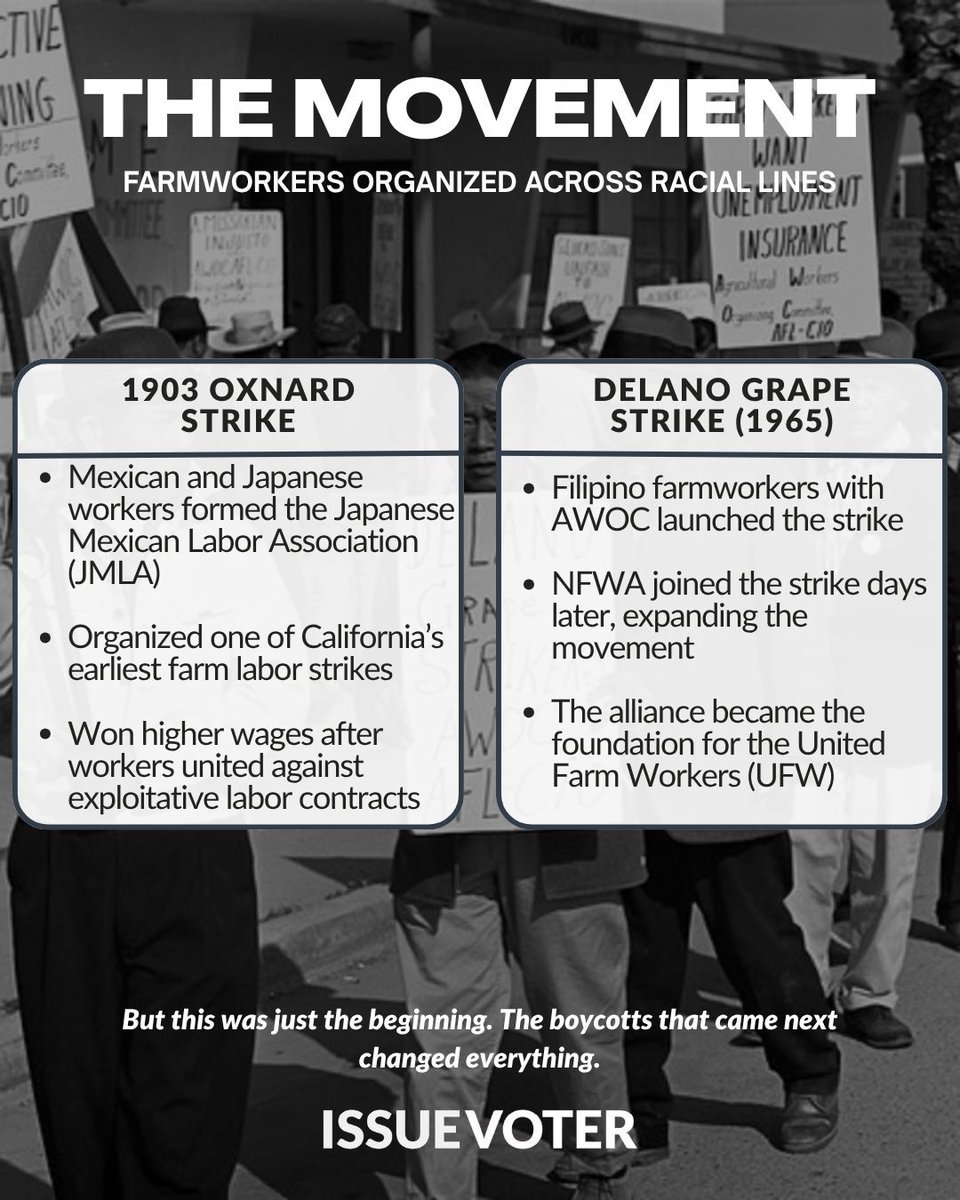
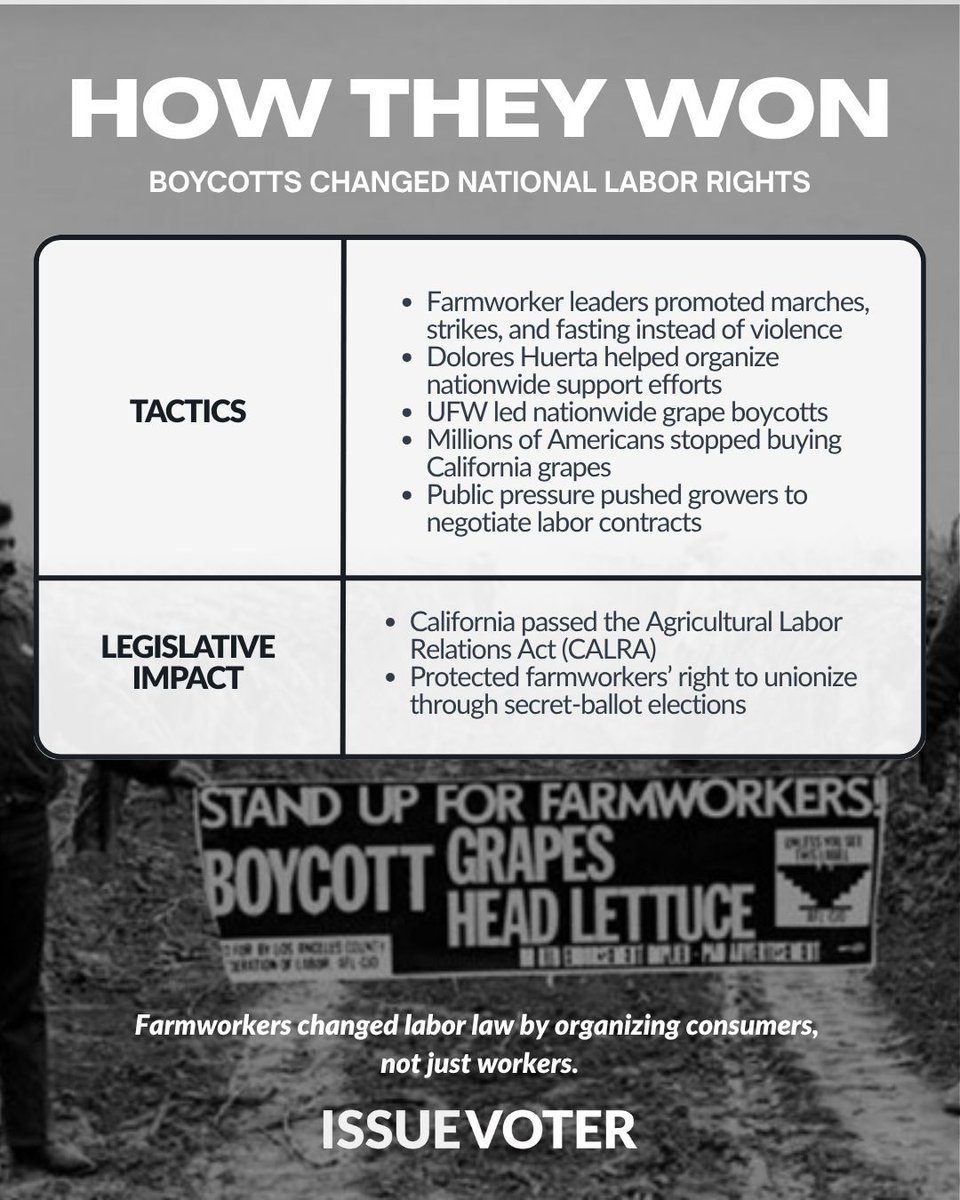
Farmworkers changed labor rights through strikes, boycotts, and organizing.
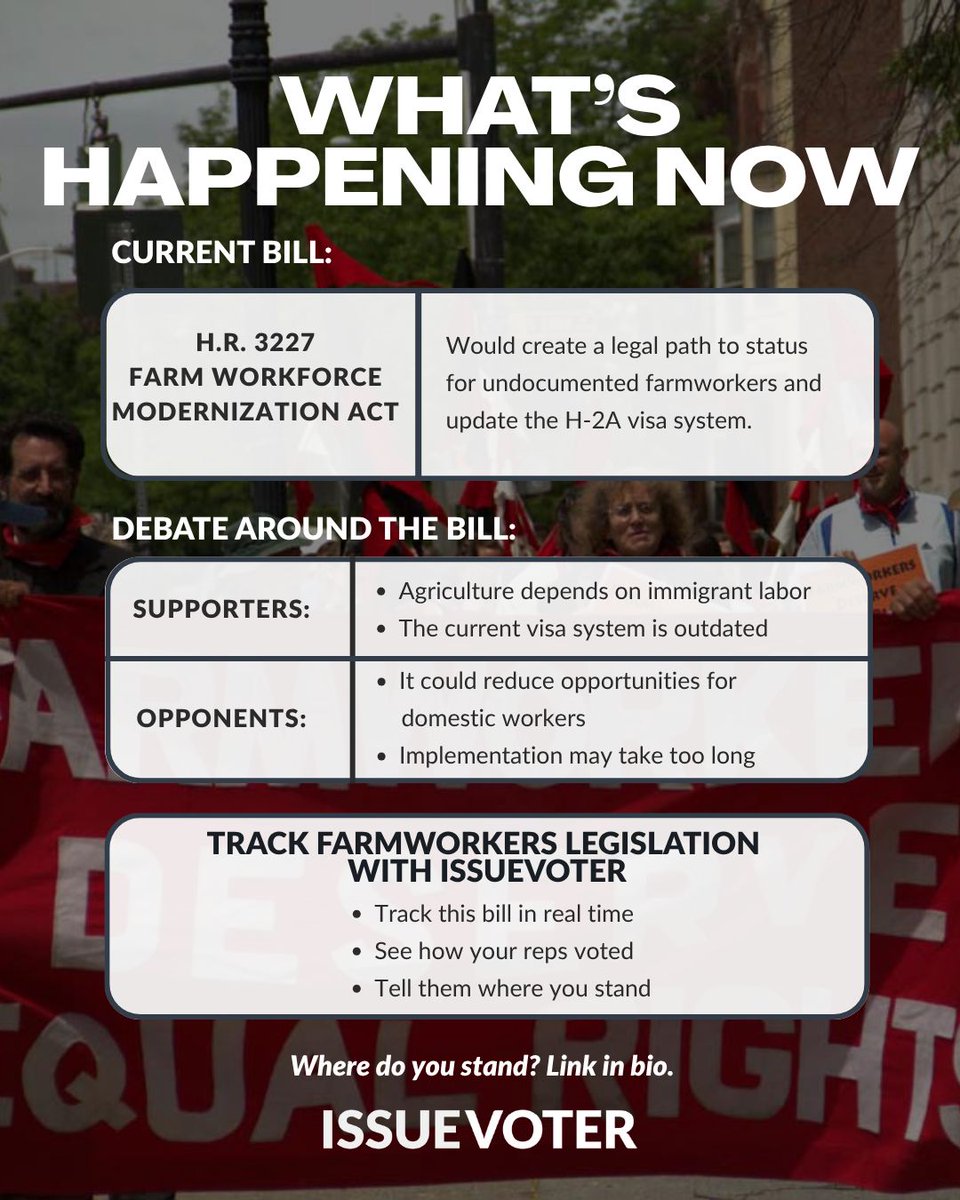
Now Congress is debating the Farm Workforce Modernization Act: a legal path for undocumented farmworkers, plus H-2A updates.
Full article in reply. @IssueVoter
15

In New York, @nysut & @democracyready are calling for increased state approps. of $22.5 million to better prepare students as civic leaders by supporting civic instruction, access, & professional development, and expanding media & AI literacy. Learn more: bit.ly/42ccyKl
1
1
2
51
IssueVoter retweeted

May 12
Congress is debating new housing legislation, including limiting large institutional investors’ ownership of single-family homes. PPC data shows 67% support for requiring large corporations to sell their single-family homes and townhouses within 10 years.
thehill.com/homenews/adminis…
1
1
21
IssueVoter retweeted

Congress has not updated its committee structure since before the internet existed, and you can feel the gap every time a new technology reshapes the world faster than lawmakers can respond.
Think about AI.
TUNE IN with @KornbergMaya: buff.ly/UondHmM
1
5
5
662
IssueVoter retweeted

May 11
The hardest part isn’t the law. It’s the logistics. Don’t leave your vote behind when you deploy.
overseasvotefoundation.org/p…
3
5
121
IssueVoter retweeted
May 11
Americans see health care costs, deficit and inflation as big problems facing the nation. 🧵
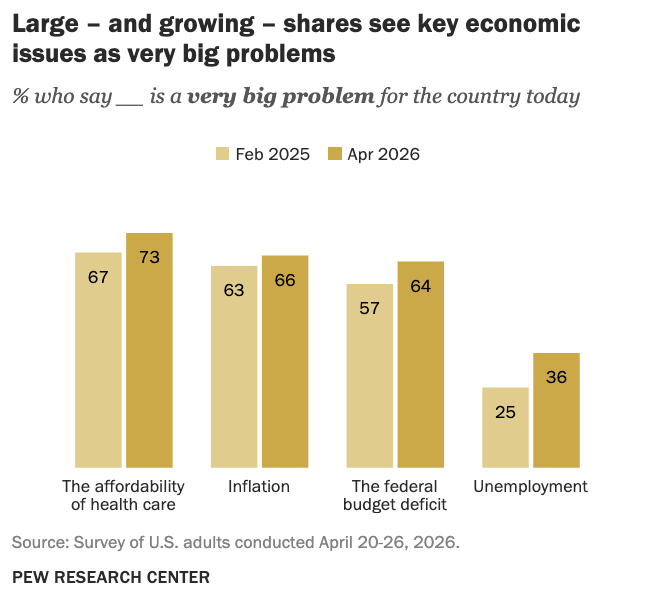
ALT Chart showing large – and growing – shares see key economic issues as very big problems.
4
20
38
13,688

➡️@nytopinion columnist Jamelle Bouie:
With Section 2 of the Voting Rights Act gutted, the U.S. could move "away from its current system toward something that could give us fair political representation."
Options include proportional representation & ranked choice voting.
3
9
19
653
IssueVoter retweeted
May 5
The White House estimates deals to align U.S. drug prices with those in other countries could save $529 billion over 10 years. Public opinion agrees: 78% support setting maximum prices based on international benchmarks, including 75% of Rs and 87% of Ds.
apnews.com/article/trump-pre…
1
1
2
50
IssueVoter retweeted
As America approaches its 250th anniversary, civic education matters more than ever.
Natalie Wexler argues students can’t think critically about history without actually knowing it & research backs her up.
nataliewexler.substack.com/p…
#TeacherAppreciationWeek #America250
1
3
6
164
IssueVoter retweeted
May 6
Administration officials say “mass deportations are coming,” even as PPC research finds 73% of Americans did not support mass deportation, including 58% of Rs. 58% instead favored a pathway to citizenship for long-term undocumented immigrants.
cnn.com/2026/05/05/politics/…
2
1
29
May 6
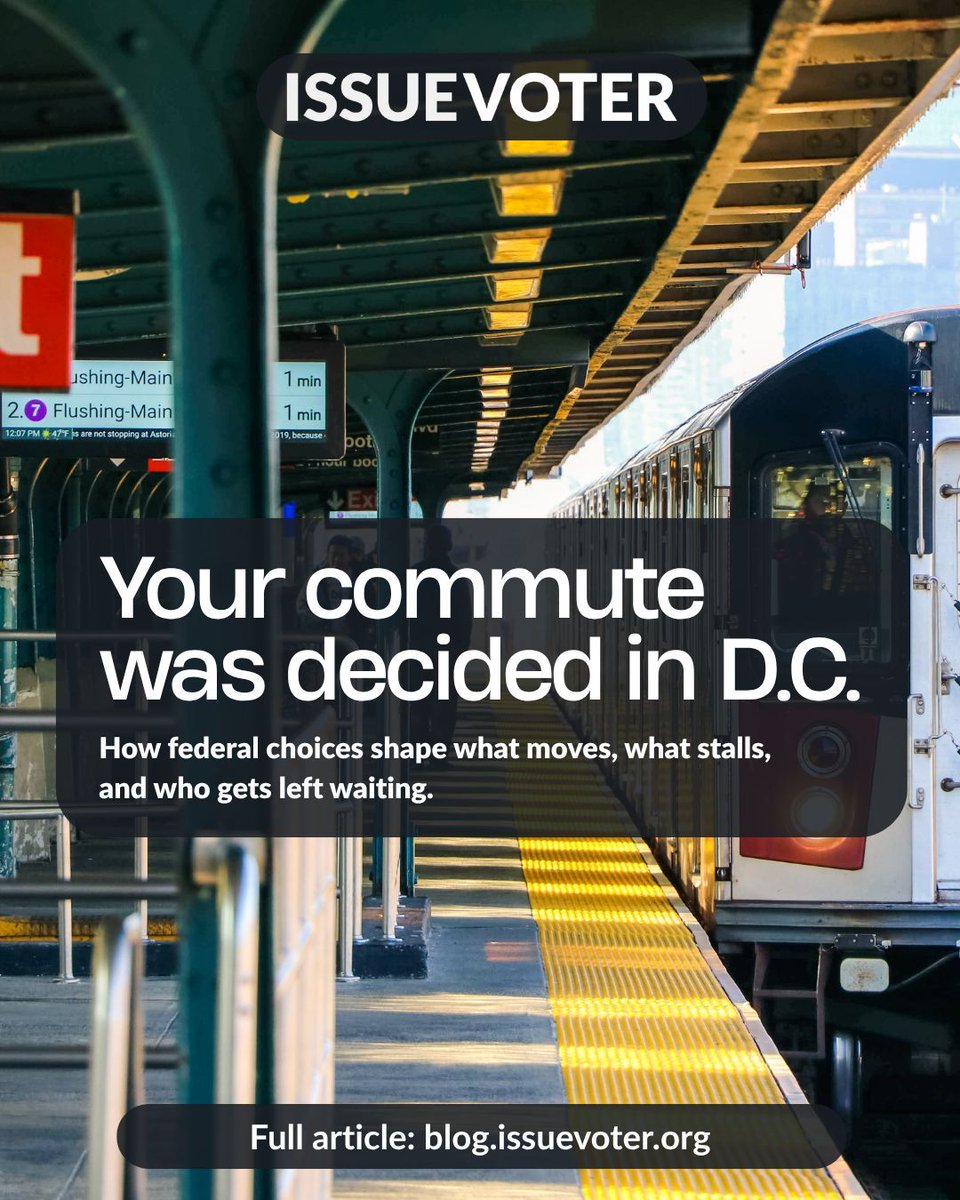
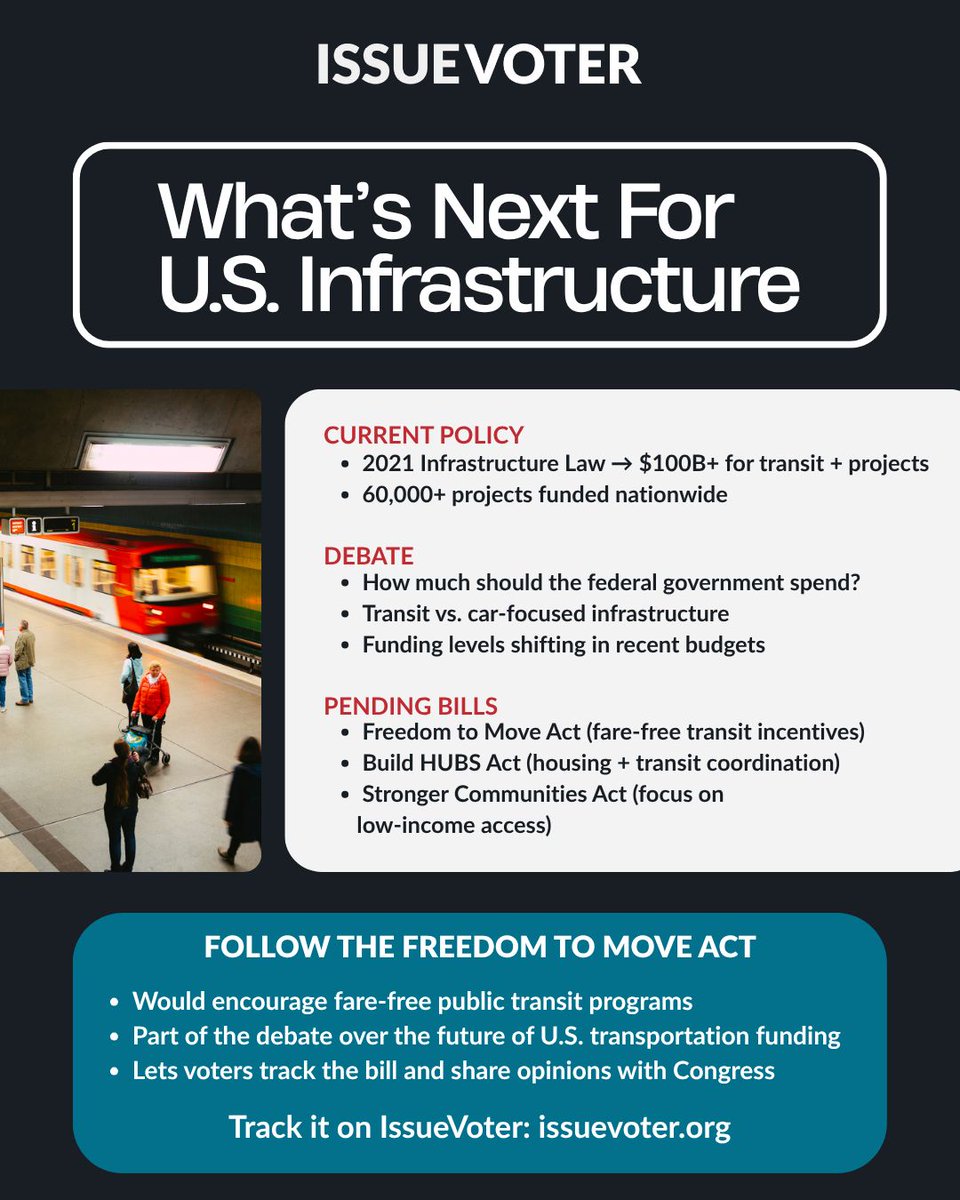
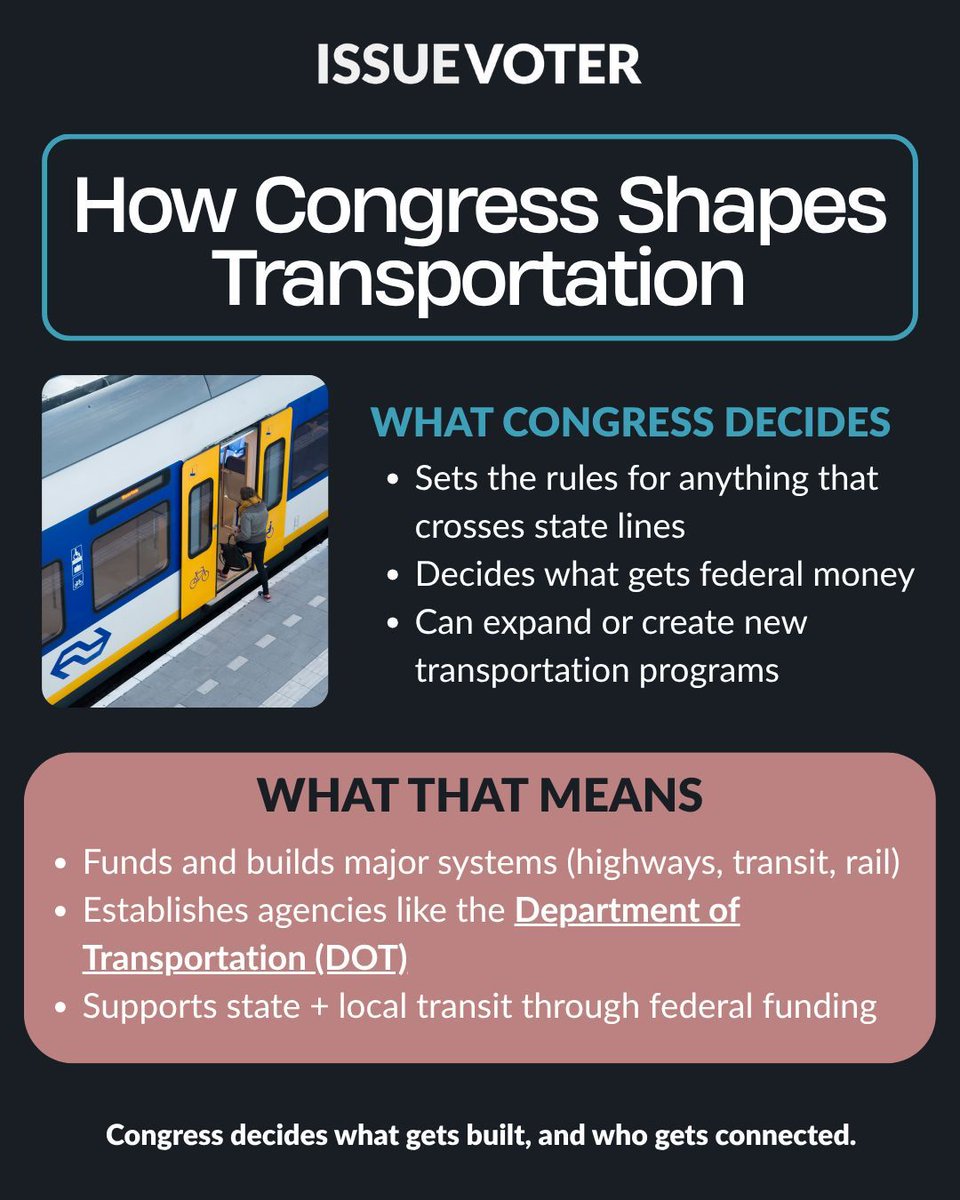
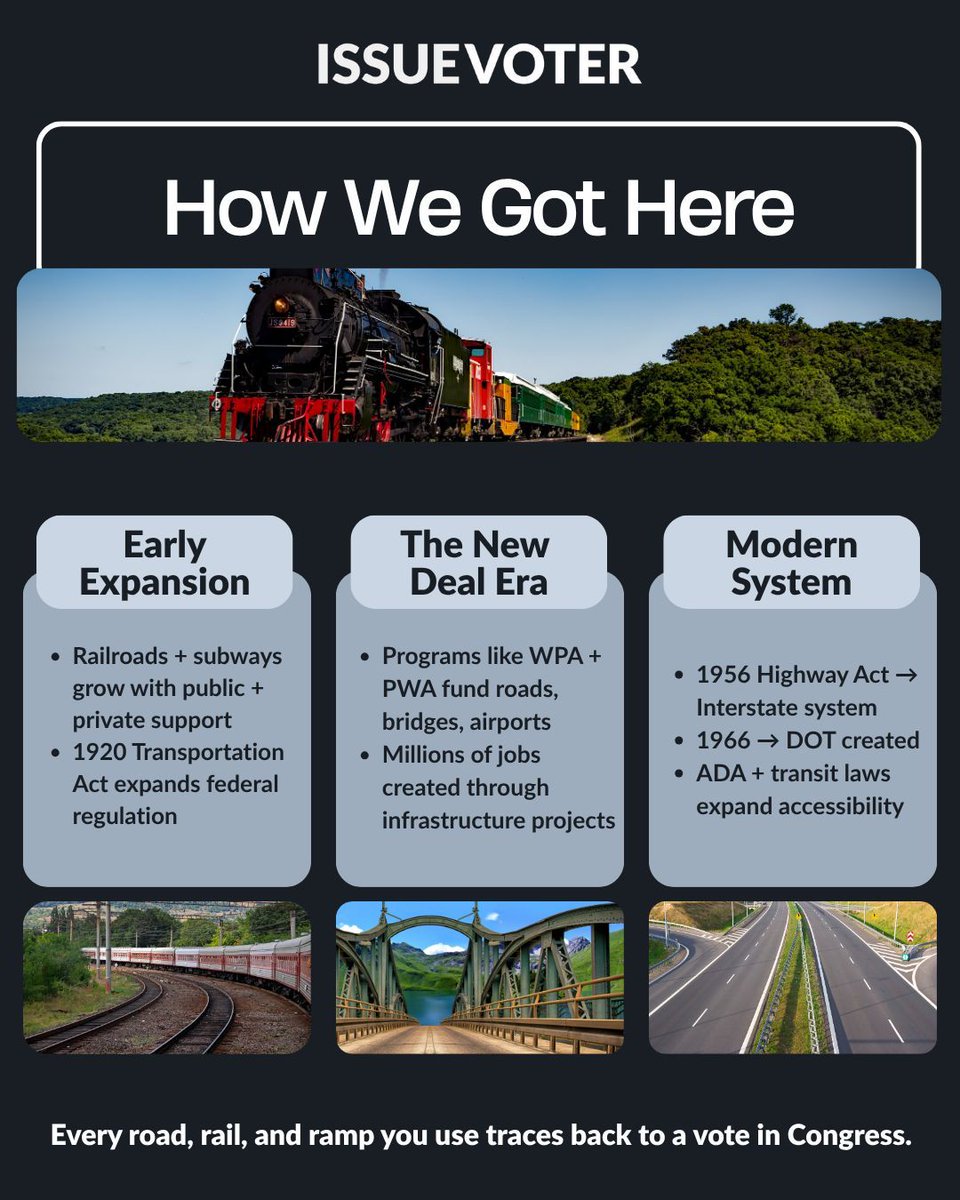
Your commute, your bus, your accessible train platform: all shaped by Congress.
3 transit bills are pending right now:
Freedom to Move Act
Build HUBS Act
Stronger Communities Act
See where your rep stands. @IssueVoter
14
IssueVoter retweeted

May 5
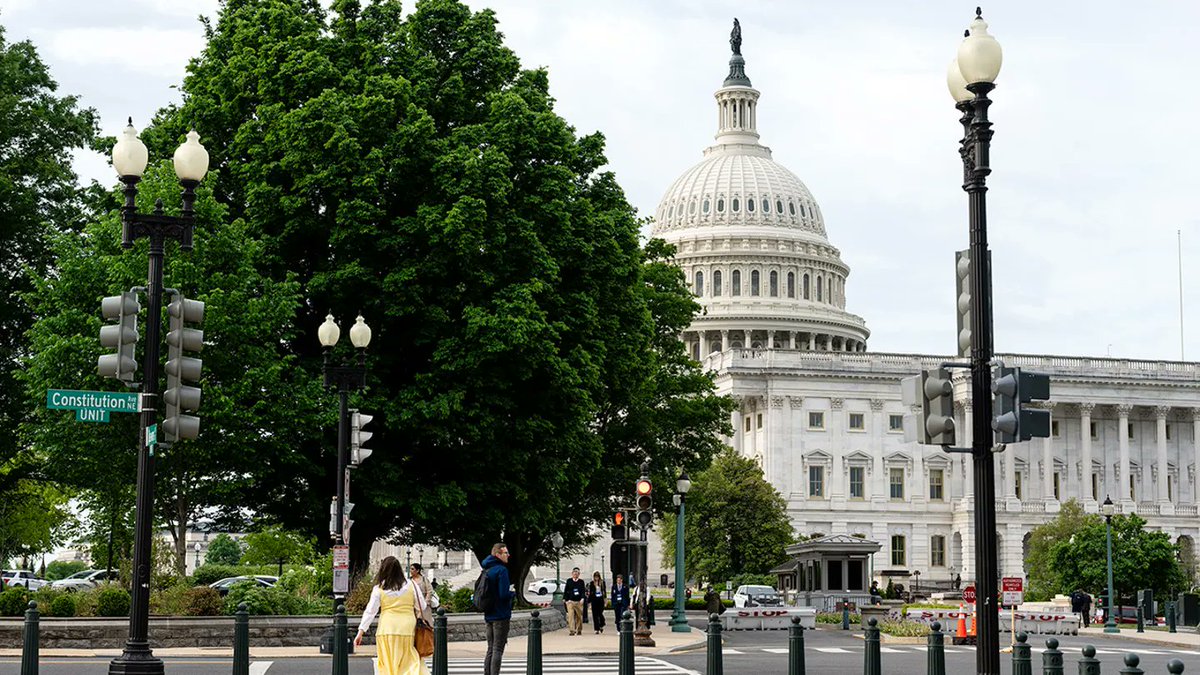
The US national debt level has surpassed gross domestic product (GDP) for the first time since World War II.
See coverage from @FoxBusiness, @thehill, & @CBSNews: allsides.com/story/economy-a…
1
1
8
725
IssueVoter retweeted
The American public’s views of the two major political parties are more unfavorable than favorable. 26% of Americans hold unfavorable views of BOTH parties.
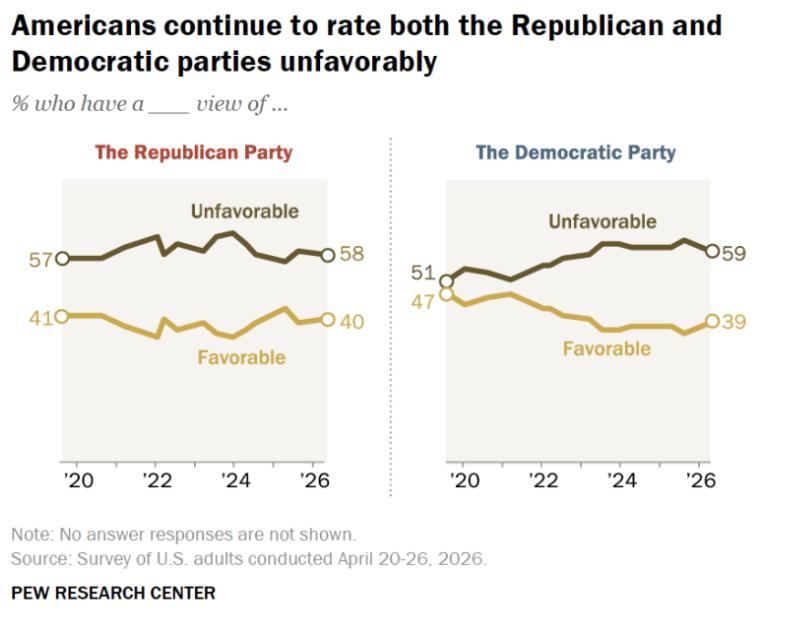
ALT Americans continue to rate both the Republican and Democratic parties unfavorably.
12
57
135
66,020
IssueVoter retweeted

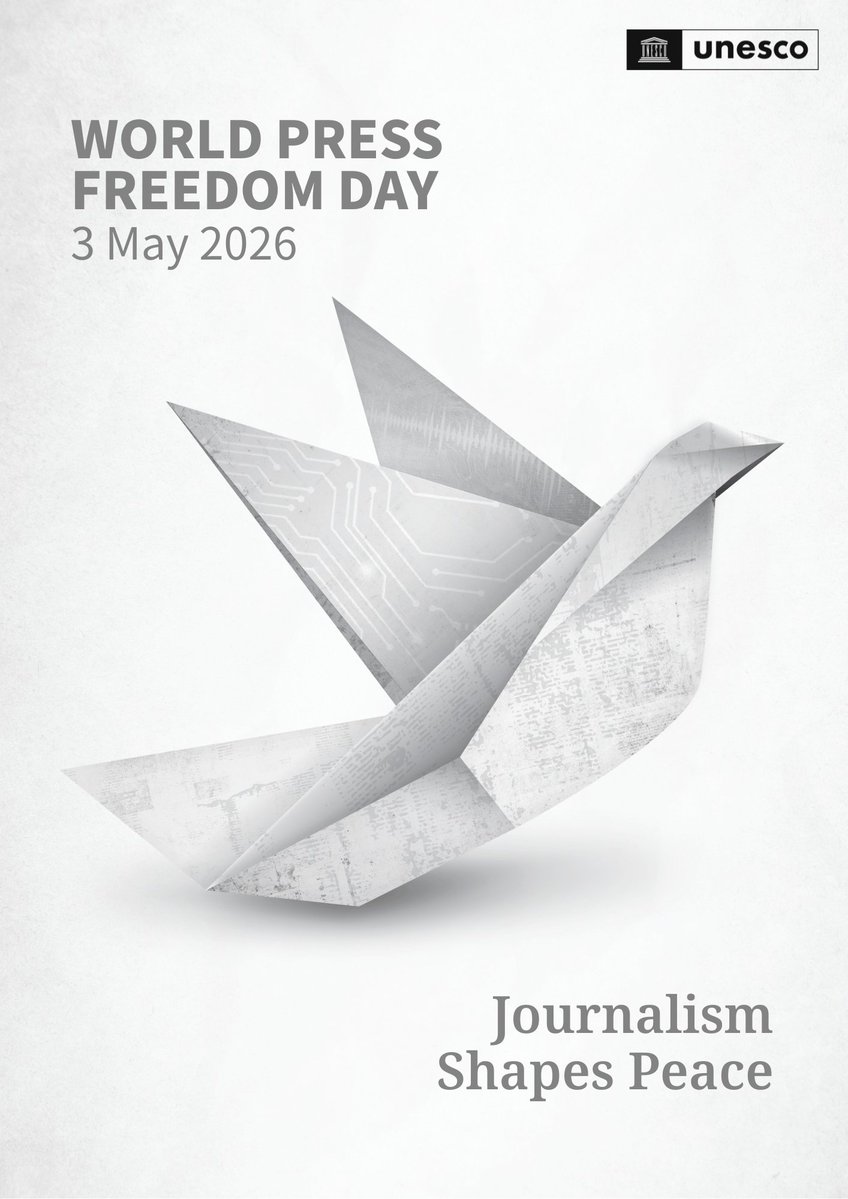
Journalism shapes peace.
Access to reliable, verified information is not optional; it is fundamental to building peaceful, just and resilient societies.
When information is manipulated, it fuels division and erodes trust.
When it is free and truthful, it strengthens accountability, fosters dialogue and upholds human rights.
On #WorldPressFreedomDay, @UNESCO calls for the protection of freedom of expression and support for journalism as a pillar of peace.
unesco.org/en/days/press-fre…
81
587
844
76,963
On April 29, the Supreme Court dismantled landmark protections of the Voting Rights Act.
This undermines a bedrock principle of American democracy: People of every race should have equal voice & representation.
Here’s what you need to know ⬇️
fairvote.org/what-to-know-ab…
7
6
8
494