Phan of everything Philly and Jersey but l keep forgetting to attach the pictures!
Joined February 2020
- Tweets 5,448
- Following 136
- Followers 105
- Likes 65,220
961 Photos and videos

JC 🇺🇸🇮🇪 retweeted

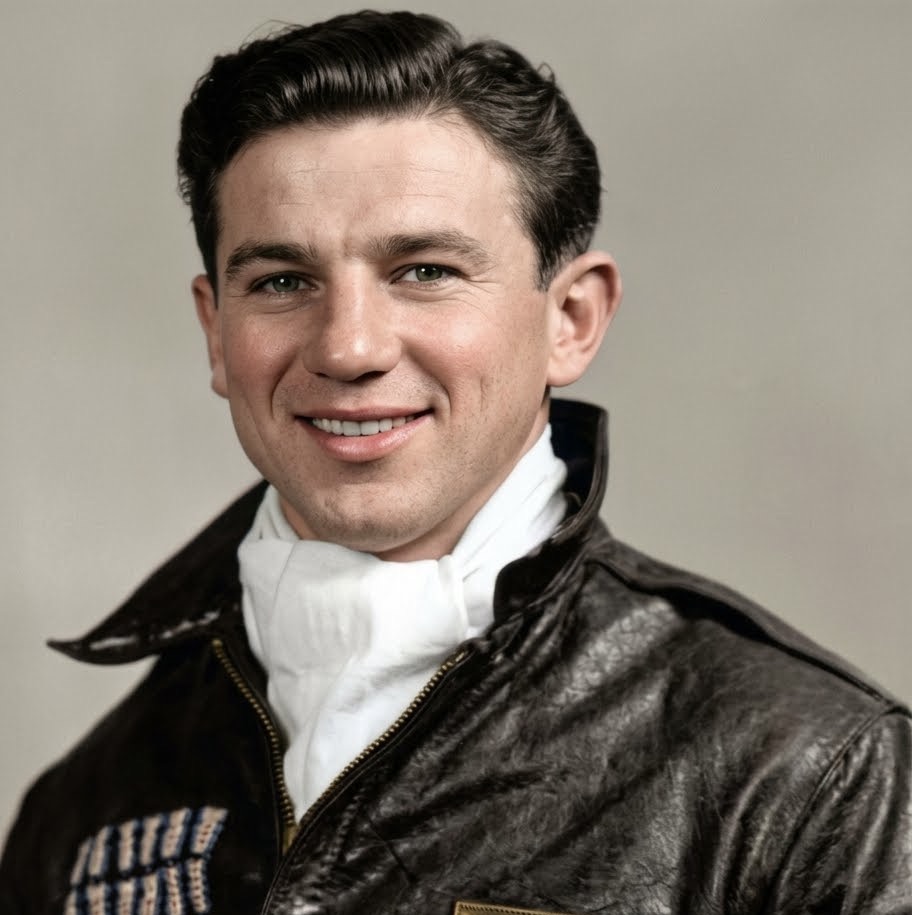
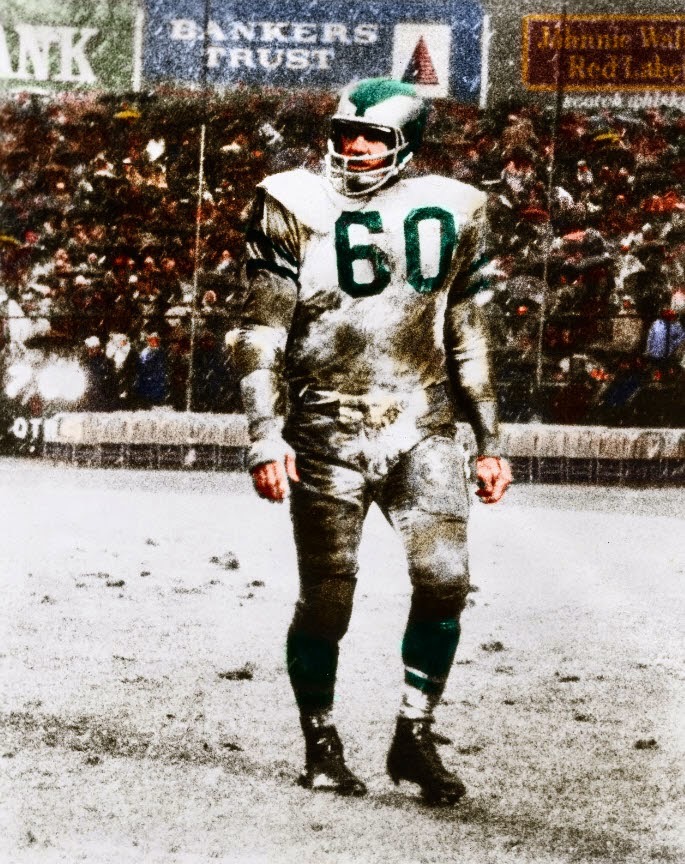
🇺🇸 Most Badass Football Players: Combat Veterans Edition #6 Chuck Bednarik
Chuck Bednarik, #1 overall pick and Hall of Famer for the Philadelphia Eagles, was one badass football player.
Born May 1, 1925, in Bethlehem, Pennsylvania, Bednarik left high school to enlist in the U.S. Army Air Forces in WWII.
He served as a waist gunner on a B-24 Liberator with the 467th Bomb Group of the Eighth Air Force.
He flew 30 combat missions over Germany between August 1944 and April 1945
He operated a .50 caliber machine gun in the open side of the aircraft.
On two occasions his heavily damaged bomber crash landed after being hit by flak.
He had the word "MOTHER" tattooed on his forearm so his body could be identified if his plane was shot down.
Bednarik later described how combat changed him. He said: "You go through combat, you develop a killer instinct. You become what is the term…hardcore. Did I take that on the field? Yes, to be honest, I did."
Bednarik was awarded the Air Medal with four Oak Leaf Clusters and the European-African-Middle Eastern Campaign Medal with four Battle Stars.
After the war, he attended the University of Pennsylvania, where he became an All-American.
The Philadelphia Eagles selected him with the first overall pick in the 1949 NFL Draft.
Bednarik would became one of the toughest and most respected players in NFL history.
He played both ways as a center on offense and linebacker on defense. He was one of the last "60 minute men" in professional football.
He played 14 seasons and was inducted in the Pro Football Hall of Fame in 1967.
Chuck Bednarik is an American Badass.
Thank you, Staff Sergeant!

🇺🇸 Most Badass Football Players: Combat Veterans Edition #7 Alejandro Villanueva
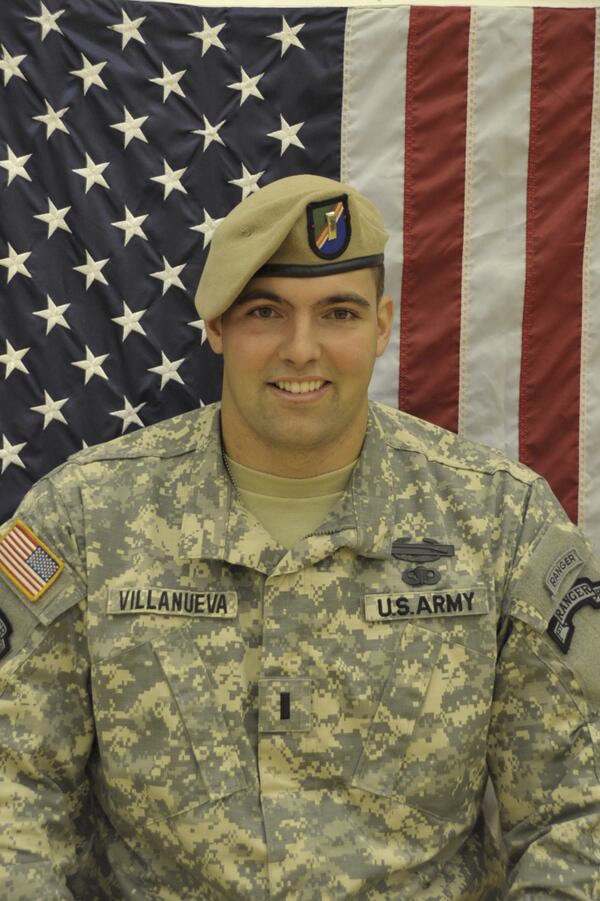
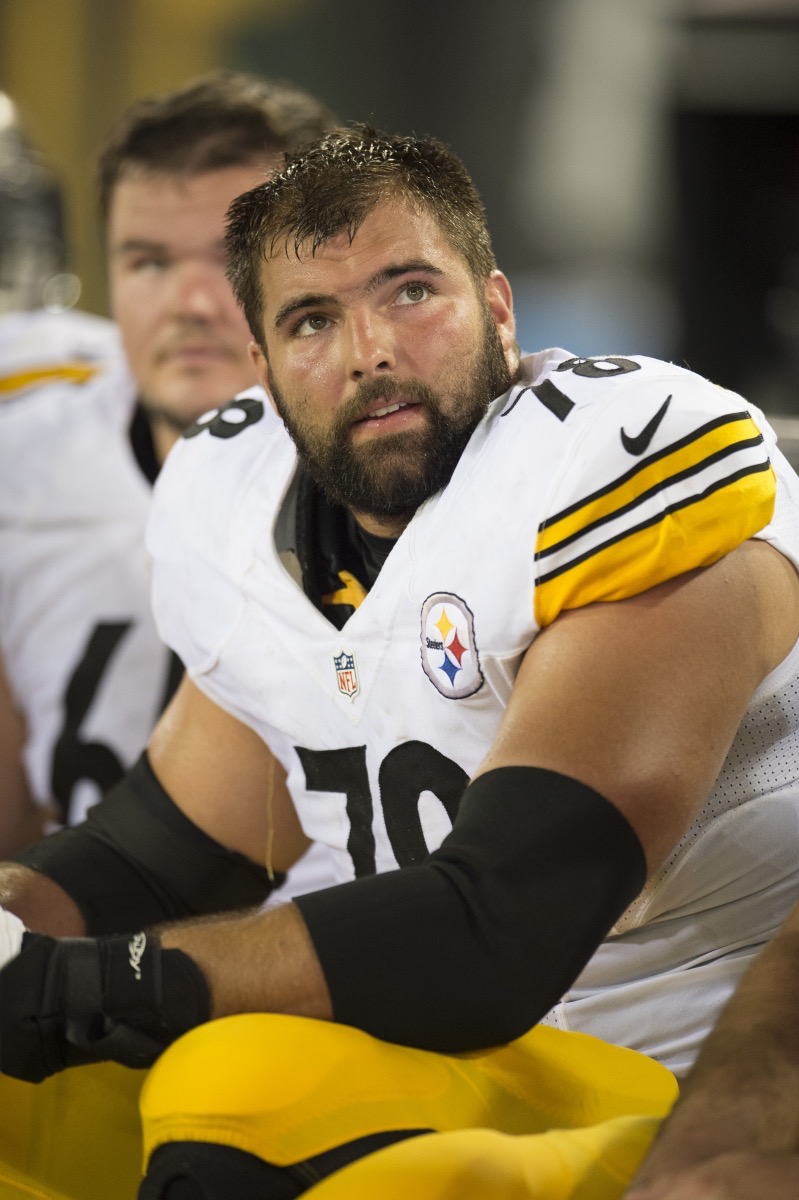
Alejandro Villanueva, an Army Ranger and two time Pro Bowler, was one badass football player.
Born in 1988 and raised in a military family, Villanueva attended the U.S. Military Academy at West Point, where he primarily played offensive tackle for the Army Black Knights.
After graduating in 2010 and being commissioned as an infantry officer, he served with the 2nd Battalion, 87th Infantry Regiment, 10th Mountain Division.
During his first deployment to Afghanistan as a rifle platoon leader, Villanueva’s unit responded to a call involving a local teacher who had opened fire on Taliban fighters near a mosque.
As they moved in, the platoon walked into a heavy Taliban ambush.
One of his soldiers, Pfc. Jesse Dietrich, was shot near the armpit.
While under intense enemy fire, Villanueva pulled the wounded Dietrich down an alley and into a second mosque so a medic could begin treating him.
He then returned to the fight.
Later, when the medic told him the wounded needed to be moved to a safer location for medevac, Villanueva personally carried another injured soldier on his shoulders through the danger zone to a nearby school, where they waited for a helicopter.
Despite these efforts, Dietrich tragically died of his wounds on the helicopter.
The loss deeply affected him.
For his actions in rescuing wounded soldiers while under enemy fire, Villanueva was awarded the Bronze Star with “V” for valor in combat.
He had earned his Ranger tab and served two additional tours in Afghanistan with the 1st Battalion, 75th Ranger Regiment.
Many of those operations remain classified.
He was also awarded a second Bronze Star for service.
After nearly five years of active duty and three combat deployments, Villanueva left the Army as a captain to pursue a career in the NFL.
He signed with the Philadelphia Eagles as an undrafted free agent before joining the Pittsburgh Steelers, where he became one of the league’s most reliable left tackles.
During his time with the NFL, he started over 100 games and was selected to the Pro Bowl twice, in 2017 and 2018.
Alejandro Villanueva is an American Badass.
Thank you, Captain! 🫡🇺🇸
14
78
386
16,133
JC 🇺🇸🇮🇪 retweeted

1
5
23
2,411

JC 🇺🇸🇮🇪 retweeted

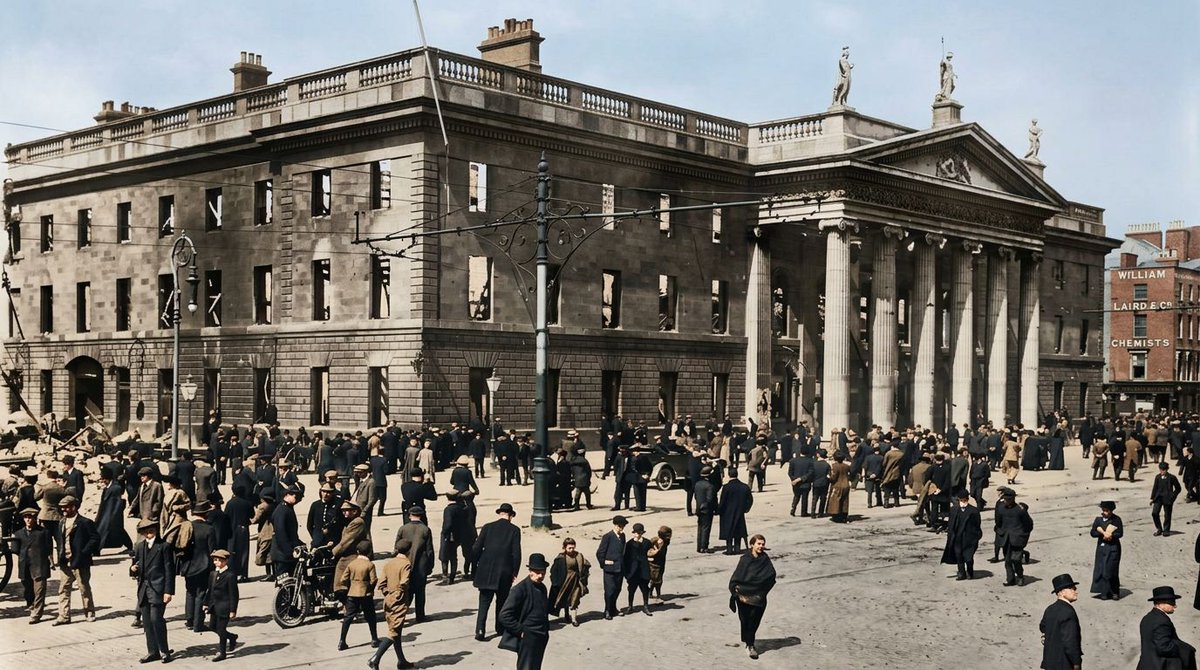
A Closing Note on the 1916 Rising Series
When I started this series, the aim was simple: to bring some of the people, places and moments of 1916 back to life through colour, photographs and storytelling.
I did not expect what followed...
5
14
80
1,502
JC 🇺🇸🇮🇪 retweeted

Jun 7
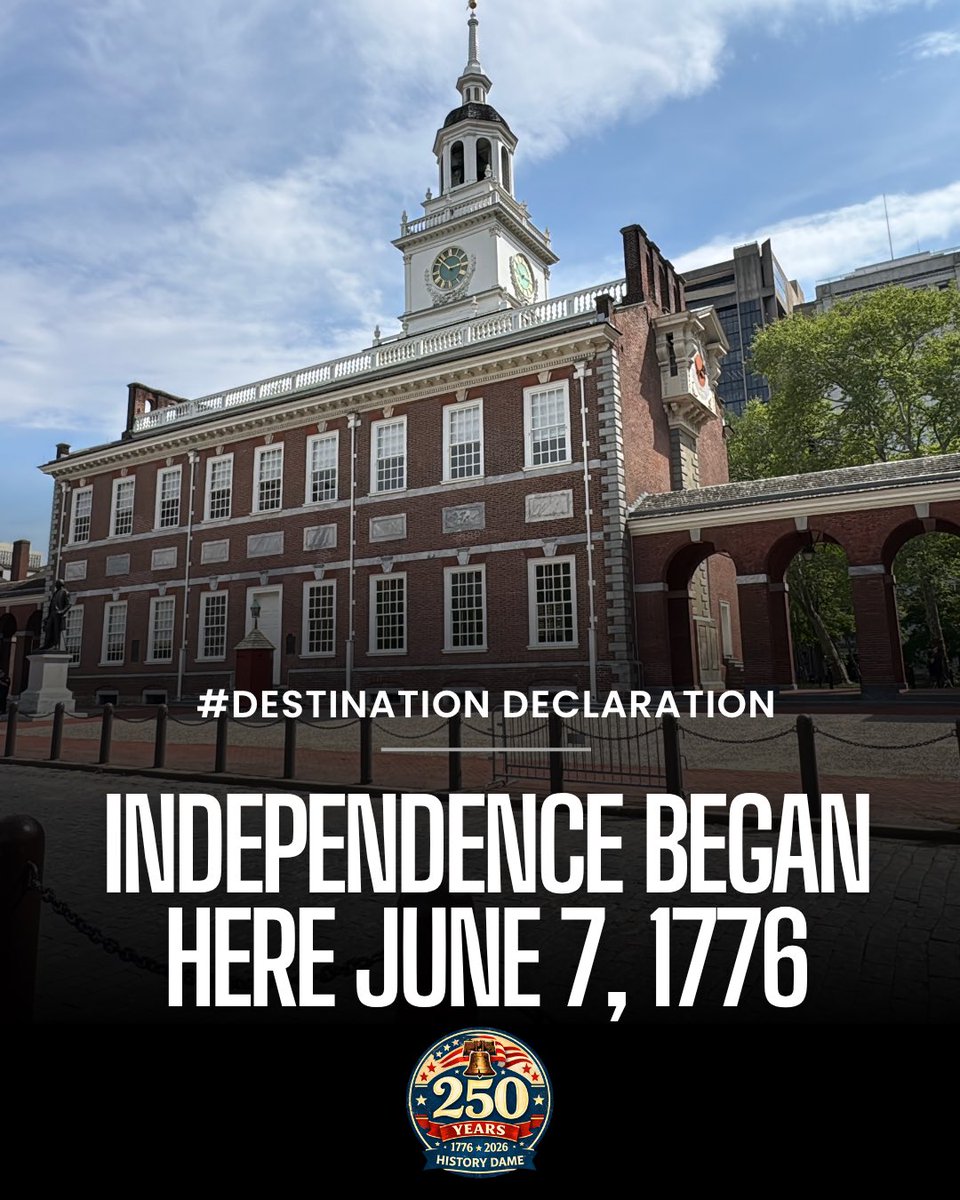
America at 250
250 years ago, on June 7, 1776, Richard Henry Lee of Virginia stood before the Second Continental Congress in Philadelphia and introduced a bold resolution that would change the course of history forever.
“Resolved, That these United Colonies are, and of right ought to be, free and independent States…”
This was the Lee Resolution, the formal call for the 13 colonies to break from British rule, form foreign alliances, and create a plan of confederation. Seconded by John Adams, it set the stage for the Declaration of Independence just weeks later. What started as words on the floor of a hot summer session became the foundation of the world’s greatest experiment in liberty.
As we count down to America 250, this moment reminds us that independence wasn’t inevitable; it was the courageous choice.
How are you celebrating America’s Semiquincentennial? Share your plans, favorite founding stories, or how you’re honoring this milestone in the comments!
8
74
203
3,589
JC 🇺🇸🇮🇪 retweeted

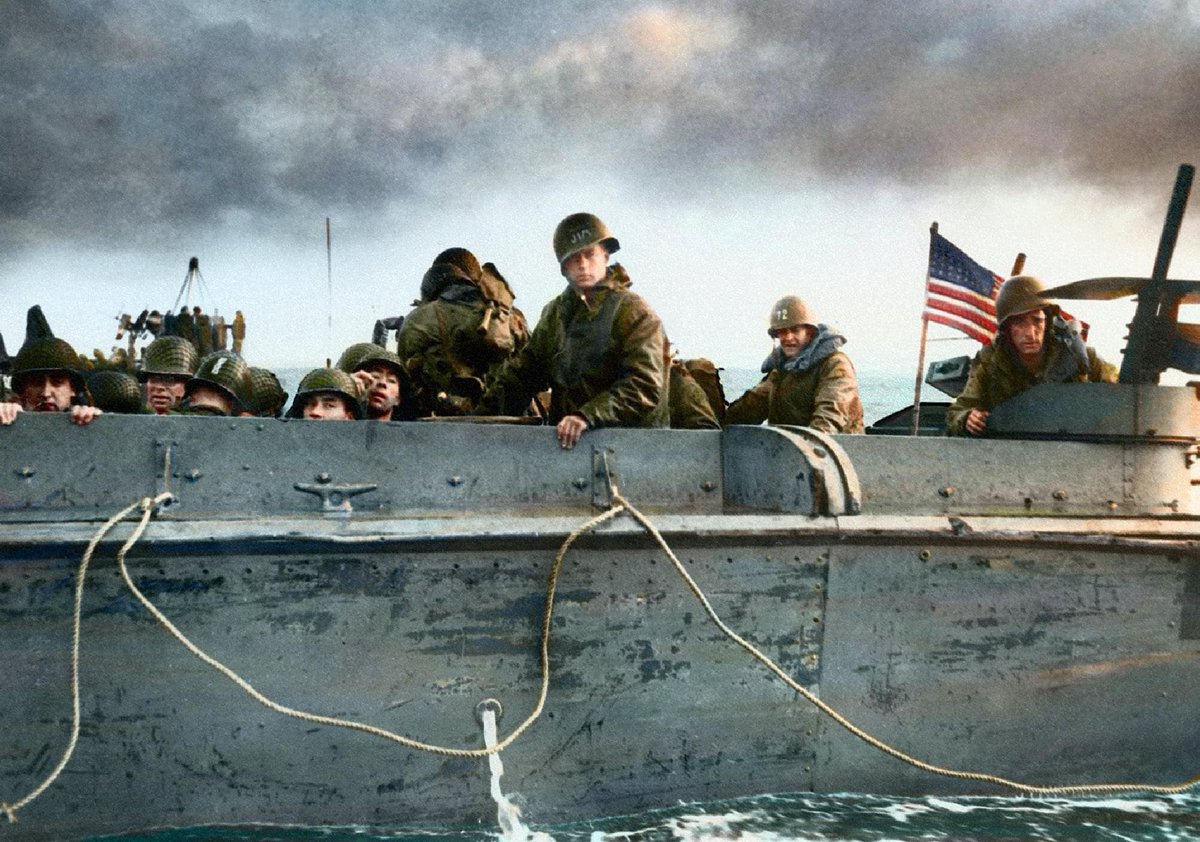
Most people know the Army stormed Normandy. The Navy bombarded the shore. The Air Force owned the sky.
Nobody thinks about the Coast Guard.
They should.
The United States Coast Guard is not a combat force. Their entire purpose, the reason they exist, is to save people from the sea. They are trained to swim into storms, to pull drowning sailors from sinking ships, to run toward disaster when everyone else is running away.
On June 6, 1944, the Germans gave them more drowning men than they had ever seen in their lives.
The Coast Guard brought 800 men to Normandy. Five major assault transports were USCG-crewed. Eleven tank landing ships. Twenty-four troop carriers running soldiers directly onto Omaha and Utah Beaches. The USS Bayfield served as the command ship for the entire Utah Beach sector, the nerve center through which an entire army was directed ashore. The USS Samuel Chase led the assault group landing the 1st Infantry Division, the Big Red One, onto the eastern flank of Omaha.
But the thing almost nobody knows about is Rescue Flotilla One.
60 small Coast Guard cutters, nicknamed Matchbox ships because of how easily they burned, were assigned a single mission: pull men out of the water. As the landing craft were torn apart by German fire, as soldiers drowned in the surf under the weight of their own equipment, as wounded men on the beach were swallowed by the incoming tide, Rescue Flotilla One was already moving.
Their swimmers jumped into the Channel. Tethered to their boats by lines, they swam toward the men going under, grabbed them, and dragged them back. They did this 2,000 yards from shore. Under active German machine gun fire. Under mortar fire. Under artillery.
Again and again, all day long.
Two miles offshore a lookout spotted men from a sunken British landing craft floating in the Channel. One cutter went to them and pulled 24 soldiers and four Royal Navy sailors from the water before they went under.
One Coast Guard LCI was hit 25 times by German fire and kept going. Coxswain Delba Nivens kept driving his craft toward the beach after a grenade caught fire aboard his boat.
By the end of June 6, Rescue Flotilla One had pulled 400 men out of the sea.
400 men who would have drowned. 400 men who went home. 400 men whose families exist today because a Coast Guardsman jumped into the English Channel under machine gun fire and refused to let go.
Out of 800 Coast Guardsmen at Normandy, 15 were killed.
Every branch that fought on D-Day deserves its place in history. But the men who spent that day swimming between the dead to find the living, tethered to a burning ship with the whole weight of the German army trying to kill them, did something that has no good word for it.
They saved people. That's what they were built for.
On the worst day in the history of the sea, they were exactly who they were supposed to be.
48
723
2,885
46,508
JC 🇺🇸🇮🇪 retweeted

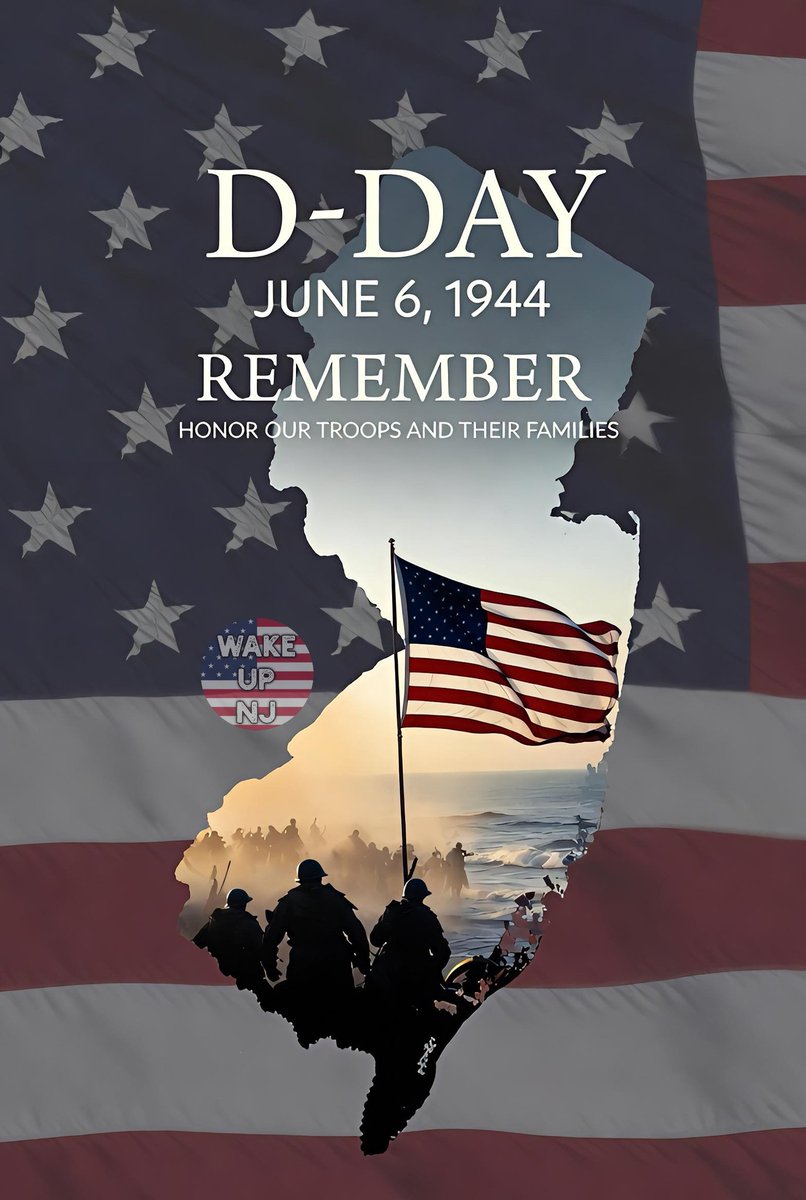
On the anniversary of D-Day June 6, 1944,
New Jersey honors the brave sons of the Garden State who stormed the beaches of Normandy & helped liberate Europe from tyranny, and those who helped locally
From Orange to Ocean County & communities across our state, Jersey men answered the call w/ extraordinary courage
Among them was Leonard “Bud” Lomell of Point Pleasant and Toms River, a 2nd Ranger Battalion soldier who scaled the cliffs at Pointe du Hoc under intense enemy fire
He located and destroyed key German artillery guns with thermite grenades actions historians credit w/ helping secure victory on D-Day. Wounded yet undeterred, his service exemplified true resolve
Fellow New Jerseyans like Staff Sgt. Stephen J. Coleman from Orange landed at Utah Beach with the 4th Infantry Division. Thousands more from New Jersey National Guard units and the 44th Infantry Division roots fought in the invasion that changed history
The 102nd Cavalry Reconnaissance Squadron, Drafted from the New Jersey National Guard, this unit landed on Omaha Beach on D-Day plus two
They later made history by inventing the "Rhino Plow," a tank attachment made of scrap metal used to cut through the thick Normandy hedgerows. They also hold the distinction of being the first U.S. unit to enter Paris in August 1944
Our New Jersey industry was a backbone for the Normandy invasion. Local manufacturers ramped up the production of equipment, parts, and munitions necessary for the massive shore-to-ship phase of the invasion
A Coast Guard-manned flotilla of 24 ships (including landing craft like the LCI-94) actively supported troops at Omaha and Utah beaches. Many Coast Guardsmen from New Jersey participated, with some making the ultimate sacrifice, such as 21-year-old John "Jack" DeNunzio of Summit, NJ
Remember to honor our troops, the fallen, their families, never forget
4
40
136
1,434

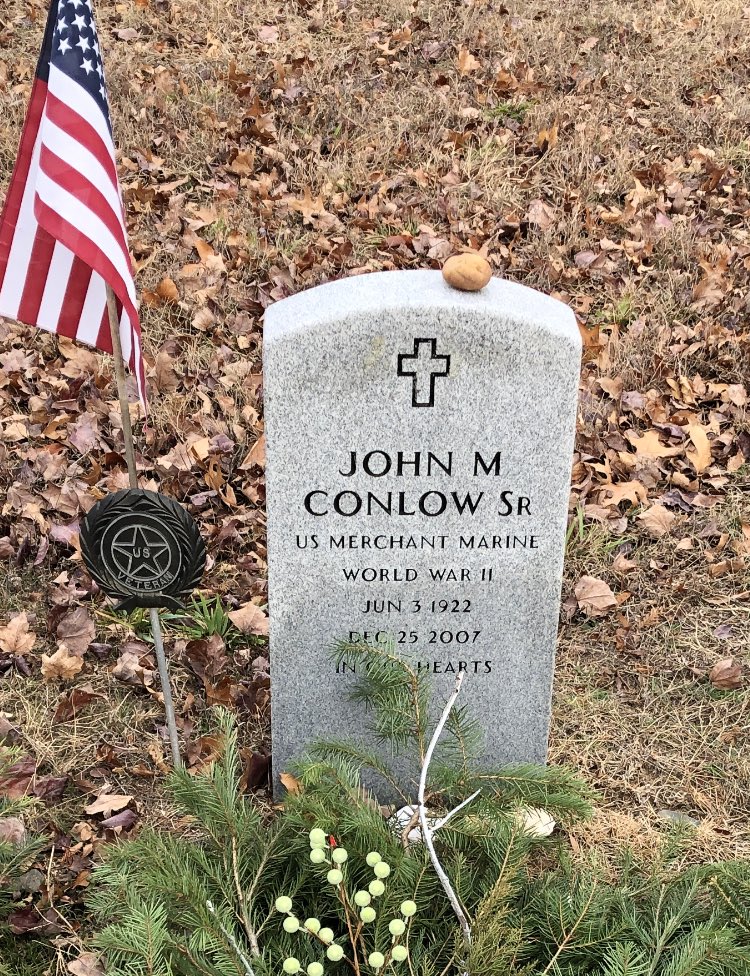
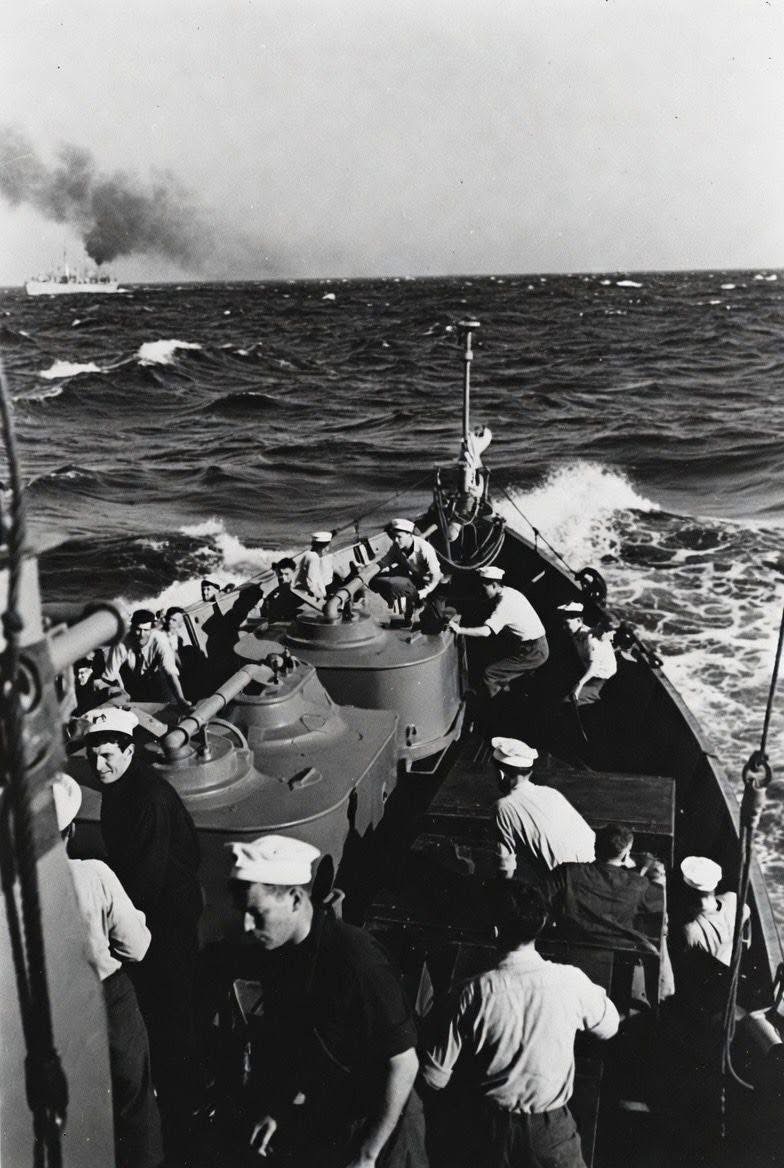
Merchant Mariners the Unsung Heroes. They carried the fuel, food, tanks, munitions & troops that kept our Allies supplied. Over 1,500 American merchant ships were sunk and thousands of civilians sailors lost their lives. Without them, there would have been no D-Day. #DDay
4
27
91
1,670
JC 🇺🇸🇮🇪 retweeted

Jun 4
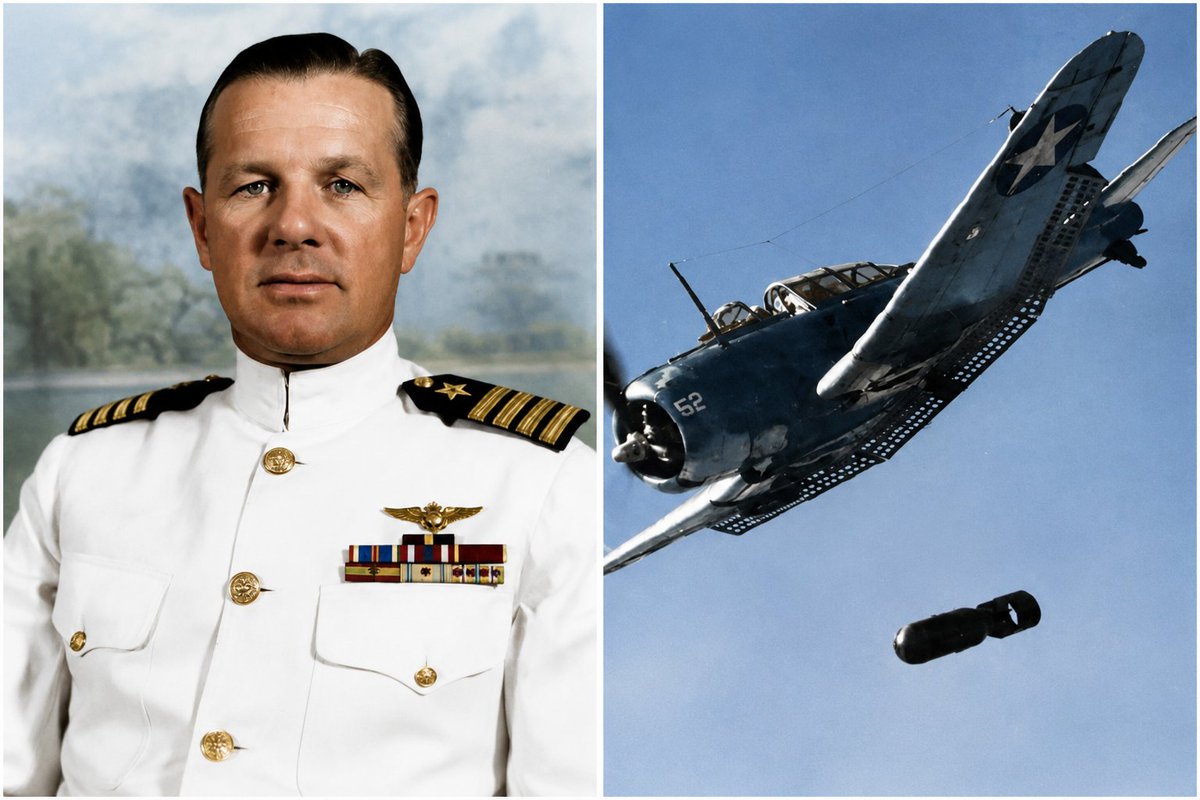
84 years ago today, a pilot running out of fuel made a decision that won the Pacific War. Most Americans have never heard his name.
June 4, 1942. Six months after Pearl Harbor, Japan's navy is undefeated. Four of the carriers that burned Pearl, Akagi, Kaga, Soryu, and Hiryu, are steaming toward Midway to finish off the US Pacific Fleet.
At 7:52 AM, Wade McClusky launches from USS Enterprise leading 32 Dauntless dive bombers. Here's the detail nobody mentions: McClusky is a fighter pilot. He'd been given the air group weeks earlier and had barely flown a dive bomber in combat. Now he's leading every SBD the Enterprise has at the most important target in the Pacific.
9:20 AM. He arrives at the intercept point where the Japanese fleet is supposed to be.
Empty ocean. Nothing for miles.
The Japanese had turned. Nobody knew where. And now McClusky owns the worst math problem in naval aviation: his fuel is bleeding away, and every minute he keeps searching, he condemns more of his own pilots to ditch in open water where nobody will find them.
Doctrine is clear. Turn back.
McClusky keeps going. He works a search pattern, squeezing miles out of dying fuel tanks.
9:55 AM. Far below, a single Japanese destroyer is cutting a white scar across the ocean at flank speed. It's the Arashi, racing to rejoin the fleet after depth-charging the American submarine Nautilus. Think about that. A failed sub attack is about to give away the entire Japanese navy.
McClusky reads the wake like an arrow and follows it.
10:02 AM. The horizon fills with the entire Japanese strike force. Four carriers, their decks crammed with planes being refueled and rearmed. Fuel lines snaking everywhere. Bombs stacked in the open.
And here's the miracle: the sky above them is empty. Minutes earlier, American torpedo squadrons had attacked at sea level and been annihilated. Torpedo 8 lost all 15 planes. One survivor, Ensign George Gay, watched what came next while hiding under his seat cushion in the water. Those doomed pilots dragged every Japanese fighter down to the waves. The door upstairs was wide open.
10:22 AM. McClusky pushes over from 14,500 feet. Both squadrons follow him down onto Kaga. It's actually a mistake, doctrine said split the targets, but Lt. Dick Best catches it mid-dive, pulls out with two wingmen, and goes after Akagi alone. His single bomb pierces the flight deck into the packed hangar. It's enough.
By 10:28, Kaga, Akagi, and Soryu, the third hit simultaneously by Yorktown's bombers, are floating infernos. Six minutes. Three carriers that attacked Pearl Harbor, gone. Hiryu follows them to the bottom that evening.
The cost of McClusky's gamble was real. Many Enterprise bombers never made it home, some shot down, others swallowed by the sea when their tanks ran dry. McClusky himself was jumped by two Zeros on the way out, took five bullets through his shoulder, and still flew his shot-up Dauntless back to the Enterprise.
Admiral Nimitz said McClusky's decision "decided the fate of our carrier task force and our forces at Midway." Japan never won another major battle.
One borrowed pilot. One destroyer's wake. One choice to keep flying when every gauge said go home.
250
2,186
12,851
576,012

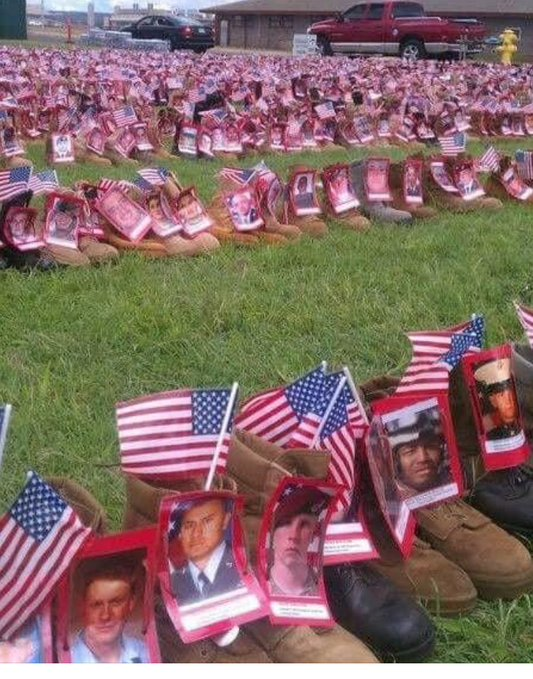
ROUGE BOUQUET
Joyce Kilmer
In a wood they call Rouge Bouquet
There is a new-made grave today
Built by never a spade or pick
Yet covered with earth ten meters thick
There lie many a fighting man
Dead in their youthful prime
Never to laugh or love again
Or taste the summertime
For death came flying through the air
And stopped his flight at the dugout stair
Touched his prey
And left them there
Clay to clay
He hid their bodies stealthily
In the soil of the land they sought to free
And fled away
Now over the grave abrupt and clear
Three volleys ring
And perhaps their brave young spirits hear
The bugle ring
Go to sleep!
Go to sleep!
4
17
60
438
JC 🇺🇸🇮🇪 retweeted

Today in 1923, our brief but horrifically bitter Civil War limped to its end with an order "Dump arms!" The phrase came from Frank Aiken, newly appointed Chief of Staff of the anti-Treaty IRA.
Crucially, it was not a surrender. The government's formula for peace amounted to submission, but Aiken and de Valera found another way. The IRA would not surrender. They would bury their guns and go home. This quote from Aiken's order shows the defiance: "We took up arms to free our country, and we'll keep them until we see an honourable way of reaching our objective without arms."
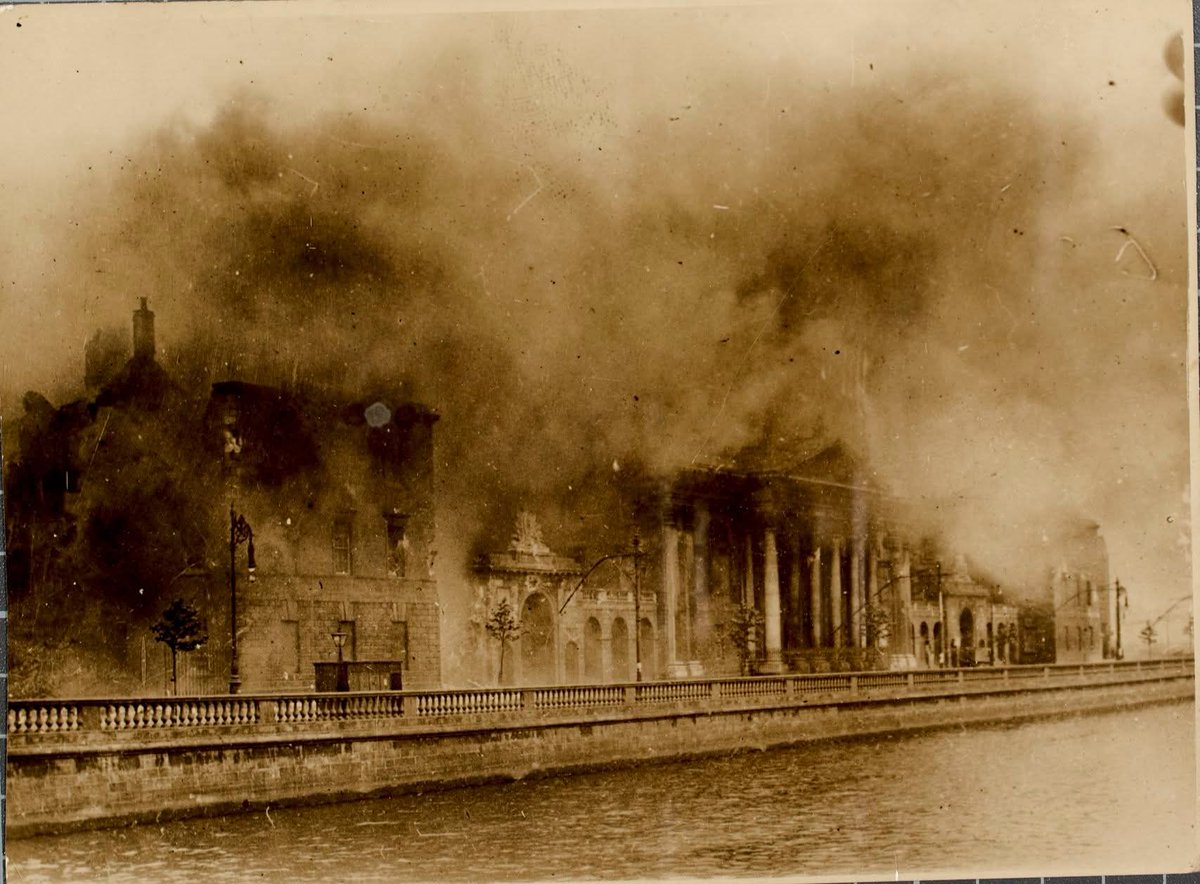
The Irish Civil War began just under a year earlier, in June 1922, when around 200 anti-Treaty IRA men occupied the Four Courts, defying the terms of the Anglo-Irish Treaty. The Irish Free State responded with British-supplied artillery fire and thus, civil war ignited in the heart of our capital. For over ten months, brother fought brother in the soul-destroying theatre of ambushes, reprisals, assassinations, and state executions.
It was a conflict that devoured its own architects. Arthur Griffith, the austere nationalist who helped negotiate the Treaty, died of a cerebral haemorrhage. Weeks later, the Big Fella Michael Collins was ambushed and killed at Béal na Bláth in Cork. Their deaths left a young, seemingly suicidal state reeling from wasted potential and wanton destruction.
The conflict descended into a cycle of tit-for-tat vengeance. Seán Hales, a pro-Treaty TD, was gunned down in the street. The Free State retaliated by executing four anti-Treaty prisoners without trial: Rory O'Connor, Liam Mellows, Richard Barrett, and Joe McKelvey. Only the year before, O'Connor had been best man at Kevin O'Higgins' wedding. Now O'Higgins, as Minister for Justice, signed off on his execution. It was all so awful.
The gaff of Dublin TD Seán McGarry was firebombed, his seven-year-old son Emmet died in the blaze. By the end, at least 77 anti-Treaty men were officially executed by the Free State. Some historians put the number closer to 84. The brutalities of body and soul suffered by Irish women and men as a result of this war will never be truly understood.
Many associate Éamon de Valera with the anti-Treaty side, but it was Liam Lynch who actually commanded their forces. His death in April 1923, shot in the Knockmealdown Mountains, tipped the scales. With him gone, resistance was no longer tenable.
And so, on the 24th of May, de Valera addressed the remaining Volunteers: "Soldiers of the Republic, Legion of the Rearguard. The Republic can no longer be defended successfully by your arms. Further sacrifice of life would now be vain. Military victory must be allowed to rest for the moment with those who have destroyed the Republic."
Around 12,000 prisoners remained in Free State custody without trial. By October, up to 8,000 had gone on hunger strike. And then there was Noel Lemass, older brother of the future Taoiseach Seán, abducted off Grafton Street in June 1923, a full month after the war had supposedly ended. His mutilated body was found in the Wicklow Mountains that October. He had been tortured, shot in the head at least three times. He was 26.
The Civil War scarred Irish political life for generations. The two main parties it spawned spent the better part of a century facing each other across the Dáil chamber, their rivalry rooted in which side their grandfathers shot at. Ireland got on with the business of becoming a country.
Buy the Dublin Time Machine a pint and support the DTM Book
ko-fi.com/buchanandublintime…
11
52
197
6,992
JC 🇺🇸🇮🇪 retweeted
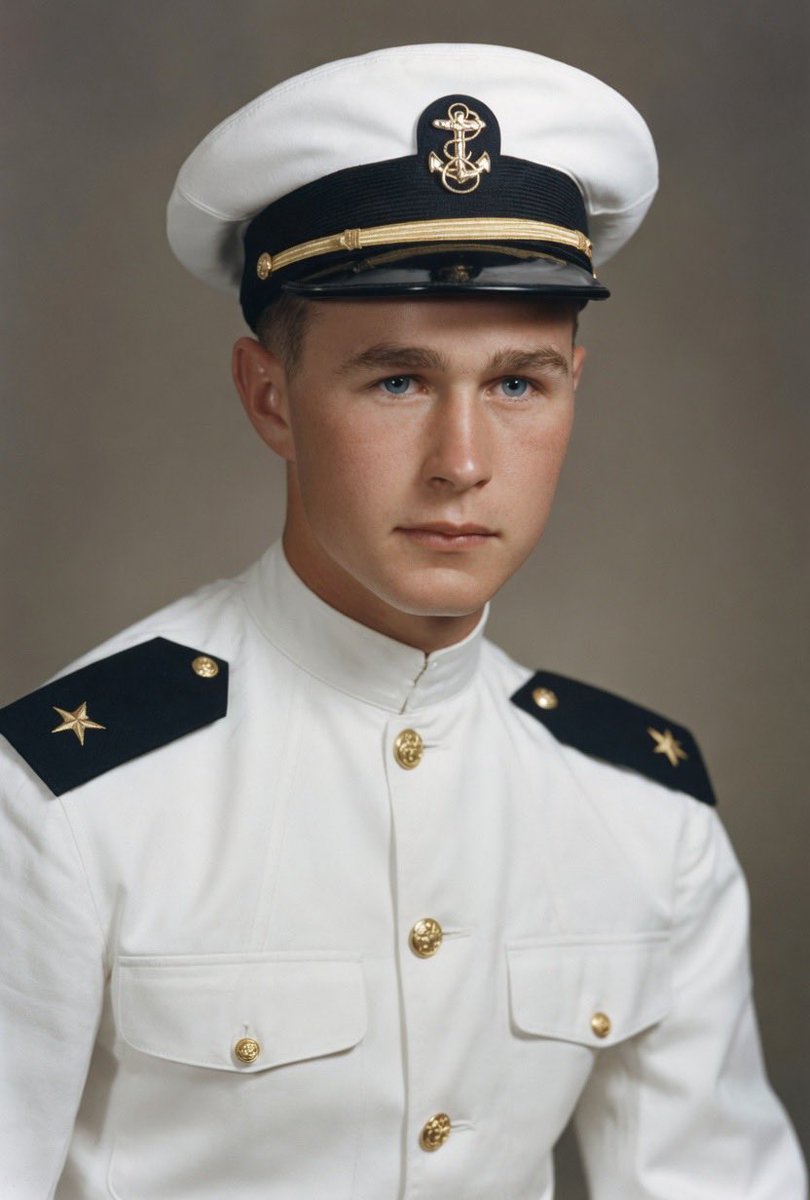
Bush’s rescue by the USS Finback in September 1944 was captured on film.
He would remain on the sub for around 30 days, standing watch and assisting with rescue operations, before disembarking at Midway.
Our 41st President, America 🫡🇺🇸
🇺🇸 Most Badass Presidents: Combat Veteran Edition #9 George H.W. Bush
George H.W. Bush, our 41st President, was one badass President.
He was shot down by Japanese fire, bailed out of his burning plane, and floated alone in the Pacific until rescued by a submarine.
Born June 12, 1924, in Milton, Massachusetts.
On his 18th birthday Bush enlisted in the Navy.
He completed preflight training at UNC Chapel Hill and became the youngest naval aviator in the fleet at the time.
He flew the TBM Avenger torpedo bomber off the light carrier USS San Jacinto in Torpedo Squadron VT-51.
Bush flew 58 combat missions across the Pacific.
He named his aircraft Barbara after his high school sweetheart. There would be three of them by the time the war was over.
In June 1944, Bush was flying an unnamed temporary plane. It suffered engine failure. He made a forced water landing and he and his crew were rescued by the destroyer USS Clarence K. Bronson.
In August 1944, Barbara I suffered catastrophic engine failure. He had to turn back and make an emergency carrier landing.
Then on September 2, 1944, flying Barbara II, his squadron attacked a radio tower on the heavily defended island of Chichi Jima.
Bush dove straight into intense anti aircraft fire.
His plane was hit hard and the engine burst into flames.
Smoke filled the cockpit but Bush stayed on target, released his bombs, and scored direct hits.
He then flew the burning Avenger several miles out to sea.
He ordered his crew to bail out.
One crewman’s parachute failed to open.
The other went down with the plane.
Bush bailed out around 2,000 ft. His head grazed the tail wing and left a large bleeding gash above his eye.
In a panic, he pulled his ripcord early, causing the parachute to snag on the tail section and tear.
He hit the water hard.
He inflated his raft and floated alone for hours, vomiting from a concussion and bleeding down his face.
Squadron mates strafed Japanese boats that tried reaching him.
The submarine USS Finback spotted him and pulled him to safety.
He returned to action in November 1944 with Barbara III and participated in operations in the Philippines.
His squadron suffered nearly 50 percent casualties among its pilots.
He was awarded the Distinguished Flying Cross, three Air Medals, and the Presidential Unit Citation for his combat service.
He was honorably discharged in 1945 and entered Yale University.
Four years after meeting at a Christmas dance, George married Barbara. They would be together for 73 more years.
He flew for the Republic in the Pacific long before he ever stepped foot in the White House.
Thank you, Mr. President! 🇺🇸🫡
121
626
9,066
1,776,636
JC 🇺🇸🇮🇪 retweeted

May 10
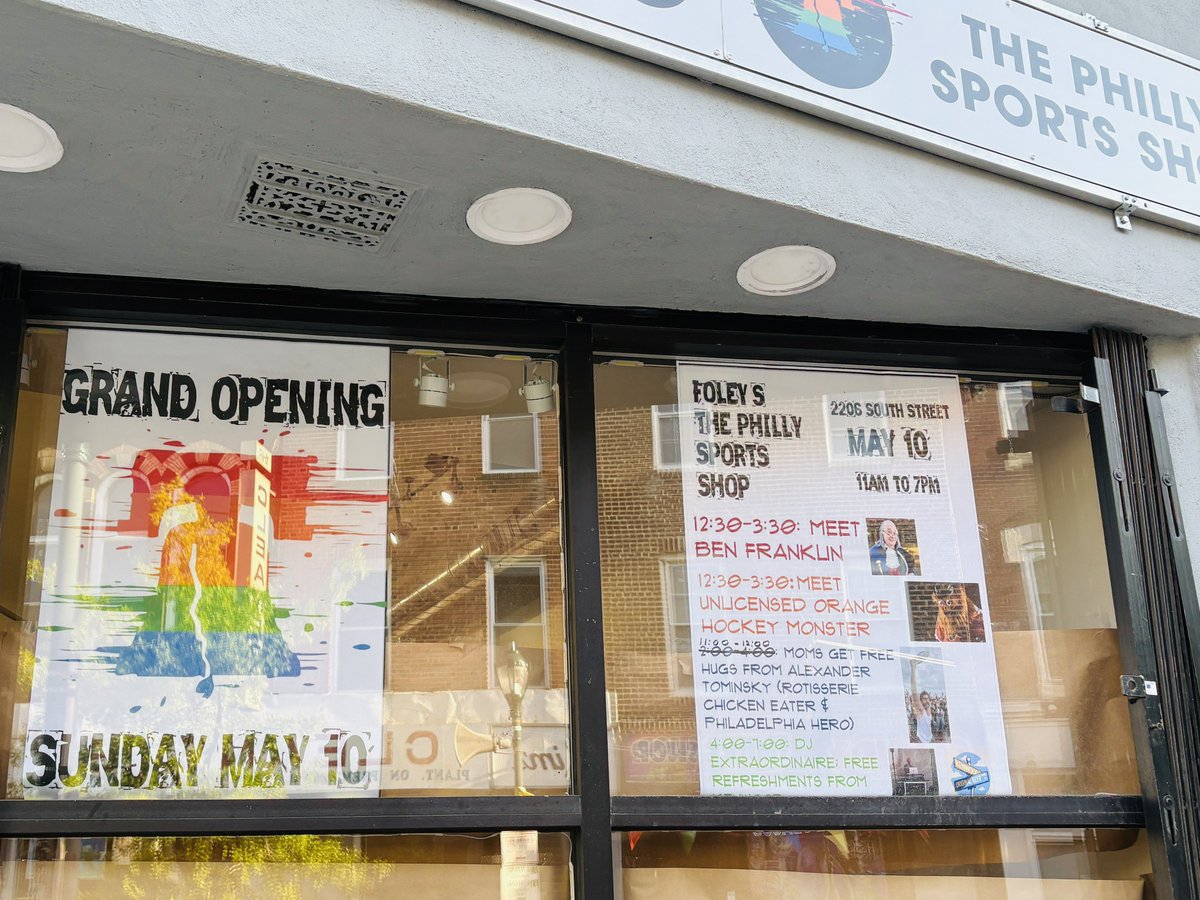
GRAND OPENING TODAY 11:00 AM
2206 SOUTH STREET
40
88
847
117,354
JC 🇺🇸🇮🇪 retweeted

May 6
My Chinese grandmother collected old rice from restaurants and made rice wine. She was a bootlegger in a three-story Chinatown walk up. She was saving up to buy a still, but my uncle graduated and when he got a job, the investment in a still didn't matter. Rice wine was enough.
1
2
66
JC 🇺🇸🇮🇪 retweeted
Just 5 days until our grand opening!!!
5
14
79
6,313
JC 🇺🇸🇮🇪 retweeted

"No Irish Need Apply" 😄😆😄😆
12
63
382
27,067
JC 🇺🇸🇮🇪 retweeted
Today in 1916, the Easter Rising was collapsing under the weight of its own doomed courage. British artillery had been pounding O'Connell Street for days, and by Friday its buildings were crumbling and on fire.
The rebels were forced to evacuate the GPO through a side entrance and fight their way across to Moore Street, picking through gaffs, "mouseholing" through holes in plaster and brick to reach a terrace on the eastern side of the street. The breakout was led by Michael O'Rahilly, who had opposed the Rising from the start but came anyway, and paid for that loyalty with his life.
By Saturday morning, the surviving leaders were holed up in a poultry shop at 16 Moore Street, James Connolly badly wounded with a gangrenous ankle, the streets outside dominated by British rifles, machine guns and artillery. Three elderly civilians had tried to make a run for the British barricades and were cut down in the street in front of Pearse's eyes. "When Pearse saw that," said Sean McDermott, "we knew we had to surrender to save the lives of the citizens."
It was Elizabeth O'Farrell who first stepped out under a white flag. A member of Cumann na mBan, she had spent Easter Week running dispatches through bullet-torn streets and tending to the wounded, including Connolly. She and her lifelong friend Julia Grenan had stayed behind when the women were evacuated from the GPO, choosing to retreat with the men to Moore Street. When Pearse needed someone to walk into British fire with a message, he chose O'Farrell.
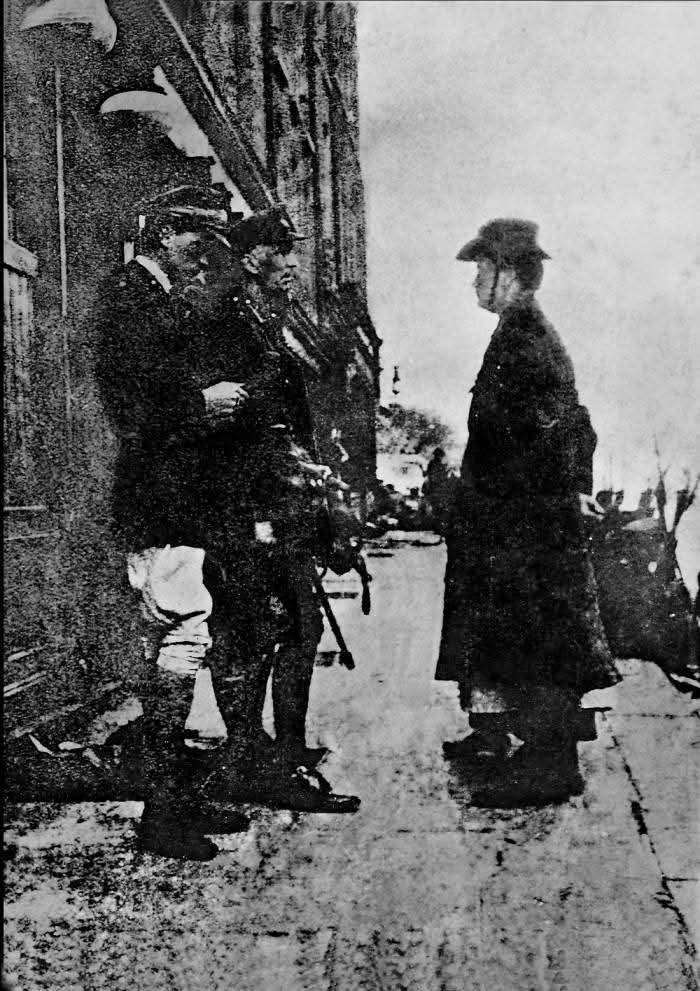
She approached the British barricade at the intersection with Parnell Street around midday, carrying a white flag. Brigadier-General William Lowe demanded unconditional surrender within thirty minutes. O'Farrell made the journey back and forth several times before Pearse finally accepted there was nothing to be done. He accompanied her to the British lines to surrender in person.
There is a famous photograph of that moment. Pearse faces General Lowe on Parnell Street, the Parnell Monument just visible in the background. O'Farrell stepped back as the shutter clicked. In the original image her feet are visible alongside Pearse's.
When the Daily Sketch published the photograph, her presence had been removed entirely. Whether the airbrushing was careless or deliberate, it came to stand for something larger, the slow erasure of women from the story of 1916 that would take the rest of the century to begin reversing.
Pearse's formal surrender note read "In order to prevent the further slaughter of Dublin citizens, and in the hope of saving the lives of our followers now surrounded and hopelessly outnumbered, the members of the Provisional Government present at headquarters have agreed to an unconditional surrender, and the commandants of the various districts in the City and County will order their commands to lay down arms."
The Rising had claimed 485 lives, more than half of them civilians. Among the dead were 40 children under the age of seventeen. Around 3,500 people were taken prisoner, 1,800 of them shipped to internment camps in Britain. Dublin was left smoking and broken, its people stunned and afraid.
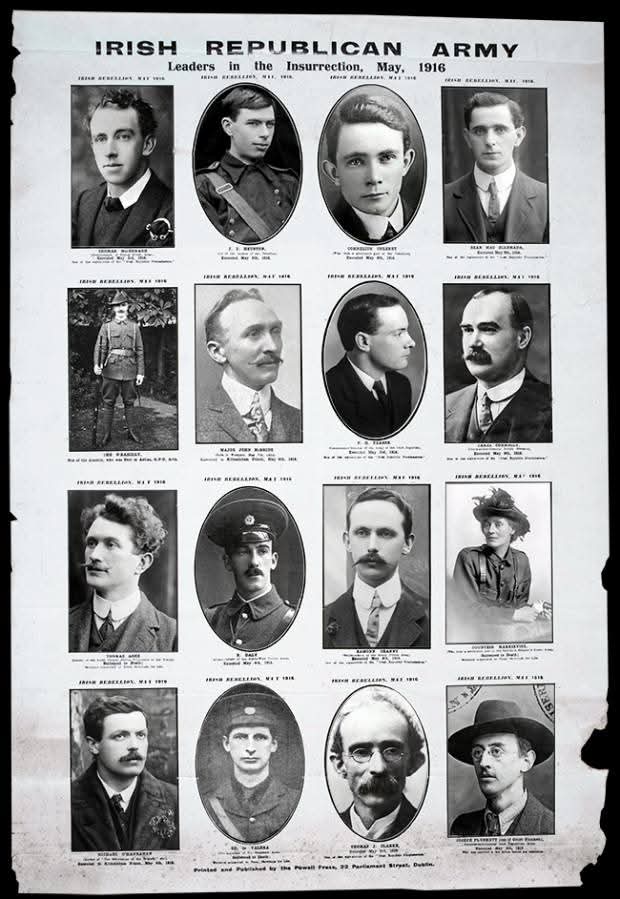
One by one, the leaders were executed. Pearse, Thomas Clarke and Thomas MacDonagh went first, on 3 May. In total, 14 men were shot in Kilmainham Gaol. Roger Casement was hanged in London. Connolly, too badly wounded to stand, was tied to a chair to face the firing squad.
In the days that followed, the Irish Times thundered in its editorial pages, demanding further blood. The state had struck, it wrote, but its work was not yet finished. Ironically, it had the opposite effect. Pearse, Connolly and the others, spat on and branded traitors in the moment, were transformed into martyrs in the hearts of the Irish people. Their defeat was the beginning of something far greater.
Buy the Dublin Time Machine a pint and support the DTM Book ko-fi.com/buchanandublintime…
3
49
193
4,586
RT @lorraineelizab6: #Otd 1949: At midnight, 26 counties left British Commonwealth. Republic of Ireland Act came into effect & Ireland beca…
42
JC 🇺🇸🇮🇪 retweeted

Apr 15
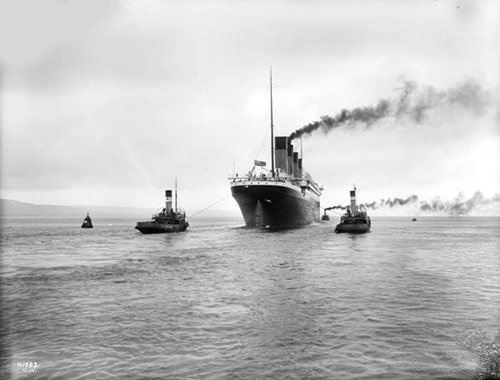
Thank you to all that followed and joined me in remembering those who lost their lives and those who carried that tragedy with them for the rest of theirs. May they all rest in peace.#Titanic #Titanic114 ❤️
5
7
31
408
JC 🇺🇸🇮🇪 retweeted
Apr 12
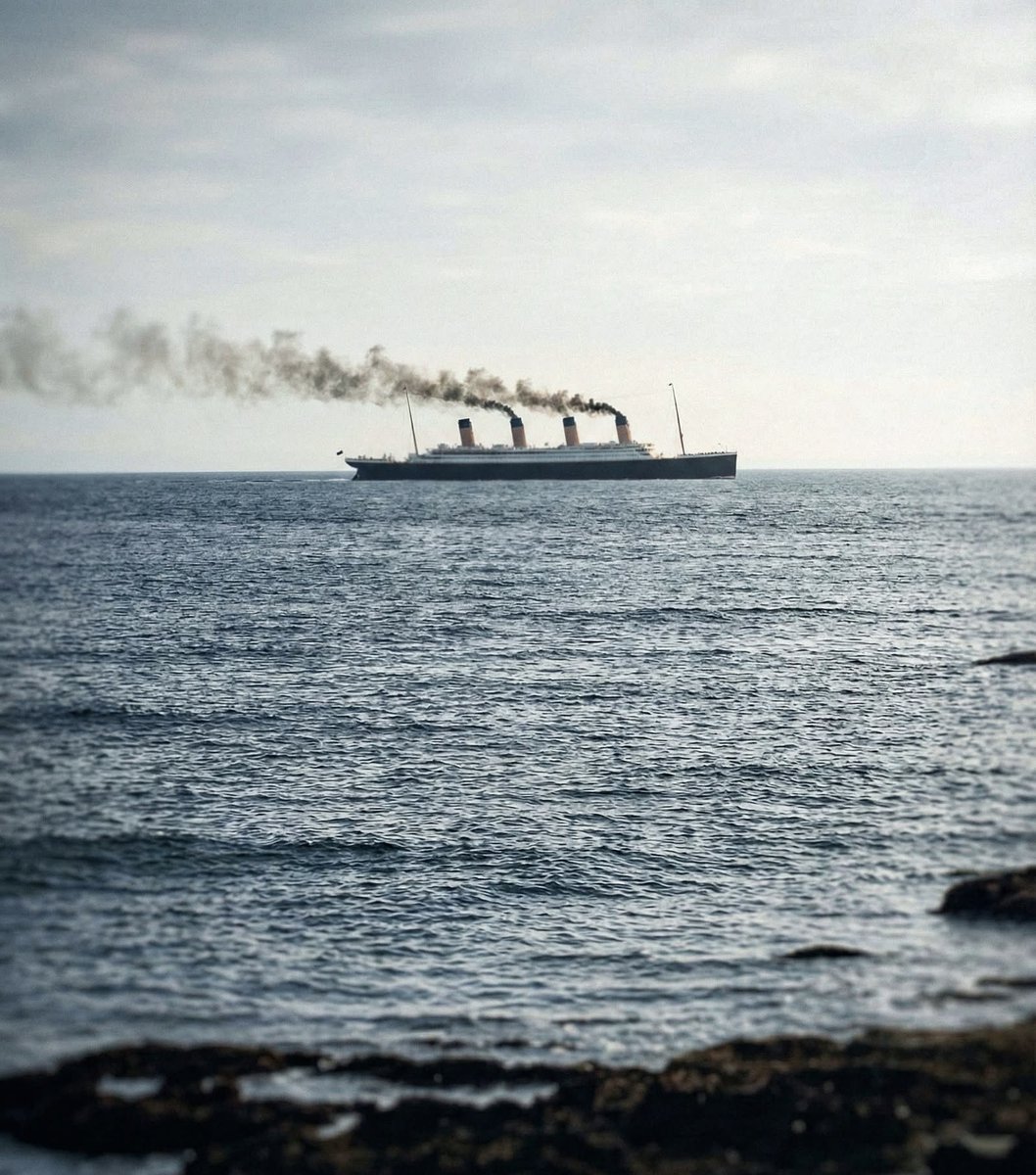
Once again I’ll be live tweeting the sinking of the #Titanic on the 14th of April. Warm up tweets start at 10PM BST (GMT/UTC 1), minute by minute tweets start at 11:30. Hope to see some familiar faces and some newbies! Come join me (or mute me🥴) ❤️🚢 #Titanic114
8
15
102
2,514