VP Therapy Services @MyPowersHealth; Columnist for go4.io & nwi.com; @NWSportsmanship Committee Chair; Munster School Board former member.
Joined March 2012
- Tweets 5,367
- Following 463
- Followers 520
- Likes 9,053
154 Photos and videos

May 20
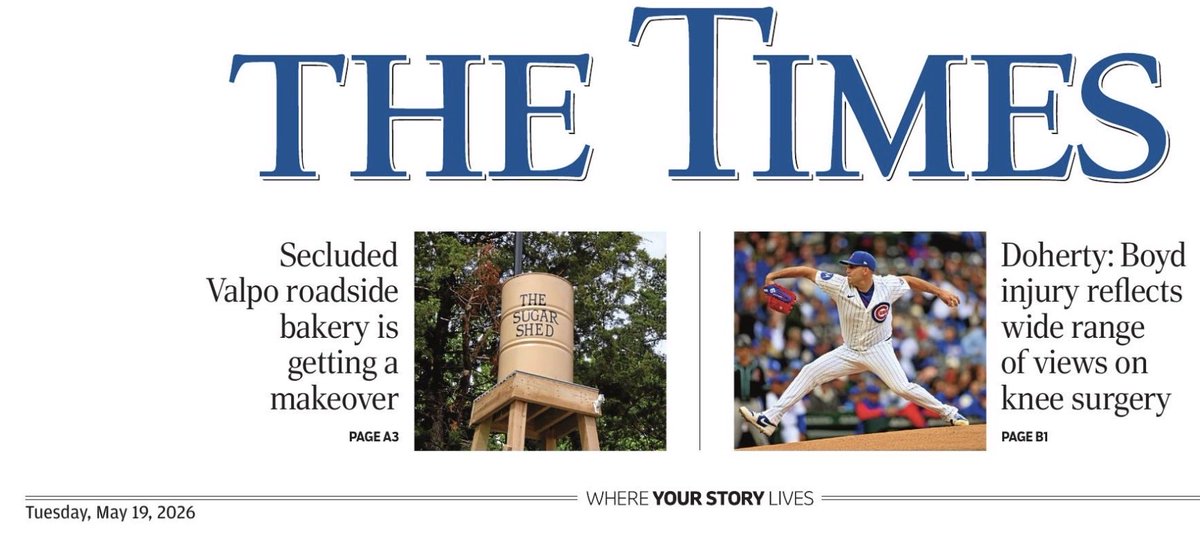
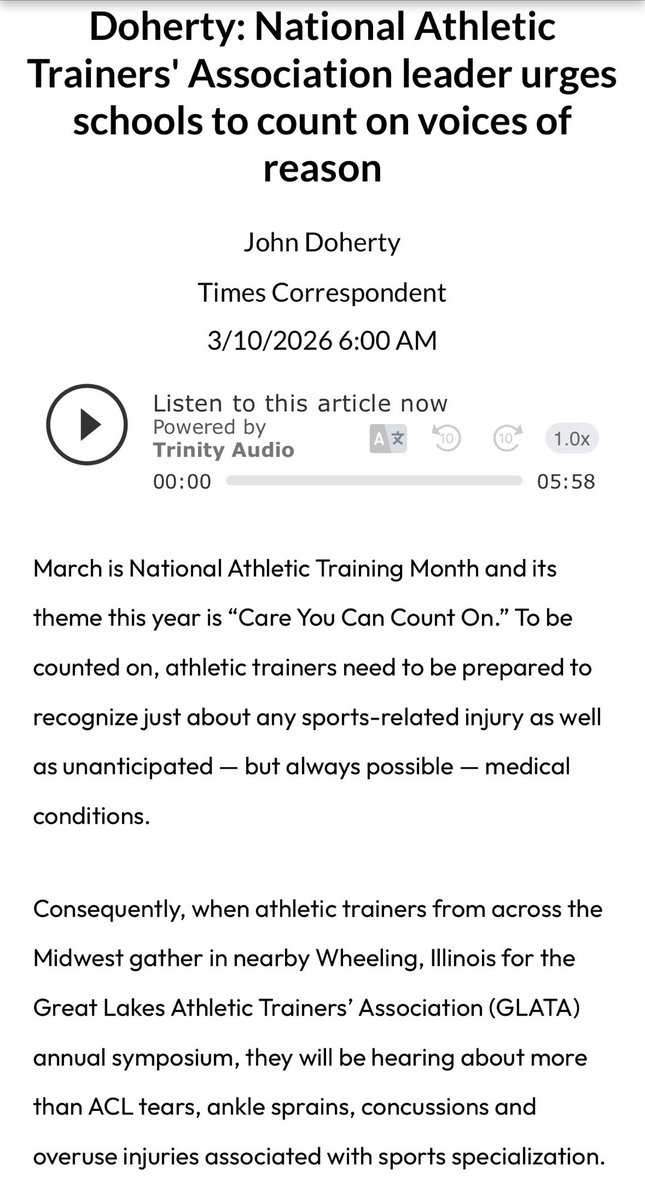
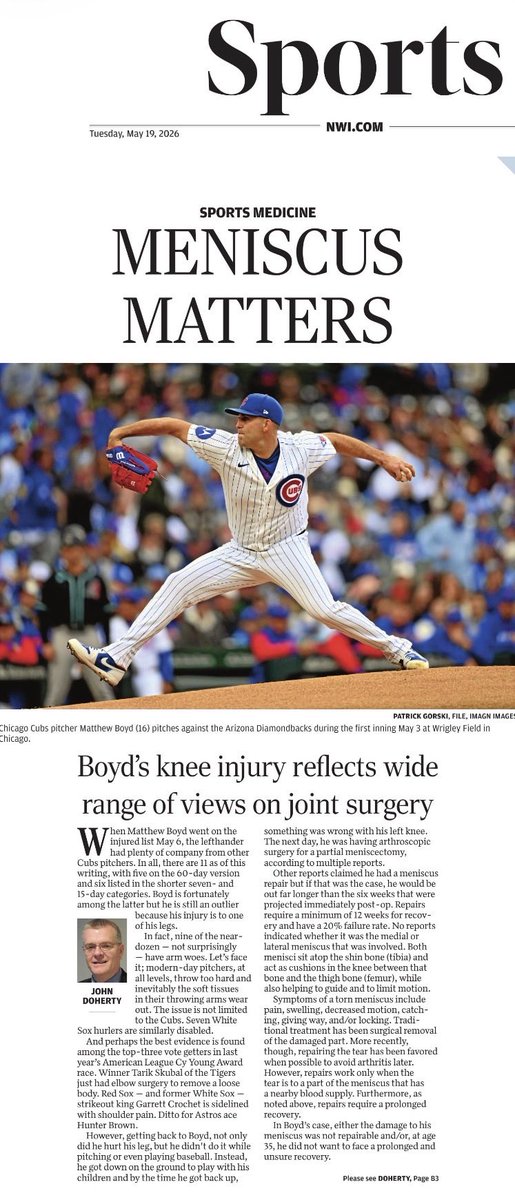
Doherty: Cubs pitcher Matthew Boyd’s injury reflects wide range of views on joint surgery
nwitimes.com/sports/professi… Thanks to Dr. Jon Edgington of @MyPowersHealth @HeartlandSN @go4ellis @NEJM @NATA1950 @GLATA_updates @INAthletic @aaspt_apta @robwax @okatc_scott
2
4
91
John Doherty retweeted

Jun 11
Thank you for your support Powers Health! We appreciate you and what you do for our student-athletes!

1
2
234
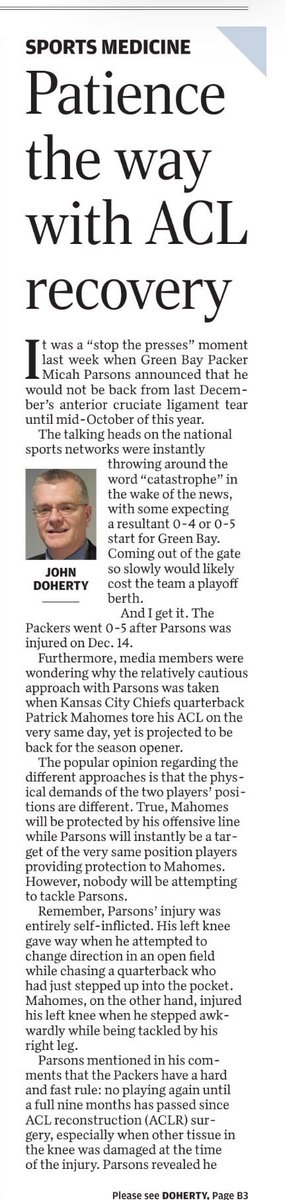
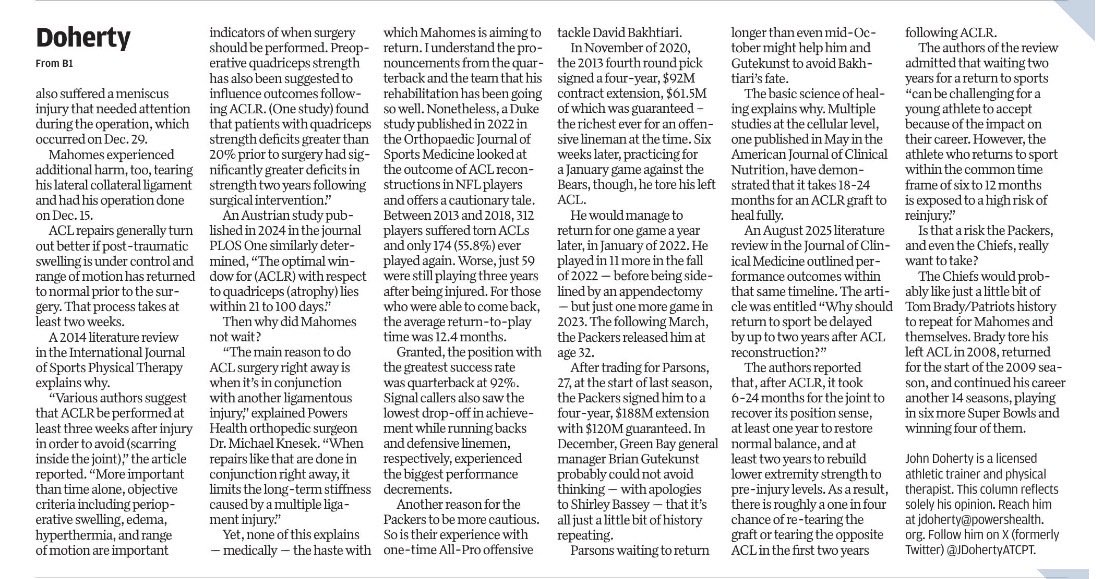
Patience the way with ACL recovery
nwitimes.com/article_2c0493c… Thanks to Dr. Mike Knesek of @MyPowersHealth for providing his expertise. @go4ellis @IJSPT @PLOSONE @OJSM_SportsMed @AJCNutrition @JCM_MDPI @NATA1950 @GLATA_updates @INAthletic @aaspt_apta @robwax @okatc_scott
1
1
2
145
Jun 11
Patrick Mahomes, Chiefs agree to record
Patrick Mahomes and the Kansas City Chiefs have agreed to a contract extension with an NFL record total value of $504.75 million, Mahomes’ agency Equity Sports announced Wednesday.
Read in The Athletic: apple.news/APp_qnt3-R4yNjkRs…
1
62
Jun 11
Guess the Chiefs aren’t too worried about the outcome of that ACLR.
30
College Athletic Trainer Society Newsletter: see my article on page 8, “Sometimes a Headache Is Not from a concussion. #Canadian CT Head Rule @AnnalsofIM @TheLancet @MyPowersHealth @go4ellis @HeartlandSN @NATA1950 @GLATA_updates @INAthletic @aaspt_apta share.google/4nUYr6HJrZU0wGa…
1
3
238
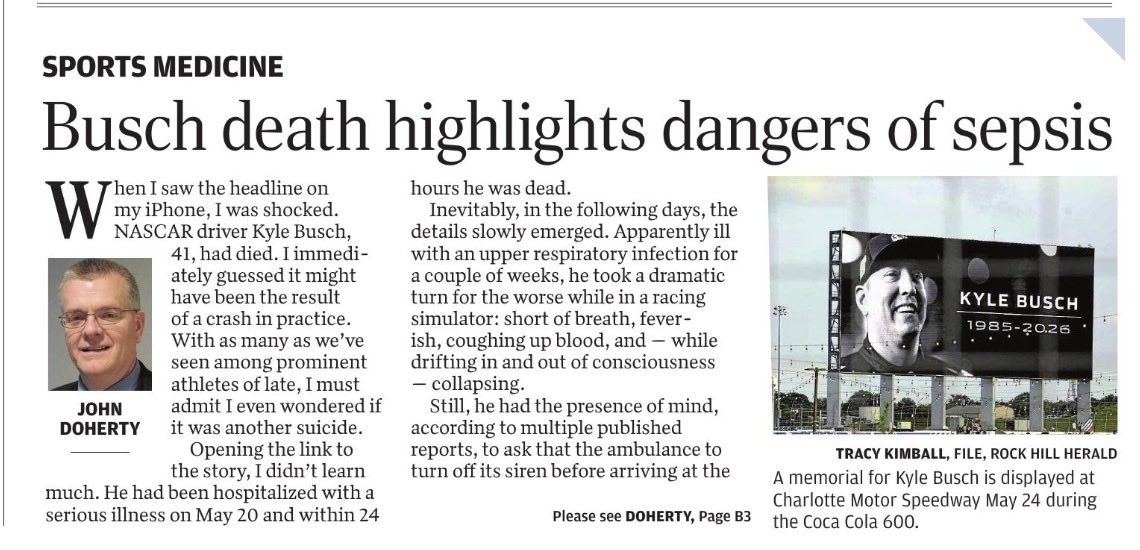
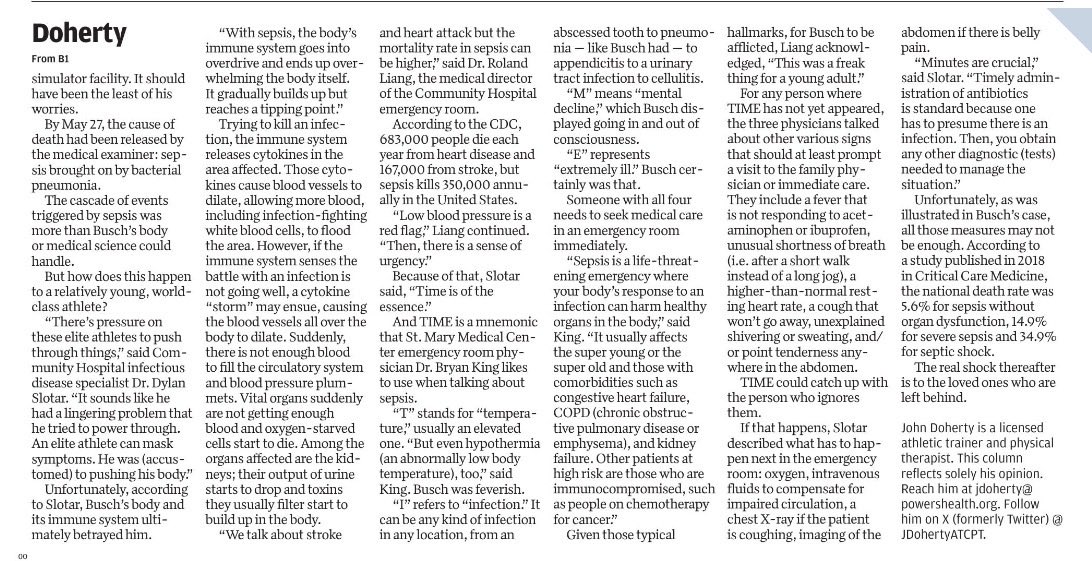
Doherty: Kyle Busch’s death highlights the hidden danger of sepsis
nwitimes.com/sports/professi…
Thanks to Drs. King, Liang, & Slotar of @MyPowersHealth for their expertise. @HeartlandSN @ go4ellis @NATA1950 @glata_updates @INAthletic @aaspt_apta @okatc_scott @robwax @EmergencyDocs
1
5
112
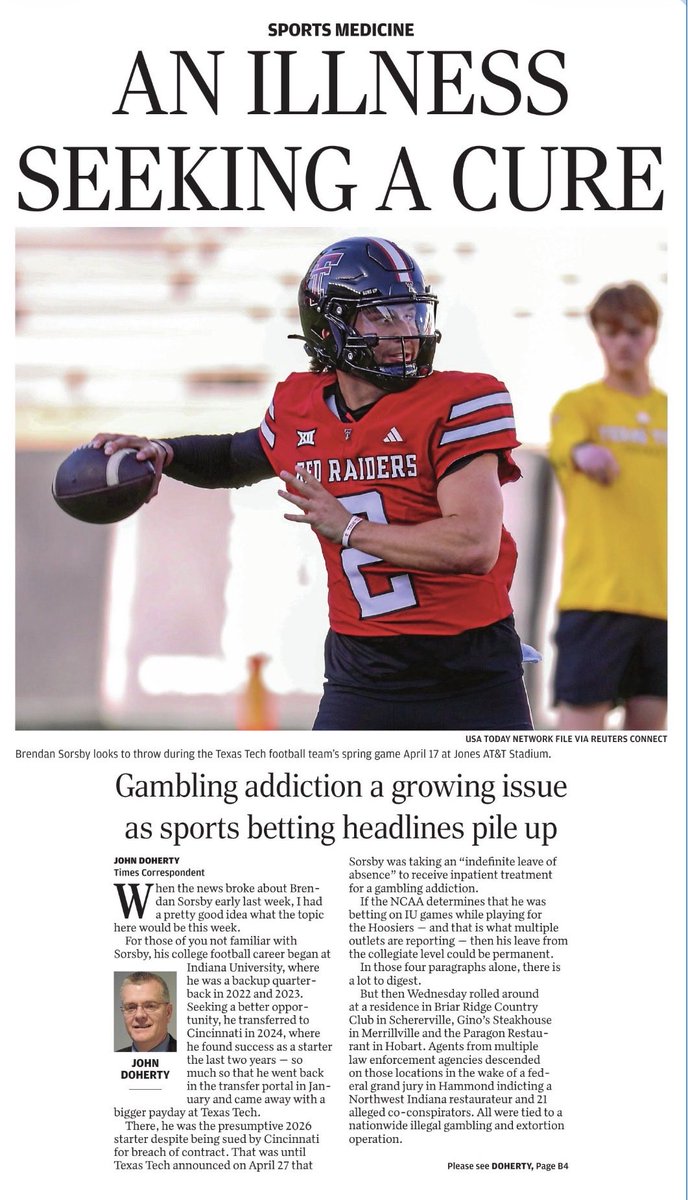
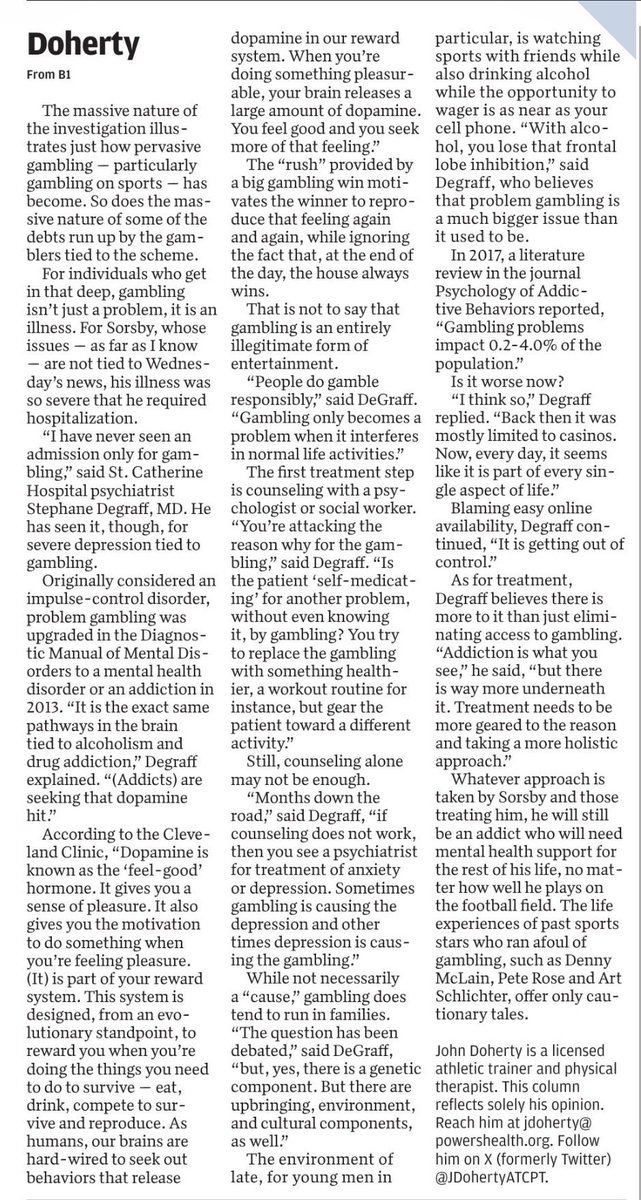
Doherty: Gambling addiction is an illness seeking a cure
nwitimes.com/sports/article_… Thank you to Dr. Stephane Degraff of @MyPowersHealth for providing his expertise. @HeartlandSN @go4ellis @APA_Journals @NATA1950 @GLATA_updates @INAthletic
1
4
490
May 30
Extent of Brendan Sorsby's gambling addiction revealed in court docs
Source: Larry Brown Sports
share.google/apEfxDr3zKDlwfK…
28
May 26
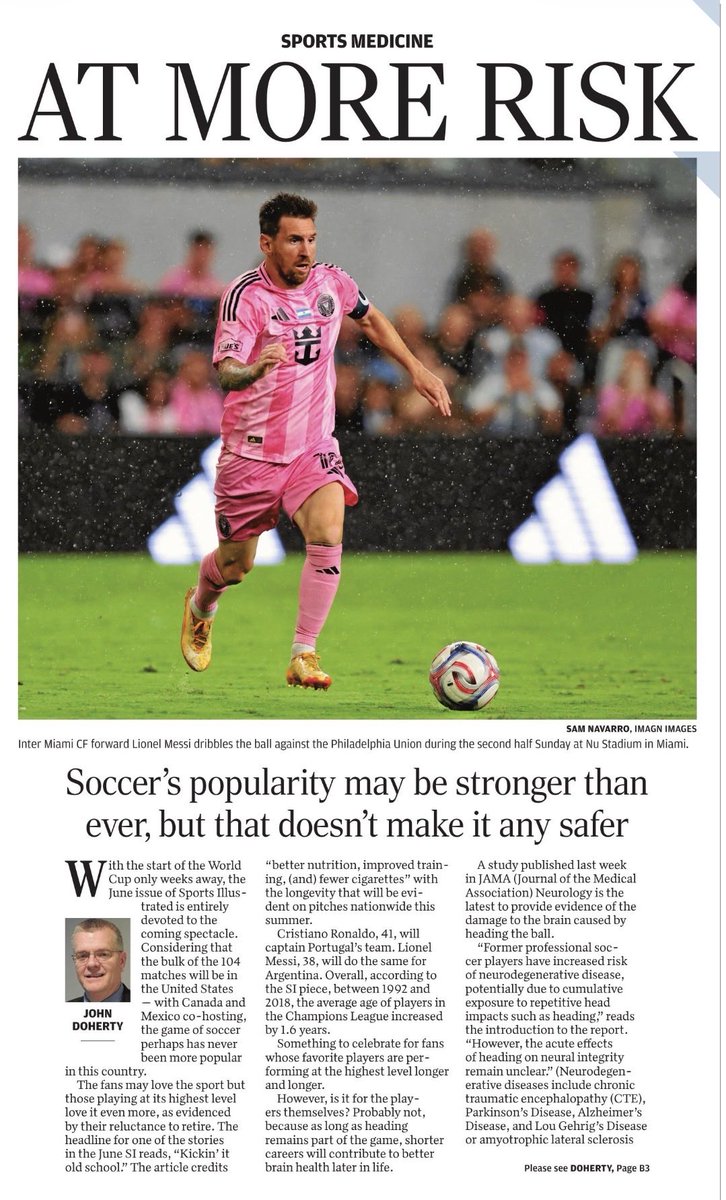
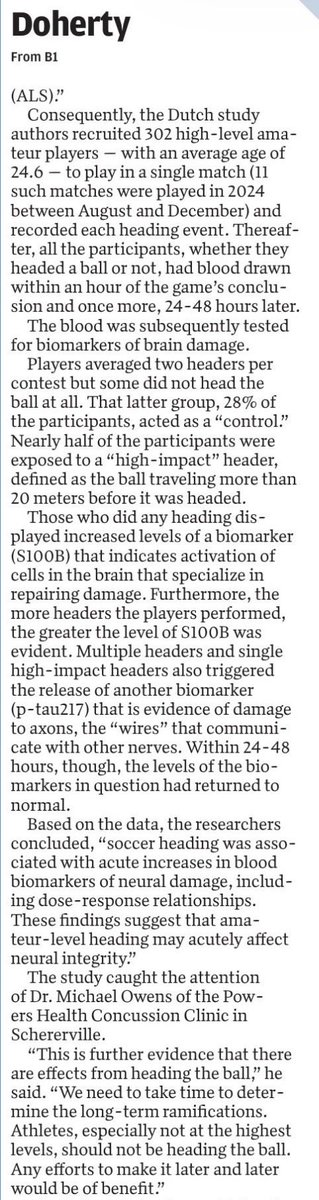
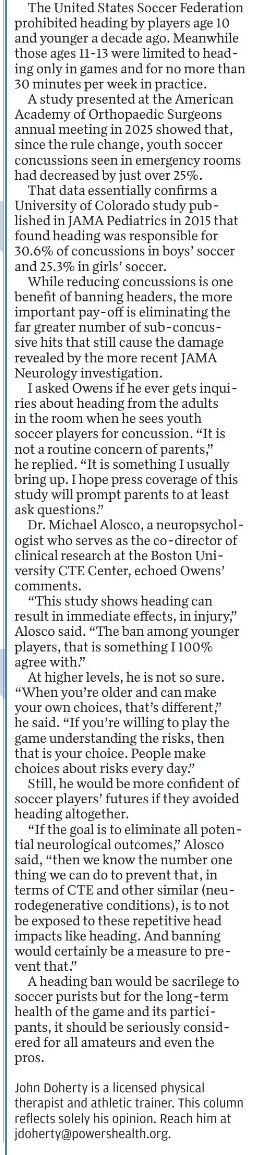
Doherty: Popularity aside, soccer heading in wrong direction
nwitimes.com/sports/professi…
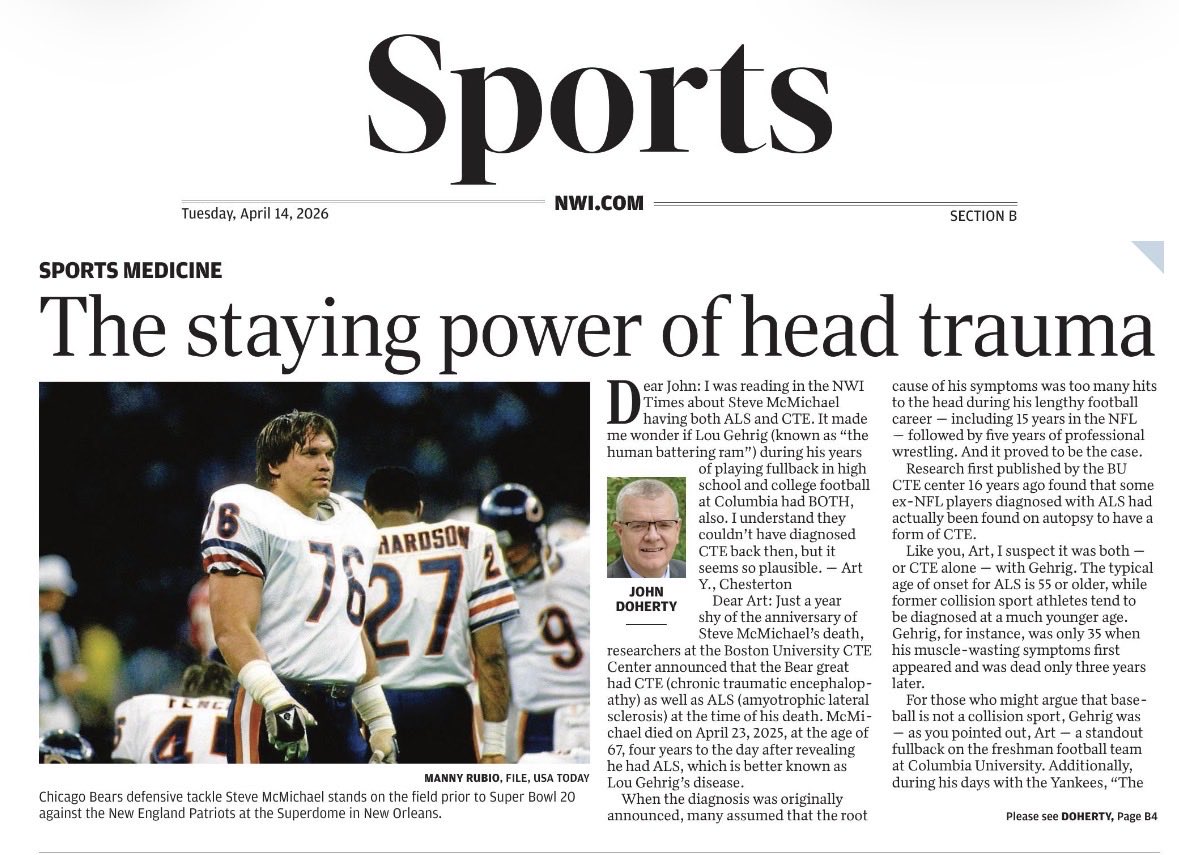
Thanks to Dr. Mike Owens of @MyPowersHealth & Dr. Michael Alosco of @bu_cte for their expertise. @JAMANeuro @JAMAPediatrics @ussoccer @FIFAWorldCup @HeartlandSN @go4ellis @NATA1950 @GLATA_updates
146
May 25
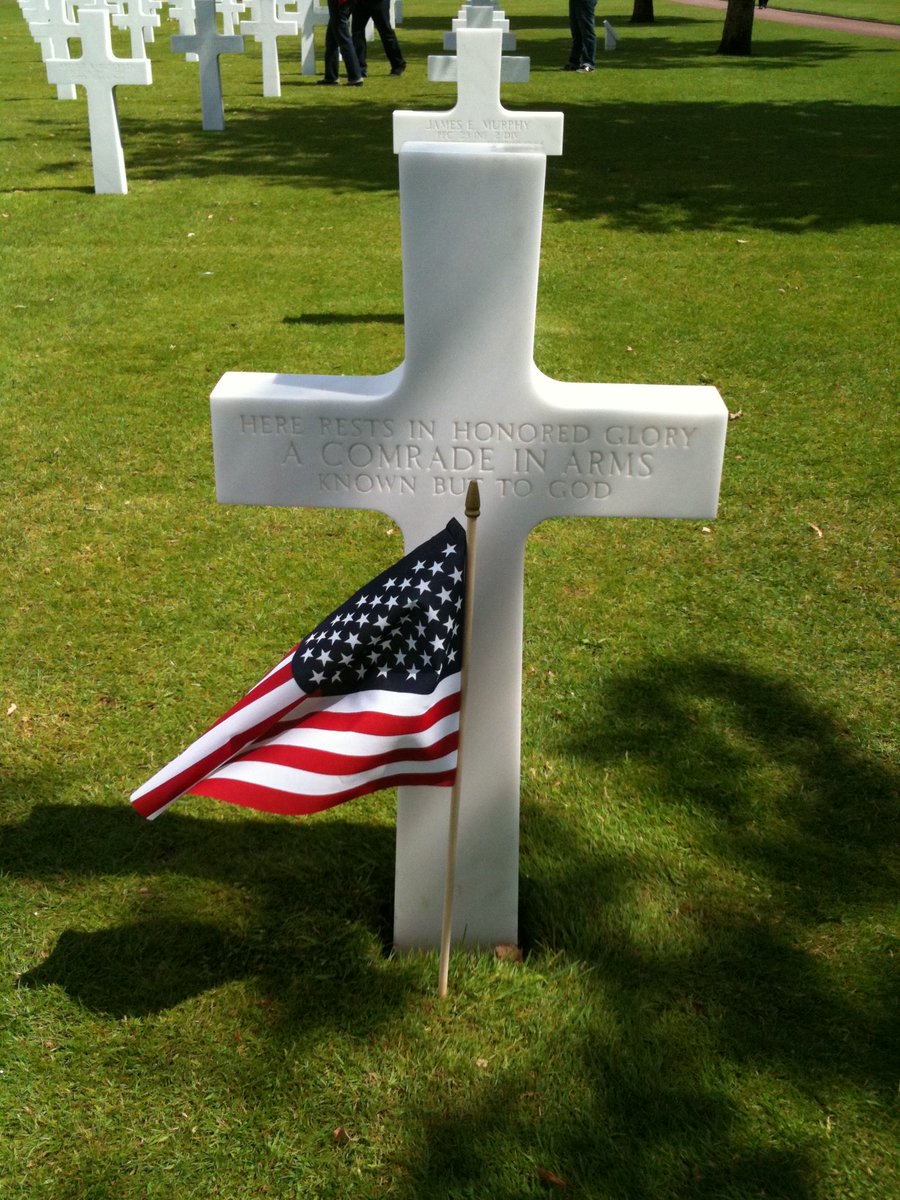
Remembering all our veterans on this Memorial Day, including my father Richard (Korea), uncle Leo (WWII), & grandfather John (WWI), but especially those who gave their last full measure of devotion like this unknown at the US Cemetery overlooking Omaha Beach.
4
72
John Doherty retweeted

May 23
If you find a tick attached to your skin, pulling it out the right way can lower your risk of infection.
After removal of a tick, you enter a “watch and wait” period for about two weeks. Monitor the bite site and contact a healthcare provider if you experience symptoms like:
-An expanding red rash, especially one shaped like a target or bullseye (a telltale sign of Lyme disease, the most common tickborne illness)
-Fever
-Shakes or chills
-Body aches
-Joint pain
-Headache
-Fatigue
But before you worry too much, know this: While illnesses like Lyme disease, Rocky Mountain spotted fever and others are a concern after a tick bite, the odds of infection are low — even if you live in a tick disease hotspot.
If you’ve been bitten by a tick and it’s been fewer than 36 hours, the likelihood of it transmitting Lyme disease is less than 3%. For transmission, the tick has to have been feeding on you for two days or more.
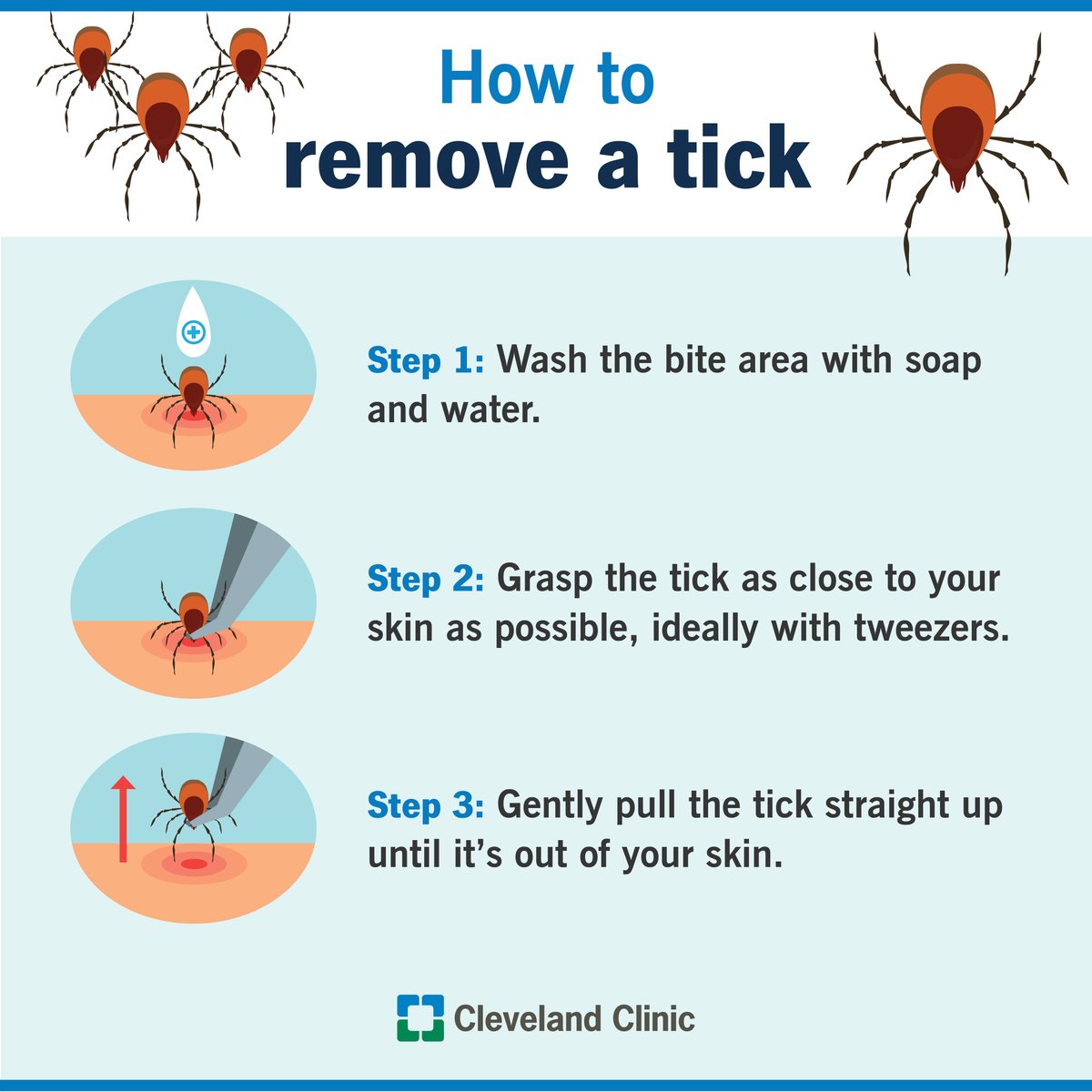
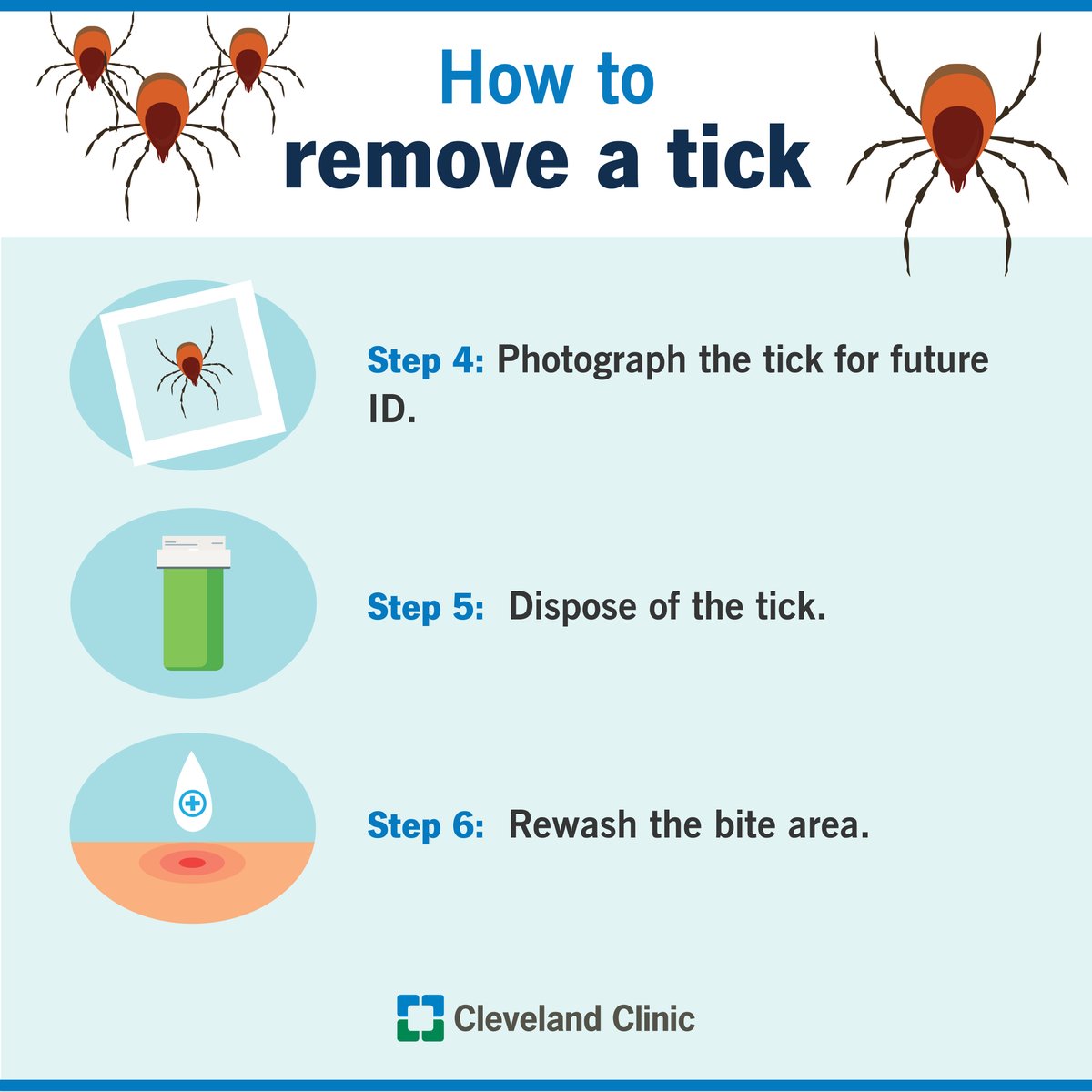
1
21
45
6,363
John Doherty retweeted

May 23
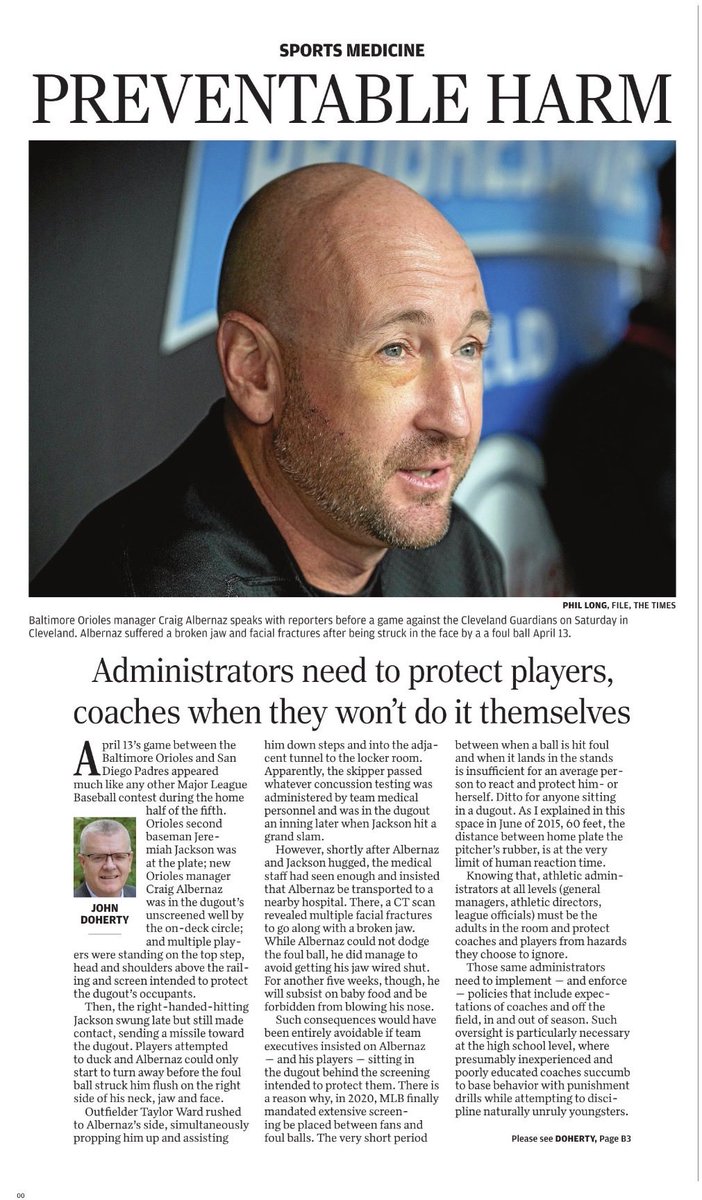
Baseball bears danger.
Cardiac: sports.yahoo.com/articles/13…
TBI: aol.com/articles/youth-pitch…
6
5
491
John Doherty retweeted

May 22
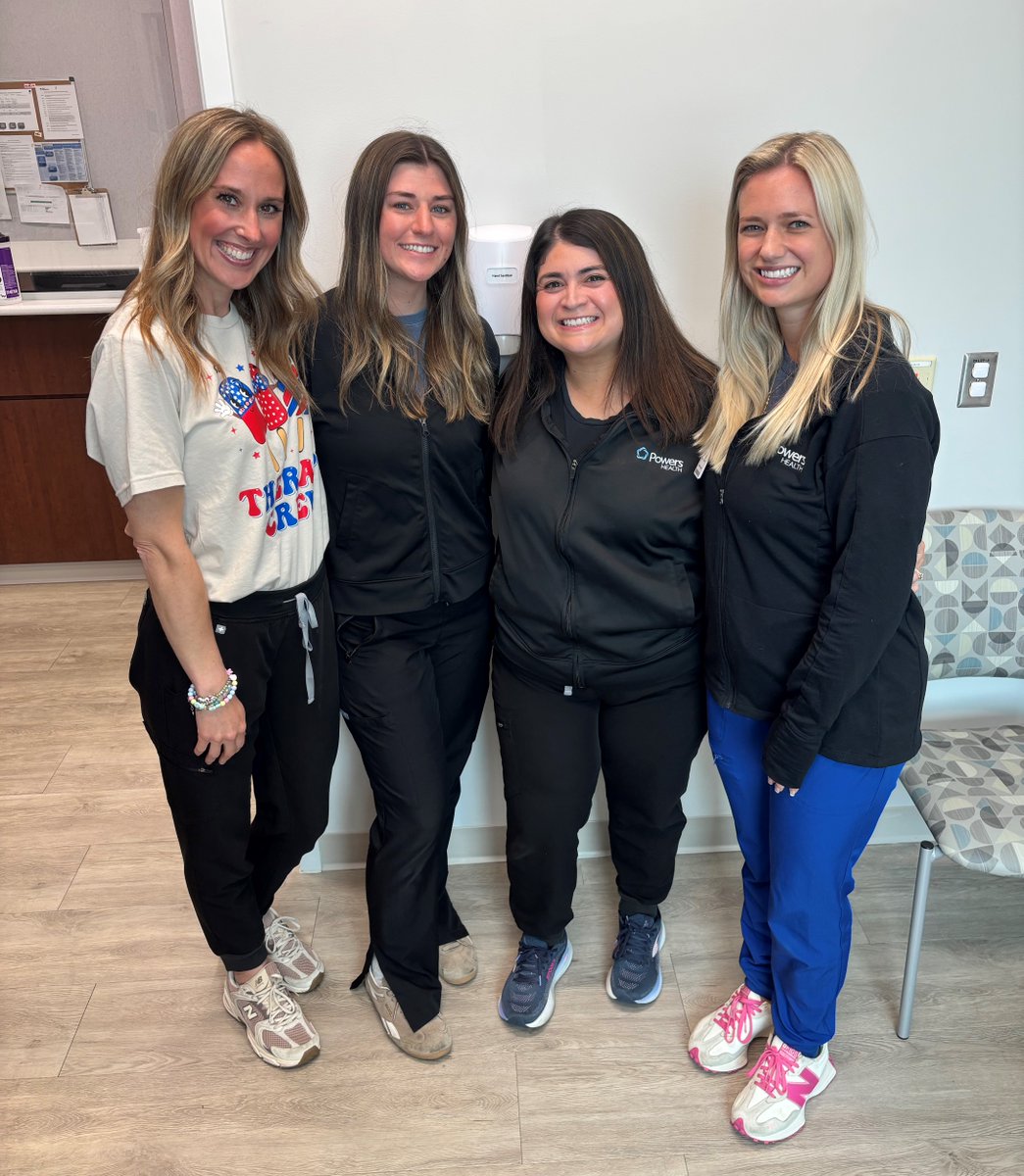
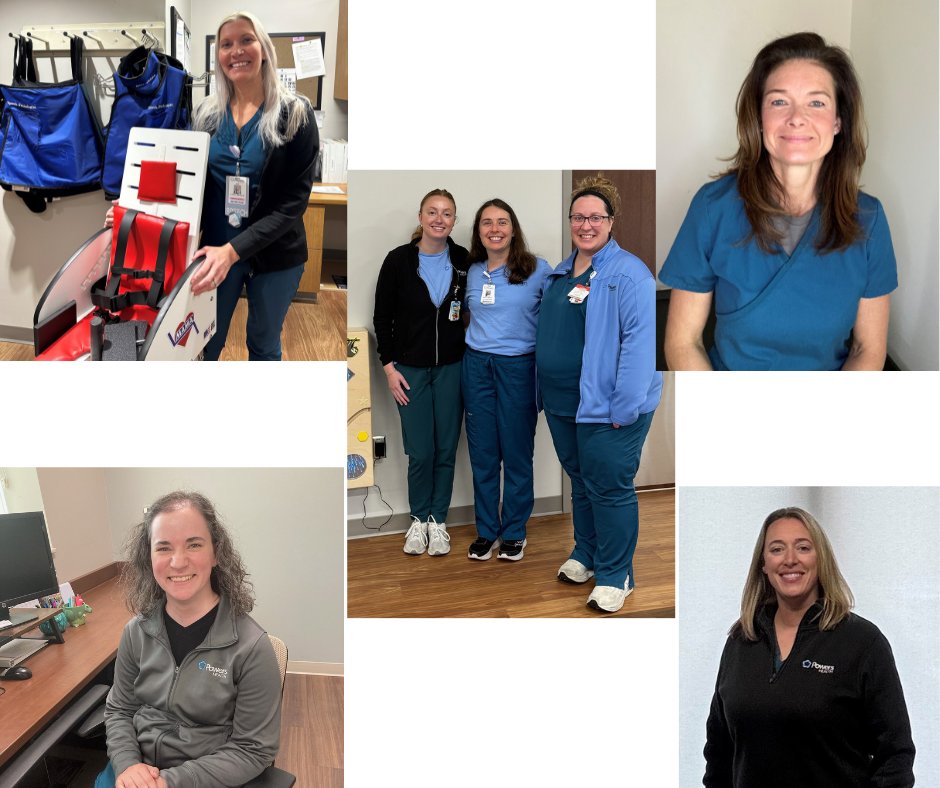
To mark National Speech-Language-Hearing Month, we are highlighting our speech therapists. Powers Health is proud to celebrate these skilled team members who are committed to providing excellent, evidence-based care.
#NWI #PowersHealth #healthcare #ST #SLP
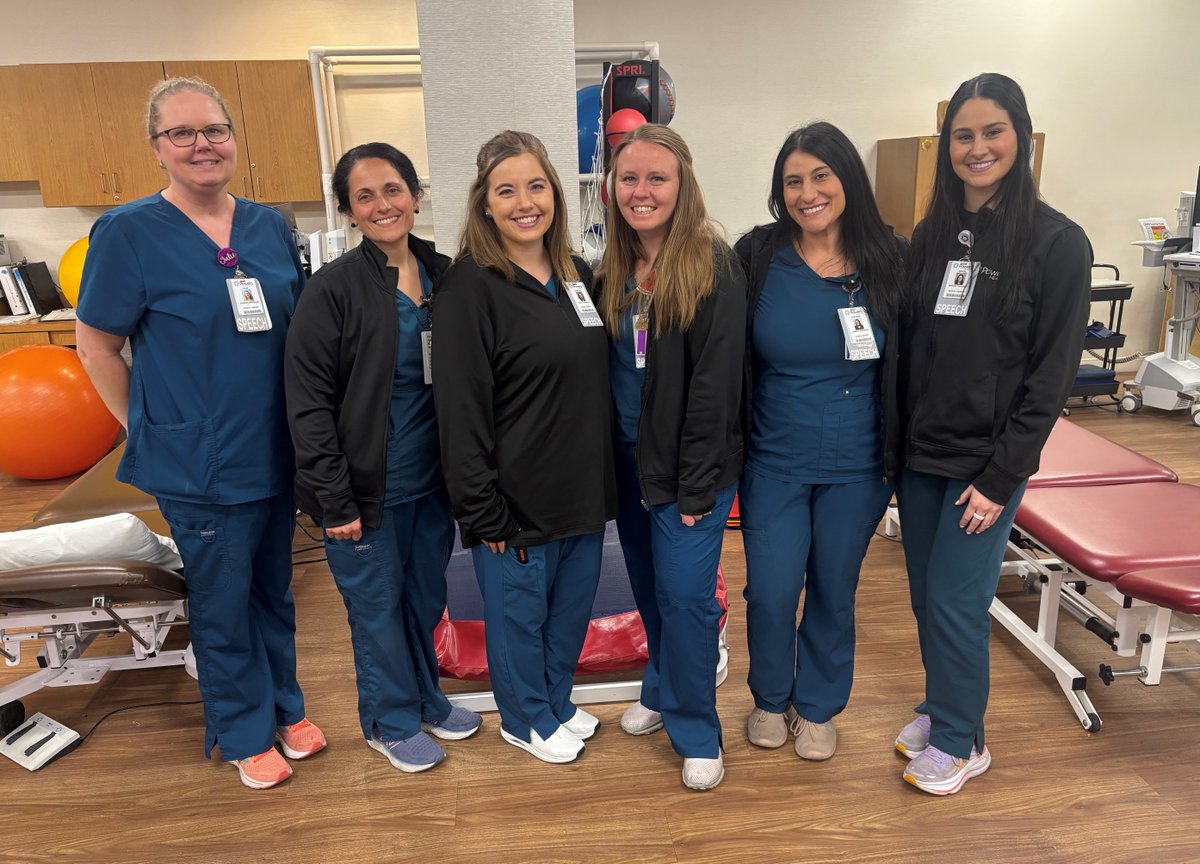
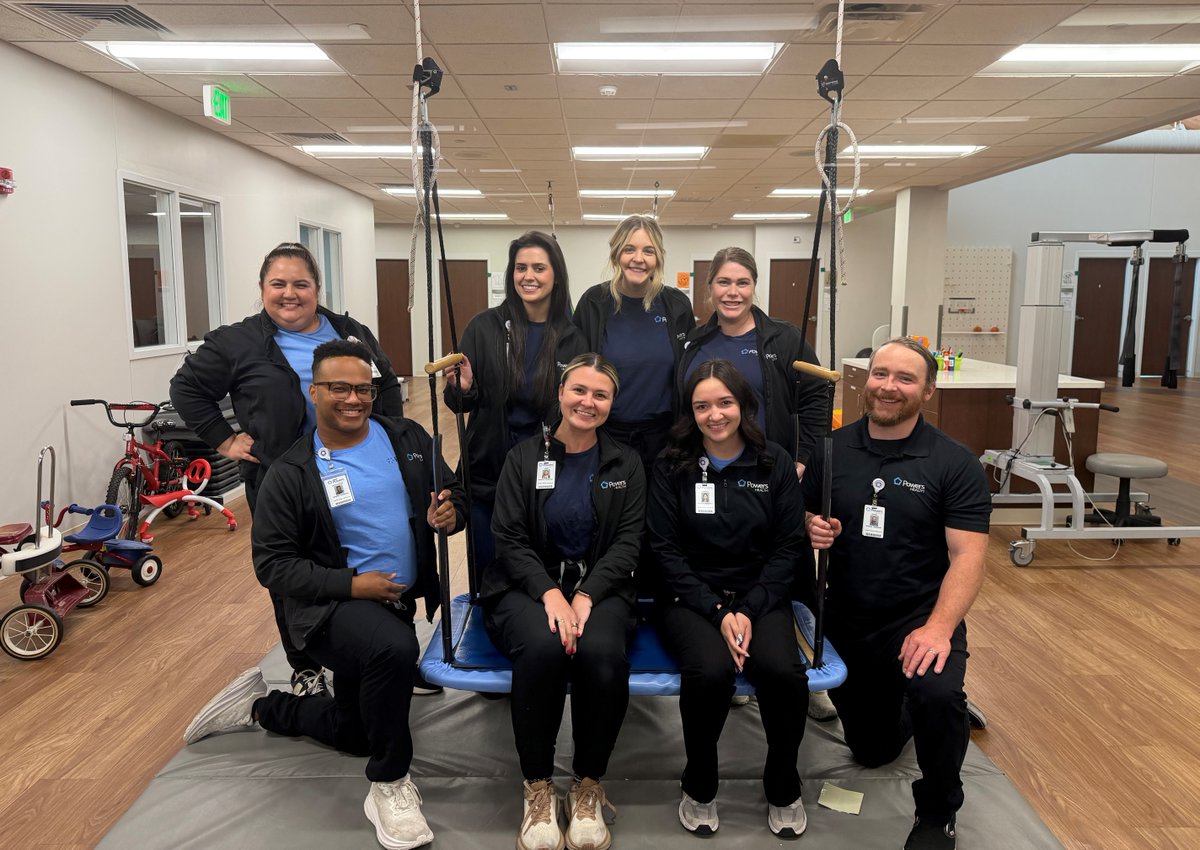
1
1
121
May 21
Detroit Tigers ace Tarik Skubal throwing bullpen sessions two weeks after surgery
apnews.com/article/tigers-ta…
74
May 12
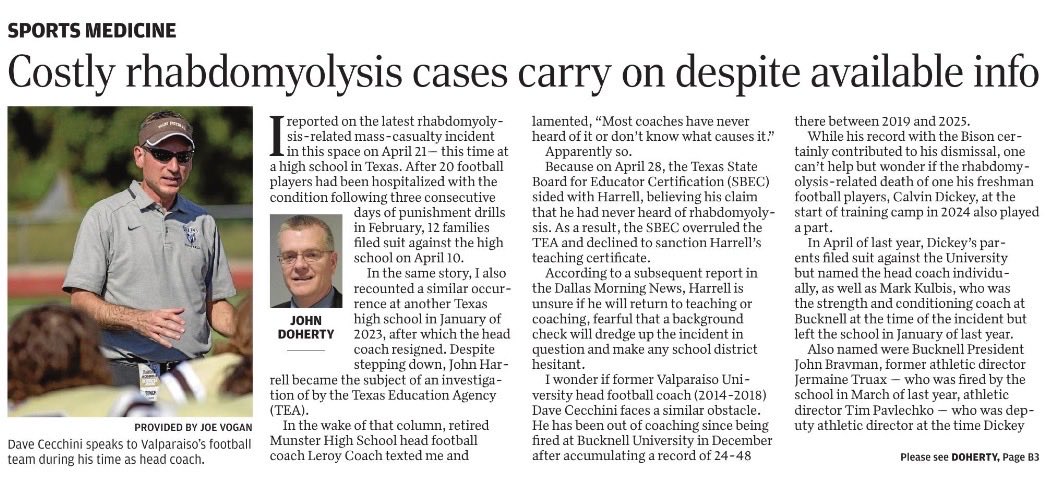
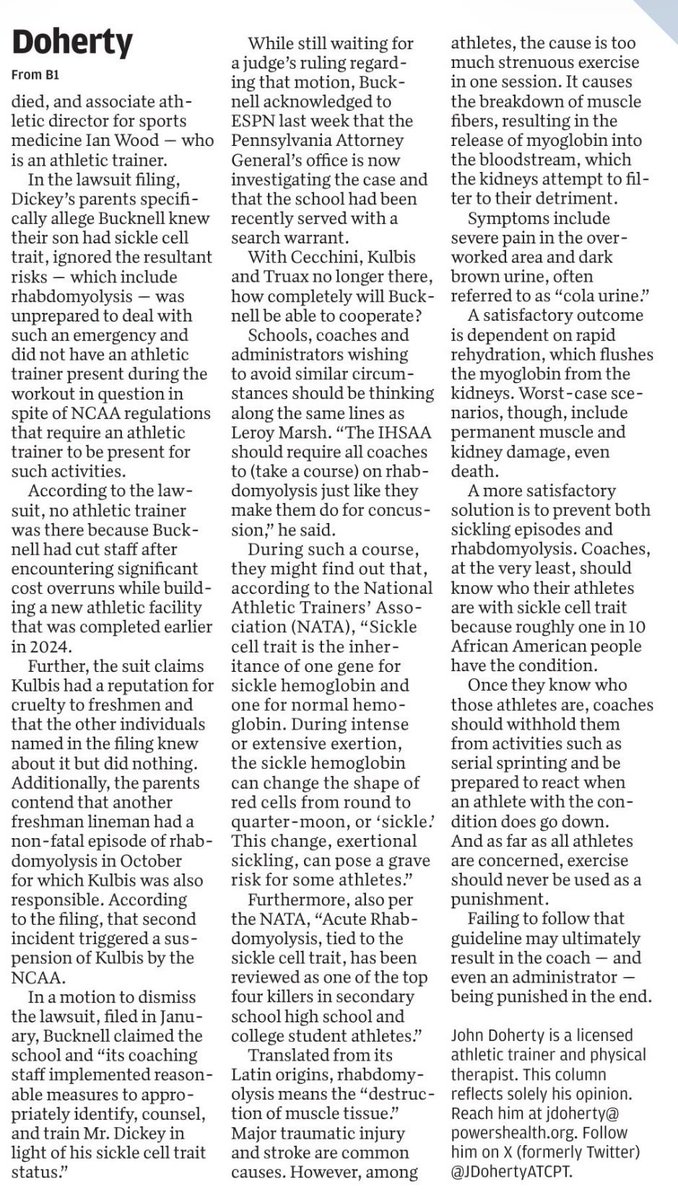
Doherty: Rhabdomyolysis isn’t new. So why does it keep happening?
nwitimes.com/sports/article_…
@mypowershealth @HeartlandSN @go4ellis @IHSAA1 @NATA1950 @glata_updates @INAthletic @okatc_scott
2
3
9
1,347
John Doherty retweeted
Join our Powers Health team as a physical therapist!
This position is in an outpatient setting in St. John. The primary focus will be orthopedics with an opportunity to specialize in pelvic health.
Learn more and apply today at pm.healthcaresource.com/cs/c…
#NWI #PowersHealth

2
3
103
Apr 28
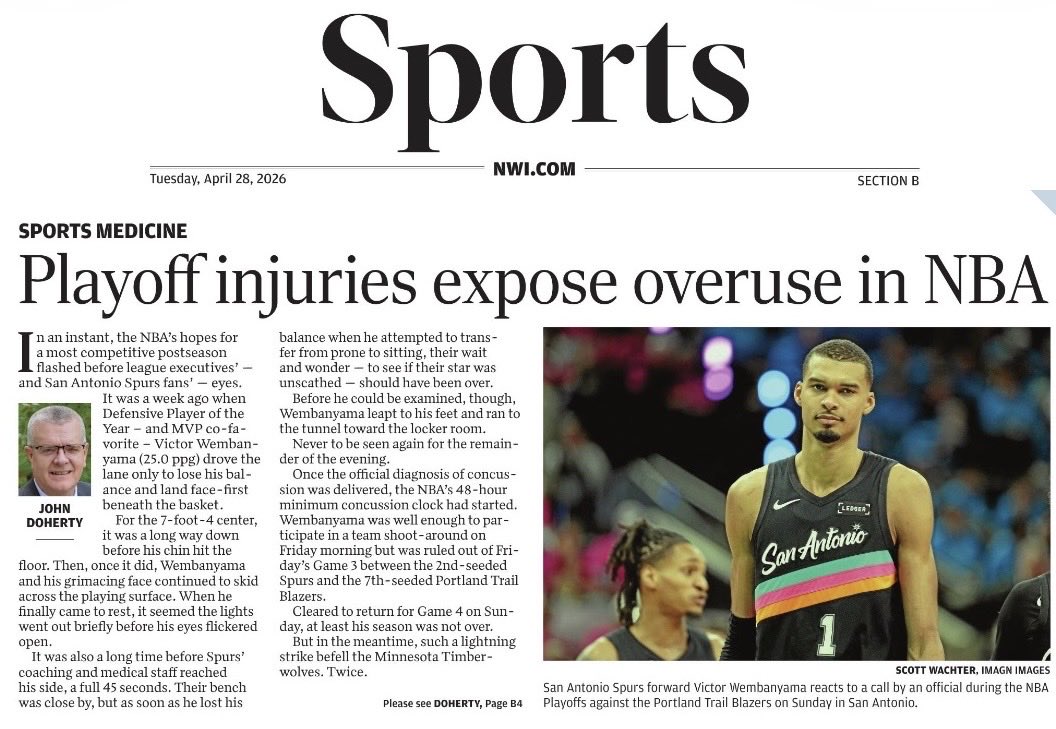
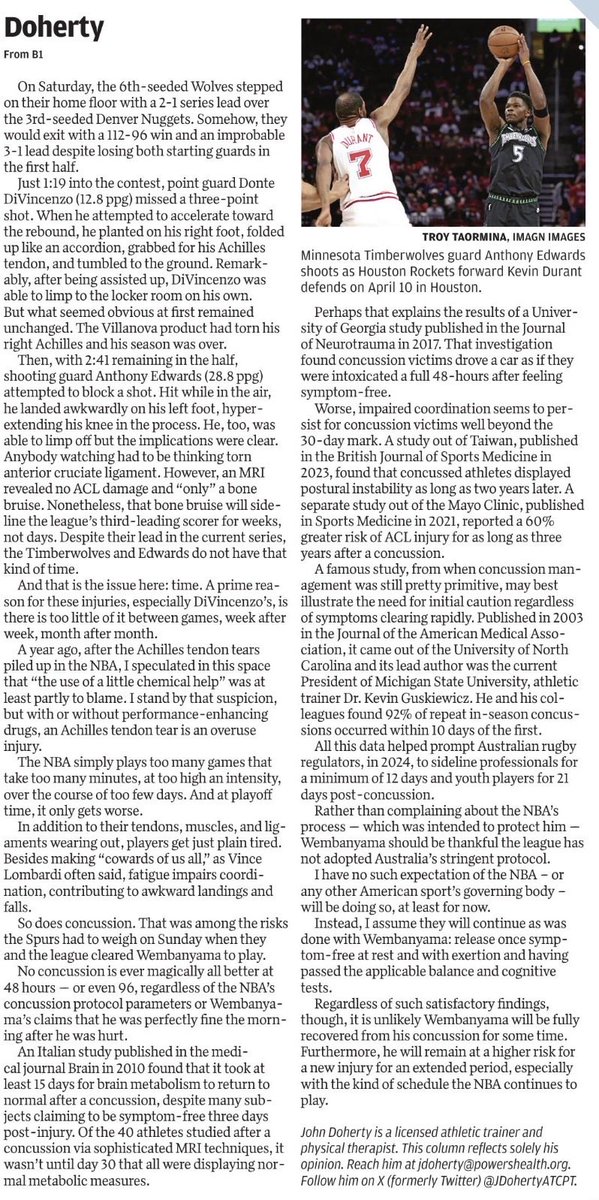
Doherty: Playoff injuries expose overuse in NBA
nwitimes.com/sports/professi…
@MyPowersHealth @HeartlandSN @go4ellis @Brain1858 @J_Neurotrauma @BJSM_BMJ @SportsMedicineJ @JAMA_current @NATA1950 @GLATA_updates @INAthletic @KevinGuskiewicz
3
90