PhD student @CSTPV, @StAndrewsIR. Previously @ISGA_Hague. Following ≠ support/endorsement.
Joined August 2019
- Tweets 126
- Following 297
- Followers 171
- Likes 478
Photos and videos
James Hewitt retweeted

This is an important point that often gets lost in the oversimplified or, at times, prejudiced debate on the Kurds’ relationship with the U.S.
Yes, the Kurds have received a few blows throughout the history of their relationship with the U.S., but whatever gains Kurds have achieved have also come because of their relationship with the U.S. (and the West more broadly).
And here is what essentially drives the U.S. relationship with the Kurds: the regional states and elites ruling them in the name of Arab, Turkish, and Iranian (actually ethnic Persian) nationalism have been too inflexible to make genuine concessions that would satisfy Kurdish political demands for dignified living conditions on their historical land. Hence, they have essentially pushed Kurds to seek partnerships and alliances elsewhere (particularly with the U.S. and the West) to break this historical state and cycle of oppression and injustice.
The creation of modern “nation-states” in the region and the granting of power and sovereignty to certain ethnic communities over others has largely been the outcome of Western designs or these communities partnering with the West. The continuation of this arrangement is also an outcome of the intersection of the interests of global powers and regional states dominated by these ethnicities.
The abysmal treatment of Kurds (and other groups) by dominant regional ethnic communities and their elites and states fundamentally justifies and legitimates Kurds seeking relations with powers from beyond the region to overcome the curse they have been placed under, at least since WWI.
Unfortunately, most states are the product of massive violence, sustained by it, and will only be rearranged domestically or broken apart by violence. One would wish that were not true and that space for meaningful and genuine coexistence and tolerance could be carved out in these states, but so far that is not really happening on a scale that would bring about fundamental change.
Without understanding this crucial insight, analysts looking at the region and Kurdish behavior will not be able to grasp the underlying dynamics and drivers behind it. Hence, they will end up reducing a highly complex and nuanced story to silly takes on the CIA doing this or Mossad doing that, producing caricatured understandings of the region that portray Kurds as some sort of mercenary security company waiting to be hired by the West for the next adventure in the region. That misses the mark by a mile.
I understand that journalists forced by their media organizations to parachute into every conflict on the planet several times a year may not be able to specialize in these histories or understand them in a profound sense. But they can at least try to give space and airtime to people who do understand and can explain this complex story.
Mar 9

The abandonment notwithstanding, the Kurds in Syria are better off now thanks in no small part to their partnership with the United States in the fight against IS.
17
24
4,395
James Hewitt retweeted

Jan 10
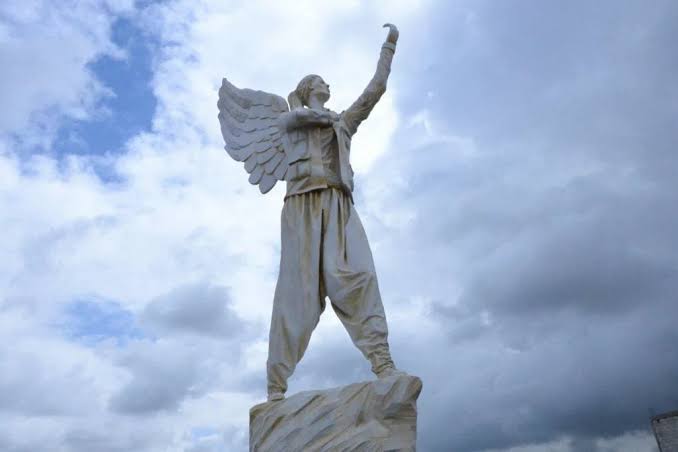
I’ll look at the report in more detail but misuse of Arin Mirkan’s death requires immediate response: When ISIS attacked Kobani in 2014, Arin chose to blow herself up amidst ISIS fighters, rather than be taken captive by. That’s bravery. That’s why there’s a statue.
Jan 10

For those wondering, suicide attacks by the SDF is nothing new. Since Arin Mirkan's suicide terror attack, the YPG-dominated SDF employes suicide attacks.
There is a big statue in Ayn al Arab (Kobane) to glorify her 'sacrifice'.
The report below explains the context 👇
6
28
215
11,919
James Hewitt retweeted
17 Dec 2025
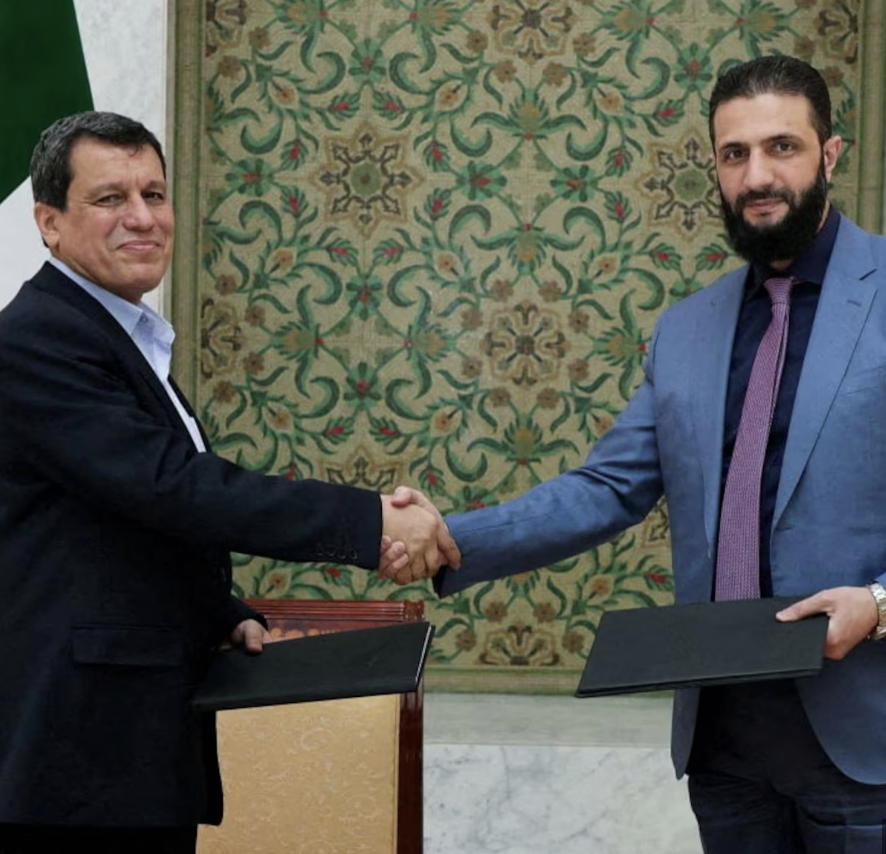
Huge if true. Fully aligns with what the Kurdish administration has asked for.
17 Dec 2025

Claim of a breakthrough b/n Damascus-SDF by @SyriaTransition
"SDF would continue to operate as a unified force structured into three distinct divisions.
1. The first would serve as a Border Guard Division, responsible for securing Syria’s northeastern frontiers. 2. The second would be a Women’s Division, preserving the SDF’s existing female combat formations.
3. The third, a Counter-Terrorism Division, would coordinate directly with the Syrian government on operations against extremist groups.
Notably, the agreement stipulates that no units from the Damascus government’s army or security services would be permitted to enter northeastern Syria, effectively preserving the SDF’s autonomous control over the region."
2
5
87
14,415
James Hewitt retweeted

11 Jul 2025
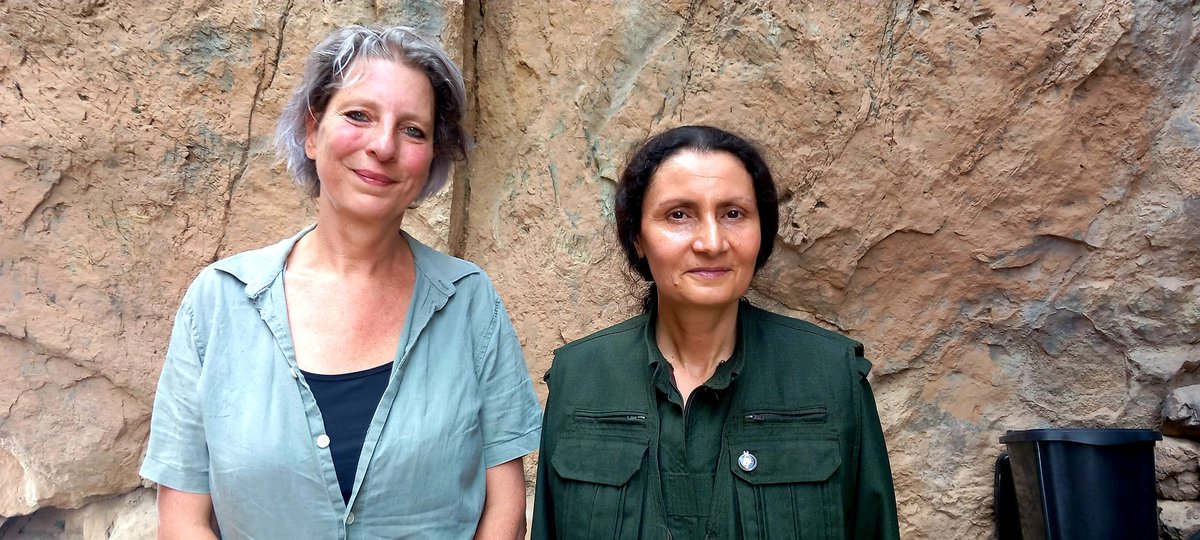
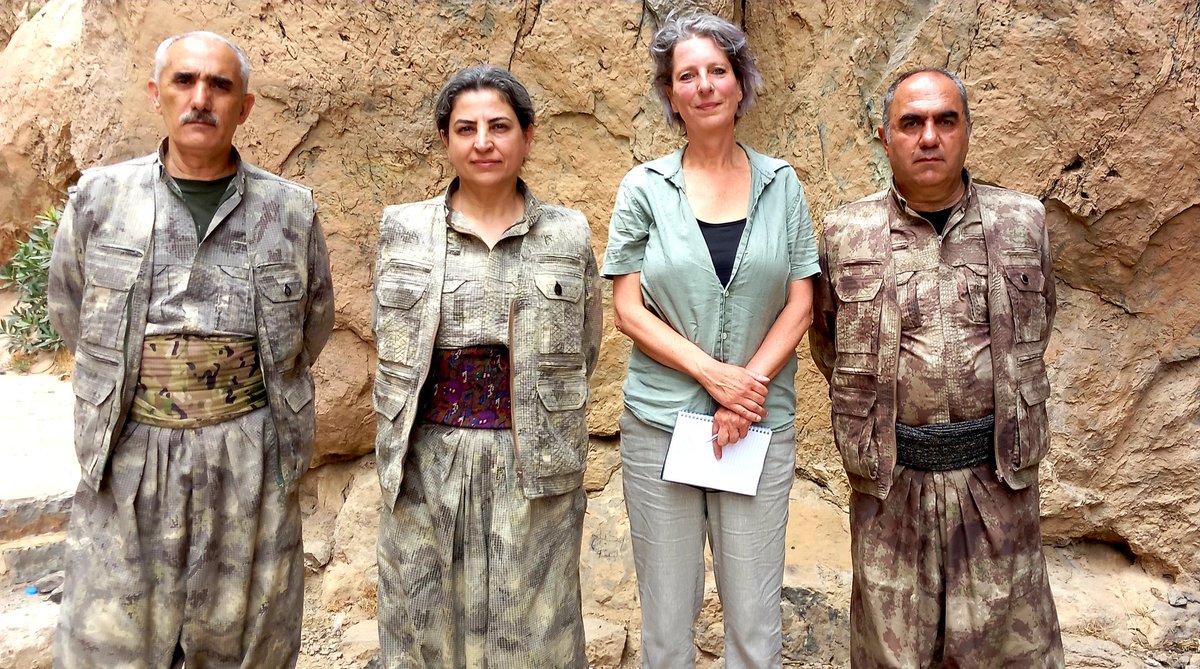
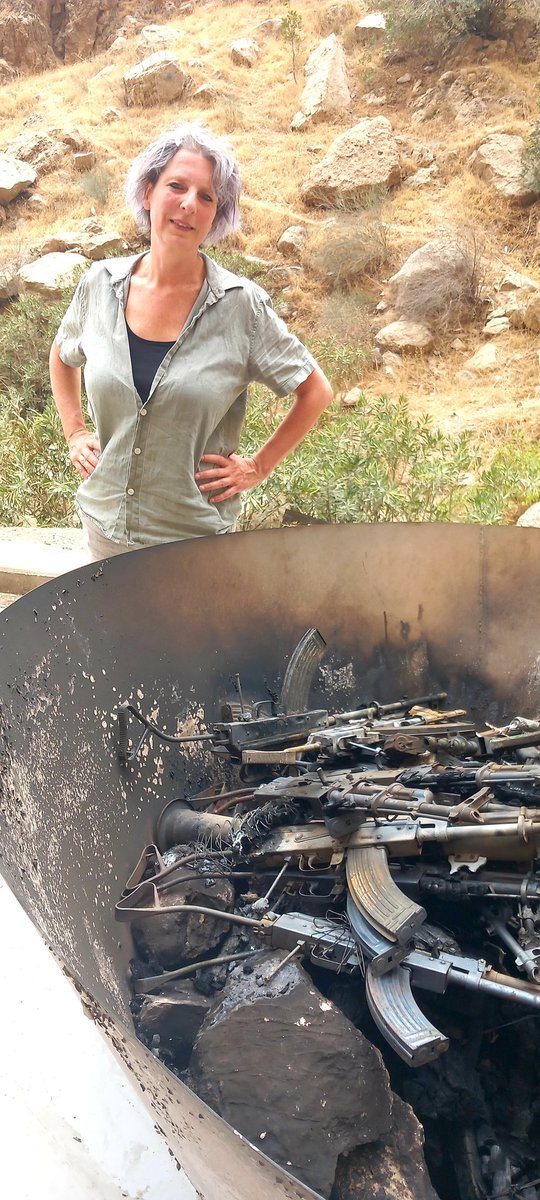
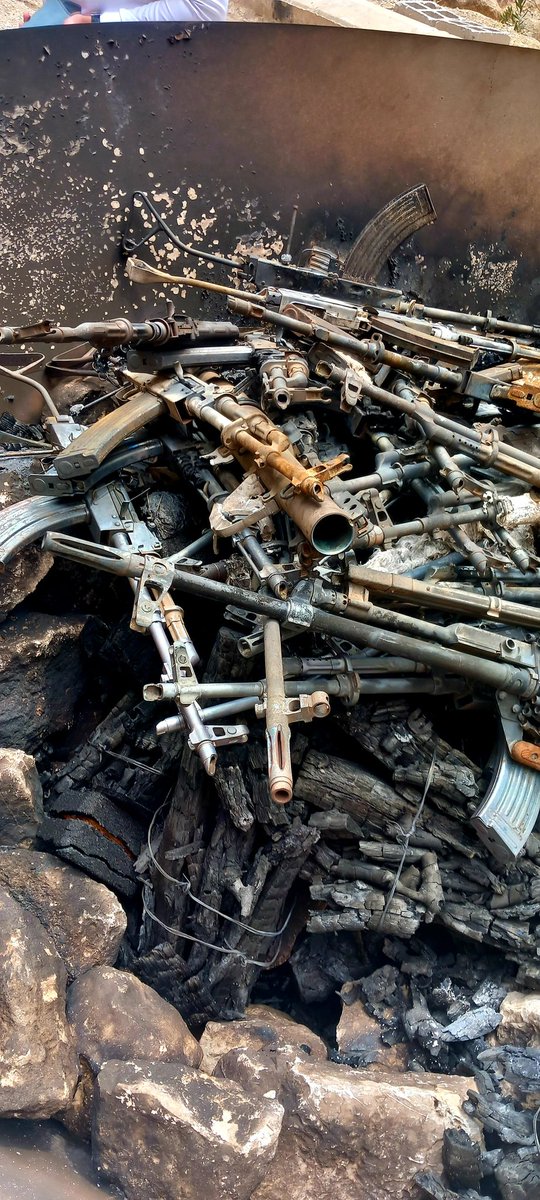
I attended the ceremony in which the #PKK burnt weapons. During the ceremony, pictures were forbidden but afterwards I interviewed four guerrillas in de group, incl co-leader Besê Hozat. Plus, pics with burned arms (1 M249, 1 sniper rifle, 1 RPG, 27 Kalasjnikovs).
86
324
3,452
565,012

12 Jun 2025
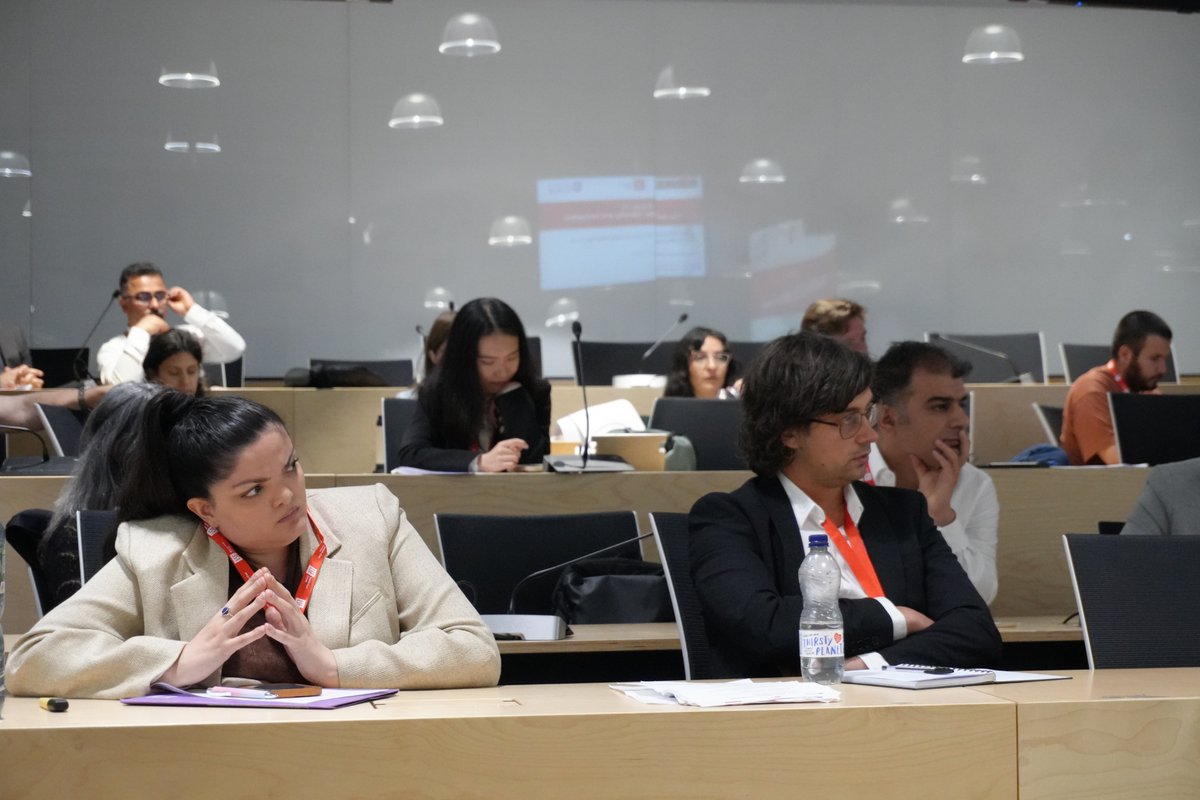
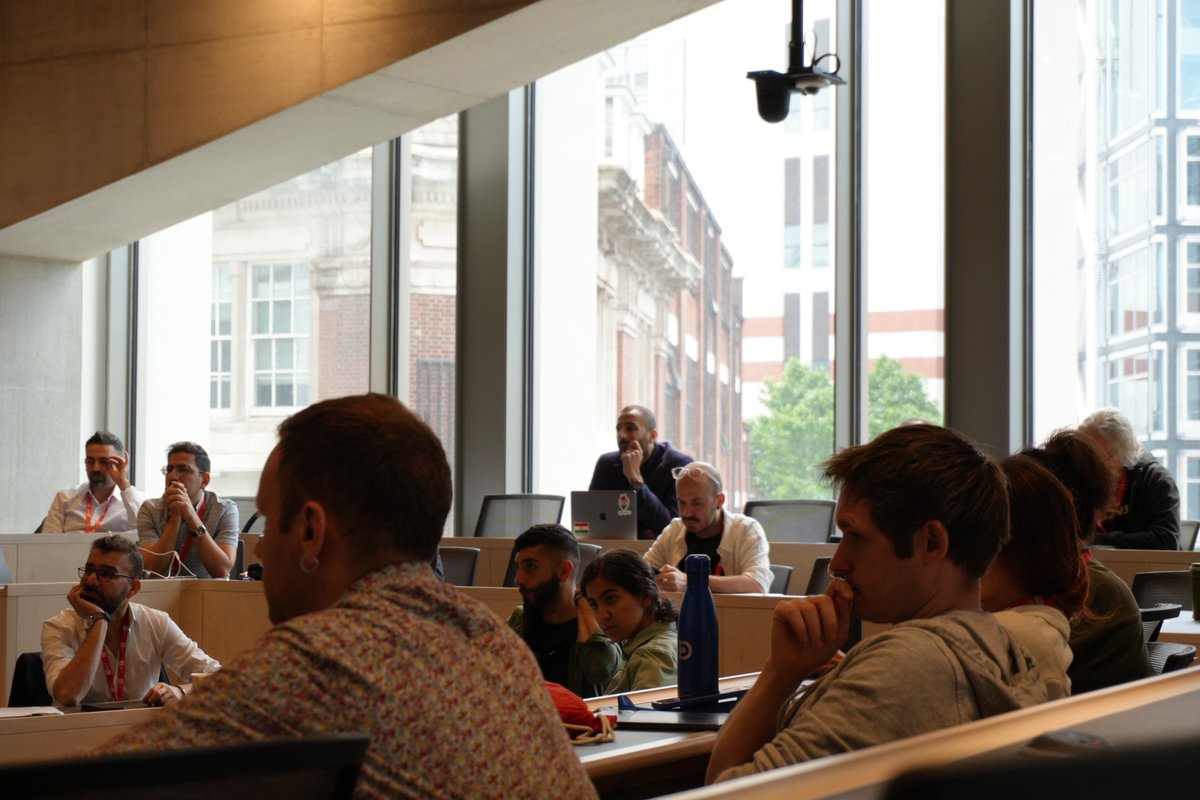
Fantastic second day of the #LSEkurdishConference. Loads of fascinating presentations and engaging discussions.
12 Jun 2025

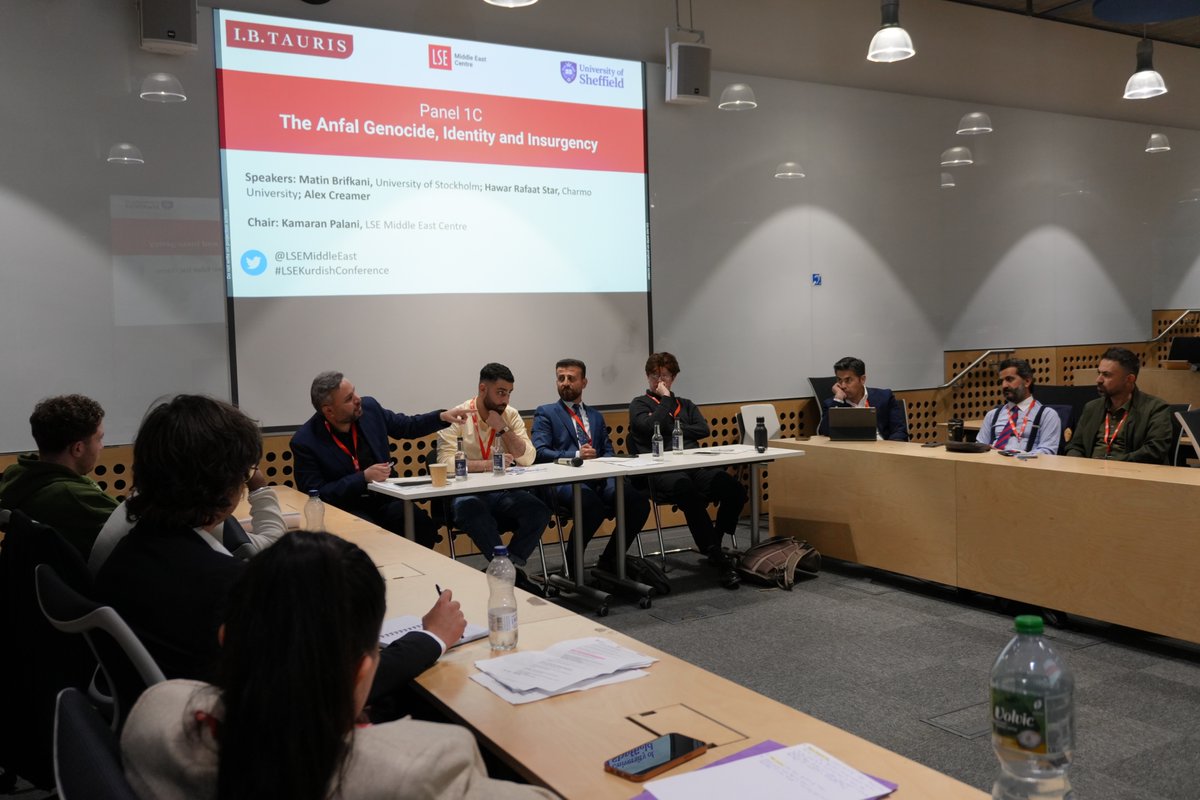
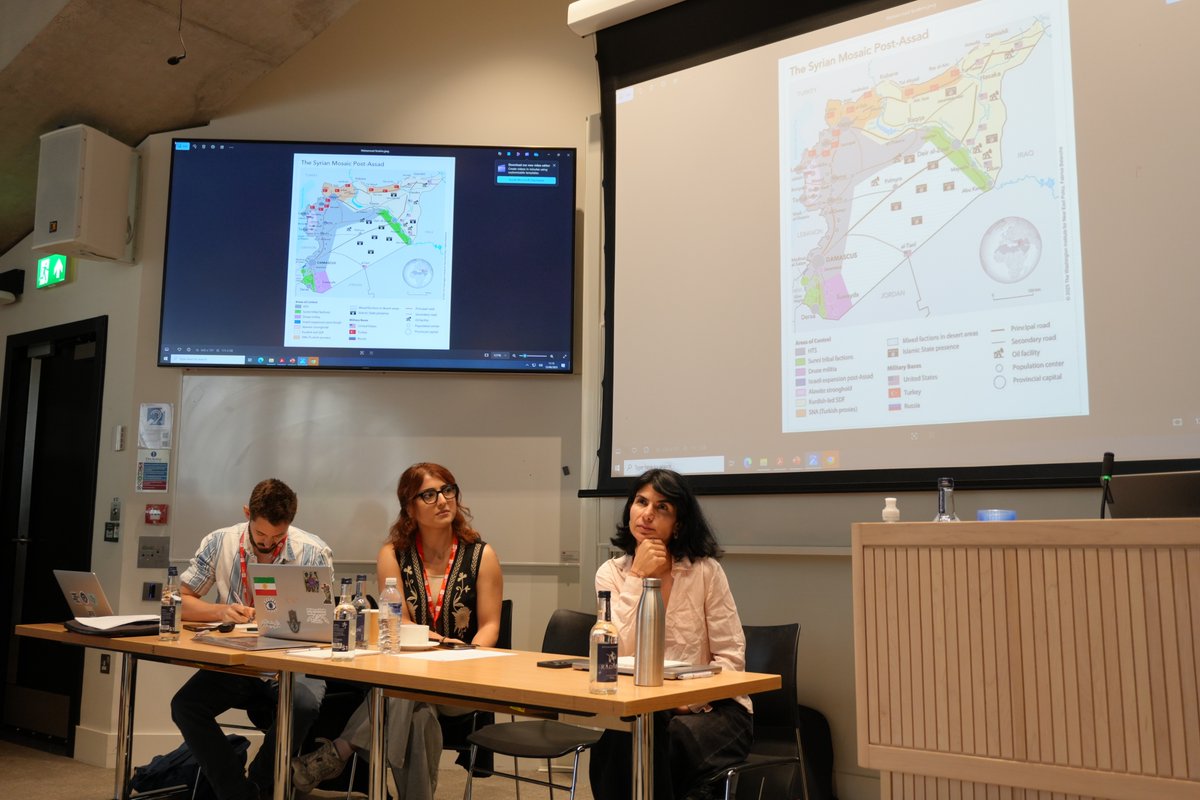
Day 2 of the #LSEKurdishConference.
Catch a sneak peek at some of our panels so far, covering the #AnfalGenocide and North and East #Syria's Self-Administration under Trump's administration.
Thanks to our panelists and participants for their insightful contributions.
116
James Hewitt retweeted

2 May 2025
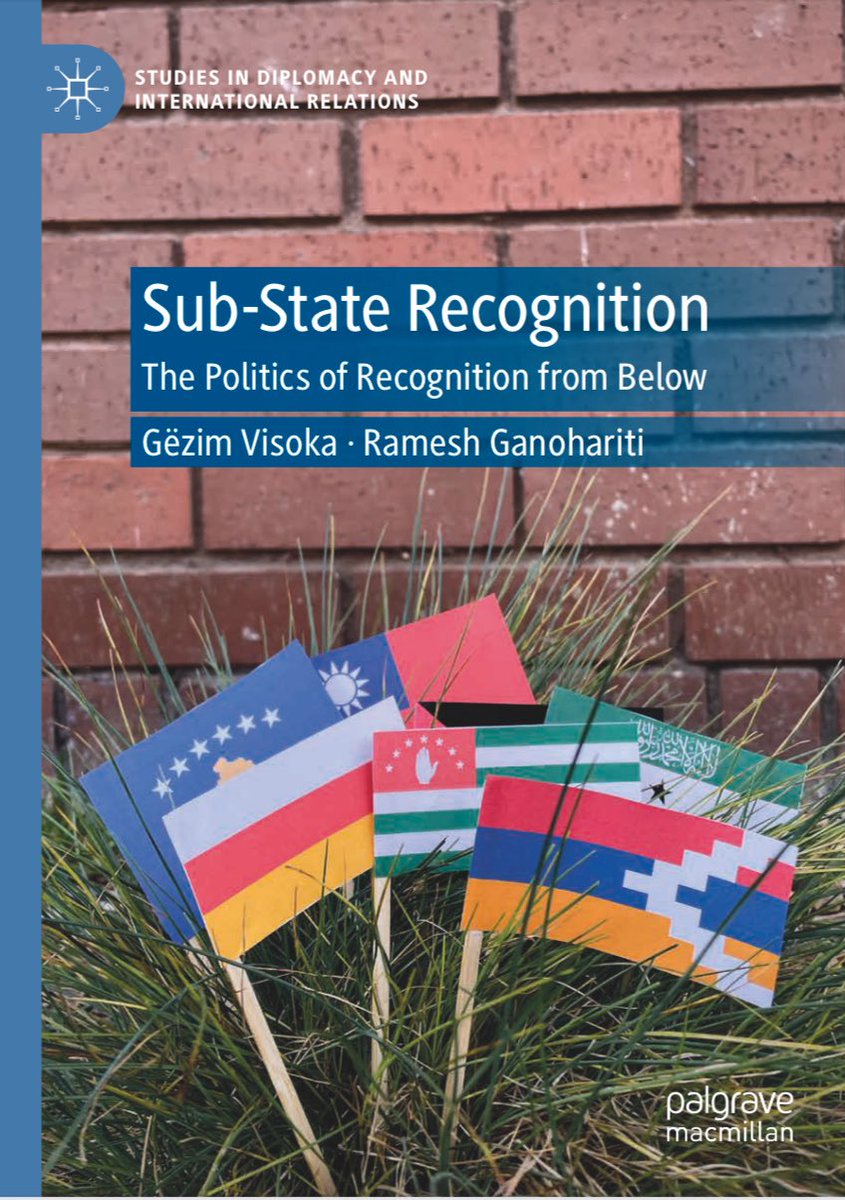
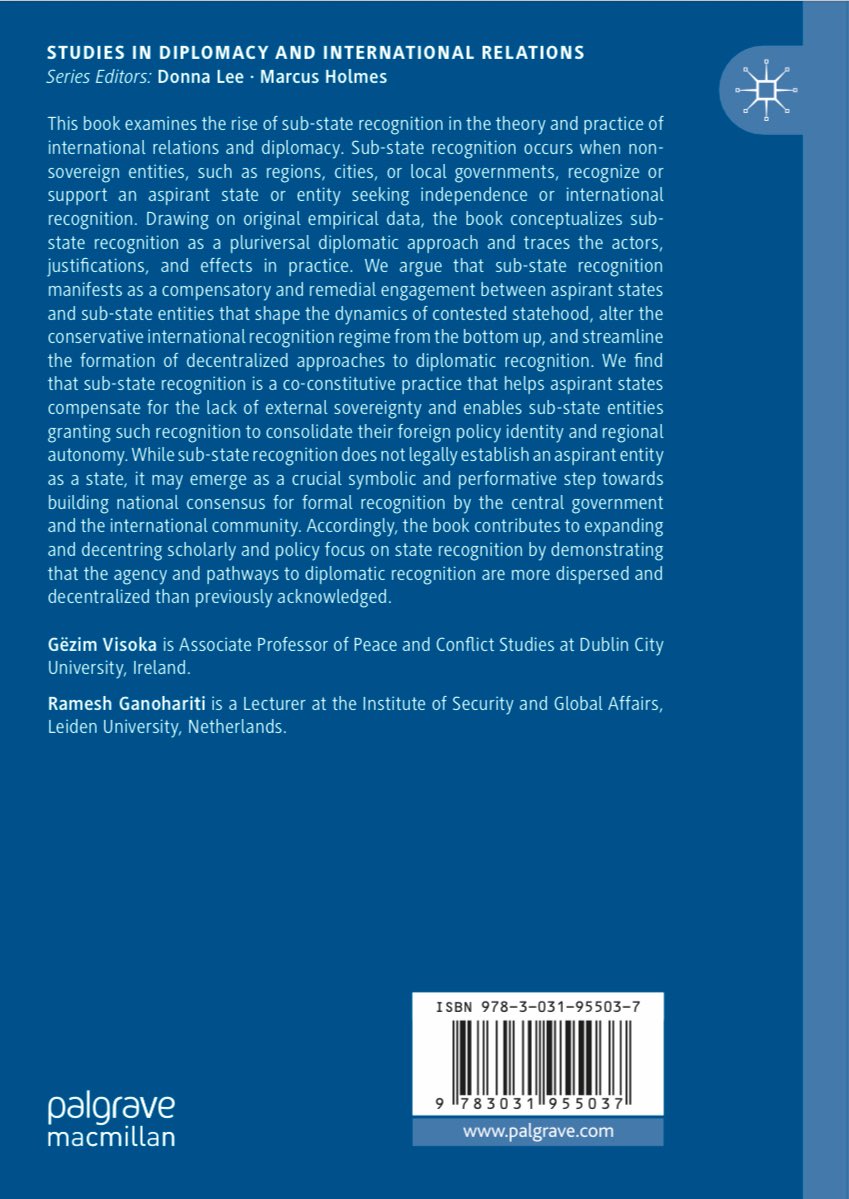
New book out soon!!!

3
3
28
718
James Hewitt retweeted

24 Apr 2025
French Foreign Minister Jean-Noel Barrot met with the chief of the Syrian Democratic Forces (SDF), Mazloum Abdi, late Wednesday in Erbil, where they discussed political stability and the future of Syria's Kurds.
rudaw.net/english/middleeast…
3
17
1,279
James Hewitt retweeted

24 Apr 2025
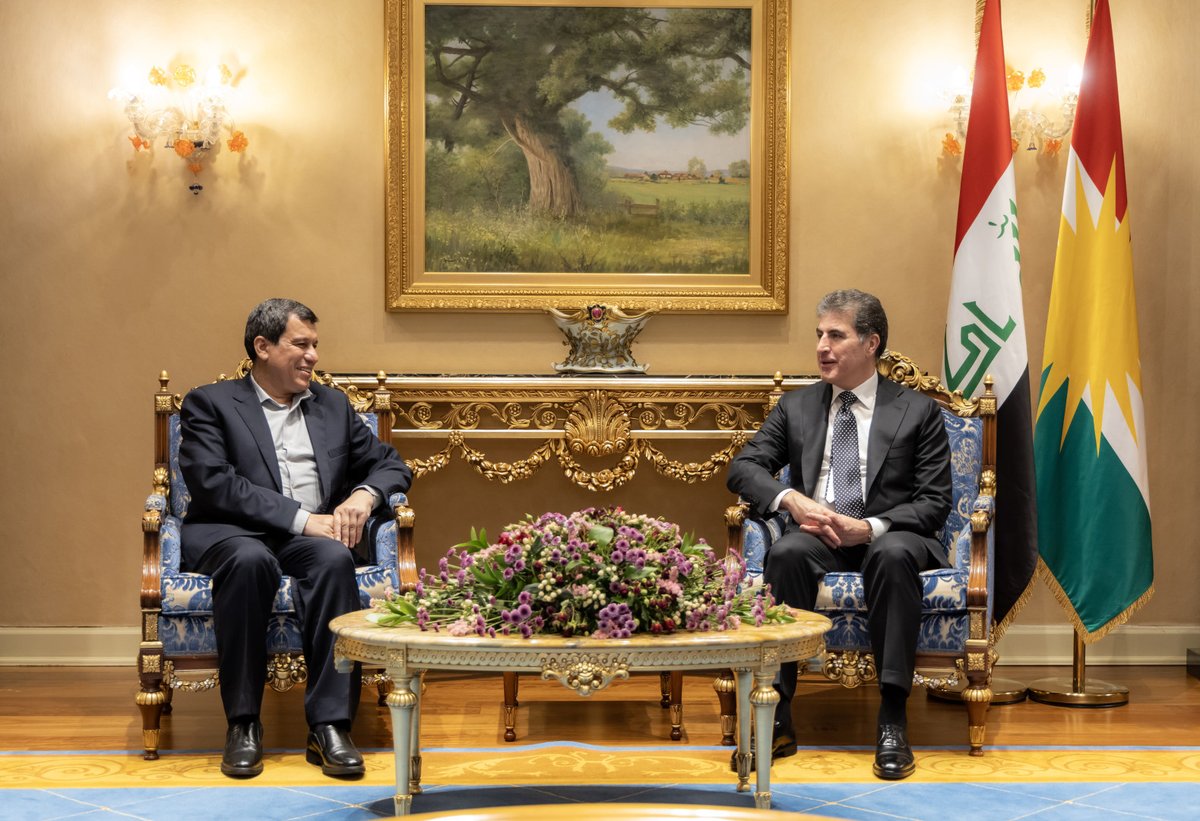
Kurdistan Region President Nechirvan Barzani met with SDF Commander General Mazloum Abdi yesterday to discuss Syria’s latest developments, SDF ties with Syrian Kurdish parties and the Syrian government, and efforts to counter ISIS threats.
Source: @KurdistanRegion
20
173
16,520
James Hewitt retweeted

27 Mar 2025
Greater emphasis on evaluating ‘how’ CVE and TVTP programmes work can help overcome the challenges facing efforts to understand ‘what works.’
📝 by @CSTPV 's James Lewis & Dr Sarah Marsden
🔗 crestresearch.ac.uk/comment/…
2
1
275
James Hewitt retweeted

28 Mar 2025
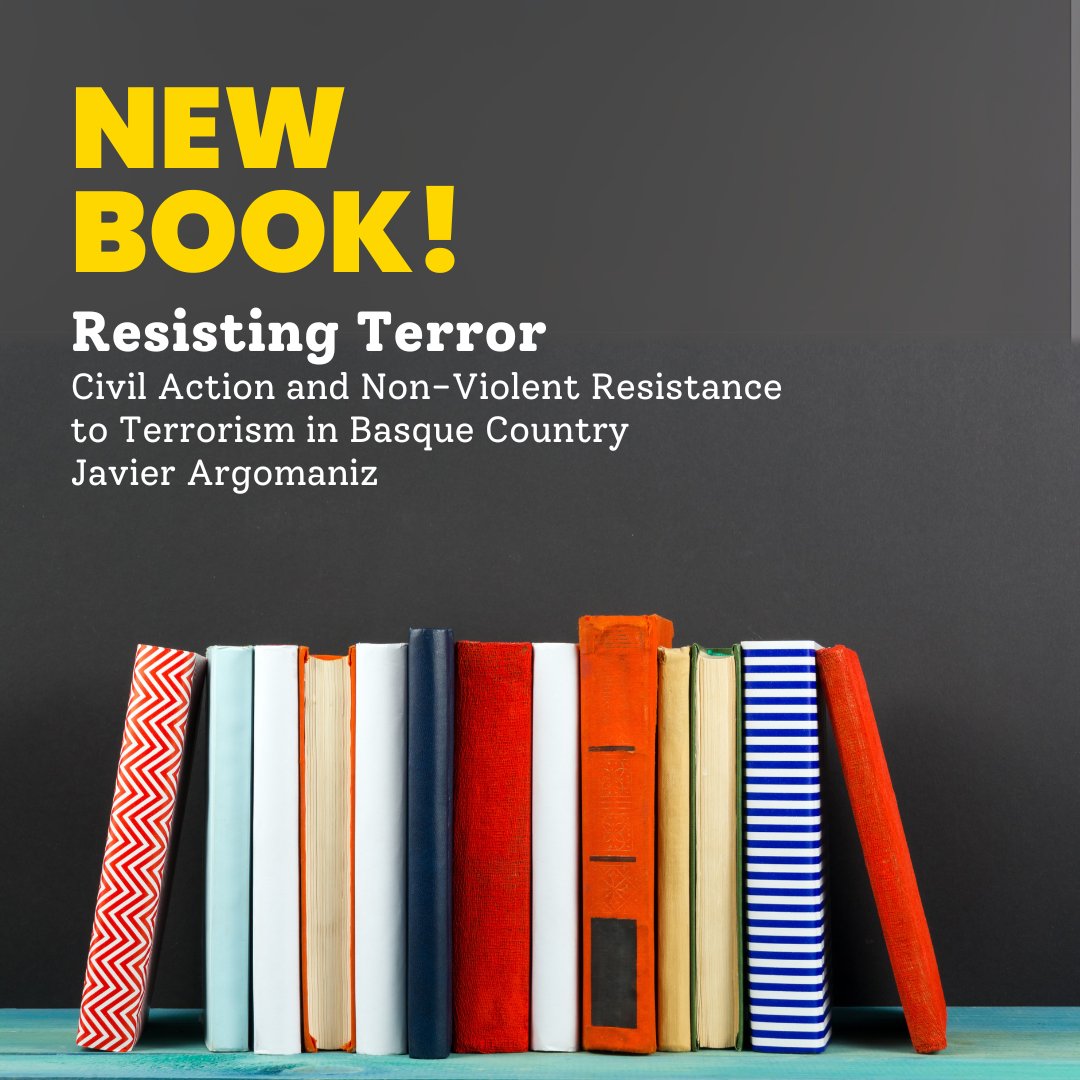
📢 Dr. Argomaniz's book on Basque Civil Resistance is out now, published by OUP! 📖 @OUPAcademic
2
7
293
James Hewitt retweeted
28 Mar 2025
#Turkey detains lawyers who defend political prisoners. Very meta.
28 Mar 2025

ANKARA, March 28 (Reuters) - Turkish authorities have detained a lawyer for jailed Istanbul Mayor Ekrem Imamoglu, President Tayyip Erdogan's biggest political rival, an MP of the main opposition Republican People's Party (CHP) said on Friday.
#Turkey
1/2
1
8
38
2,553

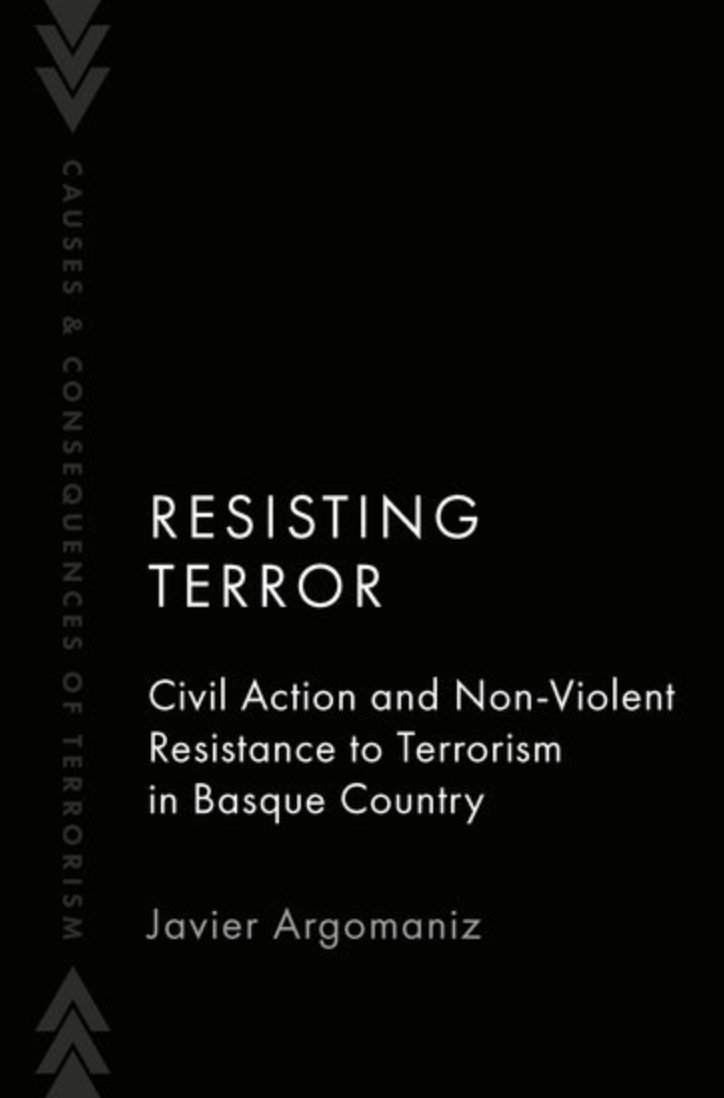
🚨 New book release!
'Resisting Terror' by CSTPV's Javier Argomaniz explores the power of civil action against terrorism in Basque Country
A vital read for understanding non-violent resistance. Learn more: tinyurl.com/kvr93sk7
@StAndrewsIR
6
5
496
James Hewitt retweeted
21 Mar 2025
NEW PUBLICATION🎉
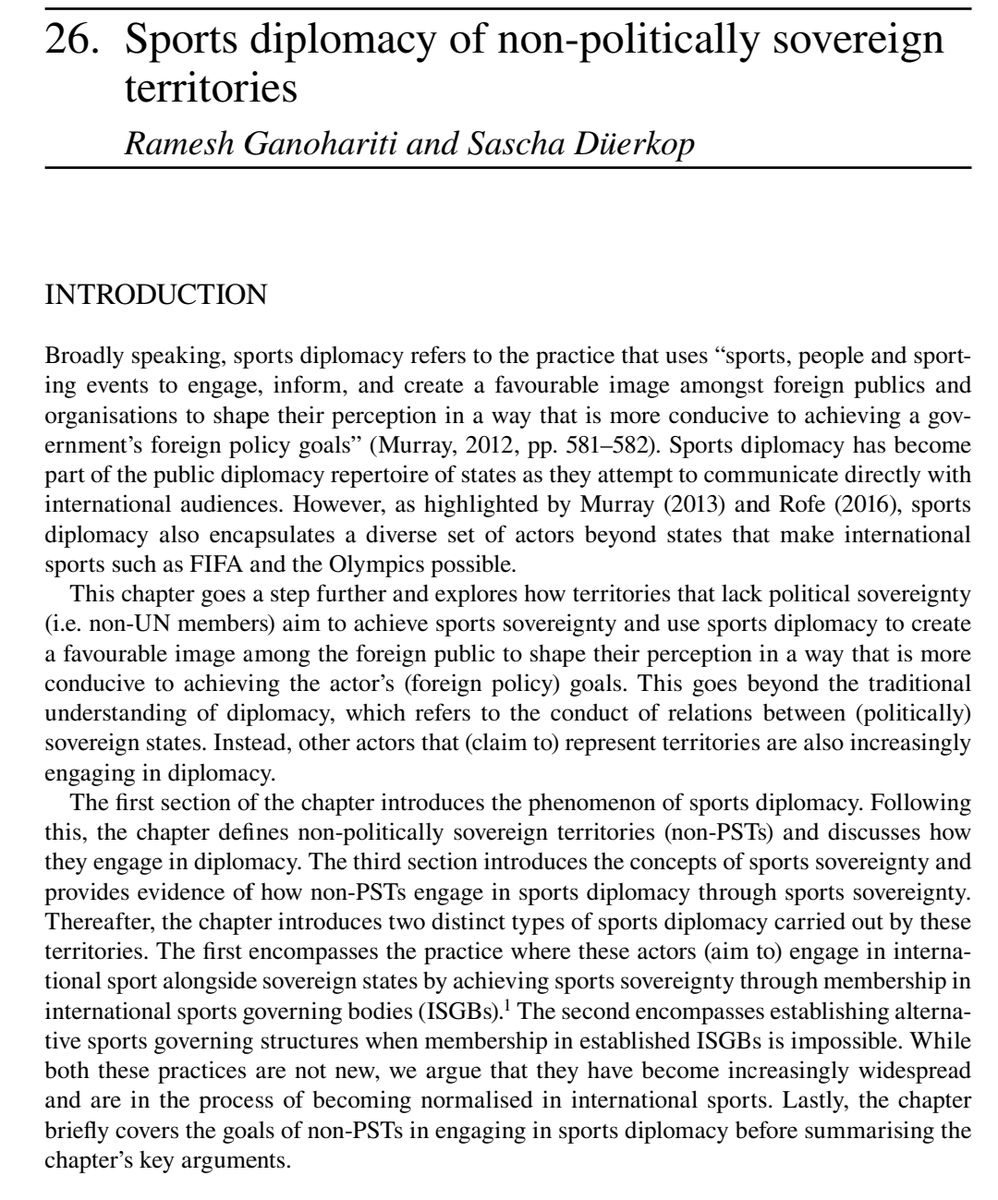
Happy to finally get a copy of my chapter with @SaschaDueerkop on #SportsDiplomacy in Contested Territories in the Handbook on Public Diplomacy edited by Sean Aday.
e-elgar.com/shop/gbp/handboo…
1
6
15
870
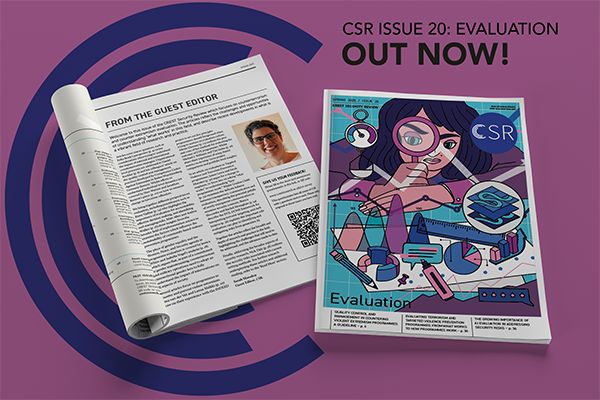
Great to see this issue of CSR out today, co-edited by @CSTPV's Dr Sarah Marsden featuring a wealth of expert perspectives on evaluation in counterterrorism and counter extremism
20 Mar 2025

📢OUT NOW
Our 20th issue of CREST Security Review (CSR) focuses on counter-terrorism and counter-extremism evaluation 🔎
Read, download & share for free ⬇️ crestresearch.ac.uk/magazine… #Evaluation #CVE #Counterterrorism #SecurityResearch
5
9
509
1 Mar 2025
Need distracting from what's going on in Washington? Keep an eye on what's going on in the long running #PKK -Turkey conflict which seems to be entering a new phase.
1 Mar 2025

Kurdish group PKK declares ceasefire with Turkey bbc.in/43nHo4x
2
175
James Hewitt retweeted

1 Mar 2025
PKK has declared a ceasefire w/ 🇹🇷after a decade of conflict in response to Ocalan’s call. Key question: Will Turkey end attacks against the SDF in Syria? | PKK: Önder Apo'nun çağrısına uyacağız, ateşkes ilan ediyoruz firatnews.com/kurdIstan/pkk-…
8
8
21
2,449
James Hewitt retweeted

1 Mar 2025
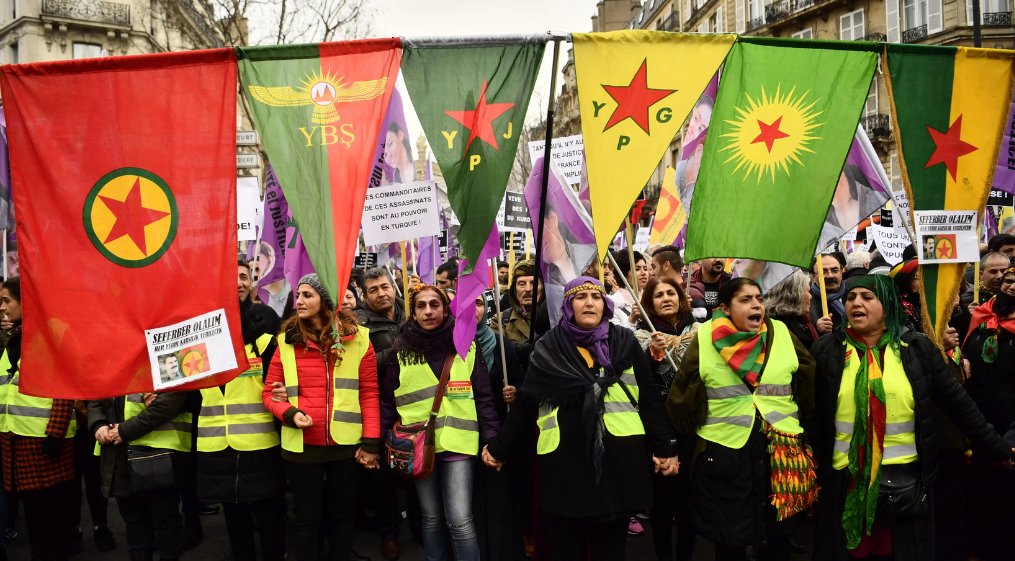
The Kurdistan Workers Party (PKK) has declared it will implement a ceasefire with Turkiye, heeding a call from its jailed leader Abdullah Ocalan to disarm, Kurdish media reports aje.io/8u687b
7
47
112
29,277
28 Feb 2025
PKK leader Ocalan's call to lay down arms and dissolve itself is certainly a significant moment. We'll have to wait and see where this goes next. I'd recommend following and reading work of @fgeerdink and @AlizaMarcus as excellent sources to help understand PKK and recent events
2
2
7
1,985
James Hewitt retweeted

20 Dec 2024
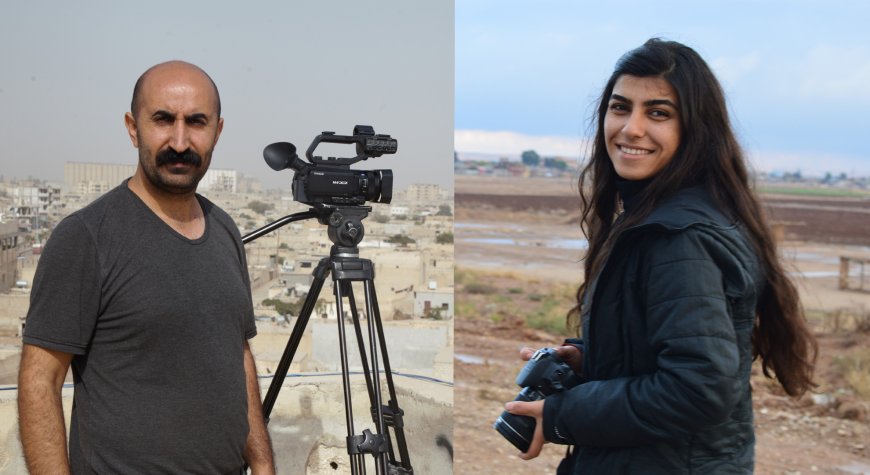
Yesterday, a Turkish drone strike killed two journalists, @nazimodastan and Cihan Bilgin, in the southern Kobane countryside.
Both had been reporting from the Manbij frontlines during the Turkish-backed SNA's offensive.
Journalists in NES are targets of Turkish attacks:
3
58
129
13,112
James Hewitt retweeted

21 Dec 2024
As more information on Talab A. and the attack in #Magdebourg comes out today, several points are worth noting.
Motive: There is still no clear ideological motivation for this attack. What originally had all the hallmarks of a jihadist attacker now suggests this individual /1
2
12
24
7,290