
policy campaigns @yimbyalliance
Joined August 2025
- Tweets 540
- Following 898
- Followers 189
- Likes 3,435
23 Photos and videos






James Gradel retweeted

Roy Hattersley was one of the greatest champions of the power of social democracy to spread freedom and enable human flourishing – a vision as relevant today as ever. theguardian.com/politics/202…
2
32
92
12,586

Jun 14
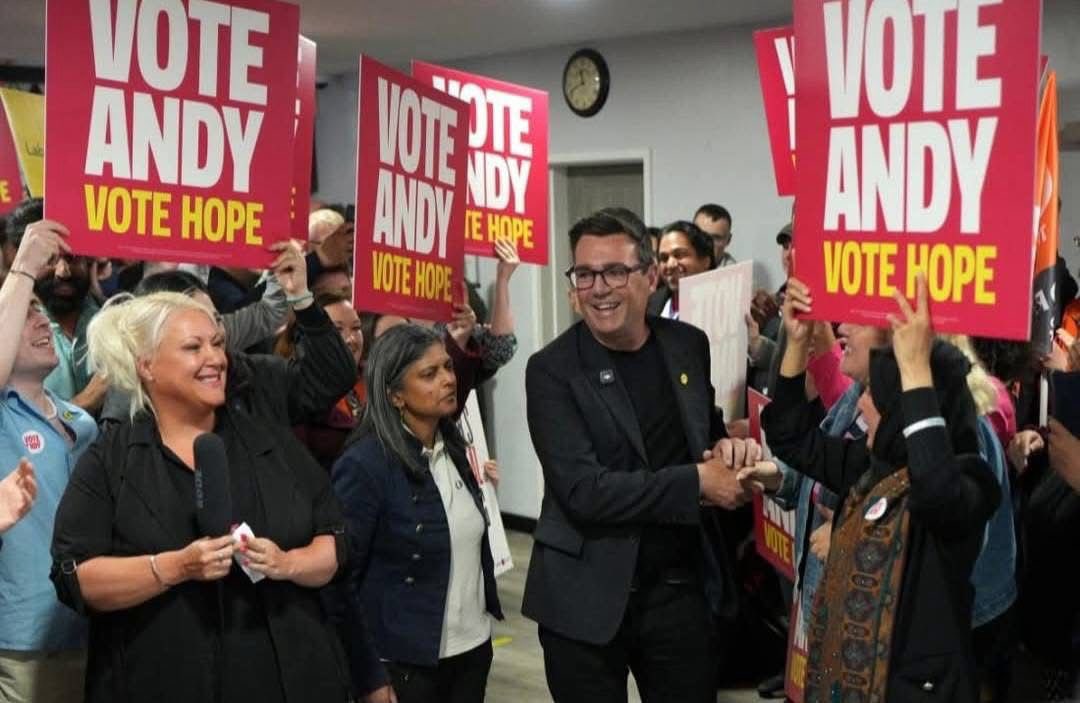
Been great to be back in Manchester for @andy4makerfield 🌹🐝
@andy4makerfield @AngelaRayner @KaneEmerson @RupaHuq
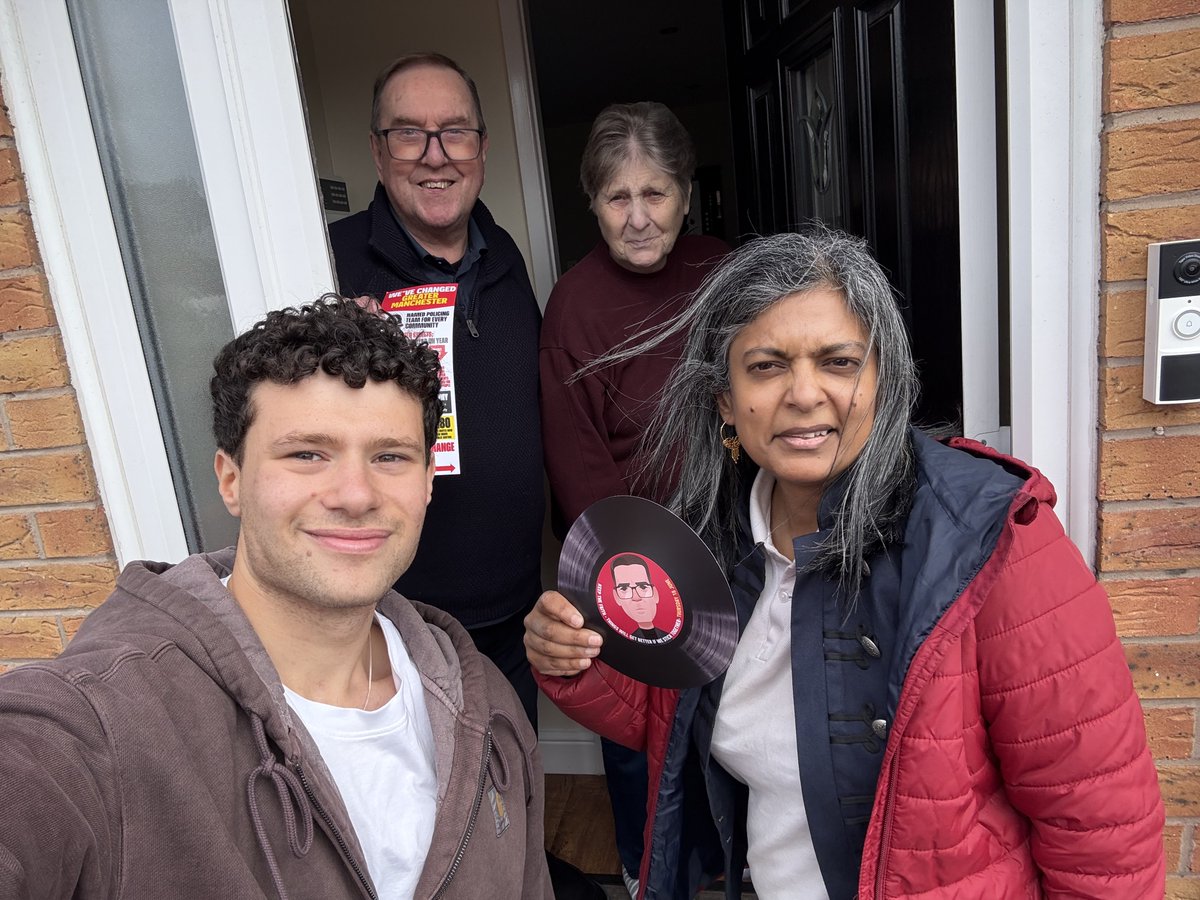
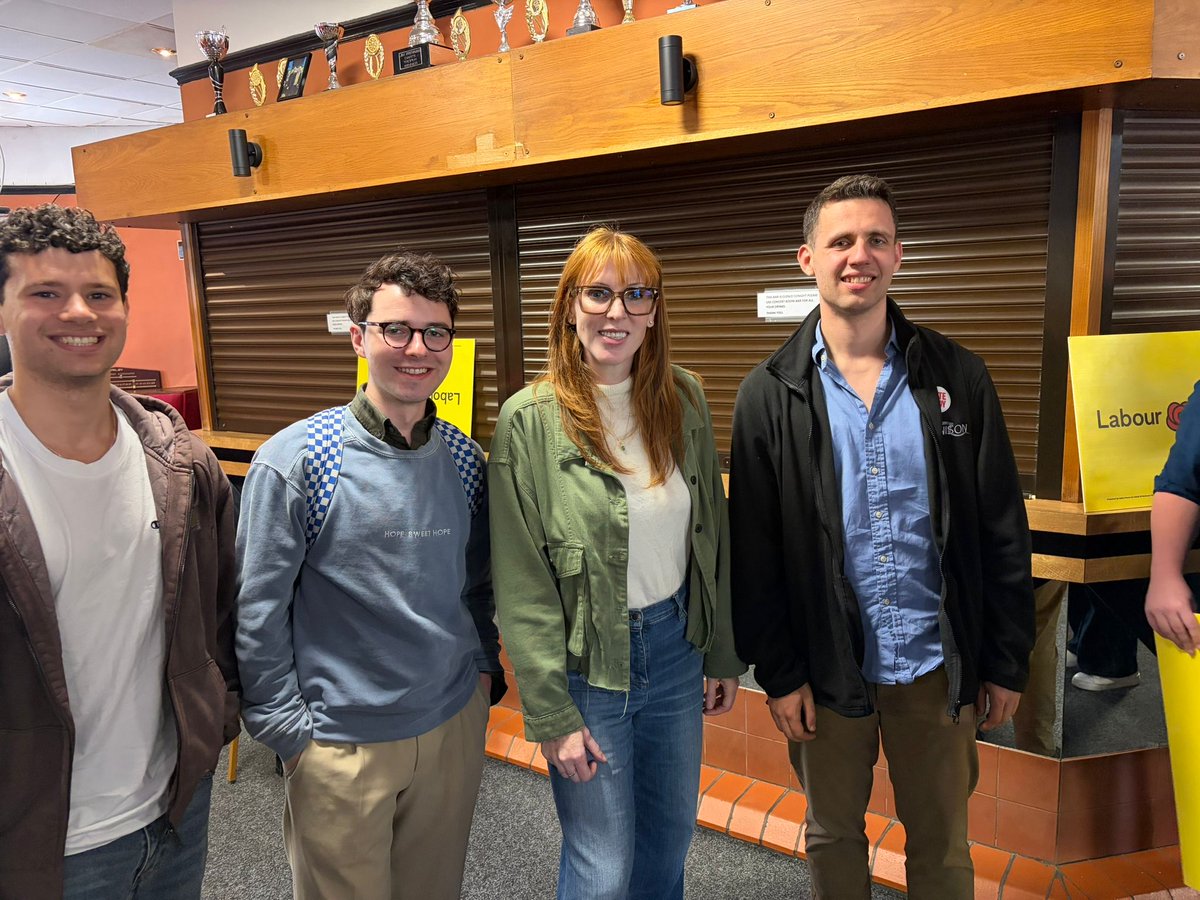

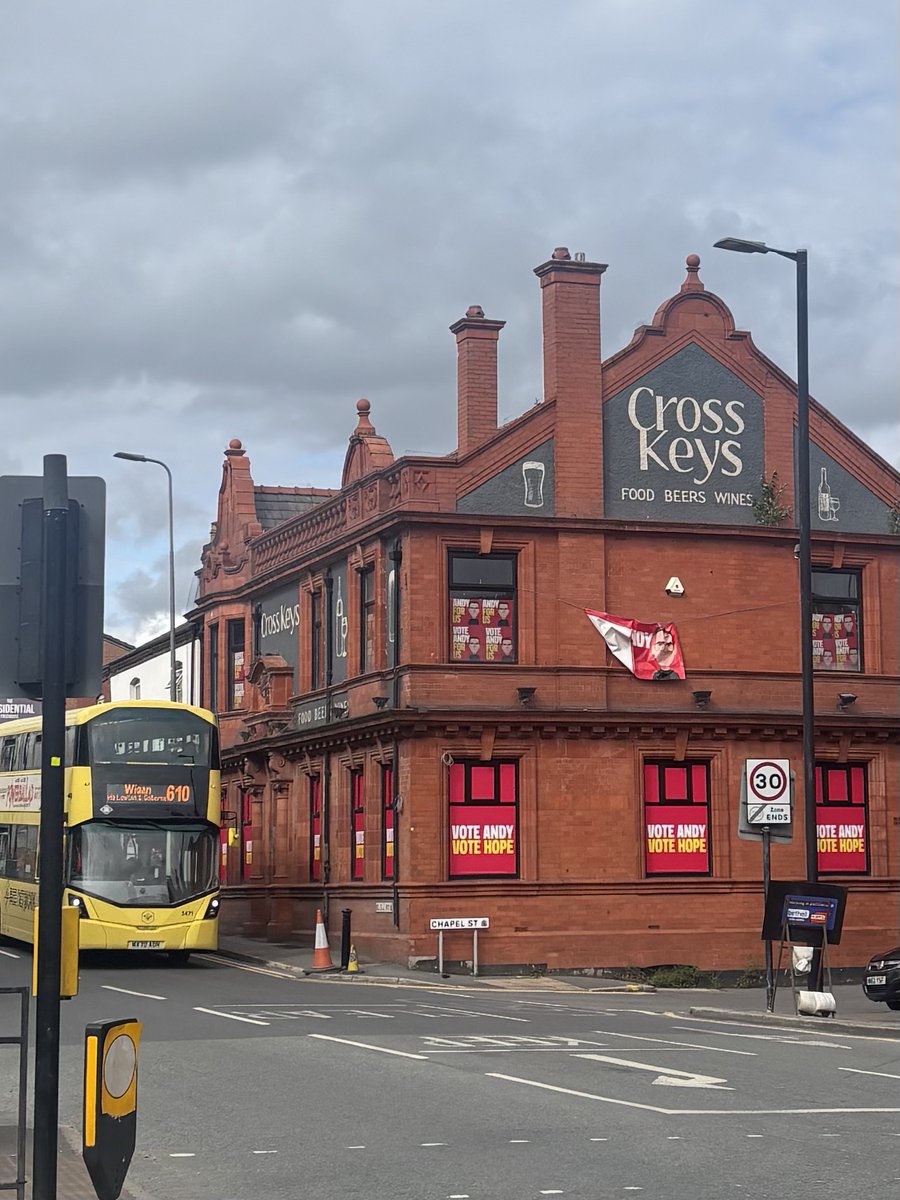
Politics isn’t working for places like Makerfield.
On Thursday, people here have the chance to write a new script.
Vote hope. Vote @AndyBurnhamGM.
33
2
24
3,382
James Gradel retweeted

Jun 13
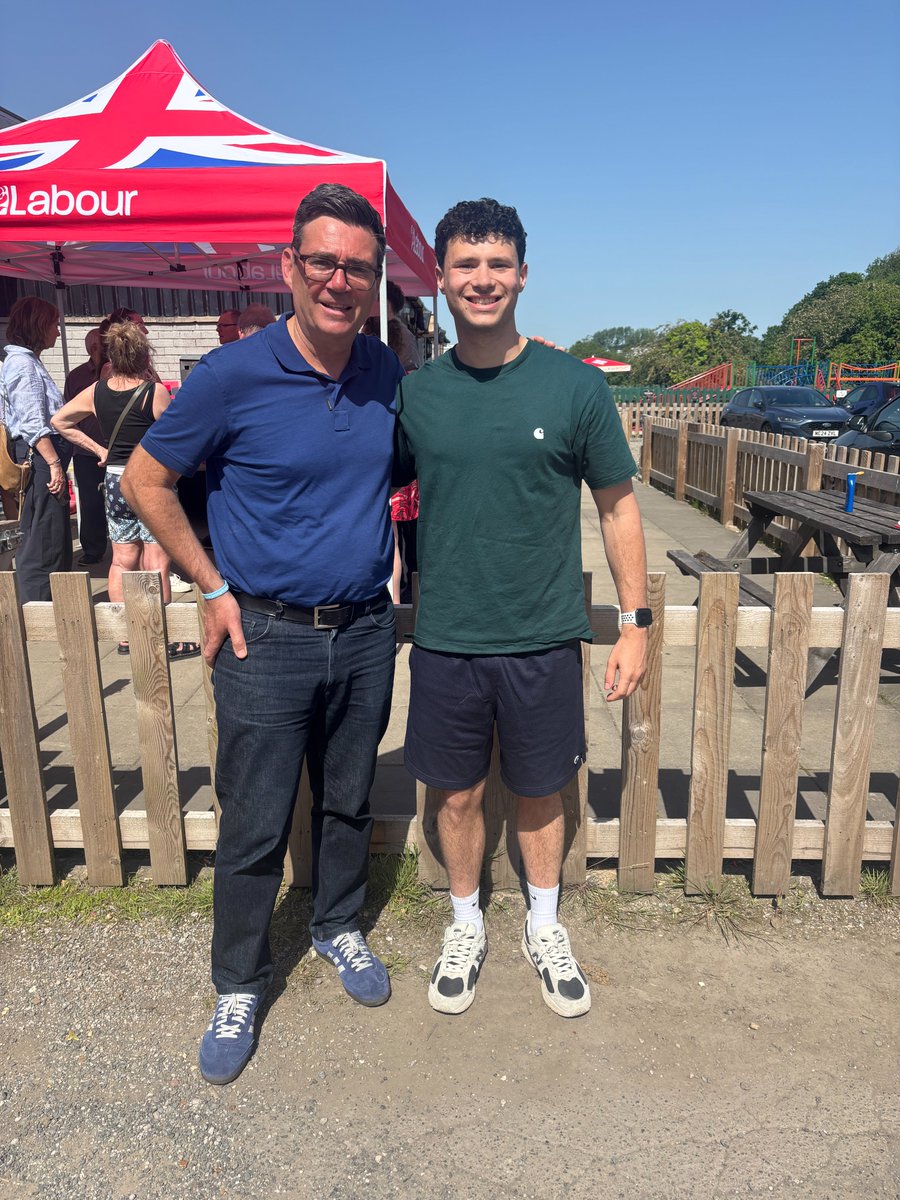
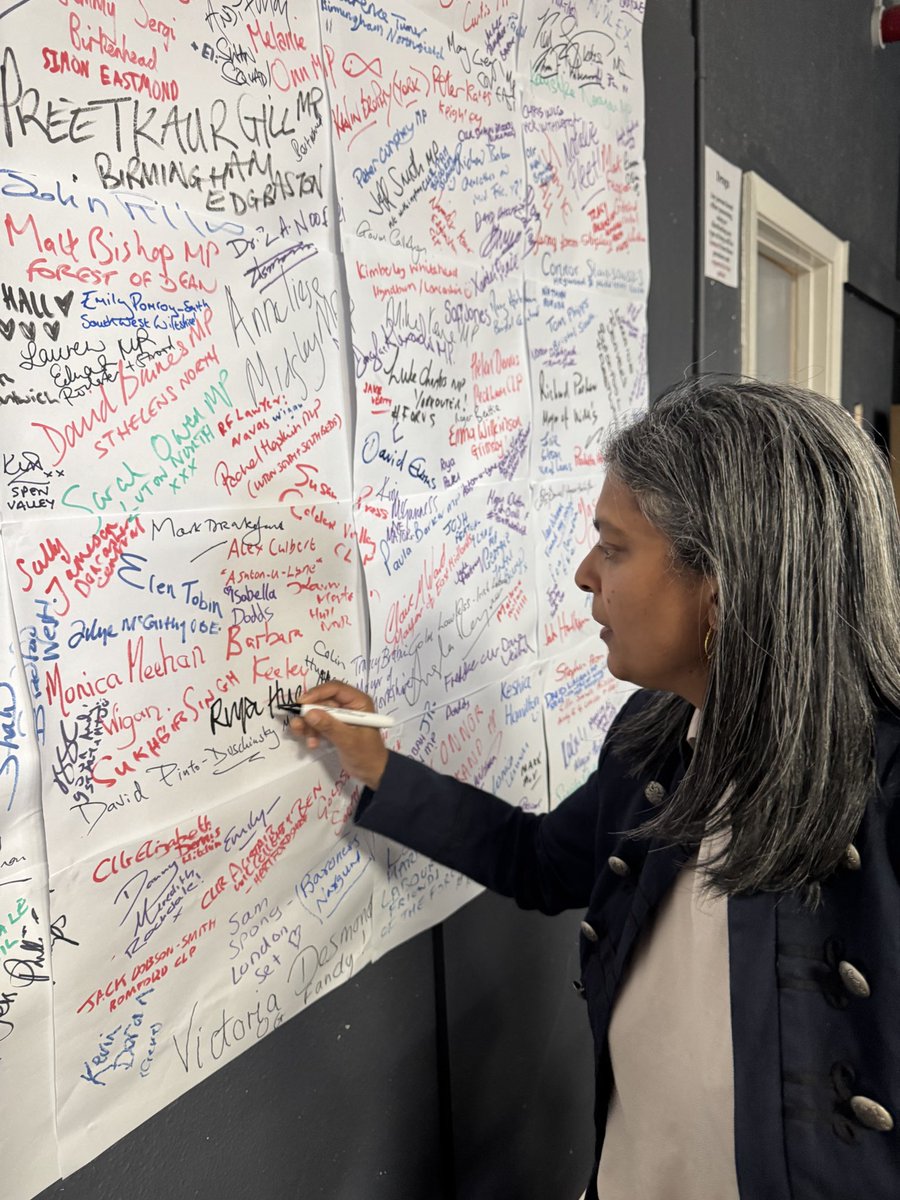
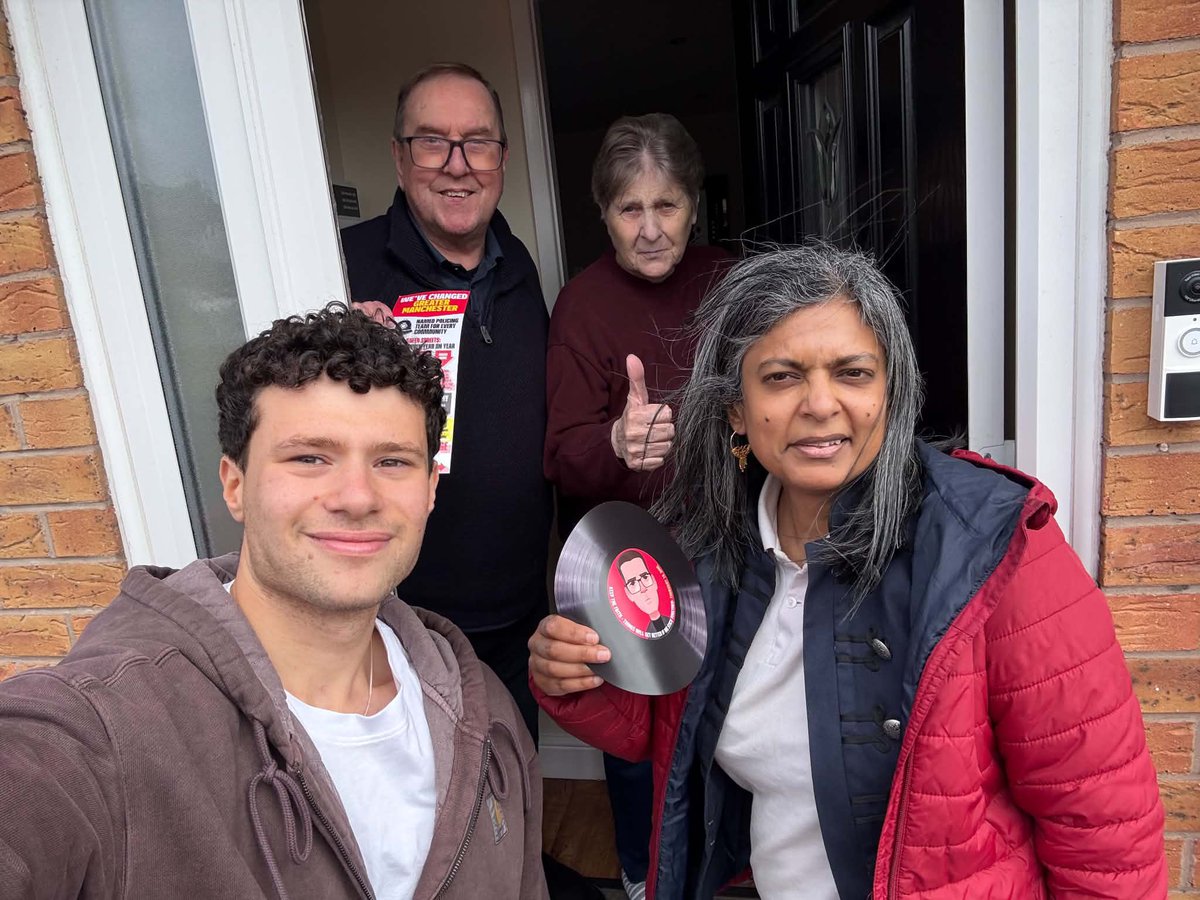
Great day by-election campaigning for inspirational @andy4makerfield with @labourunionsuk @YoungLabourUK
@LabourStudents MPs, councillors, ex councillors @SME4LABOUR and party activists from far and wide
Great response on the #labourdoorstep including Pat and Mick in Hindley!
20
8
44
2,133
Jun 11
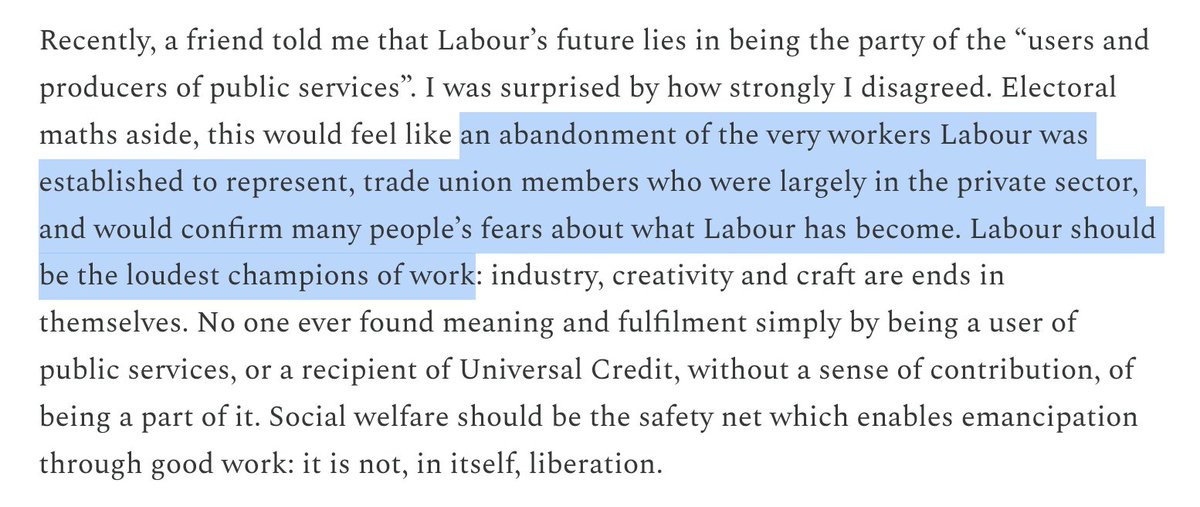
Bang on by @dc_lawrence - 'Labour should be the loudest champions of work: industry, creativity and craft are ends in themselves'.
Jun 11

What should Labour's political economy be?
In my contribution to "hot essay summer", I argue that Labour should define itself as pro-work, and anti-slop.
Good work is productive, the best that slop can be is distracting. Slop gives the impression of frenetic activity, but without creation of real value.
This turns out to be a pretty good description of Britain's economy. We've created an economy of rent-seekers and extractors rather than risk-takers and builders.
I look at:
🍬 tax-avoiding American candy stores that crowd Oxford Street
📖 the 44,000 page planning document for Sizewell C (33 times longer than War and Peace)
🚄 the unbuilt railway that cost £100 billion
🏦 the cheapening of designs in our public spaces
🏗️ "fire safety" rent seeking that is stopping homes being built
The common theme is slop. To escape this, Labour needs a plan to take on slop-generating tech companies, but also other rent-seekers throughout the economy that have made it impossible (or very costly) to build anything of value.
Labour was founded to represent workers in the tangible economy: those who were physically building things. Today, 37% of British workers do not believe that their job makes a “meaningful contribution to the world”. Whoever leads Labour must have an answer to this, and it begins with tackling slop.
Read the full piece here:
substack.com/home/post/p-201…

1
2
423
James Gradel retweeted

Jun 11
What should Labour's political economy be?
In my contribution to "hot essay summer", I argue that Labour should define itself as pro-work, and anti-slop.
Good work is productive, the best that slop can be is distracting. Slop gives the impression of frenetic activity, but without creation of real value.
This turns out to be a pretty good description of Britain's economy. We've created an economy of rent-seekers and extractors rather than risk-takers and builders.
I look at:
🍬 tax-avoiding American candy stores that crowd Oxford Street
📖 the 44,000 page planning document for Sizewell C (33 times longer than War and Peace)
🚄 the unbuilt railway that cost £100 billion
🏦 the cheapening of designs in our public spaces
🏗️ "fire safety" rent seeking that is stopping homes being built
The common theme is slop. To escape this, Labour needs a plan to take on slop-generating tech companies, but also other rent-seekers throughout the economy that have made it impossible (or very costly) to build anything of value.
Labour was founded to represent workers in the tangible economy: those who were physically building things. Today, 37% of British workers do not believe that their job makes a “meaningful contribution to the world”. Whoever leads Labour must have an answer to this, and it begins with tackling slop.
Read the full piece here:
substack.com/home/post/p-201…
5
15
75
18,532
James Gradel retweeted

It has been a big week for the Oxford to Cambridge Growth Corridor.
With the establishment of a centrally-led Development Corporation and the acquisition of the strategic Cambridge East brownfield site we can finally begin to realise the full potential of Greater Cambridge.
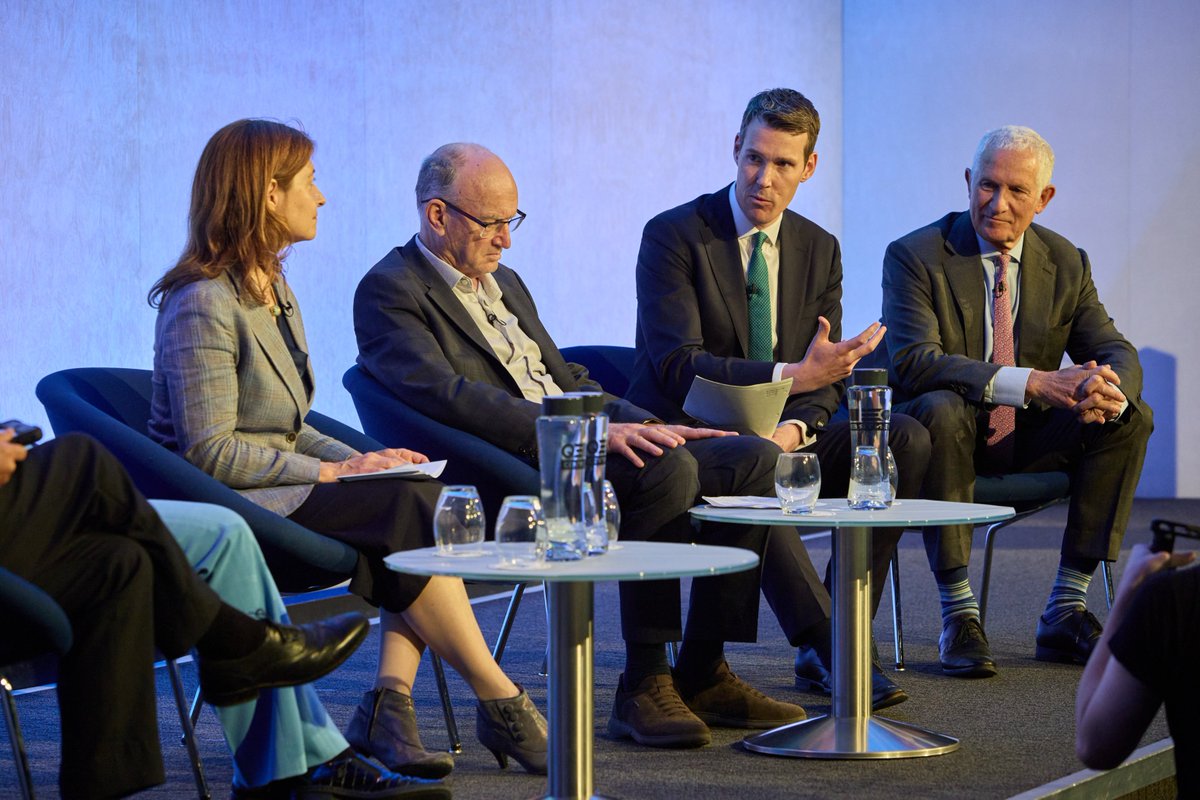
ALT Matthew Pennycook MP, Minister for Housing and Planning, speaking at the 'Creating a Scientific Superpower' Conference 2026 on Wednesday 3 June.
10
7
33
5,495
James Gradel retweeted

For us 🍻

564
77
965
74,442
James Gradel retweeted

Jun 4
Extraordinary from @HomeBuildersFed:
Up to £98,000 has been added to the cost of building a high-rise flat since 2020.
A huge share of that is driven by policy choices.

10
20
68
21,227
James Gradel retweeted

Jun 2
Yep. It’s almost funny.
@RobKenyonReform never came to 1 meeting on Ashton Library. Me, cllrs and residents worked backsides off to save it.
In politics, berating ppl on socials doesn’t get stuff done.
He’s local, angry, but no plan to actually DO anything. Like @reformparty_uk

Utterly embarassing from Rob Kenyon. What he clearly doesn't know is Labour MP Josh Simons confirmed just over a week ago that this library would be reopened and work is starting soon, following a 6 month campaign by Labour Councillor Christopher Ready. What total numpties Rob and Zia are.
139
524
3,509
248,076
James Gradel retweeted

May 28
After 2021, risk premiums started to come down in two places: Greater Manchester and West Midlands. Devolved institutions seem to have been giving investors more confidence on economic plans. Could this support the idea of Manchesterism put forward by Andy Burnham?
4/5
1
3
7
1,575
James Gradel retweeted
May 25
Aylesham. Social housing. Flatshares. £2,000 rents.
In Britain, we have rationed every form of home.
The market rations by rent; council waiting lists ration by desperation. Everyone can point to someone else and ask: why them, not me?
My thoughts in the New Statesman 👇
May 25

Housing is only as scarce a resource as we want it to be. There is a choice for everyone here. We can accept the status quo of scarcity and fight over prioritising certain groups, or we can build more. Too many in politics choose the former. Choosing the short-lived dopamine of the reactionary, rather than building the case for something better.
More than half a million Londoners now live in flat shares. The average private rent in London is nearly £27,480 a year. London is adding 33,000 homes a year, while its population is projected to rise by around half a million over the next decade. If tensions feel high today, imagine what they will look like after another decade of failure.
✍️@KaneEmerson
newstatesman.com/housing-hel…
5
16
135
15,805

James Gradel retweeted
May 21
> invited to speak about Judicial Review on Radio 4
> argues it's undemocratic to let Parliament approve clean energy projects
> compares the Government's proposals to rape (??!!)
extremely odd behaviour from George Monbiot.
May 21

Somewhat taken aback to hear @GeorgeMonbiot liken the Government's Judicial Review reforms to **rape** on Radio 4. Offensive and intellectually lazy.
As my co-founder @dc_lawrence explains, the reforms actually strengthen democracy. It enables the state to deliver the infrastructure it has promised, including the energy projects we so badly need.
1
5
42
4,304
James Gradel retweeted

May 21
Somewhat taken aback to hear @GeorgeMonbiot liken the Government's Judicial Review reforms to **rape** on Radio 4. Offensive and intellectually lazy.
As my co-founder @dc_lawrence explains, the reforms actually strengthen democracy. It enables the state to deliver the infrastructure it has promised, including the energy projects we so badly need.
10
8
75
13,829
James Gradel retweeted

🚨 We are hiring! 🚨
Could you be our next head of operations? 👀
We are looking for an exceptionally high-agency, adaptable and organised individual, who is excited about our mission to create UK growth & progress, to run operations for our growing team.
Full time, £70-90k, London.
Full details & how to apply here: britishprogress.org/opportun…

3
12
49
51,032
James Gradel retweeted

May 21
Come and work with an incredible team!

🚨 We are hiring! 🚨
Could you be our next head of operations? 👀
We are looking for an exceptionally high-agency, adaptable and organised individual, who is excited about our mission to create UK growth & progress, to run operations for our growing team.
Full time, £70-90k, London.
Full details & how to apply here: britishprogress.org/opportun…
2
10
1,550
James Gradel retweeted
May 20
🚨Exciting policy news 🚨
The Chancellor has announced that the government will consult on devolving 'Transport and Works Act Order' decisions to mayors. This would give them the power to get on with building transport networks, speeding up delivery like other countries.
1/2
7
69
490
142,985
James Gradel retweeted
May 20
HMG spends vast amounts defending judicial reviews which then fail. That raises bills and makes infrastructure unaffordable. This should mean we can spend those sums on improving the proposals to benefit the environment, and to deliver for working people: gov.uk/government/news/reeve…
1
8
249

There are places we pass through in life… and there are places that become part of who we are.
Manchester will forever be my home.
To the city, the club, and every supporter, my sincerest thank you. These past four years have been unforgettable, filled with moments my family and I will carry with us for the rest of our lives. There simply aren’t enough words to describe the happiness and warmth we’ve felt here.
Thank you for every cheer, every memory, and for making us feel at home from the very first day.
Forever a Red Devil ❤️




5,748
44,990
241,621
2,870,910