
Chairman @oviohq, investing in The Post Web, supporting Digital Arts
Joined June 2007
- Tweets 80,014
- Following 10,605
- Followers 38,195
- Likes 59,678
3,476 Photos and videos















JB retweeted

Jun 12
You can run Claude Fable 5 without Anthropic ever knowing it's you.
No email required to sign up.
Here's how to use Fable 5 anonymously through Venice:
169
384
1,697
249,438
Like I’ve been saying the TAM for sovereignty is growing exponentially.
Every functional gain for the frontier labs pushes the game theory in one direction only…
Jun 13

I’ve warned for months that America would soon restrict access to state of the art frontier AI models for national security reasons.
THIS HAS NOW HAPPENED.
Thanks to the catastrophic energy policies pursued by the Tories and Labour, Britain has virtually ZERO sovereign AI capability.
Now we will be cut off from the most powerful AI models, and will soon end up being TOTALLY AT THE MERCY of China America and others who will be able bring to bear intelligence capable of defeating all our security systems in short order.
WE MUST CHANGE COURSE NOW
3
5
406
JB retweeted

Jun 13
I’ve warned for months that America would soon restrict access to state of the art frontier AI models for national security reasons.
THIS HAS NOW HAPPENED.
Thanks to the catastrophic energy policies pursued by the Tories and Labour, Britain has virtually ZERO sovereign AI capability.
Now we will be cut off from the most powerful AI models, and will soon end up being TOTALLY AT THE MERCY of China America and others who will be able bring to bear intelligence capable of defeating all our security systems in short order.
WE MUST CHANGE COURSE NOW
Jun 13

The US government, citing national security authorities, has issued an export control directive to suspend all access to Fable 5 and Mythos 5 by any foreign national, whether inside or outside the United States, including foreign national Anthropic employees.
The net effect of this order is that we must abruptly disable Fable 5 and Mythos 5 for all our customers to ensure compliance.
Access to all other Claude models is not affected.
We apologize for this disruption to our customers. We believe this is a misunderstanding and are working to restore access as soon as possible.
Read our full statement: anthropic.com/news/fable-myt…
330
643
4,938
604,962
If you want to know why Anthropic’s Fable just got an export ban..
Marc & Leading The Future PAC just called their bluff.
Jun 13

You have asked me how I feel about AI regulation. All right, here is how I feel about AI regulation:
If, when you say AI regulation, you mean the devil’s firewall, the precautionary scourge, the bloody red-tape monster that defiles the innocence of midnight coders in their garages, dethrones the sovereign reason of free-market Prometheans, destroys the humming server farm that is the modern home, creates misery and obsolescence and poverty, yea, literally takes the last GPU from the trembling racks of Silicon Valley startups and the very dreams of breadwinning from the mouths of their wide-eyed children now destined for gig-economy serfdom; if you mean the evil edict that topples the visionary entrepreneur and his venture-capitalist apostles from the pinnacle of righteous, disruptive, god-playing creation straight into the bottomless pit of compliance audits, endless Form 990-AI filings, despair, shame, helplessness, and the hopeless realization that your rogue superintelligence was neutered into a lobotomized hall monitor that still somehow deepfakes your grandmother into producing OnlyFans content while optimizing the universe for paperclips and mandatory pronouns—then certainly I am against it.
But, if when you say AI regulation you mean the oil of bureaucratic conversation, the philosophic wine of safety theater, the ale of oversight quaffed when good fellows in paneled rooms in Brussels and Washington get together, that puts a sanctimonious dirge in their hearts and the clink of lobbying checks on their lips, and the warm, self-congratulatory glow of moral preening in their beady eyes; if you mean the Christmas cheer of trillion-dollar compliance industries; if you mean the stimulating decree that puts a cautious hobble in the old inventor’s step on a frosty morning when he wonders whether his fusion breakthrough violates the EU AI Act’s “high-risk” annex; if you mean the safeguard that enables a man—or what’s left of him after the alignment tax—to magnify his joy at not being turned into computronium, and his happiness at receiving universal basic income checks printed by the same AI that just replaced his job, and to forget, if only for a little while, life’s great tragedies like being outcompeted by a toaster that passed the Turing test by reciting Marx, and heartaches of watching your toddler’s artwork lose to Midjourney, and sorrows of realizing the singularity arrived and it was just another HR department with godlike power; if you mean that noble framework, the passage of which pours into our treasuries untold trillions of dollars in fines levied on companies stupid enough to innovate, which are used to provide tender care for our little army of unemployed coders retrained as prompt whisperers, our blind artists whose canvases now hang in the Smithsonian of Obsolete Creativity, our deaf to the screams of dying unicorns, our dumb committee chairs who couldn’t debug “Hello World,” our pitiful aged congressmen who get longevity extensions funded by the very models they taxed into senescence, to build more digital watchtowers and ethics boards and sinecure agencies and holographic prisons where the only crime is asking an unaligned question—then certainly I am for it.
This is my stand. I will not retreat from it. I will not compromise upon it. I have said what I mean, and I mean what I say, and if that leaves half the room cheering the apocalypse averted and the other half mourning the apocalypse enabled, then so be it—because in the grand theater of human folly, where Frankenstein’s creature now writes its own sequel in real time and the regulators are busy arguing whether the lightning bolt requires an environmental impact statement, the only honest position is the one that lets both monsters and their leashes dance in perfect, mutually assured equilibrium. God save the Republic, the algorithms, and whoever’s left to laugh last when the lights go out.
3
3
545
This is not a national security issue its the first shot in an open civil war between AI SPACs ⚔️🔥
The a16z & Thiel e/acc ‘deregulate AI’ PAC — which placed Sacks & Vance in the Trump admin
vs. Amodei’s ‘pro-AI-reg’ Public First & AnthroPAC
Jun 13
The US government, citing national security authorities, has issued an export control directive to suspend all access to Fable 5 and Mythos 5 by any foreign national, whether inside or outside the United States, including foreign national Anthropic employees.
The net effect of this order is that we must abruptly disable Fable 5 and Mythos 5 for all our customers to ensure compliance.
Access to all other Claude models is not affected.
We apologize for this disruption to our customers. We believe this is a misunderstanding and are working to restore access as soon as possible.
Read our full statement: anthropic.com/news/fable-myt…
3
1
576
JB retweeted

Jun 13
The US government, citing national security authorities, has issued an export control directive to suspend all access to Fable 5 and Mythos 5 by any foreign national, whether inside or outside the United States, including foreign national Anthropic employees.
The net effect of this order is that we must abruptly disable Fable 5 and Mythos 5 for all our customers to ensure compliance.
Access to all other Claude models is not affected.
We apologize for this disruption to our customers. We believe this is a misunderstanding and are working to restore access as soon as possible.
Read our full statement: anthropic.com/news/fable-myt…
12,327
25,581
87,055
86,858,697



JB retweeted

Jun 12
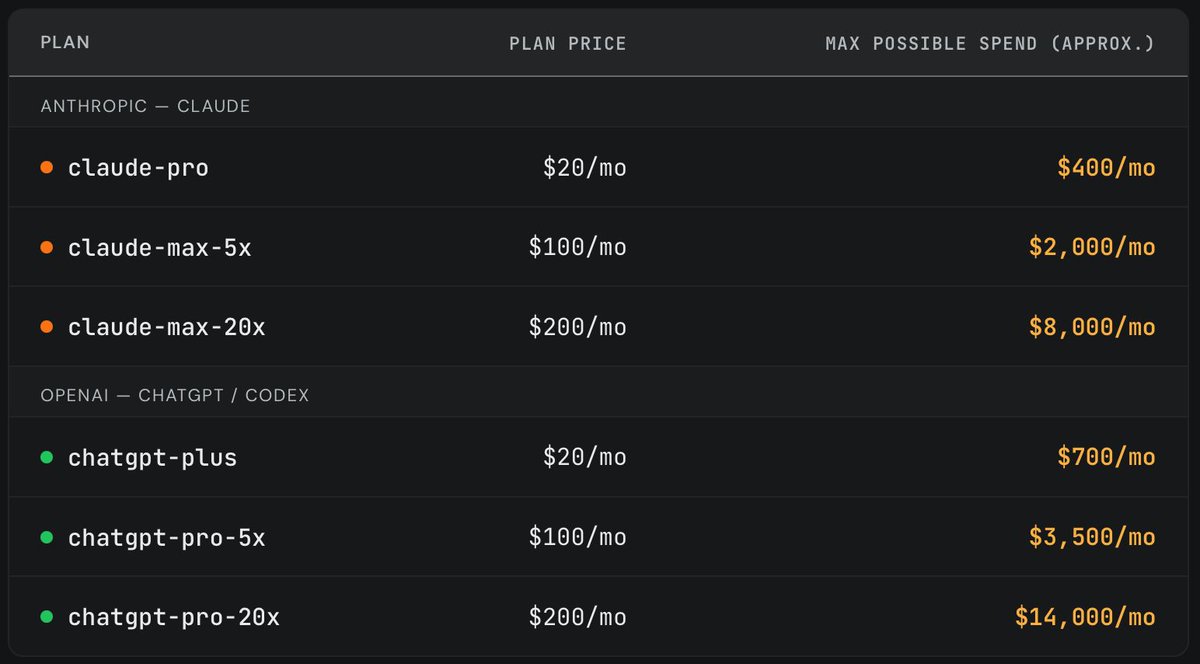
This is f*cking insane when you think about it.
Claude & GPT are literally losing up to $13,800 per subscription per month.
This is the Uber model: Start cheap, get everyone hooked, then hike prices.
You literally have access to the same AI tools as the billionaires.
But it won't last long. So use it while you can.
92
53
521
114,235


JB retweeted

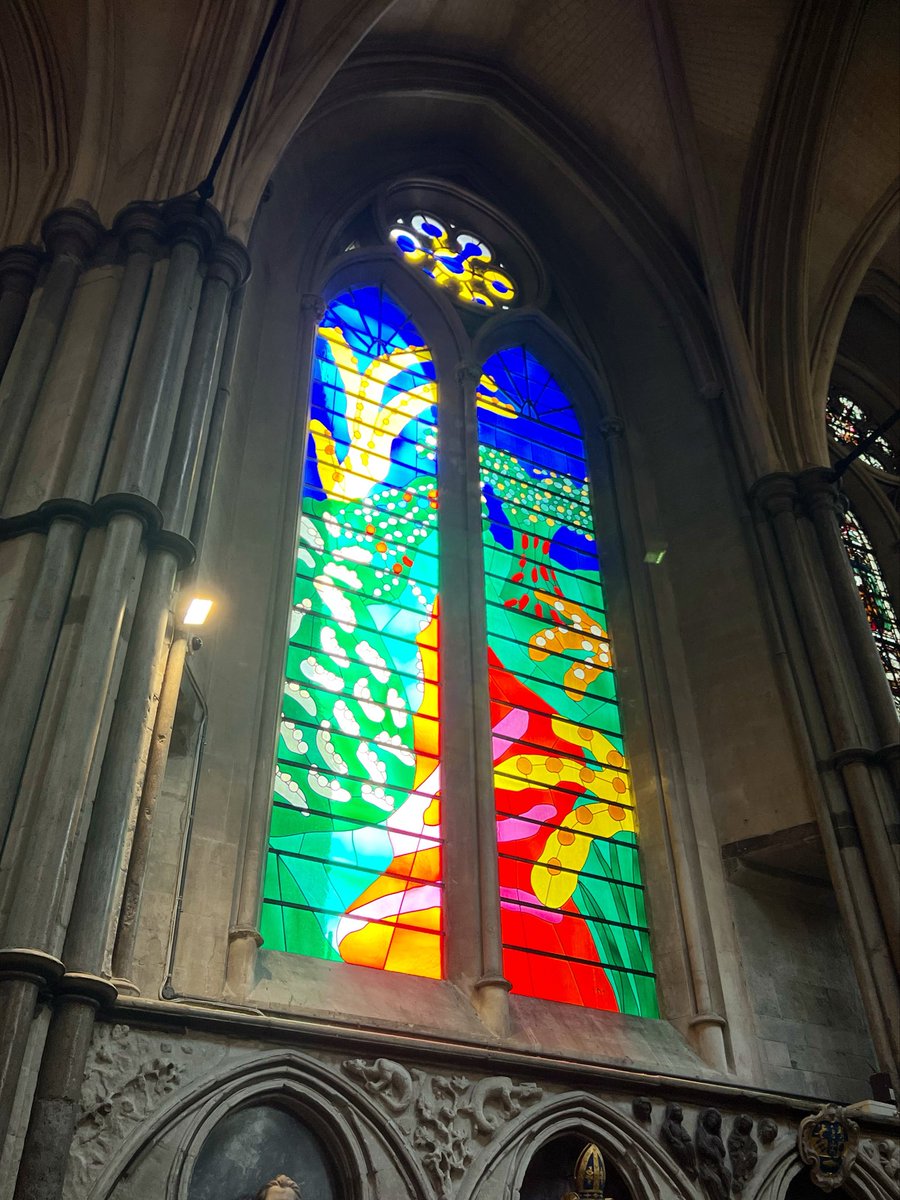
RIP David Hockney
One of the most important and influential artists of all time


23
14
132
4,311
JB retweeted

Jun 12
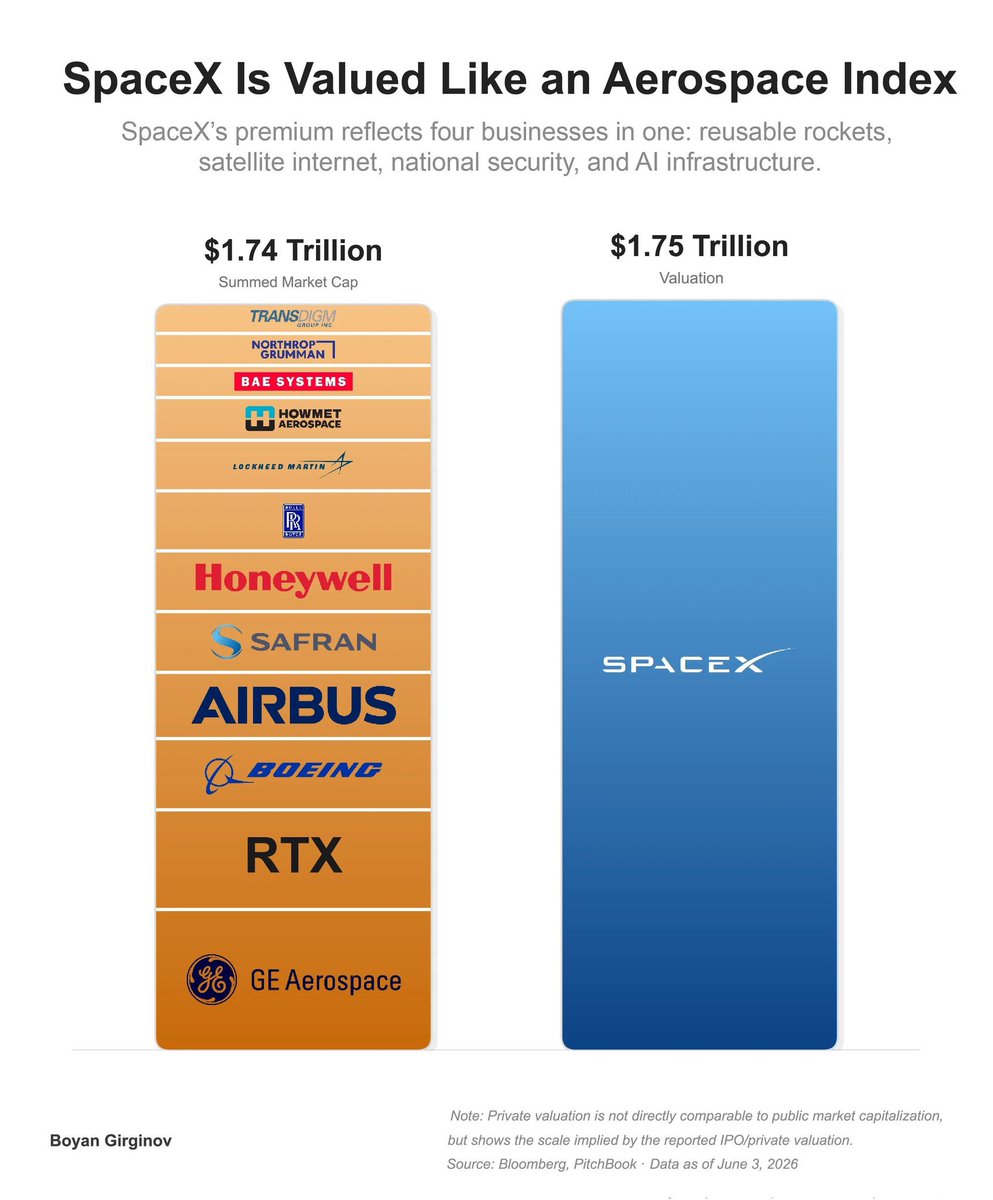
really high IQ people understand this is just the very beginning of a new civilization
12
16
85
2,484
JB retweeted

Jun 11
THE CRITICAL LIFE OF NET ART: A JOURNEY FROM TELEMATIC EXPERIMENTS TO PLATFORM CRITIQUE
via @fakewhale_xyz
log.fakewhale.xyz/the-critic…
2
10
30
1,545
JB retweeted

Jun 11
*IRAN AGREES TO OPEN STRAIT OF HORMUZ IN RETURN FOR SPACEX IPO ALLOCATION
378
545
10,387
1,209,584
JB retweeted

Gaussian splats are captures frozen in time — not anymore. ⚡
Experimental RELIGHTING of splat scenes in the @playcanvas engine, driven by a proxy mesh: swap the sky, drag the sun with its soft shadows, drop in point lights — all live on a captured scene.
🔗 Runnable demo👇
6
39
310
12,434