
Laid-back gamer who loves survival & RTS games. Zero filter. Chill by nature, but bring nonsense, and I won’t miss. My opinions are my own.
Joined June 2011
- Tweets 8,085
- Following 369
- Followers 390
- Likes 6,464
852 Photos and videos




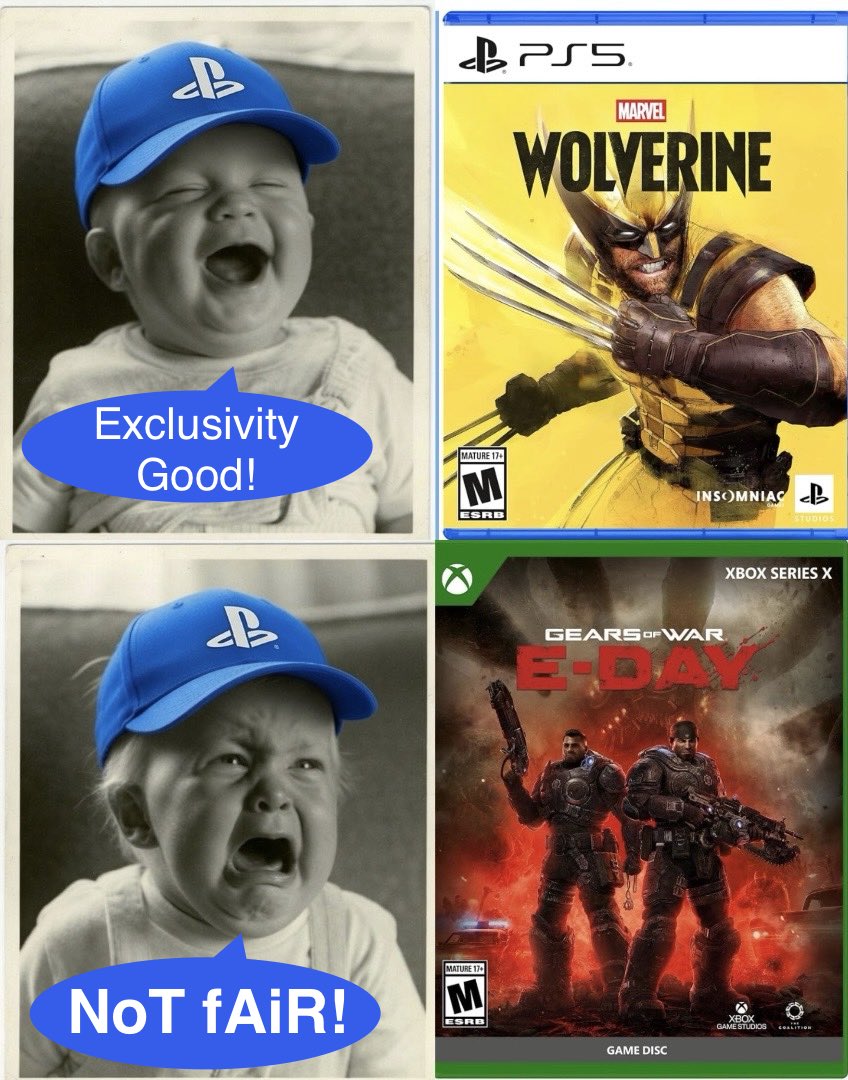
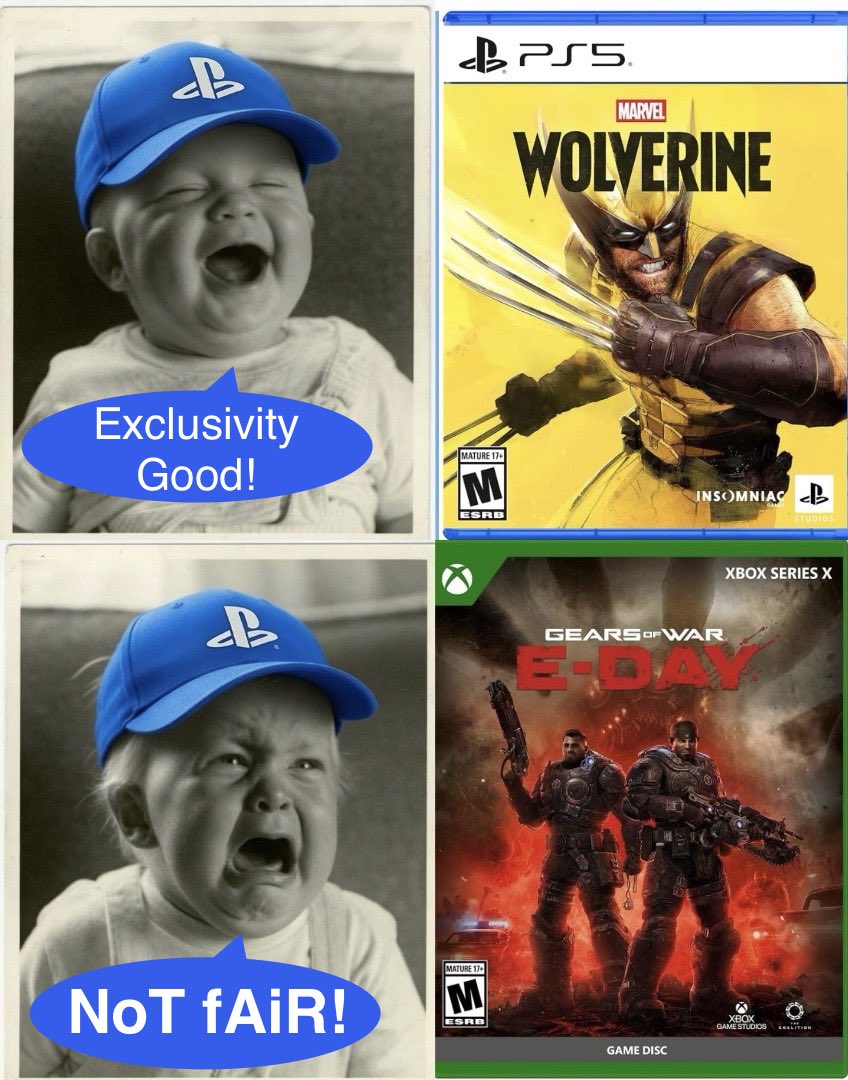



This is astonishingly shallow analysis from someone in your position. You’re lecturing XBOX about “pretending things are exclusive” while never holding Sony or Nintendo to the same standard, the two companies that built their entire marketing language on omission, selective framing, and platform‑centric messaging.
And the idea that the company in third place should keep making concessions instead of being fiercely competitive is exactly the kind of industry‑illiterate thinking that’s landed XBOX in this mess. You don’t ask Sony to stop leaning on timed exclusivity. You don’t ask Nintendo to stop walling off content. But XBOX is expected to play with a moral handicap because… what, you personally dislike the optics of them fighting for relevance?
If you’re going to posture about “helping gamers,” at least pretend to understand the landscape you’re commenting on.
11
13
73
1,446
Some people have asked for my view on rival platforms being mentioned during the upcoming XBOX showcase. Featuring those competitors creates optics that work against the idea of XBOX as a coherent brand. At the same time, I can accept that there may be constraints that limit what they can adjust right now. Some of these decisions were likely set in motion before they began reevaluating their strategy.
Even with that in mind, the underlying problem remains. If the outcome is carefully worded statements and surface‑level amendments, then nothing meaningful has changed. Some people support everything going everywhere. That’s their view. I’m saying that if XBOX keeps moving in that direction, the consequences will speak for themselves.
A recent Windows Central article suggested that leadership may rely on what it called “token” commitments to soften the backlash. That won’t fix anything. XBOX doesn’t need symbolic gestures. It needs a structural reset that treats its own ecosystem as something worth prioritising.
18
14
68
2,986
Jamie retweeted

May 28
Do we know what the current cost of manufacturing is versus what it used to be? I can't imagine they were happy about increasing the price like this.
39
3
566
21,246
Jamie retweeted

May 26
HOT TAKE🔥
A lot of PC gamers genuinely don’t care about PlayStation games coming to PC anymore
PlayStation does not optimize their games well with PC
And to top that, because PC already has an INSANE amount of options:
• Steam library backlog
• Mods
• Emulation
• Indie games
• MMOs
• Strategy games
• Early Access
• Multiplayer communities
• Xbox titles
• PC exclusives
PC gamers are not starving for content.
many PC gamers care more about:
• optimization
• modding
• frame rates
• ultrawide
• community servers
• price
than cinematic exclusives.
PC gaming’s biggest strength was never exclusives, It was freedom and variety.
290
68
632
166,937
The June showcase stands as the litmus test for Microsoft’s strategy going forward. It needs to project an XBOX first identity, built around the XBOX ecosystem rather than multi‑platform messaging. Announcements for other platforms should follow later. The tone and presentation will be watched closely, and an in‑person appearance from @asha_shar would be strong optics that show leadership is fully present for a pivotal moment.
They might not be in a position to spell out their strategy on exclusivity in full, but the demand and trajectory should be acknowledged so there’s no vacuum for speculation to fill. This is the moment for leadership to make it clear that the console still carries weight and that the commitment isn’t just surface‑level.
22
13
92
3,388
Jamie retweeted

I want to cancel my subscription to *taxes*
46
668
2,981
115,098
Jamie retweeted

May 18
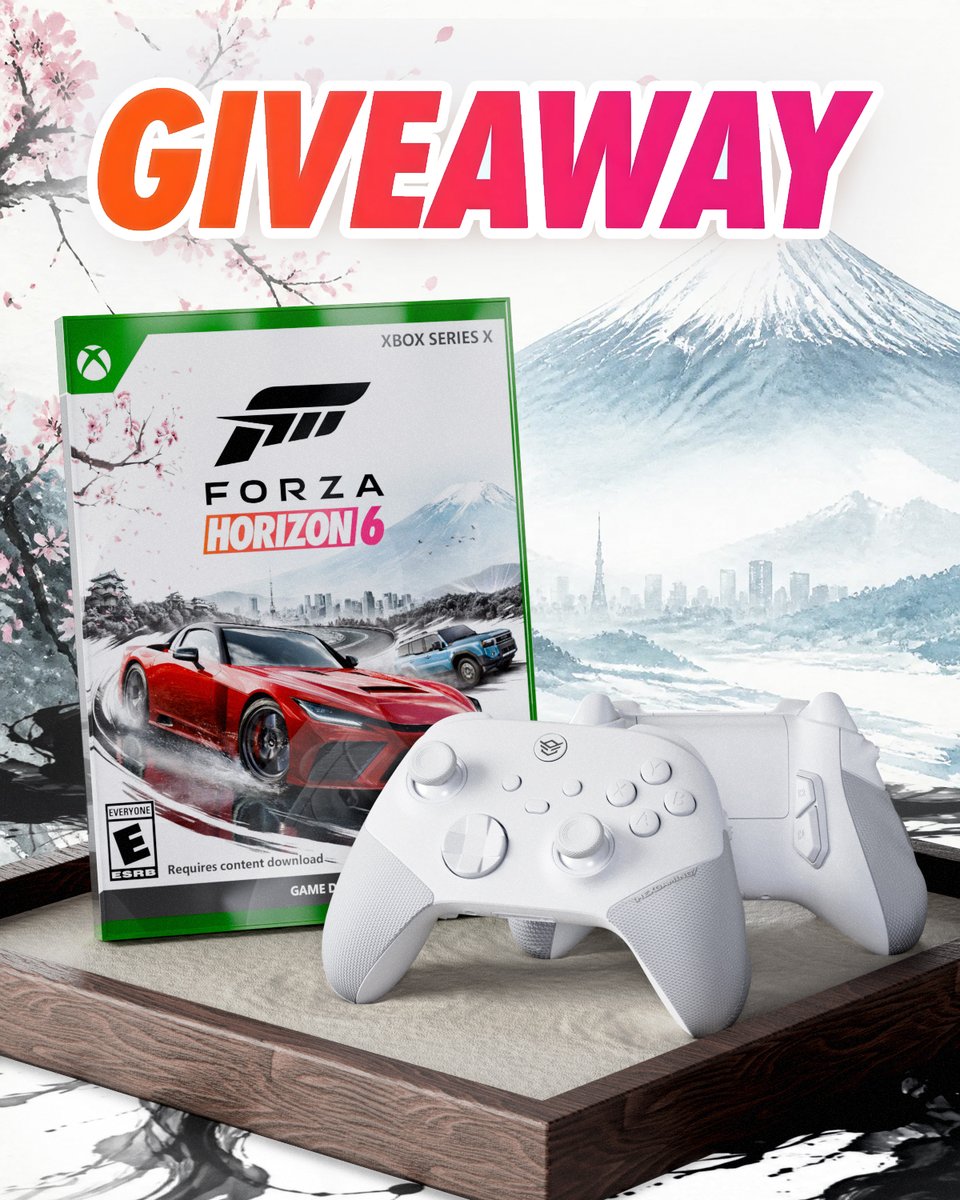
🏎️ GIVEAWAY 🏎️
🥇 Forza Horizon 6 digital deluxe × 1 (XBOX/STEAM) 🥈 HexGaming Controller × 1 (PS5/XBOX/PS4)
🌸 Follow RT
2 winners
Ends in 2 days
684
4,417
4,113
199,440
Jamie retweeted

May 11
Artists have a habit of dramatically overestimating the value of the process rather than the outcome
Because of this, they try to manufacture a false consensus that AI is unpopular but doomscrolling for 1 hour will show dozens of AI viral videos
The outcome is what matters
291
183
6,637
141,839
Jamie retweeted

Apr 28
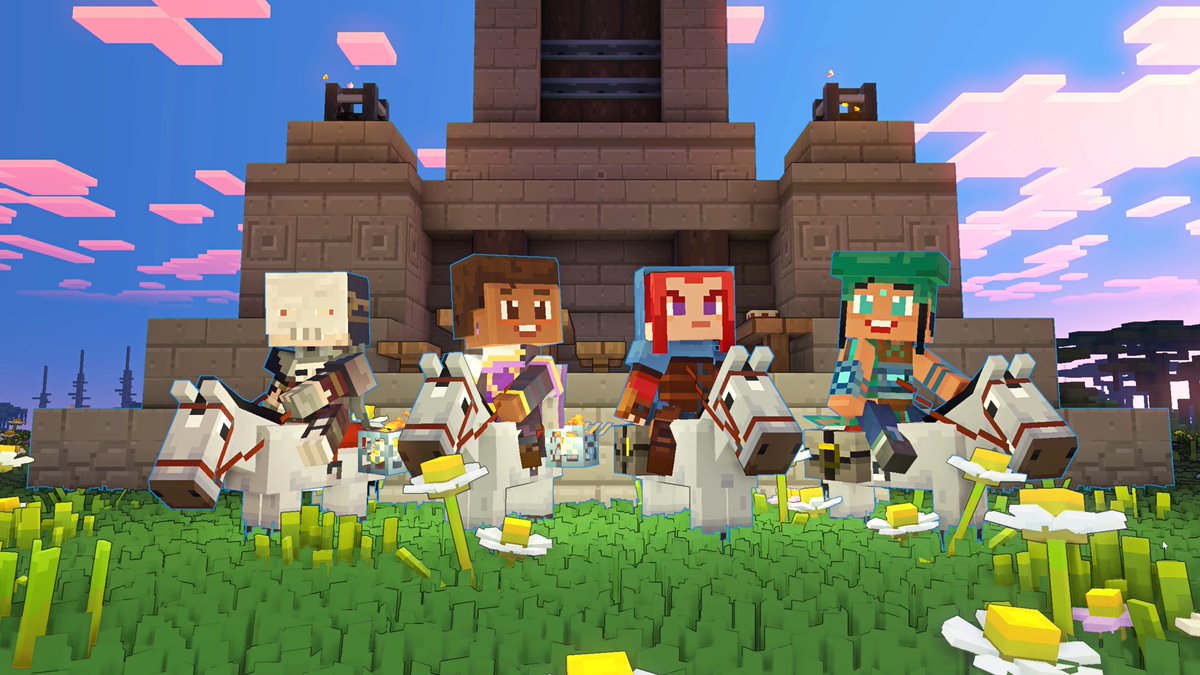
Minecraft Legends for PC is up for grabs! (Windows Store code)
To enter this giveaway, just REPOST and FOLLOW!
A random winner will be drawn on May 10th, 2026
GLHF!
9
7
552
Phil Spencer’s cross-platform diplomacy may have been well intentioned, but it created a disconnect that was hard to ignore. Sony didn’t mirror the sentiment, and the optics undermined confidence among Xbox users. The goodwill was rarely reciprocated, the competitive energy felt one-sided, and audiences were left wondering why their own ecosystem seemed more focused on elevating rivals than its own direction.
With Asha Sharma now at the helm, there’s hope this imbalance won’t be repeated, and that the brand’s identity will be more clearly asserted.
63
41
500
42,273
Timed exclusivity is often misunderstood. Beyond the marketing optics, it gives developers a crucial window to focus on the Xbox and PC versions before expanding to other platforms. It can help reduce technical overhead, mitigate crunch, and IP can still benefit from renewed momentum and long-tail revenue.
However, the criticism that Xbox releases have sometimes launched underdeveloped, with optimisations and features arriving later in the PS5 version, is fair. If Microsoft leverages timed exclusivity with Project Helix, that perception must be addressed head-on. The Xbox version needs to fully utilise the hardware and support a next-generation controller that sets a new standard.
12
11
53
4,107

Leeeeerrrroooyyyyy Jaaannnnkiiinnnnsss!!! x.com/i/status/2039983240618…
35
58
602
39,978

Mar 31
🔥🔥🔥🔥🔥🔥🔥

1
62
Helix is positioned as a bridge between Xbox and Windows. If Microsoft wants that message to land, it can’t impose a charge that the entire PC market has rejected for decades. It would be tone‑deaf and commercially reckless.
The only way a subscription model survives is if Helix explicitly separates its environments:
• Xbox mode: traditional console rules apply.
• Windows mode: standard PC rules, meaning free multiplayer.
But if Microsoft is genuinely serious about an aggregated, cross‑device library, then clinging to a legacy paywall becomes counterproductive.
Mar 29

Take for example the removal of the pay wall for online multiplayer. I do NOT see that happening for Project Helix, and it seems a bit like a planting of a seed knowing full well they're not going to abandon all that revenue, Sony won't be expected to, but Xbox will be attacked.
10
4
59
5,866
Cost containment. Price hikes. Studio closures. Underperforming releases. Strategy reversals. Sounds like the usual criticism of Microsoft, right? Except it’s Sony in 2026.
Xbox, meanwhile, is under new leadership, has ditched the muddled “This is an Xbox” campaign, confirmed its next‑gen hardware, and climbed into the top tier of global publishers.
Yet the discourse remains predictably asymmetrical.
41
33
195
12,057

Jamie retweeted

Mar 14
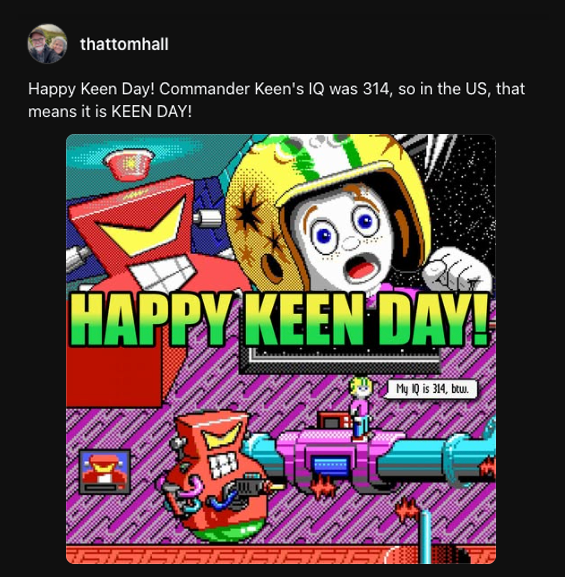
Happy Keen Day from the legendary Tom Hall, co-creator of Commander Keen!
2
35
219
4,640
Jamie retweeted

Mar 14
Grown men btw lol.

DrDisrespect goes off on Nickmercs in response to him 😳
“two-faced, phoney and as fake as it can be. I’d f**king drop that guy so fast.. that guy wouldn’t do nothing if I was standing infront of him. He’s doing everything he can to stay relevant..”
2
3
240
I’m with you on the ad‑economics. Sites chase the biggest audience. But I don’t think that explains everything. There’s a long-standing hostility toward Xbox that doesn’t ebb and flow with market share.
A lot of writers genuinely want Microsoft to stumble. They’re more comfortable imagining Xbox shrinking or exiting than they’d ever admit, because it fits the old “corporate outsider vs. authentic console maker” story they’ve been telling since 2001.
This predisposition colors coverage even before engagement metrics come into play. It explains why skepticism toward Xbox often feels preloaded, and why strategic moves are interpreted through a lens of decline.
The audience amplifies the sentiment, but it didn’t create it.

With GDC kicking off this week, lot of people are going to see a wave of negativity and FUD around Project Helix, and there is a simple reason for it. Big gaming sites follow the largest audience because their revenue comes from ads, impressions, and clicks. Right now the biggest and most active console audience is on PlayStation, so the tone of coverage naturally leans toward what keeps that audience engaged.
This is not a conspiracy. It is how ad driven media works. When most of your traffic comes from PS5 owners, you shape your headlines and analysis to keep that group reading. That creates the appearance of a PlayStation tilt, even if no one in the building is consciously trying to push one.
People forget that it was not always like this. During the Xbox 360 era, the most online and most valuable audience was on Xbox. When the Xbox One was first being revealed, major sites were far more positive because their core traffic came from 360 players. Only after the DRM backlash exploded did the tone shift. Media tone follows market share, not brand loyalty.
Project Helix disrupts the usual console narrative, and that makes the dominant audience uneasy. When an audience feels threatened, engagement rises around skepticism, fear, and doomcasting. Sites chase engagement, so you will see a lot of takes about Helix being confusing, desperate, or doomed.
It is not organic. It is not personal. It is the predictable result of ad economics meeting a large PlayStation audience. Understanding that makes the coming wave of Helix negativity a lot easier to see for what it is.
11
14
94
5,358