
Professor and Chair, Dept Microbiology Cornell Ithaca. Interested in genome evolution and mobile DNA, especially Tn7 and CRISPR-Cas transposition systems
Joined October 2017
- Tweets 461
- Following 345
- Followers 889
- Likes 989
84 Photos and videos

Pinned Tweet

17 Apr 2024
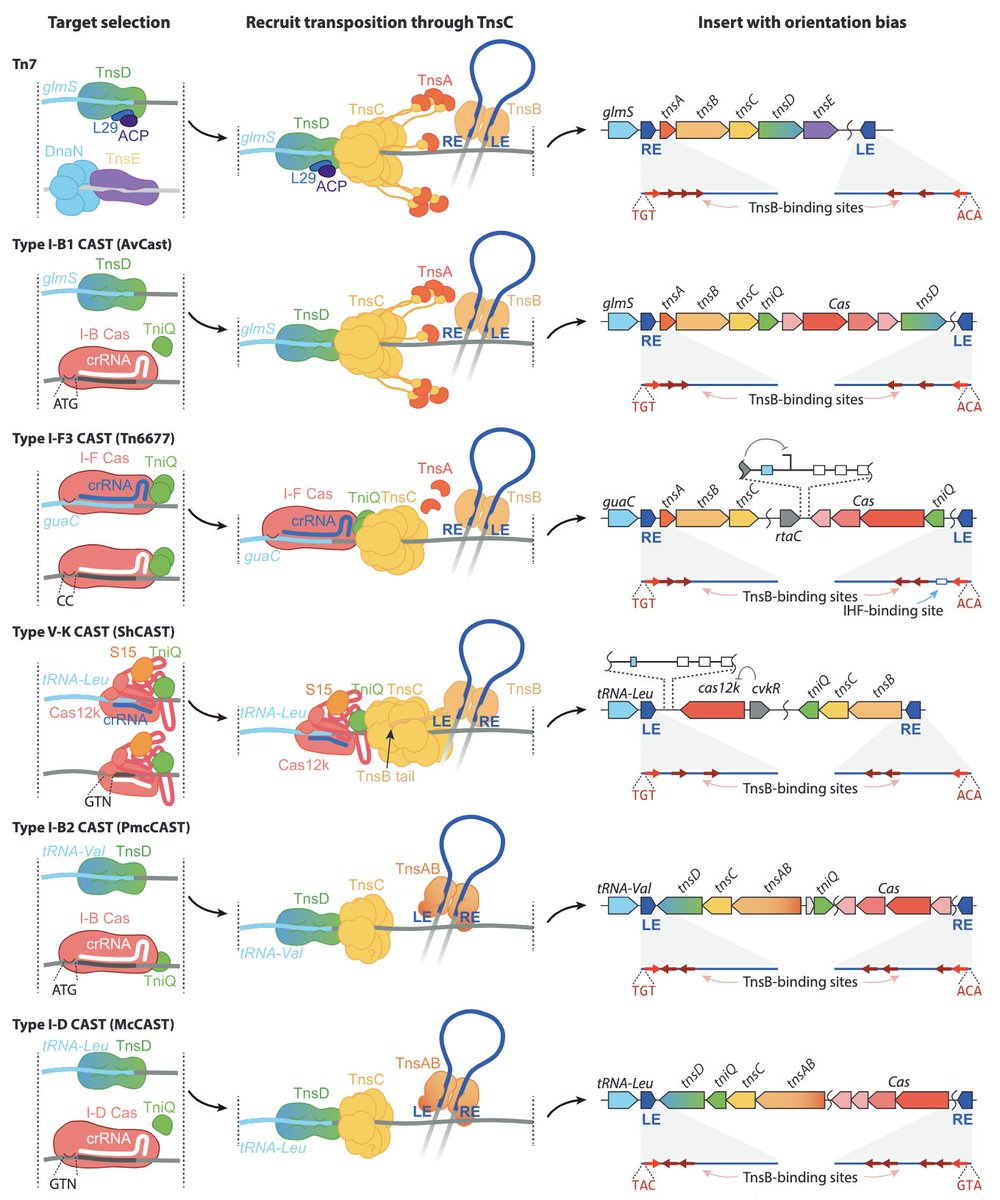
It was a pleasure working with @PopoMicro on this review of CRISPR-Cas associated transposons (CAST). Hopefully it gives a sense for the diversity of Tn7-like transposons and CRISPR systems that independently combined.go.shr.lc/444PwFh
2
40
117
11,651
3 Oct 2025
The Peters lab is looking for a new team member! The role transposons play in evolution, basic mechanisms regulating transposition, and applying transposons as tools for genome modification with a special focus on guide RNA-directed transposition cornell.wd1.myworkdayjobs.co…
1
6
12
743
5 Oct 2025
In addition to a highly collaborative lab environment we interact with a dynamic Microbiology community, DNA Replication, Recombination and Repair group and a growing list of transposon-centered lab cals.cornell.edu/microbiolog… cals.cornell.edu/microbiolog…
139
3 Oct 2025
Functional RNA splitting drove the evolutionary emergence of type V CR... sciencedirect.com/science/ar…
3
110
Joseph E. Peters retweeted

29 Aug 2025
Here is a link to a new preprint from the lab, a collaborative effort between our lab and Michelle Wang's lab here at Cornell.
biorxiv.org/cgi/content/shor…
1
10
493
28 Aug 2025
De novo engineered guide RNA-directed transposition with TnpB-family proteins reveals features of naturally evolved systems biorxiv.org/content/10.1101/…
1
9
40
2,800
Joseph E. Peters retweeted

30 Jul 2025
A family of linear plasmid phages that detect a quorum-sensing autoinducer exists in multiple bacterial species biorxiv.org/content/10.1101/… #biorxiv_micrbio
5
14
1,125
30 Jul 2025
Tn7 family transposons that include all guide RNA-directed transposons (CAST) are common in bacteria. We now find diverse representatives across archaea, many in the Asgard group. Reviving an Asgard element confirmed the exciting behaviors of the family biorxiv.org/content/10.1101/…
9
59
3,138
27 Mar 2025
A thread from the Postdoc who led the work on bacterial Telomeric transposons. A wonderful collaboration with the Barabas lab. Officially out in the journal today!
27 Mar 2025

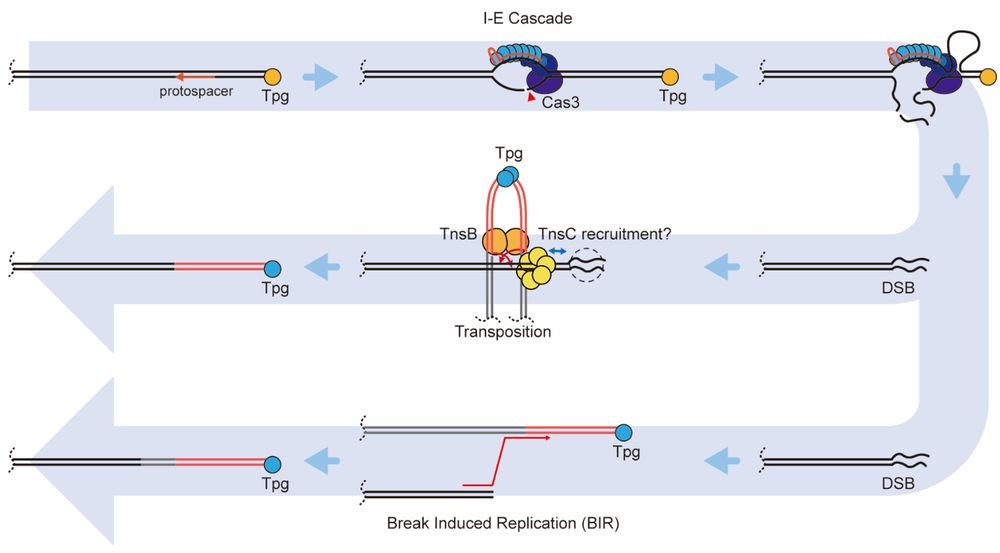
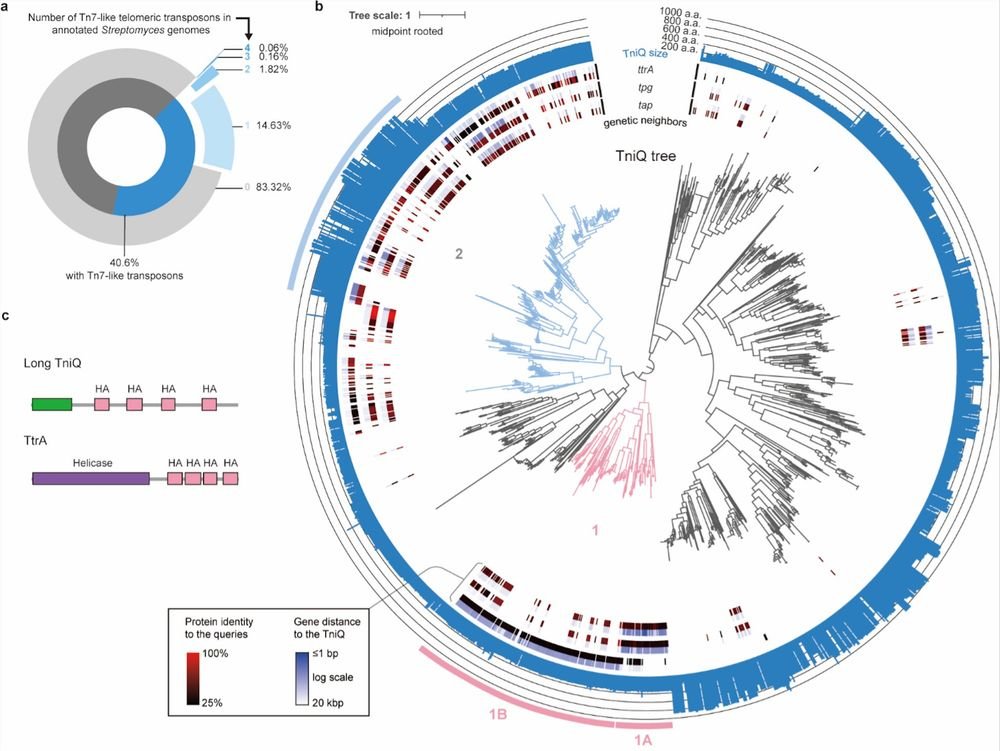
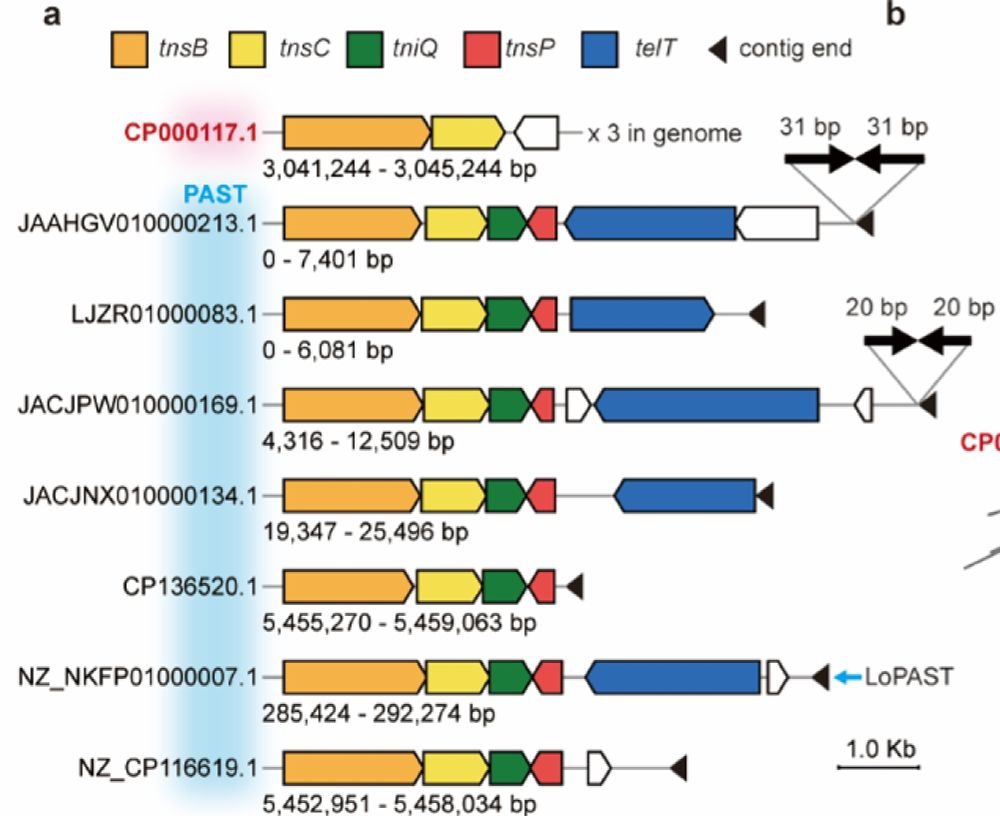
In eukaryotes, some transposons target telomeres; in Drosophila, they even replace them. Peters lab and Barabas group show that bacteria with linear genomes also harbor diverse telomeric transposons.
doi.org/10.1126/science.adp1…
@JoePetersLab @BarabasGroup
2
3
18
1,545
28 Mar 2025
Note: there is a free-access reprint-link on our lab publications page cals.cornell.edu/microbiolog…
4
187
Joseph E. Peters retweeted

27 Mar 2025
Very cool story lead by @JoePetersLab reveals another level of how transposons battle with their hosts. Grateful to have had a chance to participate with Popo @PopoMicro, Joe and the team!
1
3
287
Joseph E. Peters retweeted

6 Mar 2025
Transposons, or “jumping genes” – DNA segments that can move from one part of the genome to another – are key to bacterial evolution and the development of antibiotic resistance.
Cornell researchers have discovered a new mechanism these genes use to survive and propagate in bacteria with linear DNA, with applications in biotechnology and drug development.
“This is a big part of their biology,” said senior author Joseph Peters, professor of microbiology in @CornellCALS. “Bacteria are like these little tinkerers. They’re always collecting these mobile DNA pieces, and they’re making new functions all the time – everything in antibiotic resistance is really about mobile genetic elements and almost always transposons that can move between bacteria.”
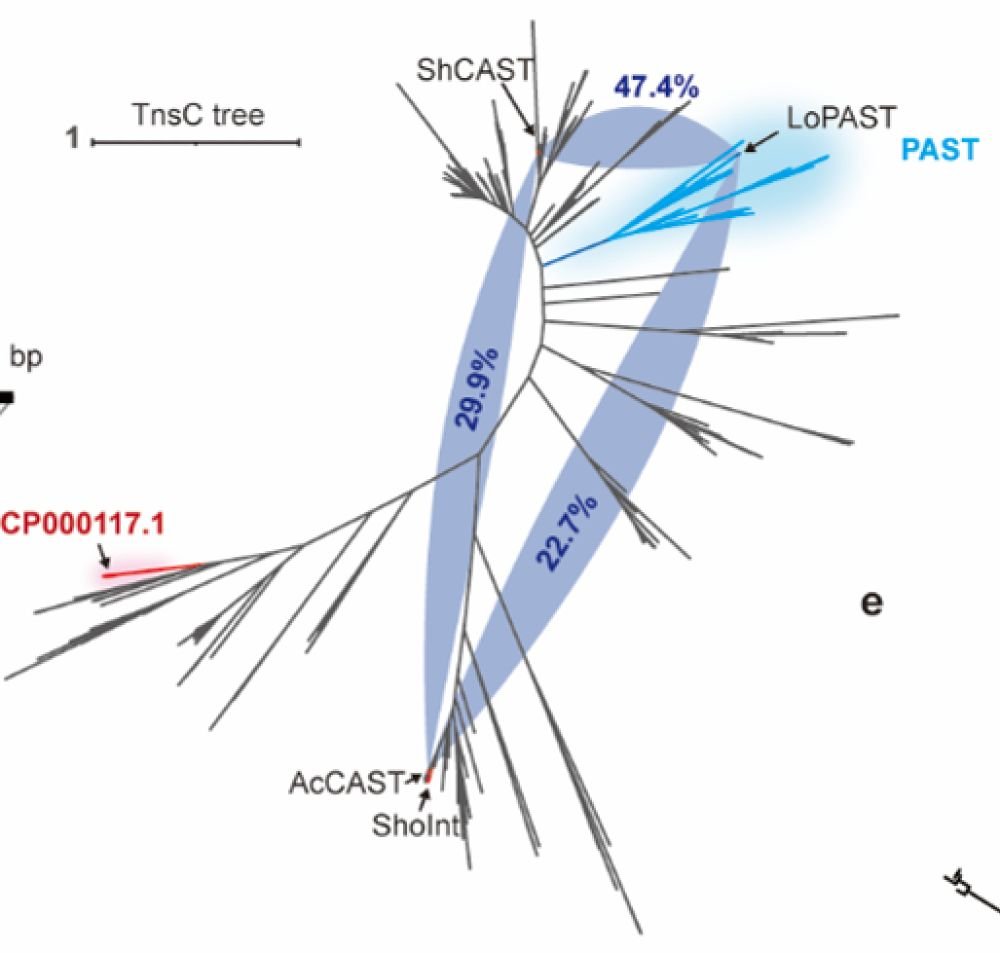
With some technologies not available even five years ago, the researchers identified several families of transposons in cyanobacteria and Streptomyces that, using different mechanisms, can find and insert themselves at the telomere, with benefits for the transposon and their bacterial host.
For one, inserting at the end of the chromosome helps the transposon avoid genes for the cell’s core functioning, which reside in the middle of the chromosomes; transposons that can target the ends are less likely to disrupt an essential function or cause cell death.
More at news.cornell.edu/stories/202….
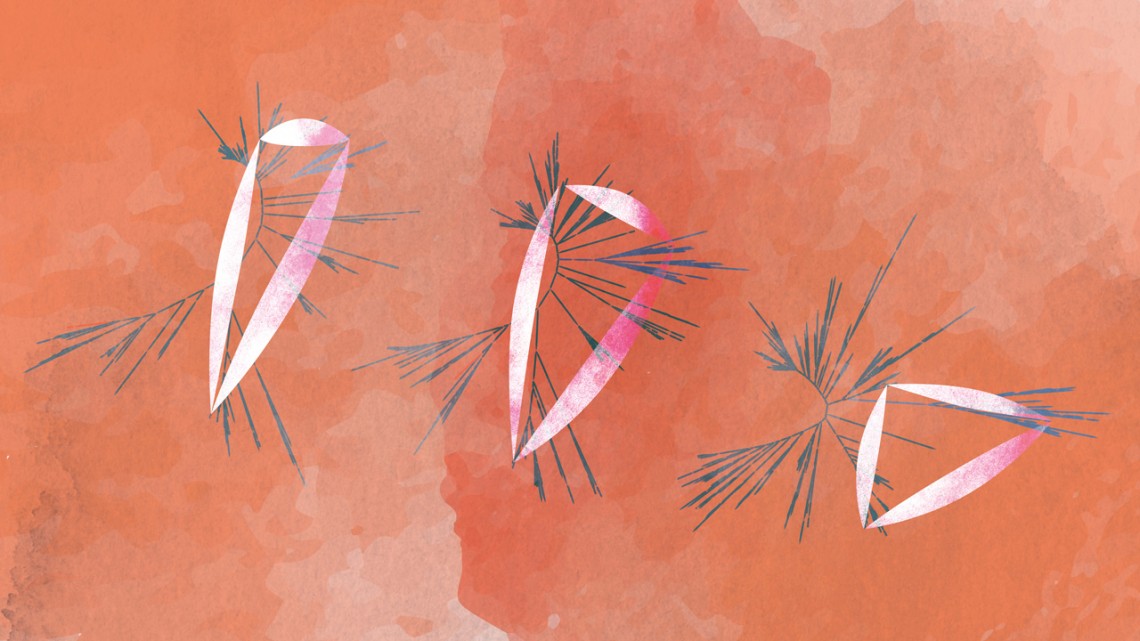
ALT An illustration using figures called “similarity trees,” used to infer the evolution of enzyme components essential to transposons, or “jumping genes,” functioning.
8
29
4,948
6 Mar 2025
Our preprint is now published science.org/doi/10.1126/scie…
15 Nov 2024

Eukaryotes have linear DNA and their telomeres are hotspots for transposons. Many bacteria are also known to have linear genomes. We identified several families of independently evolved telomeric transposons. 1/7 biorxiv.org/content/10.1101/…
3
7
23
1,842
8 Mar 2025
Note: there is a free-access reprint-link on our lab publications page cals.cornell.edu/microbiolog…
1
263
6 Mar 2025
Telomeric transposons are pervasive in linear bacterial genomes | Science science.org/doi/10.1126/scie…
6
25
113
8,579
8 Mar 2025
Note: there is a free-access reprint-link on our lab publications page cals.cornell.edu/microbiolog…
164
Joseph E. Peters retweeted

6 Mar 2025
Researchers @CornellCALS and colleagues have discovered a new method that “jumping genes,” or transposons, use to survive and propagate in bacteria with linear DNA, with applications in biotechnology and drug development. @ScienceMagazine @JoePetersLab news.cornell.edu/stories/202…
4
7
690
Joseph E. Peters retweeted

23 May 2024
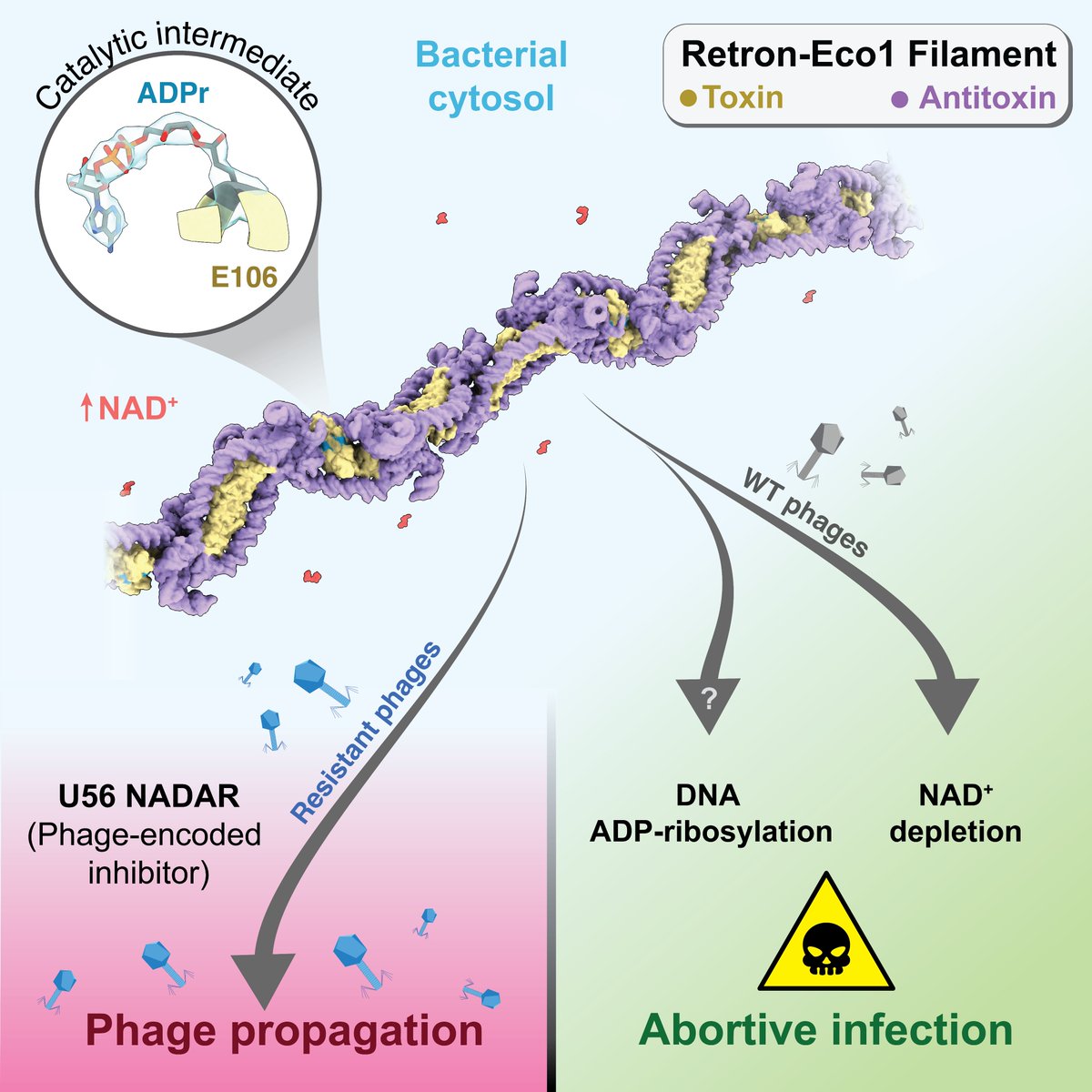
🧬 Thrilled to share our latest research on Retrons—a new chapter in this fascinating field! 🌟In this @MolecularCell paper, we reveal how Retron-Eco1 defends against phages.
bit.ly/3WOlbsY
Check the 🧵below! (1/20)
8
56
140
85,565
Joseph E. Peters retweeted

20 Feb 2025
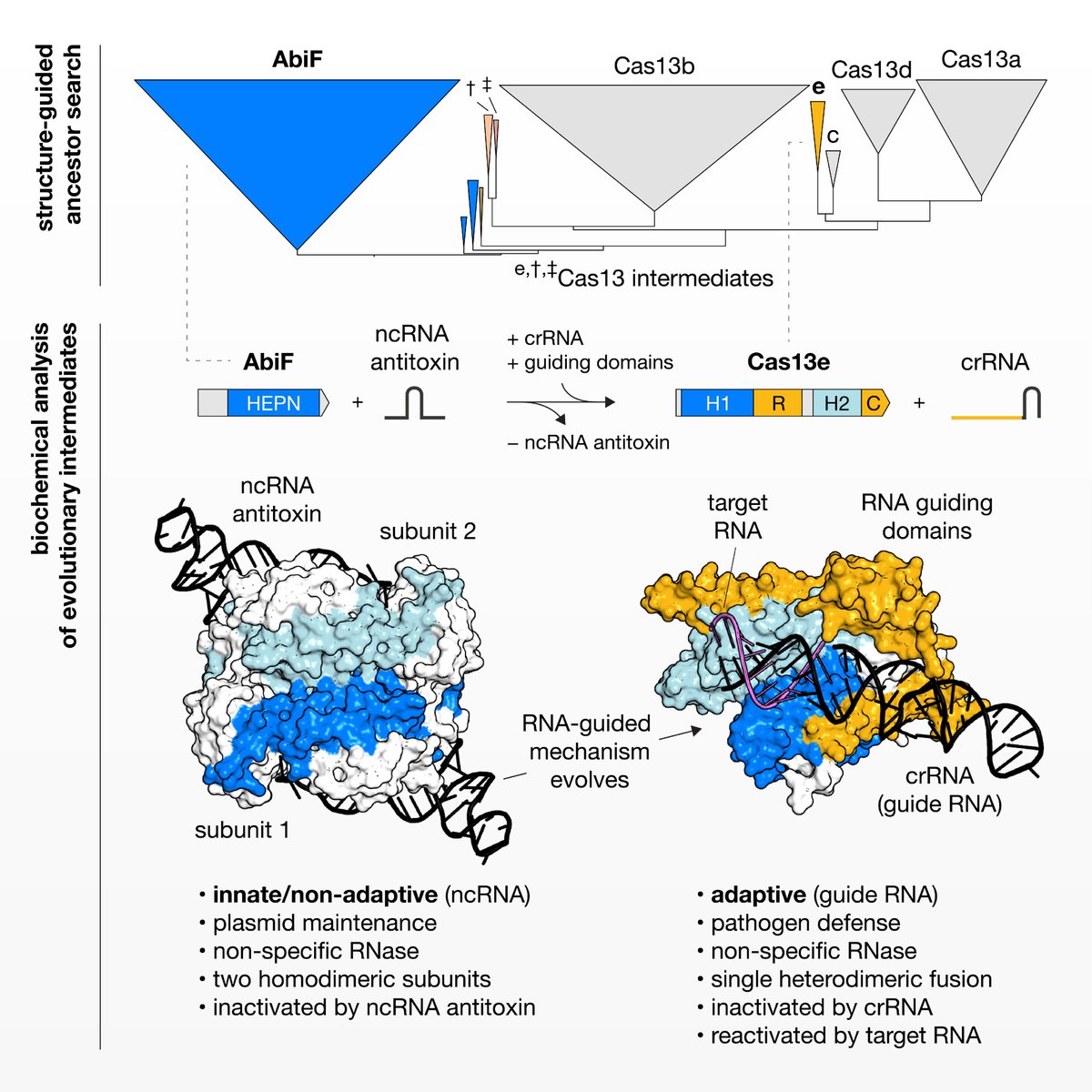
#CRISPR revolutionized medicine, but where did its RNA-guided mechanisms come from?
Using #AI, we unearthed new Cas13s and found they evolved from toxin-antitoxins, revealing how nature created these amazing reprogrammable molecules.
Discover the recipe: doi.org/10.1016/j.cell.2025.…
5
13
112
13,006
20 Feb 2025
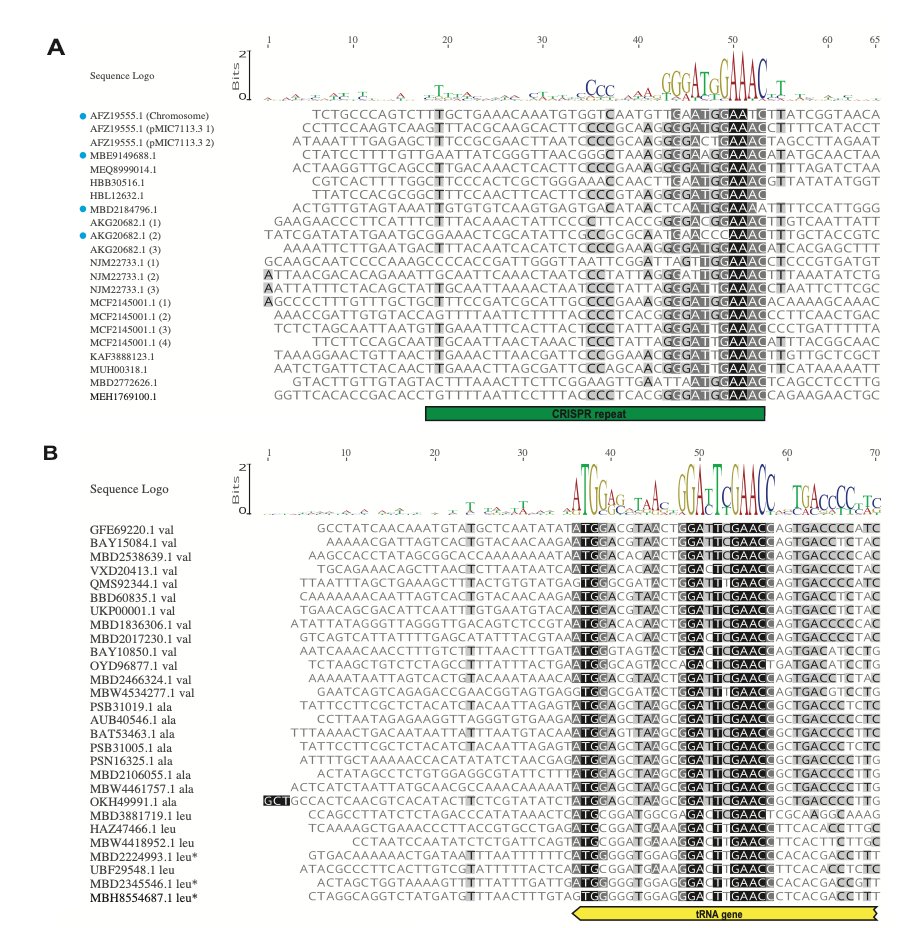
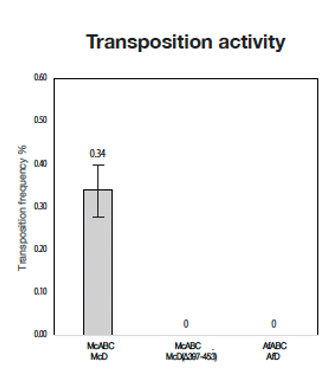
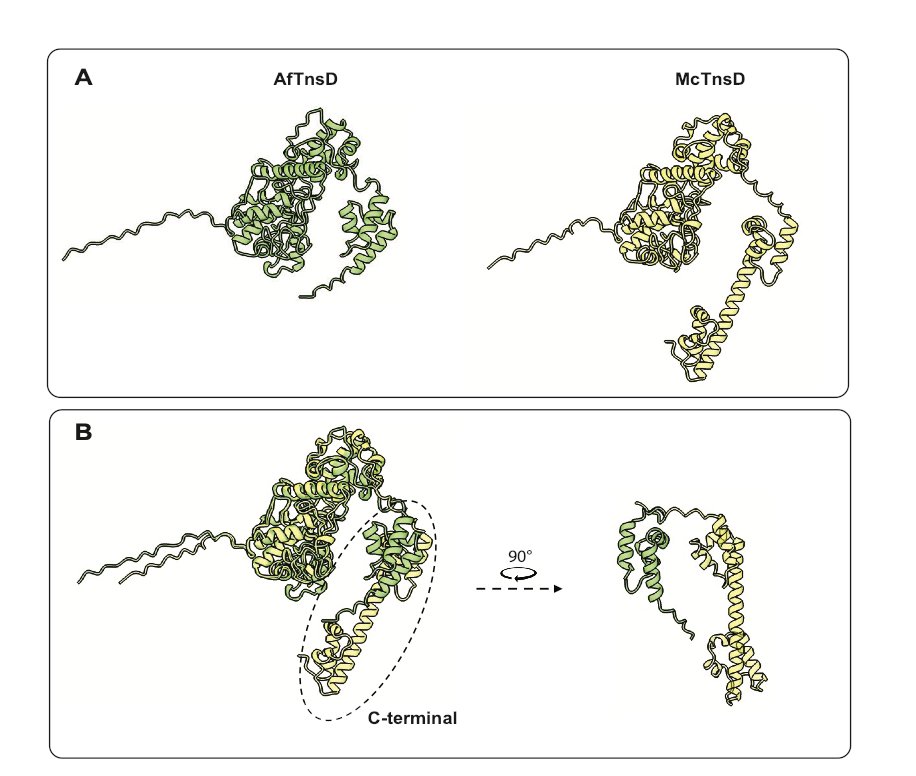
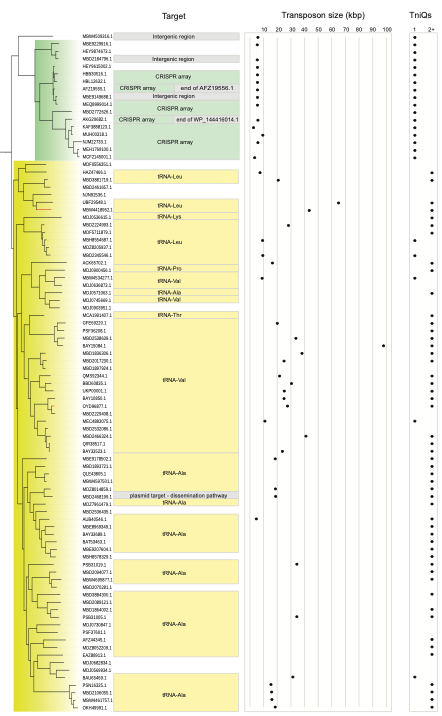
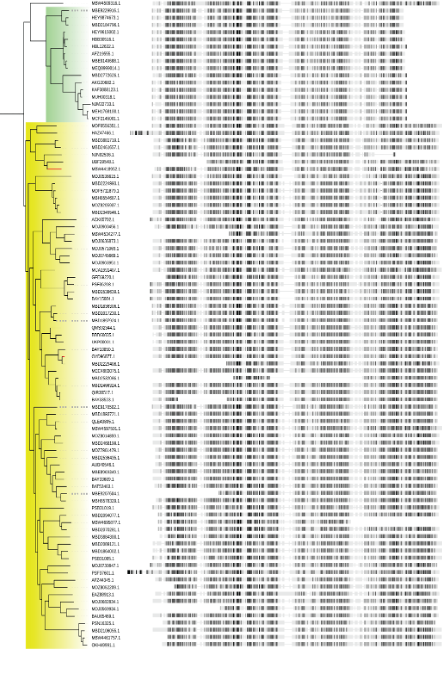
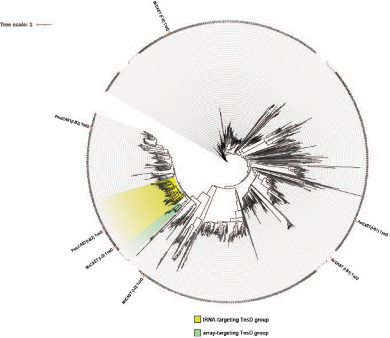
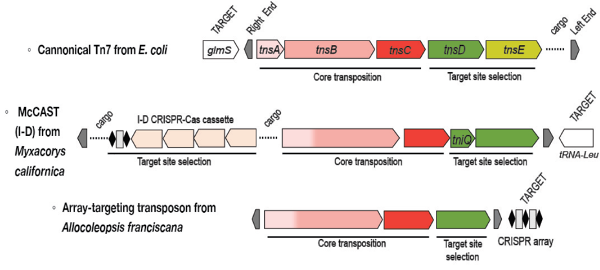
Very excited about this work from graduate student Laura Chacon Machado now published in Mobile DNA, “A family of Tn7-like transposons evolved to target CRISPR repeats”!
19 Feb 2025

Our preprint describing a family of Tn7-like transposons that evolved to target CRISPR repeats is now published at Mobile DNA #Tn7 #transposons #mobileDNA 1/10
mobilednajournal.biomedcentr…
2
3
29
2,282
Joseph E. Peters retweeted

20 Nov 2024
📢 Prof. Marcin Nowotny has received the Prime Minister’s Award! The prize honors his research on protein-nucleic acid interactions, advancing our understanding of cellular information decoding.
👉 Read more: tinyurl.com/MNowotnyPMAward

4
5
35
1,210