
Earth's Janitor | Scientist, Engineer, Entrepreneur | Founder & Co-CEO of @EdenEnergyx | Views are my own
Joined December 2023
- Tweets 3,428
- Following 533
- Followers 408
- Likes 6,175
434 Photos and videos












Pinned Tweet

Jan 29
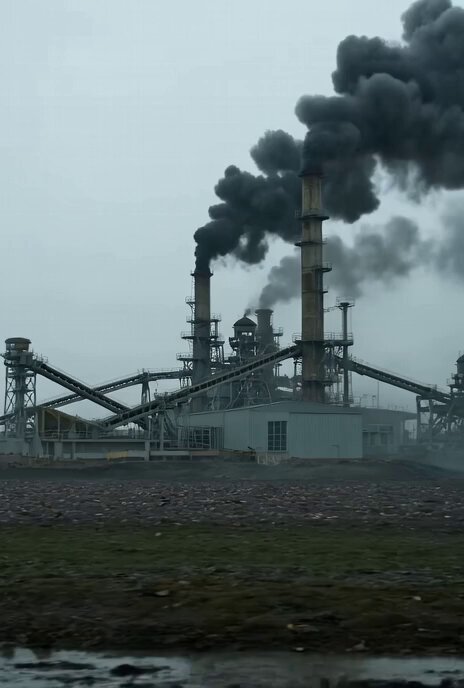
#Plastic is a necessity, its #pollution is not.
~460 million metric tons of #plasticwaste flood our #oceans, #landfills, and #ecosystems every year, adding to environmental crises worldwide.
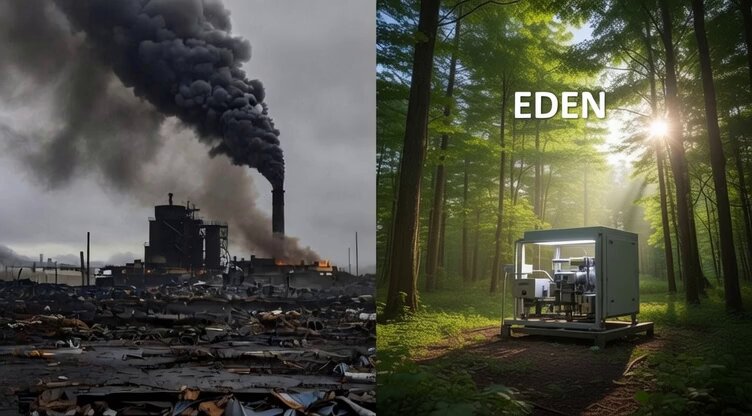
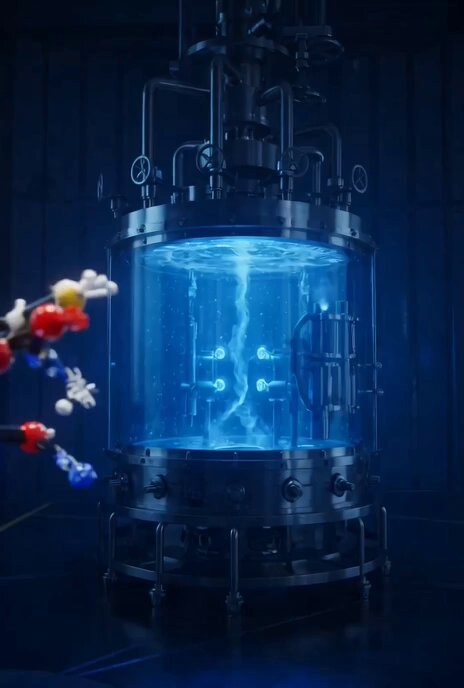
Thankfully, the true solution exists - it's not #pyrolysis, it's not #incineration, it's a reverse engineering of Mother Nature - The Eden Energy Process from @EdenEnergyX
Our process would convert this plastic waste into:
65 BILLION gallons of carbon-neutral, clean-burning Regenerative Fuel Oil - the equivalent of 51 days of the global diesel usage!
4.8 BILLION MMBTUs of carbon-neutral, clean-burning Regenerative Natural Gas - enough gas to power NYC for 15 years!!!
and 122 Million TONS of Biochar for carbon sequestration and soil remediation. Sequestering nearly as much carbon as all the forests in the United States combined!!!!!
The Future will be Green,
The Future will be Pristine,
The Future will be Powered by Waste!
5
3
22
1,625
Jonathan Appel retweeted

Jun 12
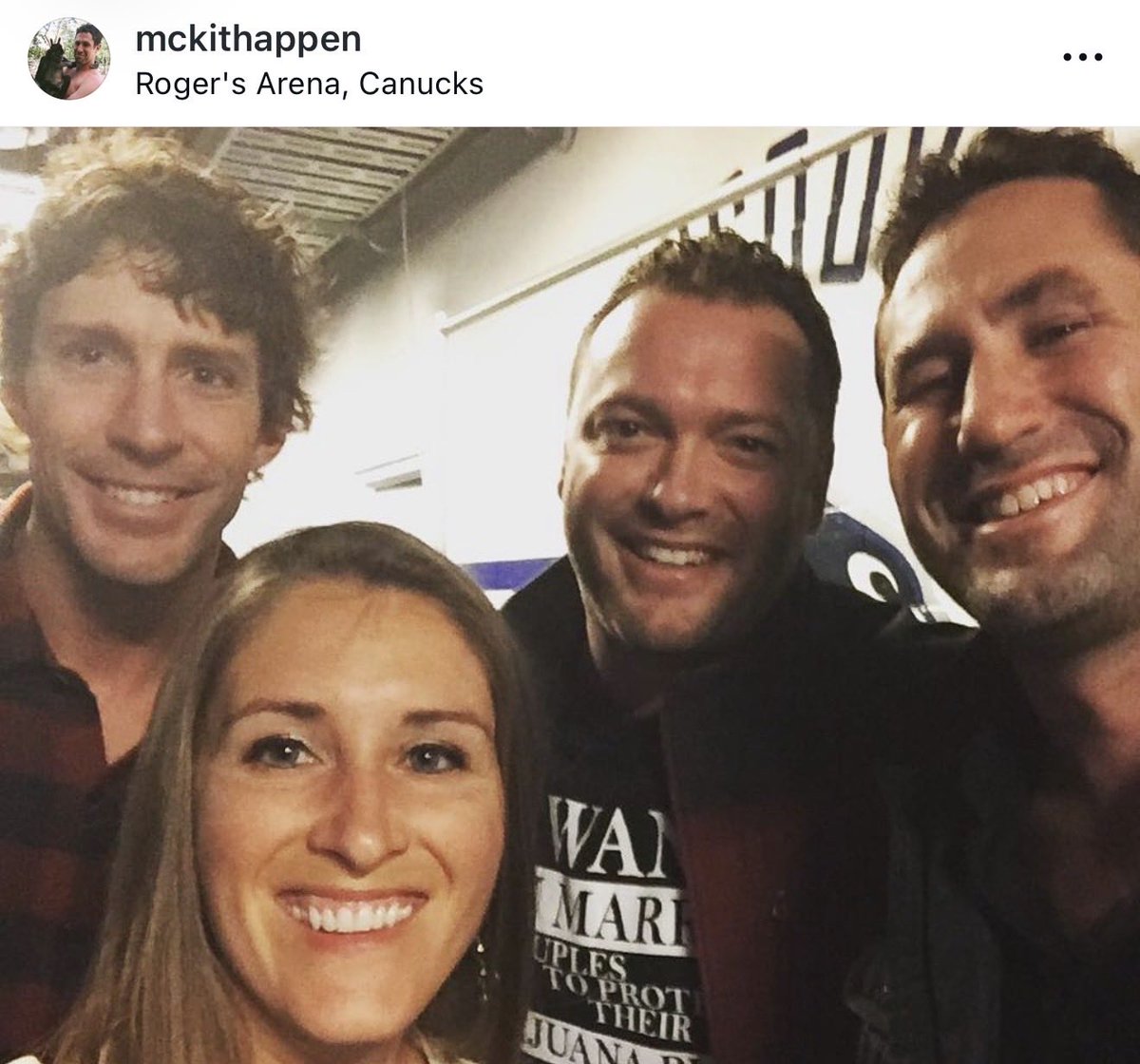
Met both these #Legends for the first time 12 years ago @TravisPastrana Good luck tomorrow jumping the @WhiteHouse Lawn @ufc and #FreeJoby let's get our friend back to supporting good people and projects making the world better jobyweeks.com
3
3
9
227
Jonathan Appel retweeted

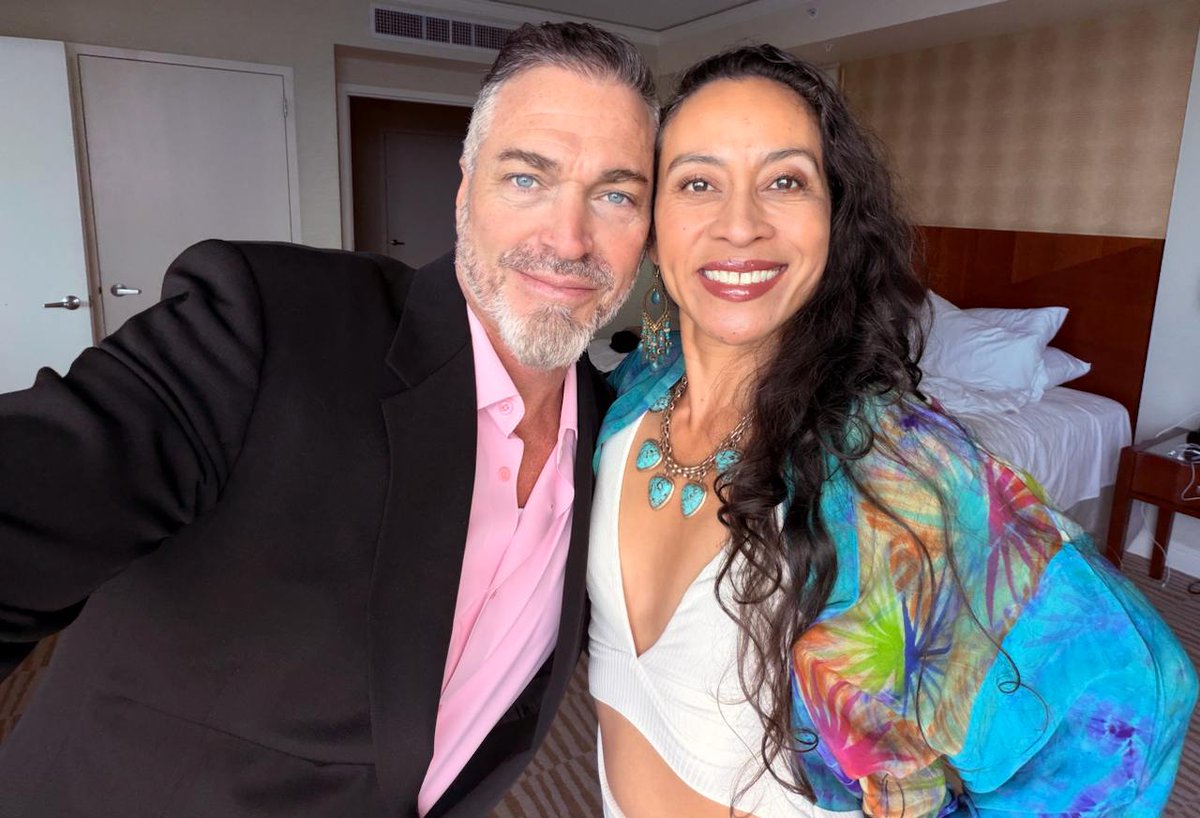
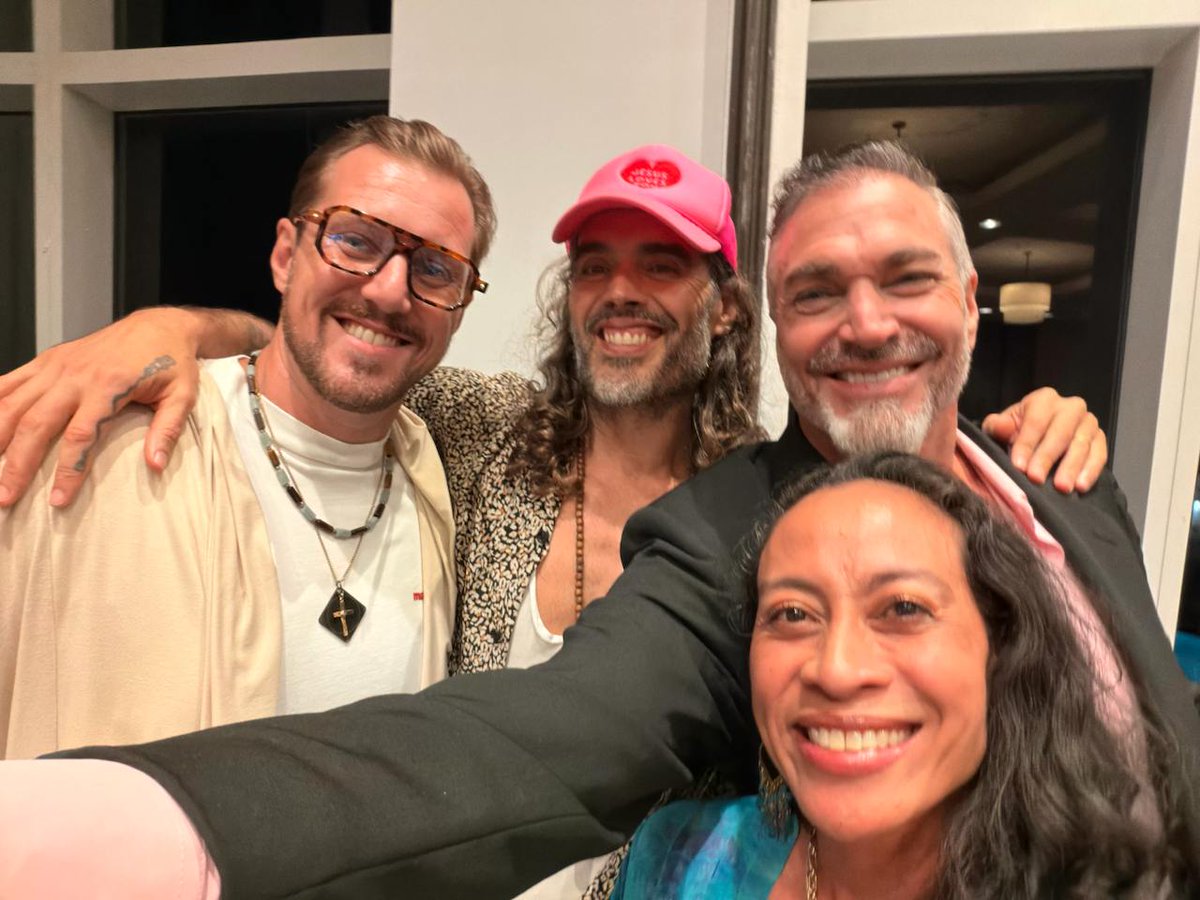
We had an incredible time at the Free Joby event last night. What a beautiful group of people gathered to hold deep prayer for this man to be free from almost 7 years on house arrest with no trial.
Grateful to @rustyrockets for coming out to support. Always amazing to be blessed with the musical talents of @DPAK_WORLD and @JimmyLevyMusic. Also great to see our brother @JonathanAppel13 of @EdenEnergyX.
2
4
17
2,056
Mar 16
FREE JOBY!!!!!!
Mar 16

The JIMMY DORE SHOW Is Live! NOW!
Israel Releases AI Video To Prove Bibi’s Not Dead! Iran NOT INTERESTED in Negotiations! w/ John Yep
Special Guests:
John Yep @USAYep
Joby Weeks
Featuring:
Kurt Metzger @KurtMetzger
Stef Zamorano @miserablelib
Now streaming on Rumble, YouTube, X & Rokfin
rumble.com/v777jpc-israel-re…
Today’s video is free to everyone while it airs live on Rumble, but it is then set to “private” after the stream ends. The full show is made available at jimmydore.com a few hours after the stream ends for our $10-a-month level subscribers as a thank you to our supporting members.
We then make individual clips & post some of them on YouTube & most of them on Rumble over the following few days after the stream has concluded.

4
104
Jonathan Appel retweeted

Mar 16
The JIMMY DORE SHOW Is Live! NOW!
Israel Releases AI Video To Prove Bibi’s Not Dead! Iran NOT INTERESTED in Negotiations! w/ John Yep
Special Guests:
John Yep @USAYep
Joby Weeks
Featuring:
Kurt Metzger @KurtMetzger
Stef Zamorano @miserablelib
Now streaming on Rumble, YouTube, X & Rokfin
rumble.com/v777jpc-israel-re…
Today’s video is free to everyone while it airs live on Rumble, but it is then set to “private” after the stream ends. The full show is made available at jimmydore.com a few hours after the stream ends for our $10-a-month level subscribers as a thank you to our supporting members.
We then make individual clips & post some of them on YouTube & most of them on Rumble over the following few days after the stream has concluded.
33
21
110
9,578

Feb 22
There is no "water shortage", the shortage is cheap, abundant energy. If energy is cheap and abundant, desalination is easy... the world is 70% water...
Feb 21

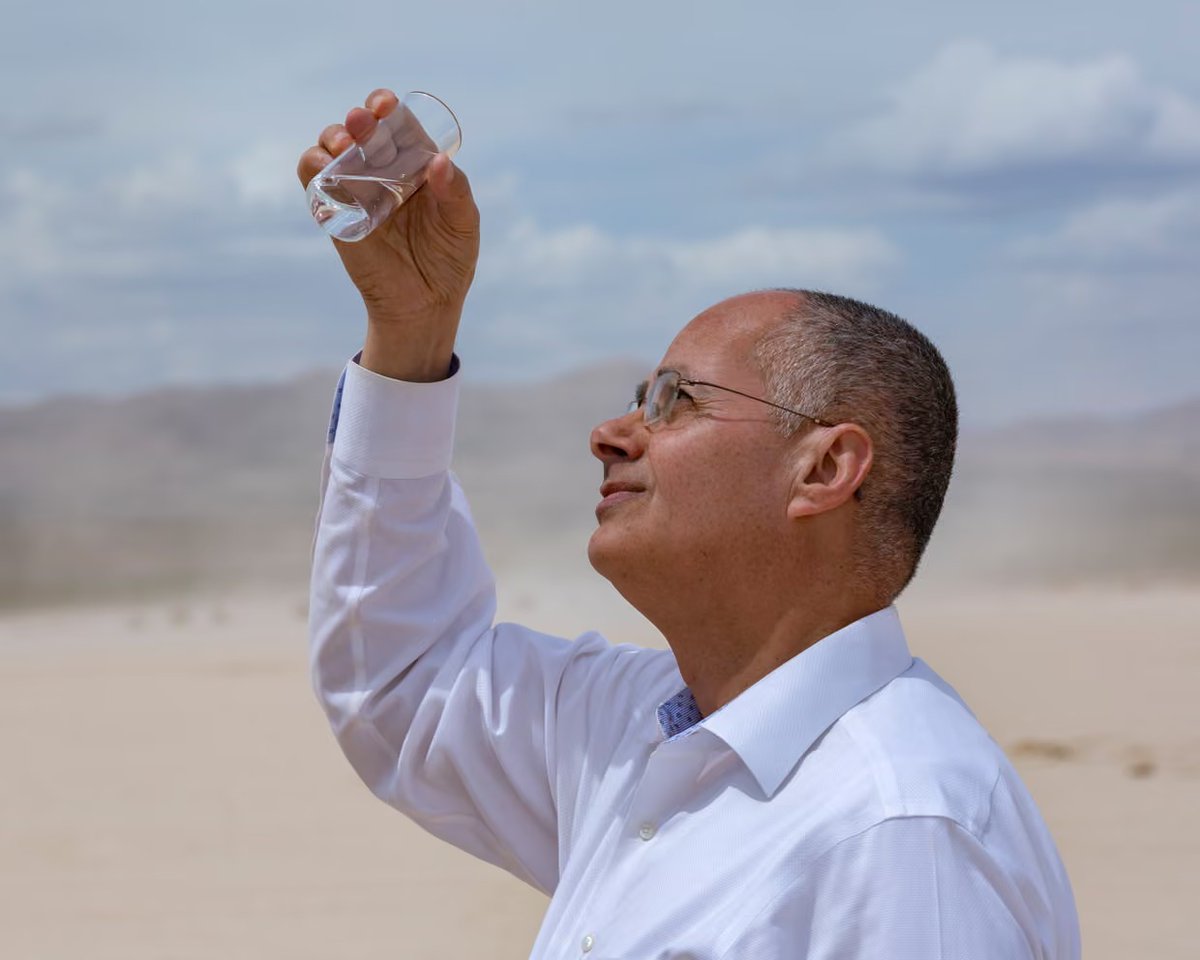
🚨 Nobel Prize winner just invented a machine that pulls clean water out of thin air. Up to 1,000 liters per day, powered by ambient heat, and works in deserts.
Omar Yaghi won the 2025 Nobel Prize in chemistry for inventing this. It uses "reticular chemistry" to create materials that extract moisture from air even in arid conditions.
UN just said we're in "global water bankruptcy era." 2.2 billion people lack safe drinking water. 3.5 billion lack sanitation. 4 billion experience severe water scarcity at least one month per year.
Yaghi grew up in a refugee camp in Jordan with no running water. So he invented a machine that makes water appear from nothing.
1
1
3
130
Feb 21
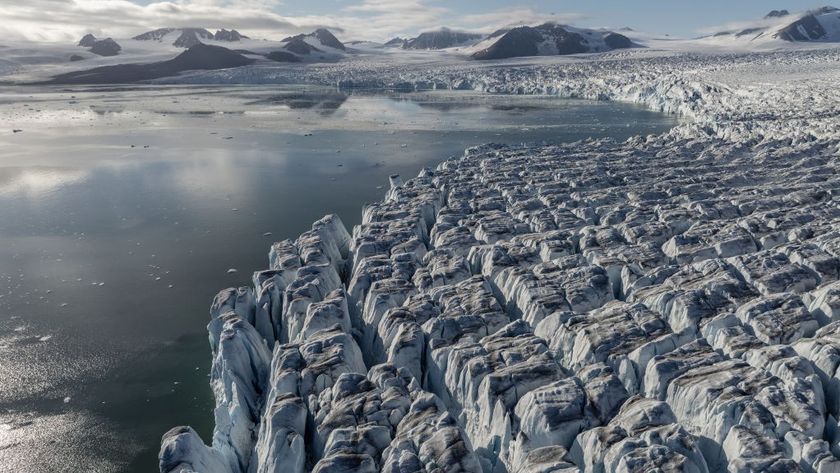
NASA estimates the Greenland Ice Sheet weighs approximately 2,660,000 Gigatons. NASA also estimates the Ice Sheet is melting at 264 Gigatons/year. At that rate, it would take over 10,000 years to melt. That rate is also shadowed by the fact that in 2024 it only lost 55 Gigatons, and 129 Gigatons in 2025.
The Melting is NOT LINEAR.
This dude is a straight-up fear mongerer.
Feb 21

Scientists have identified tipping points for Greenland's ice sheet — and it's not far off: buff.ly/4icavMg
There is no time to wait. #ActOnClimate
#climate #energy #renewables
2
93
Feb 21
A run down of the company this guy works for.
@Bayer one of the most EVIL origin stories of them all. Here is a little list I had @Grok pull together to remind him of who he works for:
- Bayer commercially launched heroin (diacetylmorphine) in 1898 as a "non-addictive" cough medicine and morphine substitute, aggressively marketing it—including to children—for tuberculosis and other illnesses until its addictive dangers became undeniable.
- In 1925 Bayer merged into the IG Farben cartel, which donated millions to the Nazi Party, seized Jewish-owned companies through Aryanization, and became a core supplier to Hitler's war machine.
- IG Farben (including Bayer facilities) operated the Buna synthetic rubber factory at Auschwitz III-Monowitz using thousands of concentration-camp slave laborers, where prisoner life expectancy averaged under four months due to starvation, beatings, and executions.
- Bayer paid SS doctors to conduct lethal medical experiments on Auschwitz, Dachau, and Buchenwald prisoners by deliberately infecting them with typhus, tuberculosis, and other diseases to test unproven drugs, often requesting replacement inmates when test subjects died.
- After World War II, IG Farben was dismantled for war crimes; several convicted executives—including those who planned the Auschwitz factory—served short sentences and later returned to senior leadership roles at the re-formed Bayer.
- In the early 1980s Bayer’s Cutter Laboratories continued exporting millions of dollars’ worth of untreated, HIV-contaminated blood-clotting Factor VIII to Asia and Latin America for over a year after introducing a safer heat-treated version in the West, infecting thousands of hemophiliacs.
- Bayer’s 2018 $63 billion acquisition of Monsanto saddled the company with tens of thousands of lawsuits alleging its Roundup glyphosate herbicide causes non-Hodgkin lymphoma, resulting in more than $11 billion already paid in verdicts and settlements plus a proposed $7.25 billion class-action resolution.
- Bayer withdrew its cholesterol drug Baycol (cerivastatin) from the global market in 2001 after it was linked to approximately 52 deaths and hundreds of cases of severe muscle breakdown (rhabdomyolysis).
- Bayer has faced widespread regulatory bans and lawsuits over its neonicotinoid insecticides after scientific evidence showed they contribute to massive declines in bee populations and broader ecosystem damage.
this is who you work for...
Feb 21

Cancer should not be used as a political weapon.
Over the past decade, glyphosate has been turned into a symbol — of industrial agriculture, of multinational corporations, of environmental anxiety.
But somewhere along the way, nuance disappeared.
Here’s what gets lost in the noise:
• Hazard is not risk.
• Classification is not exposure.
• Headlines are not toxicology.
In 2015, International Agency for Research on Cancer classified glyphosate as “probably carcinogenic” based on hazard identification.
That classification does not mean people are developing cancer from normal exposure.
Regulatory agencies that assess real-world exposure — like European Food Safety Authority — repeatedly concluded that glyphosate is unlikely to pose a cancer risk at approved exposure levels.
This distinction matters.
When cancer is invoked without context, it creates fear.
When fear replaces proportional risk assessment, public trust erodes.
When trust erodes, science becomes collateral damage.
Cancer patients deserve seriousness.
Farmers deserve evidence-based regulation.
Citizens deserve clarity — not symbolism.
Using cancer as a rhetorical shortcut in political debates may generate clicks.
It does not generate better health policy.
Science is not served by exaggeration.
And public health is not strengthened by alarmism.
The debate about agriculture, sustainability, and chemical regulation is legitimate.
But it should be grounded in exposure data, toxicology, epidemiology — not in emotionally charged framing that equates “presence” with “danger.”
Cancer is too serious to be instrumentalised.
1
3
70
Feb 20
I’m confused, not on the fact that the left hates Trump, that’s well established.
I’m confused as,we’ve been told time and time again that the left was supposed to be the party of decency?
How is this message decent?
Two wrongs don’t make a right…
#PartyofDecency #Left #right #republicans #democrats #hate #maga #trump
Feb 19

JB Pritzker’s Lt. Governor and U.S. Senate candidate Juliana Stratton just dropped an actual campaign ad featuring people, including sitting U.S. Senator Tammy Duckworth saying, “F*ck Trump.”
There’s no bottom for the Democrats. Gutter trash behavior.
2
43
Feb 20
David nails this.
If the climate movement was actually about the climate (and not pushed by people who have zero idea what they’re talking about ie Greta Thunberg), nuclear would have grown exponentially. The cleanest, most efficient, most reliable, most energy dense, form of energy we currently have. Period.
#climatescam #nuclear #greenenergy #cleanenergy #environment #climate #energy
We are the carbon they want to reduce…

🚨The fact that the green, "nuclear power" line on the chart depicted below became narrower over this 30-year time span demonstrates exactly how unserious and dishonest the climate alarmists really are.
If they really believed the amount of plant food in the atmosphere was a threat to the planet, that green line would be expanding in a geometric progression over this same 30 years.
Climate alarmism is not about the climate: It's about enabling central governments and intelligence agencies to control your lives.
Once you accept that reality, everything these ghouls do makes perfect sense.
#climatechange #nuclear #climatescam
3
61
Feb 20
Glyphosate is not the answer to food security. Healthy living soil is.
Read this post by @ThorTorrens and get some real education on the topic.
Feb 19

If we want the best soil in the world (and true national security), we have to stop poisoning it and start REMINERALIZING it.
The 3 "Secrets" to God-Tier Soil:
• Dust to Life: Stop the N-P-K addiction. Add Glacial Rock Dust. It’s the "multivitamin" the earth is starving for. It recharges the soil’s electromagnetic frequency and grows plants that are naturally pest-proof.
• The Sonic Secret: Plants have ears! Using specific sound frequencies (like Sonic Bloom) opens their stomata, letting them breathe in nutrients 700% more effectively. Nature is a symphony, not a laboratory.
• The "Living Sponge": Forget the plow. Use Cover Crops and Livestock to stomp biology back into the ground. Healthy soil should feel like a chocolate cake, not a concrete slab.
The Glyphosate Exit Strategy
We don't "kill" weeds; we out-compete them.
1. Roller Crimpers: Mechanical weed control that creates a natural mulch.
2. Biodynamic Preps: Fermented "earth medicines" that restore the microbial "gut health" of your land.
The result? Higher yields, zero chemicals, and food that actually tastes like life.
"The soil is the great connector of lives... the gift of the whole cycle of life."
#MakeSoilGreatAgain #RegenerativeAg #SecretsOfTheSoil #NoTill #RockDust
3
55
Jonathan Appel retweeted

Feb 19
Where is your trigger-happy lawsuit over the raw sewage that was pumped into the Potomac River? I haven’t seen a peep out of you about that!
This is fraud. Absolute fraud.
And, watching your arguments get beat down to a pulp in court will be glorious to watch.
Feb 18

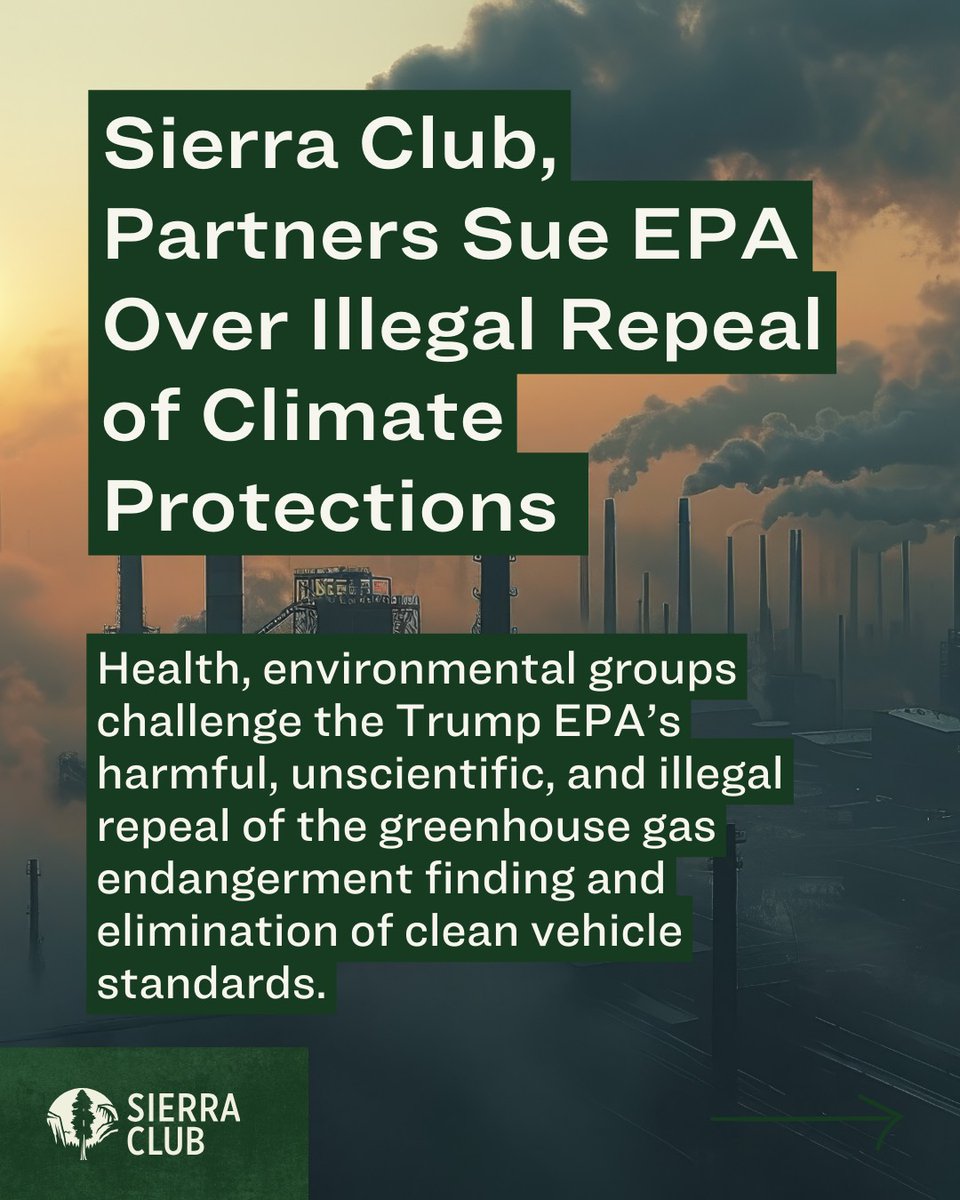
The Sierra Club is suing the Environmental Protection Agency over its rollback of key climate protections, arguing the move is illegal, unscientific, and harmful to public health.
The lawsuit, filed today by the Sierra Club and a coalition of health and environmental advocacy groups, challenges recent actions by theTrump administration’s EPA under Administrator Lee Zeldin to eliminate clean vehicle standards and repeal safeguards against climate pollution. The coalition says these rollbacks will increase pollution, raise fuel costs, and put communities at risk.
Read more at the link: bit.ly/4u0ldwb
46
493
1,806
19,412
Feb 19
#AmericaFirst? #MAHA? #EatRealFood? @SecKennedy
Not when the current administration just labeled #glyphosate, a toxic chemical, “needed for food security.”
It doesn’t stay on the farm. It doesn’t stop at the field edge. It’s in our water, our air, our rain, our food chain, our bodies… everywhere.
It seems @Bayer ‘s political contributions are doing a good job…
But there is real hope.
The Eden Energy Process from @EDENenergyX, can safely break glyphosate (C, N, P, O, H) down into usable hydrocarbons while converting the nitrogen and phosphorus into clean, non-toxic fertilizer.
The poison can become the solution.
That’s America First.
That’s MAHA.
We can end the poisoning and rebuild fertile #soil at the same time.
That’s the EDEN future!
#RoundUp #MAGA #Monsanto #Organic #Pesticides #ToxicFood #glyphosatefree
@MikkiWillis, time for the documentry brother!
@JoyousPHeart

FOOD SECURITY IS NATIONAL SECURITY: Thank you, President Trump, for acknowledging the importance of glyphosate-based herbicides in American agriculture. This is a vital step forward in ensuring a domestic supply of this critical crop input remains available for our producers.

1
7
148
Feb 19
Thor nails it!
Feb 19
If we want the best soil in the world (and true national security), we have to stop poisoning it and start REMINERALIZING it.
The 3 "Secrets" to God-Tier Soil:
• Dust to Life: Stop the N-P-K addiction. Add Glacial Rock Dust. It’s the "multivitamin" the earth is starving for. It recharges the soil’s electromagnetic frequency and grows plants that are naturally pest-proof.
• The Sonic Secret: Plants have ears! Using specific sound frequencies (like Sonic Bloom) opens their stomata, letting them breathe in nutrients 700% more effectively. Nature is a symphony, not a laboratory.
• The "Living Sponge": Forget the plow. Use Cover Crops and Livestock to stomp biology back into the ground. Healthy soil should feel like a chocolate cake, not a concrete slab.
The Glyphosate Exit Strategy
We don't "kill" weeds; we out-compete them.
1. Roller Crimpers: Mechanical weed control that creates a natural mulch.
2. Biodynamic Preps: Fermented "earth medicines" that restore the microbial "gut health" of your land.
The result? Higher yields, zero chemicals, and food that actually tastes like life.
"The soil is the great connector of lives... the gift of the whole cycle of life."
#MakeSoilGreatAgain #RegenerativeAg #SecretsOfTheSoil #NoTill #RockDust
3
32
Feb 19
The question is... should fruits and vegetables, loaded with chemical pesticides, that wreak havoc on the human body be classified as food?...
#Maha #Glyphosate #Poison #Cancer #ChronicDisease #ToxicFood #Foodsecurity
FOOD SECURITY IS NATIONAL SECURITY: Thank you, President Trump, for acknowledging the importance of glyphosate-based herbicides in American agriculture. This is a vital step forward in ensuring a domestic supply of this critical crop input remains available for our producers.
4
81
Feb 19
Geothermal is EXPONENTIALLY better than wind and solar, much better is an understatement.
The most fascinating thing about the "green/clean" energy movement is that it pushes technologies, like wind and solar, that on a full Lifecycle Analysis don't pass the smell test, while demonizing technologies like geothermal and nuclear... strange world we live in...
Feb 19

Much better - and more reliable - than wind and solar.
4
40
Feb 19
Your outlook on the day will directly affect the outcome. Positive energy and vibes yield positive energy and results nearly every time.
#ShowUp #PositiveEnergy #PositiveVibes #GoodThursday #Showtime
Feb 19

I'm increasingly convinced that showing up every single day with a good attitude puts you ahead of 95% of people.
2
86
Feb 17
Most environmentalists' panic and concern are not real, it is induced for #political gain and nothing else.
If it were real, they would all be having major protests over both of the events @ChrisMartzWX listed - what did we see? Utter silence on both accounts.
The #PatomicRiver is a literal cesspool right now, and the people who claim to be environmentalists are nowhere to be found.
If their concern was real, they would all be pushing nuclear energy across every part of the country. What do they do instead, demonize nuclear.
The environmental movement is built on bogus anxiety over the wrong things...
Feb 17

Self-proclaimed “environmentalists” don't actually care about the environment.
When real crises arise, the left-wing eco justice warriors are nowhere to be found.
The largest wastewater spill in U.S. history occurring on the Potomac River right now?
Silence. 🦗
The toxic chemical spill caused by the train derailment in East Palestine, Ohio three years ago?
Silence. 🦗
Weird how that works.
4
40
Jonathan Appel retweeted
Feb 16
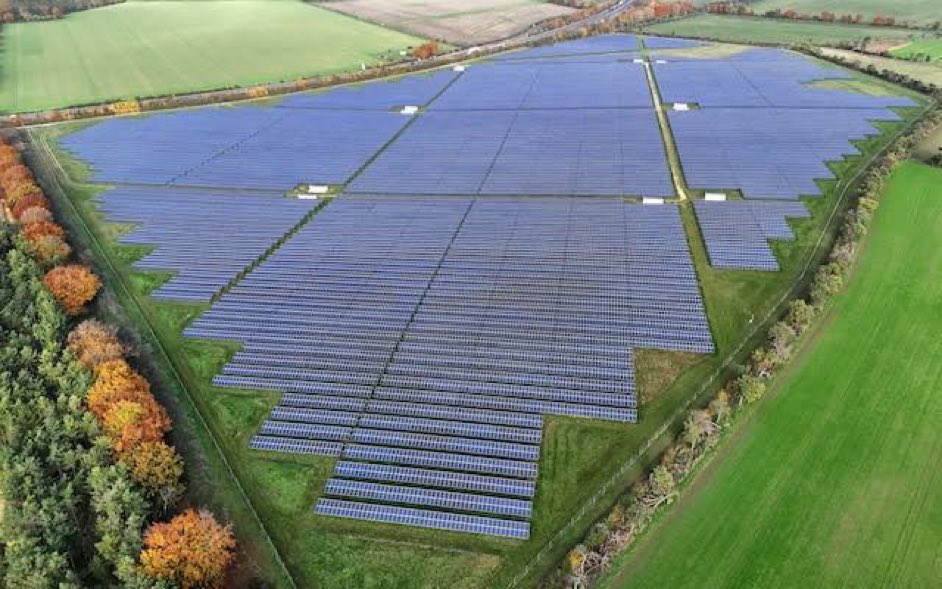
Solar farms are not the answer to the world’s #energyshortage. Period. Putting solar on roof tops, over car parks, and the like is one thing. Putting #solar on #farmland is asinine.
Anyone who things this is beneficial for the environment has been tricked.
Real problems require real solutions, covering farmland with #solarpanels is not the real #solution we’re looking for.
#energy #solarfarm #farmland #foodshortage #renewables #cleanenergy

2
4
64
Jonathan Appel retweeted
Feb 16
#Wind is a straight-up scam; on a full lifecycle analysis, it's environmentally #detrimental, and it's not viable without #credits or #incentives, which means it's nothing more than a glorified science experiment to generate energy on the backs of #taxpayers. The only people who benefit from wind are the executives of the wind companies and the politicians getting their kickbacks. Period.

A suspected lightning strike set a Texas wind turbine ablaze, sending thick black smoke into the sky. Footage shows it fully engulfed, a rotor snapping off and burning below.
No injuries were reported.
1
3
68