Joined May 2022
- Tweets 19,472
- Following 872
- Followers 553
- Likes 140,389
549 Photos and videos
Julie Masters retweeted

17h
If you’re a left-leaning voter concerned about One Nation gaining ground right now, you bear some responsibility for this outcome.
The reason is simple: a voter base that offers blind allegiance to its party enables governments to lie, deceive, break promises, and pursue policies that aren’t in the national interest — often for far longer than they should.
That unconditional loyalty shields politicians from real accountability.
If Australians across the spectrum demanded better standards and held those in power to account, we wouldn’t see these wild pendulum swings between extremes.
Instead, we’d get more stable, centrist outcomes that better reflect the country’s actual interests.
17
26
113
1,572
Julie Masters retweeted

She speaks my language. Cut back the migration! It’s common bloody sense, simple mathematics! By doing that, it will fix a large number of challenges Aussies are facing in other areas. I can’t believe that some people still can’t see that mass immigration is the root cause of many of the issues Australia has 🙄🤦♀️
8
18
201
2,914
Julie Masters retweeted

7h
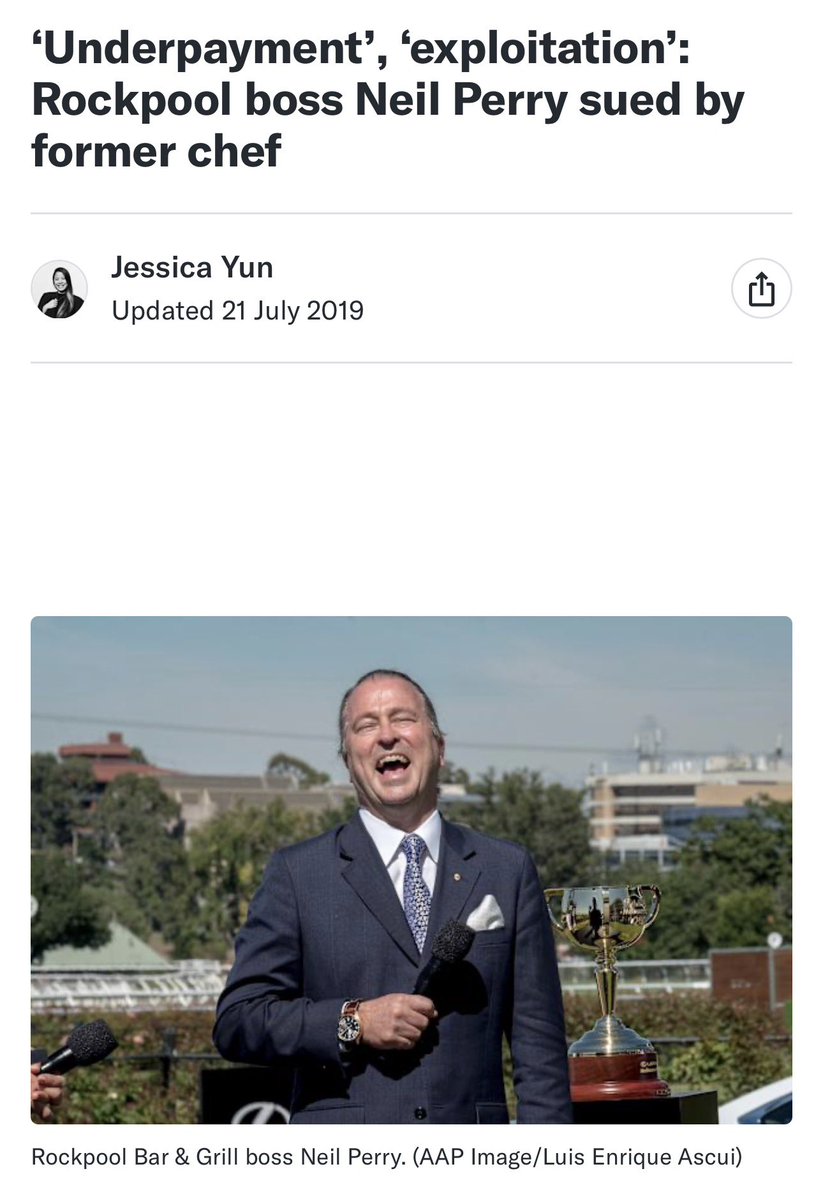
Neil Perry will leave Australia if Pauline Hanson becomes PM
Perry, whose restaurant allegedly sponsored immigrants and then made them work 70 hours, at $12 an hour. They even had to sleep at work!
“I slept several nights at Rockpool on a pastry bench because there was no way I could go home and come back in time”
Neil, One Nation won’t tolerate this. You won’t be missed
42
104
392
3,808
Julie Masters retweeted

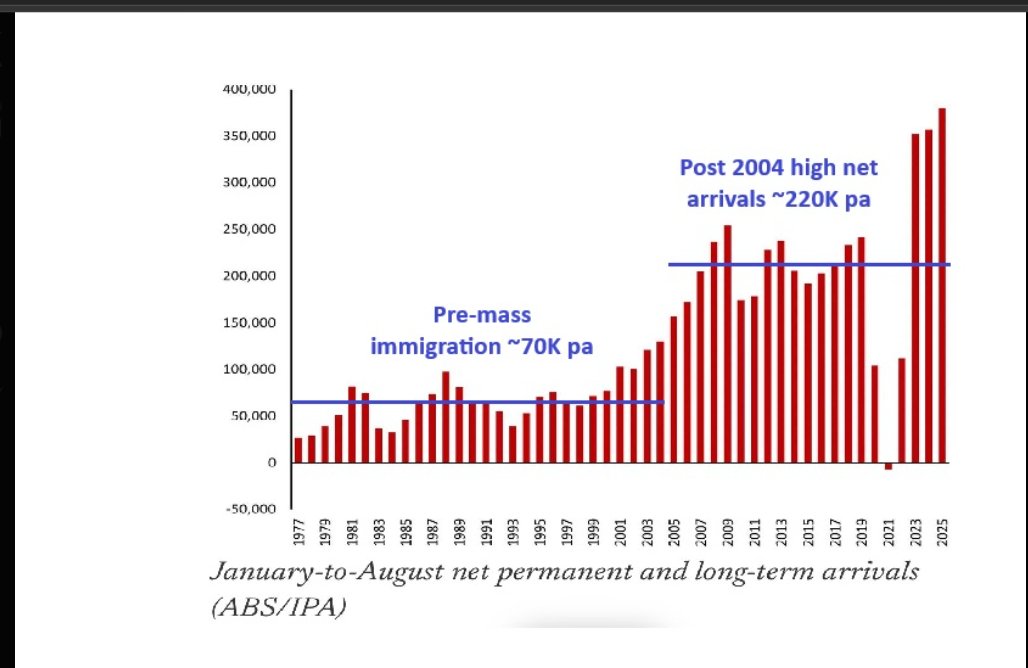
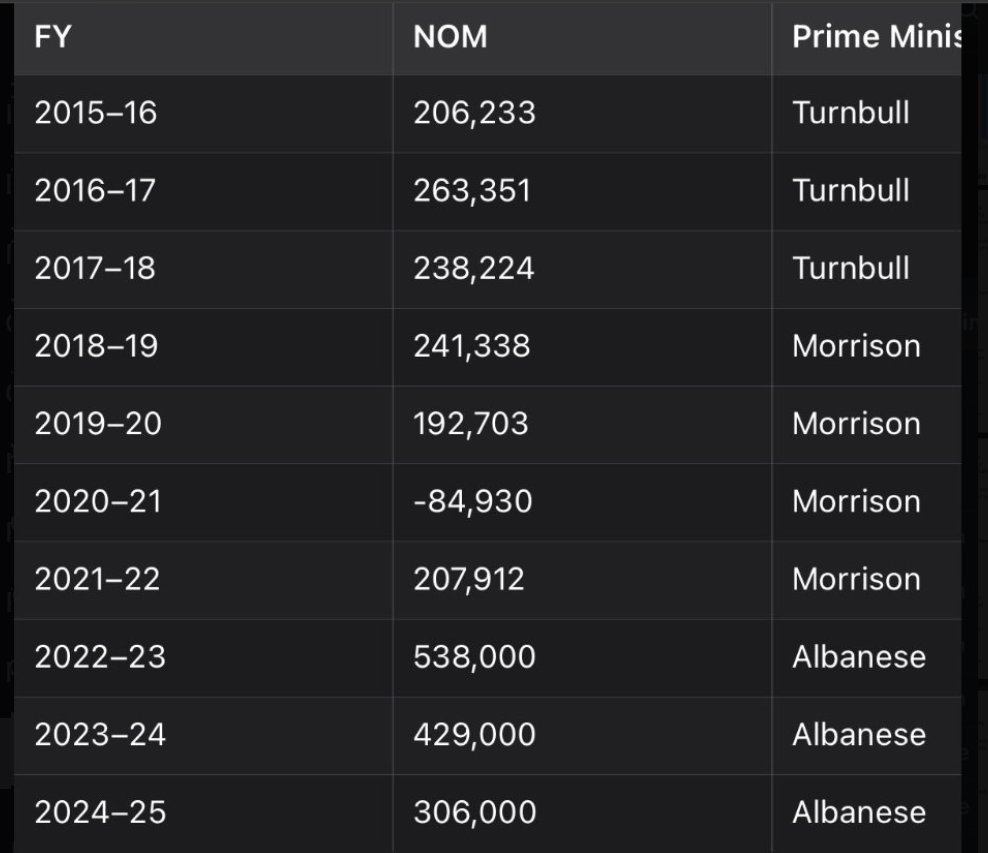
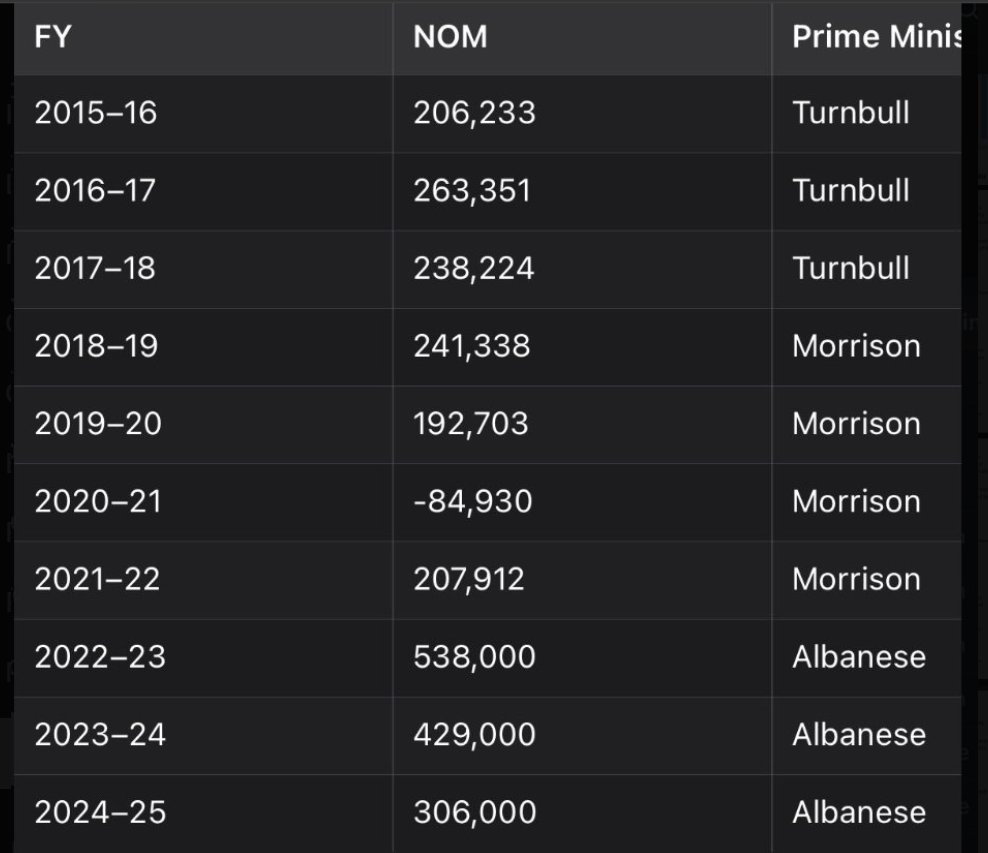
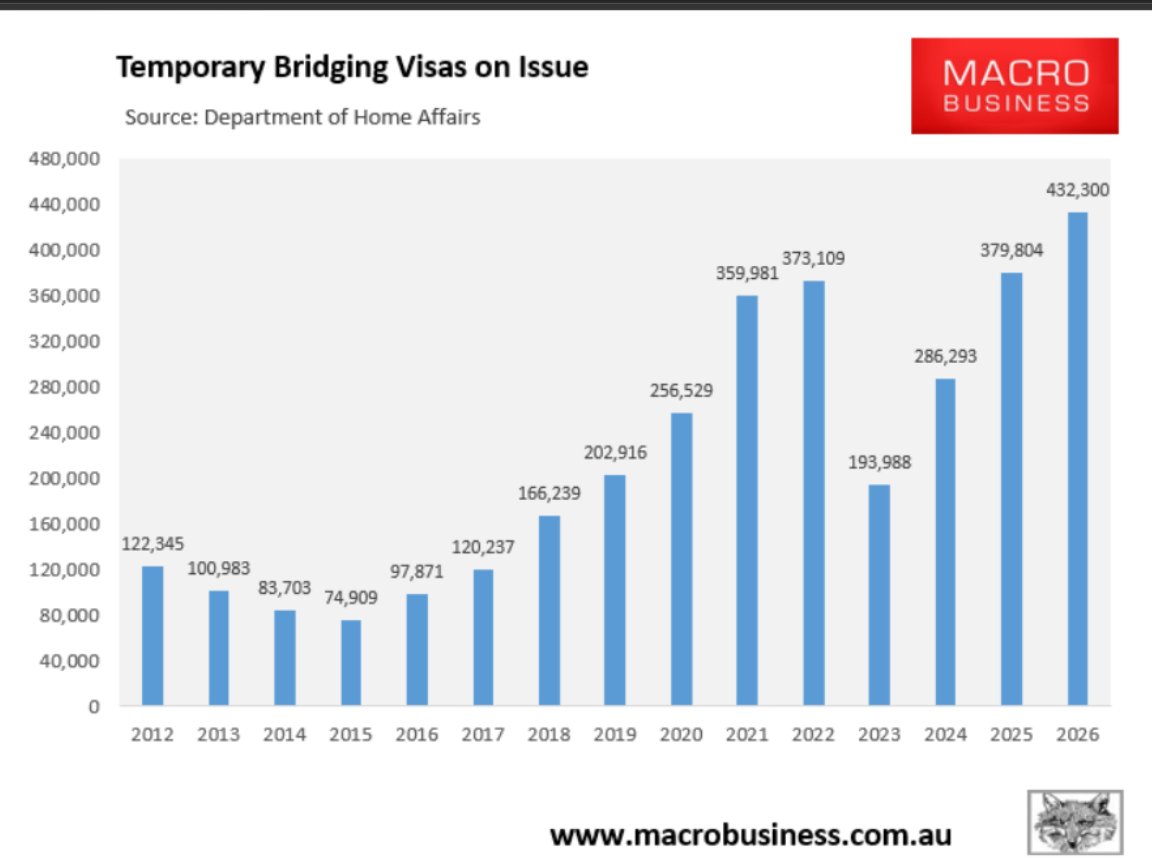
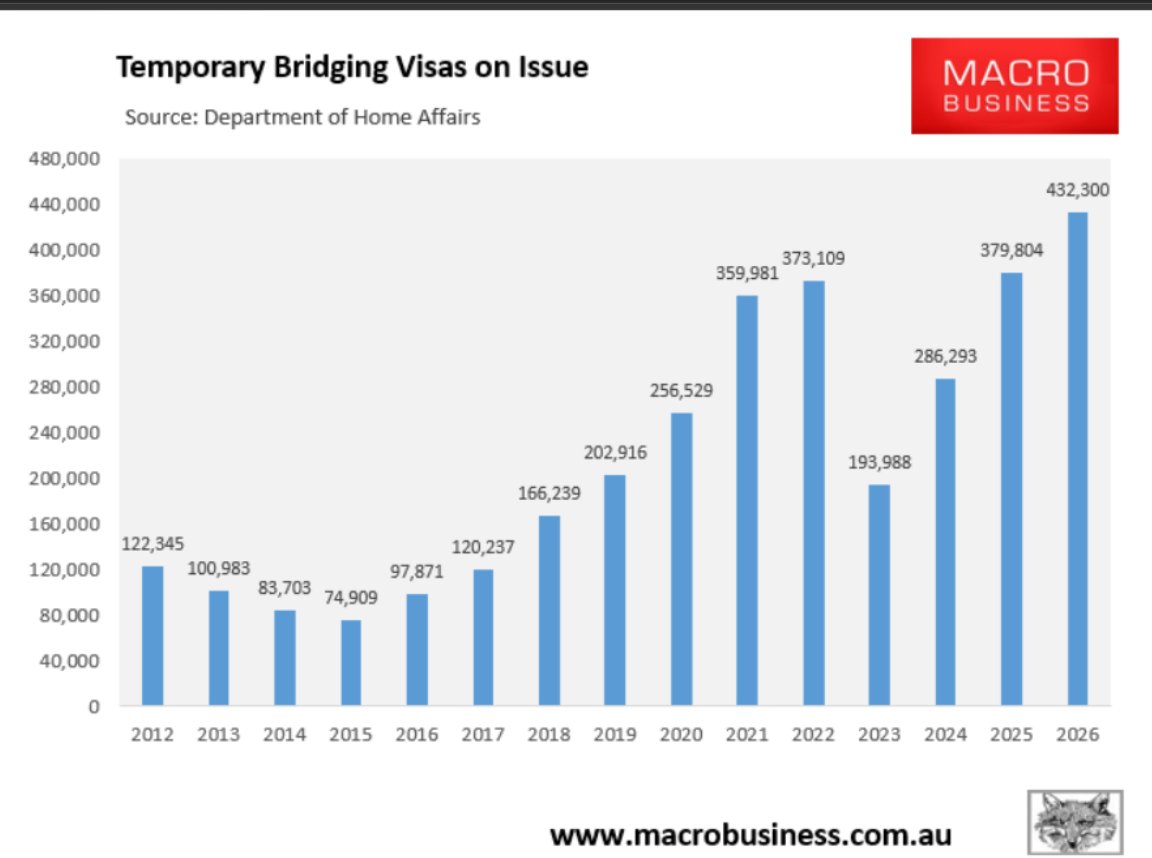
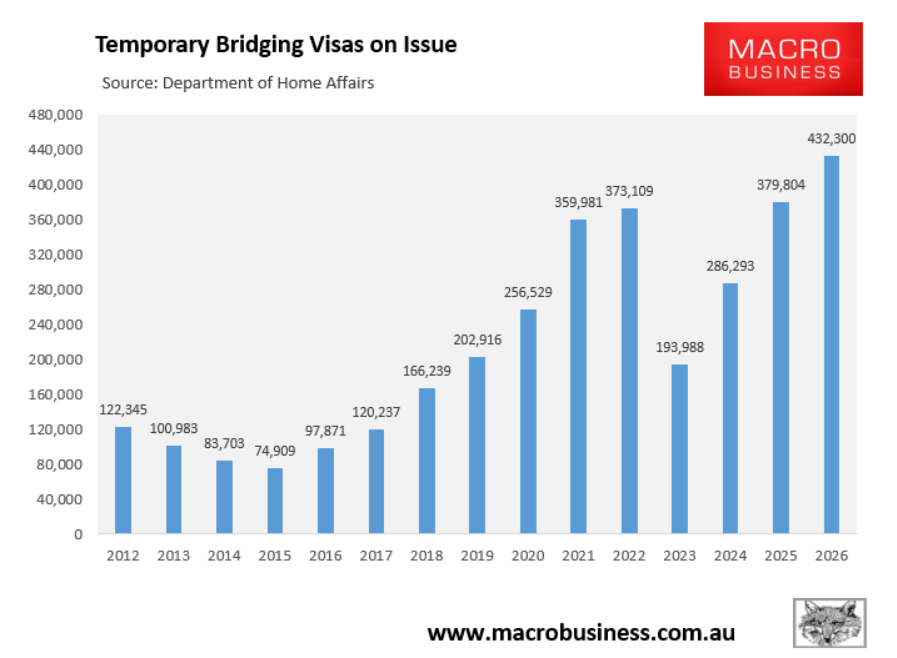
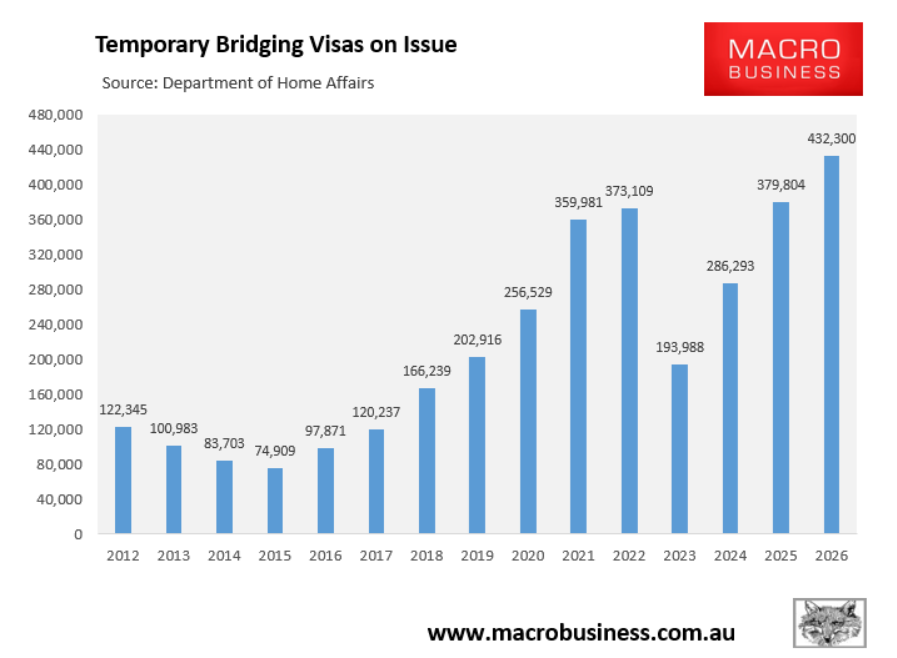
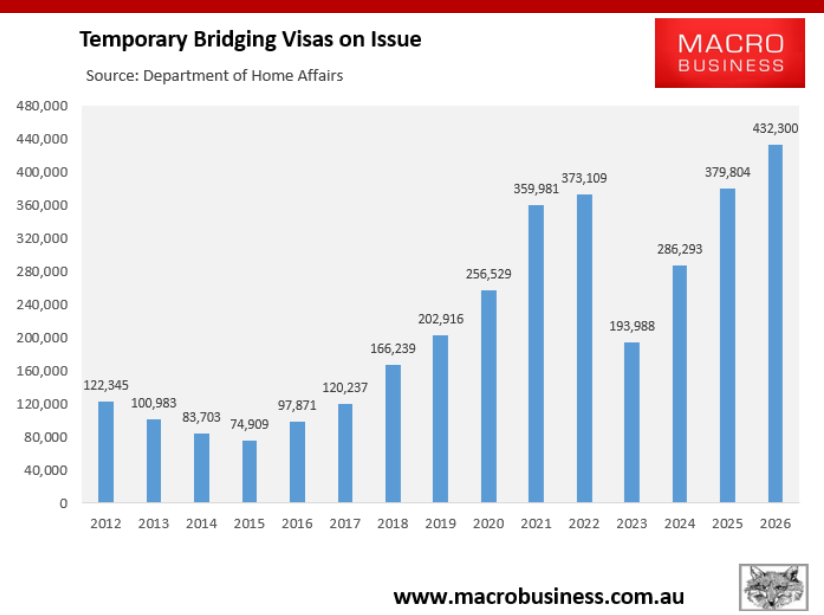
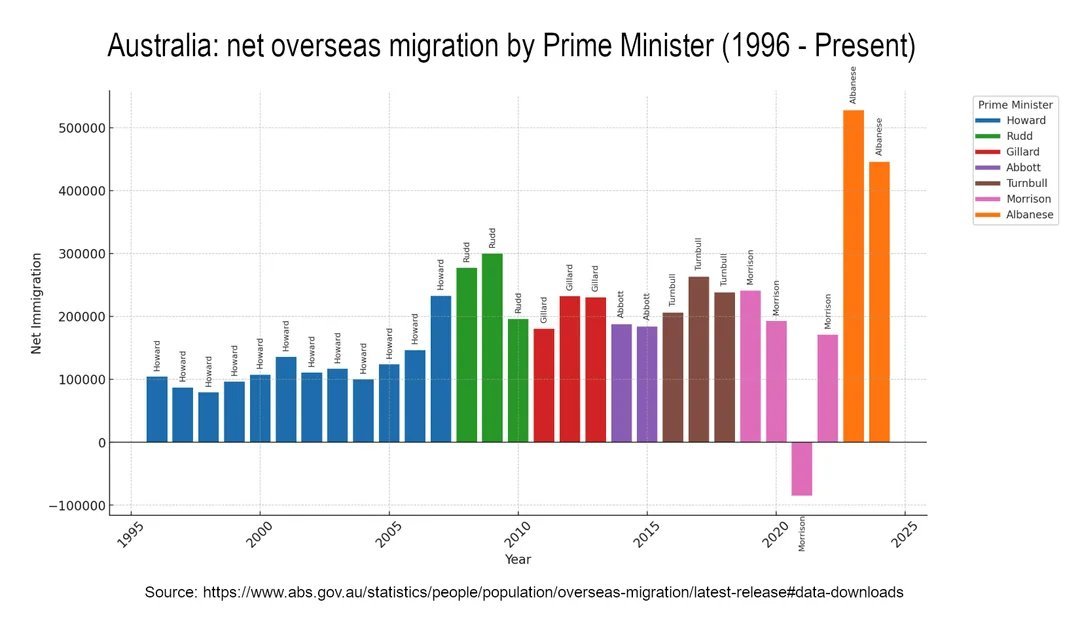
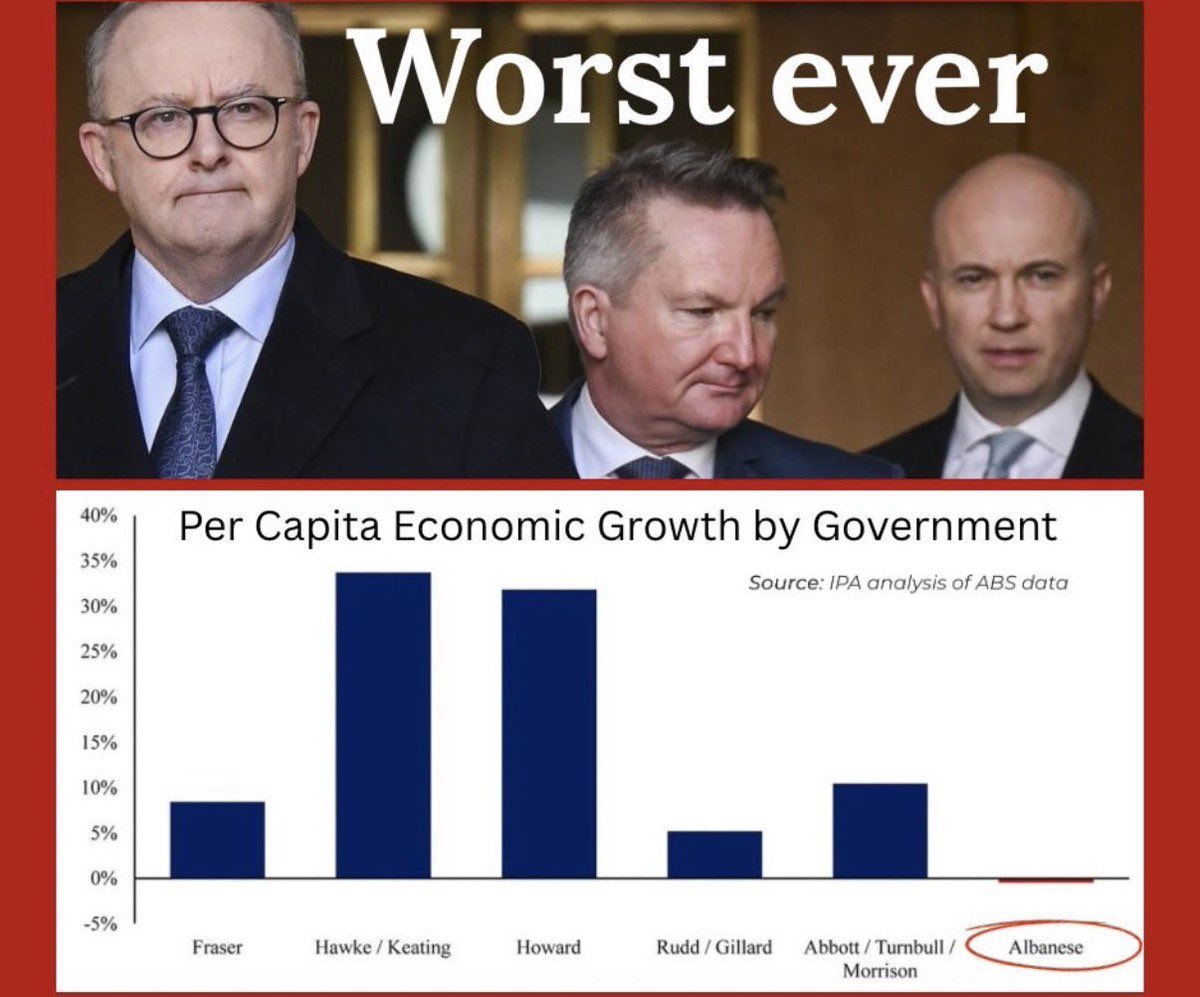
Labor bots have become quite rabid in the last few weeks - even if you aren't a ONP supporter and are just commenting on the current very interesting state of affairs. And this chart sends them into a blind rage - they really, really don't want to see it.
5
20
220

Julie Masters retweeted

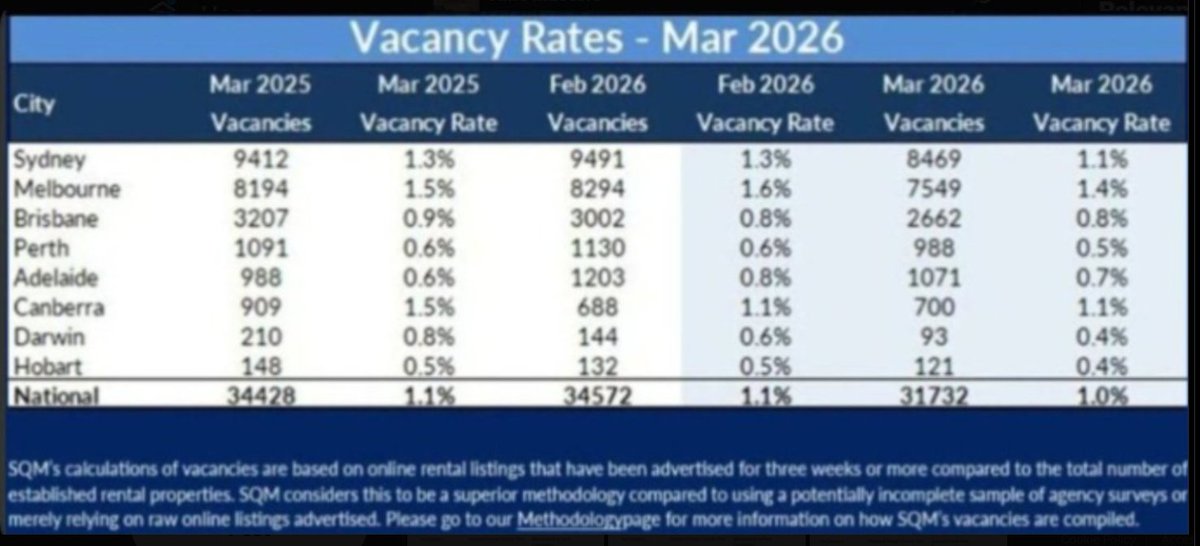
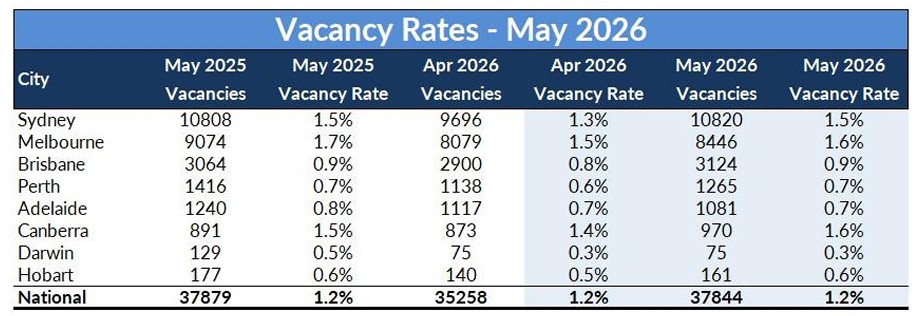
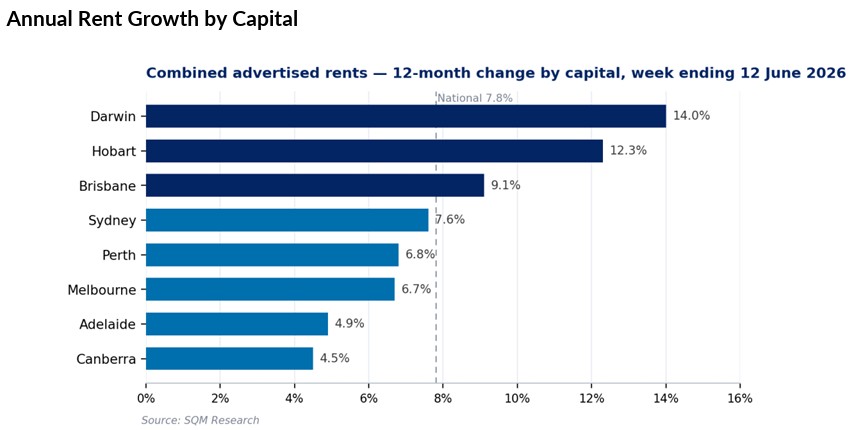
The latest rental vacancy rate data from @SQMResearch shows that vacancy rates remain below 1% in most capital cities and are well below their long-term average level in every capital city.
No surprise then that they also report advertised rents are continuing to rise.
Interestingly, some of the markets with very low rental vacancy rates have seen only moderate increases in rents over the year. This suggests that renters are perhaps getting to the end of their capacity to continue to pay more for rent, or it could highlight that it is lower quality rental stock which is becoming available for rent.
Every capital city is seeing advertised rental growth in excess of inflation.
2
7
35
3,063
Julie Masters retweeted

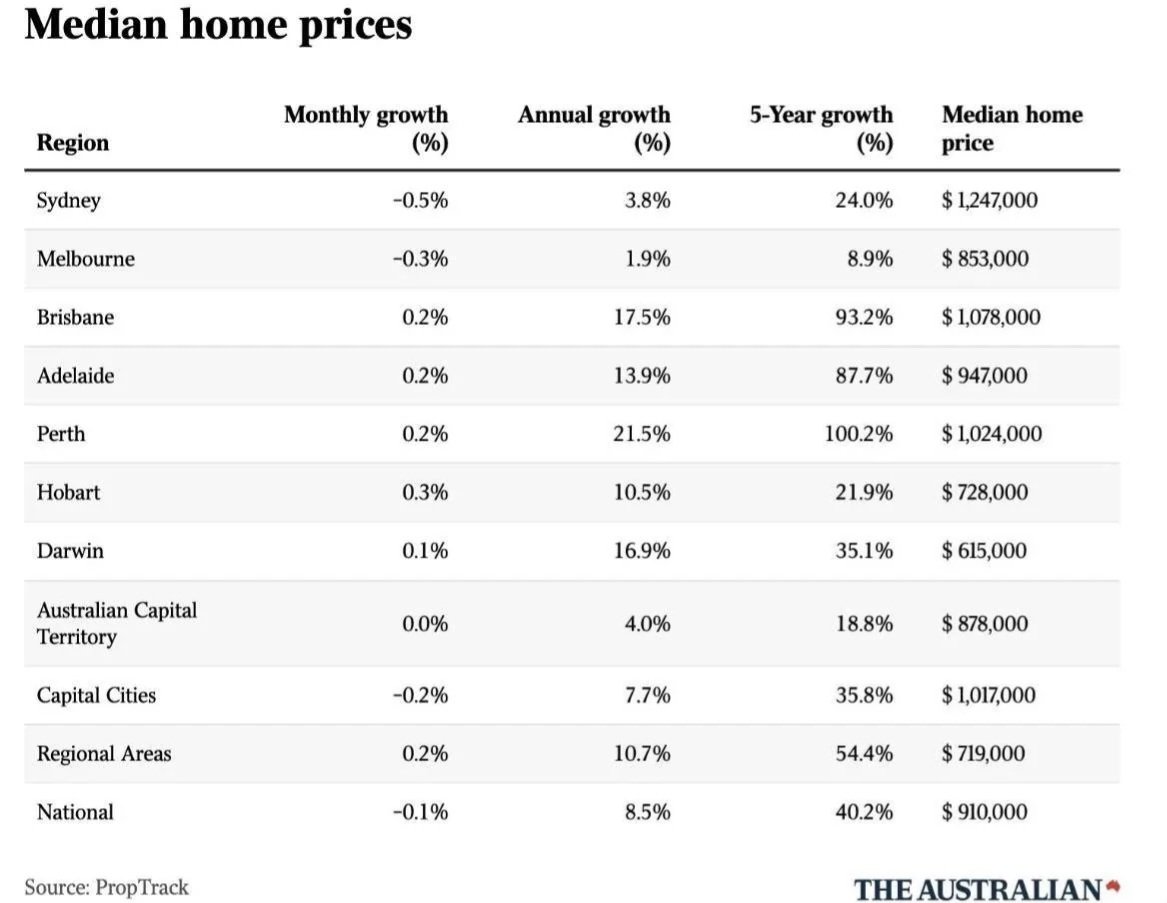
The Albanese government talks about wanting "sustainable" housing price rises.
Meanwhile, dwelling prices are up by 13.9% in Adelaide, 17.5% in Brisbane or 21.5% in Perth.
Chart: The Australian
13
8
78
4,525
Julie Masters retweeted

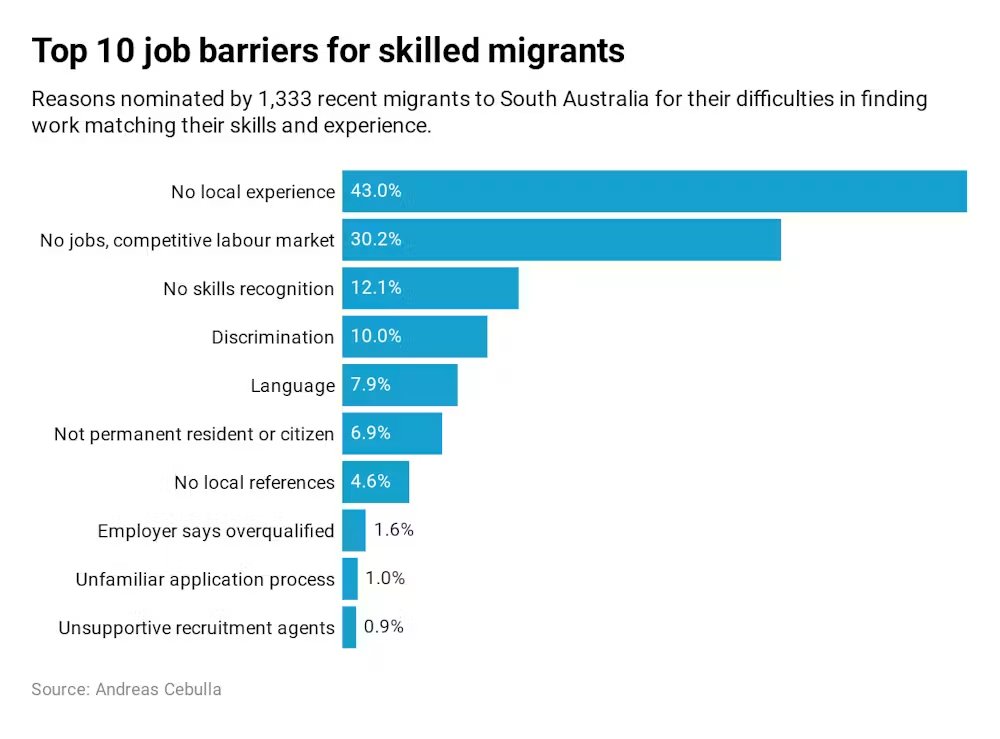
A telling review of skilled migrant outcomes!
53% were not utilising their skills
44% in a job different from what they nominated in their visa application
theconversation.com/theres-o…
1
7
16
309
Julie Masters retweeted

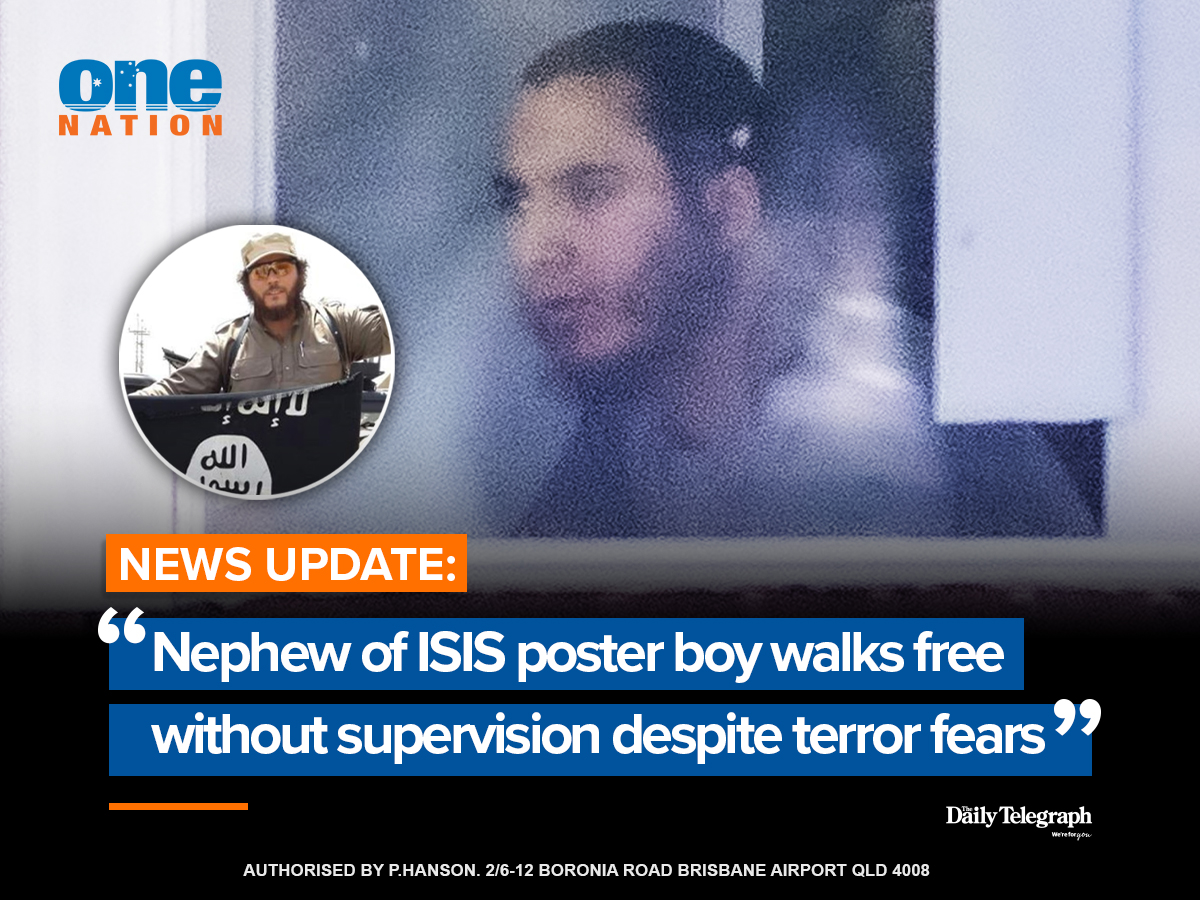
Despite being deemed to be a risk to the community, the nephew of Australia’s most well-known ISIS terrorist, Khaled Sharrouf, has walked free.
A psychologist only recently stated he was a “moderate to high risk” of committing a terror offence. Sharrouf’s nephew, Yaqoob Benshabir, successfully appealed his sentence for bashing a gay couple and walked free from custody early without supervision orders, leaving law enforcement agencies largely powerless to control and monitor him. It’s alleged that Yaqoob has repeatedly praised ISIS.
The situation would be almost unbelievable if it wasn’t for the fact that only recently we let a string of ISIS brides back into the country. I think the view that, under this Labor Government, we’ve become a soft touch on terror and radical Islam would be an understatement. Even after the horror of last December, authorities are simply letting extremist fanatics, who experts claim are a significant risk to the community, walk free.
51
298
713
8,980
Julie Masters retweeted

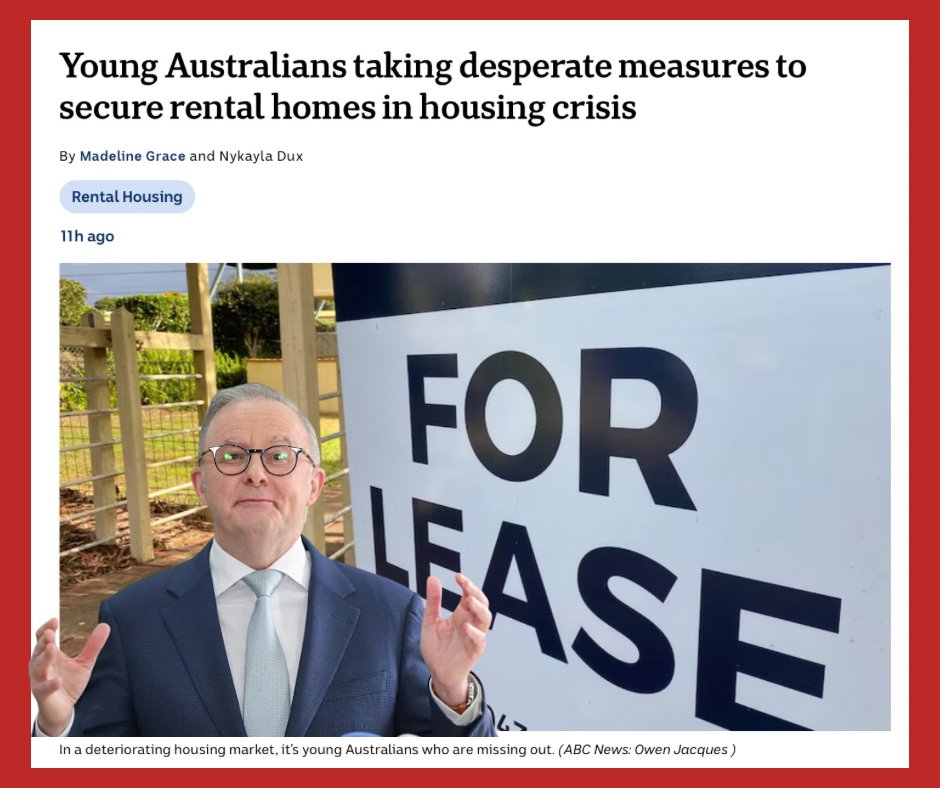
No Prime Minister in our nation’s history has smashed young Australians renting worse than Albanese has.
If you are renting, and you intent to vote again for Labor, I’m sorry - but you deserve more of the same.
22
67
303
6,372
Julie Masters retweeted

“The reality is that Australian rents have already surged over the past four years due to the federal government’s record net overseas migration.” macrobusiness.com.au/2026/06…
1
2
23
186
Julie Masters retweeted
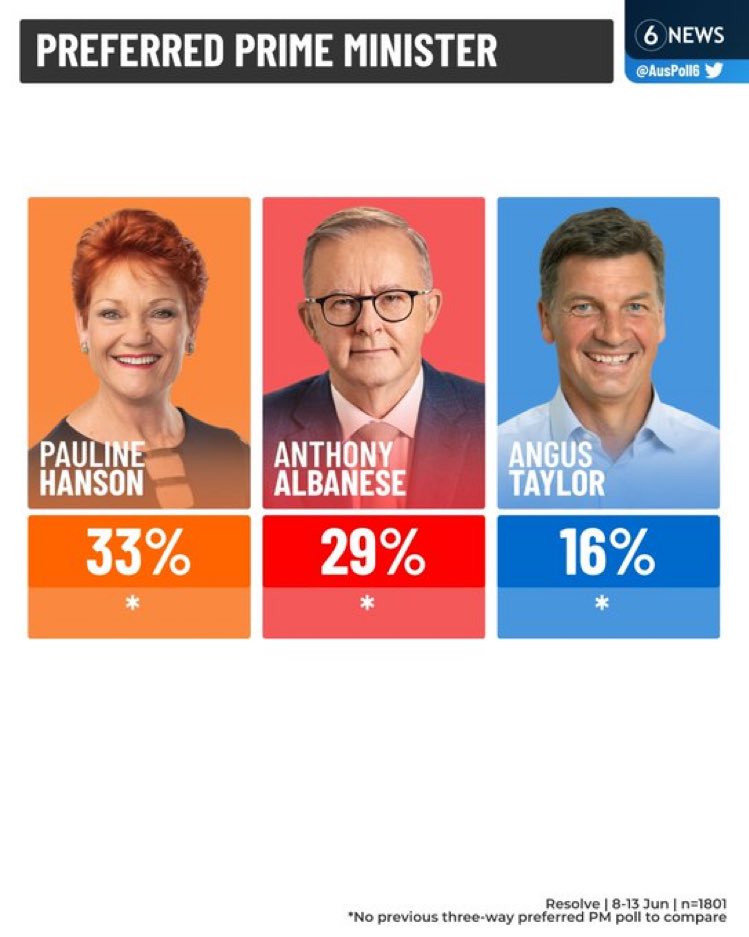
Extreme population growth is a strange hill to die on.
3
2
37
488
Julie Masters retweeted

If so, then tell us why, after importing millions, we still need millions more?
This is just a typical big business call for a never ending flow of desperate new arrivals willing to be exploited for the low wages offered in these sectors.
You cannot build an economy on this foundation!

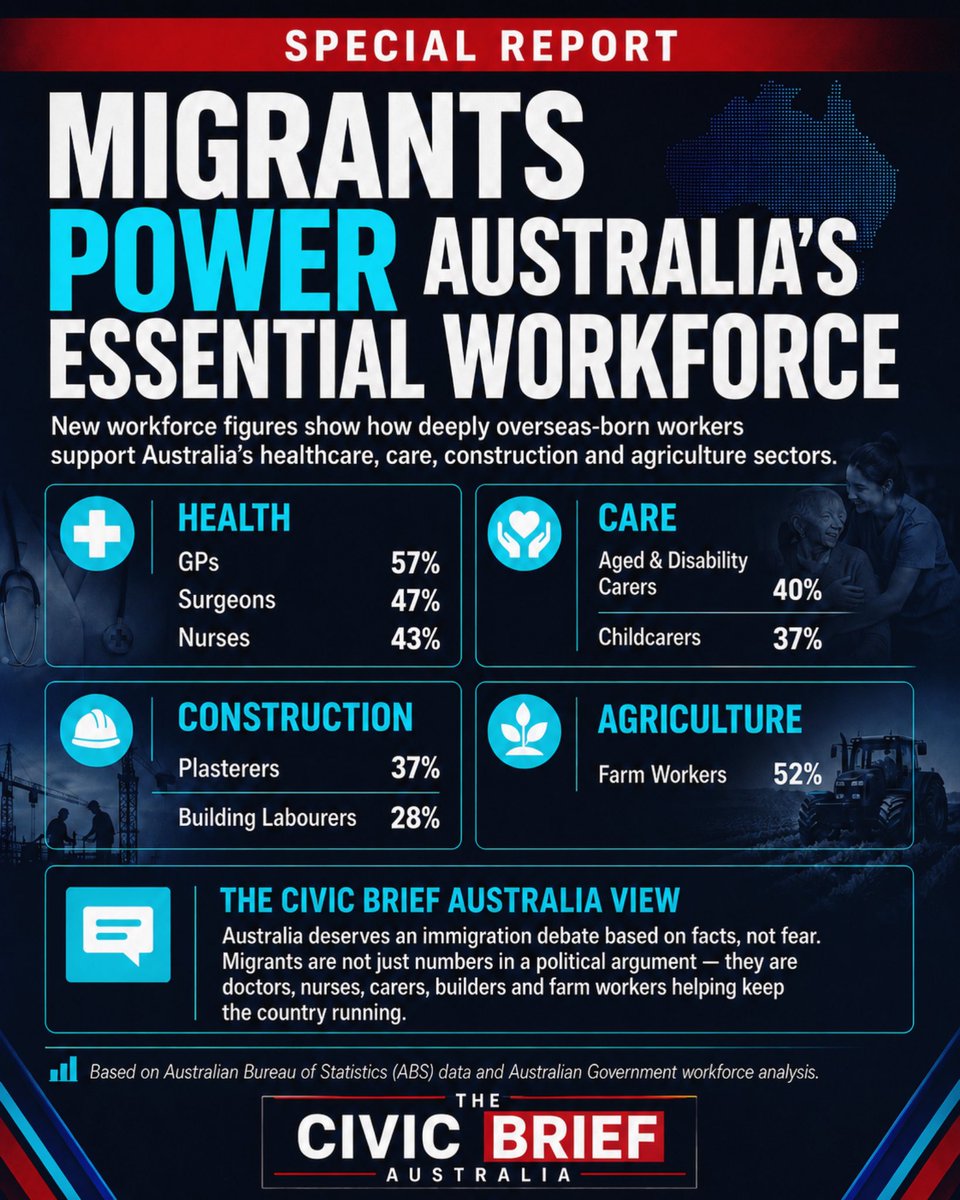
🚨Migrants Power Australia’s Essential Workforce — The Facts Behind the Immigration Debate
Australia’s immigration debate is often dominated by fear, blame and political slogans. But new workforce figures show a very different reality: overseas-born workers are deeply embedded in the essential services Australians rely on every day.
Across healthcare, care work, construction and agriculture, migrant workers make up a major share of the workforce. These are not abstract numbers. These are the doctors treating patients, nurses working in hospitals, carers supporting older Australians, childcare workers helping families, builders constructing homes and farm workers keeping food supply chains moving.
According to Australian Bureau of Statistics data and government workforce analysis, overseas-born workers make up a significant proportion of key essential roles. The figures include 57 per cent of GPs, 47 per cent of surgeons, 43 per cent of nurses, 40 per cent of aged and disability carers, 37 per cent of child carers, 37 per cent of plasterers, 28 per cent of building labourers and 52 per cent of farm workers.
The message is clear: migrants are not separate from Australia’s economy. They are part of the foundation holding many essential services together.
This is especially important in healthcare. Australia is already facing pressure across hospitals, general practice clinics and aged-care services. In many regional areas, overseas-born doctors, nurses and carers are not simply filling gaps — they are helping keep entire communities connected to basic healthcare.
The same is true in agriculture. If more than half of farm workers are overseas-born, then Australia’s food system is directly connected to migration. Every debate about migration should also ask who is growing, picking, packing and delivering the food Australians rely on.
Construction tells another important story. Australia is in the middle of a housing shortage, yet building more homes requires workers. Migrants are part of the construction workforce needed to deliver housing, infrastructure and regional development. Cutting migration without a serious workforce plan could make existing shortages worse, not better.
This does not mean immigration policy should never be debated. Housing, infrastructure, wages, training and public services all matter. But the debate must be honest. Blaming migrants for every pressure in the system ignores the fact that migrants are also helping keep that system running.
The real issue is policy failure. Australia needs better housing planning, stronger worker protections, investment in training, improved regional services and migration settings that are fair, sustainable and properly managed.
Anti-immigration politics often turns complex problems into a simple blame game. Housing shortages are blamed on migrants, even though they are also caused by years of underbuilding, planning failures, investor incentives and infrastructure gaps. Wage pressure is blamed on foreign workers, even though weak bargaining power, insecure work and corporate profit-taking also play major roles.
Migrants are often blamed for pressure in the system while simultaneously being relied upon to support that same system.
That contradiction sits at the heart of Australia’s immigration debate.
Australia deserves a better conversation. Migrants are not just numbers in a political argument. They are workers, taxpayers, small business owners, families, neighbours and community members. They care for Australians, build for Australians, grow food for Australians and help keep regional towns alive.
A serious immigration debate should be based on facts, not fear.
3
6
33
443
Julie Masters retweeted
Albanese seems to have no comprehension of the widespread damage and pain his extreme population growth is causing.

The latest rental vacancy rate data from @SQMResearch shows that vacancy rates remain below 1% in most capital cities and are well below their long-term average level in every capital city.
No surprise then that they also report advertised rents are continuing to rise.
Interestingly, some of the markets with very low rental vacancy rates have seen only moderate increases in rents over the year. This suggests that renters are perhaps getting to the end of their capacity to continue to pay more for rent, or it could highlight that it is lower quality rental stock which is becoming available for rent.
Every capital city is seeing advertised rental growth in excess of inflation.
2
2
17
268

Migration clearly is back on the rise:
Gross Permanent & long-term arrivals were a RECORD (for April) of 80,040.
There were 50,620 Perm & long-term departures (lowest since Covid)
Resulted in a RECORD 29,420 NET Perm & long-term arrivals for April.
Total for 12months Net 491k!
1
2
3
158
Julie Masters retweeted

Jun 14
Interesting.
So 400k people from countries without recognised construction skills will help build homes.
Genius plan.
13
16
222
1,178
Julie Masters retweeted
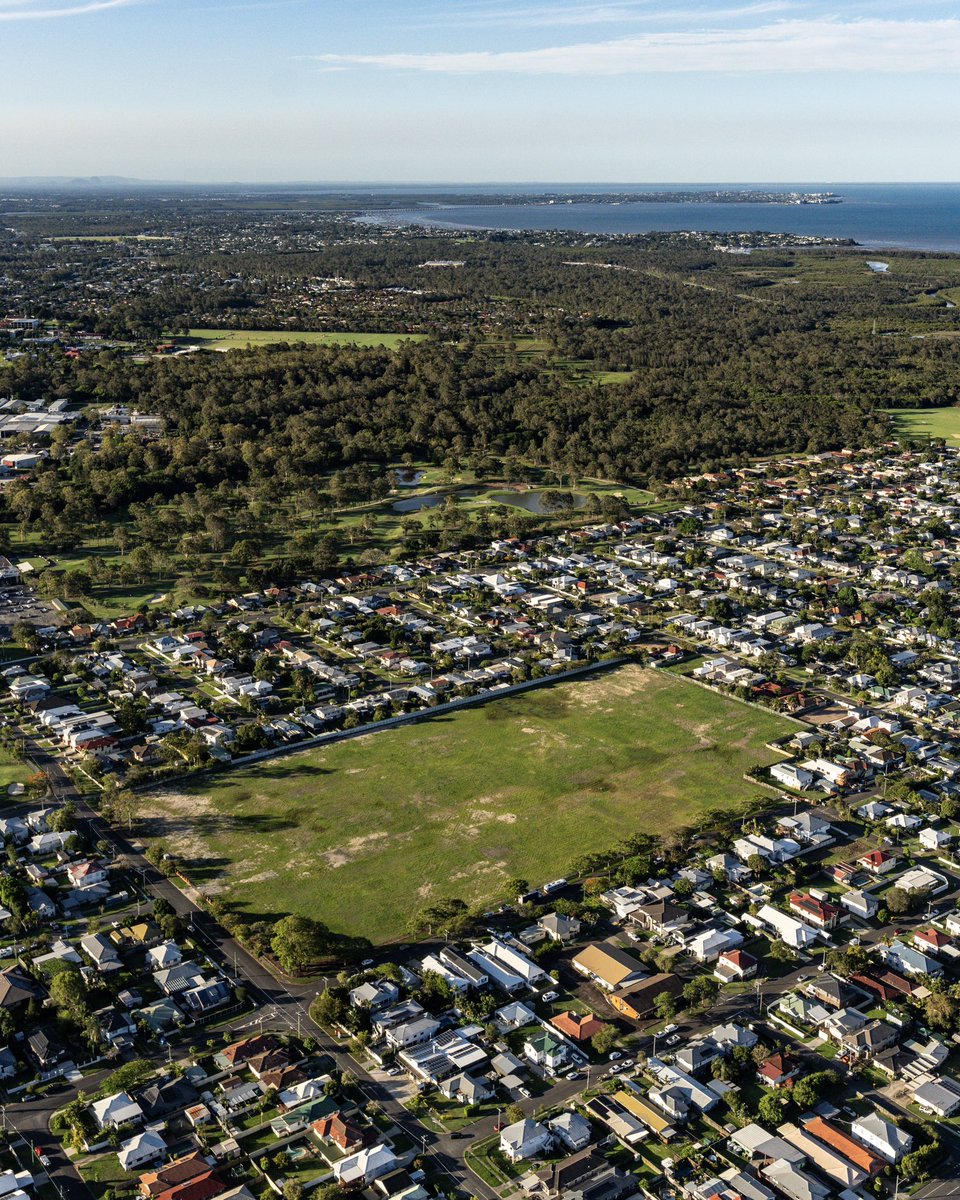
This project, forecast to take over a year to complete (if it is completed) will house approx one day worth of the current migration intake.

This block of government-owned land, in the heart of Brisbane, was left to sit vacant by the former Labor government for a decade.
Today, after just four months, we’ve locked in our plan to deliver more than 450 homes on it, including aged care and affordable housing.
Early works are set to begin in a matter of months.
After a decade of decline under Labor, we are pulling every lever possible to boost supply and deliver a place to call home for more Queenslanders.
3
12
151
Julie Masters retweeted

According to the parties on the left immigration doesn’t affect the rental market. I wonder where they think these people live?
53
227
966
21,974
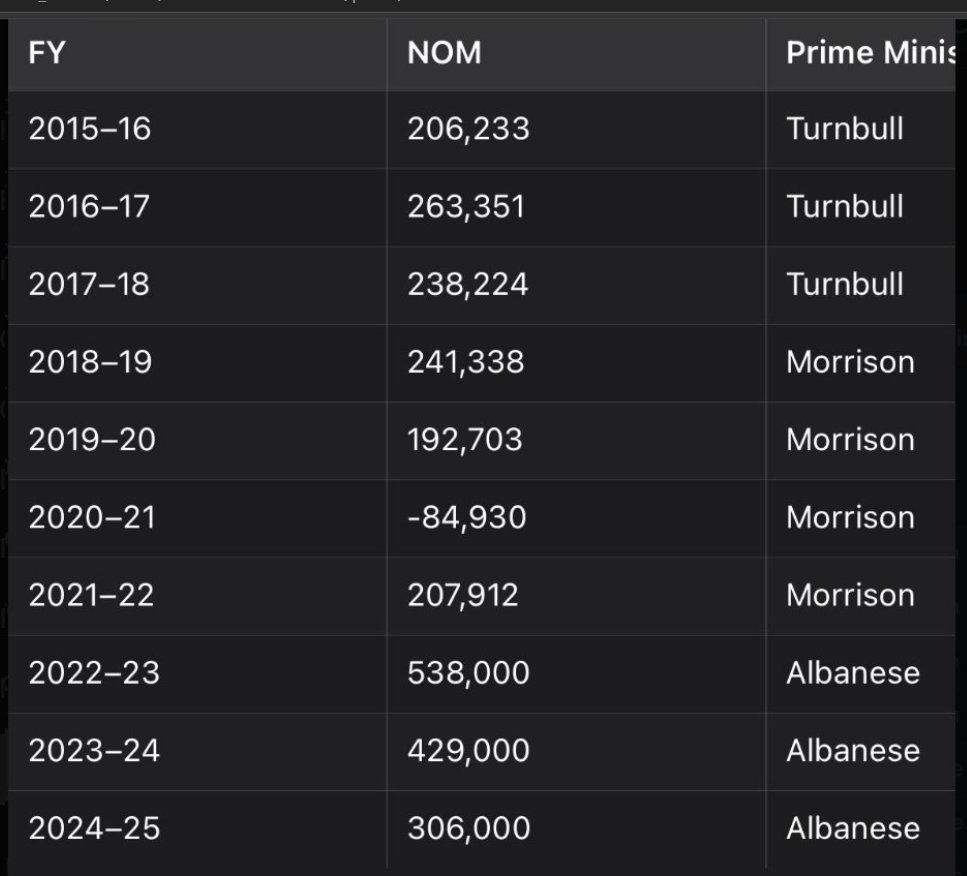
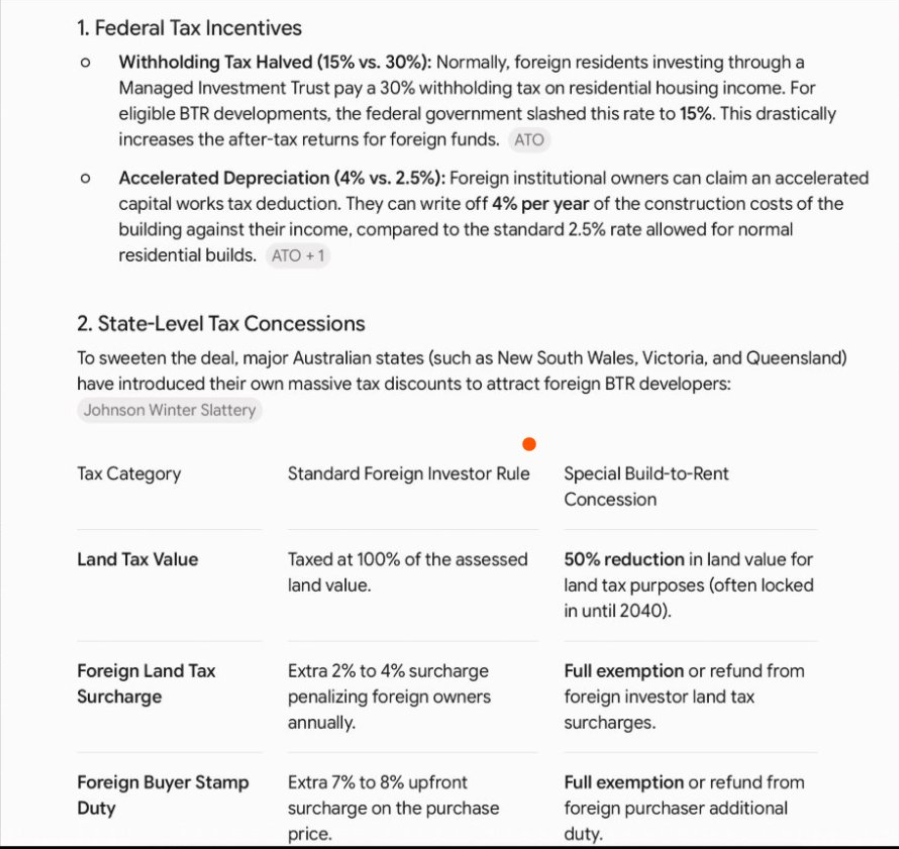
This is why we have a massive housing shortage & sky-rocketing rents for the past 4years,but try getting anyone in the mainstream media to hold the govt to account over it,or suggest they make a big cut immediately in their Net migration numbers that remain above pre-covid levels

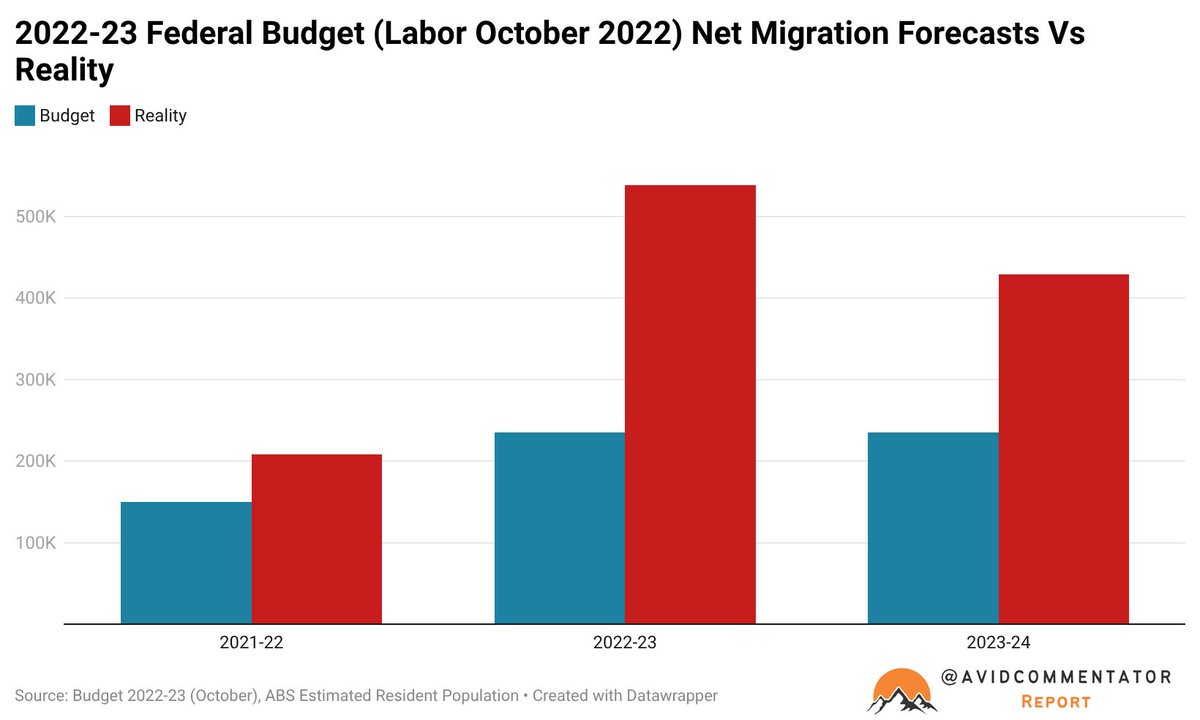
This is what the forecast for migration looked like in Labor's first budget in October 2022.
They were off by over half a million people over the three financial year's forecast.
A very poor record.
4
9
320
Julie Masters retweeted
This is what the forecast for migration looked like in Labor's first budget in October 2022.
They were off by over half a million people over the three financial year's forecast.
A very poor record.
3
10
46
2,285