Family, Faith, Knowledge, Passion, Sports,Insurance Agent and avid politcal junkie. Love the Oilers. BC Lions, golf and my home church.
Joined April 2009
- Tweets 64,169
- Following 3,095
- Followers 913
- Likes 32,012
2,832 Photos and videos












Justin Cathcart 🎄 retweeted

START SPREADING THE NEWS‼️
NEW YORK IS BACK ON TOP 🏆
682
13,905
75,380
2,166,558

Jun 13
Happens all the time unfortunately. A pastor friend of mine commented on how often he would see people talk so positively about a person at a funeral and lead him to question : “did you tell him that when he was alive ?” As the contrast was huge .
Be real and Tony is right
Jun 13

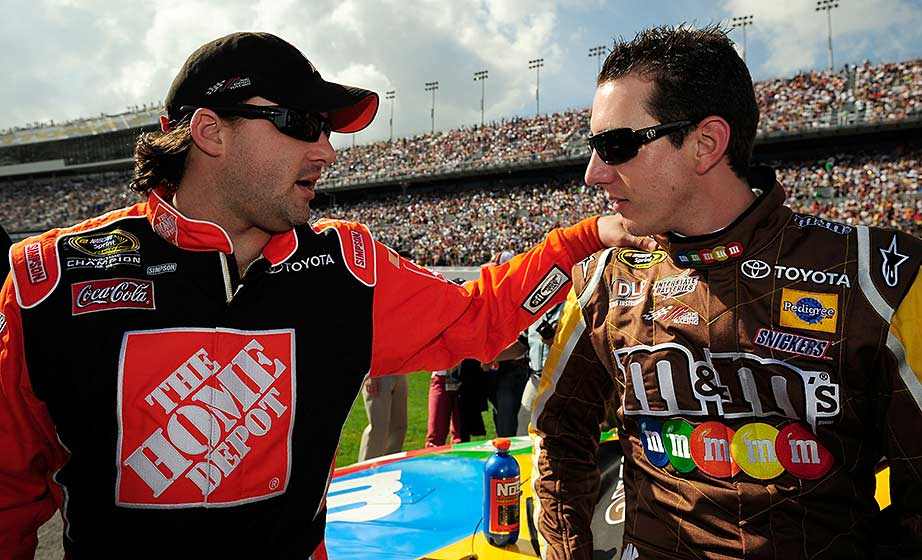
Tony Stewart is pissed off in the aftermath of the Kyle Busch tragedy.
“I guess the biggest thing in this tragedy that’s happened that pisses me off the most is that now everybody wants to talk about how he was as a person. Outside of that, all they wanted to do is judge what they saw on TV.
“It’s frustrating. That’s the way every one of us are judged by what they see on TV and then once you die, they want to talk about how good a person you were. That’s the part that pisses me off the most about it right now.”
Smoke wasn’t done: “Should’ve given him a chance to learn him as a person before they judged him in the first place. So, right now, I don’t care about educating everybody about how Kyle Busch was. I know how Kyle Busch was.
“The fact that they all want to learn now, they’re the assholes for not taking the time to learn him and accept him for who he was back then. You want to wait until a guy dies and then care about who he was as a person is the part that pisses me off about everybody.” 🔥
H/T @MightyMack03
1
56
Justin Cathcart 🎄 retweeted

Jun 12
Goes to show you just how pathetic Canada has become on the world stage, when politicians who are paid to protect Canadians openly welcome scum like this guy.
Thanks for nothing, @Dave_Eby & @oliviachow. You make Canadians sick. 🤬🖕🤬
#EscobarEby
#ChinaCompromisedChow
Jun 12

🚨🇨🇦 Why is Canada welcoming Islamic terrorist associates?
BC Premier David Eby is “heartbroken” that the US denied entry to Somali World Cup referee Omar Artan over suspected ties to terror organizations.
He says Artan would be “welcomed and celebrated” in British Columbia and should referee games in Vancouver.
1
1
357
Justin Cathcart 🎄 retweeted

Jun 12
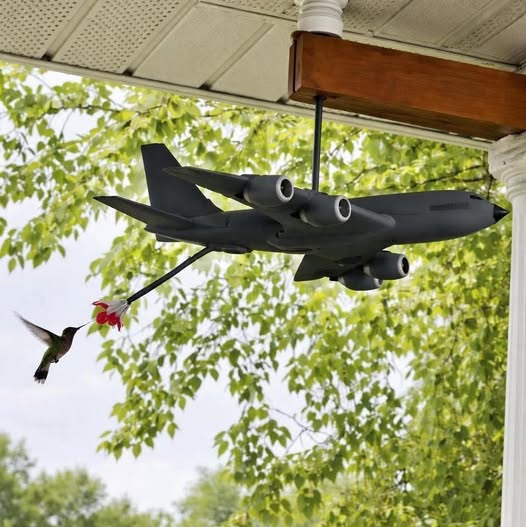
OK... take my money
573
6,140
64,416
1,078,215
Justin Cathcart 🎄 retweeted

Jun 12
Why on earth does Canada continue to fund terrorists?

BREAKING: Termination of UNRWA Gaza employees raises serious questions about Canada's continued support for the agency.
The participation of UNRWA employees in the deadliest massacre of Jews since the Holocaust has been extensively documented. Despite UNRWA's refusal to fully acknowledge this reality, the decision to terminate 70 of its staff members in Gaza speaks for itself and should be a wake-up call for the Government of Canada: Canadian taxpayer dollars should never fund organizations linked to terror, incitement, or antisemitism.
Public funds should only be provided to organizations that uphold Canadian values and international human rights standards. UNRWA fails that test.
That is why, in 2024, Canadian families of October 7 victims and CIJA launched a legal challenge to the federal government's decision to restore funding to UNRWA.
We will continue to hold the government accountable.
67
145
805
13,194
Justin Cathcart 🎄 retweeted

Jun 12
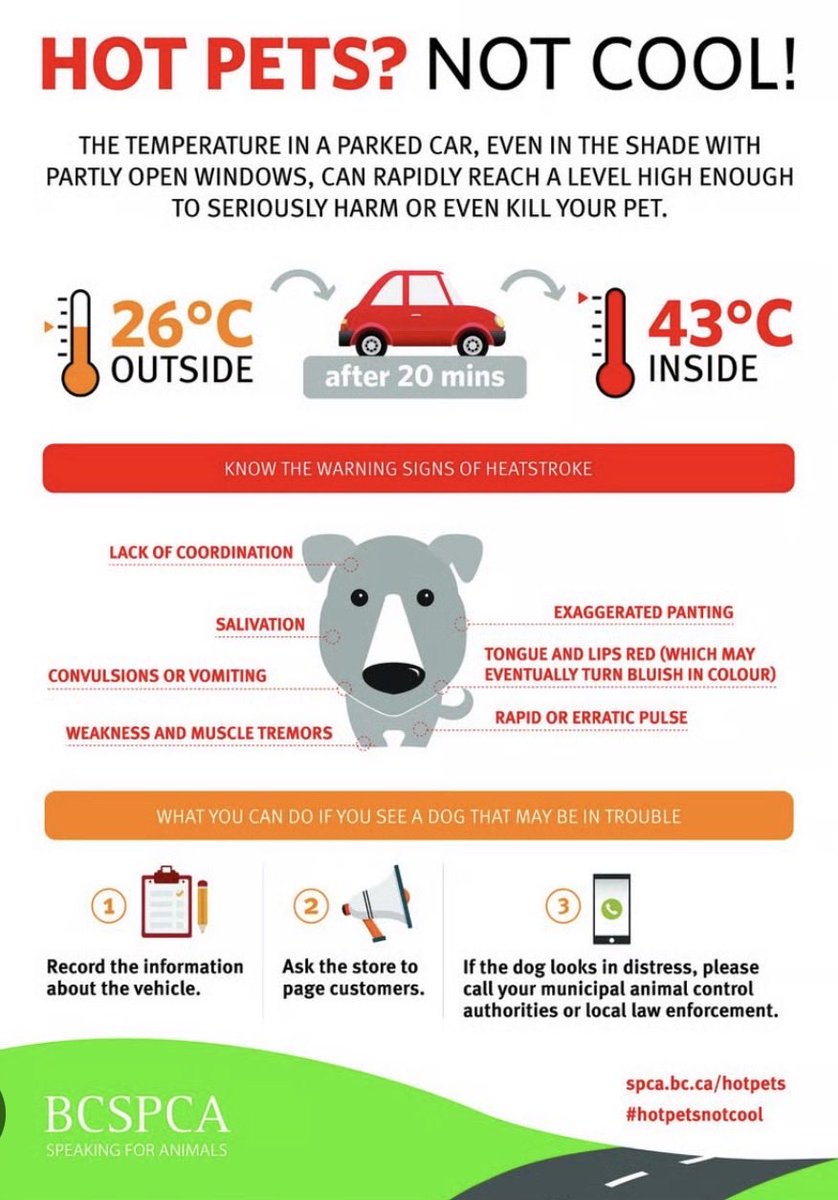
It’s going to heat up this weekend! ☀️
Please do not leave your pets in your car! 🙏
3
14
323
Jun 12
RT @TorontoPolice: Today, we mourn the loss of Constable Marc Pinizzotto.
“No words can capture the impact on Marc’s family, who expected…
582
Jun 12
Just watched our PM state a family of four spends $800 on groceries …are he and his handlers that out of touch ?
Our May grocery bill JUST from Save On Foods was over $1600 , Superstore $750 and Costco food was close to $500 .
No alcohol, just food
223
26
264
45,402
Jun 11
Wow, after that interview with @terrycrews and his incredible passion for food & racing on @SiriusXMNASCAR with @LarryMac28 and @BradGillie I feel like I need a cigarette :)
So , so good and passionate . I’ll be looking for his home cooking contest for sure . Awesome guest !
111
Justin Cathcart 🎄 retweeted

Jun 11
Olivia Chow openly advocates for Jew-haters who are linked to Al-Qaeda. Her campaign managers openly advocate for the Jew-haters in the IRGC.
We need a new mayor. We need change.
#topoli
72
312
1,598
16,394
Justin Cathcart 🎄 retweeted

Jun 10
'I couldn't believe it': Alberta friends split $12.5 million lottery win edmontonsun.com/news/local-n…

1
1
485
Justin Cathcart 🎄 retweeted

Jun 9
We know Hamlin joined the 50-50 Club this weekend with his 50th pole, but looks like that’s the last guy in for awhile. Check out how far away the others are:
Jun 8

To give you an idea of how elusive this is...
➡️ Logano needs 13 wins, 16 poles.
➡️ Keselowski needs 14 wins, 32 poles.
➡️ Larson needs 18 wins, 28 poles.
➡️ Elliott needs 27 wins, 38 poles.
➡️ Blaney needs 32 wins, 37 poles.
➡️ Byron needs 34 wins, 34 poles.
#NASCAR
9
15
605
79,987
Justin Cathcart 🎄 retweeted

Jun 8
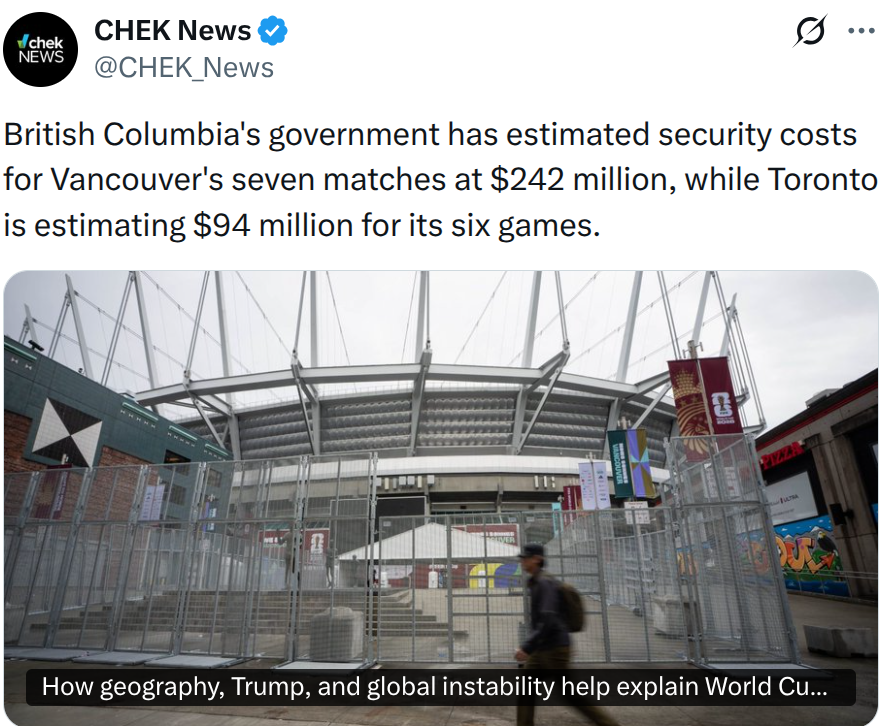
It doesn't get more blatant than this BC NDP press release from CHEK News.
The media is now blaming Trump for Eby blowing $242M on soccer game security.
3
5
186
Justin Cathcart 🎄 retweeted

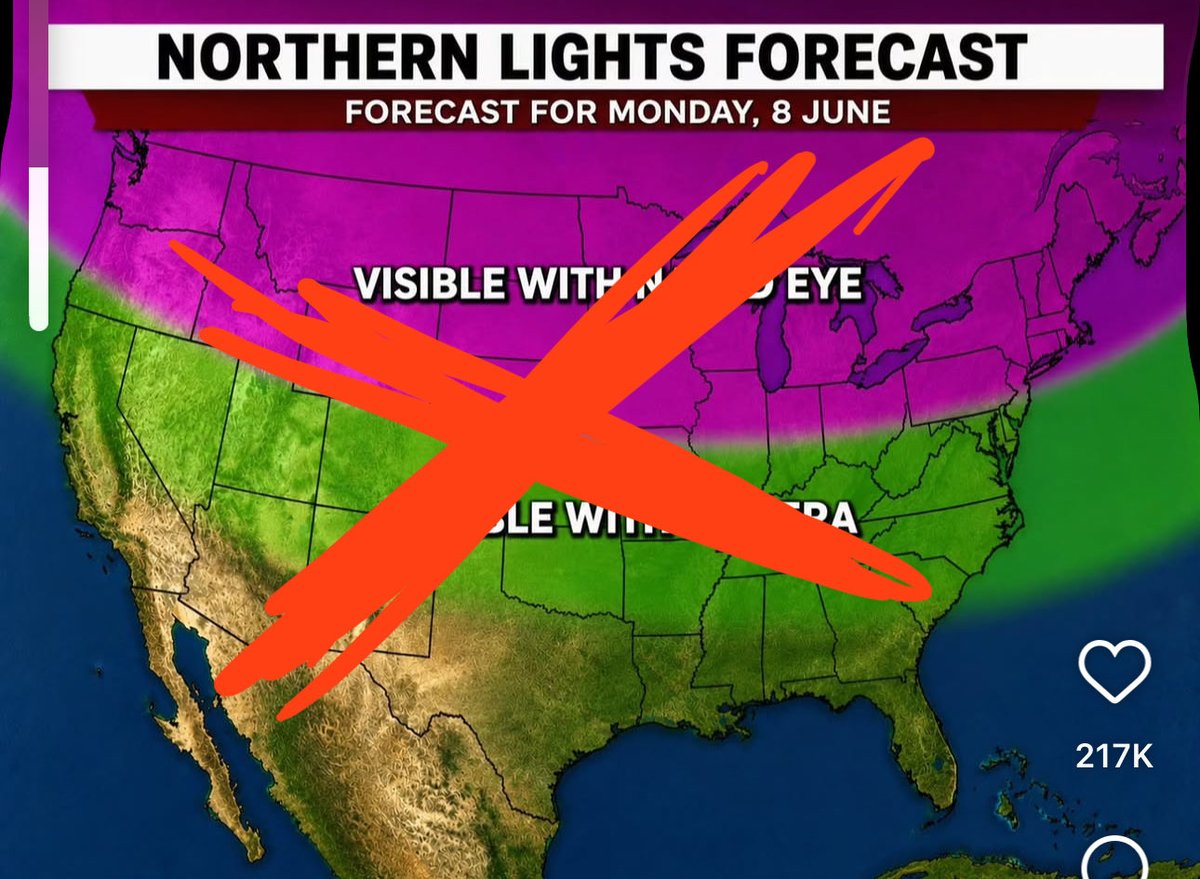
Seeing some popularized unrealistic viewing maps for the aurora.
If you have bionic vision, have a Ring night vision camera installed in your pupils, live in complete darkness like an anglerfish and choose the perfect time, you have a chance.
Otherwise, this map is bogus.
16
13
249
21,053
Justin Cathcart 🎄 retweeted
Jun 6
Uh-huh.
You don't seem to mention that the $250 MILLION tab (taxpayer paid) has now BALLOONED to over $750 MILLION?
And will likely end up costing the struggling taxpayers OVER $1 BILLION?? It's a bloody joke when taxpayers are already struggling.
2
8
185
Justin Cathcart 🎄 retweeted

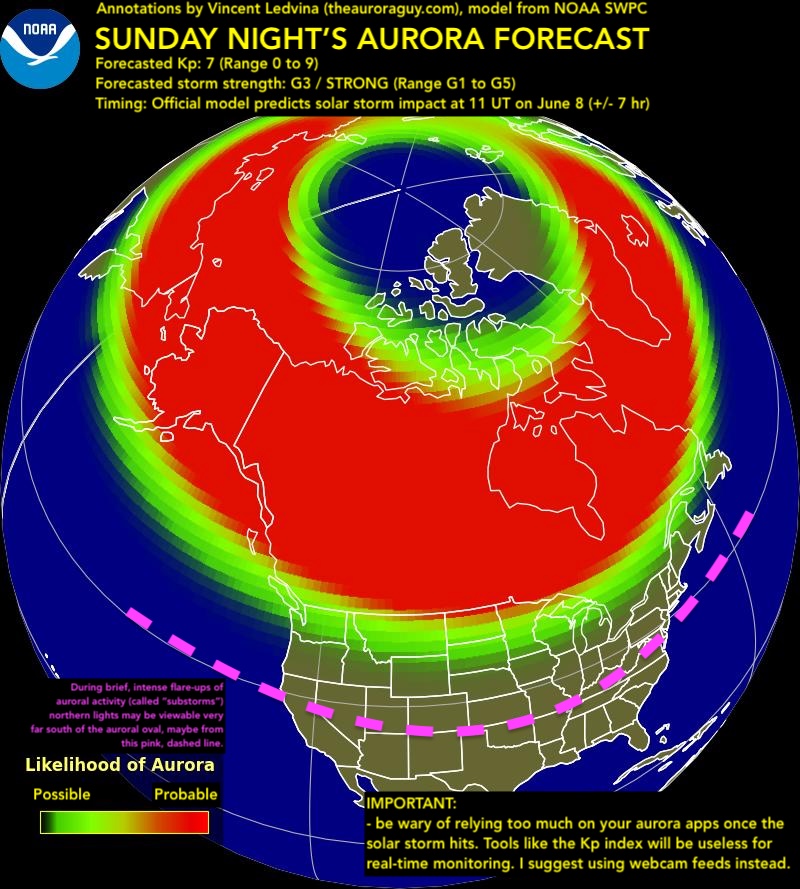
AURORA ALERT: a strong solar storm could bring the northern lights to much of the U.S. tomorrow night (Sunday, June 7). NOAA has issued a G3 ("strong") geomagnetic storm watch for June 8. If it pans out, the aurora may be visible across the northern states and into the central U.S., with a small chance even farther south during brief bursts called substorms.
What's happening: on June 6, a large filament erupted from sunspot region AR 4461 alongside an M1.8 solar flare. The flare was modest, but the eruption launched a fast, full-halo CME (a giant cloud of solar plasma) with a clear Earth-directed component, modeled at over 1,000 km/s. NOAA's model has it arriving around 11 UT on June 8 (7 AM Eastern, 6 AM Central, 4 AM Pacific on Monday morning), while NASA's runs lean earlier, closer to Sunday evening for North America.
All models carry about /- 7 hours of uncertainty, so the realistic window runs from Sunday evening through Monday midday. For U.S. chasers, that makes Sunday night into early Monday the night to watch. If the CME shows up late, Monday night becomes the backup, and NOAA already has a G2 watch posted for June 9.
How strong: NOAA's official forecast is G3 (Kp 7), but the bulk of this CME is heading south and east of the Sun-Earth line, so a lot depends on whether we catch the core or a flank. It could land higher or lower. Don't put too much stock in pinpoint Kp numbers or app forecasts before the storm arrives. Space weather is hard to predict and the storm will evolve on its own. Treat forecasts as a sign activity may be enhanced, not a guarantee.
How to catch it: get away from city lights, find a clear view to the north, and look during the darkest part of the night. Watch for substorms, when the sky can go from dark to full of color in just a few minutes. Unlike last week's storm, the moon is on our side this time: it's half-lit and doesn't rise until roughly 1-2 AM local, so the evening and midnight hours are properly dark. Clouds are the bigger wildcard, so check your local forecast before you drive anywhere.
The map shows roughly how far south the aurora might reach Sunday night. Forecasts like this don't always come true, so keep your hopes up but your expectations realistic.
I'll send a full aurora alert email to my subscribers tomorrow (Sunday) morning with all the details, free of charge. Sign up here: go.theauroraguy.com/alerts
A few more free resources to help you chase:
Live aurora webcams (100 ): theauroraguy.com/pages/webca…
What is a substorm? theauroraguy.com/blogs/blog/…
Resources you may look at but are actually NOT helpful for chasing in real-time: theauroraguy.com/blogs/blog/…
Support these free alerts on Patreon: patreon.com/TheAuroraGuy
8
141
543
23,748

Justin Cathcart 🎄 retweeted

CBC: "Oh, you killed 16 people? A fifth chance at avoiding deportation is more than appropriate."
ALSO THE CBC: "Oh, you were falsely accused of sexual assault? No fresh start for you."
300
1,188
9,783
1,399,438
Justin Cathcart 🎄 retweeted
It shouldn’t be this hard for a sovereign nation to kick bad actors out of the country.

Mohamed Harkat, facing deportation, wins round in court theglobeandmail.com/canada/a…
5
46
279
4,492
Justin Cathcart 🎄 retweeted

Jun 3
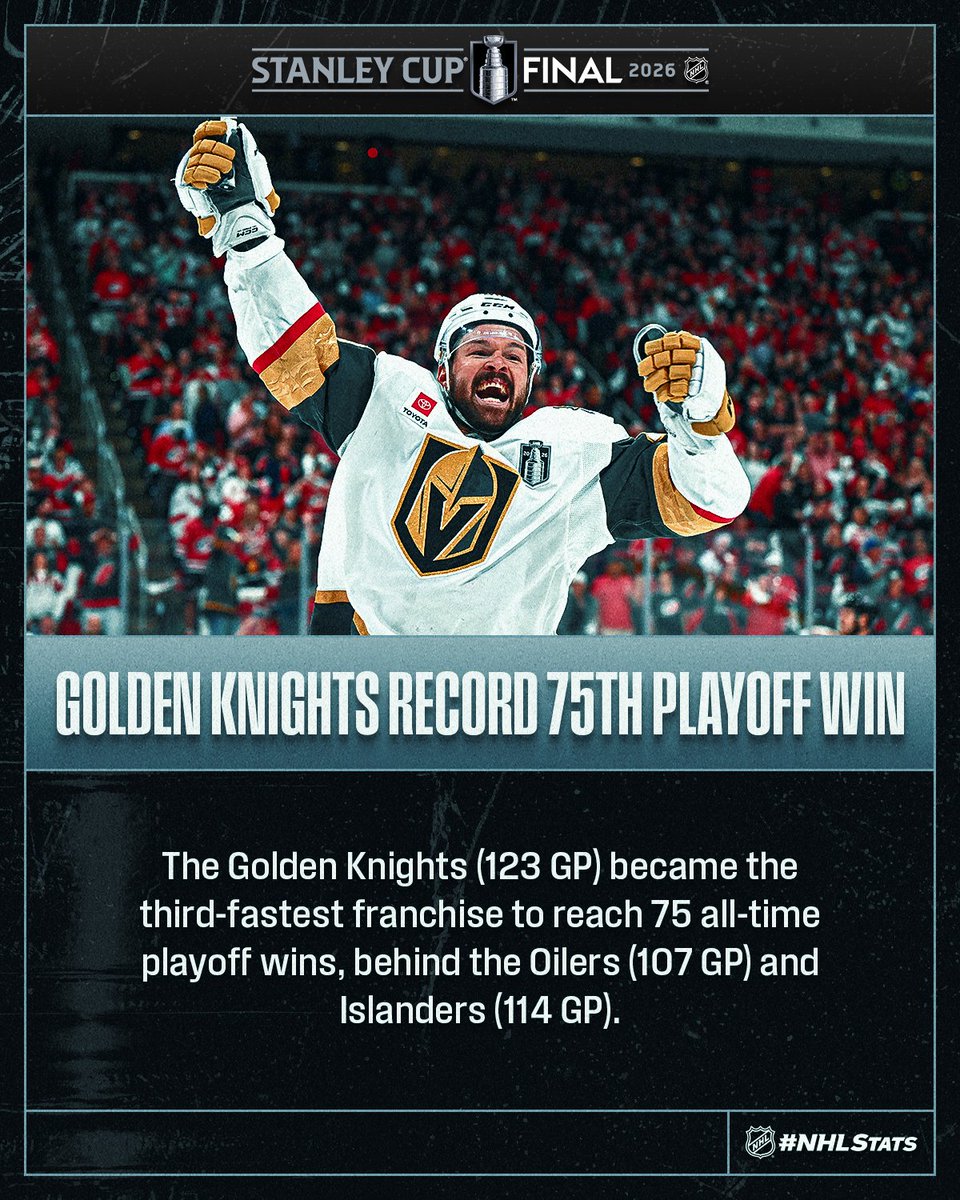
The @GoldenKnights earned their 35th playoff road victory and established the second-highest win total through a franchise’s first 60 postseason road games, following the Oilers and Islanders (each w/ 36). #StanleyCup
#NHLStats: media.nhl.com/public/live-up…
3
50
266
9,435