
Official account of the Biological and Environmental Science and Engineering Division at KAUST (@KAUST_News)
Joined August 2024
- Tweets 942
- Following 141
- Followers 660
- Likes 1,040
382 Photos and videos
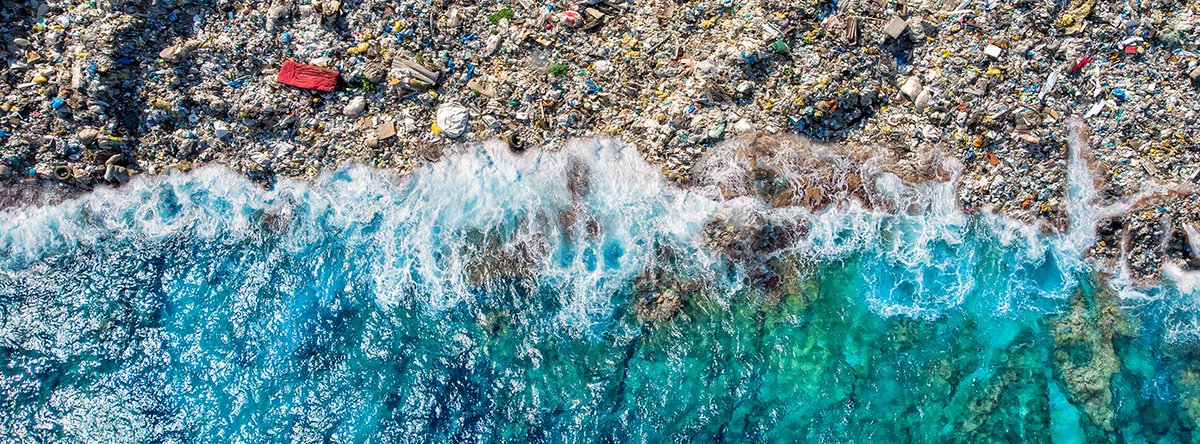
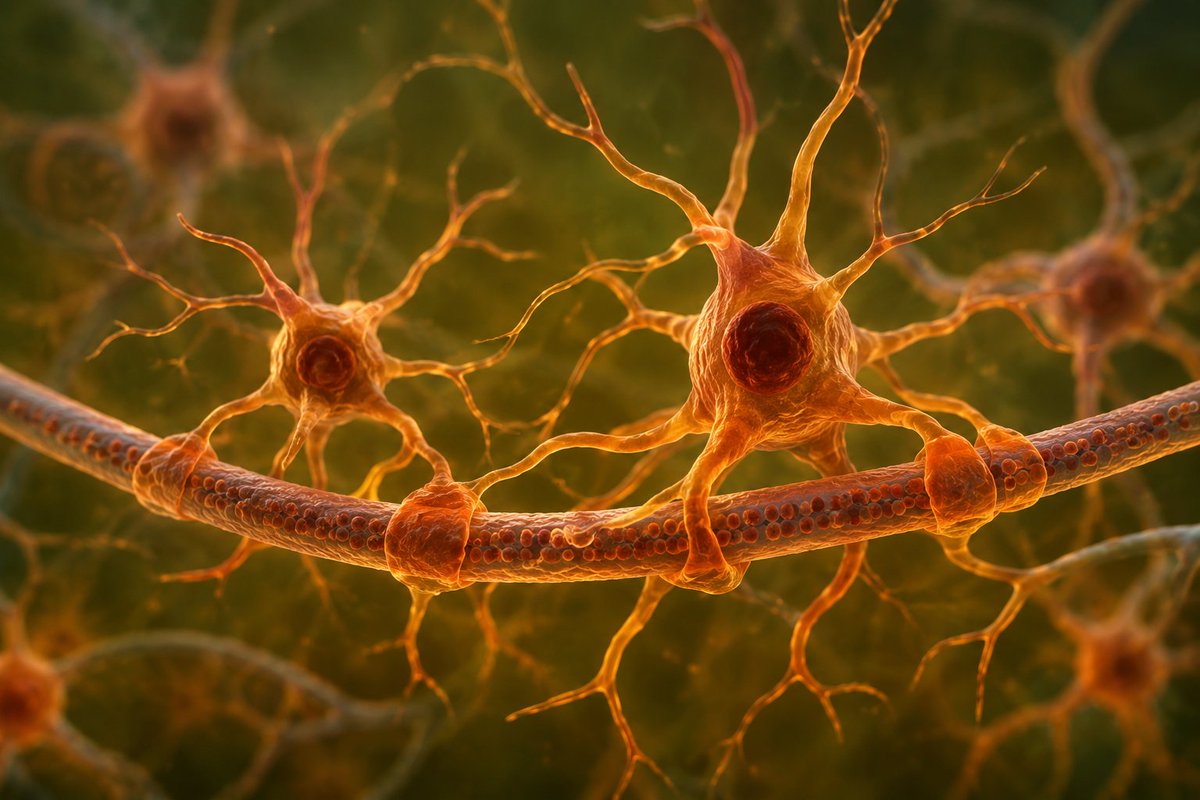

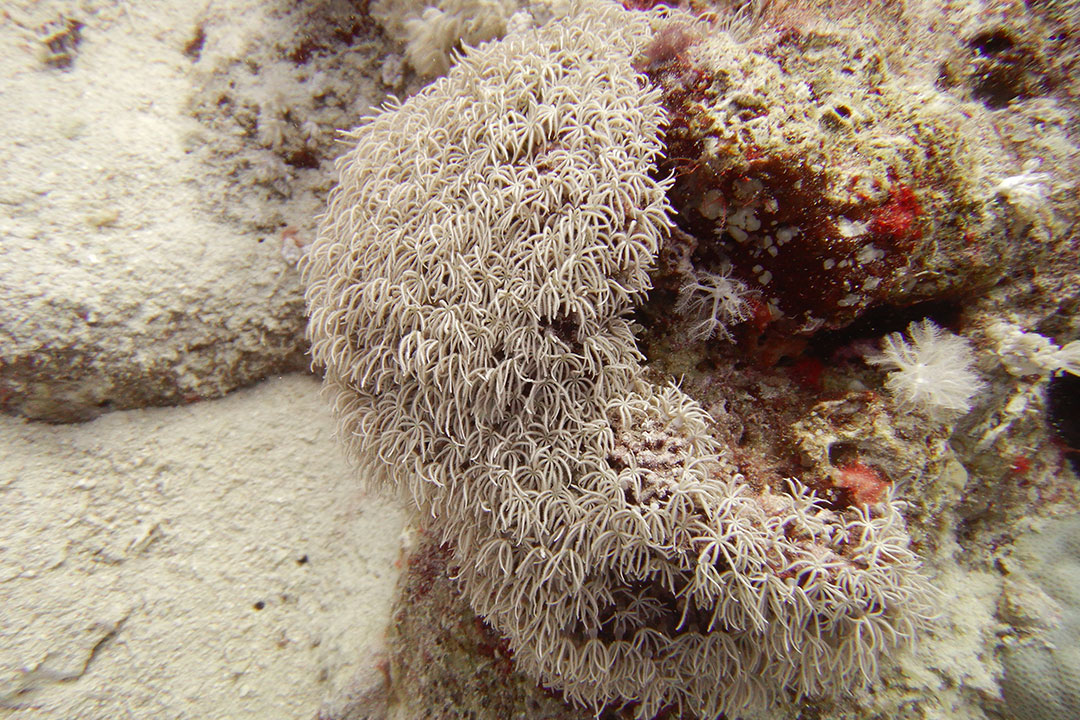
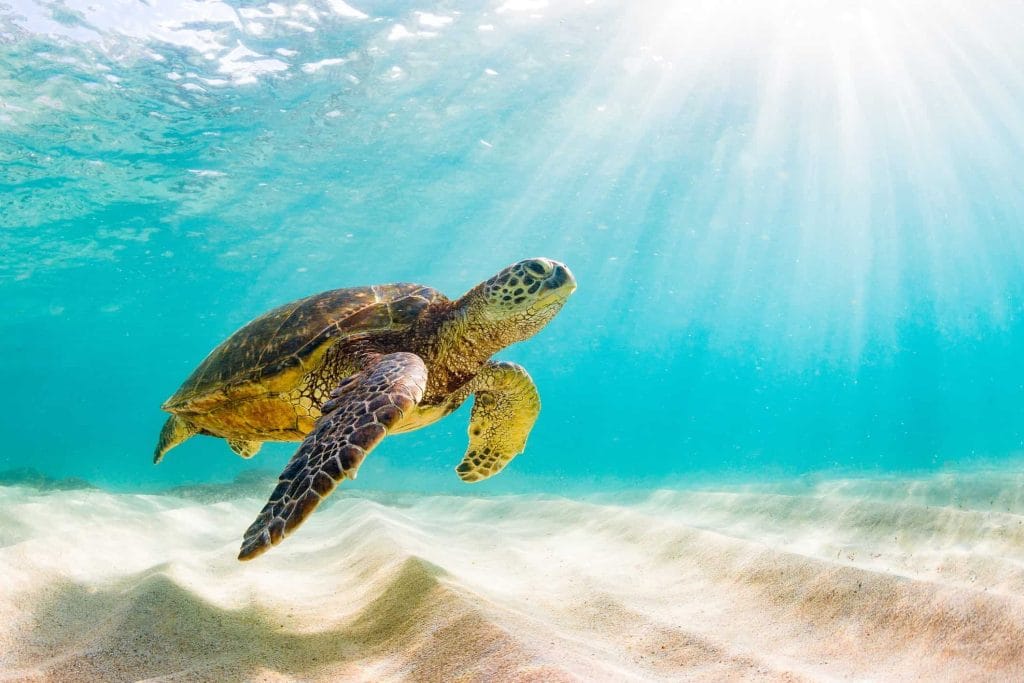
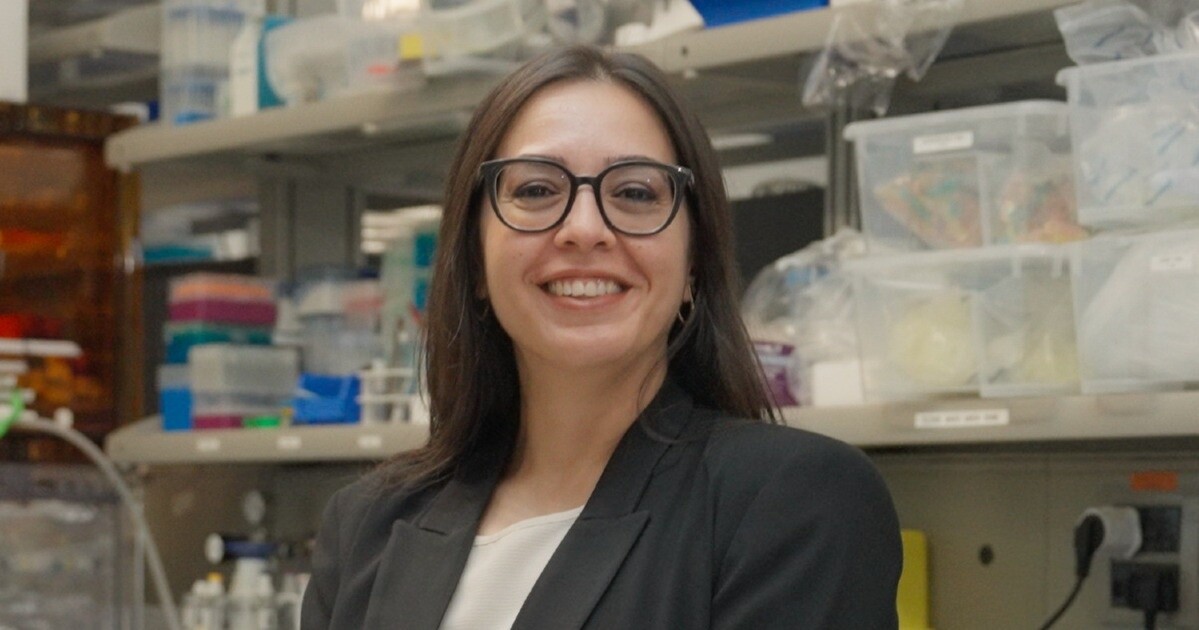
Congratulations to Professor Wada and his student Yara Elborolosy on being featured in @ArabNews. Their story highlights the power of mentorship, collaboration, and scientific discovery in tackling global challenges.
Read more: arabnews.com/node/2646967/sa…
#Science #Research #KAUST
2
66

Jun 14
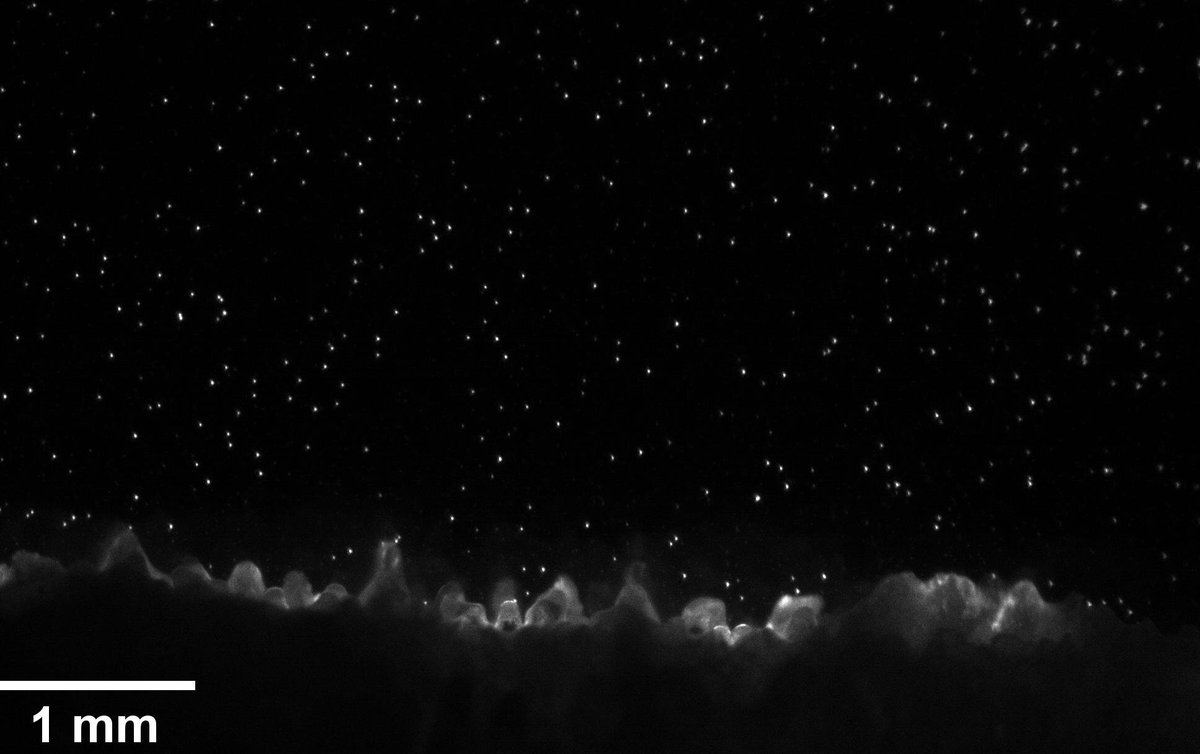
Corals may face more than bleaching during marine heatwaves.
New research shows that microscopic cilia that help corals transport oxygen can collapse under extreme heat, creating severe oxygen stress and accelerating mortality.
A new physiological tipping point for coral survival in a warming ocean.
🔗 bese.kaust.edu.sa/news/detai…
#CoralReefs #OceanScience #ClimateChange @pacherres_co @MicroSensing
1
2
4
376
Jun 11
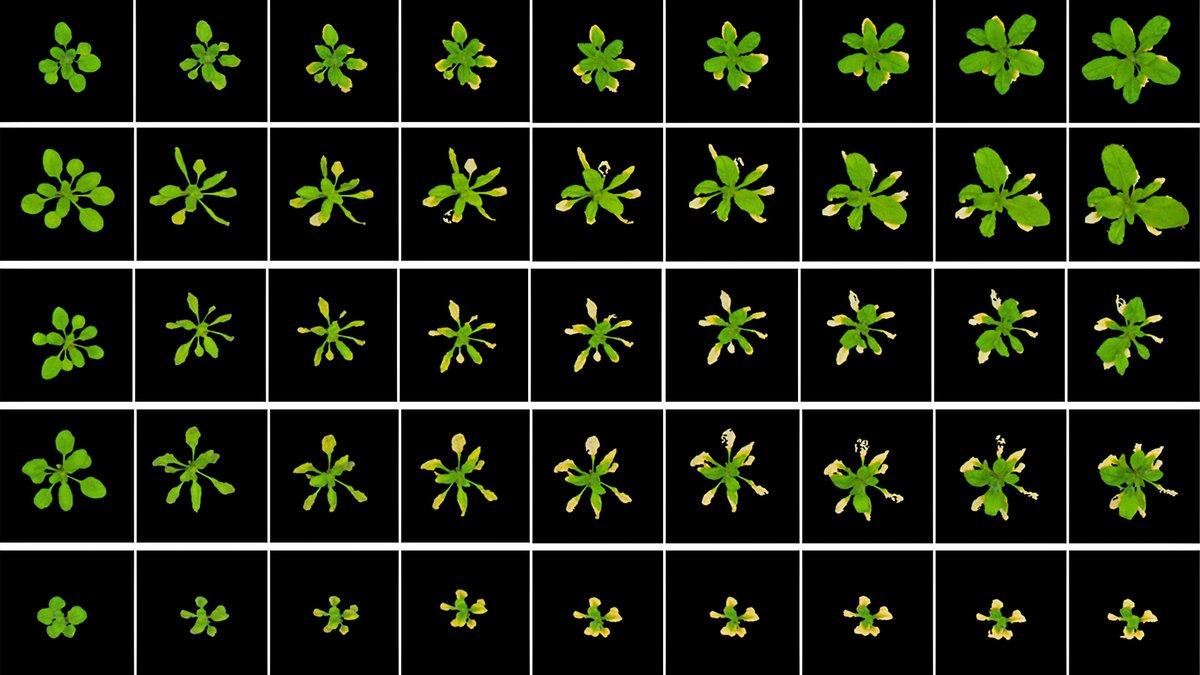
🌱 How do plants survive extreme heat?
KAUST researchers discovered that a chlorophyll-producing enzyme (PORC) forms protective stress granules that help Arabidopsis maintain photosynthesis and recover from heat stress.
Led by Prof. Monika Chodasiewicz (BESE Division) @StressGranuleMC, the study was spearheaded by Dr. Fatema Alquraish @AlquraishFatema, who earned her Ph.D. in the lab and now continues collaborating as a visiting researcher. Fatema studies membraneless organelles and their functions.
🔗 discovery.kaust.edu.sa/en/ar…
#KAUST #PlantScience #BESE #ClimateResilience
1
6
1,027
Jun 10
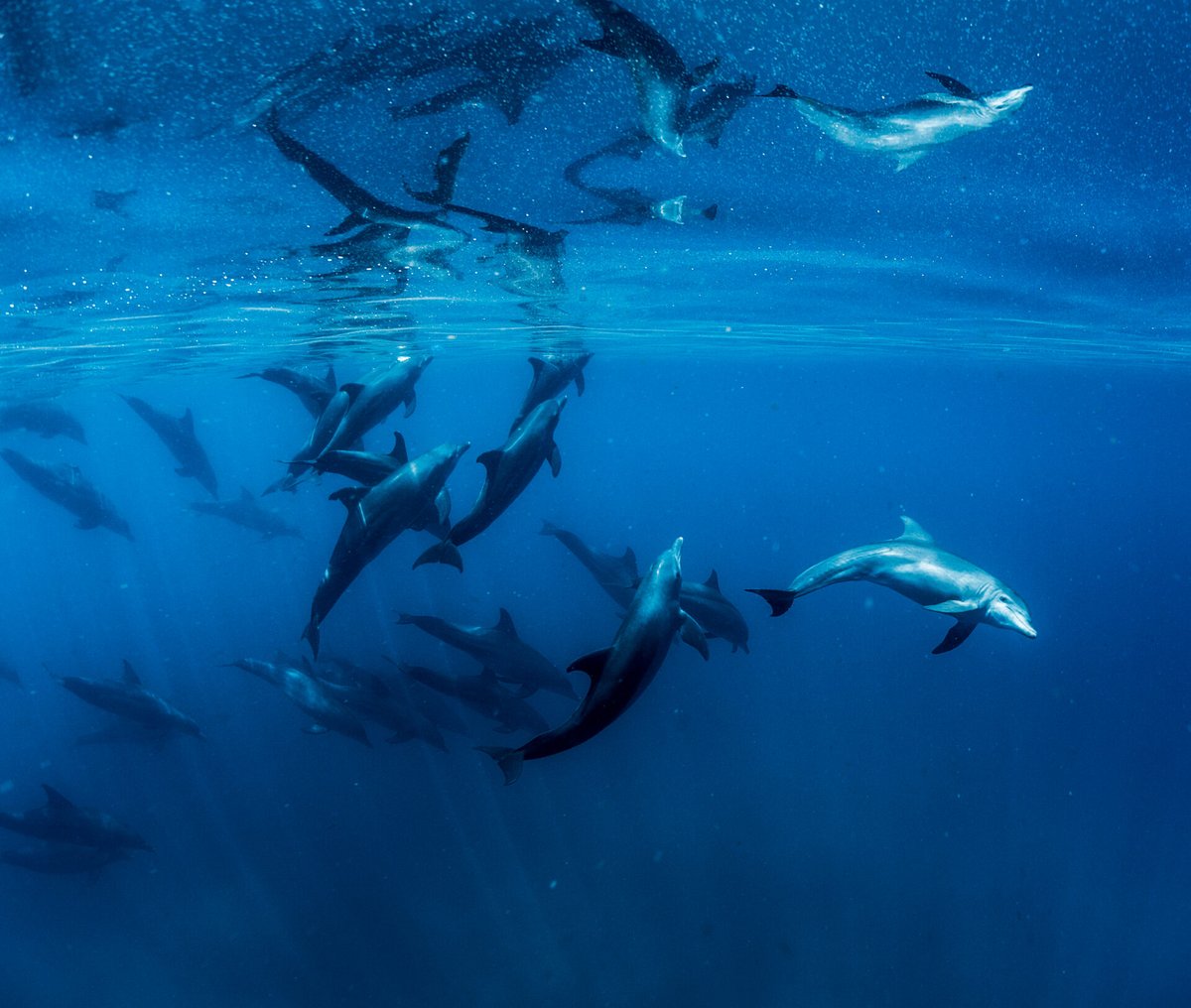
Protecting the ocean starts with understanding how marine life actually uses it.
A KAUST-led study co-authored by Professor Carlos Duarte @carlosduartephd mapped the movements of whales, sharks, turtles, and other marine megafauna, revealing that protected areas alone may not be enough to safeguard these species.
🔗 discovery.kaust.edu.sa/en/ar…
#MarineScience #OceanConservation #KAUST #CarlosDuarte
4
79
Jun 9
Corals don't just build reefs—they also record the chemical footprint of human activity in the ocean.
A new KAUST study found Red Sea corals absorb pharmaceuticals, pesticides, and other contaminants, offering a powerful way to track pollution and protect reef ecosystems.
🔗 discovery.kaust.edu.sa/en/ar…
#RedSea #CoralReefs #MarineScience #KAUST @sacKAUST
1
49
KAUST BESE retweeted

Jun 8
What if protecting marine life starts with understanding how it moves?
In the latest edition of KAUST In Two, marine ecologist @carlosduartephd shares insights from the global MegaMove initiative, which tracked more than 15,000 marine animals across 100 species to uncover how life moves through the ocean.
disc.kaust.link/wz2z
8
51
645,084
Jun 5
🌍 The environment is something we all share — and something we all shape through the choices we make every day.
Today's World Environment Day, it’s a good moment to reflect on how closely connected we are to the world around us, from the air we breathe to the oceans, ecosystems, and communities that sustain us.
Small actions matter, but so does collective effort. Science, innovation, and collaboration all have a role to play in creating a healthier and more sustainable future.
#WorldEnvironmentDay #Sustainability #Environment #ClimateAction
1
2
71
Jun 4
A KAUST-led study reveals that lactate does more than fuel the brain.
Produced by astrocytes, it also acts as a signaling molecule that strengthens neuronal connections involved in learning and memory by boosting NMDA receptor activity. 🧠⚡
A promising new pathway for treating neurological disorders.
discovery.kaust.edu.sa/en/ar…
#KAUST #Neuroscience #BrainResearch
1
86
May 26
Eid Mubarak from all of us at the BESE Division 🌙 Wishing you a peaceful and joyful Eid celebration.
2
3
137
May 24
🪸 We’re still discovering how little we know about coral reefs.
A KAUST study shows that what was thought to be a single coral species (organ pipe coral) is actually at least 15 distinct genetic lineages across the Indo-Pacific. Two of these exist only in the Red Sea.
It’s a quiet but important reminder: reef biodiversity is far more complex than it looks, even for species we’ve known for a long time.
Understanding that hidden diversity matters—because conservation only works well when we know what we’re actually trying to protect.
🔗 kaust.edu.sa/en/news/hidden-…
#CoralReefs #KAUST #MarineScience #Biodiversity #OceanScience #Conservation @BenzoniFran
1
89
May 23
🐢 Today is #WorldTurtleDay
Sea turtles are vital to healthy marine ecosystems, yet many species face growing threats from habitat loss, pollution, and climate change.
Protecting marine biodiversity starts with science, conservation, and collective action.
#SeaTurtles #OceanConservation #MarineScience #KAUST #BESE
1
64
May 22
🌱 Biodiversity is the foundation of life.
This International Day for Biological Diversity, we recognize the importance of protecting the ecosystems and species that keep our planet healthy, resilient, and thriving.
From scientific discovery to sustainable innovation, advancing knowledge today helps preserve life for generations to come.
#BiodiversityDay #BiologicalDiversity #Sustainability #Science #Research #Environment
3
70
May 21
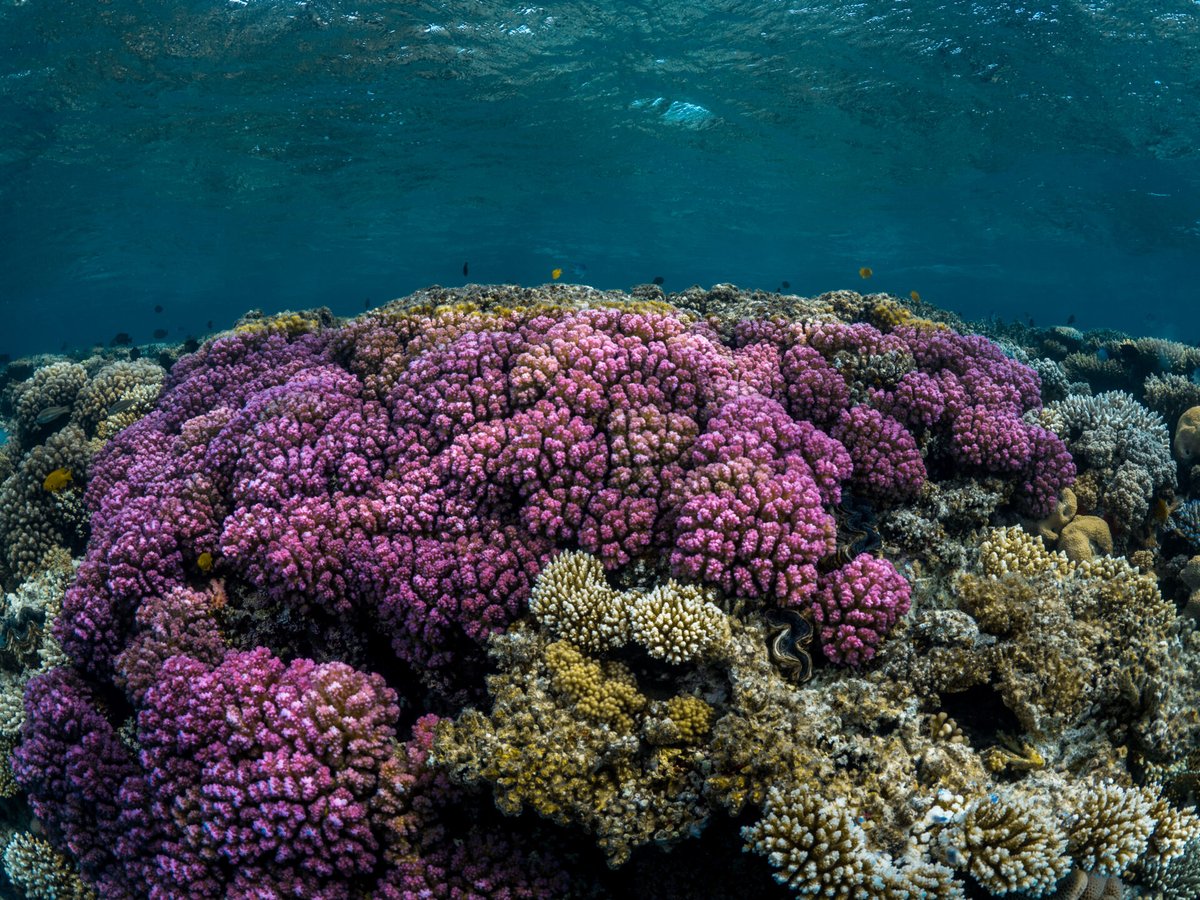
Coral reefs are changing faster than they can adapt.
A new study co-authored by KAUST researchers highlights the urgent need to go beyond traditional conservation. Alongside cutting emissions, we’ll likely need tools like assisted evolution, selective breeding, and microbiome-based approaches to help reefs cope with warming oceans.
The bigger challenge is speed - moving promising science from the lab into real reef restoration, much faster than we do today.
KAUST researchers also point to the Red Sea as a key natural system for understanding and strengthening coral resilience.
Read more: bese.kaust.edu.sa/news/detai…
#KAUST #CoralReefs #ClimateChange #OceanScience #Sustainability @carlosduartephd @peixotors @DavidJSuggett
Photo credit: Tane Sinclair-Taylor
2
4
195
May 21
We’re moving from machines that simply see to machines that begin to understand.
At KAUST, researchers from our Division are developing an intelligent vision chip inspired by the human retina—bringing sensing, processing, and memory closer together in hardware that mirrors aspects of biological intelligence.
This shift points toward a future where computation happens at the edge of perception, enabling faster, more efficient, and more adaptive AI systems in the real world.
Read more: discovery.kaust.edu.sa/en/ar…
#KAUST #AI #MachineLearning #ComputerVision #EdgeAI #Neurotechnology #Semiconductors #Innovation @InalSahika
4
114
May 18
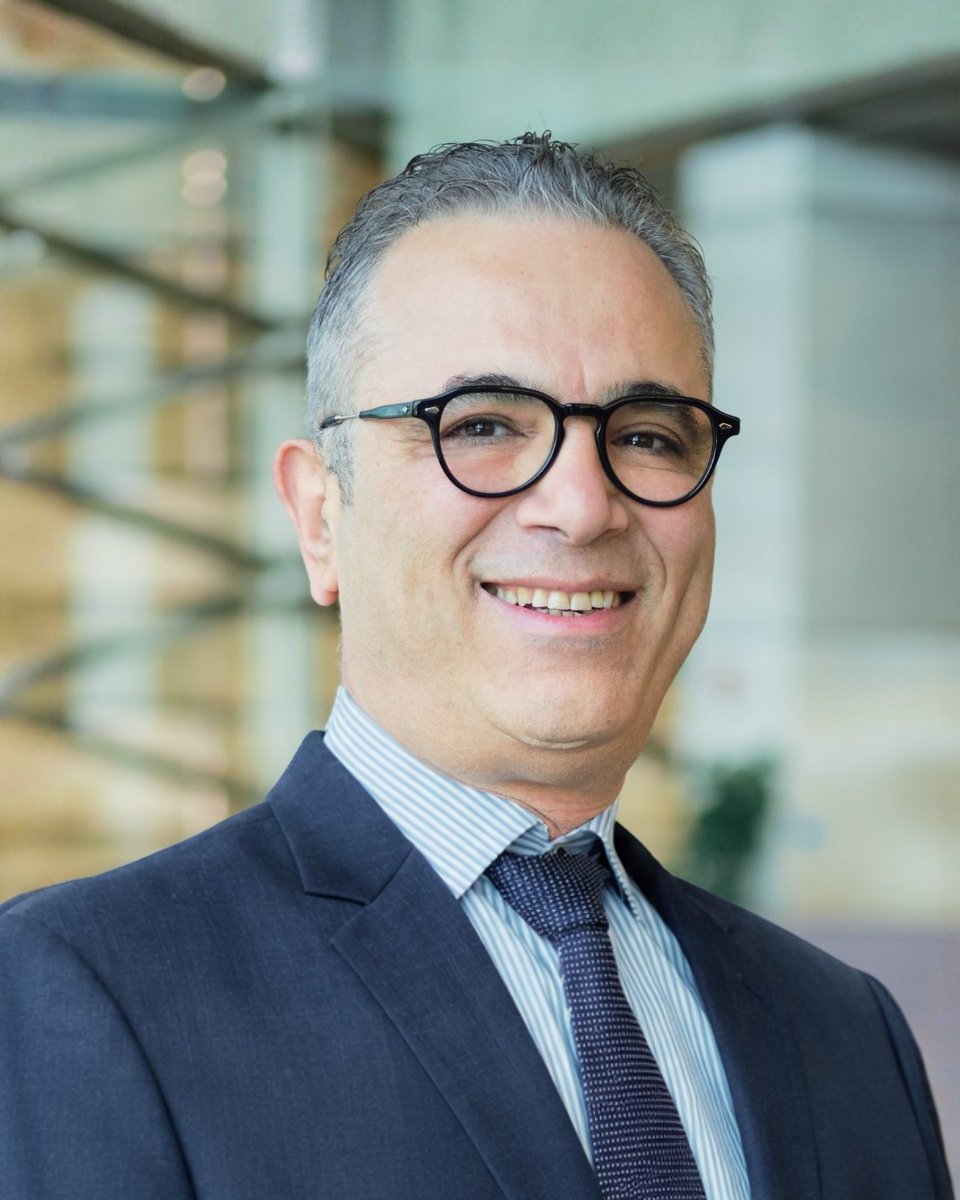
Congratulations to BESE faculty member Professor Salim Al-Babili on receiving the prestigious Khalifa International Award for Date Palm and Agricultural Innovation.
This recognition highlights impactful research advancing crop resilience, sustainable agriculture, and food security in arid environments — areas that are increasingly critical for the region and the world.
Read more: kaust.news/vkN9
#BESE #KAUST #FoodSecurity #Agriculture #Sustainability
May 18

KAUST Prof. Salim Al-Babili has earned the Khalifa International Award for Date Palm and Agricultural Innovation @kiaaiae for research advancing crop resilience and food security in arid environments.
His work supports more sustainable agriculture systems for Saudi Arabia and beyond.
Read more: kaust.news/vkN9
1
6
198
May 17
Proud to see groundbreaking research from our division advancing the future of precision medicine. Congratulations to Niveen Khashab, Raik Grünberg, and Stefan Arold on this world-first achievement in nanoscale drug delivery and bioengineering.
#KAUST #Nanotechnology #Bioengineering #HealthTech @raikgruenberg
May 14
KAUST researchers have achieved a world first: six proteins delivered into living cells, working together as a single system. The most complex protein delivery ever recorded.
Read the story: kaust.news/vcHD
1
4
207
May 17
Congratulations to Professor Sahika Inal @InalSahika on being awarded the prestigious Alexander von Humboldt Foundation Professorship — a recognition of her pioneering contributions to bioelectronic materials and next-generation health technologies.
Her work is advancing intelligent, biocompatible systems capable of sensing biological signals, interpreting them, and responding in real time — opening new possibilities for continuous health monitoring, smart diagnostics, and future therapeutic applications.
We are proud to see research from our division contributing to the future of bioelectronics and translational healthcare innovation.
#KAUST #Bioelectronics #Innovation #HealthTech
May 13
KAUST Professor Sahika Inal earns Germany’s prestigious Alexander von Humboldt Professorship, recognizing her leadership in bioelectronics. Her work advances smart, biocompatible technologies for diagnostics and therapy, highlighting KAUST’s strength in health research and global impact.
Learn more: kaust.news/vZdI
6
214
May 13
Exciting news from our BESE community.
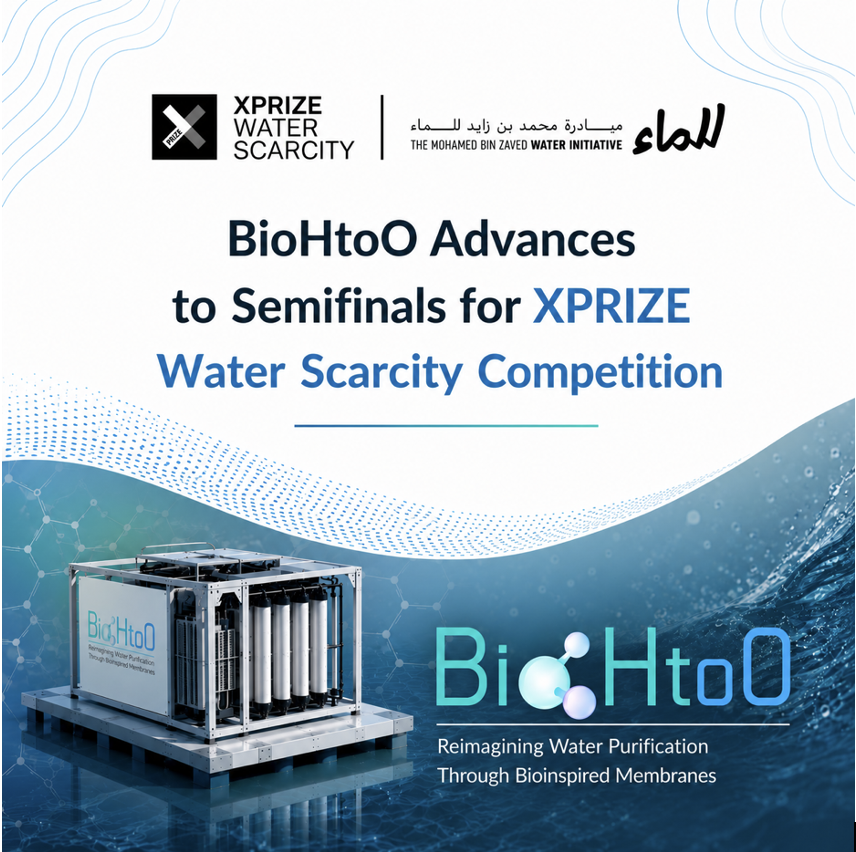
The BioHtoO team, led by KAUST Research Scientist Maria Di Vincenzo, has been selected as a semifinalist in the @XPRIZE Water Scarcity competition — one of only 17 teams worldwide and currently one of only two teams representing Saudi Arabia.
The multidisciplinary team brings together expertise from KAUST, Imperial College London, and Politecnico di Torino @PoliTOnews, including Prof. Suzana Nunes, Prof. Alberto Tiraferri, and Dr. Xiang Li. The project is conducted in collaboration with BIOHTOO Ltd., BIOHTOO (Beijing) Nanotechnology Co., Ltd., the Specialty Polymers Research Center (Y-Lab), and the Green Separation Technology Lab.
The team is developing next-generation bioinspired desalination membranes designed to make seawater desalination more energy efficient, sustainable and cost-effective. A key milestone of the project has been the successful upscale of the technology toward scalable membrane manufacturing and spiral-wound module production for testing under realistic desalination conditions.
This wonderful recognition highlights the impactful research happening across our division and its potential to help address global water challenges.
Congratulations to everyone involved.
#KAUST #BESE #XPRIZEWaterScarcity #Desalination #MembraneTechnology #WaterInnovation #Sustainability #CleanWater #Nanotechnology #DeepTech #ClimateTech #Innovation biohtoo.com
3
8
773
KAUST BESE retweeted
May 12
KAUST researchers have uncovered how plants protect photosynthesis during extreme heat, a discovery that could inform the development of more heat-resilient crops as global temperatures rise.
Learn more: kaust.news/vWL5
1
3
15
2,611