
Knox County Schools Pre K - 12 Mathematics Supervisor Knoxville,Tn
Joined June 2012
- Tweets 6,383
- Following 1,950
- Followers 2,162
- Likes 13,059
2,559 Photos and videos





Gary A. Petko retweeted

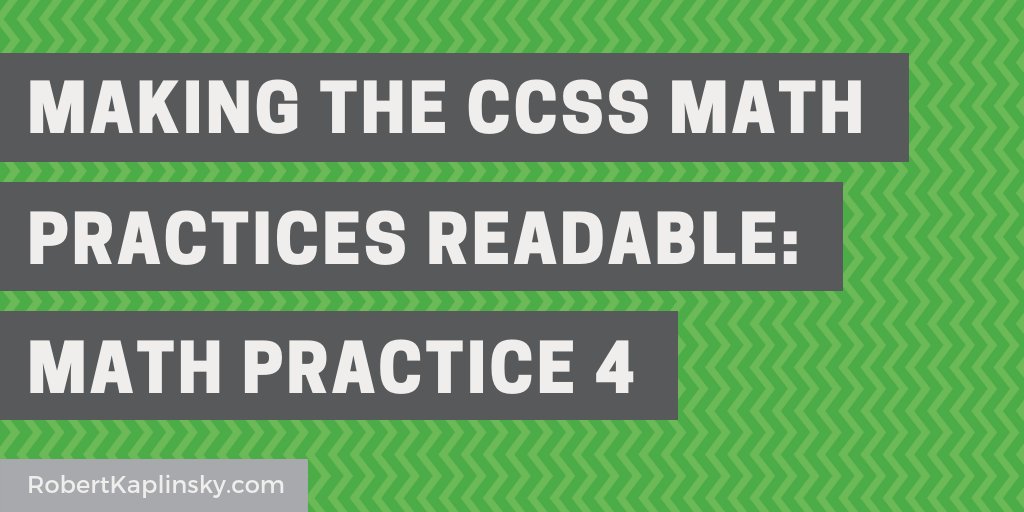
Does understanding the Math Practices seem impossible? I think so and I rewrote them in an attempt to make them readable. In this blog post I share my revised version of MP 4 as well as a link to download all 8 MPs in English or Spanish as a printable PDF. robertkaplinsky.com/making-t…
1
12
1,288
Gary A. Petko retweeted

Apr 29
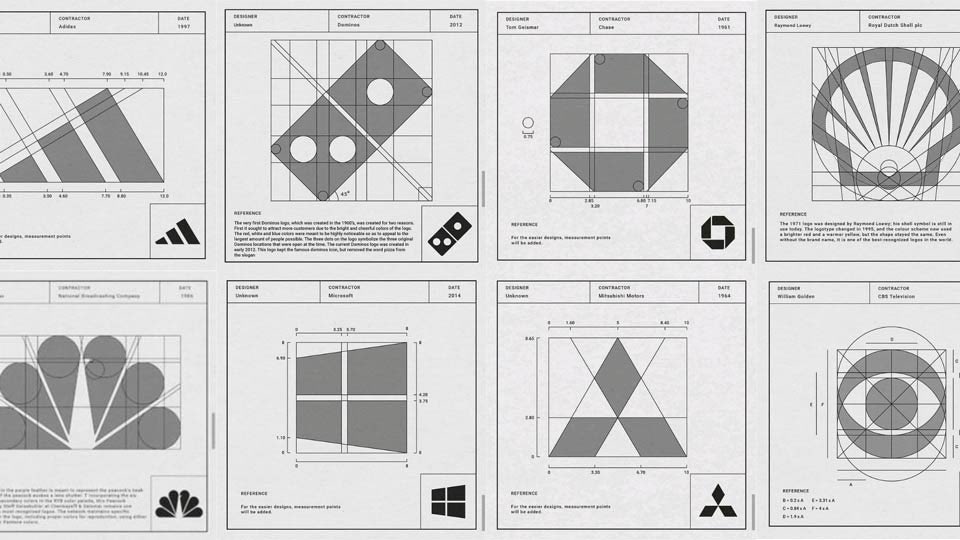
Some great graphics, measurements, geometry, & insights on logos in this article ebaqdesign.com/blog/geometri…
5
14
589
Gary A. Petko retweeted

Apr 29
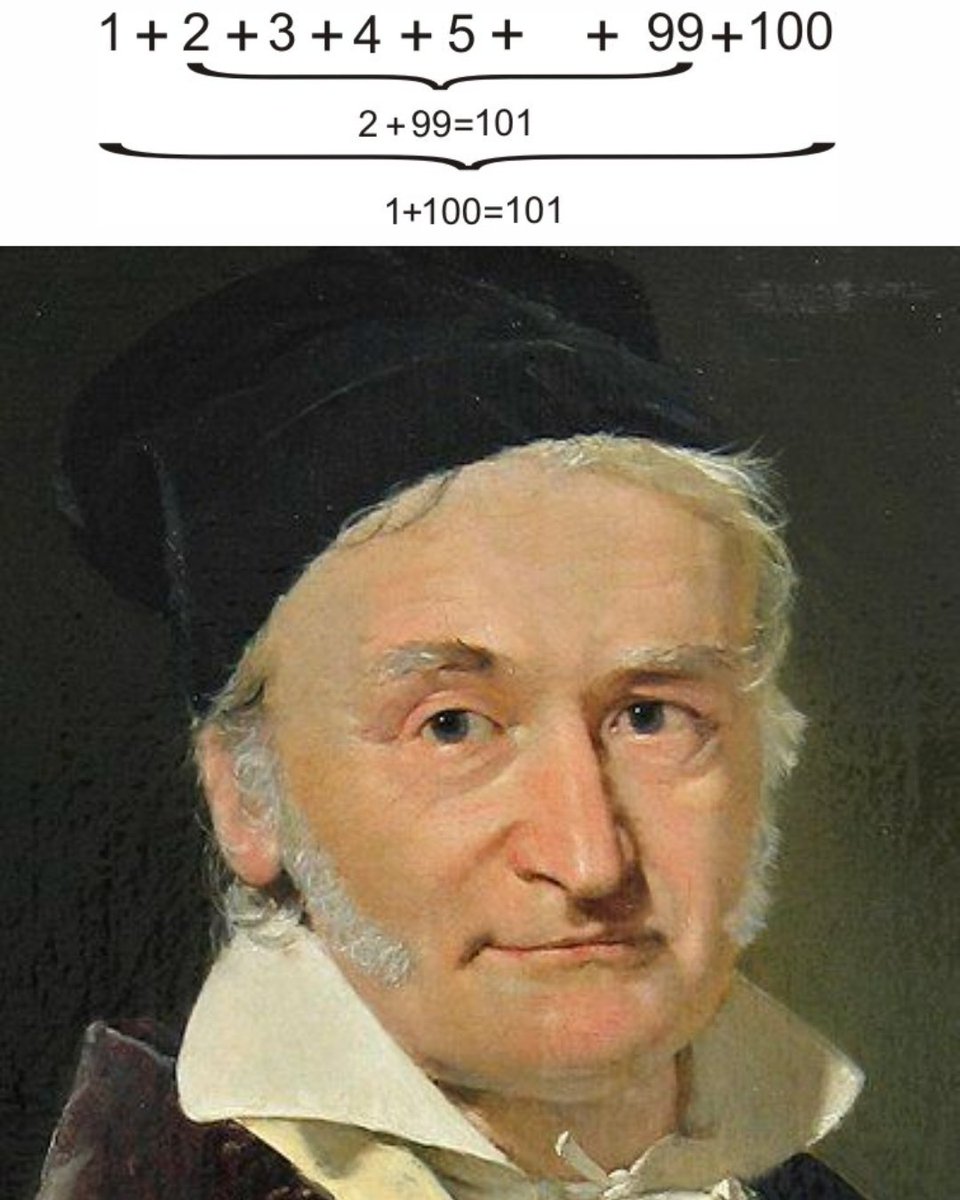
On 249th birth anniversary of Carl Friedrich Gauss.
In 1786, a teacher gave his class a problem to keep the students occupied, as they were being particularly noisy.
The task seemed simple:
add all the numbers from 1 to 100—that is,
1 2 3 … 100.
It was the kind of problem expected to keep the class busy for quite some time.
However, one student solved it almost instantly. The teacher was astonished—how could anyone arrive at the answer so quickly?
The student used a clever approach. He wrote the sequence twice: once in ascending order and once in descending order:
1 2 3 … ... ... 100
100 99 98 … 1
Then he added the corresponding terms:
(1 100), (2 99), (3 98), (4 97), and so on.
Each pair sums to 101. Since there are 100 such pairs, the total becomes:
2S = 101 × 100
Dividing both sides by 2:
S = (101 × 100) ÷ 2 = 5050
Thus, the sum of the first 100 natural numbers is 5050.
That remarkable child prodigy was Carl Friedrich Gauss.
A mind capable of such elegant insight at a young age went on to make profound contributions to mathematics and science.
9
63
270
14,290
Gary A. Petko retweeted

Apr 29
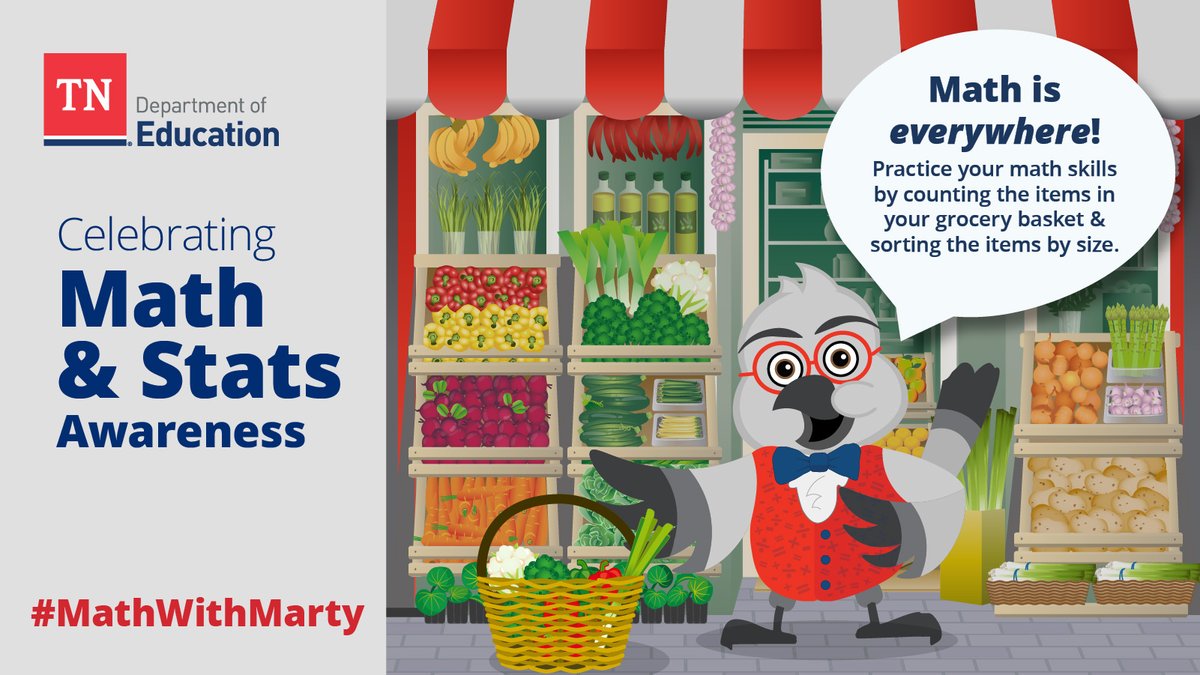
TN Families: Math can happen anywhere! Practice with your student during your everyday routines, like counting objects at the grocery store! 🔢💡#MathWithMarty
1
2
409
Gary A. Petko retweeted

If we teach today's students as we taught yesterday's, we rob them of tomorrow.
1
19
45
1,047
Gary A. Petko retweeted

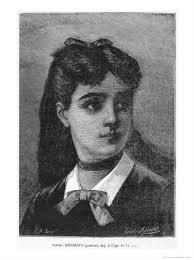
Time Travel Tuesday: On this day, in 1776, Sophie Germain, a French mathematician known for her work on number theory and elasticity was born!
1
2
67
Gary A. Petko retweeted
Apr 21
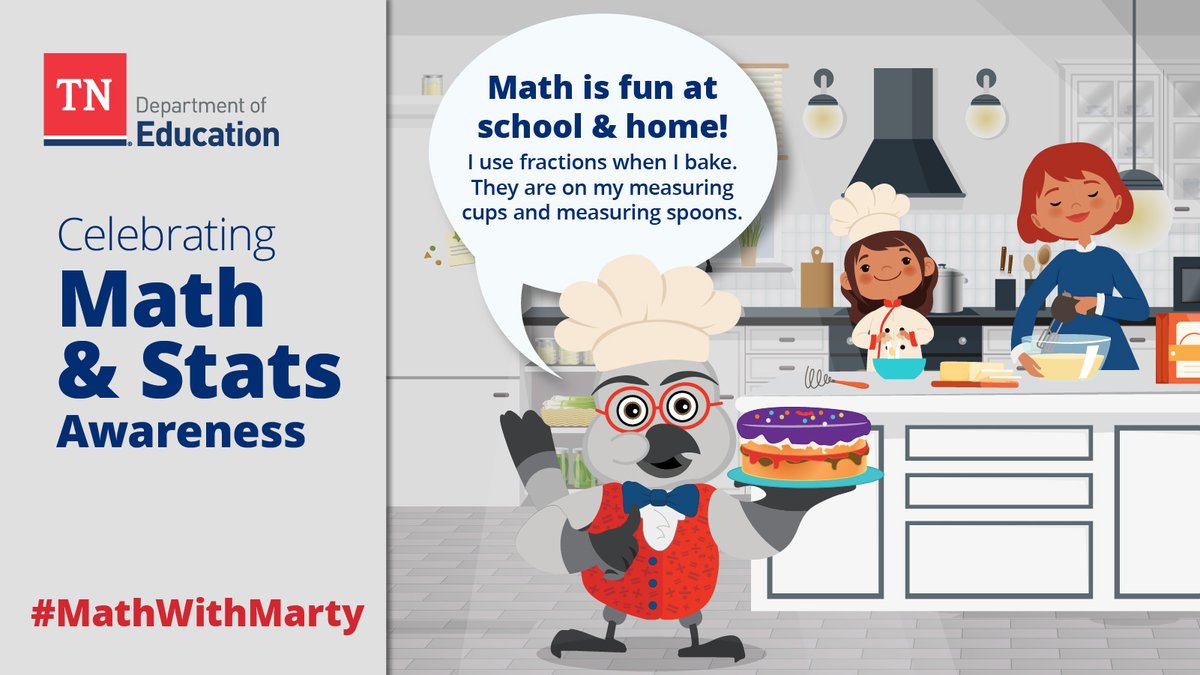
Make math a part of your everyday family activities. Next time you’re in the kitchen, allow your young learner to help with measuring ingredients. It’s an easy and fun way to keep learning at home! 🧠🔢 #MathWithMarty
2
6
447
Gary A. Petko retweeted
Apr 15
April is Mathematics & Statistics Awareness Month! 🧮Join Tennessee’s Marty the Mathematician in spreading the love of math and its importance for a well-rounded education. #AcceleratingTN #MathWithMarty
2
5
434

Apr 12
Math in honor of The Masters: Golf balls have 300-500 dimples(average depth of 0.010 in each).#Masters2026
#Masterfulmath #2^2
scientificamerican.com/artic…
115
I enjoyed celebrating a special homecoming this evening! Our incredible administrative assistant, Kate Bian,welcomed her husband back from his HonorAir flight to Washington,D.C.—a meaningful trip honoring his service & sacrifice. 🇺🇸
Welcome home,Ken, & thank you for your service!
1
95
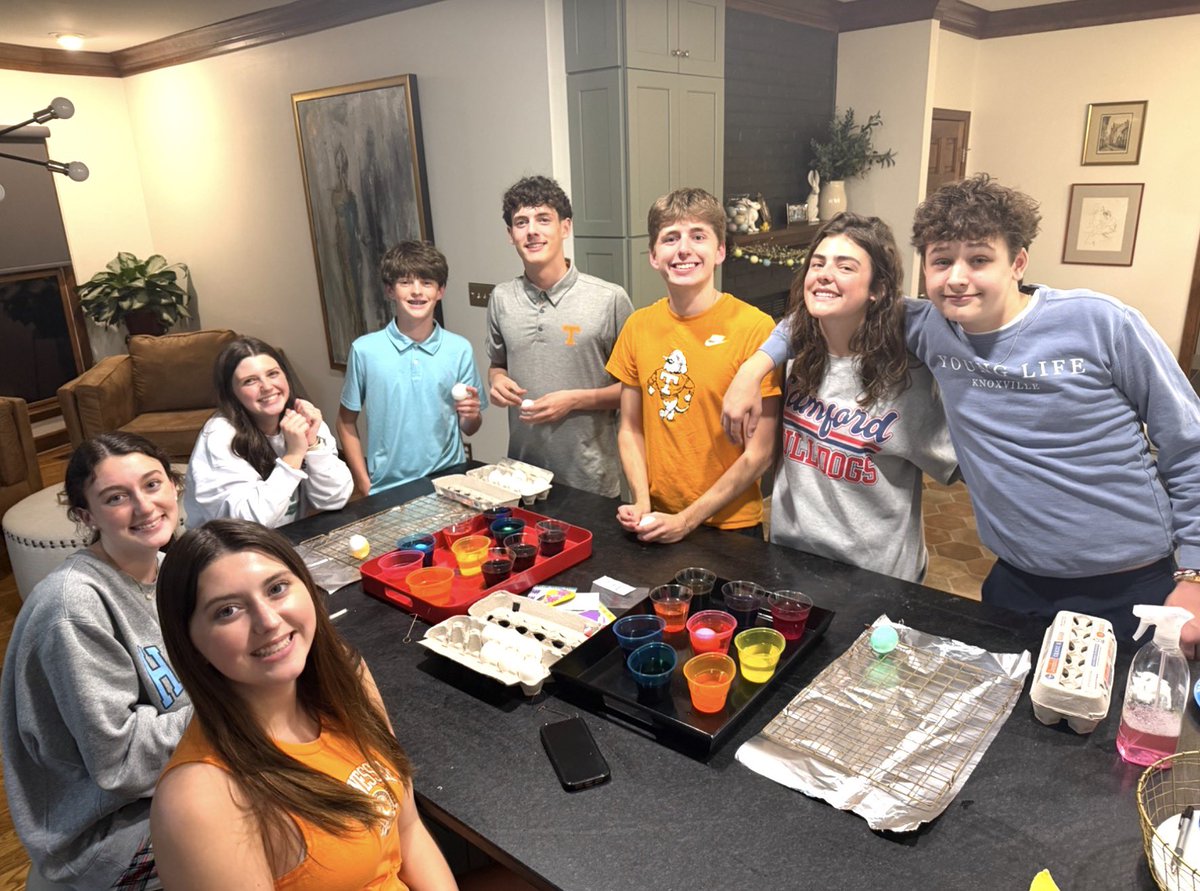
Easter Egg Math: I wonder if should tell them they could use trig to digitally dye your Easter eggs? #probablynot
Mathematically Defined Easter Eggs #Mathiseggciting #easter2026
tumblr.com/danielwalsh/27423…
64
Mar 17
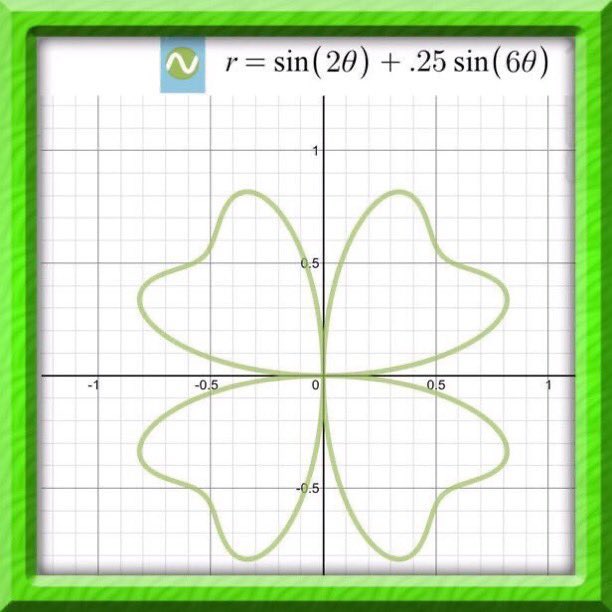
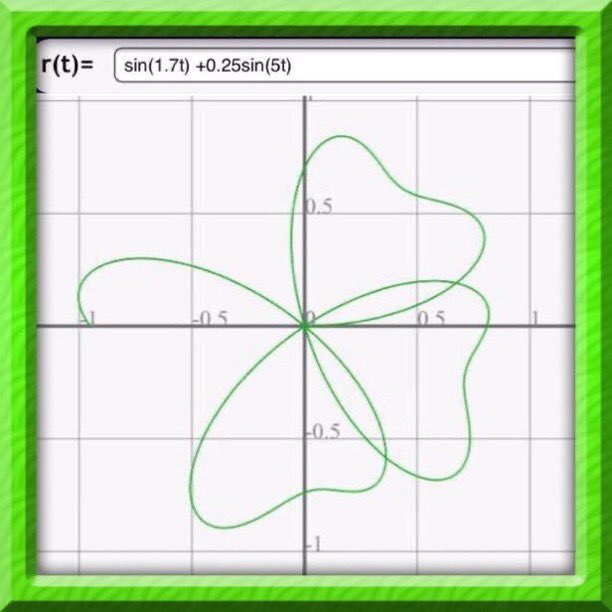
St.Patrick's Day Math:You don't need the Luck of the Irish to graph these shamrocks...just a green pencil and a little math.
#goodluckgraphing #StPatricksDay2026
57
Mar 17
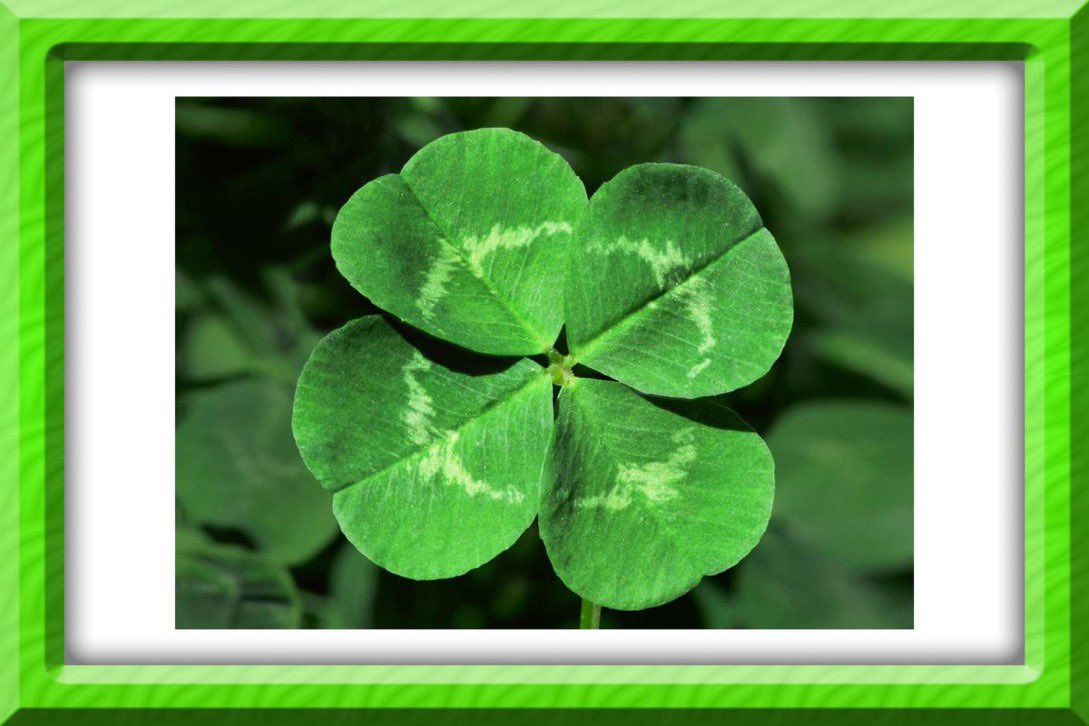
St. Patrick's Day Math : The odds of finding a 4-leaf clover are 1 in 10,000. #Iwillstilltry #StPatricksDay2026
statisticsbyjim.com/fun/prob…
1
46
Mar 11
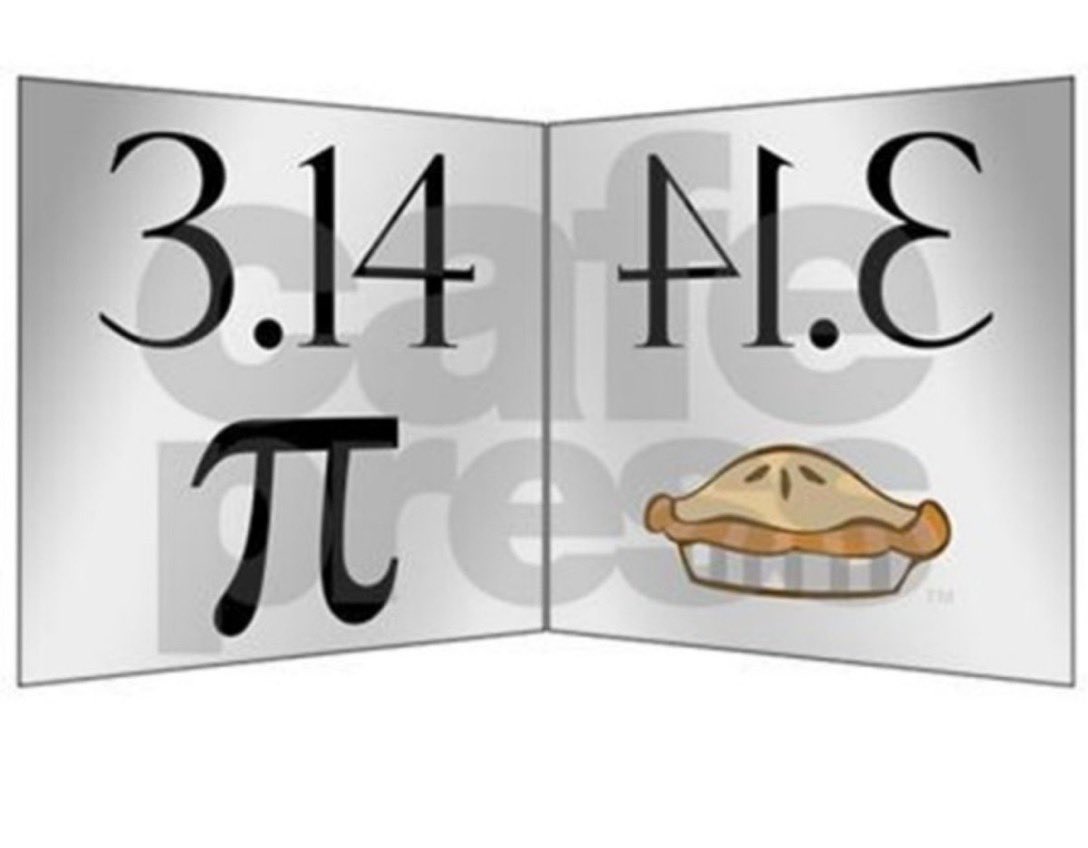
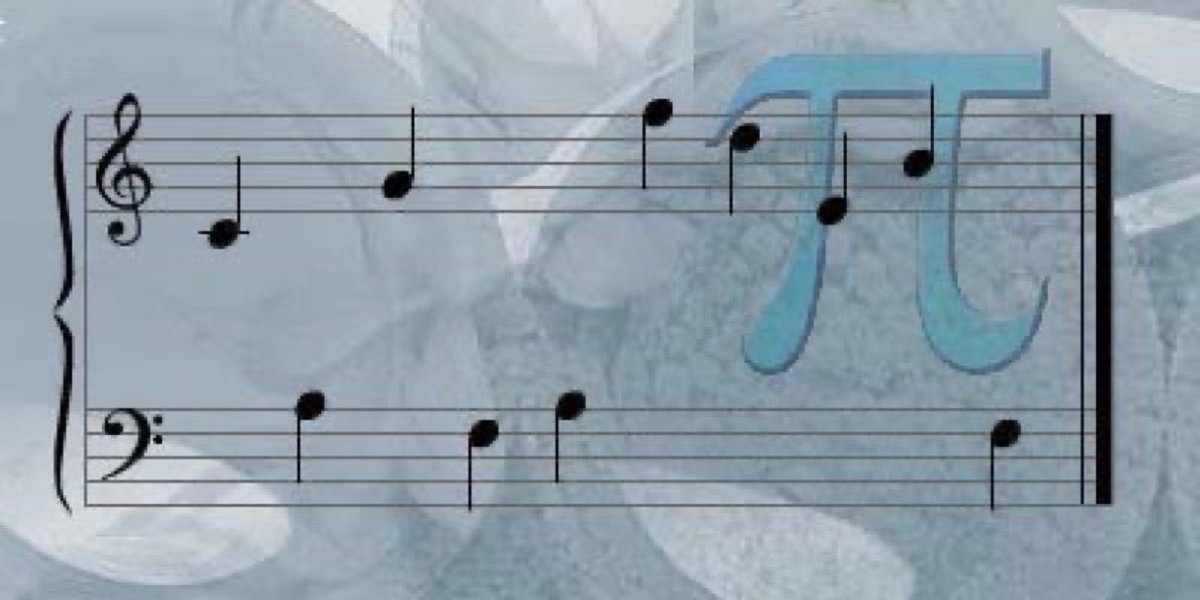
Pi Day Math: Need some good music to listen to this afternoon?!?
Pi set to musical notes: What Pi Sounds Like #musictomymathears #PiDay2026
youtube.com/watch?v=wK7tq7L0…
89
Gary A. Petko retweeted

Visualizing the polar equation
and its Cartesian interpretation.
Beautiful symmetry, periodicity, and geometry all in one curve.
#Mathematics #Math #PolarCoordinates #CartesianCoordinates #PolarGraph #MathVisualization #MathArt #STEM #DataVisualization #Maths #MathLovers #MathTwitter #Trigonometry #Geometry #MathEducation #MathShorts #Visualization #EngineeringMath #MathCommunity #MathIsBeautiful
1
6
546
Pi Day Math: On the Monday of Pi Week, I am 19.2 Pi-years old...I like that much better!!! Find out your age in Pi-years. #PiDay2026
pidays.jtey.com
1
97
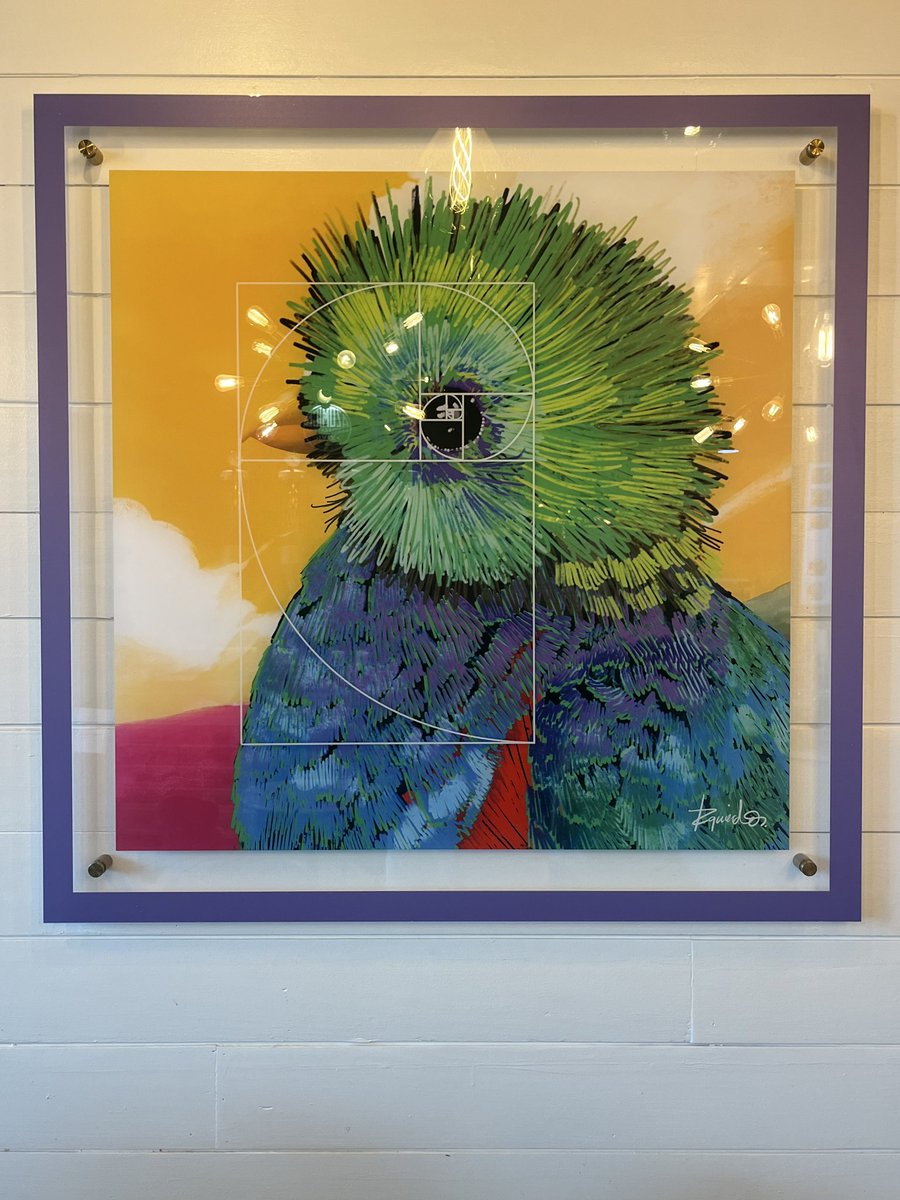
While visiting Samford University with my daughter,
looked up and saw this Fibonacci artwork. Math shows up everywhere… even in coffee shop art.
#Fibonacci #GoldenRatio #MathInTheWild
@santoscoffee
110
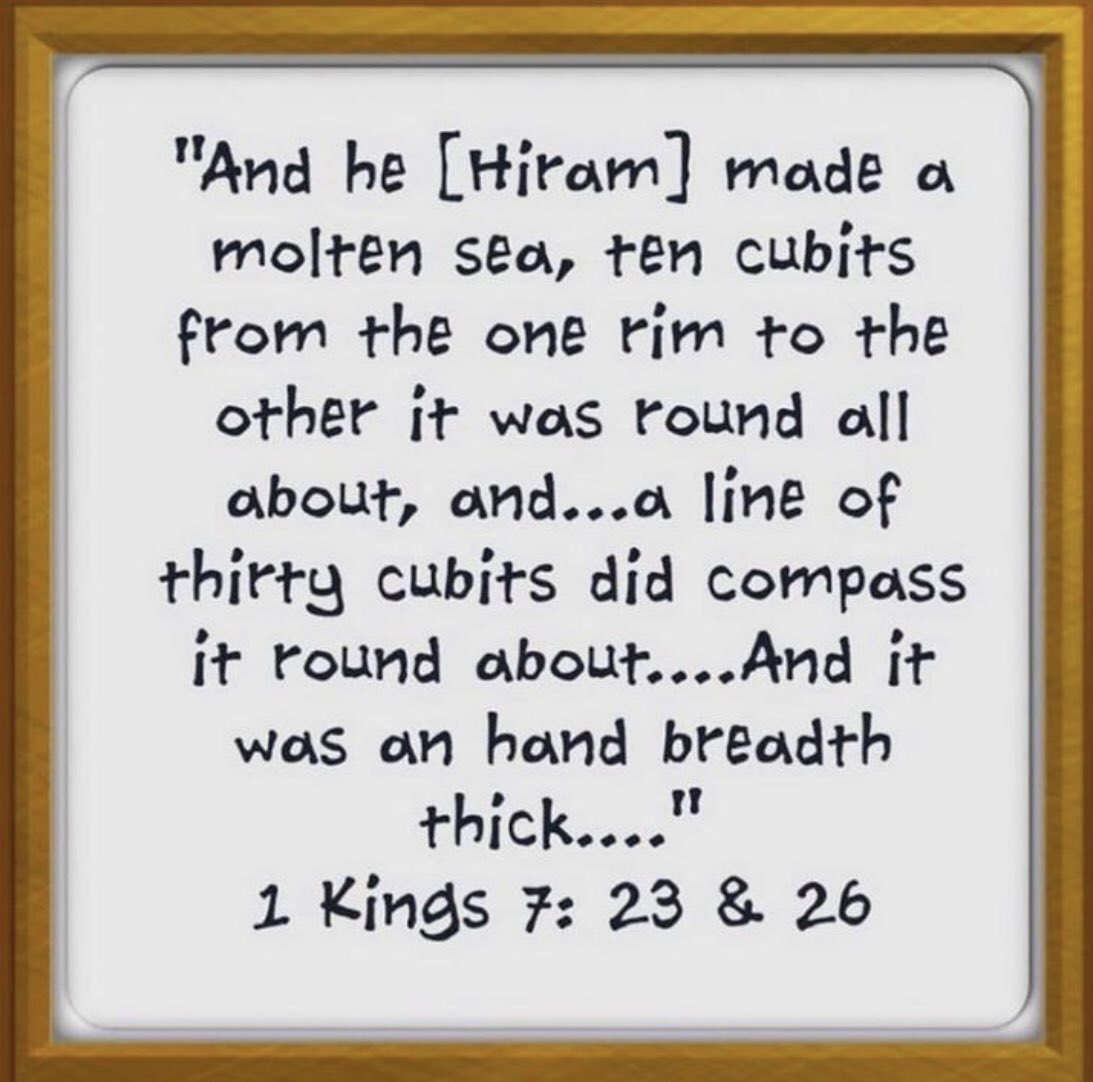
Pi Day Math: As we start Pi-Day Week, here's a little “Piece of Pi" - Is Pi biblical (but rounded to 3)?!? #PiDay2026
purplemath.com/modules/bible…
68
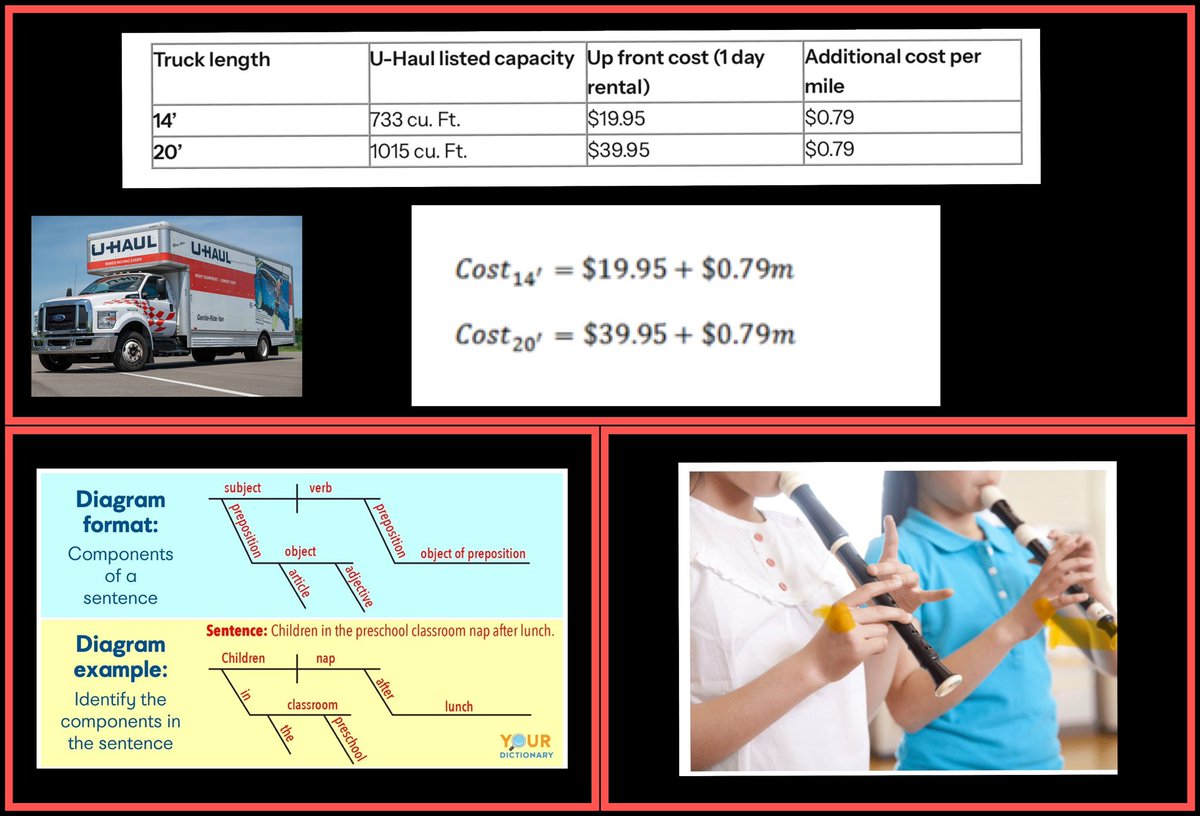
A friend told me the other day he hasn’t used Algebra since high school. I told him he probably has—he just didn’t realize it. And I’d bet he’s used it a lot more than diagramming sentences or playing the recorder. #mathinreallife
144