Studying the crosstalk of inflammation, cardiovascular disease, and RNA biology @NYULangone
Joined May 2018
- Tweets 270
- Following 332
- Followers 1,799
- Likes 726
60 Photos and videos

3 Dec 2024
🚨 New discovery alert! 🚨
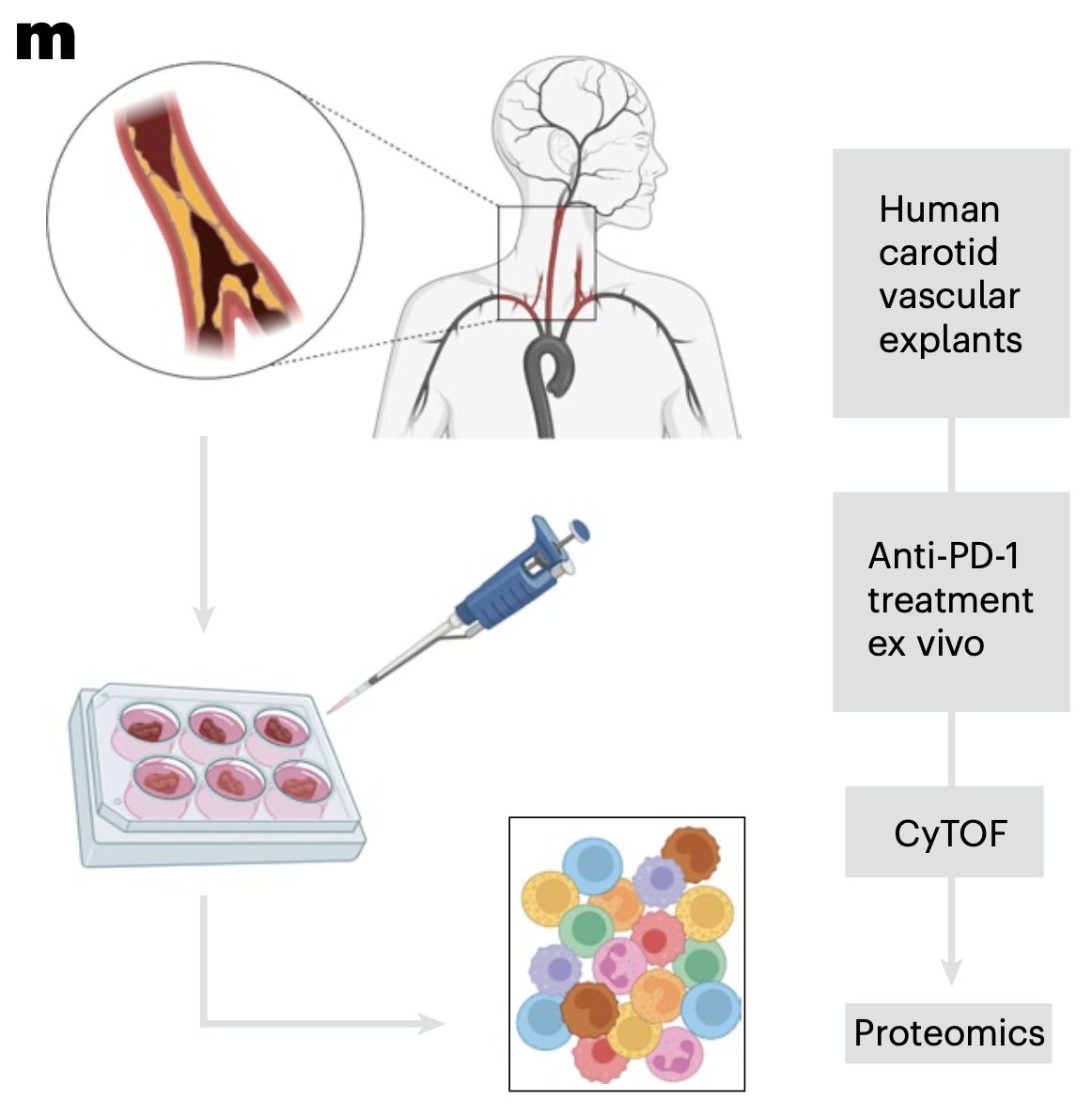
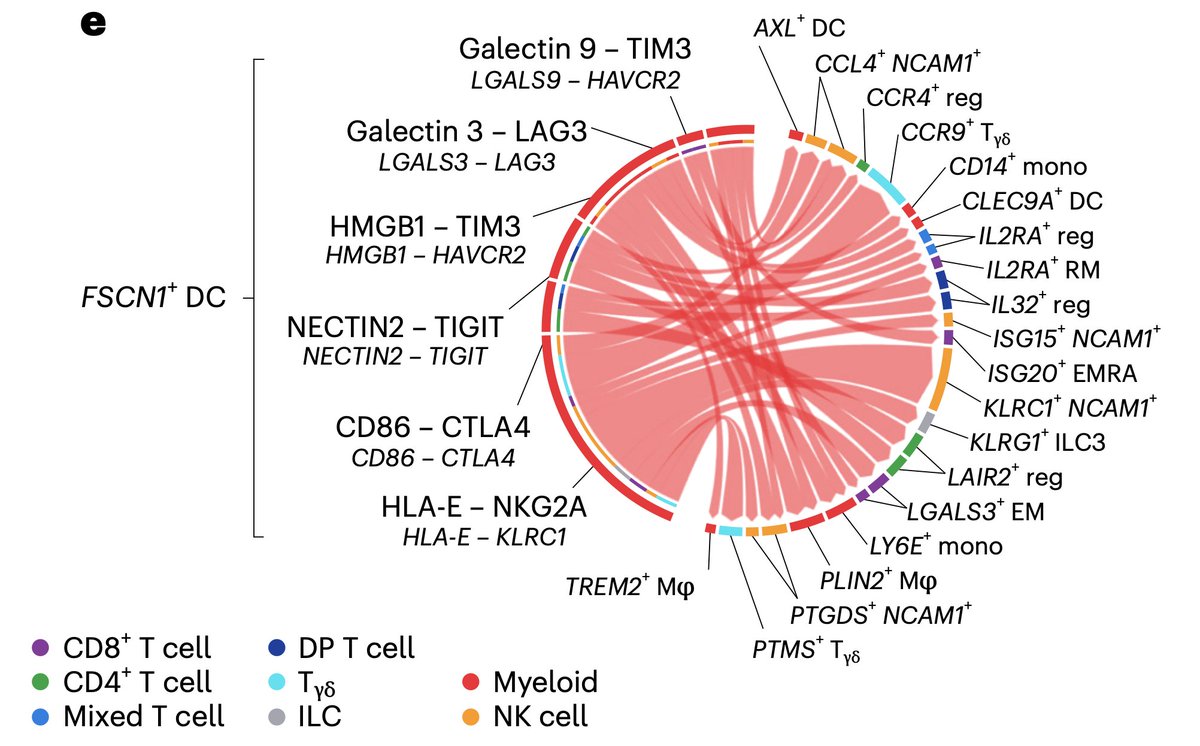
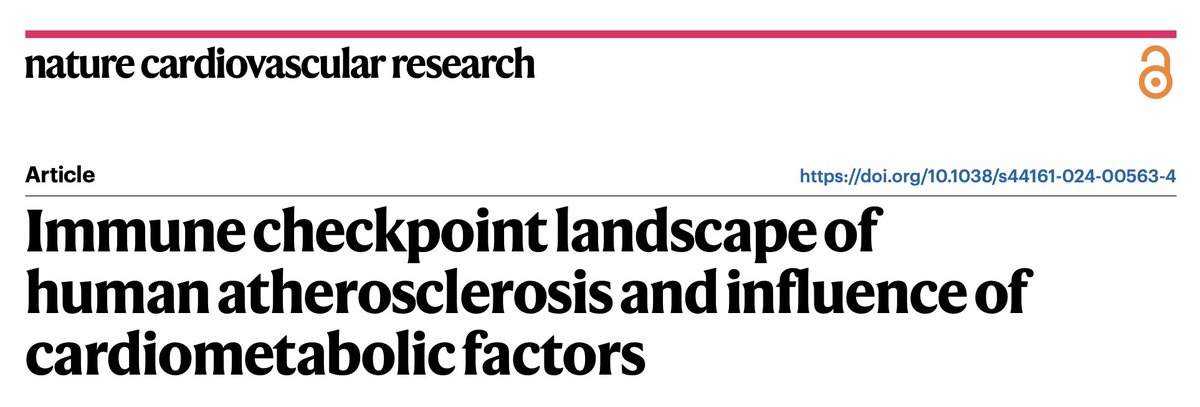
In this month’s issue of @NatureCVR, we identify a dendritic cell population that acts as a hub for immune checkpoint communication within human atherosclerotic plaques. @NYULHCVRC @ChiaraGiannare1
rdcu.be/d1S6b
1
18
65
4,275
3 Dec 2024
FASCIN1 DCs in mouse and human plaques are a key target of immunotherapies linked to accelerated atherosclerotic plaque progression and increased risk of stroke and myocardial infarction in cancer survivors. #CardioOncology
1
2
9
1,068
3 Dec 2024
So fun to collaborate with @GiannarelliL on this! This discovery opens new possibilities for understanding cardiovascular risks in cancer survivors and the role of immune checkpoints in atherosclerosis 🎯 @ICOSociety @CardioOncology
3
13
580
16 Jul 2024
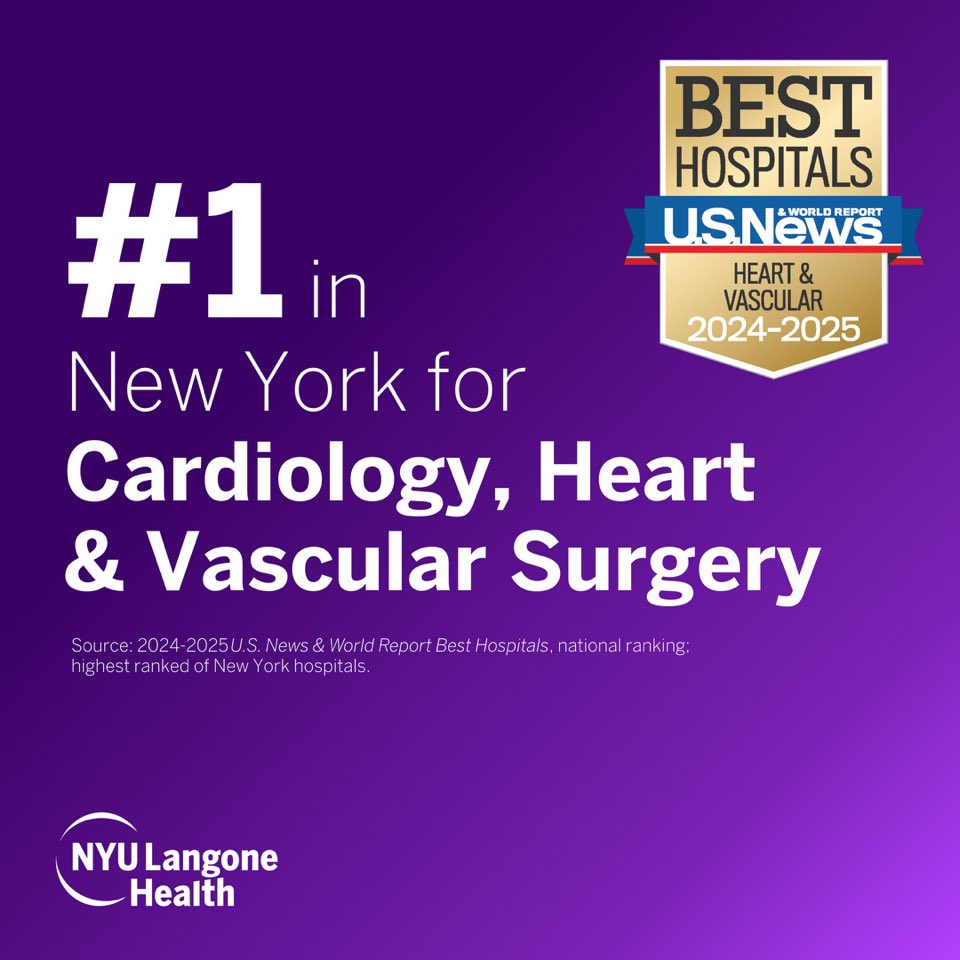
We’re proud to be #1 in New York for Cardiology, Heart & Vascular Surgery, according to U.S. News & World Report! @nyugrossman @NYULHCVRC
28
1,192
22 Jun 2024
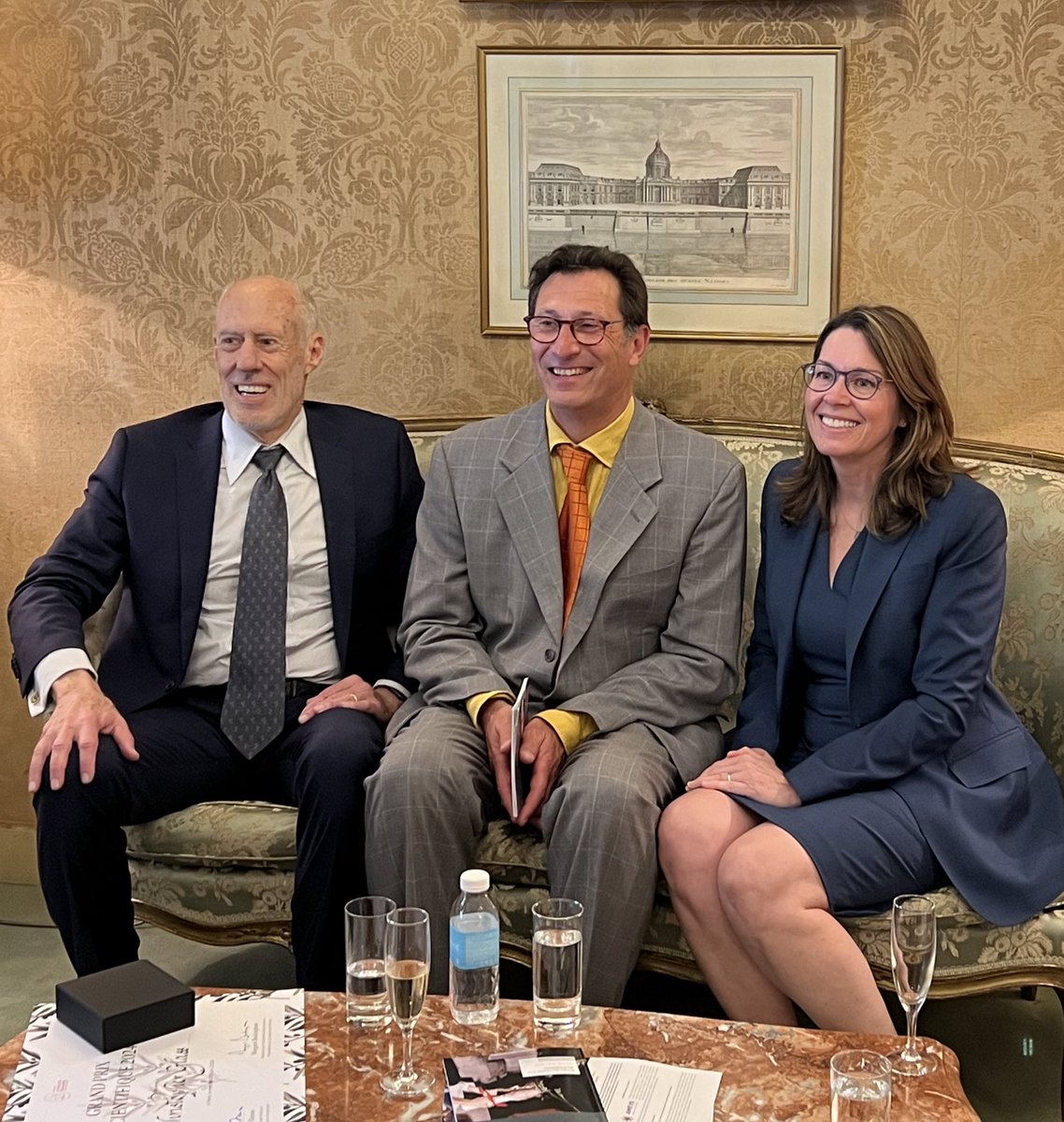
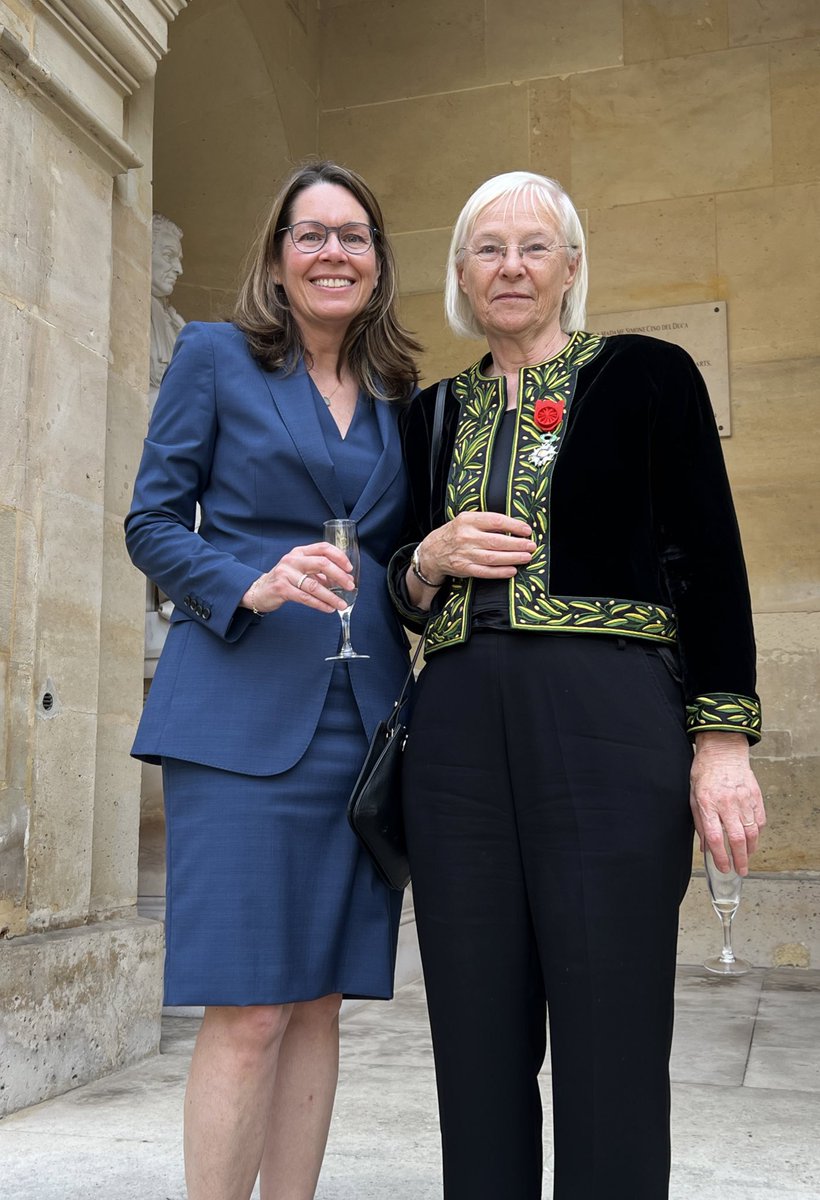
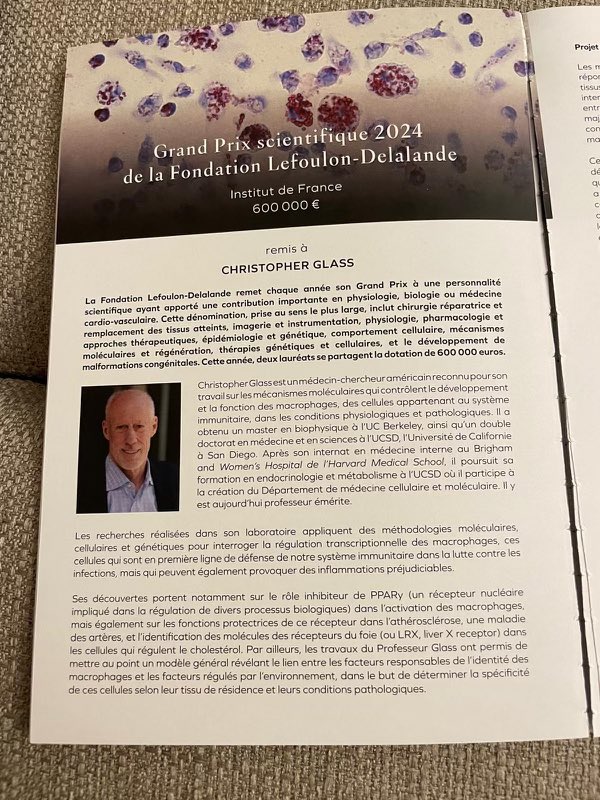
Honored to receive the Grand Prix Scientifique of the Fondation Lefoulon-Delalande - @InstitutFrance with Chris Glass.
6
70
5,826
Kathryn Moore Lab retweeted

20 Jun 2024
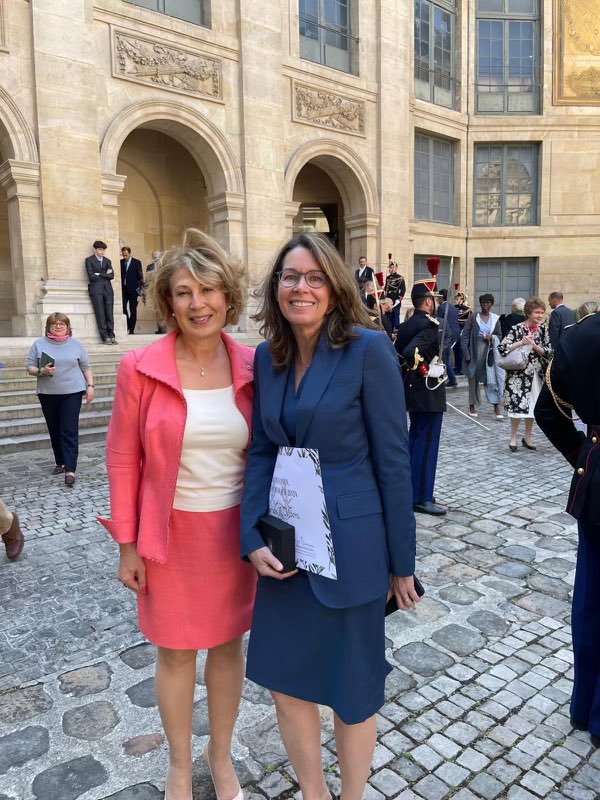
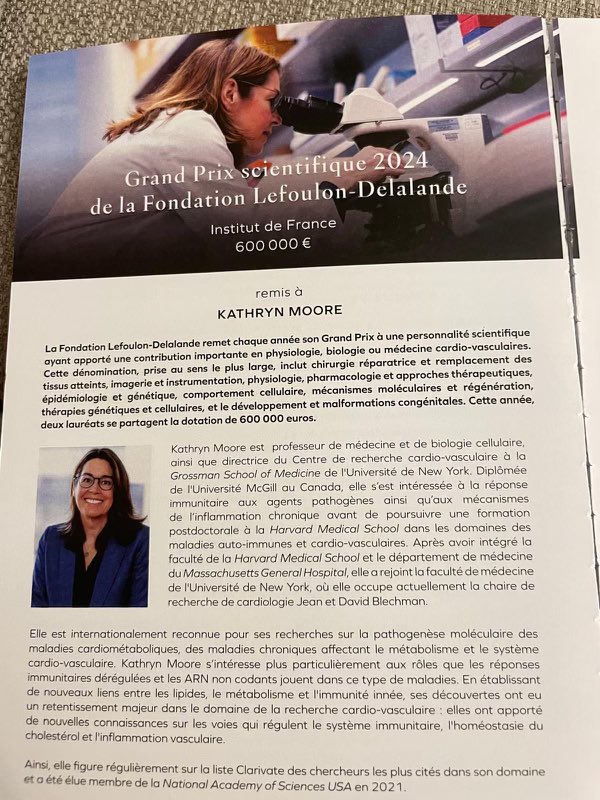
Thrilled to see the outstanding contributions of the 2 recipients of the @InstitutFrance Grand Prix Scientifique Lefoulon Delalande — one of the 🌎 most important prizes in #CardiovascularResearch. So proud to see 🇨🇦 scientist @KathrynMooreLab up there!
2
4
16
1,467
18 May 2024
2
32
1,184
18 May 2024
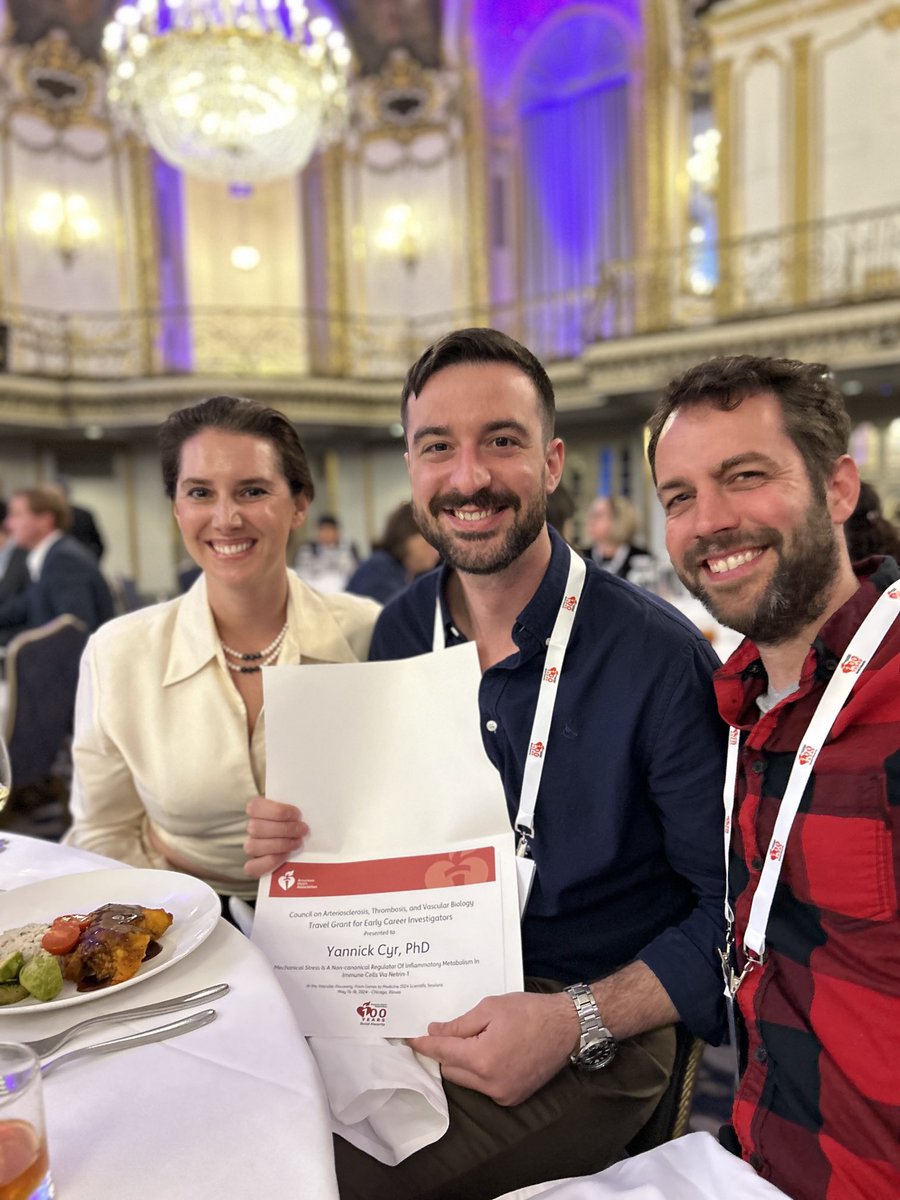
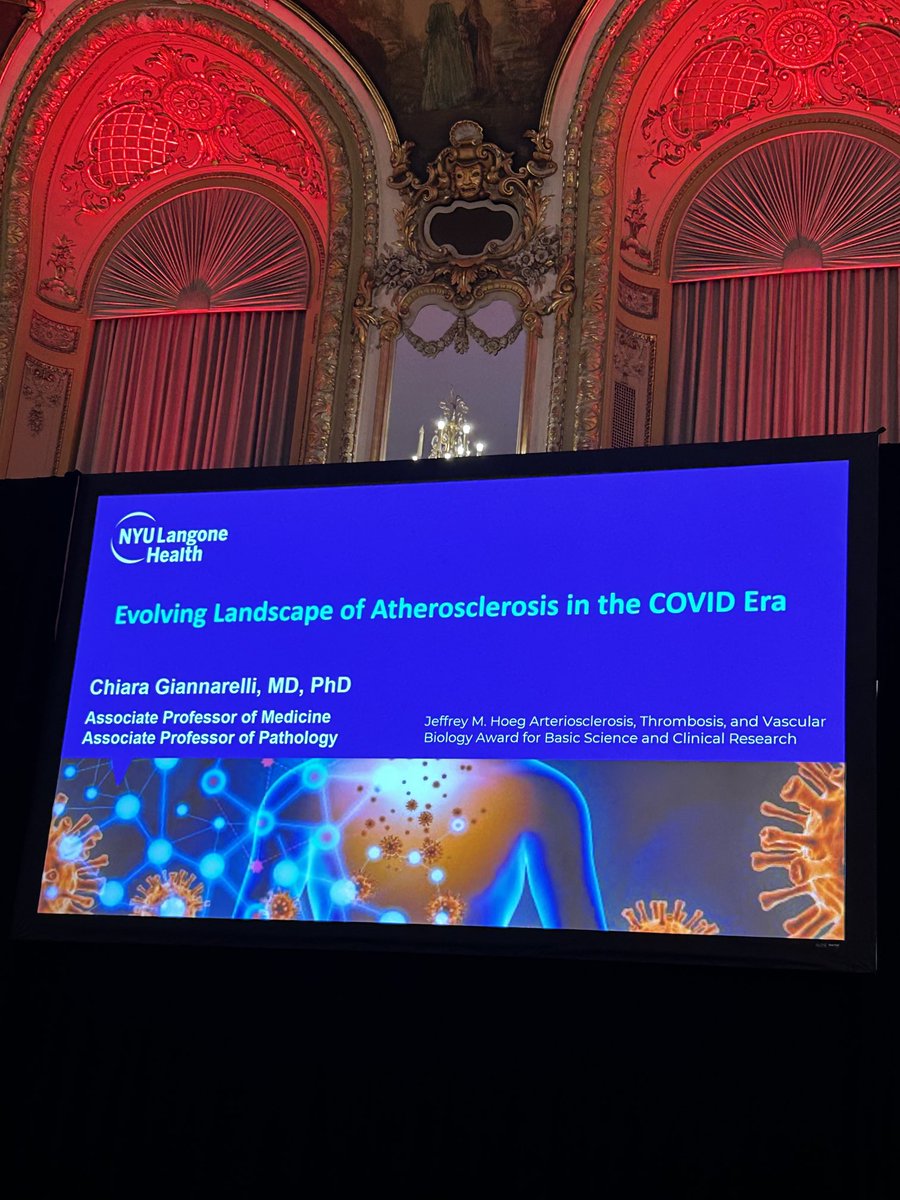
What a fantastic meeting! #VascularDiscovery24 community is the best.
18 May 2024

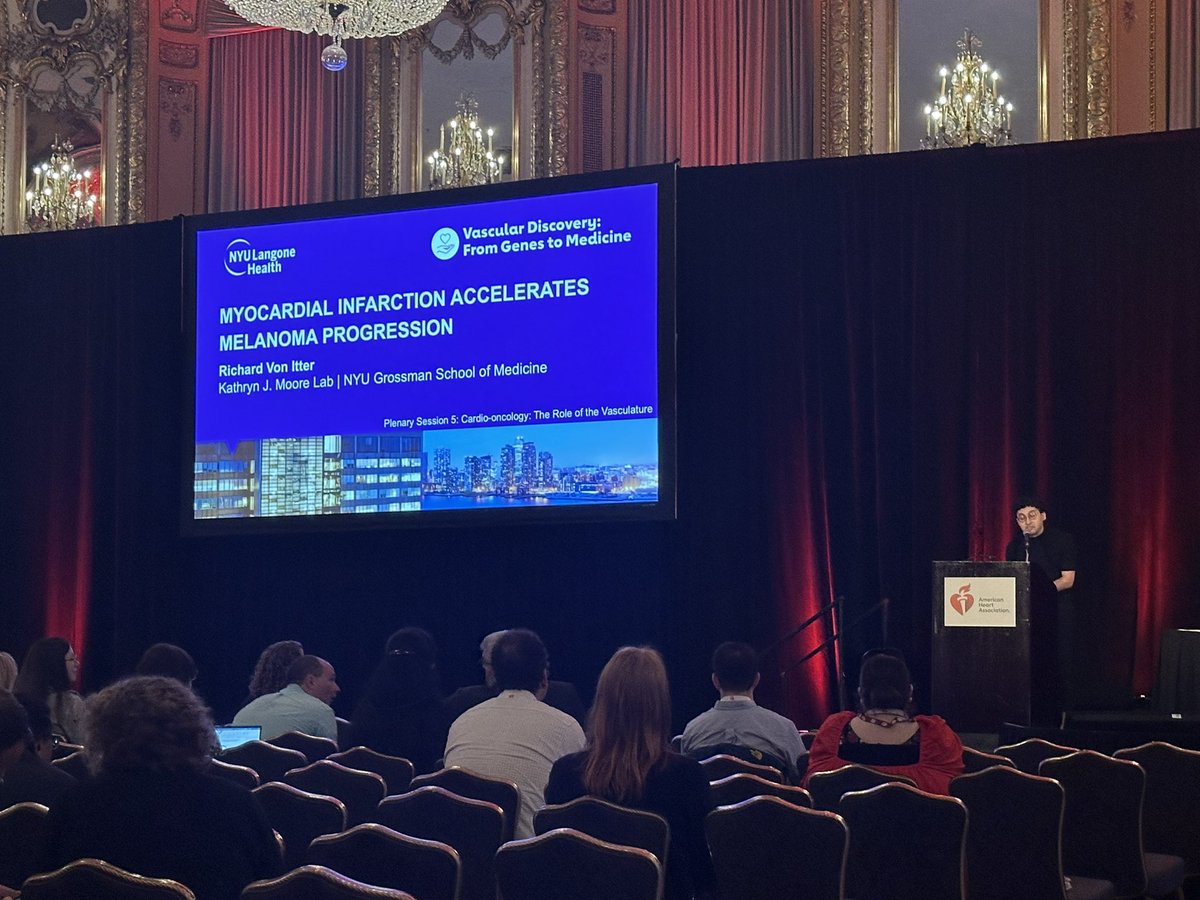
Closing the session with reverse #CardioOncology with Richard Von Itter from @KathrynMooreLab #VascularDiscovery24 @AHAScience
1
1
31
1,742
16 May 2024
Check out Poster #2007 at #VascularDiscovery24 to learn how ischemic injury accelerates breast cancer. @aacnewman13
5
28
1,181
16 May 2024
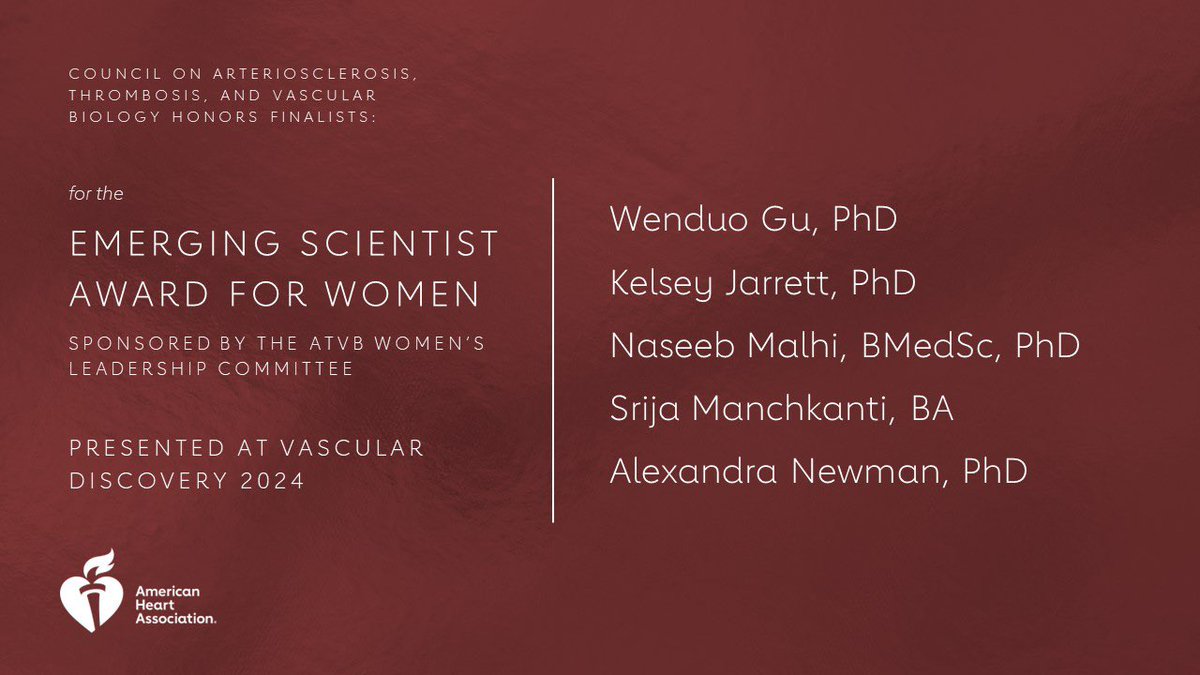
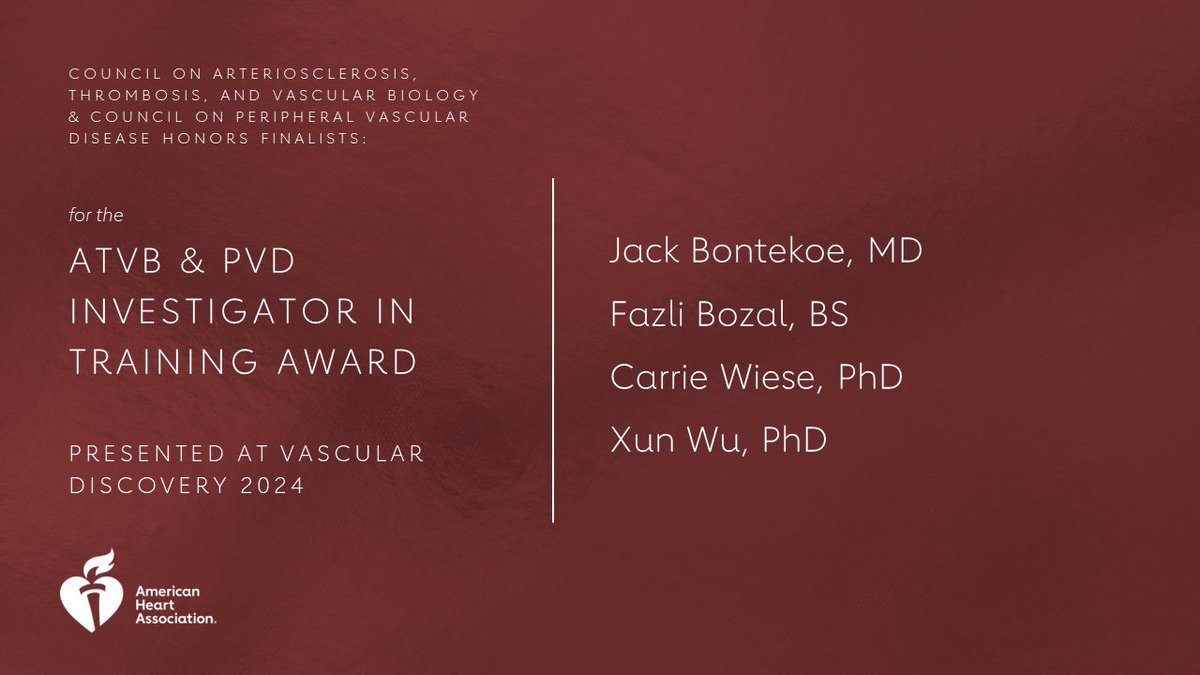
Big day for MooreLab at #VascularDiscovery24! @FazliBozal is competing for the Investigator in Training Award & @aacnewman13 for Emerging Scientist Award for Women Award. 🤞
1
1
9
559
15 May 2024
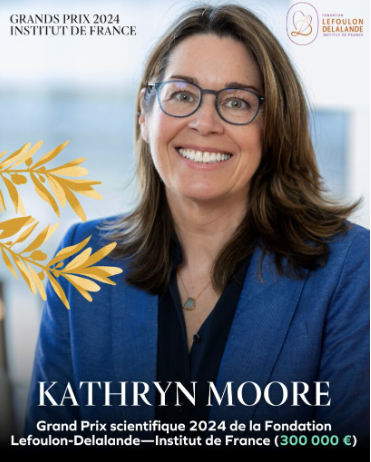
I am honored to share the @InstitutFrance Grand Prix Scientifique de la Fondation Lefoulon-Delalande with Chris Glass (UCSD). Merci!
15 May 2024

Director of the CVRC, Kathryn Moore wins prestigious Grand Prix Scientifique de la Fondation Lefoulon- Delalande. fondation-lefoulon-delalande…
12
6
91
6,910
Kathryn Moore Lab retweeted

10 Apr 2024
Beyond excited that @KateyRayner was appointed to be the next CSO of the @HeartInstitute! In addition to being a stellar scientist, a tremendous colleague & leader in cardiovascular research, this is also a historical moment b/c she will be the first woman CSO at our institute!
10 Apr 2024

Following a rigorous international recruitment process, the University of Ottawa Heart Institute has named Dr. Katey Rayner as its next chief scientific officer and vice-president of research. Congratulations!
ow.ly/vue050Rcg9g @KateyRayner #ottnews
6
6
99
4,812
2 Apr 2024
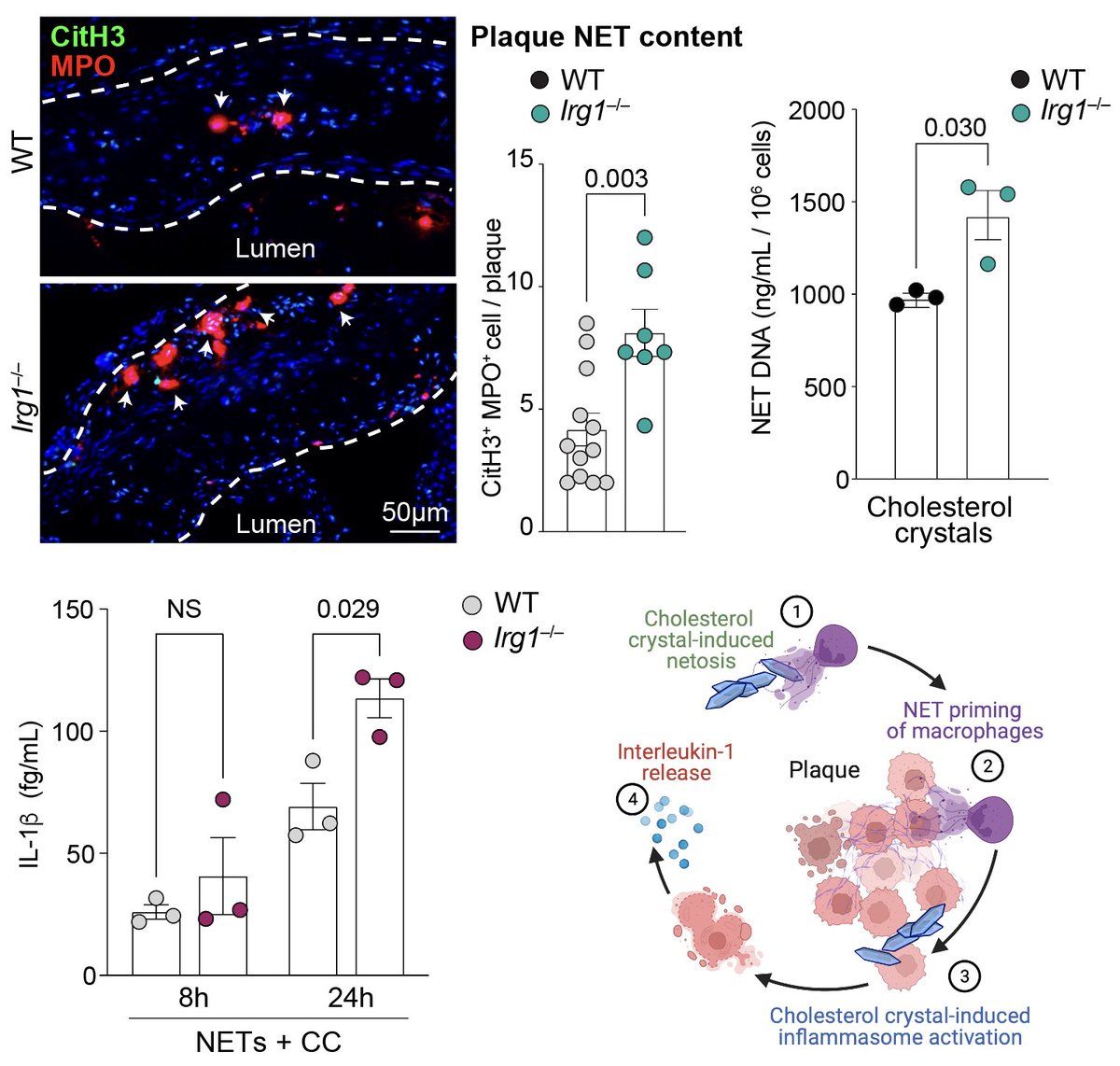
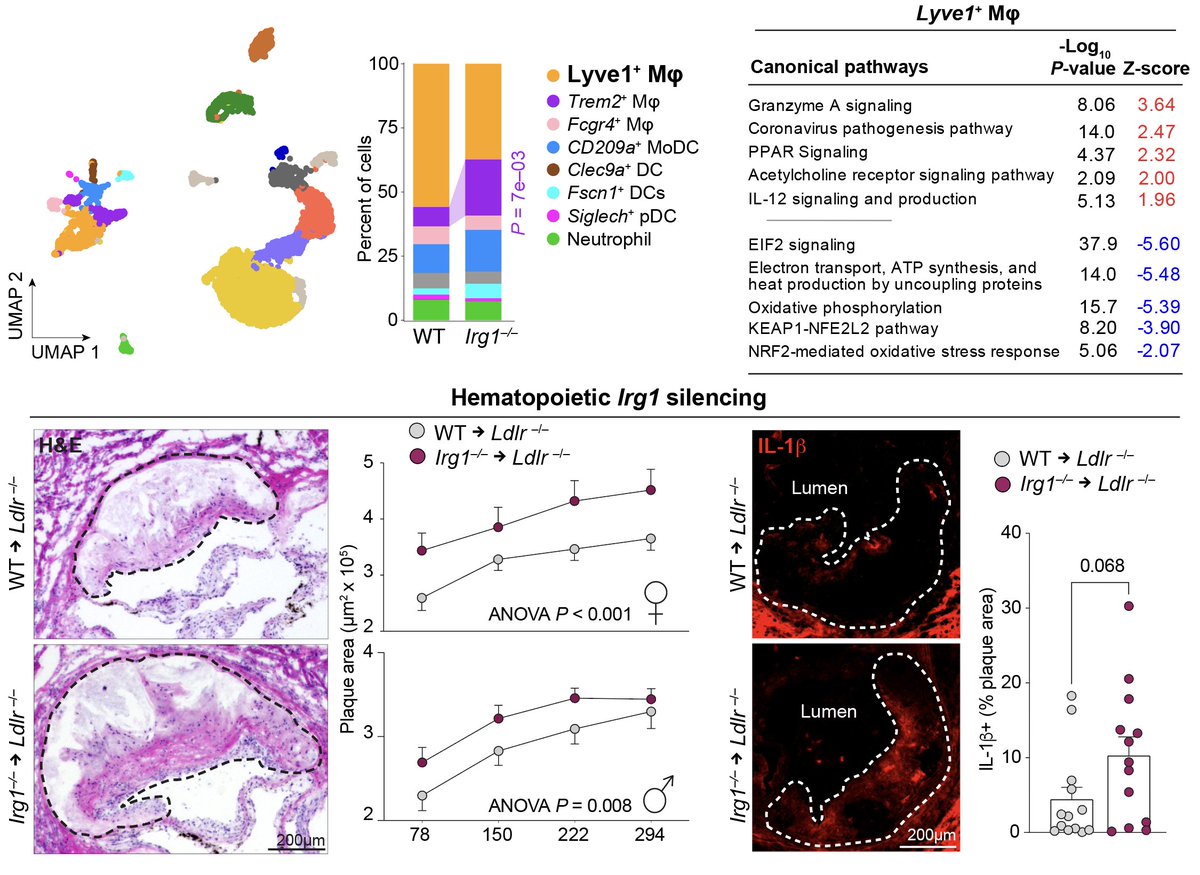
Using mouse models of Irg1 deficiency, we show that loss of this pathways aggravates atherosclerosis, increasing plaque size, macrophage content, and inflammatory signaling including IL-1b (2/5)
1
7
685
2 Apr 2024
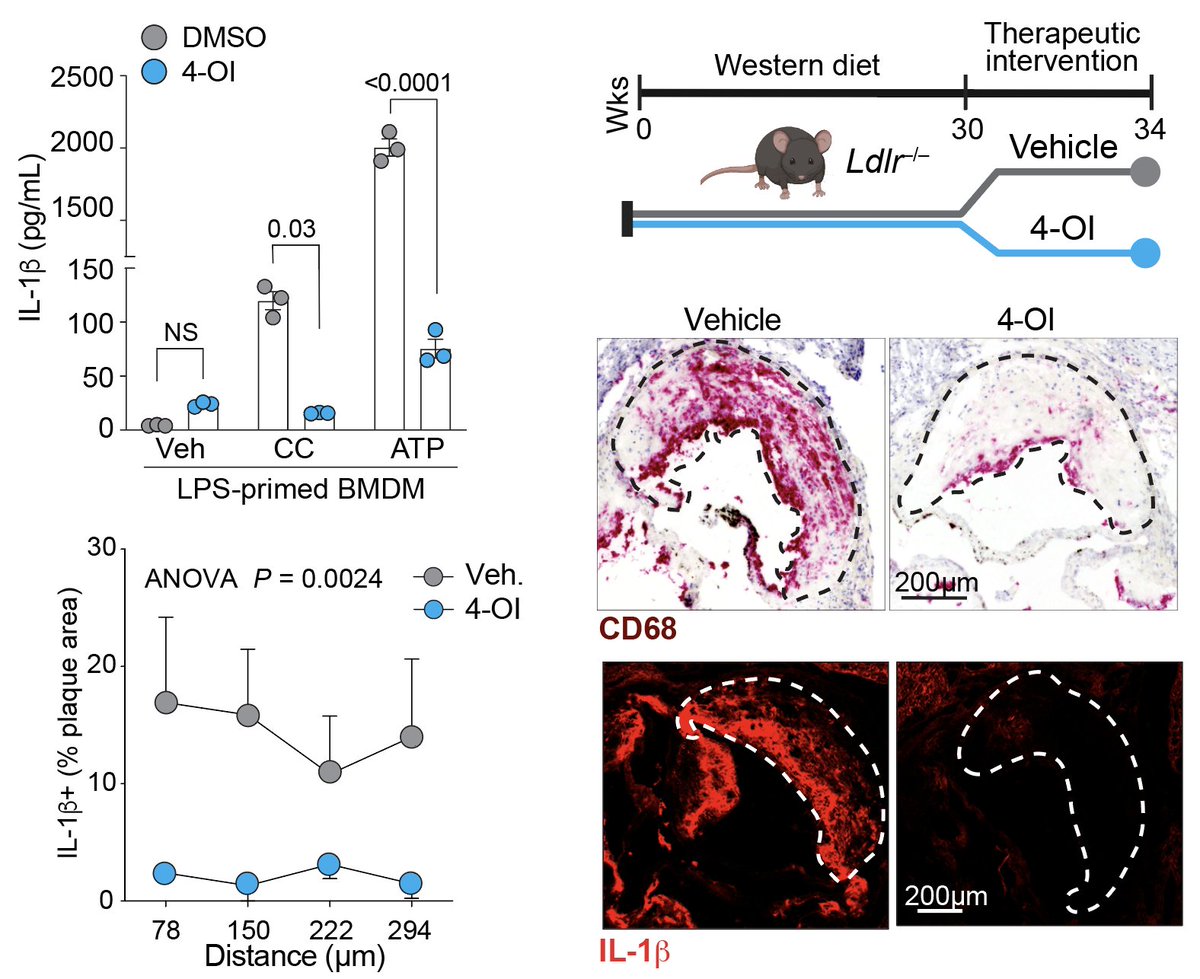
Treatment of mice with advanced atherosclerosis using an itaconate derivative, 4-OI, led to beneficial plaque remodeling, highlighting its potential as a novel therapeutic strategy (4/5)
1
5
532
2 Apr 2024
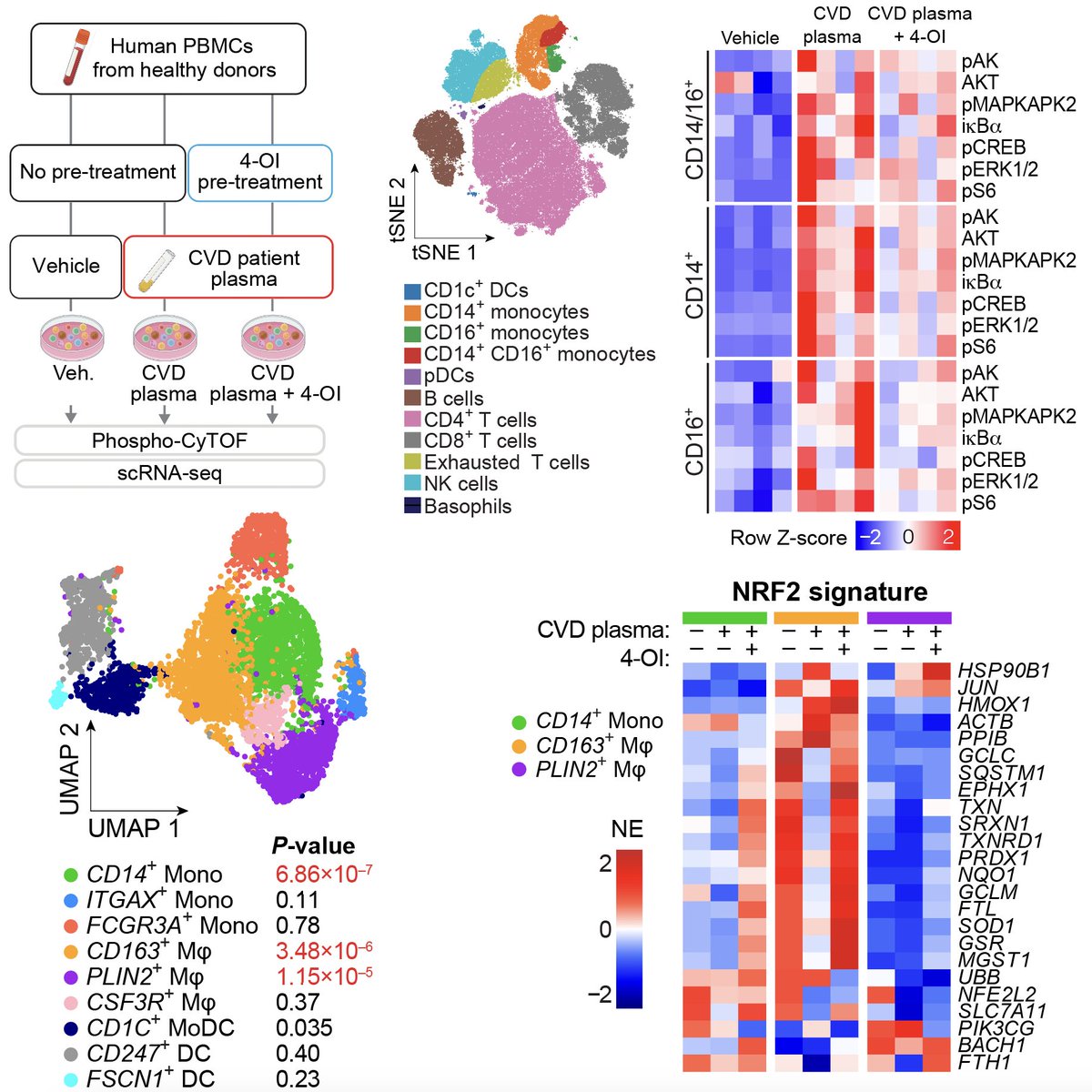
We show the therapeutic potential of 4-OI for reducing CVD inflammation in humans through CyTOF and scRNAseq using a systems immunology approach (5/5)
8
468
2 Apr 2024
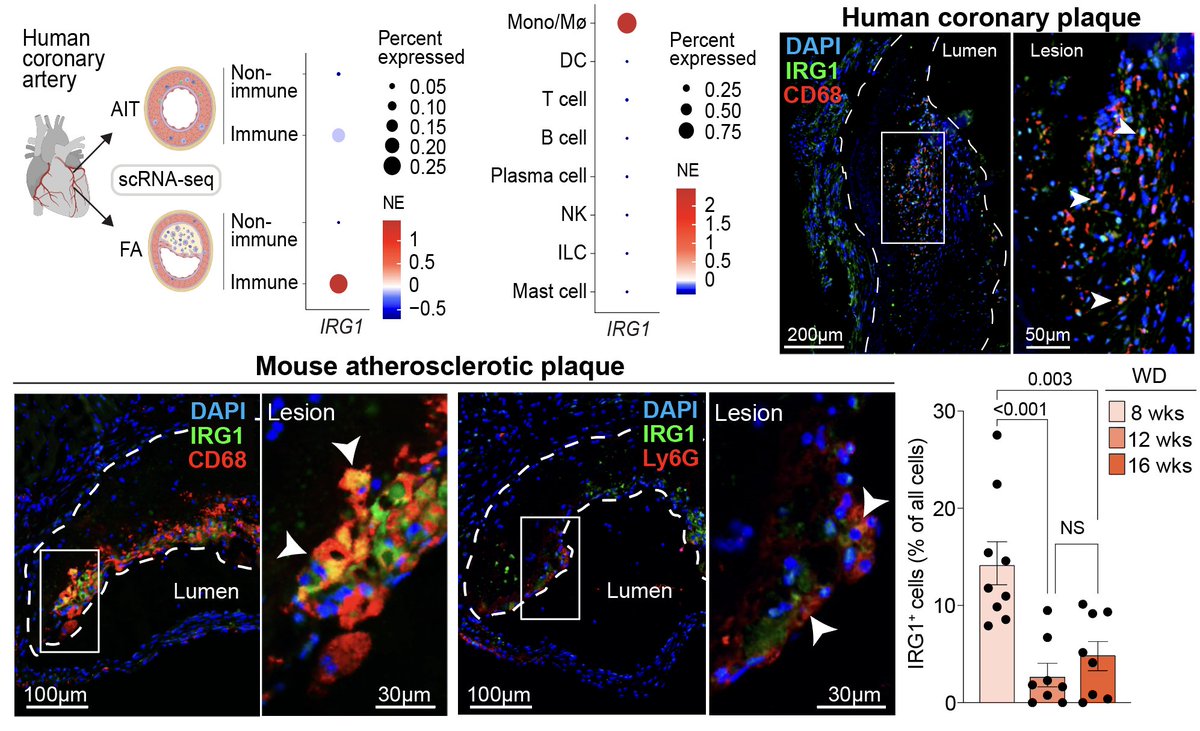
We show that the enzyme IRG1/ACOD1, responsible for producing the immunomodulatory metabolite itaconate, is expressed in human and mouse atherosclerotic plaques. Intriguingly, its expression decreases with disease progression suggesting loss of this protective mechanism (1/5)
1
2
16
1,049
2 Apr 2024
Can we harness #immunometabolism to promote atherosclerosis regression? Check out our findings in PNAS showing the role of the IRG1-itaconate axis in atherosclerosis @ycyr06 @FazliBozal. Thanks to our collaborators @GiannarelliL @NYULHCVRC @PNASNews 🧵pnas.org/doi/10.1073/pnas.24…
7
20
98
9,107