
PhD Candidate in Organic (Carb) Synthesis & Crystallography in @UCC • @SSPCentre & @Researchirel Funded • Thriving to be a Specialist in Carbohydrate Chemistry
Joined June 2022
- Tweets 24
- Following 121
- Followers 61
- Likes 410
2 Photos and videos
Keith O’Shaughnessy retweeted

14 Mar 2025
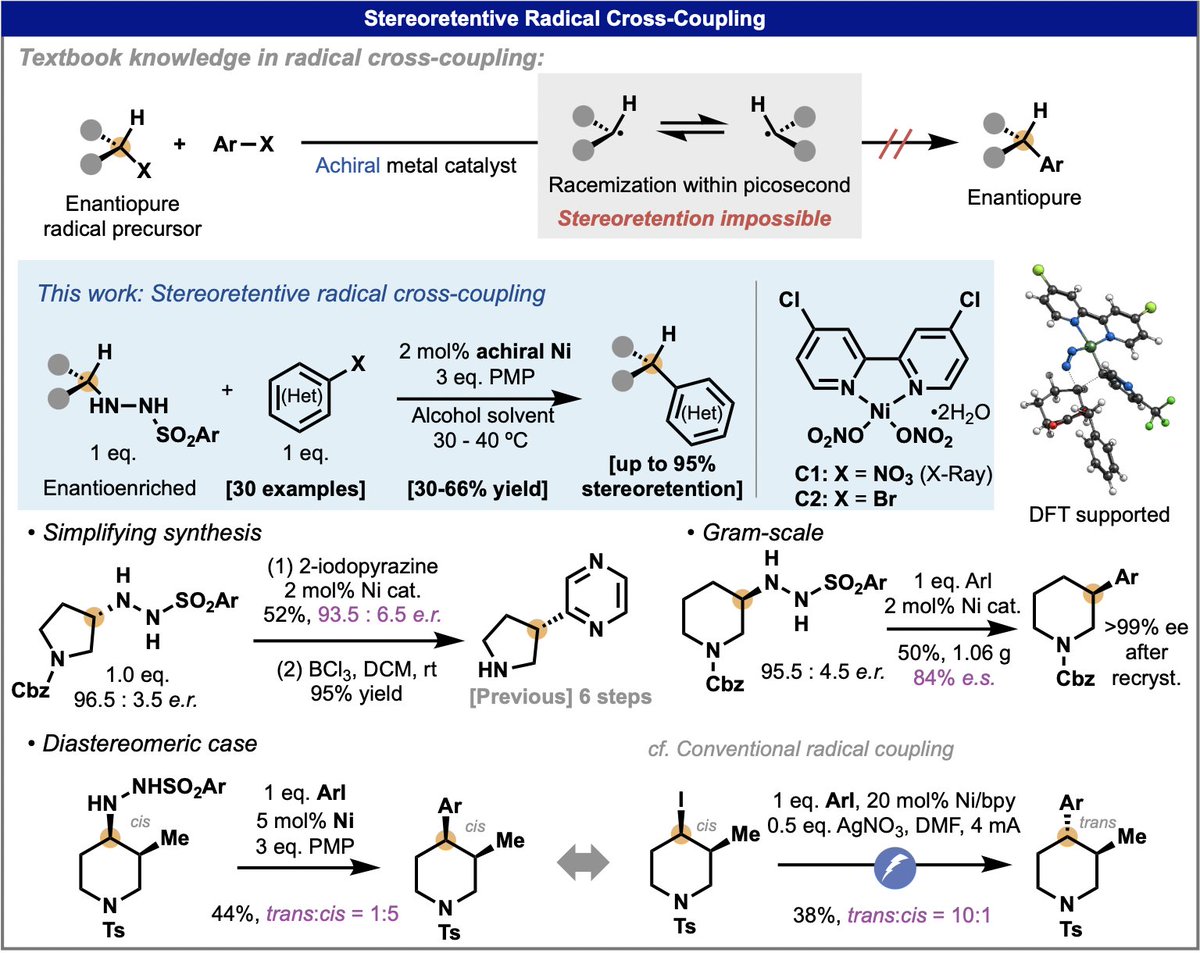
🚨RADICAL RETHINK: STEREORETENTIVE CROSS COUPLING UNLOCKED🚨 Today in @ChemRxiv (chemrxiv.org/engage/chemrxiv…) the first method for stereoretentive radical cross-coupling is disclosed. No fancy ligands or redox needed—just a Ni-diazene twist. 120 years after Gomberg, a new chapter begins.
Quick summary:
Since Gomberg discovered free radicals over 120 years ago and Kochi pioneered radical cross-coupling in the 1970s, this field has surged with interest for linking C(sp3) fragments. Unlike traditional polar methods (e.g., Suzuki), radical cross-coupling excels with saturated systems, offering mild conditions and chemoselectivity to build complex molecules from common fragments. Until now, enantiospecific radical cross-coupling was deemed impossible due to rapid racemization, but today that changes with readily available sulfonylhydrazides and a simple Ni-catalyst. This stereoretentive approach, enabled by a unique Ni-diazene transition state and driven by loss of N2, skips chiral ligands and redox steps, opening new possibilities for synthesis.
17
169
642
197,537

29 Nov 2024
*PLEASE REPOST*
I’m currently finishing my PhD thesis in Synthetic Carbohydrate Chemistry & X-ray Crystallography. I am experienced in silyl protection, regioselective synthesis & complex structural elucidation.
I am looking for a postdoctoral position in related areas
1
194
Keith O’Shaughnessy retweeted

11 Jul 2024
👀 Searching pubmed from inside my google sheet… winning!
10
37
343
56,537
Keith O’Shaughnessy retweeted

16 May 2024
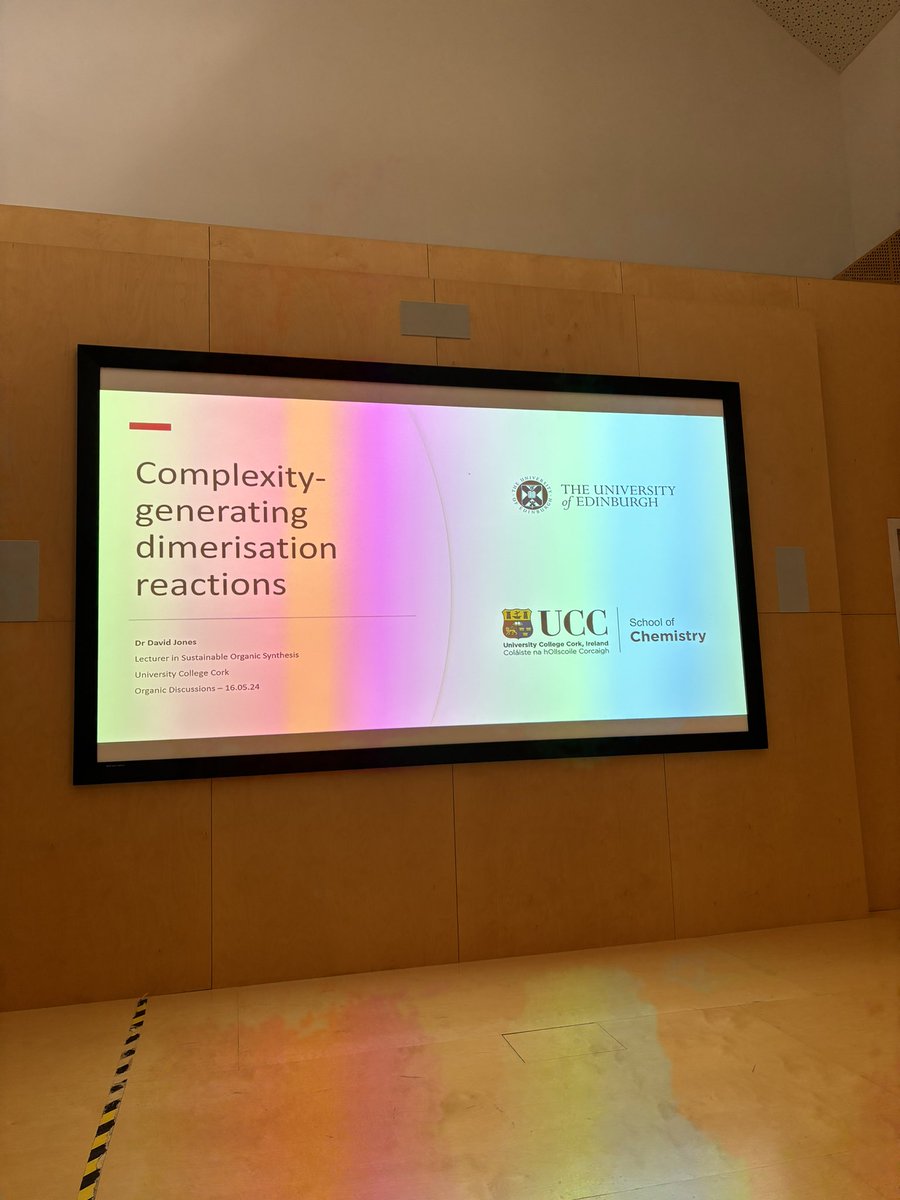
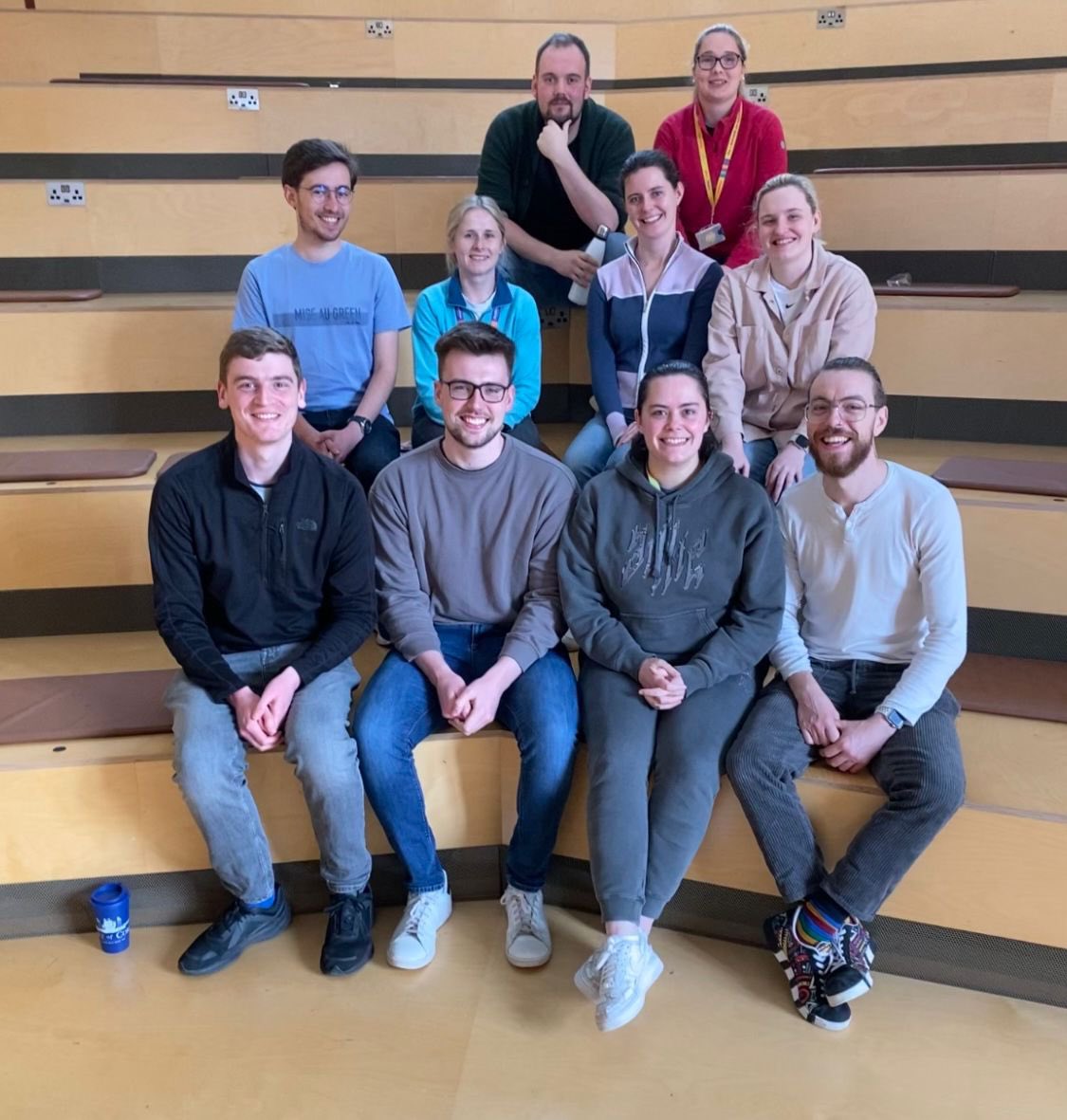
Big thank you to @dJon_es for his wonderful talk on ‘Complexity generating dimerisation reactions’. It was a wonderful way to conclude Organic Discussions for 2023/2024! Thank you to all our speakers from the last year! Hopefully we’ll see some new and familiar faces next year!
6
16
803
21 Mar 2024
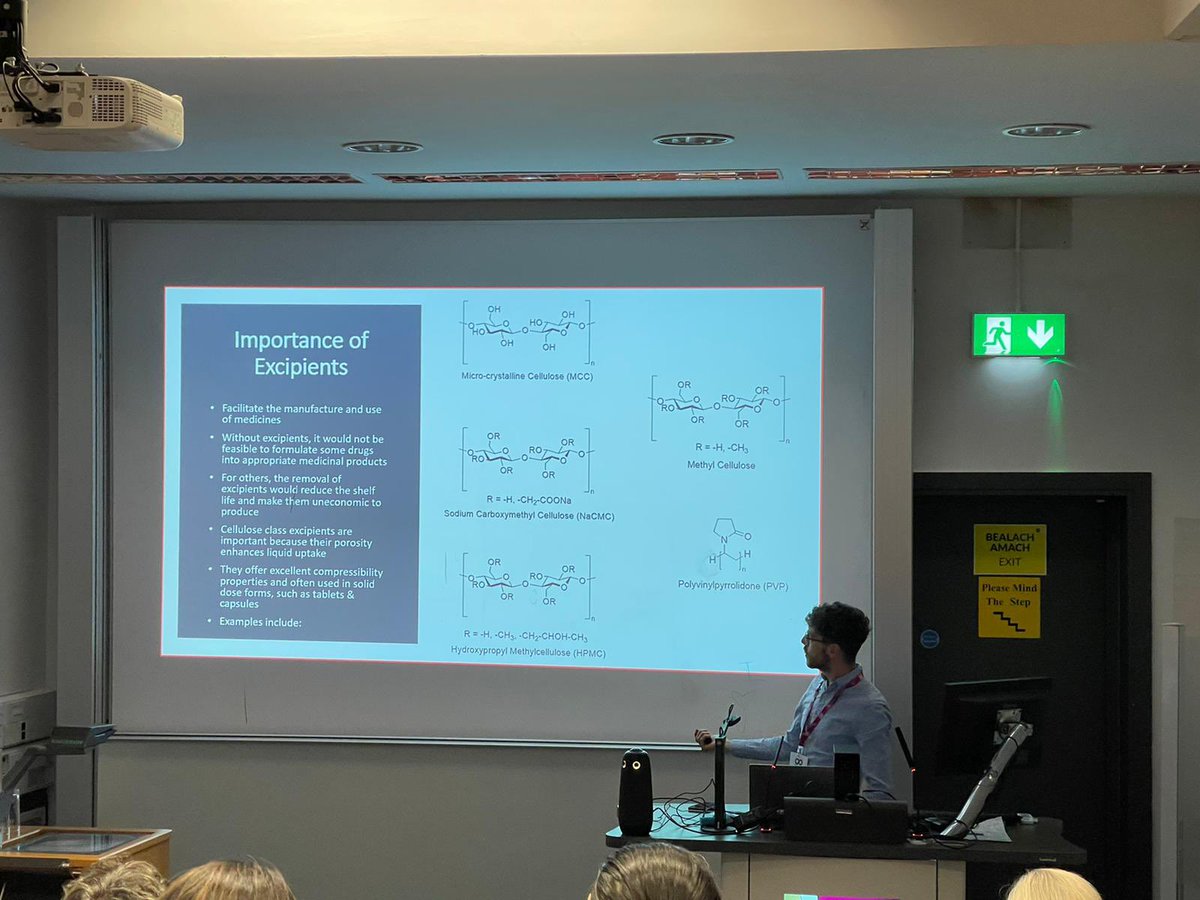
Really enjoyed presenting a broad overview on glycotherapeutics today to some academic staff and researchers at @UCC @UCCResearch @uccchemistry today
21 Mar 2024

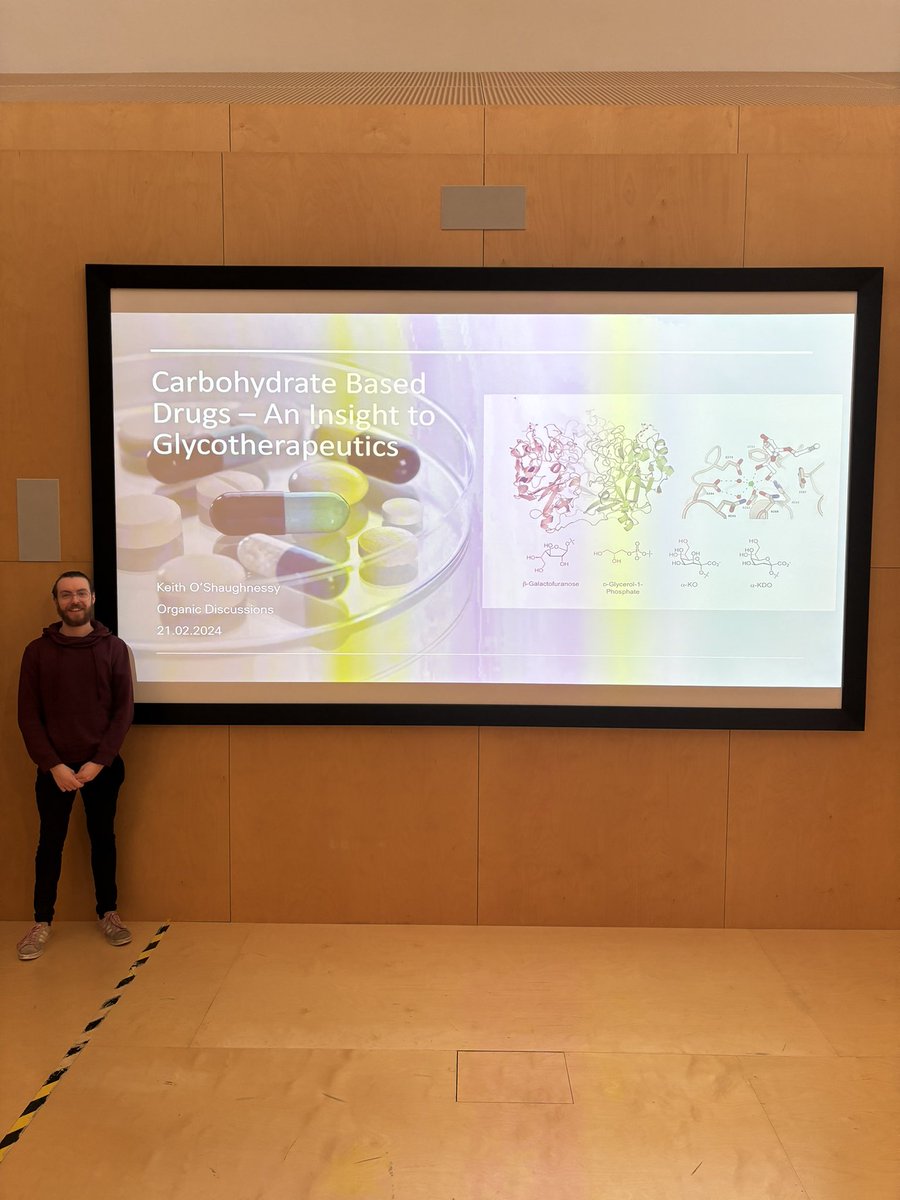
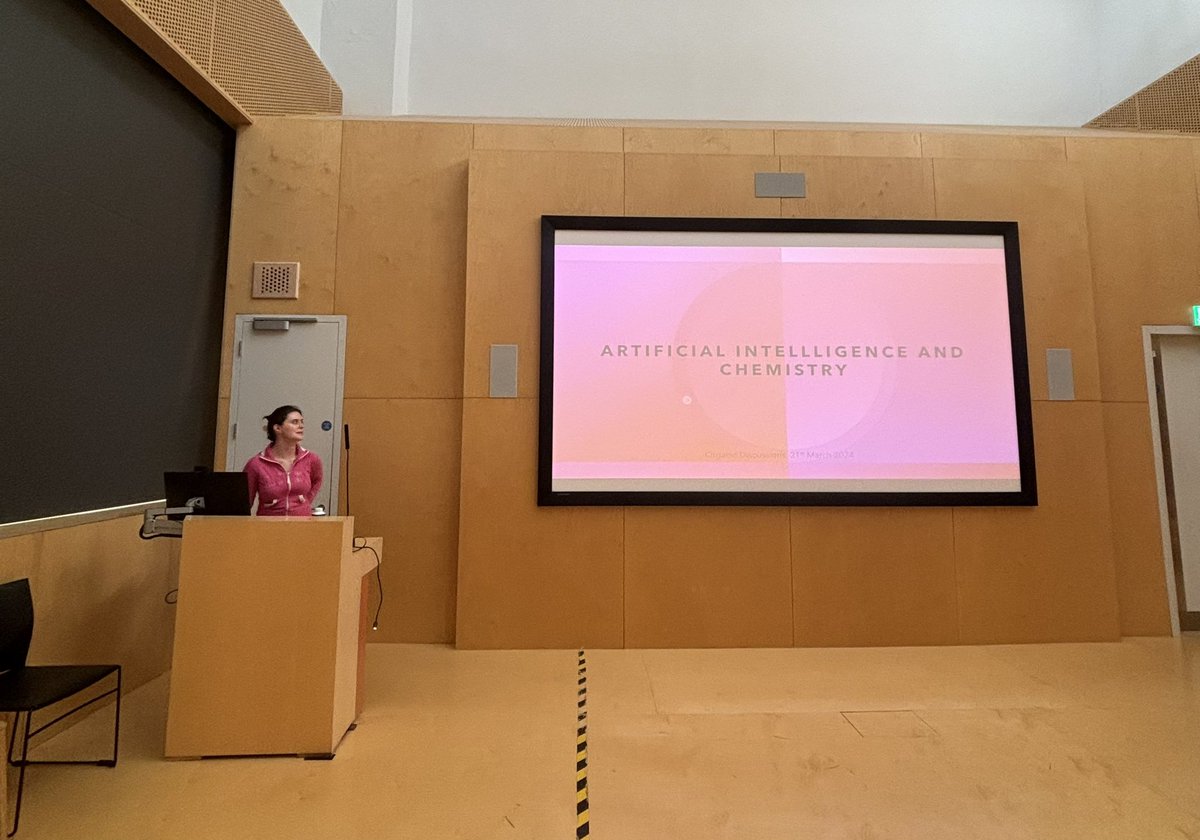
A huge thanks to all who joined us for Organic Discussions this morning!
Insightful talks from @Keith_OS_97 on “Carbohydrate Based Drugs – An Insight to Glycotherapeutics” and Muireann on “Artificial Intelligence and Chemistry”
Our next session will take place on 11/04/2024!
7
261
Keith O’Shaughnessy retweeted
26 Jan 2024
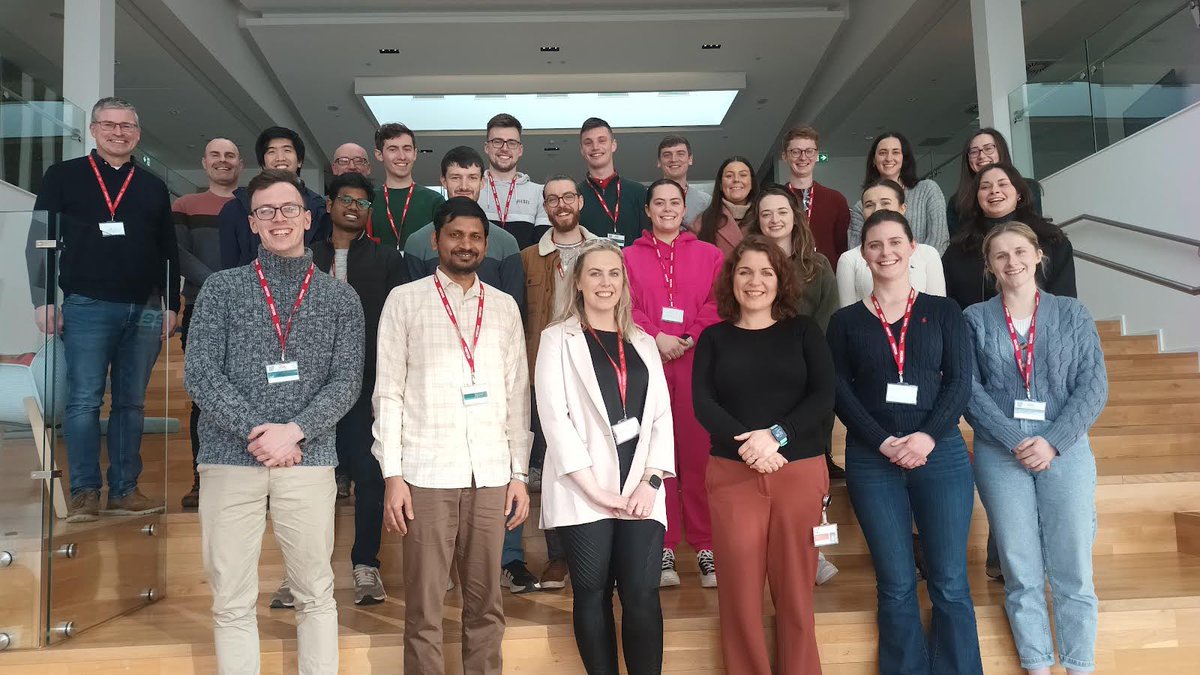
Big thank you to @EliLillyandCo and @RoseOMahony for hosting Organic Discussions this morning! The site tour and talks from various employees were fantastic and gave everyone a great insight into the company. All of the postgrads that attended extend their gratitude! 🧪👩🔬👨🔬
5
15
853
Keith O’Shaughnessy retweeted
19 Oct 2023
Very successful start to Organic Discussions!
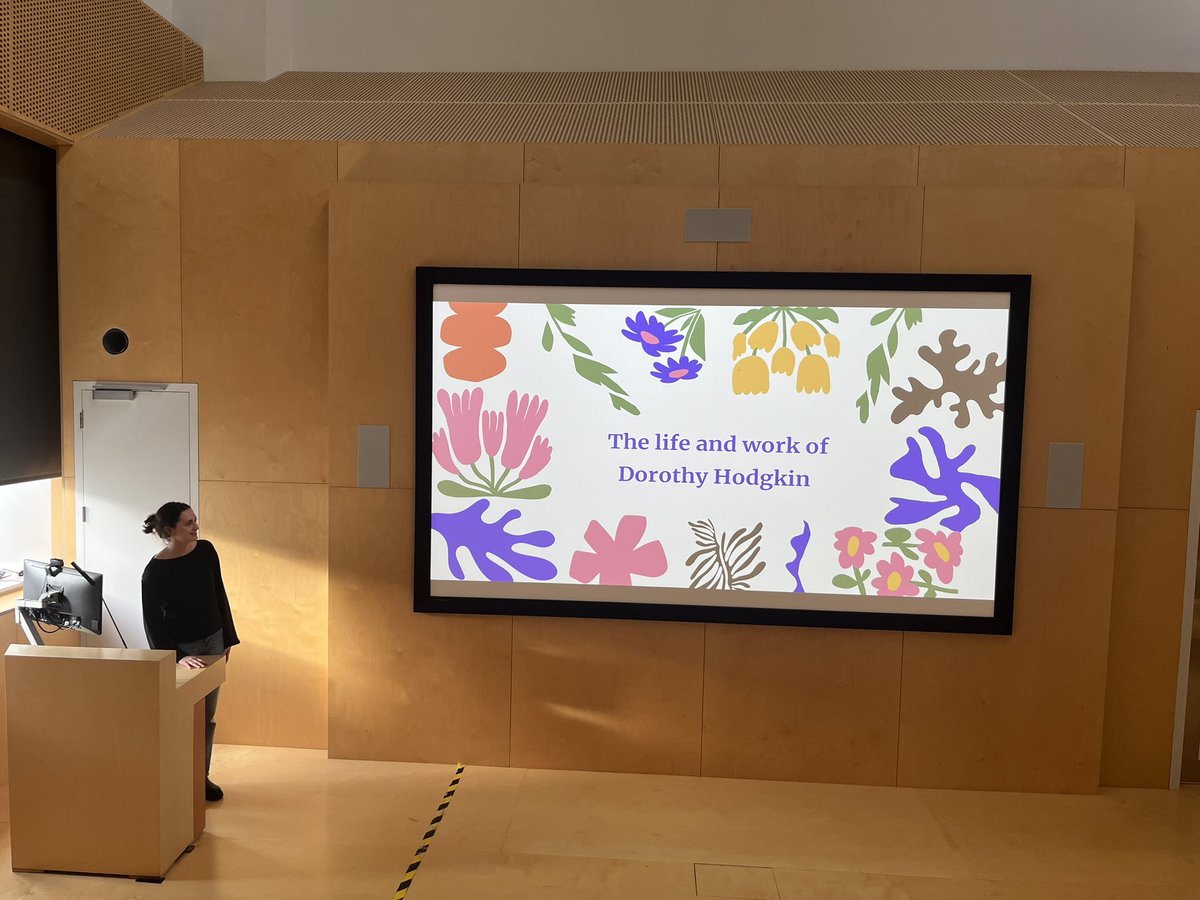
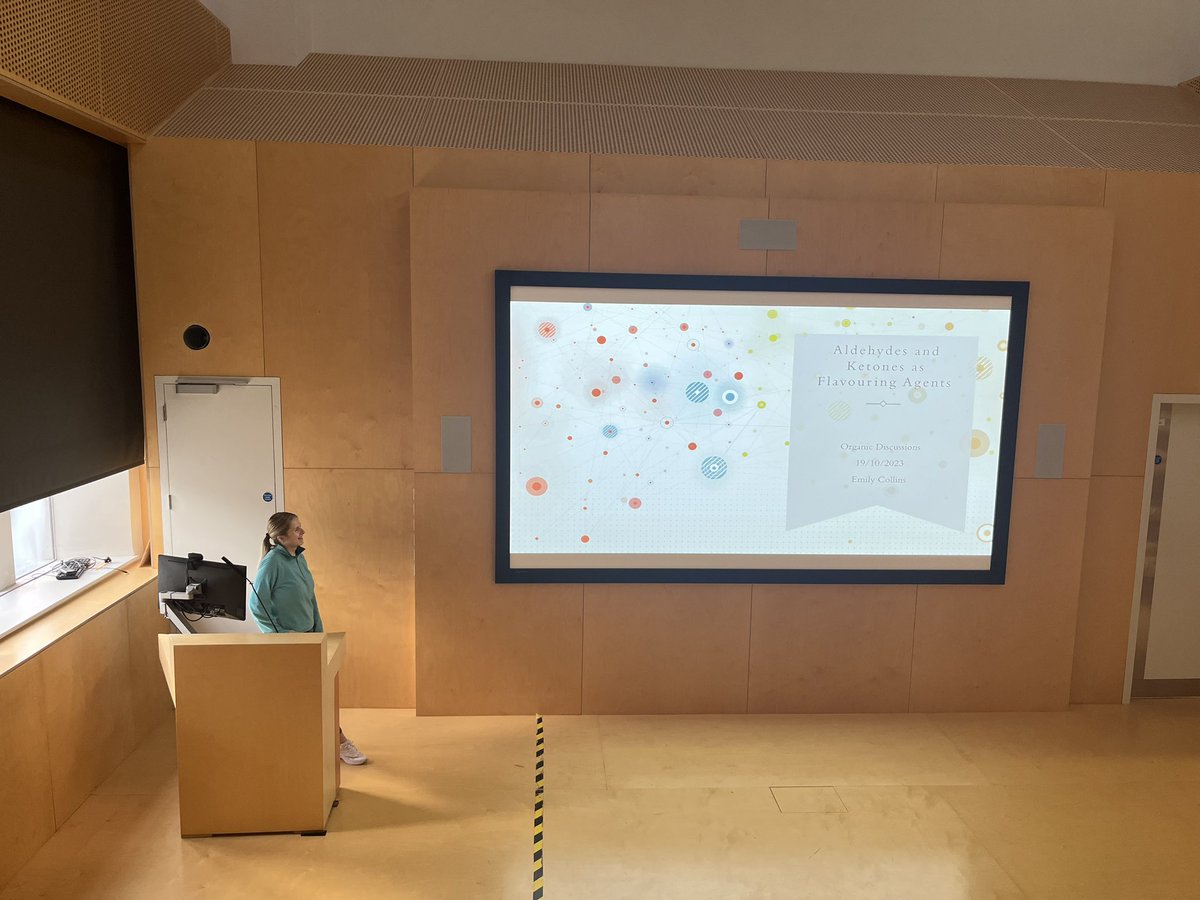
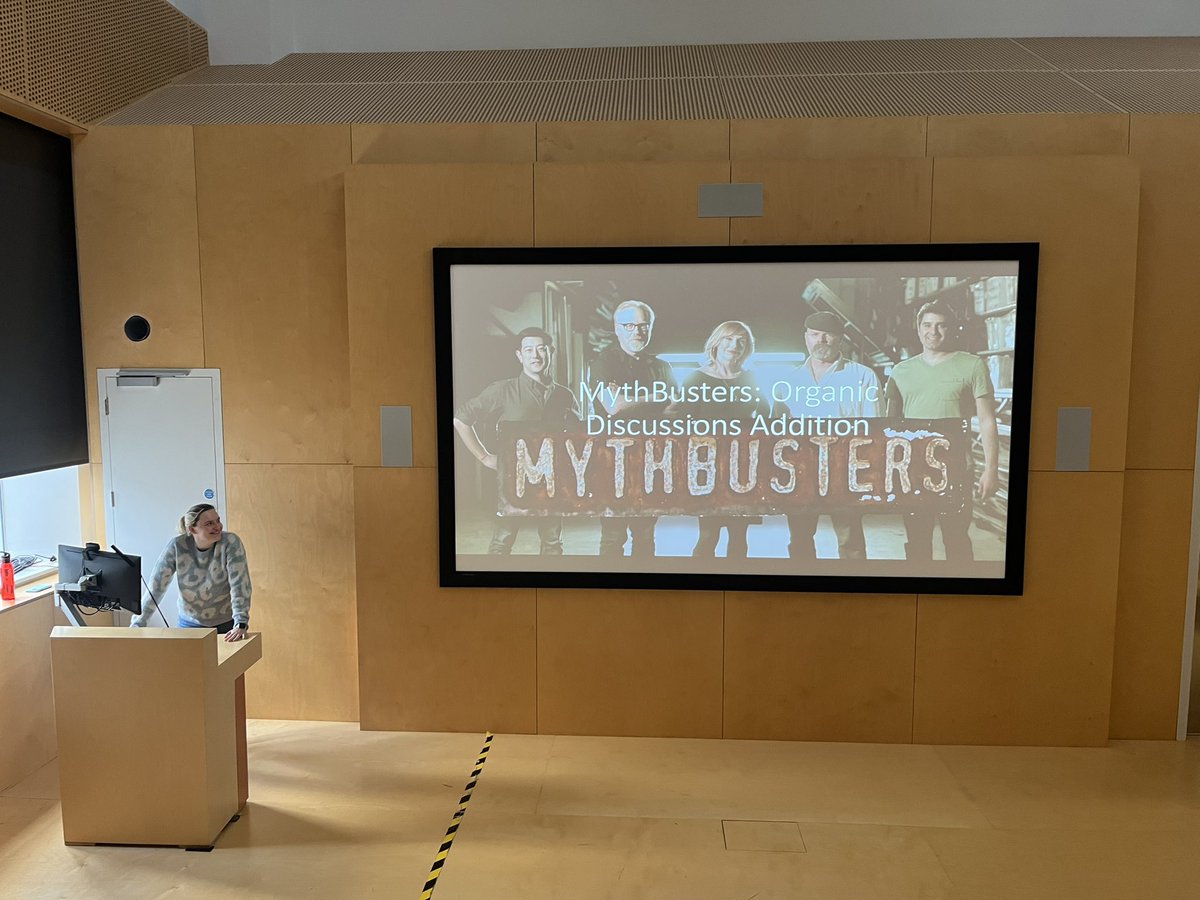
Wonderful talks from Amy, Emily and Emma on “The life and work of Dorothy Hodgkin”, “Aldehydes and Ketones as Flavouring Agents” and “Myth Busters: Organic Discussions Edition”
Our next session will take place on 16/11/2023!
1
3
8
545

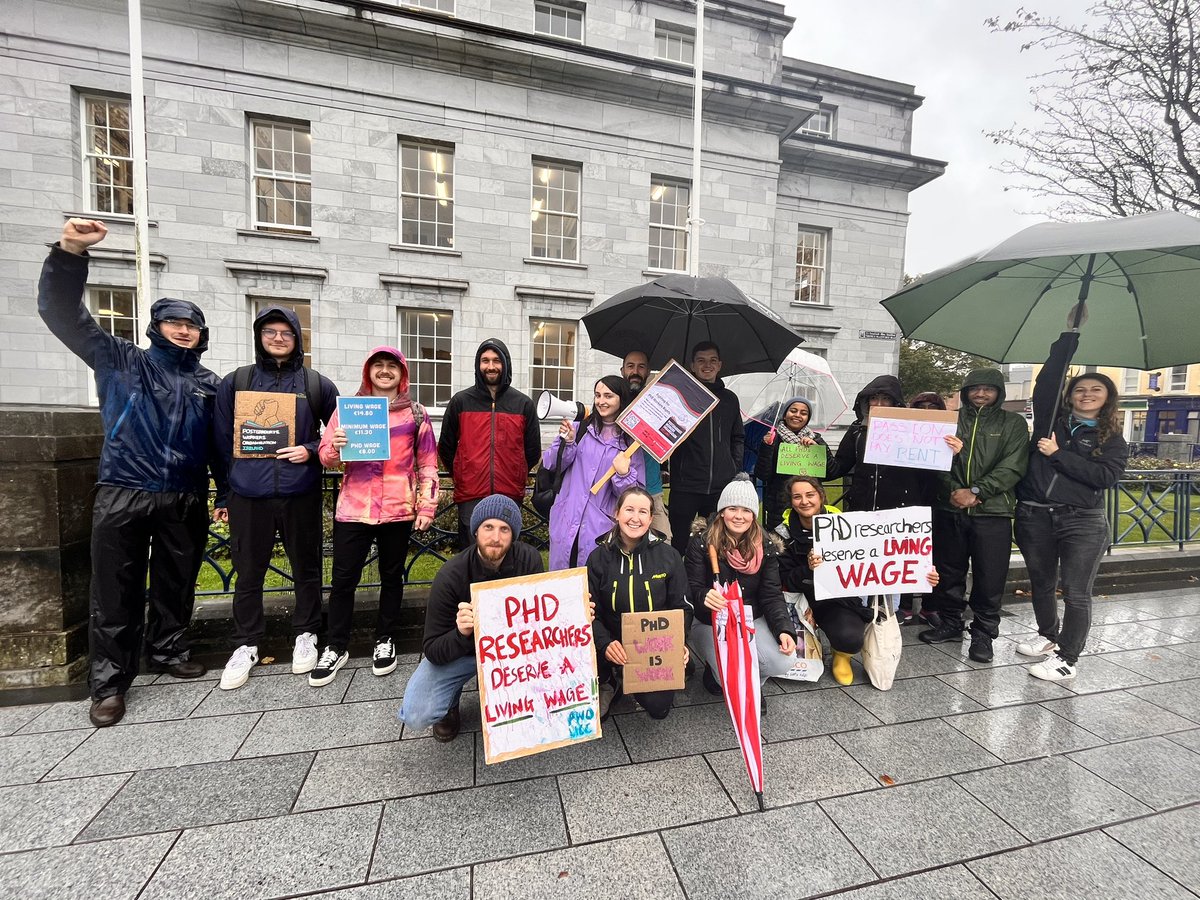
PhD researchers and even post-docs showing up in solidarity in front of Cork City Hall today to protest for better PhD pay and conditions 🙌🏼 #PGRsDeserveBetter #ResearchIsWork @PWO_Ireland
3
16
47
7,776
Keith O’Shaughnessy retweeted

10 Oct 2023
10 Oct 2023

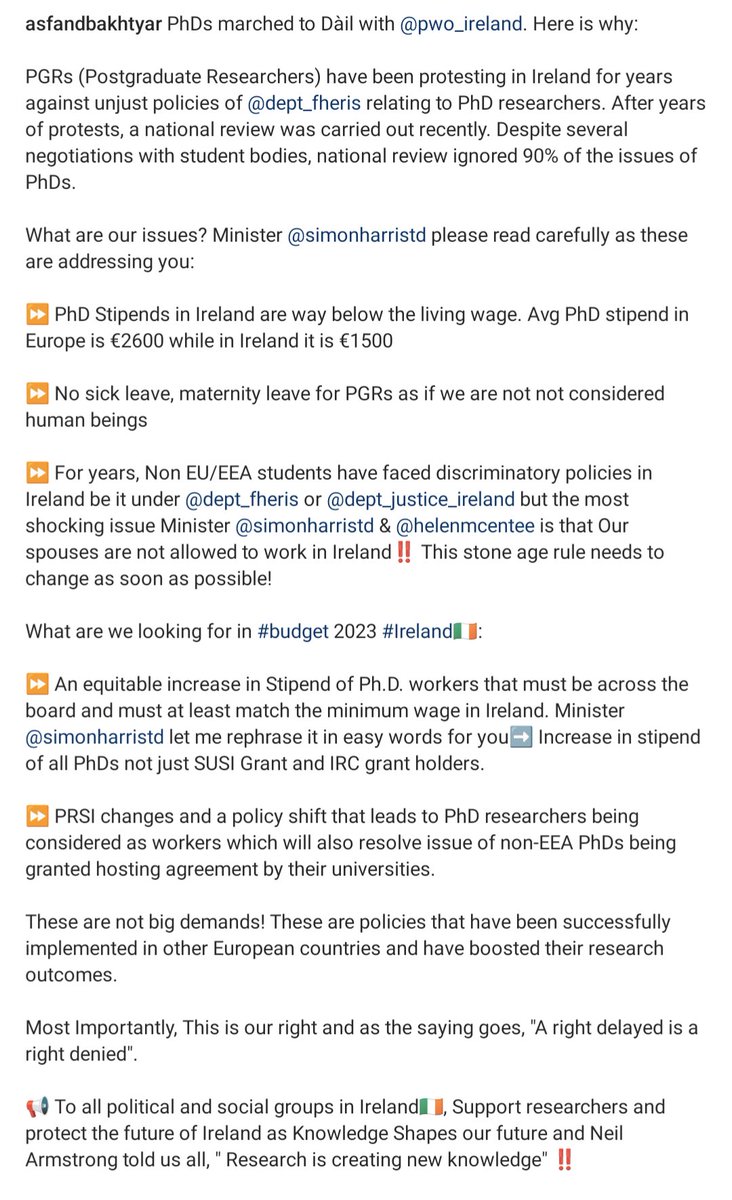
@SimonHarrisTD you have completely ignored the PhD workers again in the budget. You have ignored the review even conducted by your own department. PhDs are an important part of your department yet no change in stipends for them. Absolutely ridiculous‼️#PGRsDeserveBetter
7
22
2,917
Keith O’Shaughnessy retweeted
10 Oct 2023
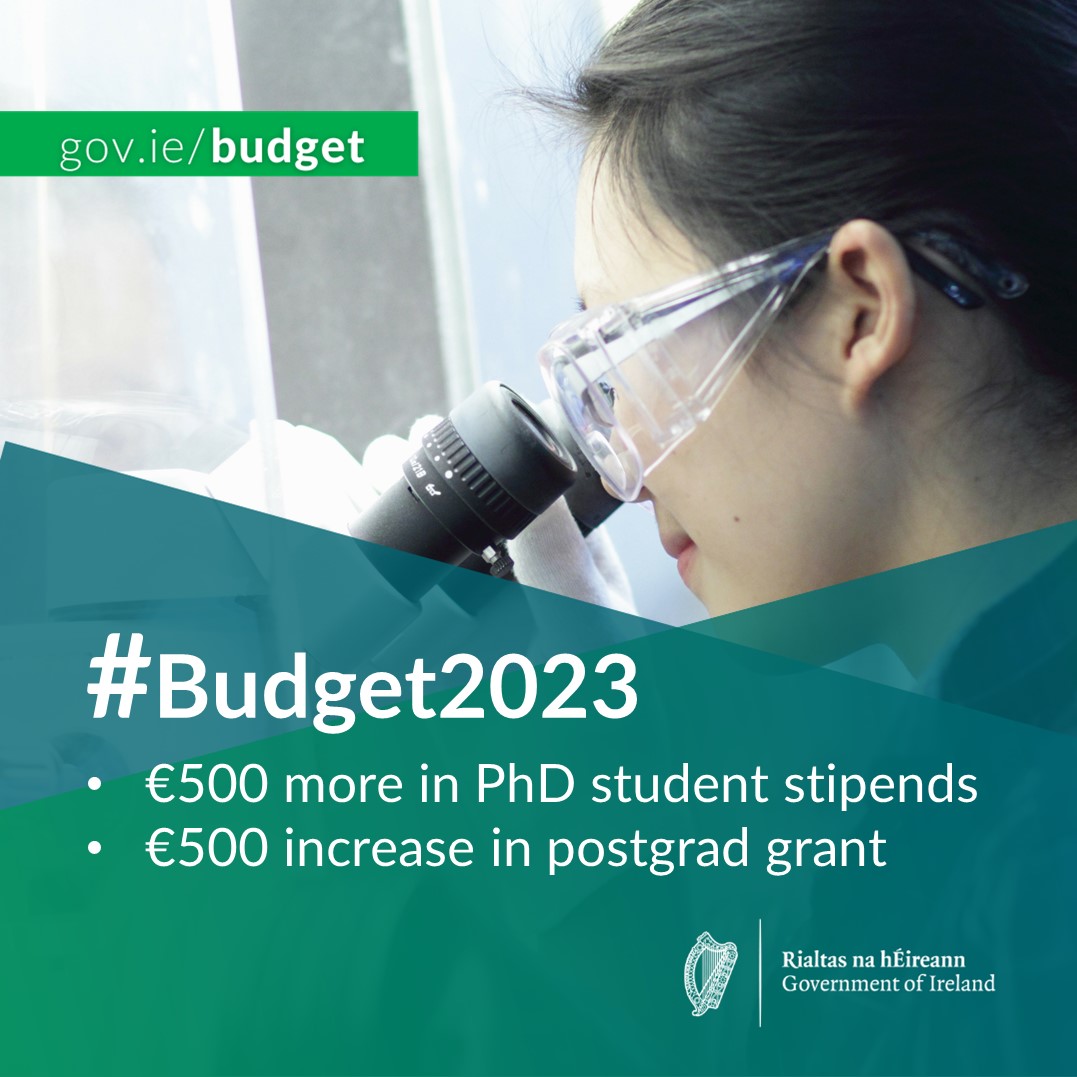
This time last year government announced a pitiful €500 increase to stipends as a cost of living measure. On budget day.
This year @SimonHarrisTD says we should wait til Thursday to find out what we might get. Clearly not enough of a priority to feature in #Budget2024 statement

Increase of €500 in stipends for PhD students funded through SFI and IRC. Postgraduate fee contribution grant to increase by €500, benefiting approximately 2,400 students.
#Budget2023 #Budget2023Ireland
gov.ie/budget
12
43
6,771
Keith O’Shaughnessy retweeted
10 Oct 2023
We are disgusted to have been overlooked in #Budget2024 despite assurances from @dfheris that IRC/SFI stipends would go up.
We are struggling. We are the backbone of Irish research & higher edu. We are undervalued by the state & our universities.
We are fighting back - join us
3
84
281
52,995
Keith O’Shaughnessy retweeted
15 May 2023
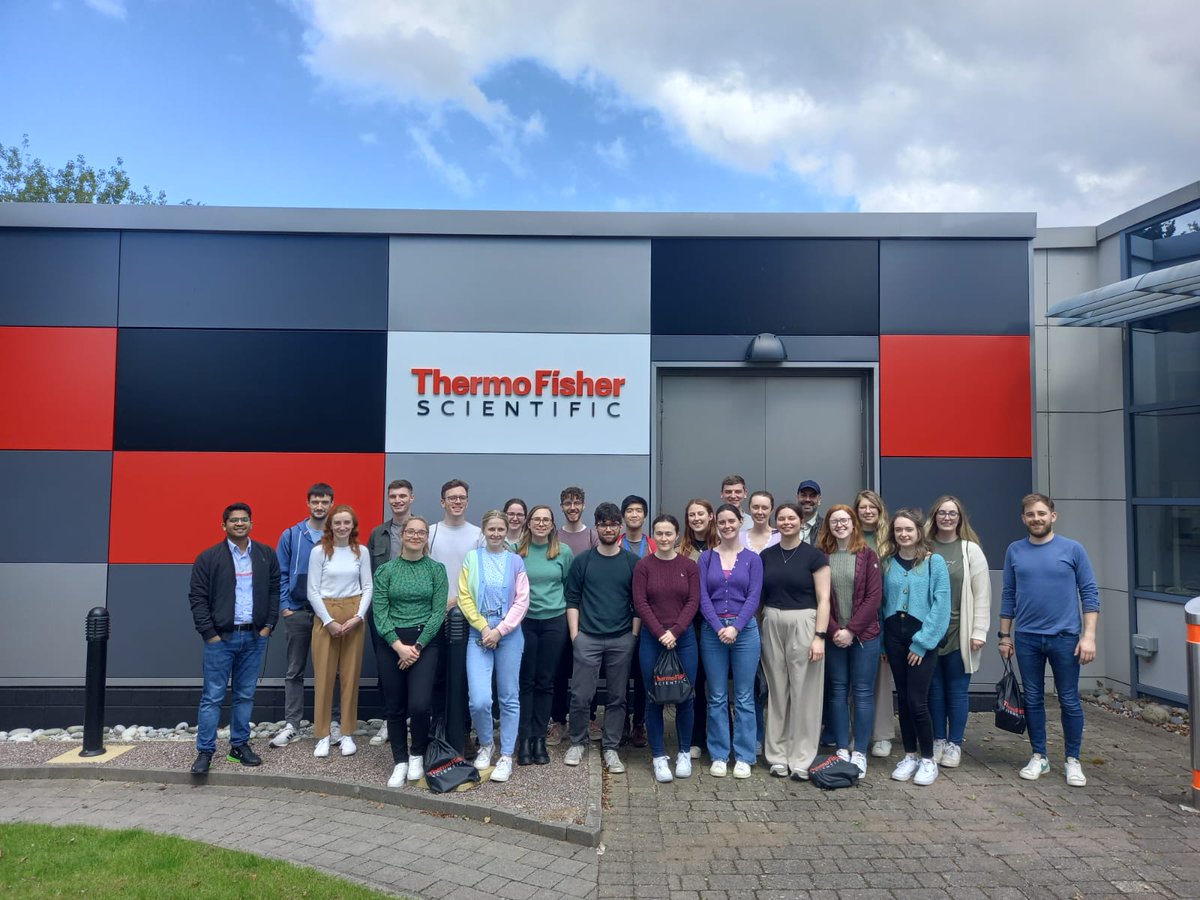
We're delighted to have the series of Organic Discussions for this semester culminate in an excellent site tour of ThermoFisher, Cork. Thanks to @thermofisher for this great opportunity for our postgrads and thanks to everyone who came along for the day. 🧪👩🔬👨🔬
1
3
10
498
10 Jan 2023
I wish you could thumbs up an email.
Like I’m constantly torn between feeling rude for not replying or just sending a simple ‘thanks’ - which I feel is a waste of everybody’s time…
Just me?
3
116
Keith O’Shaughnessy retweeted

20 Oct 2022
This ⬇️ needed to be done, and now. Thank you to @SimonHarrisTD for initiating this. Hopefully it progresses with pace.
gov.ie/en/press-release/c8a5…
1
1
3
Keith O’Shaughnessy retweeted

9 Aug 2022
I just signed this petition to @SimonHarrisTD to implement a minimum stipend of €28k for all PhD researchers to match the stipends of new proposed PhD research positions. Will you join me? #FairPayForPhDResearchers my.uplift.ie/petitions/fair-… via @UpliftIRL
1
2
9 Jun 2022
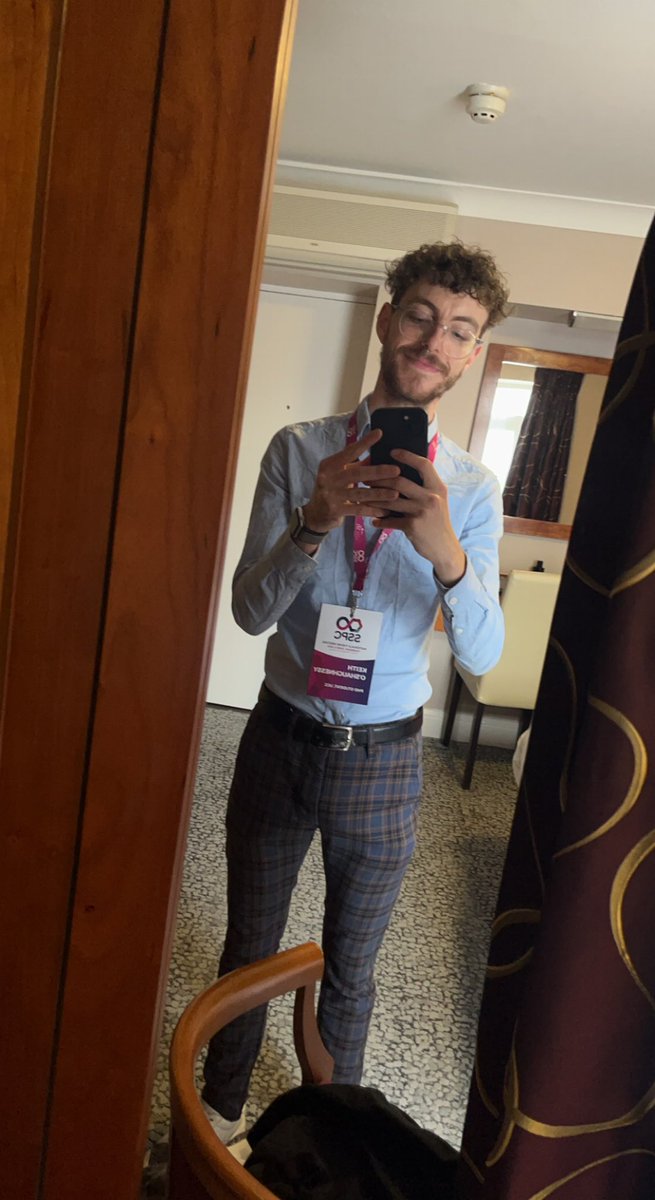
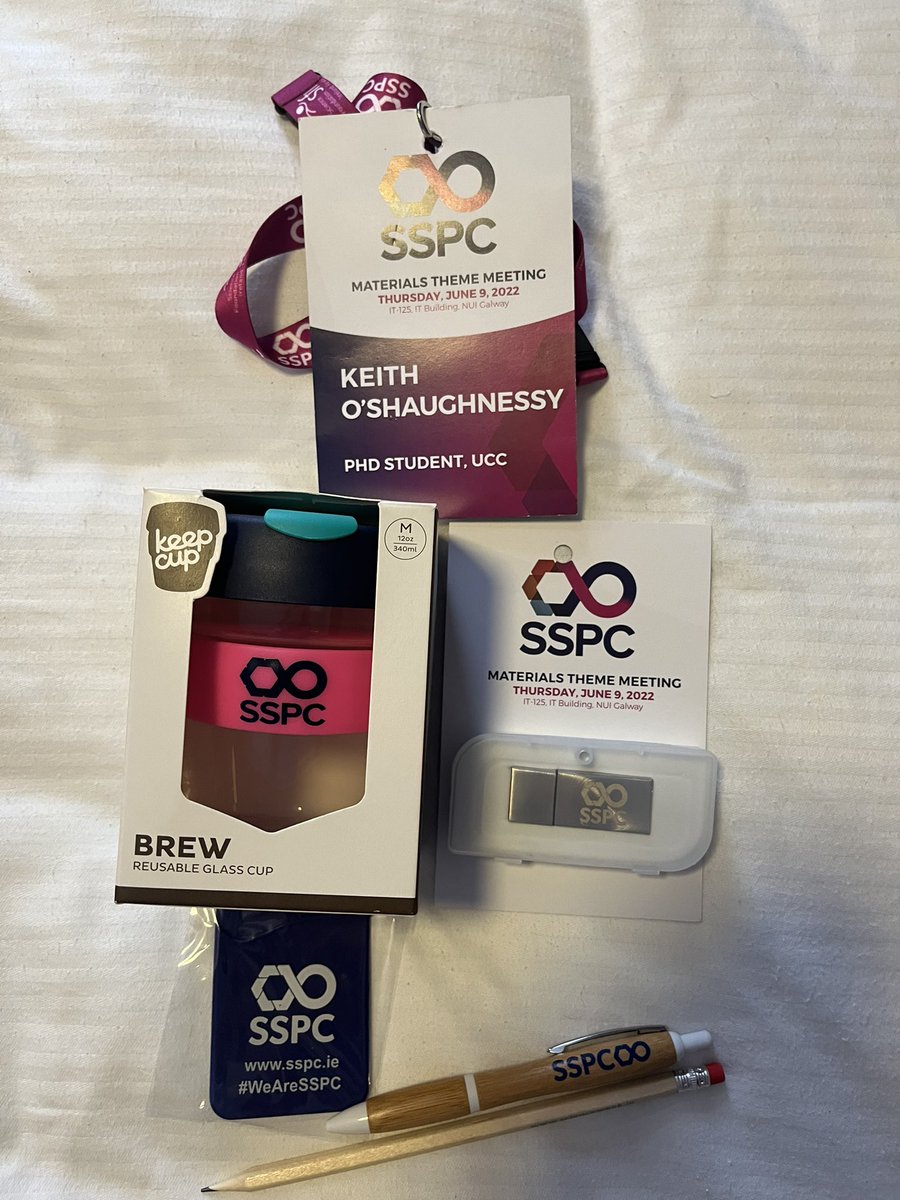
Absolutely delighted with my first in-person presentation for the SSPC. Well done to all the other researchers and their talks. Some fantastic research being done in the area of crystal engineering and engineering crystals. A great day all round. #weAreSSPC #research
1
1
22
8 Jun 2022
This is my first tweet! I’m a doctor of chemistry in the making. Here to promote and learn about all the latest and greatest research! #research #Chemistry #wearesspc #sfi #crystallography #phd
2