Electrifying chemistry...
Joined January 2014
- Tweets 1,549
- Following 123
- Followers 30,067
- Likes 40,081
330 Photos and videos
Pinned Tweet

Jun 4
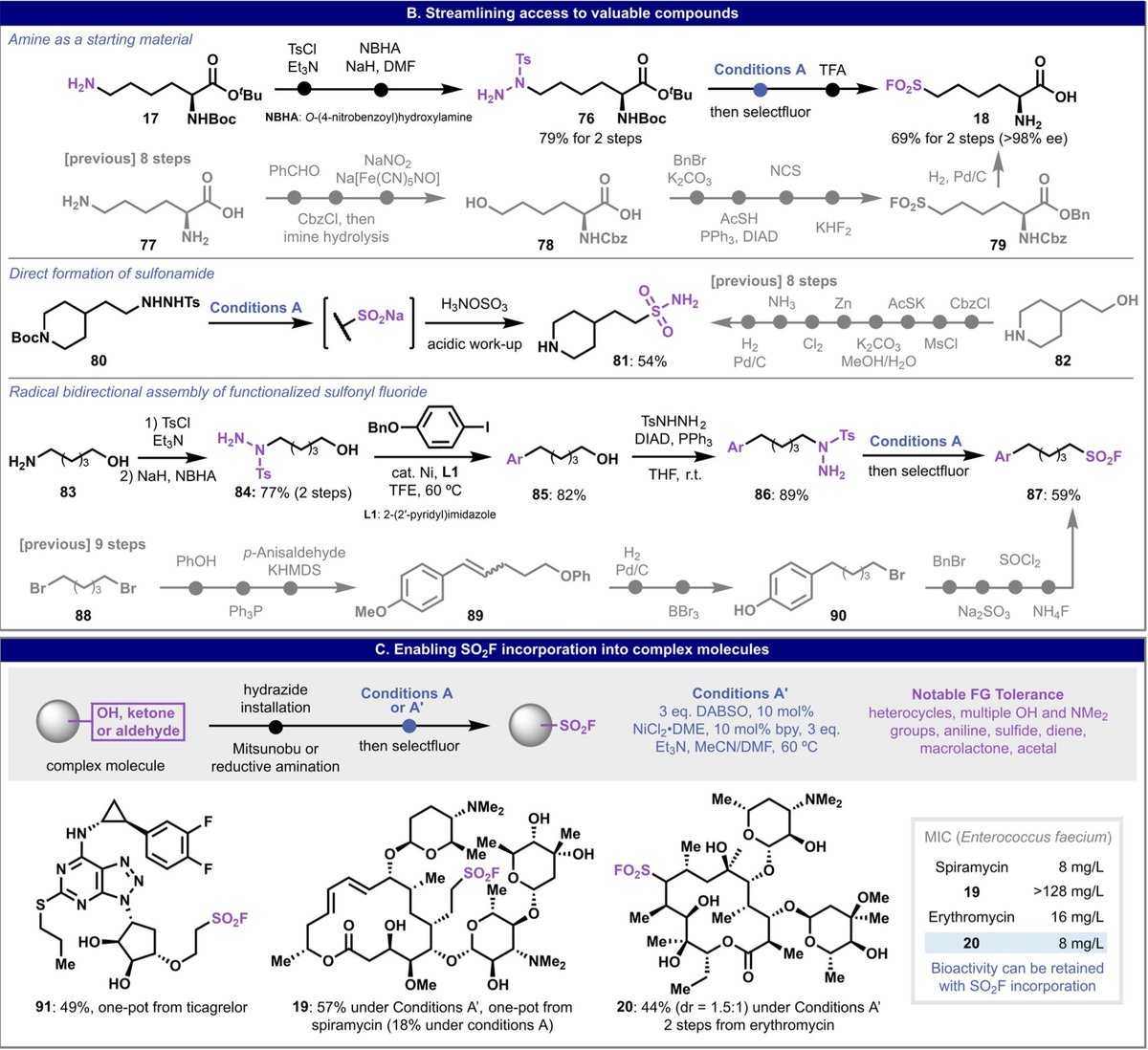
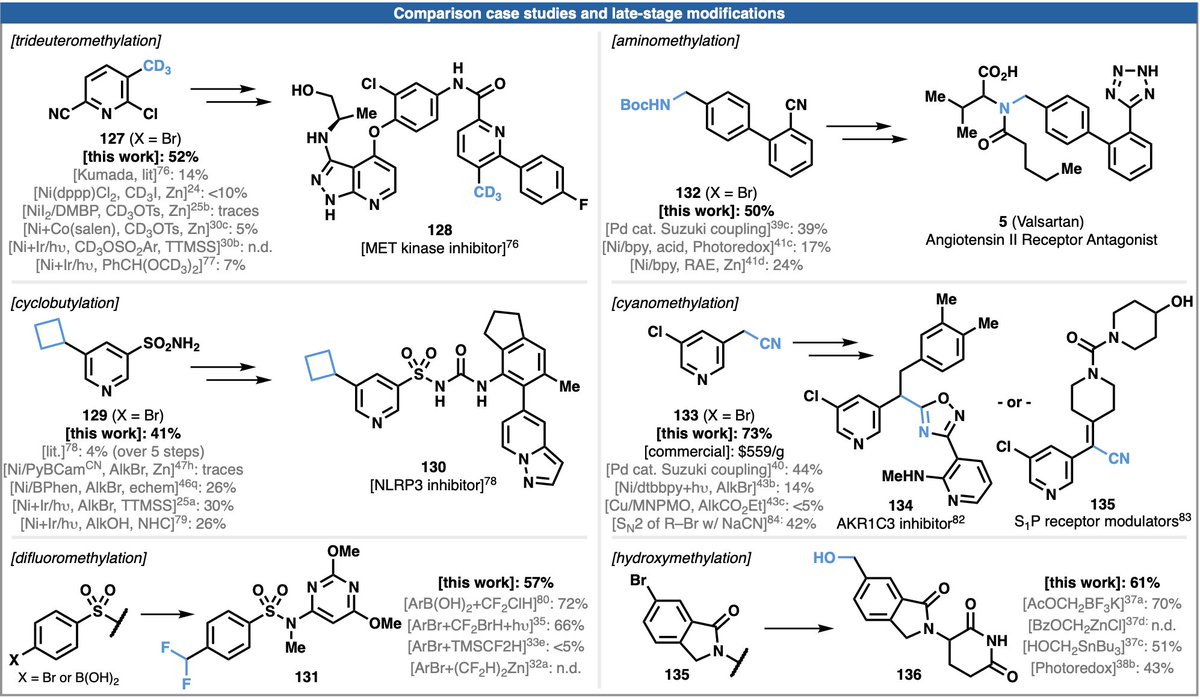
Final version of this work has appeared today in @ScienceMagazine : science.org/doi/epdf/10.1126…

41
248
29,323
Baran Lab retweeted

Jun 10
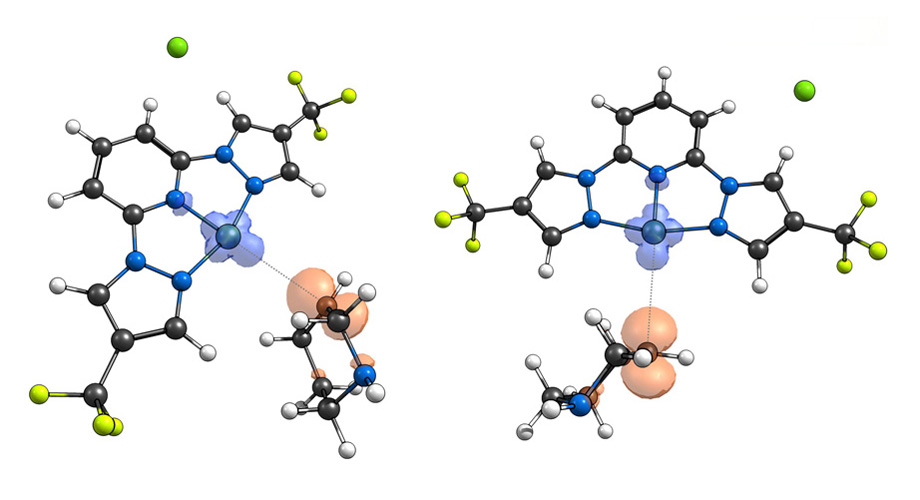
Chemists from @BaranLabReads report a new stereoretentive radical-radical cross-coupling reaction that enables alkyl–alkyl bond formation while maintaining 80–96% enantiospecificity. Published in @ScienceMagazine, the method works across a wide range of pharmaceutically relevant molecules, offering a useful new tool for drug discovery. More: ow.ly/2Aa750Za5pl
14
115
7,057
Baran Lab retweeted

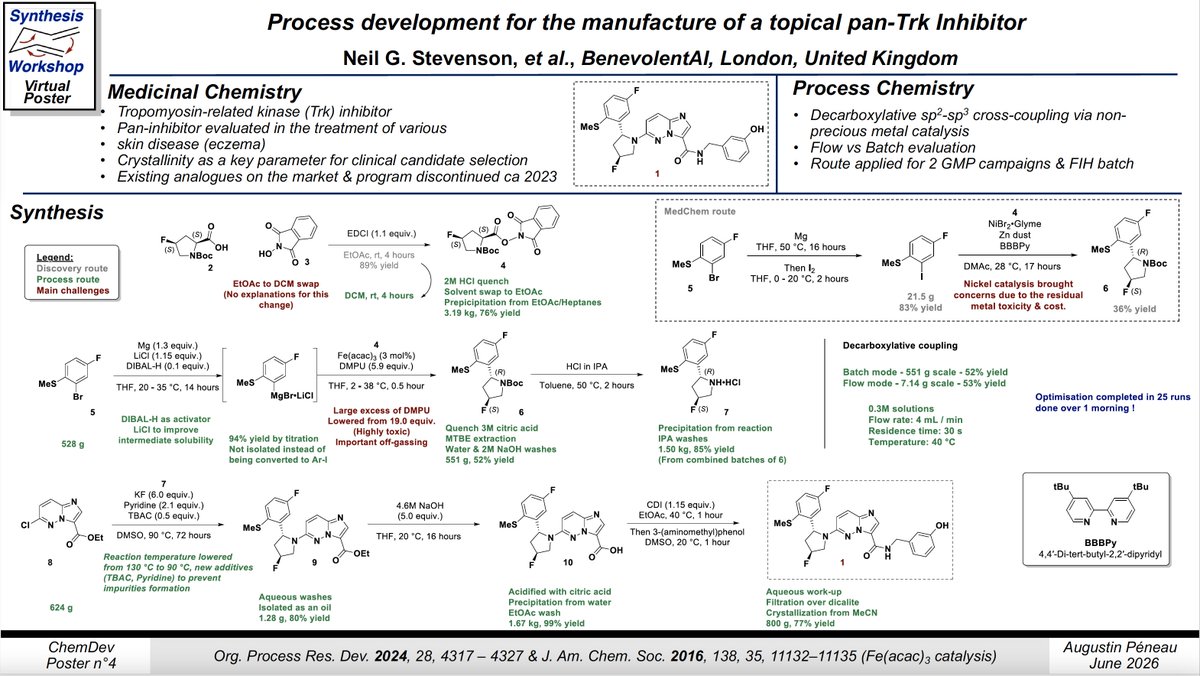
In this month's ChemDev poster by Augustin "Gus" Péneau, we explore the process development behind a campaign to establish a manufacturing route for a topical pan-Trk inhibitor by Neil Stevenson with the BenevolentAI team!
Key paper: doi.org/10.1021/acs.oprd.4c0…
7
60
5,067
Baran Lab retweeted

Jun 5
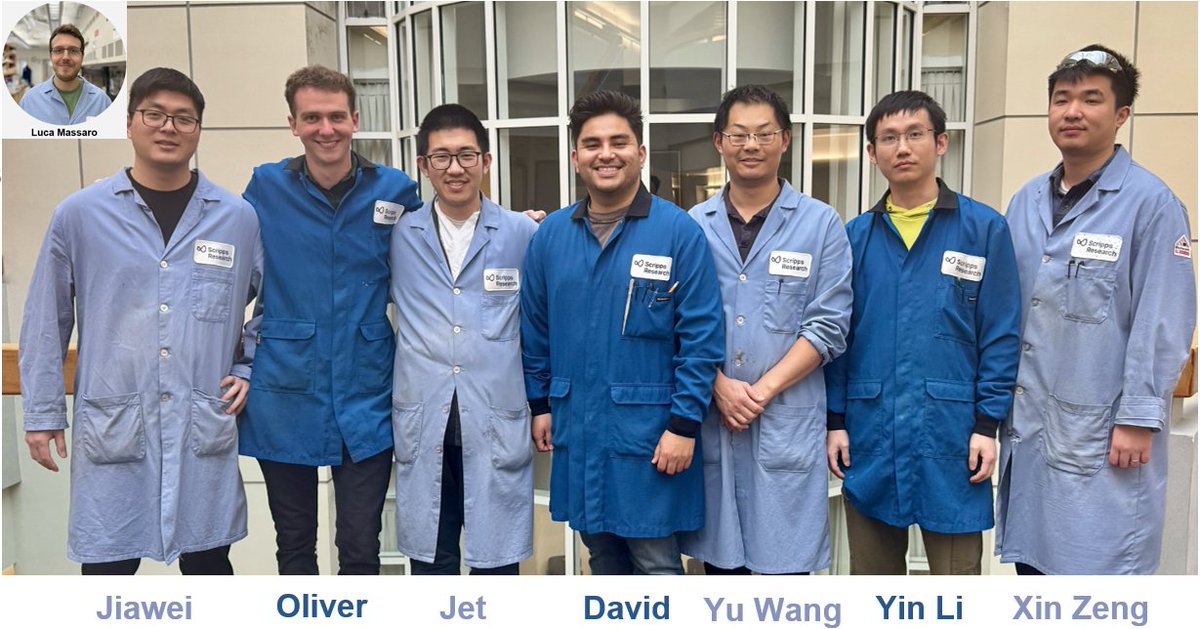
We are such a big team, congrats to everyone!!
Jun 4
Final version of this work has appeared today in @ScienceMagazine : science.org/doi/epdf/10.1126…
2
54
12,534
Jun 4
‘Absurd’ radical reaction keeps stereochemistry intact cen.acs.org/synthesis/absurd… via @cenmag
13
116
7,334
Baran Lab retweeted

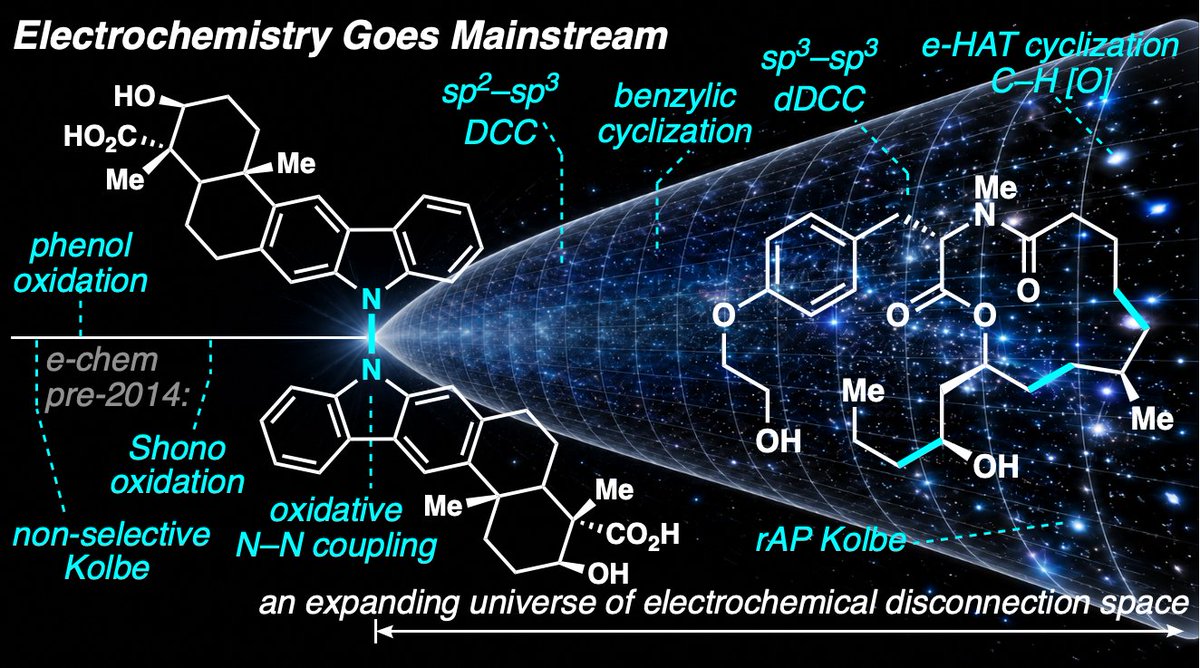
If you've noticed electrochemistry showing up in more and more total syntheses, our new review is for you! Electrosynthesis has been around for decades, but its role has only recently taken off – we cover how it went from niche tool to go-to strategy.
Jun 2
Electrochemistry Goes Mainstream: Applications in Modern Total Synthesis, a review appearing today in @ChemRxiv :chemrxiv.org/doi/full/10.264…
6
36
3,916
Jun 2
Electrochemistry Goes Mainstream: Applications in Modern Total Synthesis, a review appearing today in @ChemRxiv :chemrxiv.org/doi/full/10.264…
1
37
182
11,172
Baran Lab retweeted

May 29
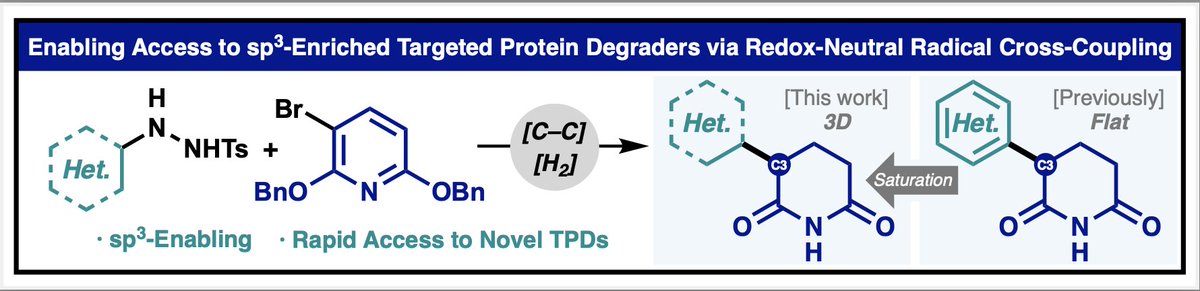
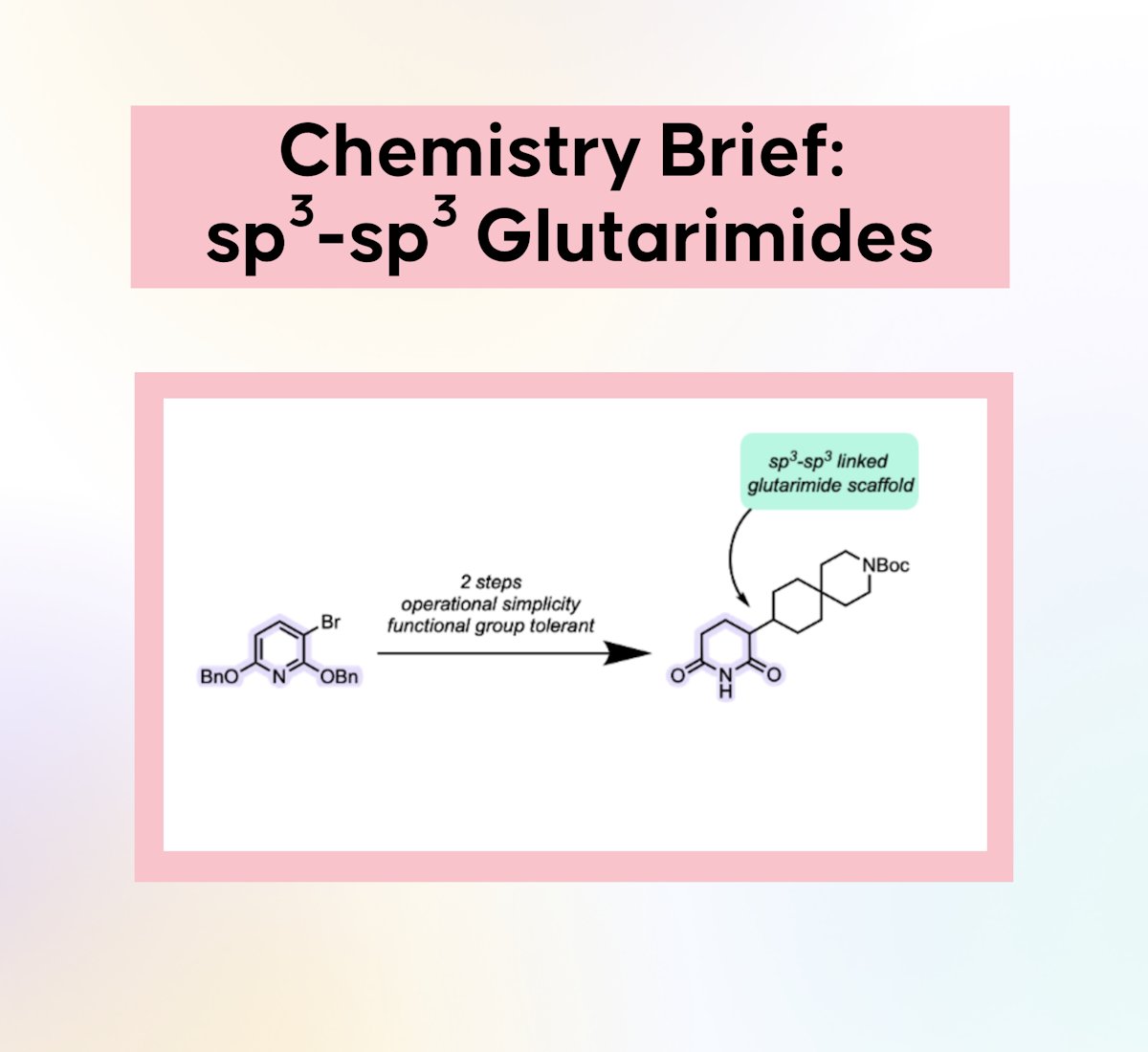
A method that enables rapid access to glutarimides has been reported in a collaboration between the Baran Lab and BMS.
Glutarimides are a key motif in the TPD (targeted protein degradation) field, and an array of scaffolds beyond those based on substituted thalidomides have entered clinical trials. However, only limited reports of glutarimides bearing α-sp3 hybridized substituents have emerged.
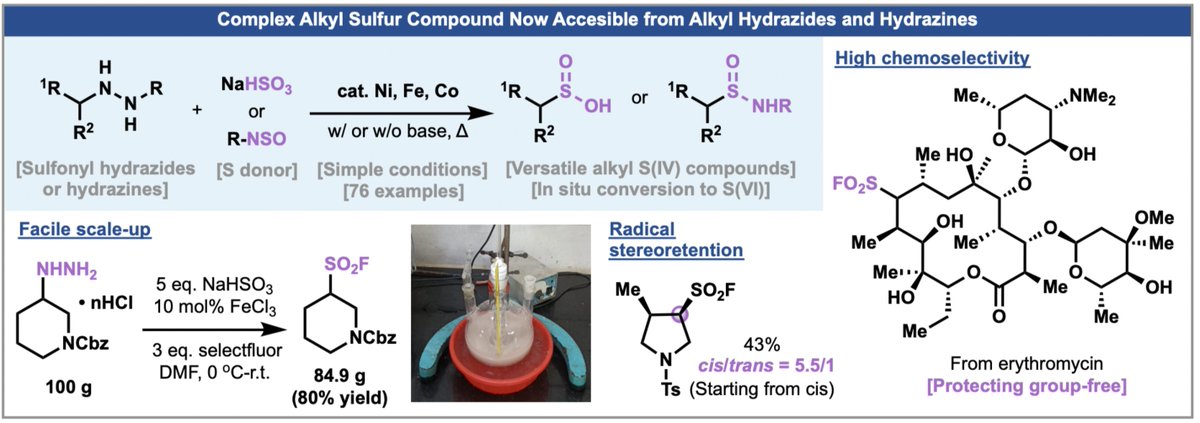
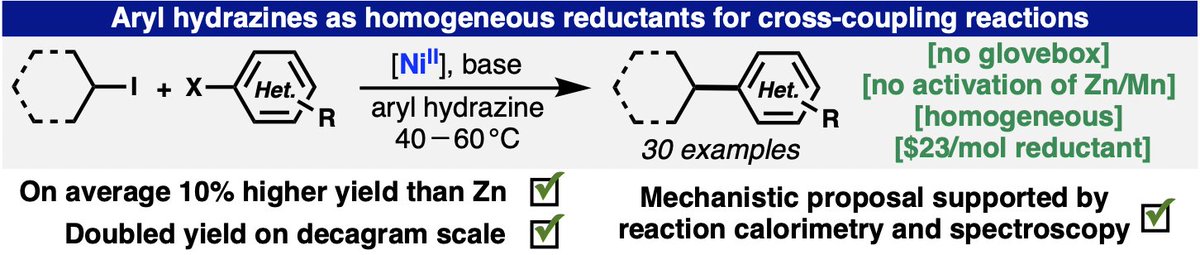
In this Chemistry Brief, we highlight a useful extension of the nickel-catalyzed cross-coupling of hydrazides pioneered by the Baran lab and its application to scaffolds relevant to heterobifunctional and molecular glue degraders.
Read it on Drug Hunter: drughunters.com/4faHOB5
11
47
4,066
Baran Lab retweeted
May 27
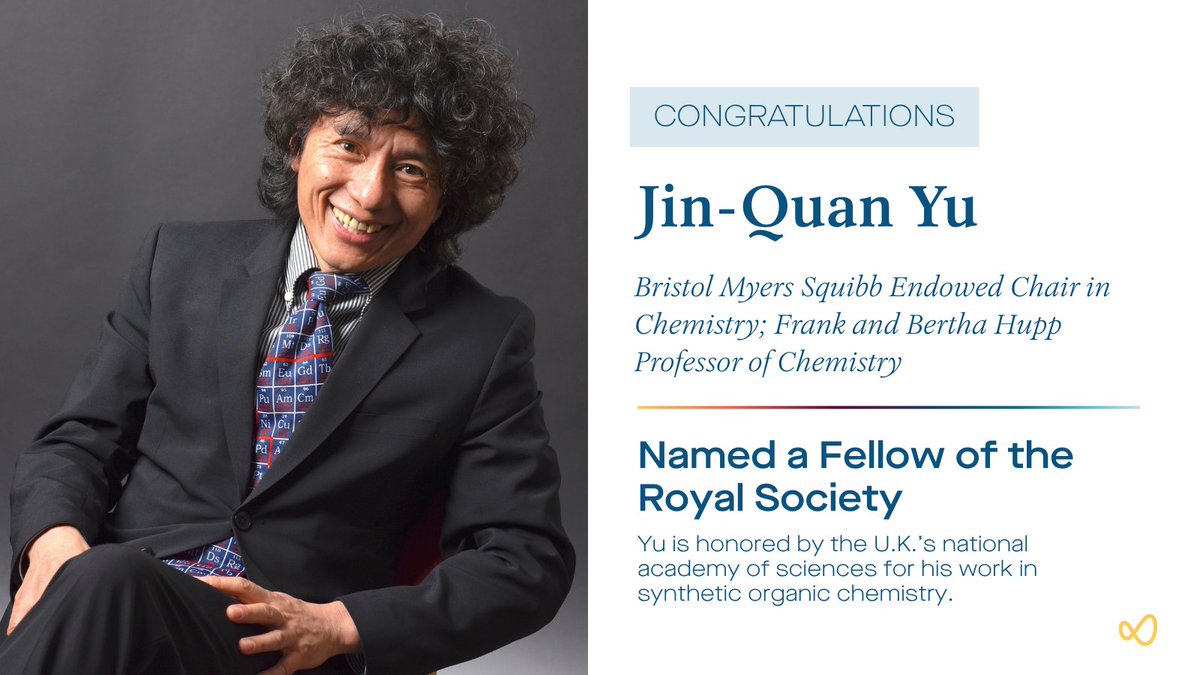
Congratulations to Scripps Research Professor Jin-Quan Yu, who has been elected to the Fellowship of the @royalsociety, the U.K.’s national academy of sciences, for his pioneering work in synthetic organic chemistry and carbon–hydrogen (C–H) activation research. More: ow.ly/Tr2850Z4Tb5
18
121
7,084
May 18
🤯
May 18

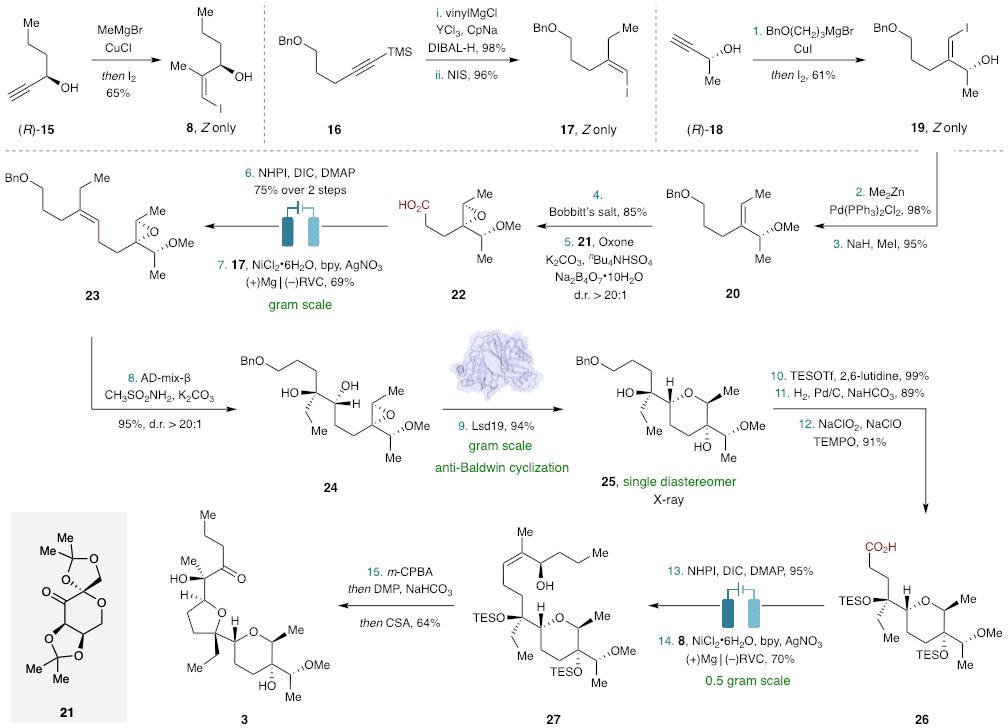
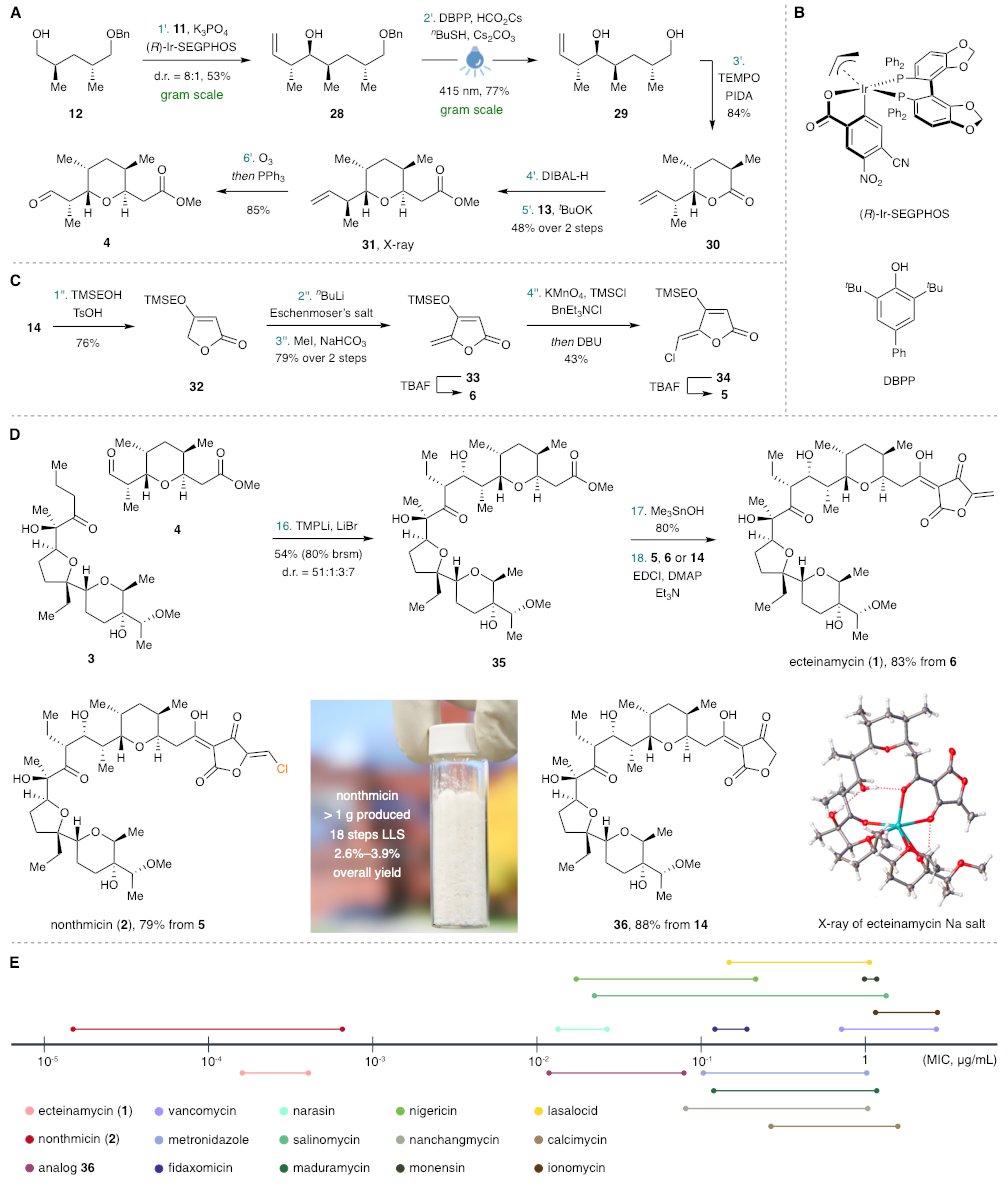
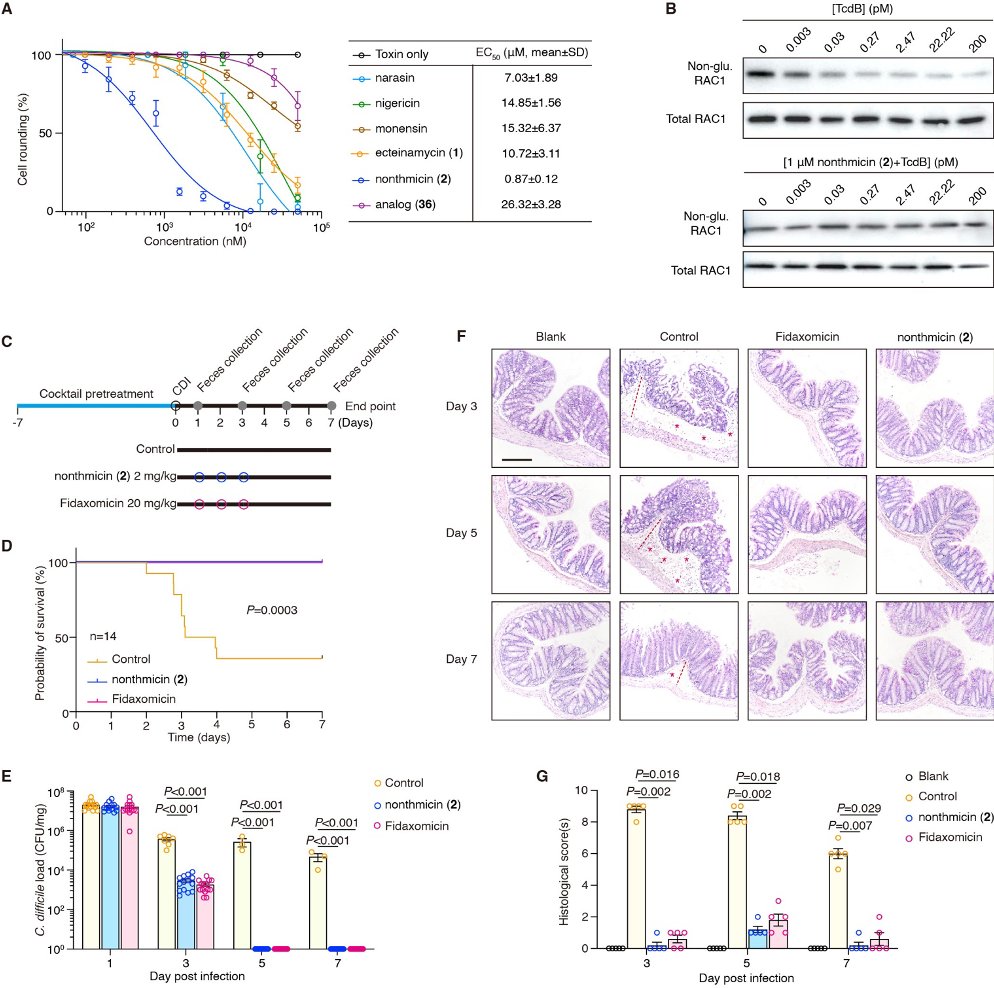
Our latest work shows how modern total synthesis can enable therapeutically meaningful discovery, uncovering selective anti-C. difficile activity and toxin-protective effects of structurally complex polyether ionophores. Now available on ChemRxiv: chemrxiv.org/doi/full/10.264…
9
102
12,506
May 5
Final version out today in @angew_chem : onlinelibrary.wiley.com/doi/…
Jan 30
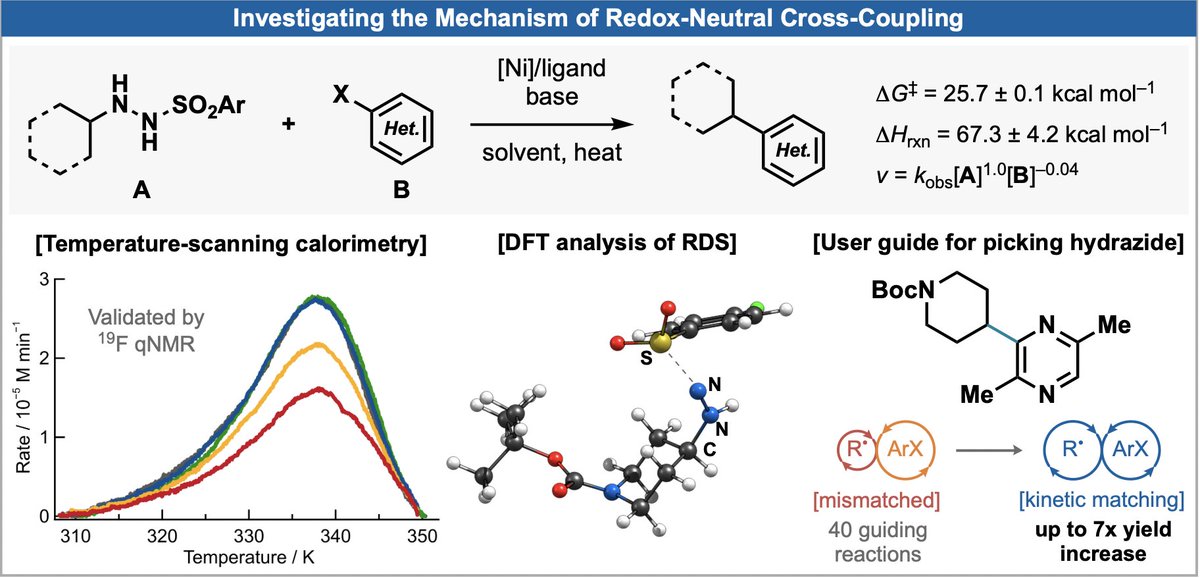
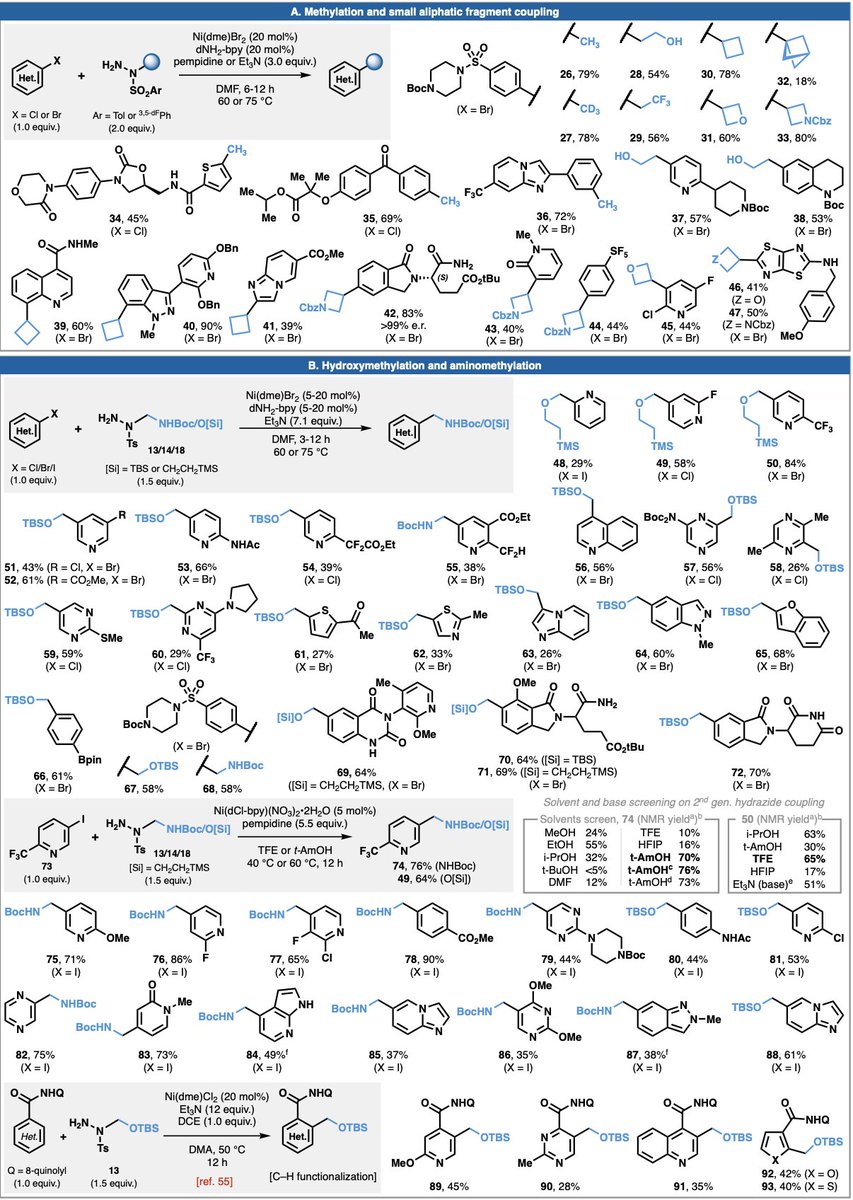
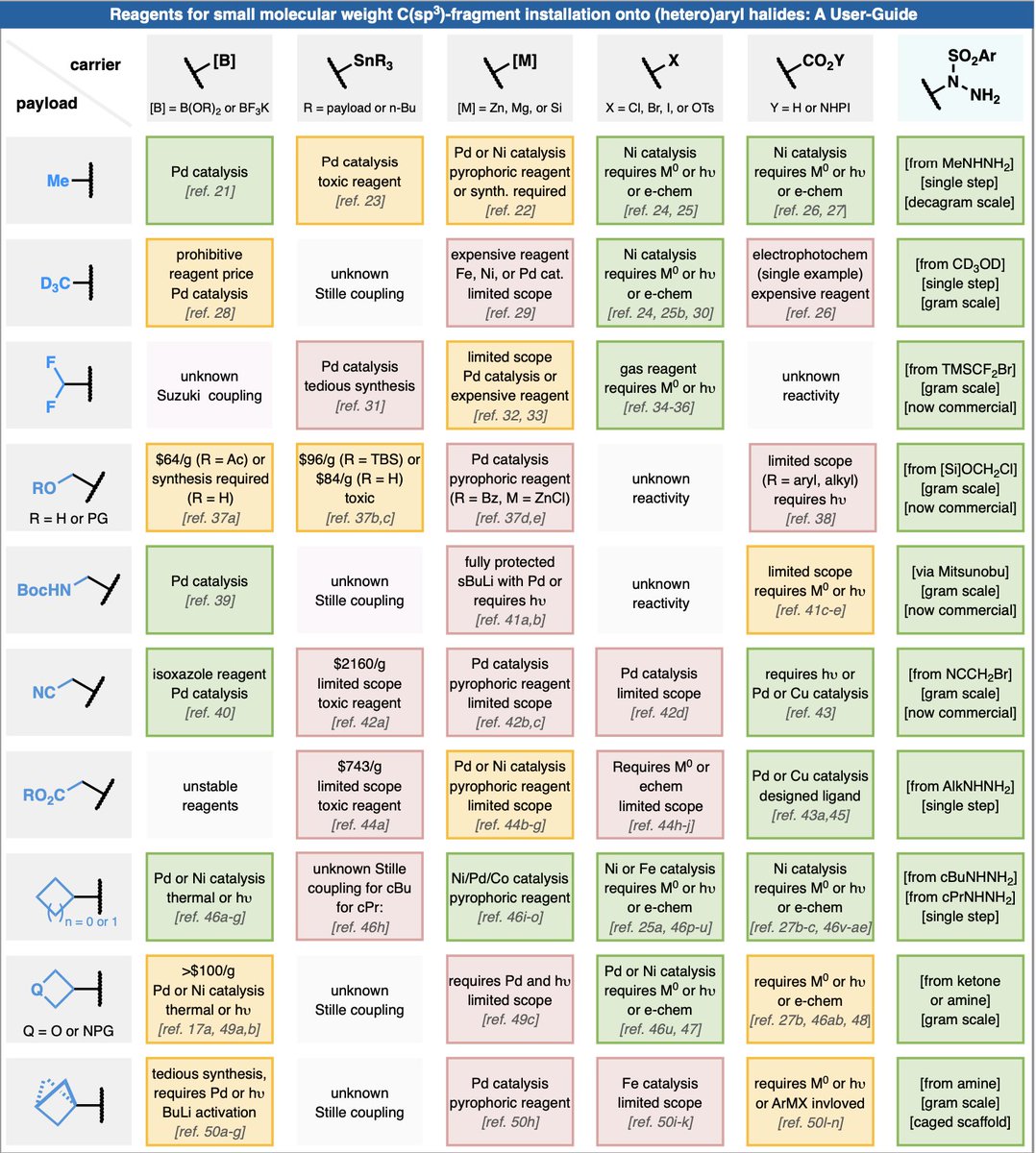
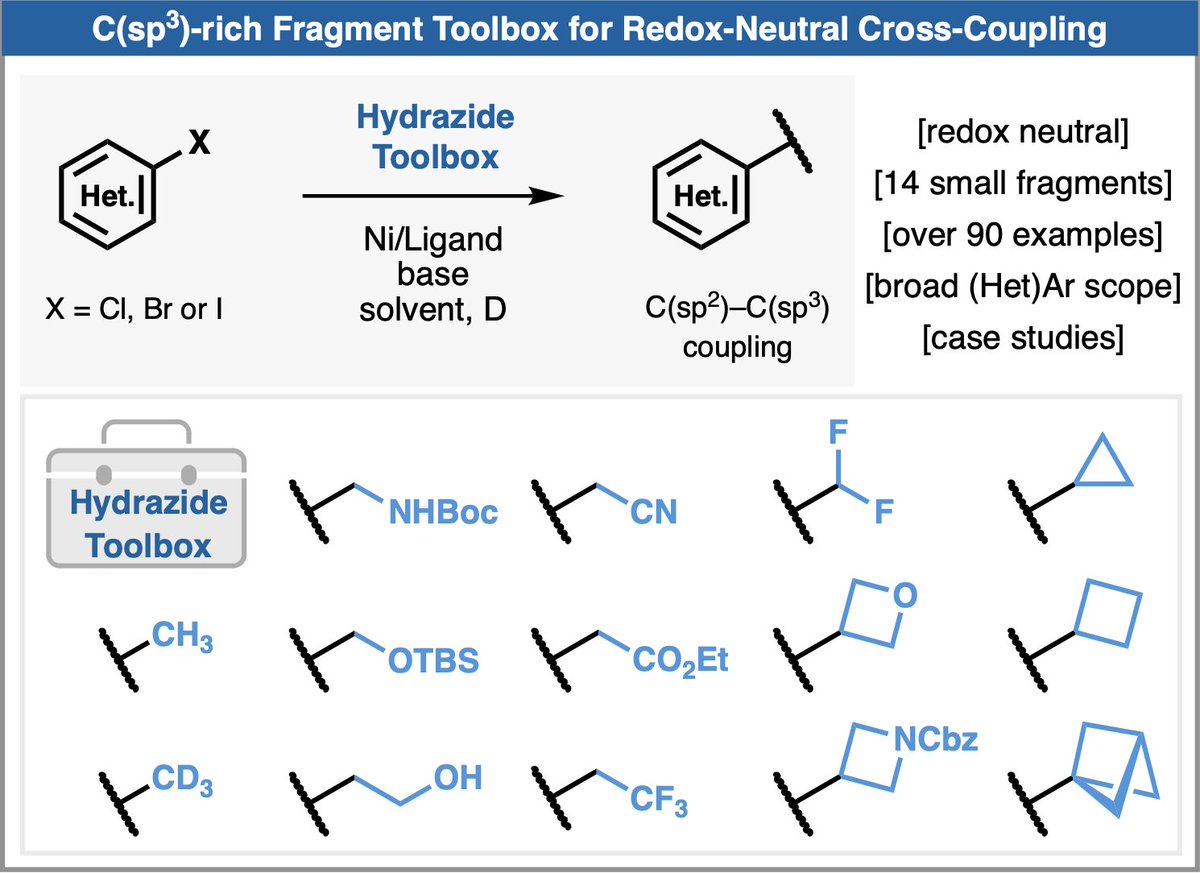
3D degraders, enabled by redox-neutral radical cross-coupling, appearing today in @ChemRxiv : chemrxiv.org/doi/full/10.264…. A fabulous collaboration with BMS and the Parker lab.
17
144
11,311
Baran Lab retweeted
Apr 29
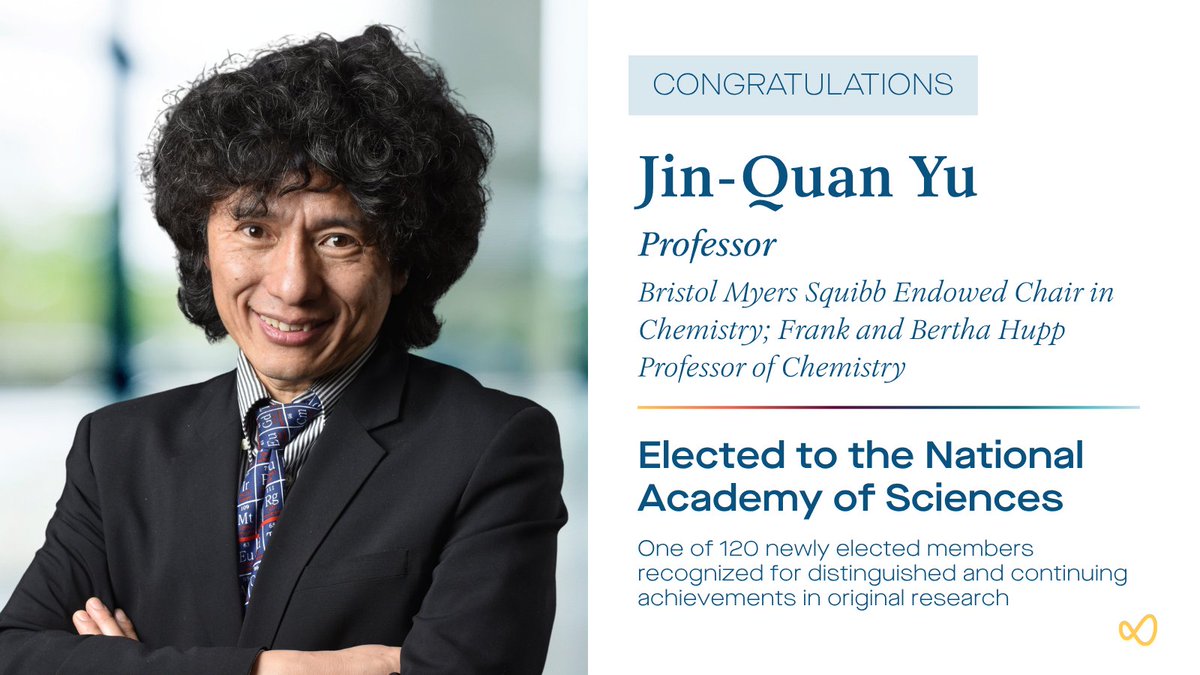
Congratulations to Scripps Research professor Jin-Quan Yu, who has been elected to @theNASciences, one of the highest honors a scientist can achieve. Recognized for his pioneering work in C-H bond activation, his methodologies simplified the construction and modification of complex molecules, with potential applications in medicine, agriculture and materials science. More: ow.ly/BSr250YRw9H
22
194
10,038
Baran Lab retweeted

Apr 25
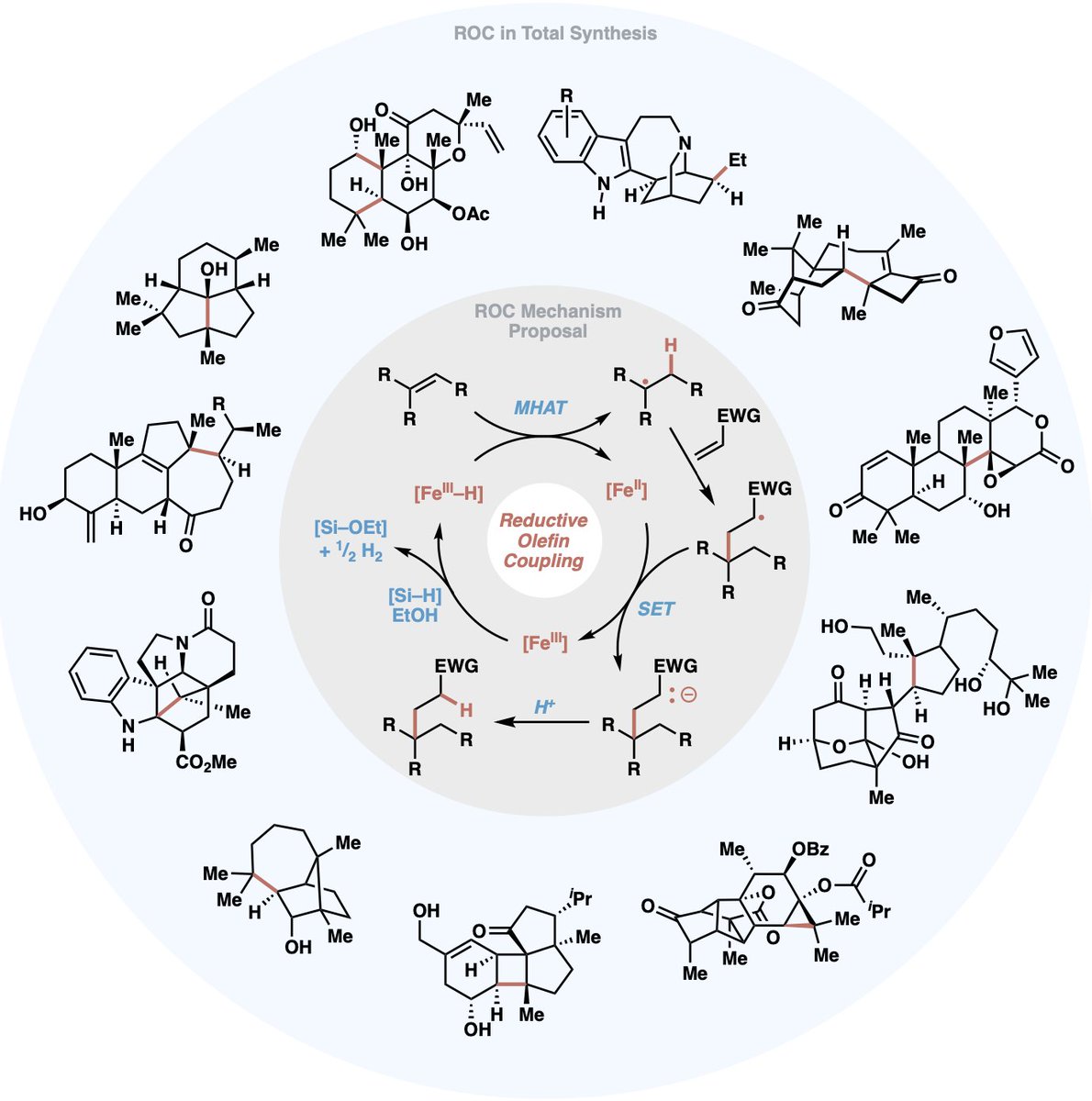
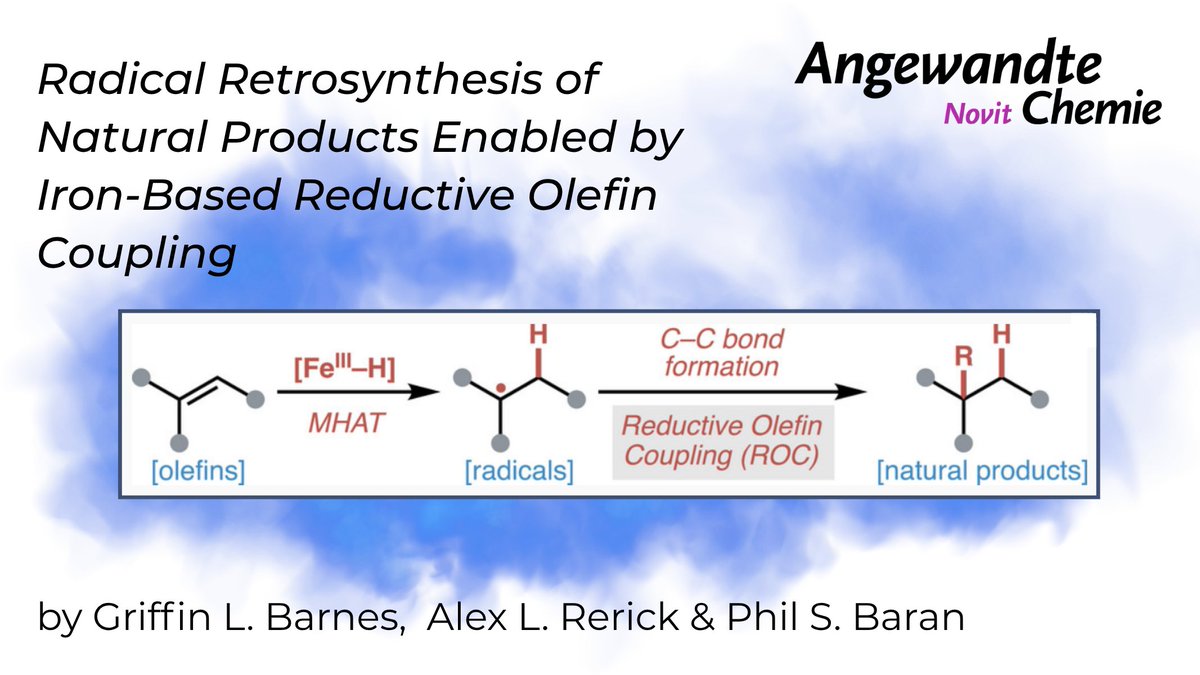
Published in #AngewandteChemieNovit: A Review of Radical Retrosynthesis of Natural Products Enabled by Iron-Based Reductive Olefin Coupling by Griffin L. Barnes, Alex L. Rerick & Phil S. Baran.
Read it here: doi.org/10.1002/anov.70017
12
101
7,773
Baran Lab retweeted

Apr 15
Our conidiogenone B total synthesis is hot off the press @J_A_C_S! Cheers! @jo5i3bee @EmoryChem
Seven-Step Total Synthesis of Conidiogenone B Enabled by Radical Cyclizations | Journal of the American Chemical Society pubs.acs.org/doi/10.1021/jac…
3
15
174
10,123
Baran Lab retweeted

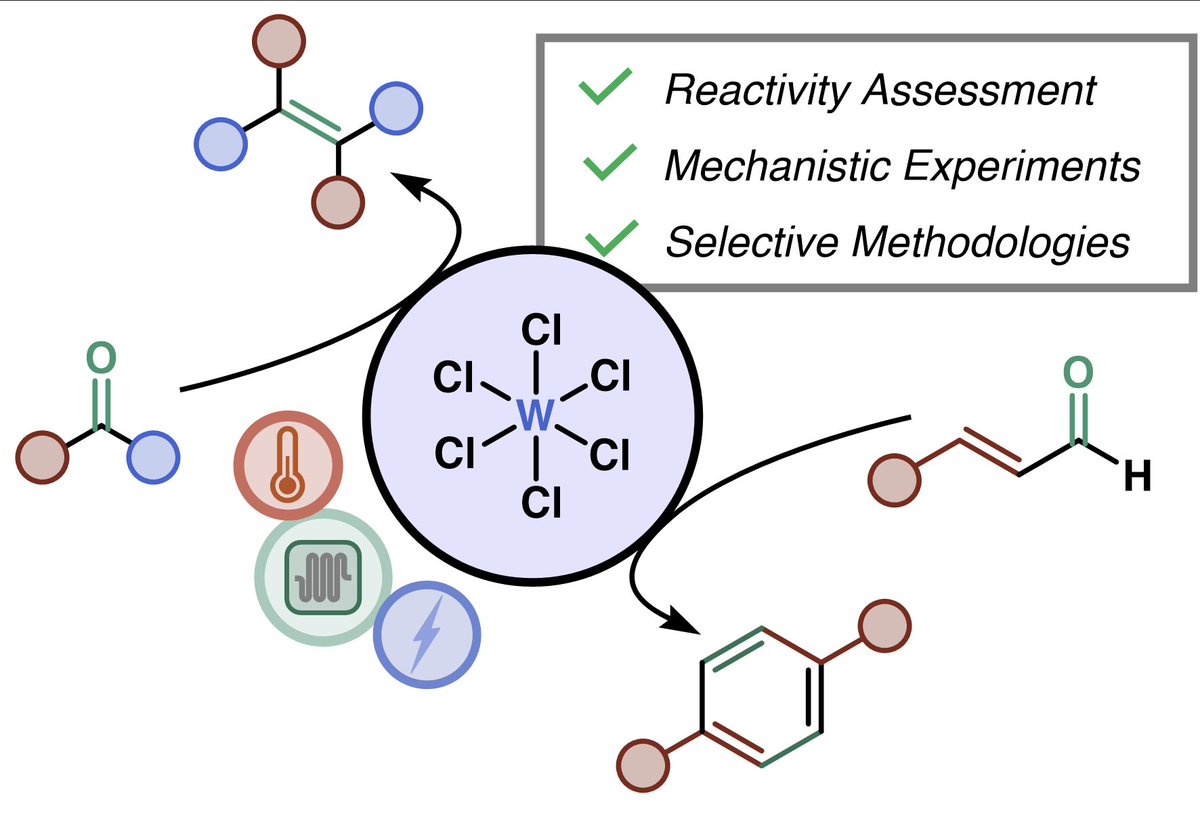
Tungsten Electrochemistry in Organic Synthesis!
In our latest @ChemRxiv, we present an exciting collaboration with @Merck @cecibottecchia and @dan_lehnherr
An 18-month project carried out by (now Dr.) @n_petrovicc
Buckle up, story time! (1/n)
chemrxiv.org/doi/full/10.264…
4
19
134
10,714
Baran Lab retweeted

Apr 6
Our latest paper is now out in @J_A_C_S!
This study reveals how a seemingly simple change in the supporting electrolyte can reshape the reaction pathway and dictate selectivity in olefin functionalization. Congratulations to the team!
pubs.acs.org/doi/10.1021/jac…
16
82
7,101
Baran Lab retweeted

Mar 30
A cleaner, scalable approach to build valuable nitrile functionalities using ElectraSyn—no harsh reagents needed. Article👇👇👇
pubs.acs.org/doi/10.1021/jac…
#Electrochemistry #OrganicChemistry #Synthesis #GreenChemistry
6
48
4,229
Mar 27
Out now in @angew_chem : onlinelibrary.wiley.com/doi/…
20 Nov 2025
Radical Retrosynthesis of Natural Products Enabled by Iron-based Reductive Olefin Coupling. Published today in @ChemRxiv : chemrxiv.org/engage/chemrxiv…
18
136
9,567
Mar 19
11
88
11,384
Baran Lab retweeted

Great collaboration with @BaranLabReads on a simple 2 step method to complex C-glycosides without protecting groups. @BristolChem
Mar 18
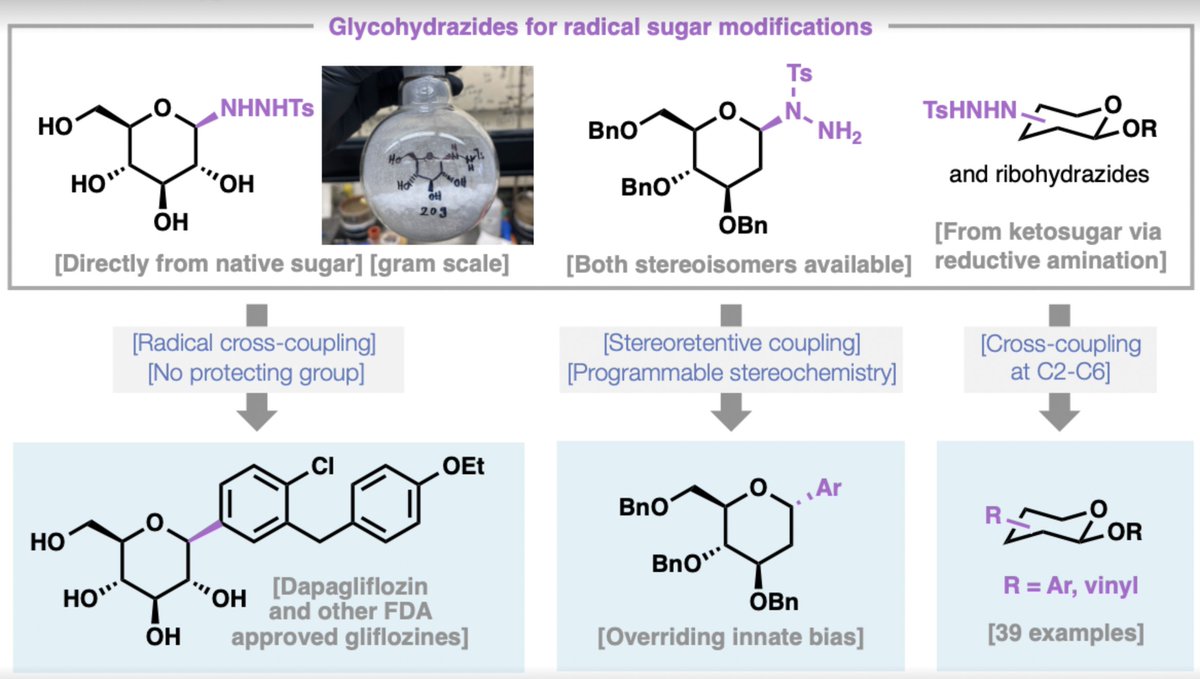
Making C-glycosides SWEET and simple! Today in @ChemRxiv we disclose (chemrxiv.org/doi/full/10.264…), in collaboration with @GroupAggarwal, an incredibly easy way to achieve radical functionalization of sugars. In this video (youtu.be/Fqdbgmx7zEI), a two-step synthesis of the billion dollar drug Dapagliflozin is achieved using household vinegar and dextrose powder from the local supplement store.
High Level Summary:
The work addresses a longstanding challenge in carbohydrate chemistry: the efficient, scalable, and stereocontrolled synthesis of C-aryl glycosides directly from unprotected native sugars. C-Aryl glycosides form the core pharmacophore of the SGLT2 inhibitors (dapagliflozin, canagliflozin, empagliflozin, and related agents), which are frontline therapies for type 2 diabetes and represent one of the highest-grossing classes of small-molecule drugs.
Conventional synthetic routes to these molecules generally require extensive protecting-group manipulations, multi-step activation of glycosyl donors, or organometallic additions under demanding conditions. Recent advances in radical and transition-metal-catalyzed cross-couplings have improved access, yet most approaches still depend on protected precursors, specialized reagents, or protocols that are difficult to scale.
We report a practical alternative based on glycosyl sulfonyl hydrazides—stable, crystalline radical precursors that are prepared in a single step from unprotected sugars by treatment with tosylhydrazine in acetic acid, followed by simple crystallization. These hydrazides undergo redox-neutral nickel-catalyzed radical cross-coupling with aryl iodides or bromides under mild conditions (70 °C, DMSO, tetramethylguanidine as base). The reaction requires no external oxidant or reductant, no photocatalyst, and no organotin species. In glucose-derived systems the coupling typically delivers high β-selectivity (>19:1 in many cases), an outcome that appears to depend on hydrogen-bonding interactions between tetramethylguanidine and the free hydroxyl groups.
The main findings are as follows:
All five FDA-approved SGLT2 inhibitors, as well as several clinical candidates, can be prepared in a single coupling step from the corresponding glycohydrazide.
Decagram-scale synthesis of dapagliflozin was demonstrated starting from commercial dextrose; the product was isolated by aqueous workup and recrystallization (no column chromatography required at this scale).
Di- and trisaccharides (lactose, cellobiose, maltose, maltotriose) couple directly to give aryl-linked oligosaccharides.
Several natural products and medicinally relevant structures (salmochelin-SX, neopetrosin C, the tryptophan-mannose conjugate, and a ribose-derived IMPDH inhibitor) that previously required 9–20 steps or costly reagents are now accessible in 1–4 steps with good stereocontrol.
The platform extends to non-anomeric C–C bond formation at positions C2–C6 on glucose and ribose scaffolds, providing the first systematic exploration of radical diversification across these positions.
Stereoretentive radical cross-coupling, using configurationally pure hydrazides, enables programmable delivery of either α- or β-anomers, overriding inherent substrate biases and providing access to stereoisomers not previously obtainable by radical methods.
The chemistry builds on our earlier development of sulfonyl hydrazide-based redox-neutral cross-coupling and stereoretentive radical arylation, here adapted and optimized for carbohydrate substrates. The method is operationally straightforward, uses inexpensive reagents and starting materials, and eliminates protecting-group strategies.
3
126
11,336