
Golf, skiing, and horseback riding; I enjoy watching football and baseball games, and in my free time I go swimming, scuba diving, take RV trips, go hiking, coo
Joined November 2015
- Tweets 112
- Following 269
- Followers 739
- Likes 124
12 Photos and videos

Mar 31
What are your thoughts?
Mar 31

“Is it a little bit homophobic to focus on the straights of Hormuz rather than the gays of Hormuz?”
No Kings protester, completely serious: “Yes, absolutely, I agree.”
20

Propaganda words work so well

7,477
44,414
272,206
29,329,002
True

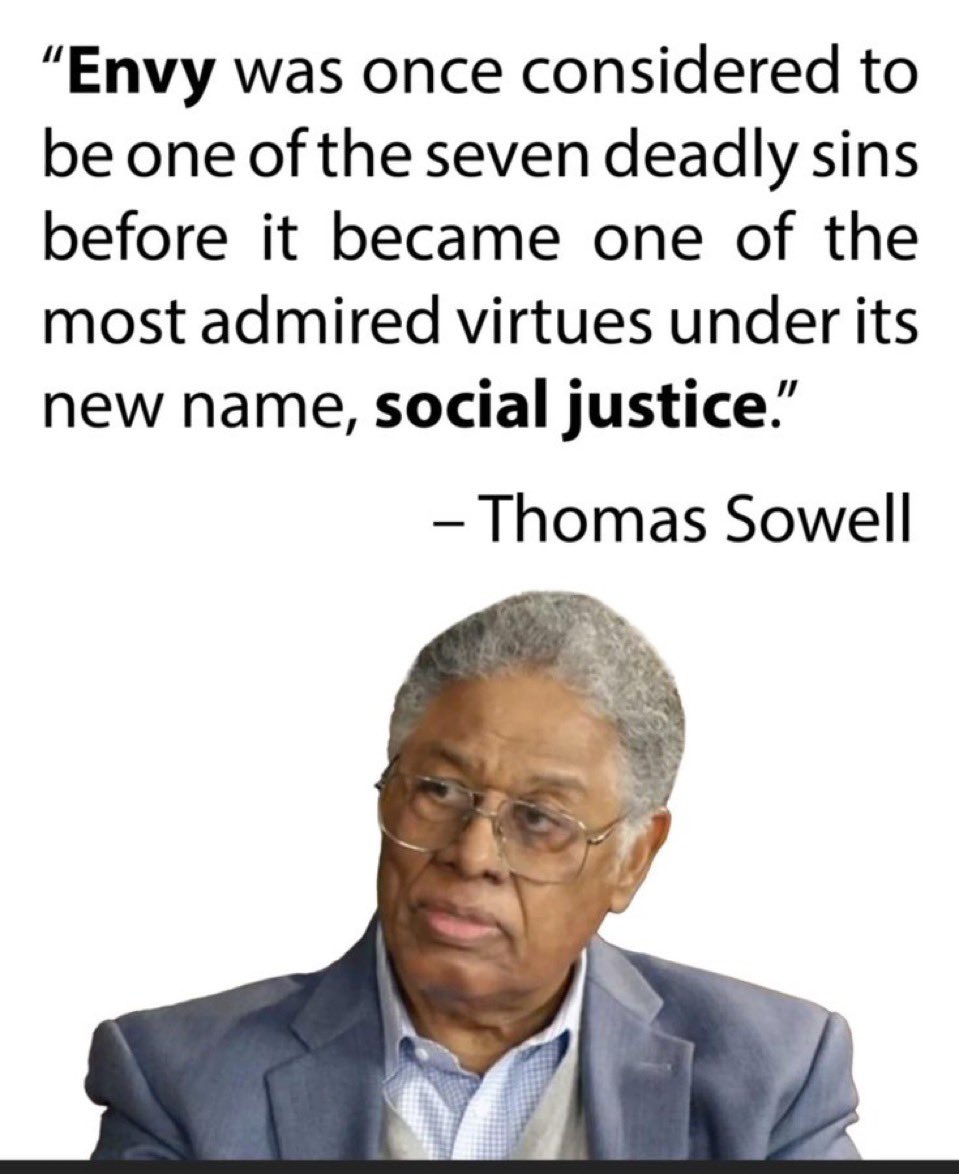
THOMAS SOWELL: “if you’re going to have reparations for slavery, it’s going to be the greatest transfer of wealth back and forth, because the number of Whites who were enslaved in North Africa by the Barbary Pirates exceeded the number of Africans enslaved in the United States.”
4,671
35,852
152,964
13,253,676
Mar 27
👍

1
13
Alice's Dream retweeted

Mar 25
Elon Musk has been nominated for a Nobel Peace Prize for protecting Free Speech.
Simple poll. Please be honest! As of today, how much do you still trust this man?
A. 100 % B. 75%
C. 50% D. 25%
E. 0%
MAKE THIS GO VIRAL ON 𝕏. LET’S GO 👏
4,466
1,578
7,057
144,519
Mar 25
I think I would choose Elon. Who would you choose?
Mar 25

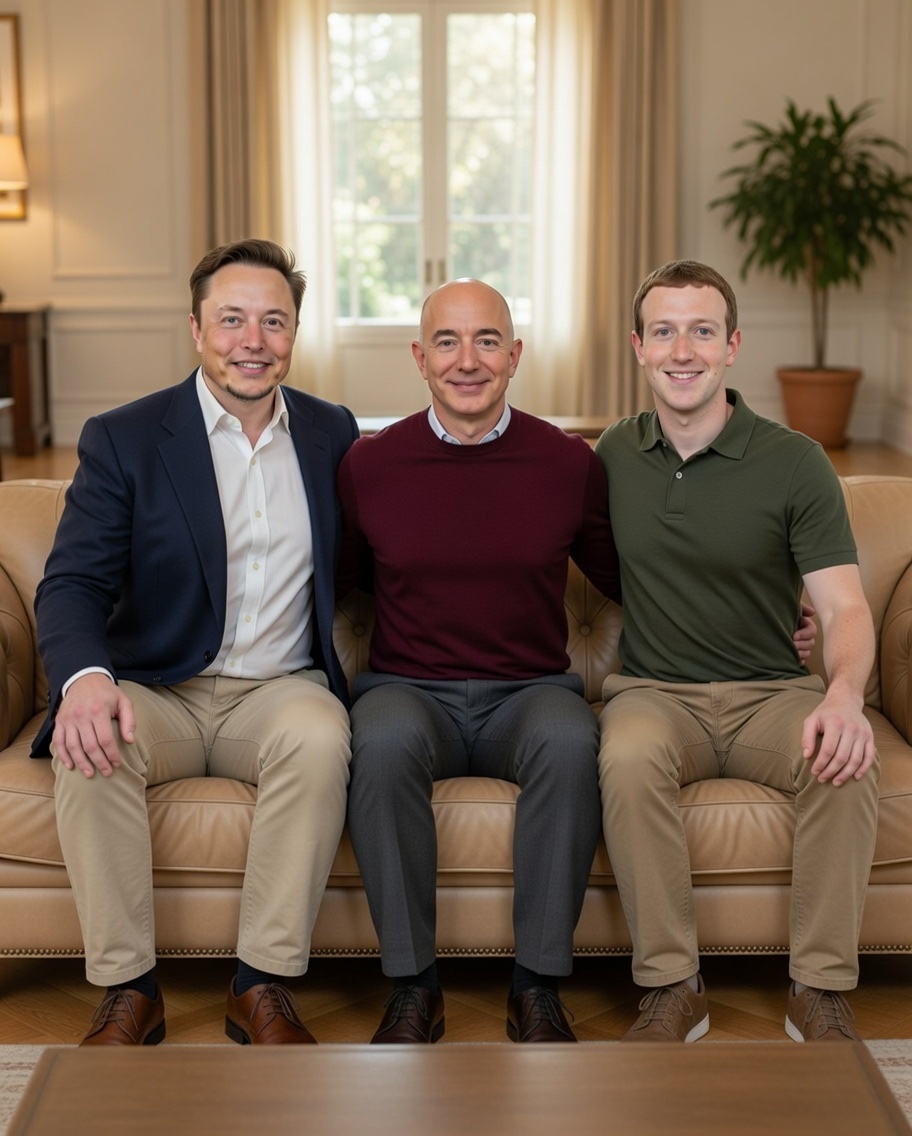
Which of these three would you like to meet?
A. Elon Musk
B. Jeff Bezoz
C. Mark Zuckerberg
1
19
Alice's Dream retweeted

Mar 23
Michael Shellenberger: "I think free speech is hanging by a thread globally and that thread is Elon Musk… What's happening on X is the change of consciousness and… the establishment is desperate to either shut it down or censor it"
547
3,071
19,810
1,242,147
Mar 24
14
15 May 2025
We hope we are onto something to help survivors with CIPN! Low-Intensity Vibration to Reduce Symptoms and Improve Physical Functioning in Cancer Survivors With Chemotherapy-Induced Peripheral Neuropathy: A Pilot Randomized Trial | JCO Oncology Practice ascopubs.org/doi/10.1200/OP-…
1
4
258
21 Apr 2025
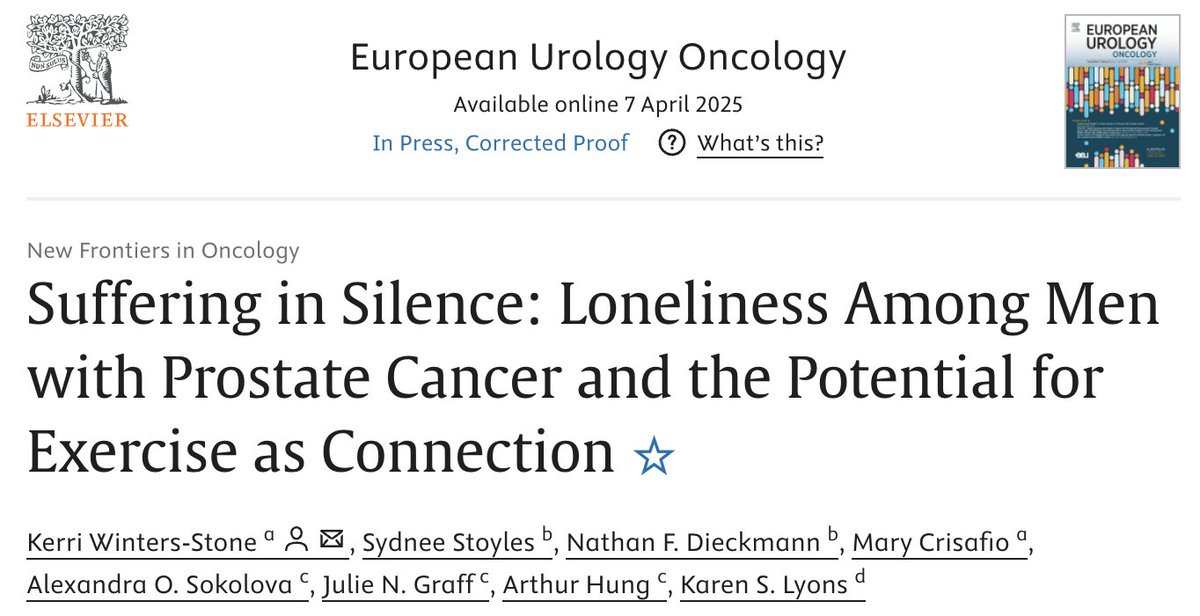
Eager to share our new publication to raise awareness about cancer loneliness and how group exercise can provide a unique source of social support in men with prostate cancer. Exercise is Medicine! You can read our paper here: authors.elsevier.com/a/1kuam…
2
3
299
22 Dec 2024
Check out new publication from my former postdoc, Dr. Deanne Tibbitts, showing that passive monitoring of daily life mobility using "smart sox" may be a way to detect the early development of frailty, falls, and declines in function from cancer treatment.
authors.elsevier.com/a/1kIUI…
3
190
23 Apr 2024
Excited to share our paper on exercise and frailty after chemotherapy just published in a special collection in J Cancer Survivorship. Even light exercise can reverse aging, but strength training does even more! link.springer.com/article/10…
1
31
88
11,484
23 Apr 2024
Great work on this paper @doctor_skiba. Assessment of Mobility Trajectories Using Wearable Inertial Sensors Du... sciencedirect.com/science/ar…
2
6
402

There is so much that happens to cancer patients that we doctors don't ever see. We can empathize, imagine what it's like but we have no idea until we experience something like the following:
This morning I was having a conversation with my husband over breakfast. He's been having a lot of anxiety since my diagnosis, as you might expect.
I spent the morning trying to reassure my husband that he will be okay after my death. We talked about grief, anticipatory grief and finding a way to hold on to hope which means having faith that as bad as something is in the moment, the future holds beautiful possibilities. I said, 20 years ago before we were married, you couldn't have imagined you would have the life we have now. So, even though you can't see it now, you have no idea what your life will be in 20 years. Maintaining this hope is usually a conscious choice that often requires a lot of effort. But without it, we are nothing. Without it, my husband can sink into a dark oblivion which is something that frightens me. Even worse, that I won't be there to be able to help him through it. Instead, all I can do is plant these little seeds in his mind and hope he remembers conversations like this one.
I've been asked to do an inservice for NPs that make home palliative care visits. The topic was, what is the difference between specialty palliative care and say traditional medicine. The difference is, that only palliative care serves to help patients with issues like what I just experienced. Existential suffering with severe illness runs deep. Deeper than I ever could have imagined before I became a patient myself. I thought I knew, I acknowledged it was present, but I had NO idea.
#MedTwitter #cancer #PalliativeCare @ThanksCancer
39
62
499
60,196
7 Apr 2023
Very excited and proud to have our Exercising Together program featured on KGW's segment "Healthier Together" this week. Couldn't be more proud of this program, participants, and team. We need to get this program out!!! #knightcancer #exercisemedicine kgw.com/article/news/health/…
5
25
2,624
Alice's Dream retweeted

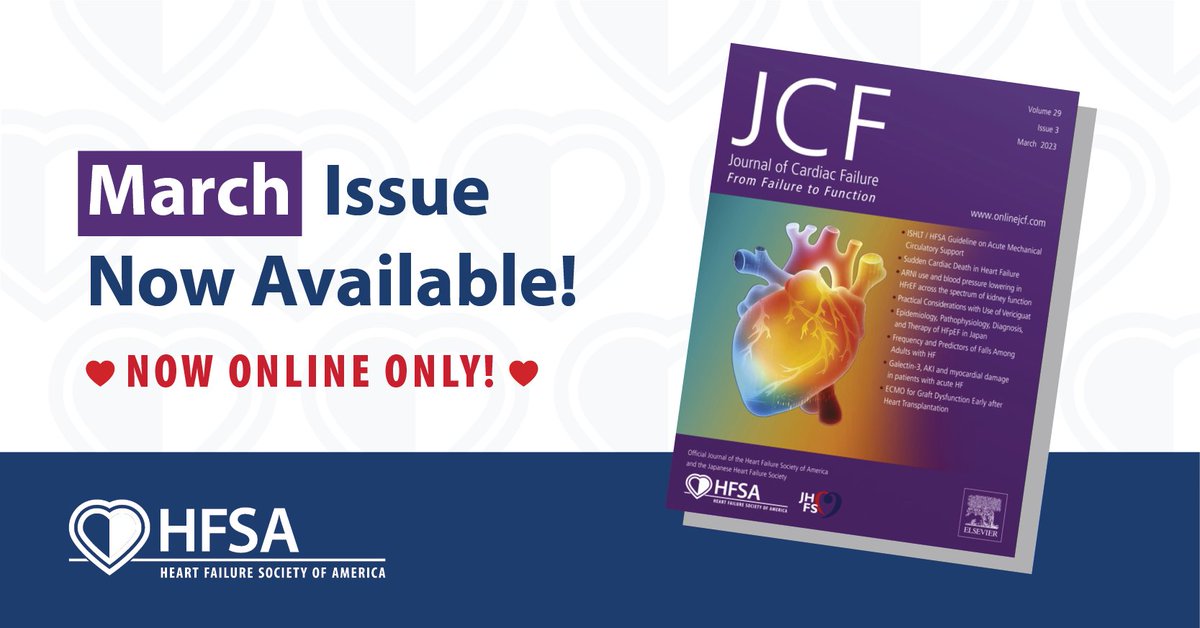
Our pub on #Falls in #HeartFailure is published in the March issue of @JCardFail! We found that falls happen VERY frequently among pts w/ HF. @csleern @ShirinHiatt @winters_stone @OHSUNursing @OHSUCardio
Check it out here: onlinejcf.com/article/S1071-…

March's Issue of @JCardFail exclusively online - is now available!
▶️ Sudden Cardiac Death in Heart Failure
▶️ Practical Considerations with Use of Vericiguat
▶️ Frequency and Predictors of Falls Among Adults with HF
Read more >> onlinejcf.com/current#
2
3
14
1,637
9 Mar 2023
Very excited to share our JCO pub! GET FIT: A Randomized Clinical Trial of Tai Ji Quan Versus Strength Training for Fall Prevention After Chemotherapy in Older, Postmenopausal Women Cancer Survivors ascopubs.org/doi/abs/10.1200… #exercise oncology @OHSUKnight
5
23
2,545
Alice's Dream retweeted

28 Feb 2023
If you come across a bear, never push a slower friend down…even if you feel the friendship has run its course.
1,686
18,963
153,437
10,533,386
Alice's Dream retweeted

28 Nov 2022
Findings from my postdoctoral research with @winters_stone at @OHSUKnight published in @jcansurv! Read more to see what we found about the relationship between perceptions of relationship quality and #inflammation and #insulinresistance in couples coping with #cancer.
2
4
7
28 Nov 2022
Can how you perceive the health of your relationship influence the biological health of your partner? Yes it can! See our new paper rdcu.be/c0tIQ. A strong premise for Exercising Together trial (NCT03630354). #cancersurvivorship #exerciseismedicine #dyadichealth
1
1
4