
Robert W Woodruff Professor of Health Policy , Emory University Chairman, Partnership to Fight Chronic Disease. All tweets are my own
Joined November 2009
- Tweets 1,732
- Following 367
- Followers 1,929
- Likes 65
13 Photos and videos

Kenneth Thorpe retweeted
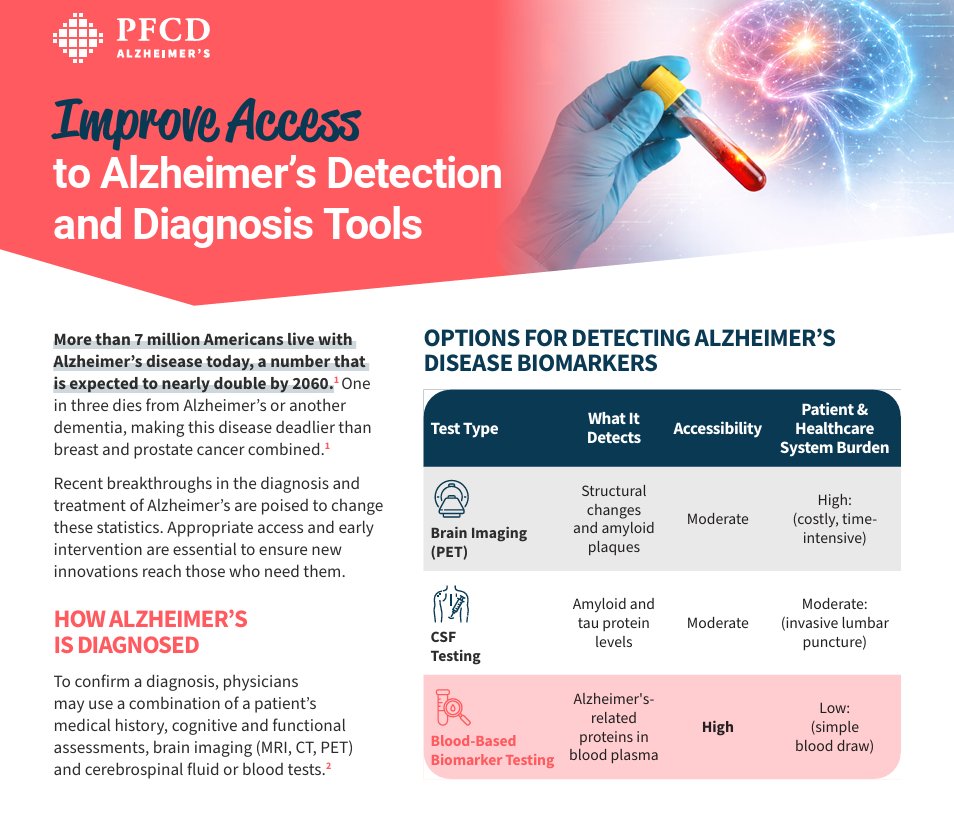
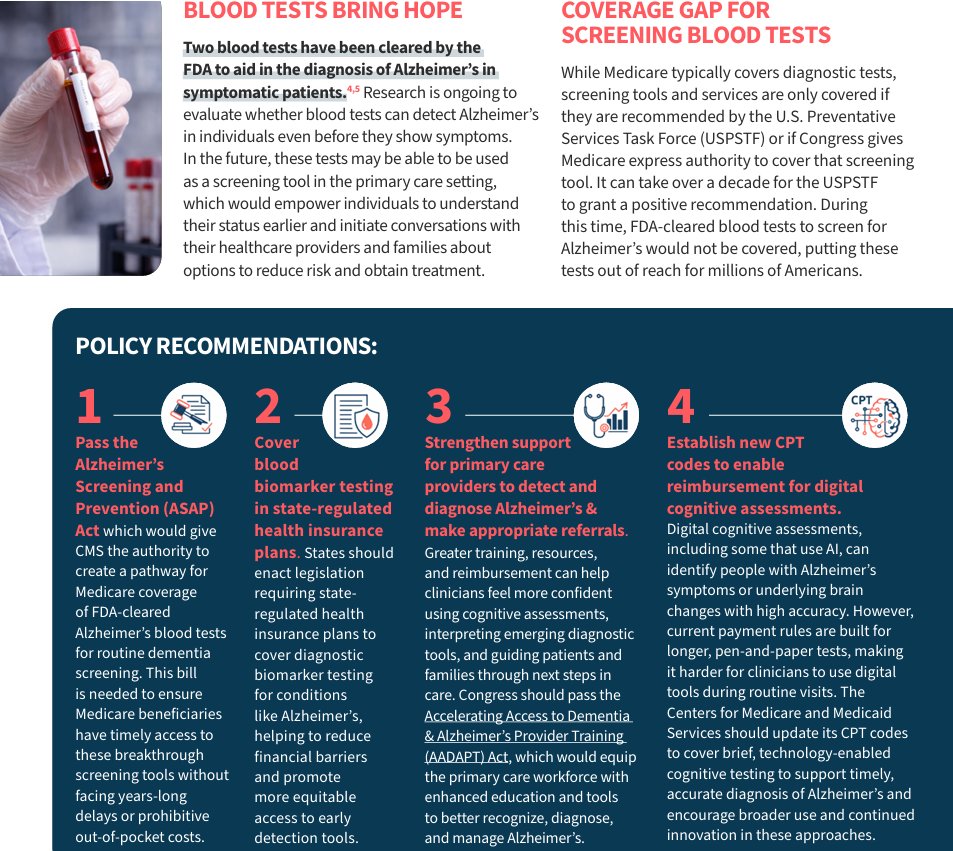
New blood-based biomarker tests offer a less invasive and more accessible way to detect Alzheimer’s. But coverage gaps persist, particularly regarding Medicare’s ability to cover blood tests as screening tools. Working to close those gaps, strengthen the role of primary care in early detection, and ensure that these new tools reach the patients who need them most are critical to making progress against this costly chronic disease. pfcdalz.org/alzheimers
2
53
Kenneth Thorpe retweeted
PFCD remains committed to supporting continued research, thoughtful evaluation of evidence, and policies that accelerate progress for the millions of Americans affected by Alzheimer's disease. fightchronicdisease.org/post… #Fight4Health #EndAlz
1
34
Kenneth Thorpe retweeted
For millions living with chronic conditions, pain isn’t occasional, it’s daily. And for too long, relief came with serious risks. New non-opioid therapies show patients shouldn’t have to choose between managing pain and protecting their future. That’s the kind of innovation patients deserve. inc.com/chase-feiger/the-opi… #Fight4Health
1
50
Kenneth Thorpe retweeted
Advancing standards of care for the 7 million people navigating the challenges of #Alzheimers is critical to making America healthy and must remain a priority for Congress. #Fight4Health #EndAlz thehill.com/p/healthcare/575…
1
49
Kenneth Thorpe retweeted
Although Congress has expressly prohibited the use of QALYs by certain federal programs to avoid discriminatory impacts, the "Most Favored Nation" executive order and the new Medicare/Medicaid models effectively import QALY-based valuations through international reference pricing. @KennethThorpe @joeymattingly healthaffairs.org/content/fo…
1
1
64
Kenneth Thorpe retweeted

Great piece by @KennethThorpe on CMS, Drug Price negotiations and unintended consequences:
🧵 Medicare’s new drug-price “negotiation” list is meant to cut costs. Prof. Thorpe argues it could raise long-run spending if it slows the arrival of cheaper generics & biosimilars.
1
1
1
77
Kenneth Thorpe retweeted

18 Dec 2025
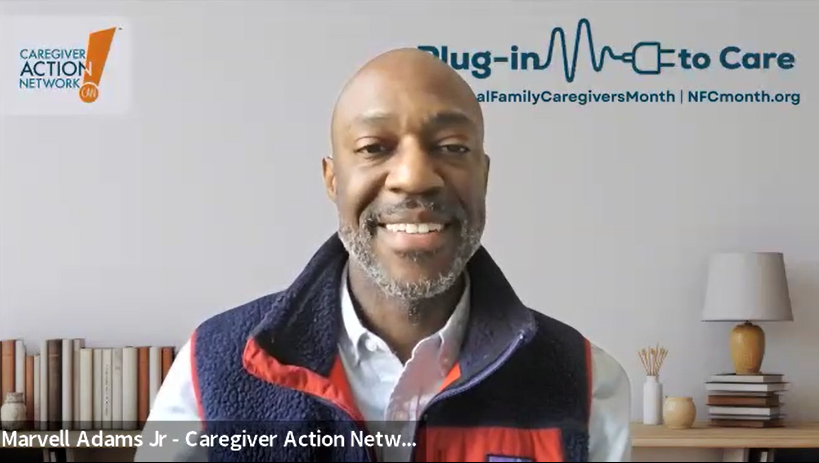
How would tying U.S. drug prices to those in foreign countries through a “Most Favored Nation” model impact Medicaid beneficiaries’ access to essential and lifesaving medications, especially for patients with chronic or rare conditions? Find out what @CaregiverAction's Marvell Adams thinks: youtube.com/watch?v=1VW_-G_C…
2
2
235
Kenneth Thorpe retweeted
11 Dec 2025
Congress must ensure that advancements in #alzheimers care benefit everyone, especially for communities with higher rates of Alzheimer's. The #asapact would help remove access barriers and bring innovative new screenings within reach. Thanks to @FSHCC president Julio Fuentes for sharing this message.
1
49
Kenneth Thorpe retweeted
2 Dec 2025
7.2M Americans live with #Alzheimers. The #ASAPAct lets Medicare cover blood-based screening to detect it years earlier. Grateful to @SenatorCollins, @CortezMasto, @MarkWarner, @SenCapito, @VernBuchanan @RepPaulTonko for championing this! fightchronicdisease.org/post… #Fight4Health #ENDALZ

1
60
Kenneth Thorpe retweeted
19 Nov 2025
Thank you @SenFinance for taking up the rising costs of health care and solutions that can better support the millions of American individuals and families navigating one and often multiple chronic conditions. #Fight4Health
1
41
Kenneth Thorpe retweeted
13 Nov 2025
We urge policymakers to reject foreign pricing models that will not meaningfully improve patient affordability or access. #Fight4Health fightchronicdisease.org/post…
1
47
Kenneth Thorpe retweeted
31 Oct 2025
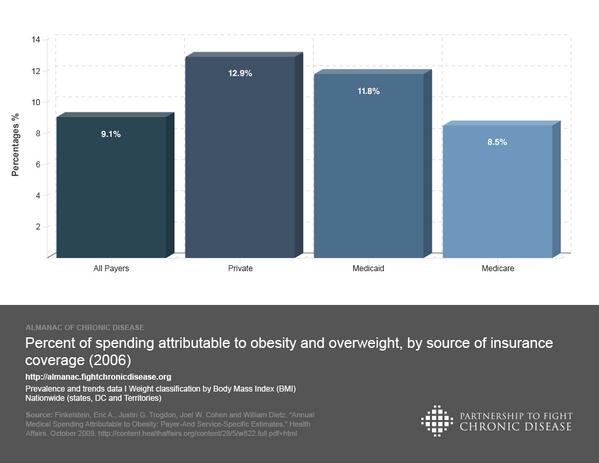
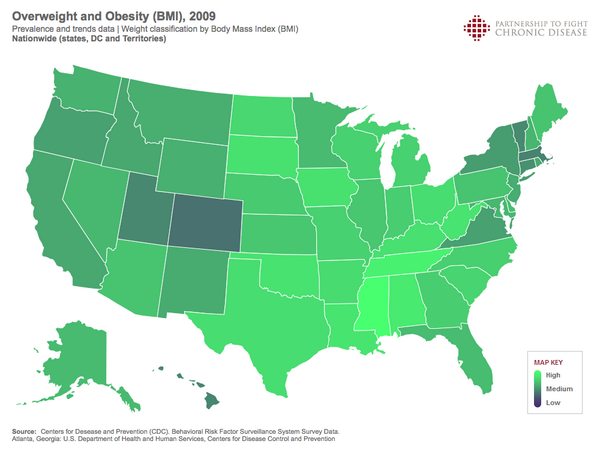
Evolving public policy on #obesity is essential - acknowledge it as a serious public health concern that is incredibly costly, reduces workforce productivity, contributes to a host of comorbidities. Obesity is an epidemic, but comprehensive coverage works – and the potential benefits of a healthier America are too significant to ignore. #Fight4Health
30 Oct 2025

“For (my son) Nicholas and many others across Ohio, obesity is a chronic disease. It is not a choice. We do literally everything in our power and still cannot stop it.” Read about Jessica Hackenburg's family #obesity journey in @sanduskyregistr - bit.ly/ObesityOH
1
86
Kenneth Thorpe retweeted
1 Oct 2025
While the administration focuses on prevention, it must not forget those patients who are sick. Before I developed multiple sclerosis more than 30 years ago, I had no family history of disease, had lived a healthy lifestyle, and yet I was still struck by this chronic illness…we must also embrace the development of innovative treatments and cures to combat the diseases afflicting patients. dcjournal.com/maha-shouldnt-… #Fight4Health
1
64
Kenneth Thorpe retweeted
30 Sep 2025
PFCD’s @KennethThorpe will be presenting at the @PHAVoice Innovation and Adoption Summit today on The Future of Chronic Care - Policy Implications.
Learn more and register here: lnkd.in/dwGmw-_Z

1
1
69
Kenneth Thorpe retweeted
11 Sep 2025
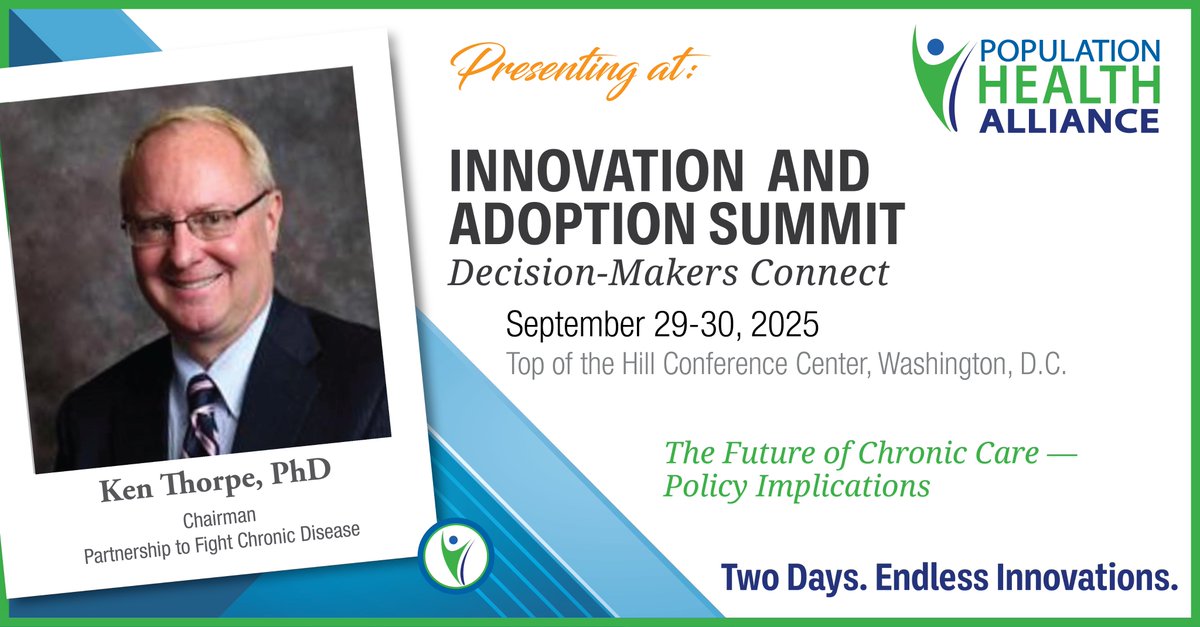
.@KennethThorpe will be presenting @PHAVoiceat Innovation and Adoption Summit about "The Future of Chronic Care - Policy Implications." Join us! Top of the Hill Conference Center, Washington, D.C. September 29–30, 2025 - Register here: phainnovationsummit.com/
1
77
Kenneth Thorpe retweeted

16 Dec 2024
Even Modest Weight Loss Tied to Lower Health Care Spending healthday.com/healthpro-news… #
1
3
84
Kenneth Thorpe retweeted
21 Mar 2025
"We must address #obesity as the disease it is... Reducing obesity lowers costs across several chronic conditions and should be a priority focus for employers, @MedicareGov and other payors moving forward" @KennethThorpe #Fight4Health fightchronicdisease.org/obes…
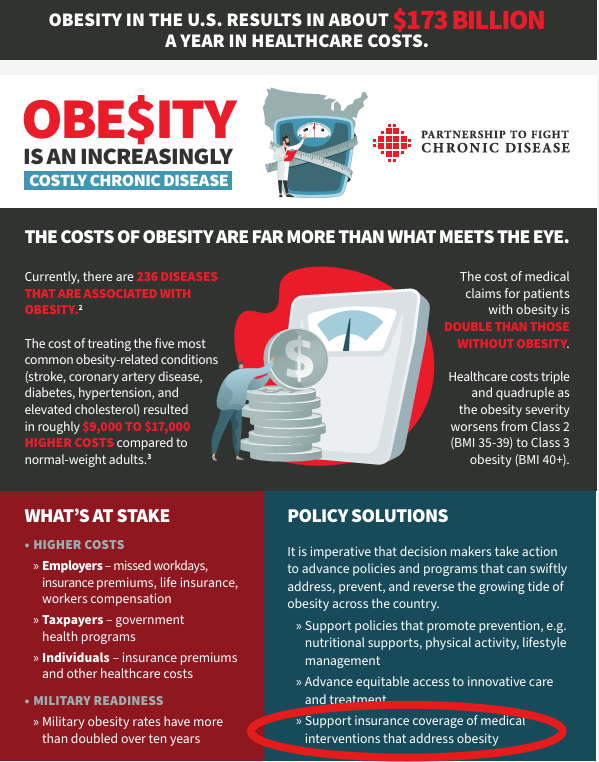
ALT www.fightchronicdisease.org/sites/default/files/PFCD Obesity Infographic v5.pdf
12 Mar 2025

My latest @Forbes. Along with @realDonaldTrump’s critical efforts to cut waste, fraud & abuse via @DOGE, let’s also utilize lifesaving/lifechanging anti-obesity breakthroughs to Make America Healthy Again & save taxpayers trillions. @HHSGov @CMSGov @DrOz
forbes.com/sites/steveforbes…
1
114
Kenneth Thorpe retweeted
21 Feb 2025
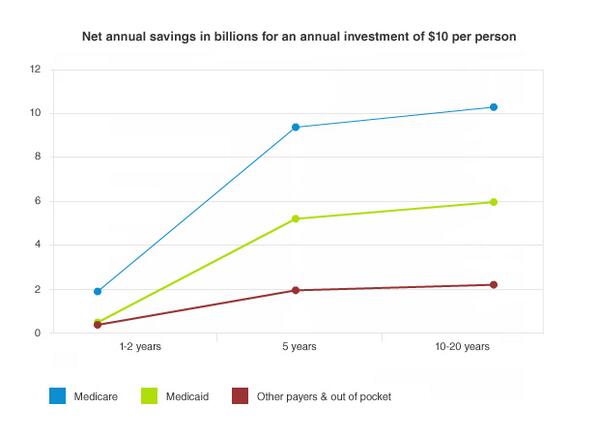
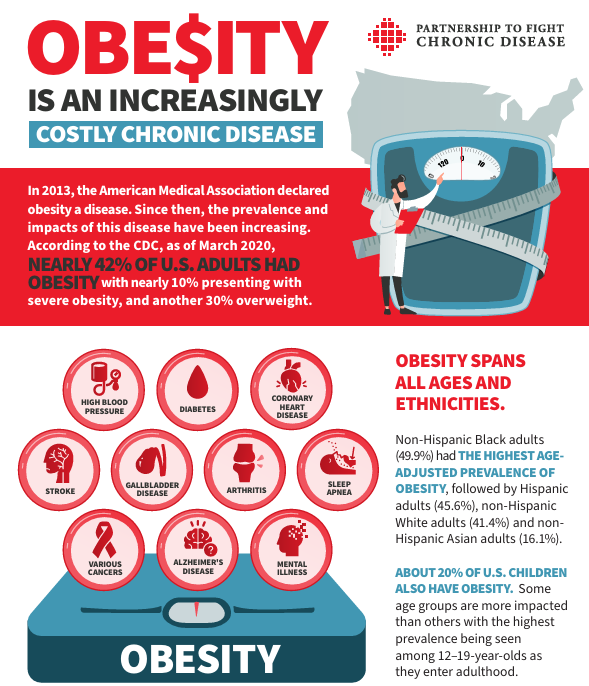
A recent study reveals if every American living with obesity hypothetically reduced their body mass index (BMI) by 5%, the cumulative effect would save $68.1 billion in annual private health insurance spending and $21.7 billion in #Medicare. BLOG: fightchronicdisease.org/blog…
1
96