Christian, No-till dryland and irrigation farmer growing nutritious peas,cereals,canola,flax. UofA Ag'85. Support APG,WGRF,Pulse/Cereals Canada,ABGrains,ACPC
Joined December 2011
- Tweets 1,663
- Following 914
- Followers 2,144
- Likes 1,997
228 Photos and videos


Kevin Auch retweeted

May 26
AB Farmers:
I'm working at the University of Alberta and we're looking for canola fields with high flea beetle pressure (striped or crucifer) for beetle collection.
If you’ve seen heavy damage or know of affected fields we could access, please reply.
#fleabeetles #canola
1
15
15
2,690
Kevin Auch retweeted

May 18
Adam Waterous is one of the top investors in Canadian energy. This is one of the most balanced assessments of the new Ottawa-Alberta MOU. Three themes:
1. Canada as energy superpower is great PR, and a nice change coming from the PM.
2. Govt-govt MOUs won’t create a pipeline without investors and builders at the table.
3. Growing the carbon tax 6.5x with C-48 & C-69 still in place means investors will walk away from Canada.
These regulations kill investment, do nothing for the planet, and push talent and money out of Canada to the USA.
105
938
2,739
108,039

May 17
RT @FieldHeroes: Here's a snippet from episode 31 of the Pests and Predators podcast.
Abbe Pawluk, M. Sc., blows the mystery of where fiel…
19
May 2
A single week of rail and port disruptions during peak export season costs Canada’s grain sector up to $540 million, largely in unrecoverable export sales.
pulsecanada.com/news/2026-04…
2
8
658
Apr 30
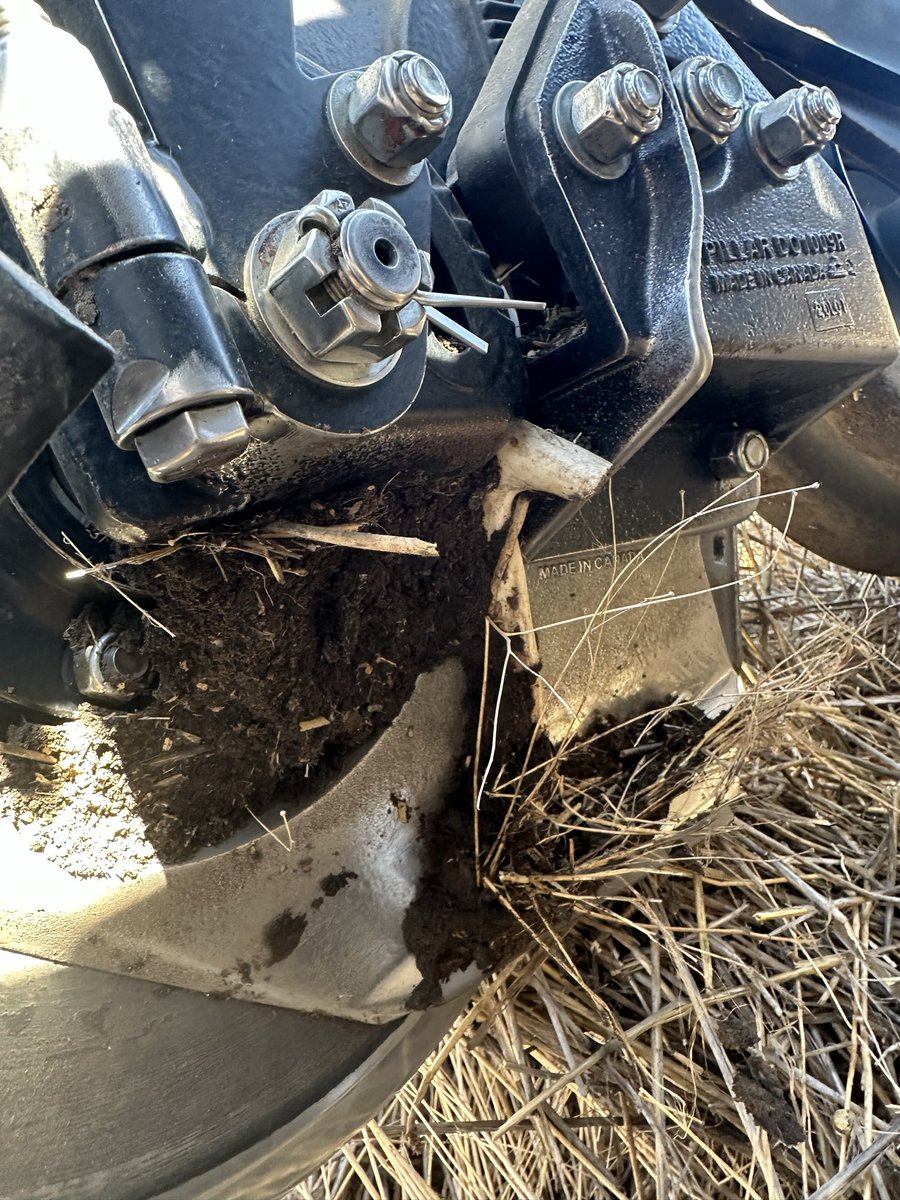
Deer are nice to look at, but antler sheds cause some seeding problems in #westcdnag …and almost always beside the road where the black streak will show. Safe seeding everyone
5
23
2,302
Kevin Auch retweeted

Feb 25
To my X followers,
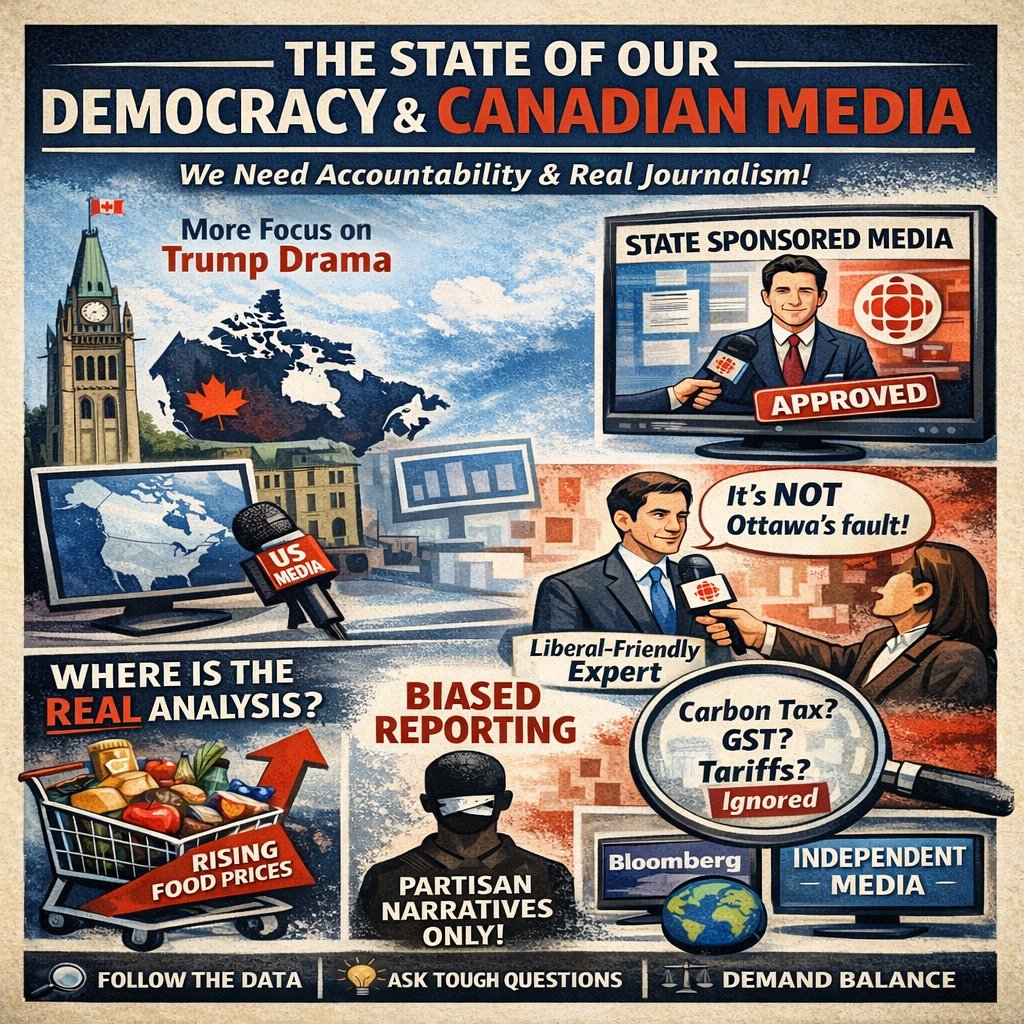
I’ve worked with the media for nearly 25 years. For most of that time, the relationship was professional and balanced. But in recent years, something has shifted.
I am increasingly concerned about the state of our democracy — particularly how media, in general, are informing Canadians about food policy, food inflation, and economic policy.
I now find myself learning more about Canada’s economy and policy changes from American outlets than from Canadian ones. Much of our national coverage feels reactive, shallow, or overly fixated on partisan narratives rather than substantive policy analysis.
What troubles me most is the lack of scrutiny applied evenly across governments and institutions.
For example, when the Bank of Canada suggested that Ottawa’s counter-tariffs contributed to food inflation, only one major outlet — Bloomberg — gave it meaningful coverage. The grocery benefit program received very little examination regarding how it would be financed. It took days before anyone pressed for clarity.
During the latest spike in food inflation, several outlets turned to the same small circle of commentators who dismissed any potential role of federal policy — carbon pricing, GST holidays, counter-tariffs — despite mounting evidence that policy decisions can and do affect food prices.
Instead of investigating structural drivers of inflation, much of the coverage focuses on fact-checking opposition rhetoric, even though the opposition has not governed since 2015. Scrutiny should be applied equally — not selectively.
Quebec media, while imperfect, appear to have maintained a broader range of debate. In much of the rest of Canada, I see increasing concentration of voices — often from the same region, Ontario, often reflecting similar policy perspectives — and less diversity of thought grounded in empirical research.
This isn’t about partisan politics. It’s about accountability, transparency, and healthy democratic discourse.
Media are under financial pressure — that’s real. But public trust depends on independence and depth. Subsidy structures, incentives, and newsroom economics all matter.
Canada deserves stronger policy journalism — especially on food affordability, supply chains, and economic resilience.
We need more data-driven analysis, more intellectual diversity, and more courage to ask uncomfortable questions — regardless of which party is in power.
Until that happens, Canadians would be wise to diversify their news sources and think critically about what they’re being told — and what they’re not.
685
2,934
7,013
405,160
Jan 22
Interesting take on what’s driving Canada.

3
259
Jan 3

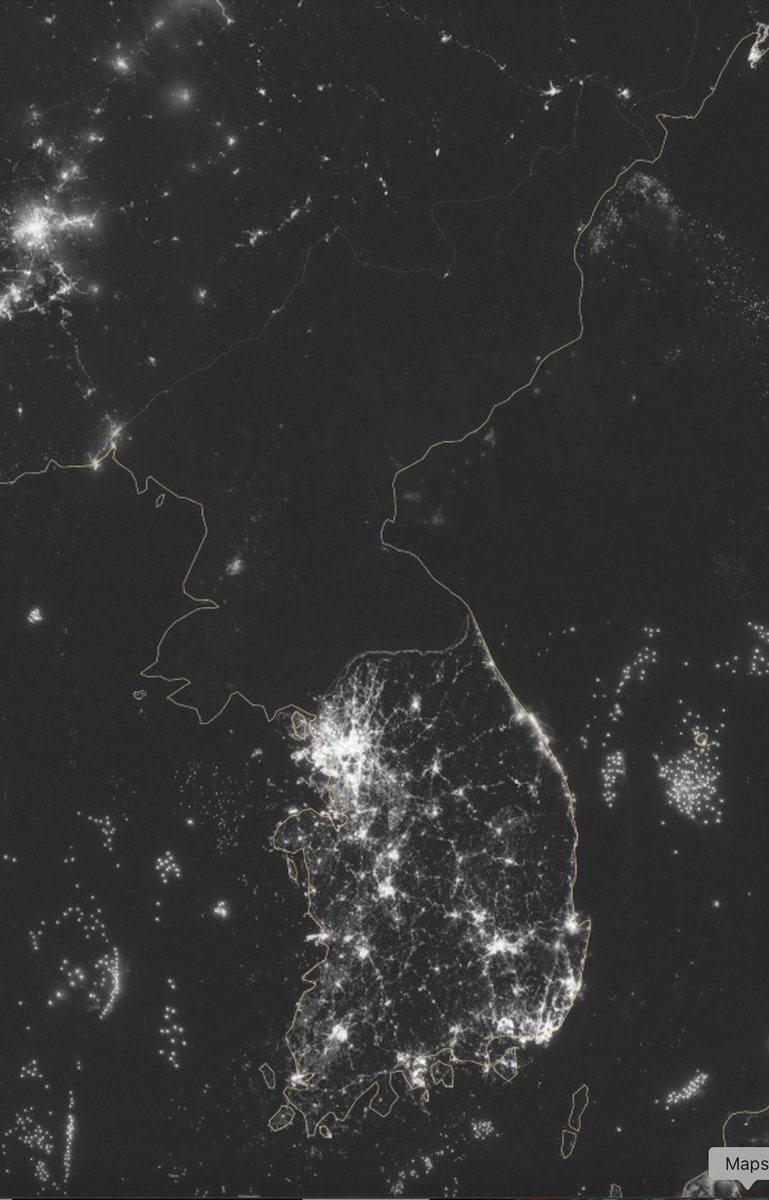
"We will replace the frigidity of rugged individualism with the warmth of collectivism."
Here is what NYC Mayor Zohran Mamdani's vision looks like from space.
South Korean individualists are warm while North Korean collectivists are frigid.
5
221
Kevin Auch retweeted

5 Nov 2025
“You would need 10 countries to replace one of them, and 10 to 20 years of building a relationship."
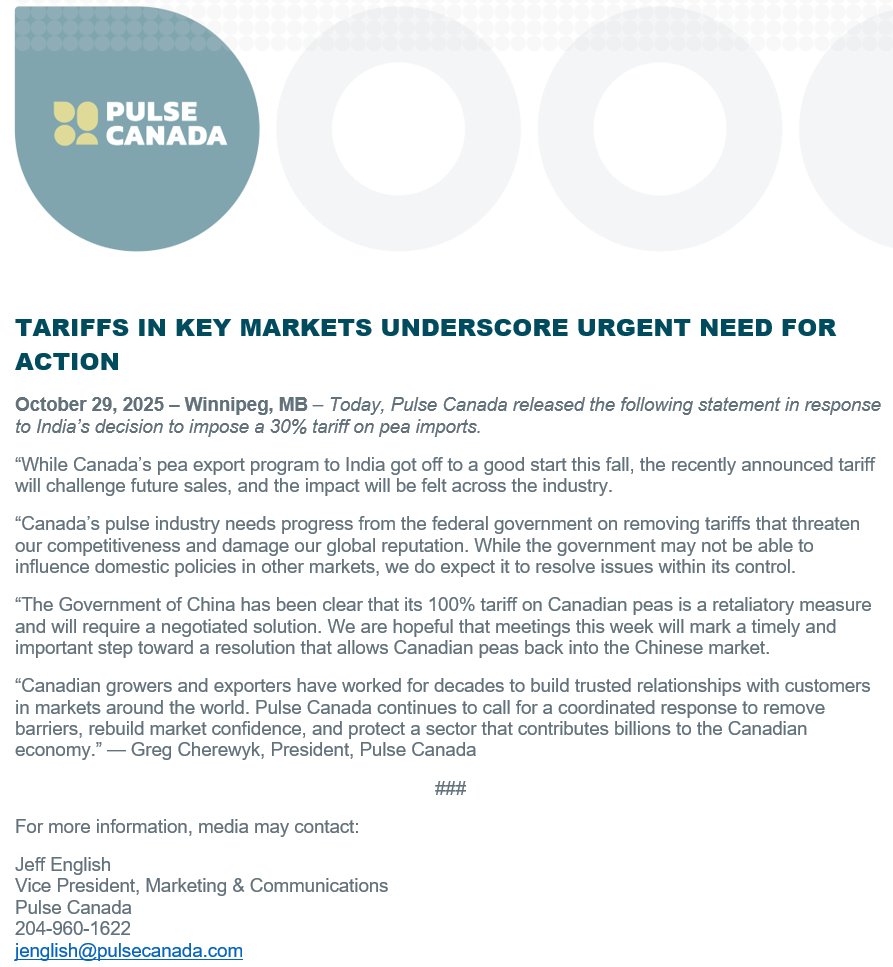
Chair Terry Youzwa discusses the urgent need to remove tariffs in Canada's two largest pea markets. Read the full article: hubs.la/Q03RHLzL0 #cdnpulse #cdnag
3
9
27
2,047
Kevin Auch retweeted

28 Oct 2025
Seven more sleeps...
If you haven't been training, there is still time.
Four simple exercises when practiced daily will ensure you are in tip-top shape for #agritrade25
1
5
14
1,975
Kevin Auch retweeted

11 Oct 2025
Michael Higgins: The West shrugs as Christians are slaughtered and persecuted worldwide nationalpost.com/opinion/the…

47
243
545
17,829
24 Sep 2025
“Canada’s pulse Industry can no longer afford to be collateral damage in a dispute which has nothing to do with the products we produce” It takes years of effort to develop these markets and poor policies can wipe them out overnight. We deserve better.
22 Sep 2025

"Canada’s pulse industry can no longer afford to be collateral damage in a dispute that has nothing to do with the products we produce."
President Greg Cherewyk spoke at #AGRI today, emphasizing the urgent need to eliminate tariffs that are damaging Canada’s pulse sector.
3
15
1,211
Kevin Auch retweeted

4 Sep 2025
My recent excerpt: Vaccines Don’t Cause Autism. But the Lie That They Do Is Still Going Strong thewalrus.ca/vaccines-dont-c… via @thewalrus
Wakefield’s ascent to the pinnacle of despicableness all started with one small & staggeringly shoddy study.
This zombie has been hard to kill.
#VaccinesWork
3
66
152
4,613
Kevin Auch retweeted

13 Aug 2025
Lots of discussion on the Canadian Wheat Boards demise lately here on Twitter
Here’s my 2 cents as someone who lived it as a young farmer trying to get established
#RegularFarmer
59
99
552
44,520
Kevin Auch retweeted
12 Aug 2025
Our EV industry in Canada is a house of cards, pure fantasy.
Our canola industry is real, profitable, and supported by hardworking people.
Ottawa's choice should be more than obvious.
12 Aug 2025

Our Canadian canola industry is every bit as important to our economy and jobs as Canadian steel, aluminum, auto manufacturing and forestry.
And a lot more significant than the electric vehicle industry.
Here is my statement on the 76 per cent tariffs on canola imposed by China today.
161
697
2,474
75,423
19 Jun 2025
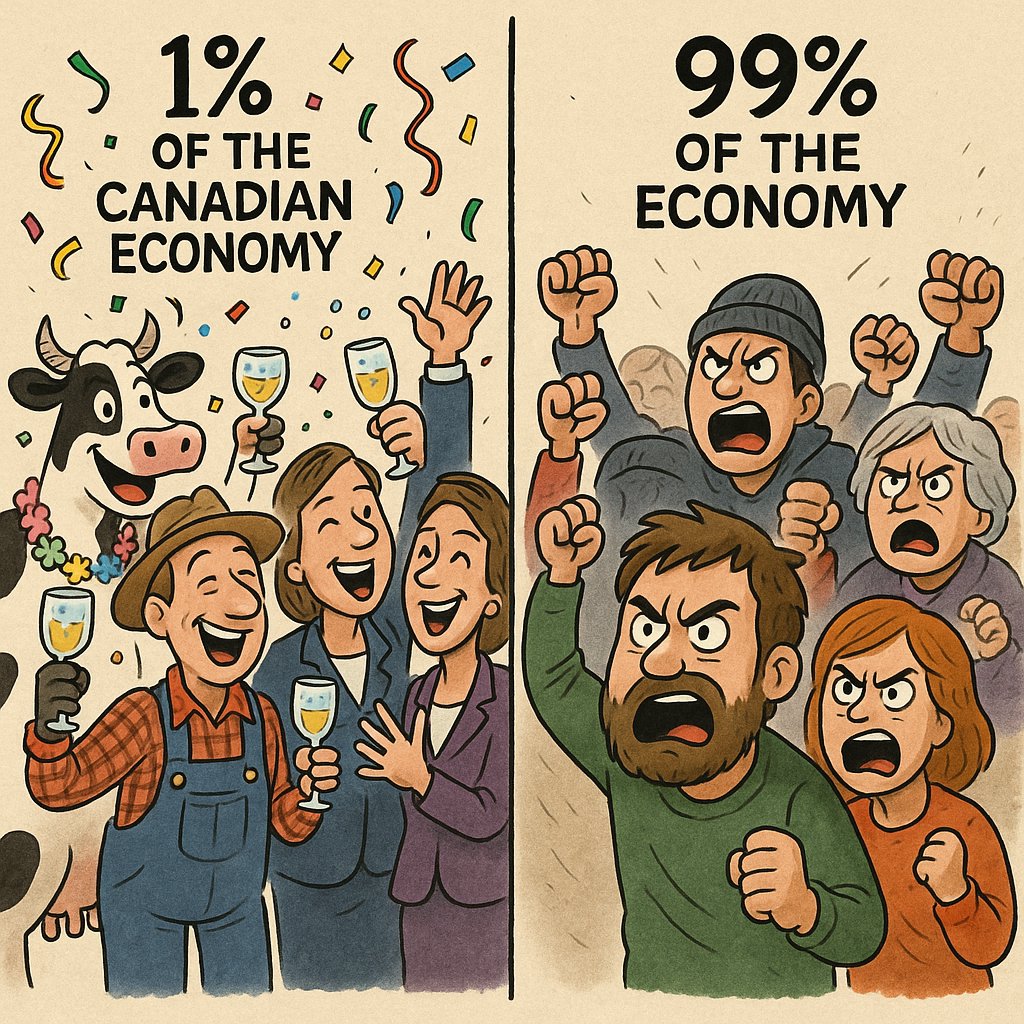
Why is Canada purposely harming trade to protect an industry that is doing just fine? If foreign subsidies are such a problem, why are Canadian grain farmers still able to compete.? A great racket for a coddled few, C-202 is a kick in the teeth for the rest of Canada.

2
3
19
1,325
Kevin Auch retweeted
9 Jun 2025
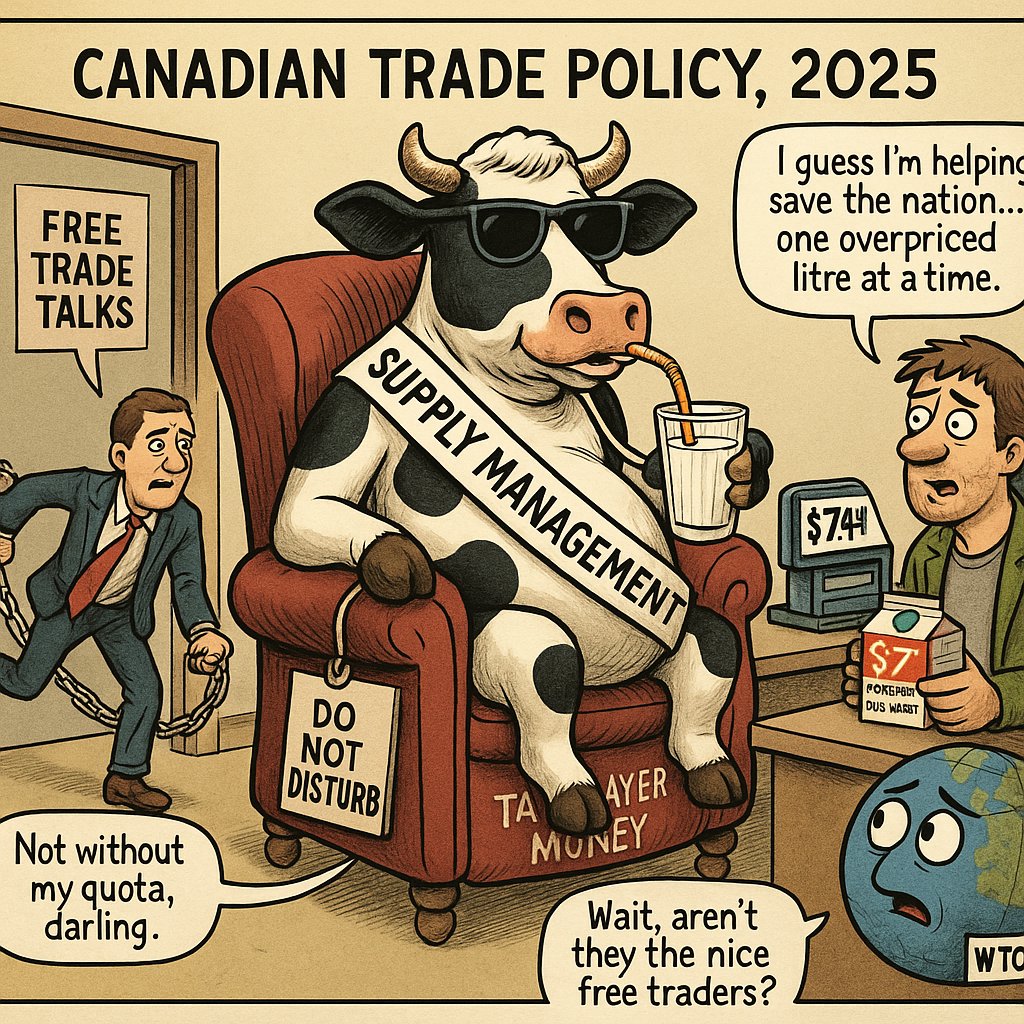
"By protecting a shrinking sector with outdated tools, Canada isn’t just coddling dairy farmers — it’s abandoning its credibility, its consumers, and its future as a serious trading nation."
Our Dairy Addiction Is Making Canada a Trade Pariah
When it comes to supply management and trade policy, Canada seems trapped in a cycle of repeating the same costly mistakes.
Before @MarkJCarney's arrival as Prime Minister, the previous Parliament adopted Bill C-282, introduced by the Bloc Québécois. The bill granted blanket immunity to Canada’s supply-managed sectors—most notably dairy—against any future concessions in trade negotiations, regardless of the partner or economic context. It effectively locked in protectionism for a system that is already struggling to justify itself in the modern global economy.
During the federal election campaign, on April 3, Mr. Carney stated in a @RadioCanadaInfo interview that no legislation was necessary to protect Canada’s dairy industry. It appears he has since changed his mind—or someone changed it for him.
Last week, the newly elected 45th Parliament unanimously passed Bill C-202, a near-identical copy of C-282. The Senate may still push back, as several senators have signaled concerns about the bill’s long-term economic implications. But the momentum is clear: supply management is once again being shielded from scrutiny under the pretense of national interest.
Politically, it’s a savvy move—especially for the @BlocQuebecois. In Ottawa, few MPs from any party dare challenge one of the most powerful lobby in the country: The @dfc_plc. Their influence is formidable, both federally and provincially.
But the question remains: What exactly are we protecting?
Canada has the highest industrial milk prices in the G7. This is not true for poultry or eggs—but it is for milk, a critical staple in household diets. These elevated prices do not necessarily lead to innovation or reinvestment. In fact, many producers are content to maintain the status quo, knowing the system protects them from competition. The result? Canadian consumers foot the bill for a sector with little incentive to become more efficient or cost-effective.
Defenders of supply management often point to food safety and quality. It’s true that bovine growth hormones are banned here. That’s commendable. But there are other practices that deserve more transparency.
A 2022 study published in Trends in Food Science and Technology revealed that palm oil derivatives are permitted in dairy cow feed in Canada. This may contribute to the now-documented phenomenon of firmer, less spreadable butter at room temperature—a story known as “Buttergate” was dismissed by dairy farmers initially, despite mounting evidence.
More recently, a peer-reviewed study co-authored by researchers at McGill and Dalhousie Universities and published in Ecological Economics estimated that Canada discards between 600 million and one billion litres of milk annually. The dairy lobby vehemently disputed these findings but has yet to present alternative data. The reality is simple: cows don’t stop producing milk when market demand fluctuates, and losses—whether in volume or value—are inevitable.
Canada’s dairy sector has long cultivated a culture of opacity. Rather than engage with critics or offer transparency, it leans on silence and self-congratulation. Accountability is elusive, and reform is taboo.
Looking ahead, Canada will need to renegotiate trade deals with the United States, Mexico, and other partners. Two choices await: we either pay billions in compensation to dairy farmers for theoretical “losses” each time concessions are made—a practice that borders on economic racketeering—or we forfeit our credibility as a reliable trade partner, unwilling to negotiate in good faith for a sector that represents less than 1 per cent of our GDP.
What message does this send to the world at a time when Canada urgently needs to diversify its economy?
By clinging to a misunderstood and outdated system, our elected officials are prioritizing short-term political gain over long-term economic progress. We are rewarding complacency and institutionalizing inefficiency—all under the guise of defending national interests.
The more things change, the more they stay the same.
— Dr. Sylvain Charlebois is the Director of the Agri-Food Analytics Lab at Dalhousie University and co-host of The Food Professor Podcast
33
133
366
28,465
23 Apr 2025
Beneficials are well named “field heroes”. It’s easy to overlook their value when they’re so small, but farmers have the ability to derive great benefits to our crops through the vegetation on field borders, as the researchers suggest. Also, longer crop and pesticide rotations
16 Apr 2025

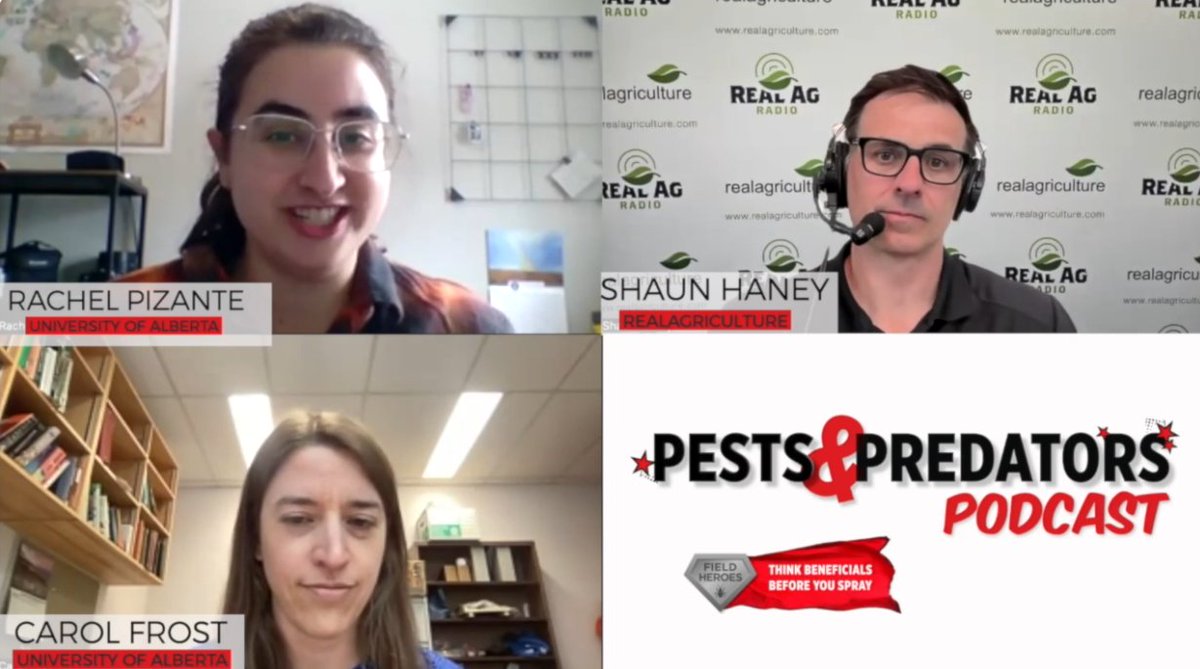
New episode today!
Ep. 32 of the Pests and Predators podcast is available here: youtube.com/watch?v=zKhuf08k…
Carol Frost, Assistant Professor at the @UofAALES University of Alberta, and PhD student Rachel Pizante share how treed field borders supercharge canola fields—boosting pollination, pest control, and biodiversity.
1
2
8
725