
2021 Carlston Family Foundation Outstanding Teacher in America ⭐️2018 California Teacher of the Year ⭐️Certified Athletic Trainer. All views are my own. 👍🏼
Joined August 2017
- Tweets 1,383
- Following 1,018
- Followers 534
- Likes 5,940
Photos and videos

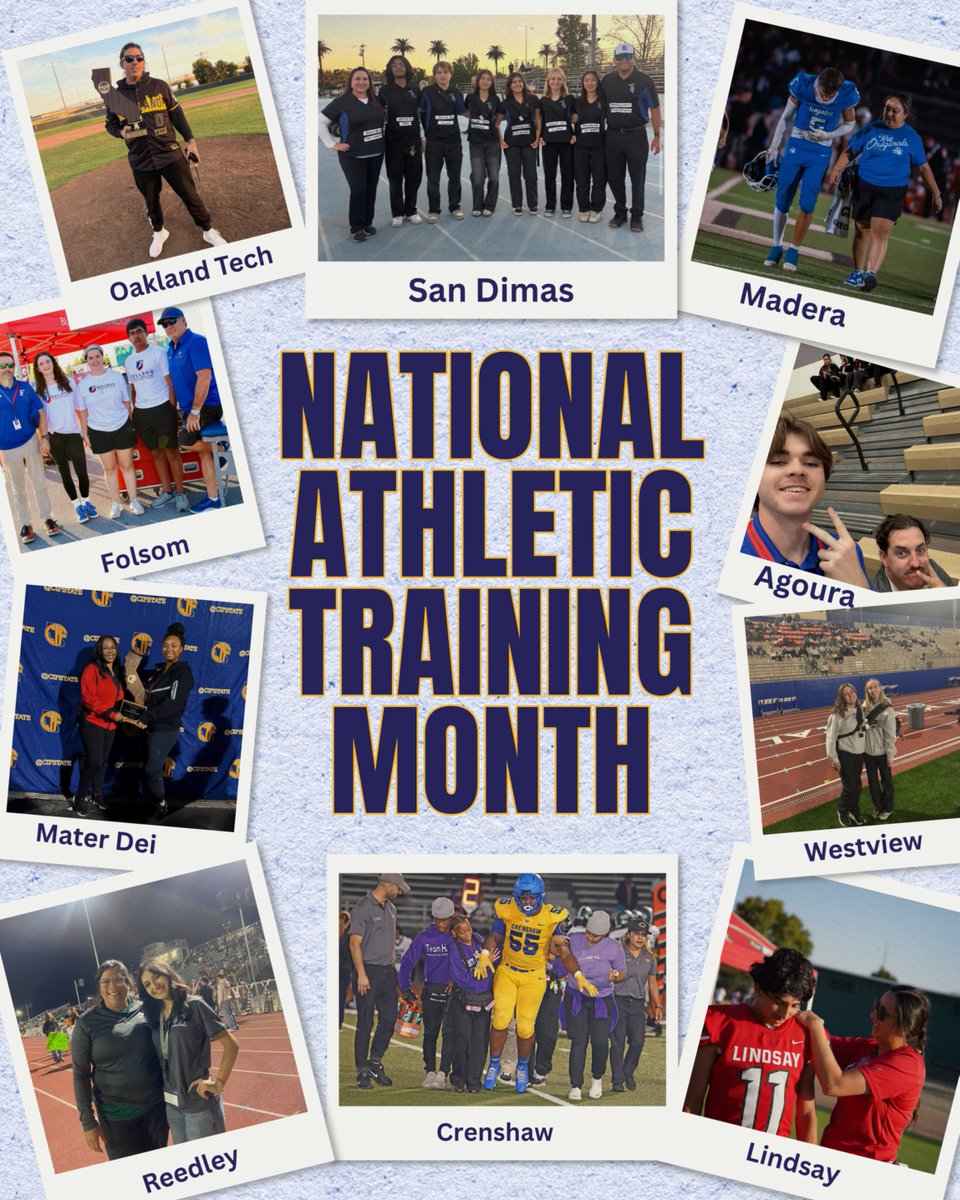
As we near the end of March, we’re continuing to recognize the hundreds of athletic trainers who support our student-athletes every day!
This is just a small snapshot of the many making a difference.
Your impact goes far beyond this, thank you for all you do 🤍
3
6
1,434
Kirsten Farrell retweeted

Mar 11
💙National Athletic Training Month
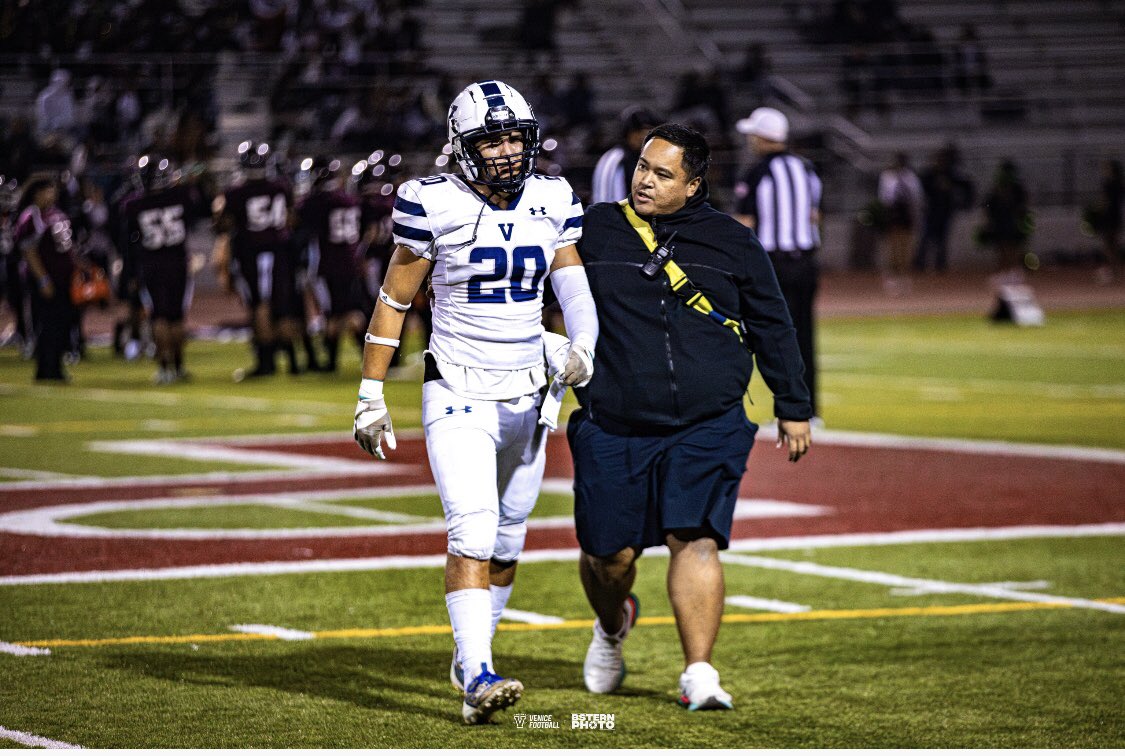
Arbhie Guce, Athletic Trainer - Venice High School
Arbhie, or Mr. G, works on the field and behind the scenes to help student-athletes prevent and rehabilitate injuries. He is mentoring Venice High’s Sports Medicine Team, providing students with meaningful hands-on exposure to careers in the healthcare field. The hard work and dedication he shows, along with his supportive personality, make him an amazing AT!
1
2
4
412
Kirsten Farrell retweeted

Mar 10
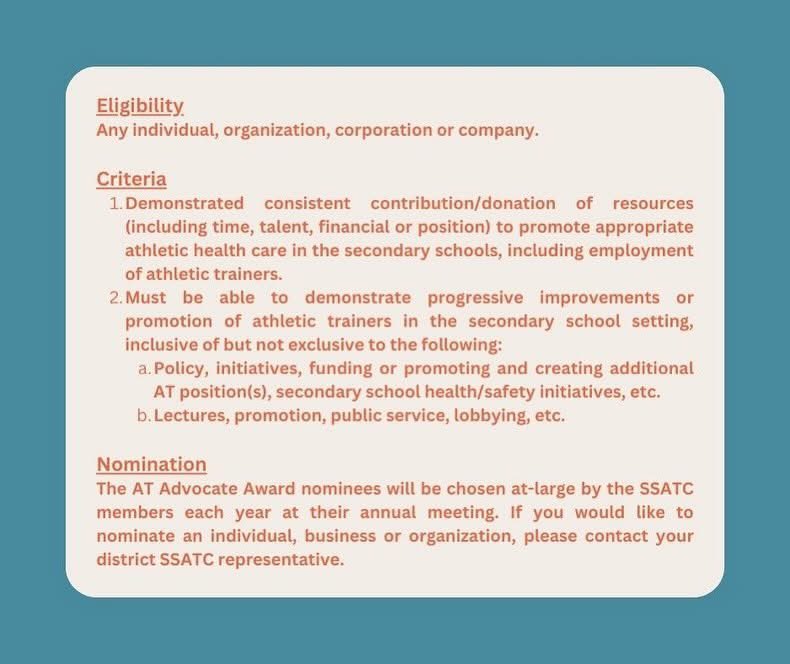
The @NATA_SSATC is currently seeking nominations for our AT Advocate Award. Contact us at ssatc.nata@gmail.com or reach out to your district SSATC representative by March 31, 2026 #NATM2026 #CareYouCanCountOn
5
10
455
Kirsten Farrell retweeted
Mar 10
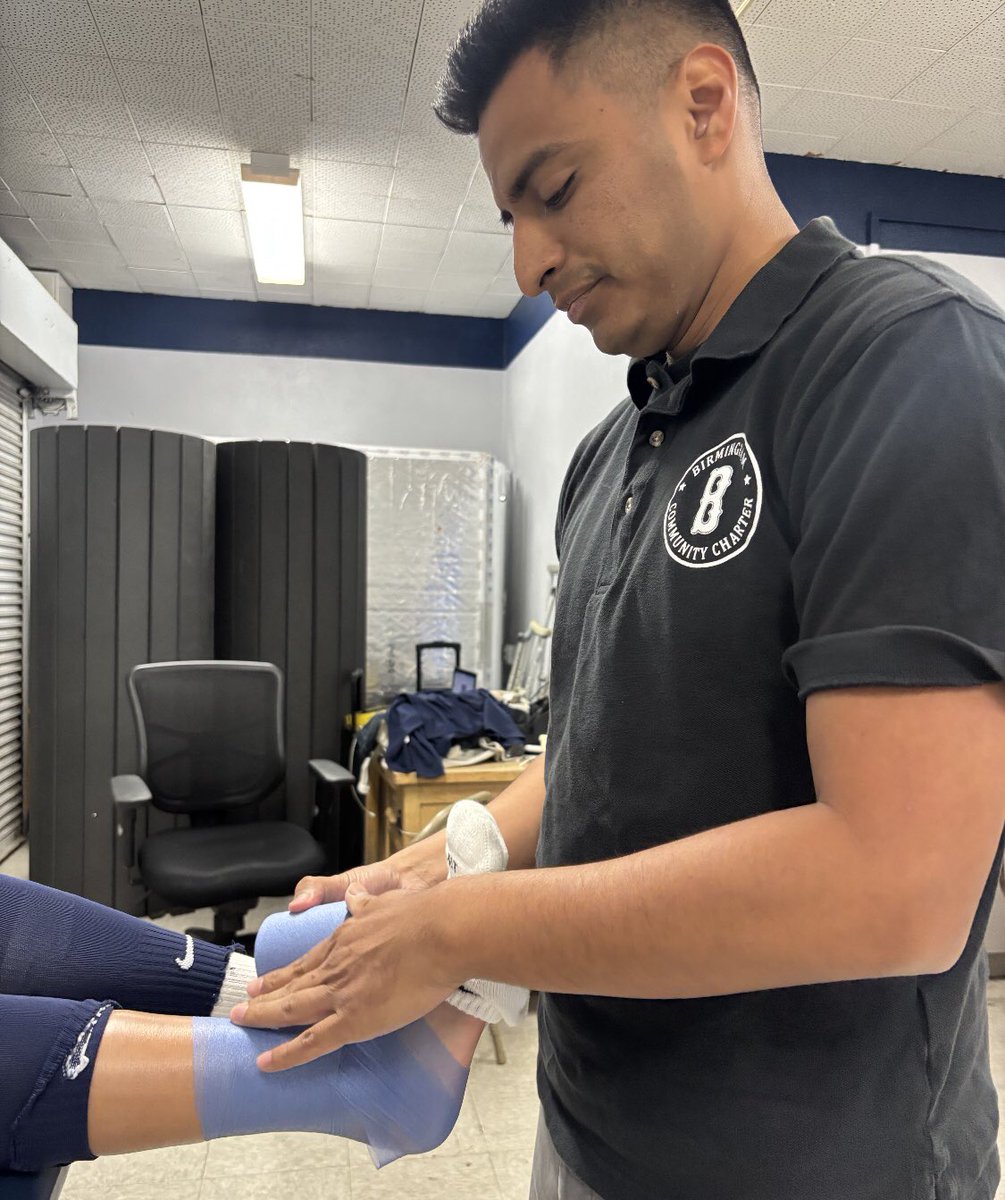
March is National Athletic Training Month 💙
Jacob Hernandez, with Birmingham for 2 years, never fails to make student-athletes feel understood, regardless of the injury's severity. Thank you Jacob for taking the time to help and understand how to care for the student-athletes.
3
8
570
Kirsten Farrell retweeted

1 Sep 2024
Dear September -
Thought we would never make it to you. August left us truly questioning athlete health and safety. At least 10 athlete deaths. Is that what it will take for schools, parents & youth leagues nationally to take this seriously? Probably not. But we’ll keep trying.
4
25
90
4,873

27 Aug 2024
Watch, listen and learn. Death from EHS is 100% preventable in sports yet it has already happened this month in the US.
@latsondheimer @Tarek_Fattal #coolfirsttransportsecond #ATTwitter #SafetyFirst
27 Aug 2024

Exertional heat stroke is one of three leading causes of death in high school sports in the U.S., according to the CEO of @K_S_Institute.
Amid record-setting high temperatures, one New Jersey high school says preventing the heat illness is a top priority.
1
3,992

In the News 📰
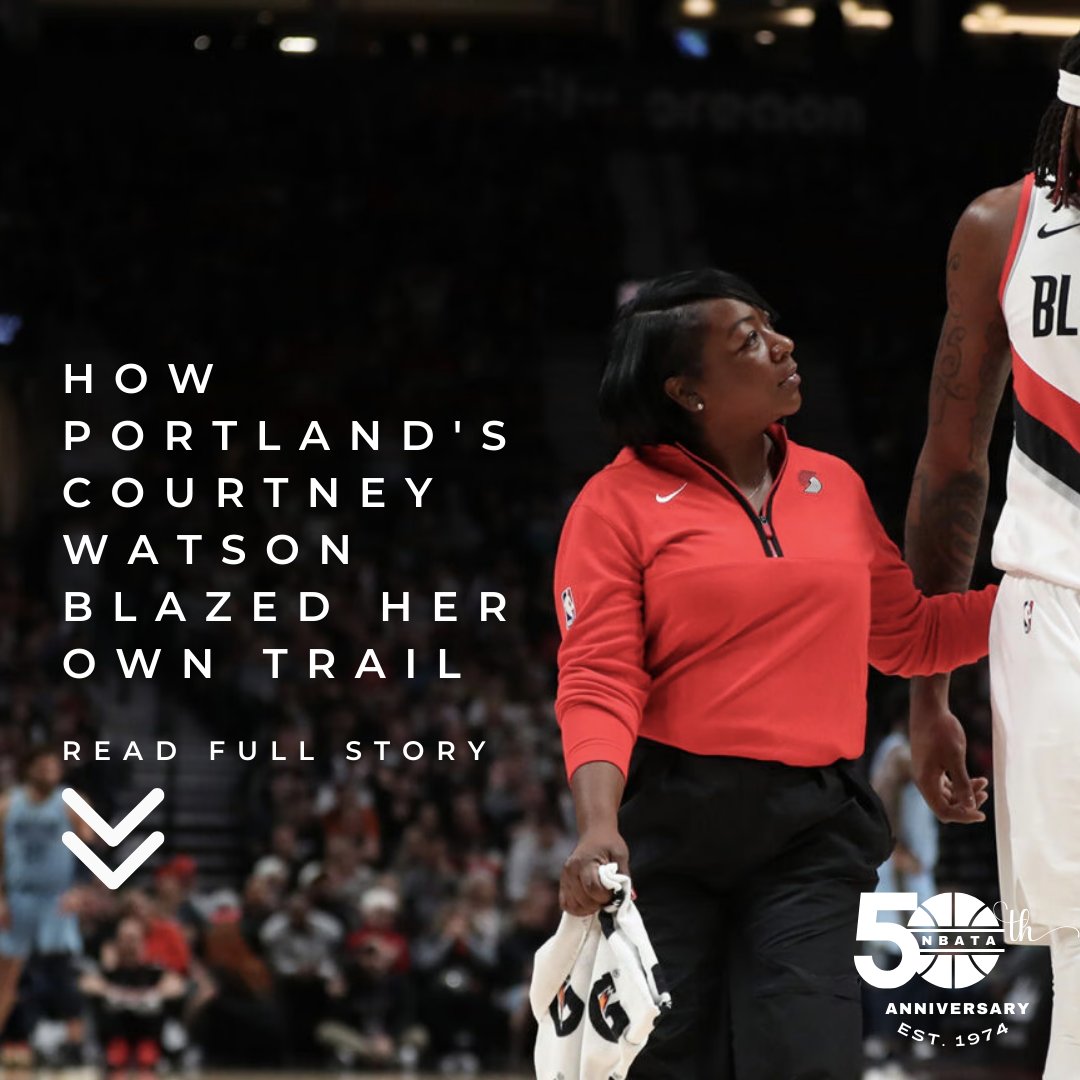
Check out feature on NBATA Member, Courtney Watson on NBA.com
Read full story at loom.ly/hkGdMKM
2
8
36
1,238
22 Mar 2024
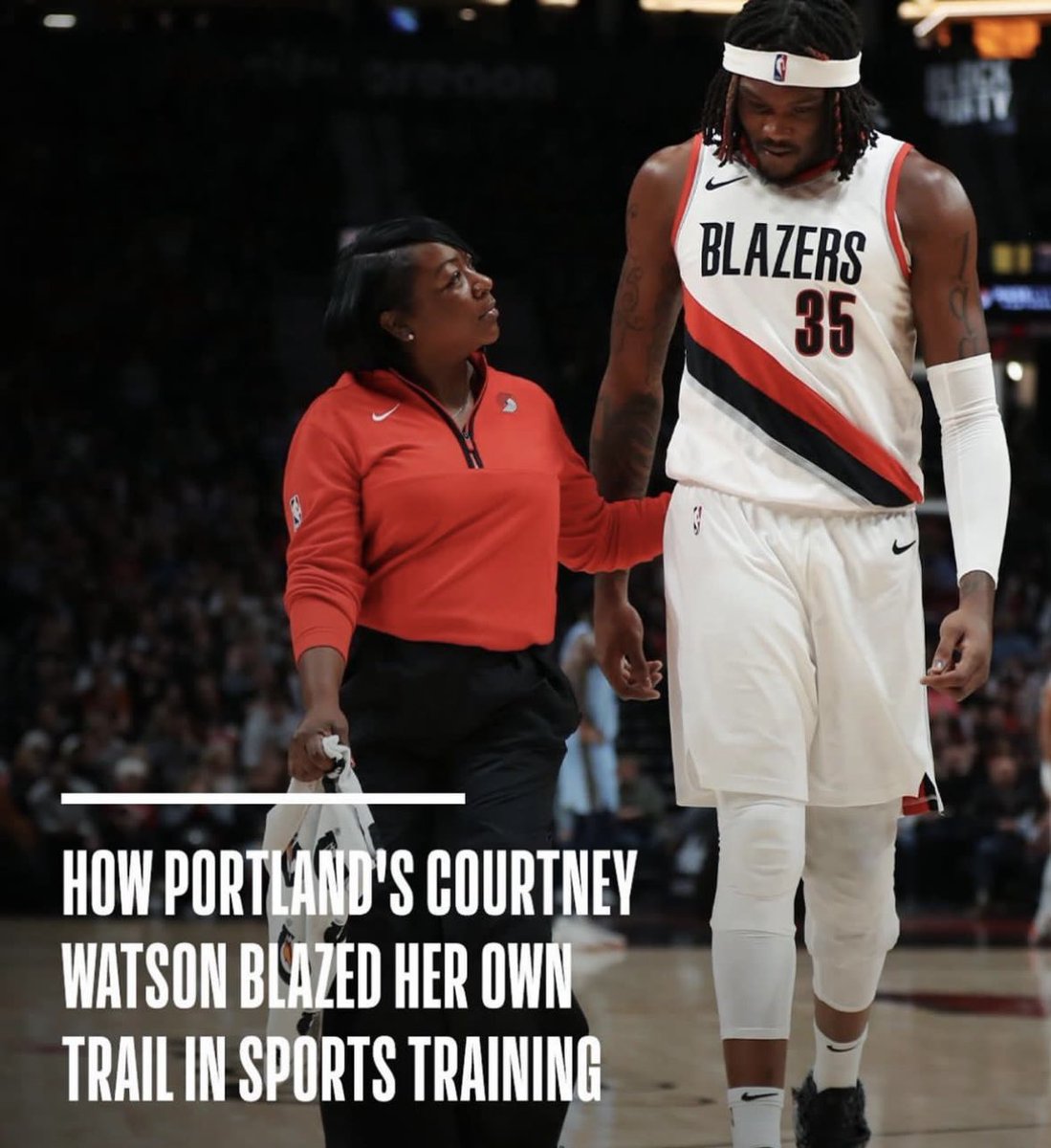
Celebrating Courtney Watson: LAUSD graduate & African American female head athletic trainer in the NBA! From Westchester High to the Portland Trail Blazers, her journey inspires during #WomensHistoryMonth& #NATM2024 Representation matters! nba.com/news/courtney-watson…
3
248
Kirsten Farrell retweeted

6 Mar 2024
I want to wish the athletic trainers all over the nation the best of luck in the future & a BIG THANK YOU for the amazing job u do daily . THIS IS ATHLETIC TRAINERS MONTH - so please take a moment & say thanks to the trainers you know.
20
423
1,592
169,997
Kirsten Farrell retweeted

4 Mar 2024
How do I become an Athletic Trainer?
It involves a combination of formal education, clinical experience, and certification exams. Here's a general outline of the pathways to achieve this:
1. Educational Requirements:
Bachelor’s Degree: Traditionally, a bachelor's degree in athletic training from a program accredited by the Commission on Accreditation of Athletic Training Education (CAATE) was the entry-level education required.
These programs include both classroom AND clinical training components.
Master’s Degree: Due to recent changes in professional standards, the entry-level degree requirement is shifting from a bachelor’s degree to a master's degree in athletic training.
This means new entrants into the field will need to earn a master’s degree from a CAATE-accredited program to be eligible for certification.
2. Clinical Experience:
Hands-on Training: During their educational program, students must complete a certain number of hours of hands-on clinical experience under the supervision of a Certified Athletic Trainer (ATC).
This real-world training is crucial for developing practical skills in preventing, diagnosing, and treating muscle and bone injuries and illnesses.
3. Certification Exam:
Board of Certification (BOC) Exam: After completing an accredited program, graduates must pass the BOC exam to become certified athletic trainers.
The exam covers a wide range of topics related to athletic training, including injury/illness prevention, clinical diagnosis, and therapeutic intervention.
4. State Licensure:
Licensure Requirements: Most states require athletic trainers to be licensed or registered.
The specific requirements vary by state but typically include passing the BOC exam and completing an accredited educational program. Some states may have additional requirements.
5. Maintaining Certification:
Continuing Education: To maintain certification, ATCs must complete continuing education requirements every 2 years, as specified by the BOC.
This ensures they stay up to date with the latest knowledge and skills in their field.
6. Specialization:
Advanced Certifications: Athletic trainers can pursue advanced certifications or specializations in areas such as orthopedics, sports nutrition, or strength and conditioning to enhance their skills and career opportunities.
Each step in this pathway is designed to ensure that certified athletic trainers have the necessary knowledge, skills, and experience to provide quality care to a broad range of the human population.
So, ATs know stuff... 👊
#attwitter #NATM2024
54
86
12,026
Kirsten Farrell retweeted

3 Mar 2024
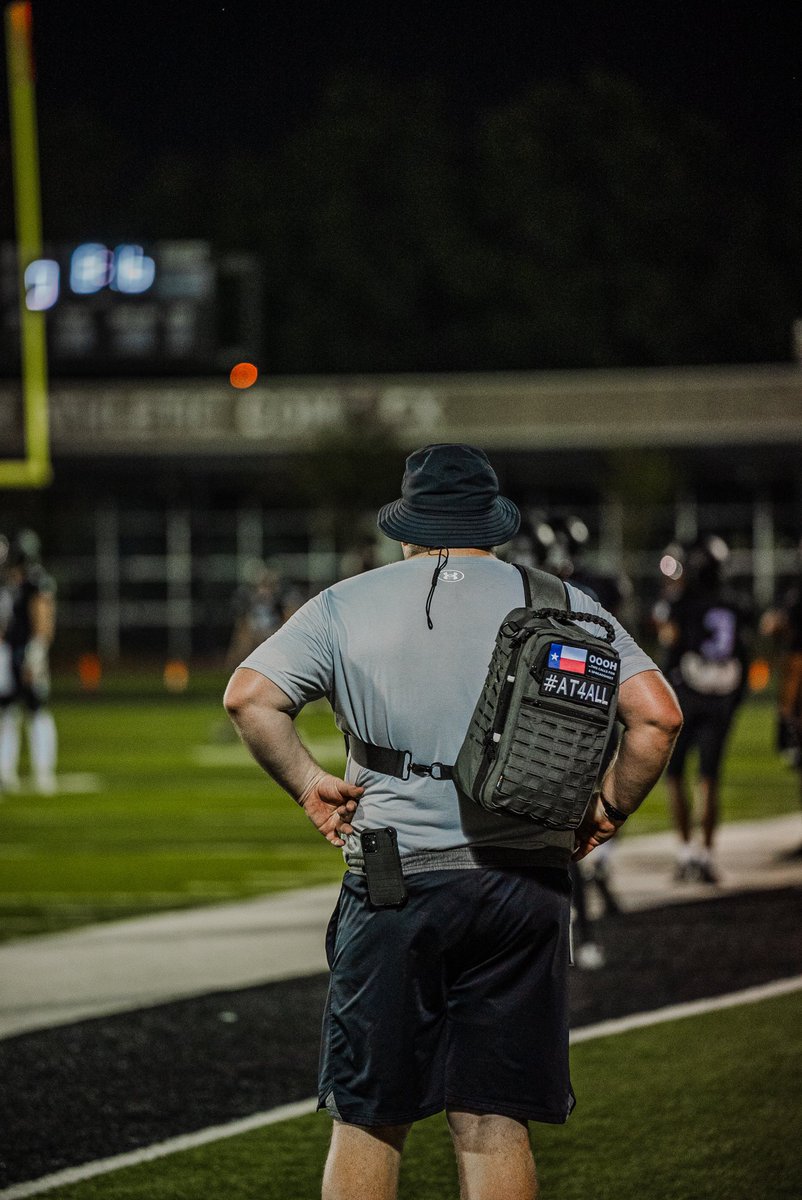
Athletic Trainers keep a watchful eye on their athletes during competition. We can often see an issue and begin to address it before many even know a problem exists! #AT4ALL #SaferSidelines #NATM2024
5
48
1,478
2 Mar 2024
It is National Athletic Training Month! If you have an AT in your life, let them know they are appreciated. If you meet someone who does not know what as AT is, help us educate. #NATM2024 #AT4ALL #SafetyFirst #ATsSaveLives
1
9
280
8 Dec 2023
Athletic Trainer Friends @LASchools is hiring three ATs for next semester! Go to LAUSD.jobs.org to apply! These positions will be at Fairfax, Marshall and Narbonne. @CATA_D8 @SSATC_FWATAD8 @cata_ssat @latsondheimer #ATs4All #LAUSD #BegreAT
10
17
3,408
9 Nov 2023
Please turn in for this important story about the power of Athletic Trainers from @chrishayre tonight! #AT4ALL #CPR #AthleticTraining
8 Nov 2023

Last month, Ganesha High School football coach Don Cayer nearly died on the sidelines. With the proper protocols in place and the right people on site, his life was saved. @chrishayre has the story tonight at 5:45 and 10:45 @kcalnews @GaneshaHighPUSD #AthleticTrainers
2
6
1,879
28 Sep 2023
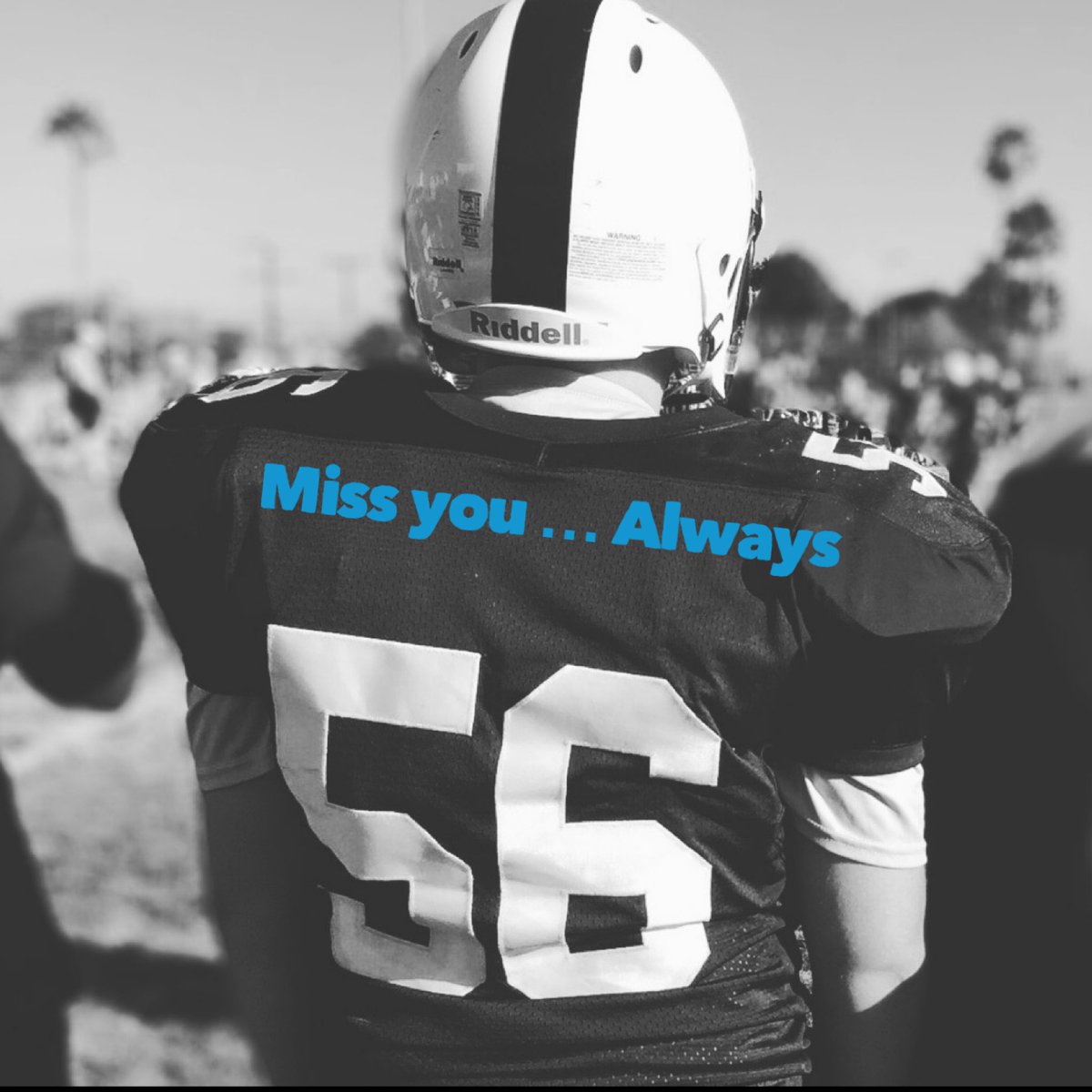
And yet … none of these kids had to die destroying their families.
#safersidelines #heatillness
27 Sep 2023

"The environment in which today’s athletes are playing sports is wholly different from the environment when their coaches were playing.
"Year after year we’re outpacing heat records and catastrophic disaster records." via @maanvissingh
#SaferSidelines
theguardian.com/world/2023/s…
2
239
28 Sep 2023
27 Sep 2023

Venice's Nathan Santa Cruz featured in this video on his comeback. youtu.be/ZY_SnKaClEk?si=Xp7_… via @YouTube
1
225
24 Sep 2023
For inspiration this Sunday tune in at 4:00 PM or 10:30 PM to hear the amazing comeback story of Nathan Santacruz. @latsondheimer @Tarek_Fattal @SportsCentralLA @chrishayre @DarrenMHaynes @CATA_D8 @NATA_SSATC @NATA1950

6
15
6,247
Kirsten Farrell retweeted

23 Sep 2023
Heat illness rose in El Paso sports, but athletic trainers ready to meet the call cbs4local.com/news/local/hea…
#BEHIP
5
10
1,047