
God first. Journalist with @NationAfrica. Tweeting for fun!
Joined June 2011
- Tweets 3,154
- Following 2,176
- Followers 2,104
- Likes 4,684
704 Photos and videos


Kitavi Mutua 🇰🇪 retweeted

14 Nov 2025
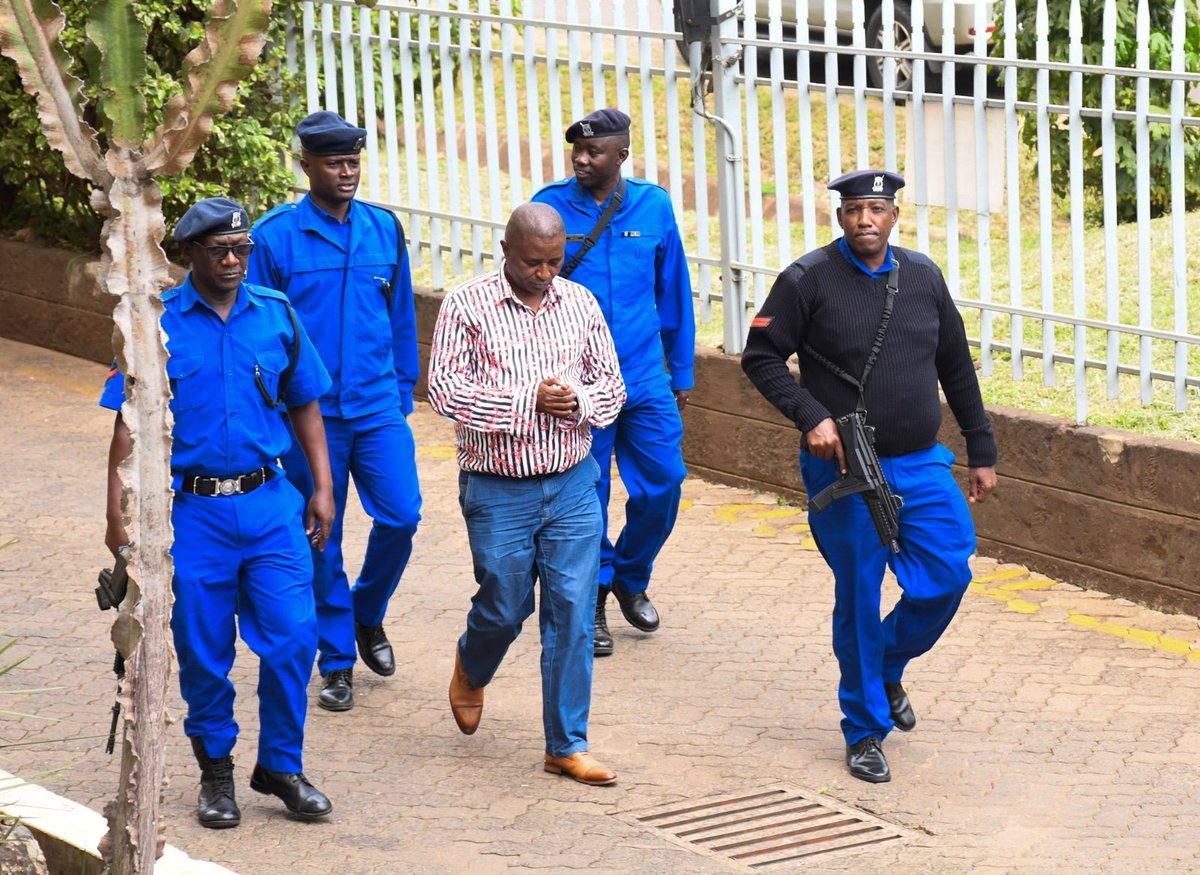
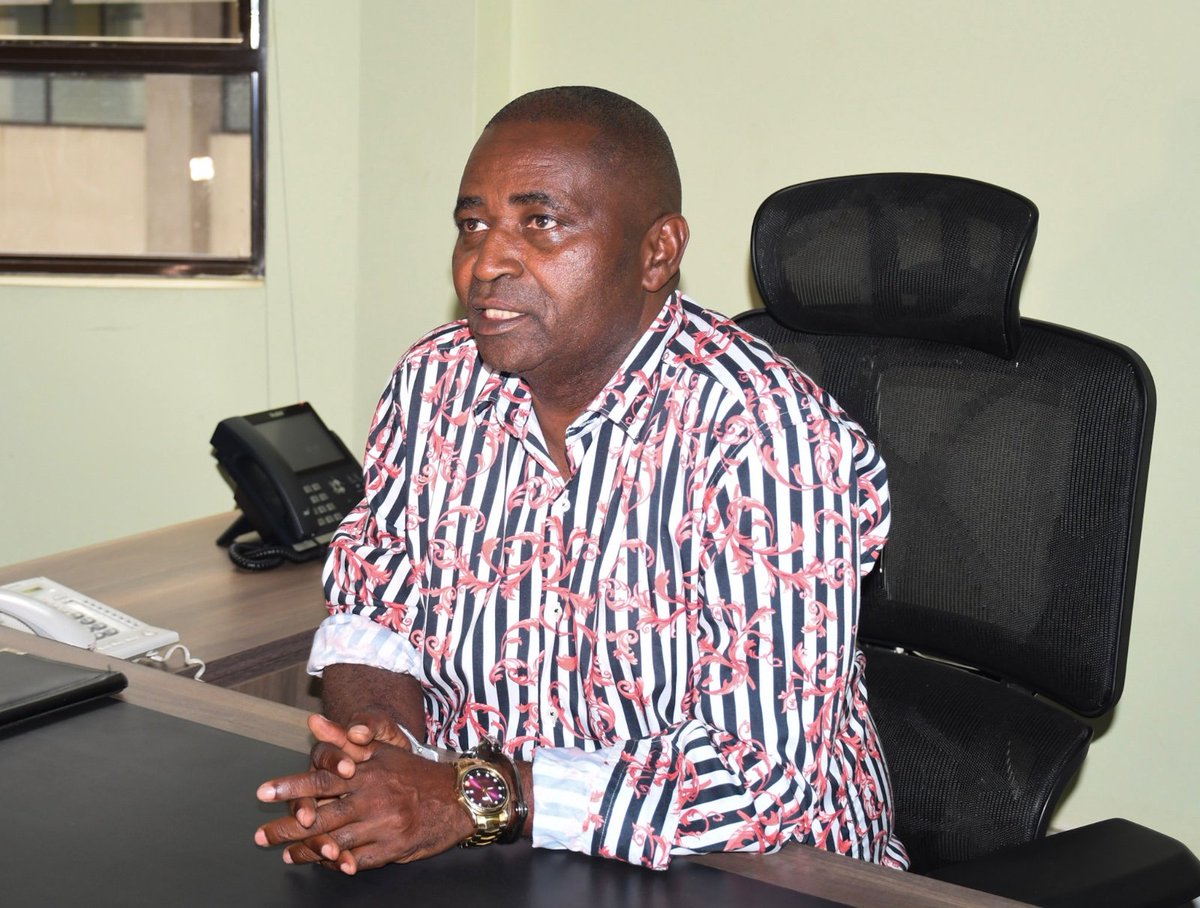
EACC ARRESTS ANTI-COUNTERFEIT AUTHORITY BOARD CHAIRPERSON OVER CORRUPTION ALLEGATIONS
The Ethics and Anti-Corruption Commission (EACC) today, 14 November 2025, conducted a search operation at the residence and offices of Hon. Josphat Gichunge Kabeabea, Chairperson of the Board of the Anti-Counterfeit Authority.
The operation is part of ongoing investigations into allegations of bribery, extortion of local and foreign investors, and acquisition of unexplained wealth.
The search follows court orders secured after preliminary findings indicated that on 11th November 2025, Mr. Kabeabea allegedly demanded a Kes5 million bribe from a Chinese investor trading as Hongda Automotive Limited. He is accused of threatening to arrest investors for alleged involvement in counterfeit trade unless a bribe was paid.
According to the complaint, the suspect reportedly reduced the bribe demand from Kes5 million to Kes150,000, which was later sent to a mobile number believed to belong to his personal driver.
The Commission has since established that this was not an isolated incident, as similar allegations against the suspect have emerged during the course of the investigation.
The suspect has been arrested and is currently held at the Integrity Centre Police Station for further questioning and statement recording.
EACC remains committed to combating corruption, safeguarding public interests, and improving access to quality services for all citizens.
107
100
327
185,140
Kitavi Mutua 🇰🇪 retweeted

17 Oct 2025
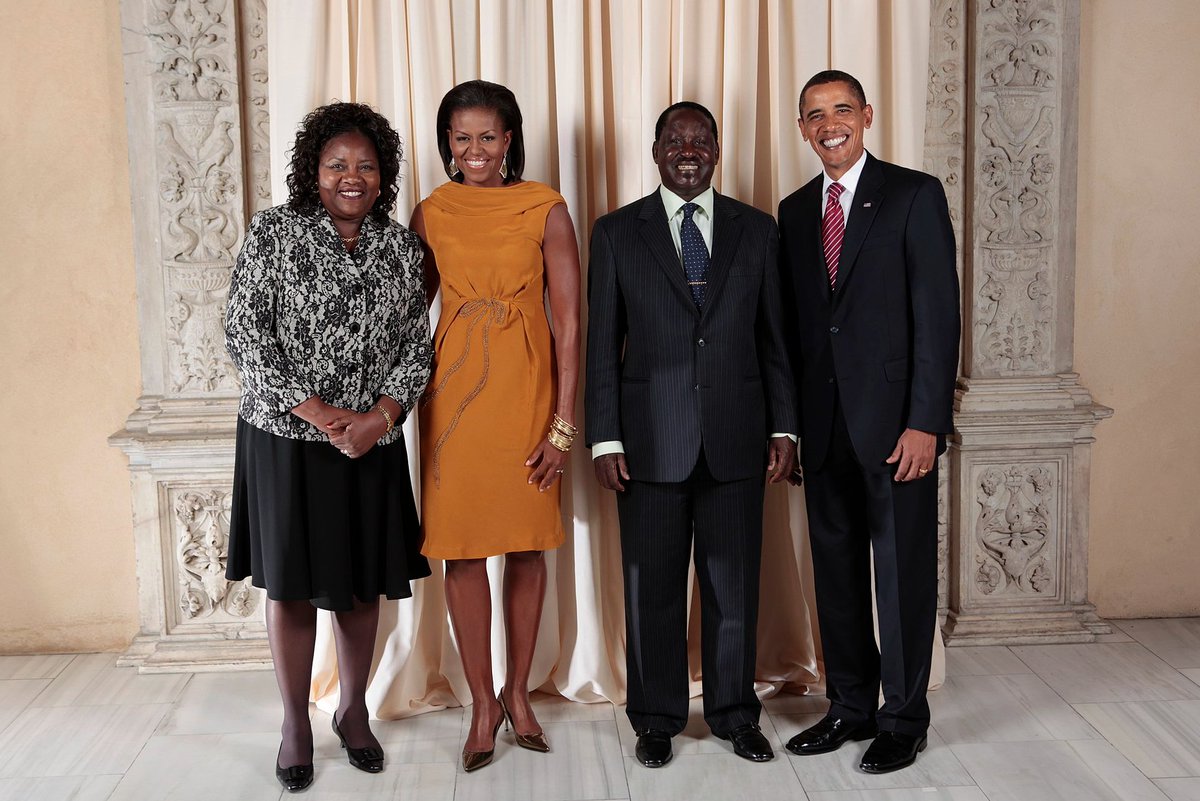
Raila Odinga was a true champion of democracy. A child of independence, he endured decades of struggle and sacrifice for the broader cause of freedom and self-governance in Kenya. Time and again, I personally saw him put the interests of his country ahead of his own ambitions. Like few other leaders anywhere, he was willing to choose the path of peaceful reconciliation without compromising his core values. Through his life, Raila Odinga set an example not just for Kenyans, but across Africa and around the world. I know he will be missed. Michelle and I send our deepest condolences to his family and to the people of Kenya.
8,460
21,270
150,327
13,640,895
Kitavi Mutua 🇰🇪 retweeted

5 Sep 2025
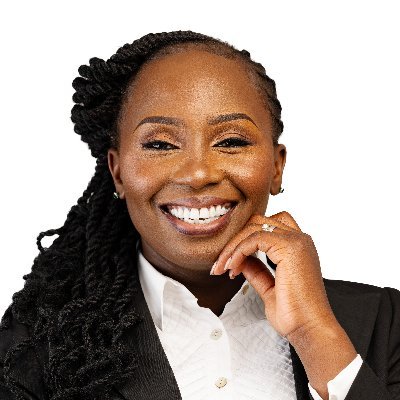
Kenyans must ask themselves.....why did Ruto fight so hard to have Faith Odhiambo on this panel? Why not you, why not me, why not any ordinary lawyer?
It is because Faith carries the title of LSK President. Her name is not just another signature on government paperwork, it is the seal of the Law Society of Kenya, the very institution meant to stand guard against state abuse. With her on board, the regime can say, “look, even the defenders of justice agree with us.” It is not about her individual role, it is about weaponizing the credibility of an entire institution.
That is why the rest of the panel barely matters. They could have filled those seats with strangers and bureaucrats and the impact would be minimal. But by capturing Faith, they captured the one person who symbolized independence, resistance, and the rule of law. That is why our questions focus on her, because when she crosses over, it is not just her betrayal. It is the betrayal of the shield and sword of justice itself.
Understand this clearly.... governments under pressure do not just look for “experts,” they look for validators. They look for people whose presence neutralizes criticism and calms the streets. Faith was not picked for her expertise in compensation. She was picked because her acceptance was meant to break your spirit and blindfold your outrage.
This is why Kenyans are not wrong to question her more than the others. Others may have sold themselves cheaply, but she sold the symbol of justice.
And when that symbol falls, the people lose the last defense they thought they had.
487
2,045
5,601
328,453
Kitavi Mutua 🇰🇪 retweeted

23 Aug 2025
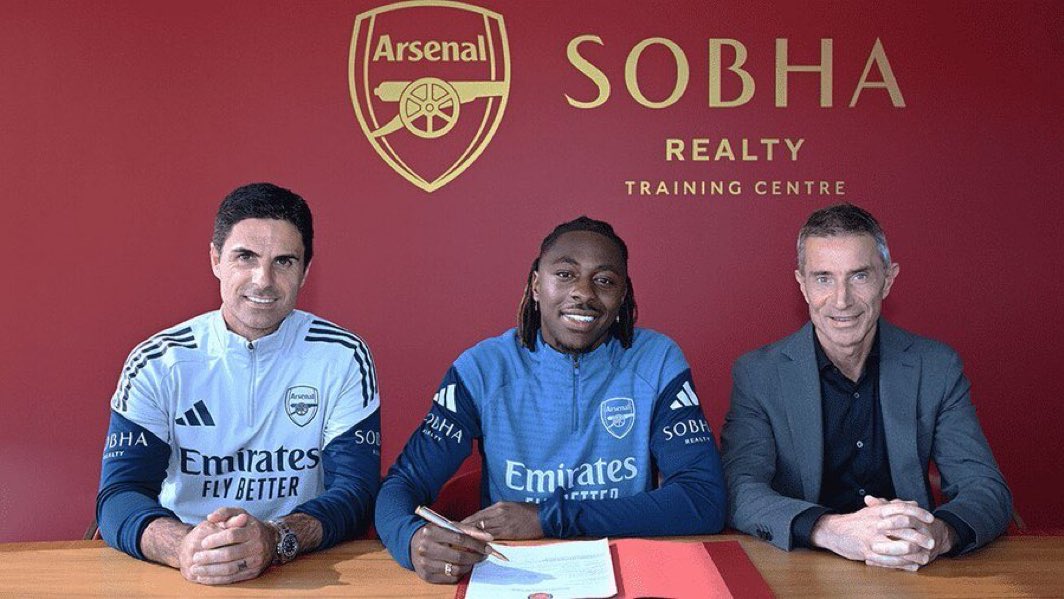
I swear I am so happy for him 😭♥️
2
8
455
26,386

Kitavi Mutua 🇰🇪 retweeted

18 Aug 2025
Hon Duale, you’re a Cabinet Secretary—a policymaker—not a tribal politician. This weekend’s shareholding talk is pure poison, dragging Kenya back to the dark days of 2007 and spreading fear. We impeached DP Gachagua for the same divisive nonsense. I honestly wonder what our problem is as a country—just when we start making progress uniting Kenyans, people like Duale pull us backward. If you think you’re above the law, think again. It’s clear: impeachment may be the only way to remind you that government belongs to ALL Kenyans, not your sub-tribe. Enough of this tribal madness!
385
416
2,469
215,136

3 Aug 2025
Why can't state law enforcement agencies like @DCI_Kenya, @EACCKenya
@ODPP_KE act on the runaway impunity & corruption at Tanathi Water? Thank God, we have a solid @Kenyajudiciary as last line of defence. @mugaa_eric @StateHouseKenya
nation.africa/kenya/counties…
1
2
3
187
Kitavi Mutua 🇰🇪 retweeted

30 Jul 2025
A radiant double rainbow painted graceful arcs over Bengbu, east China’s Anhui Province, wrapping the city in a romantic veil of colors and glow.

10
72
6,922
Kitavi Mutua 🇰🇪 retweeted

22 Jul 2025
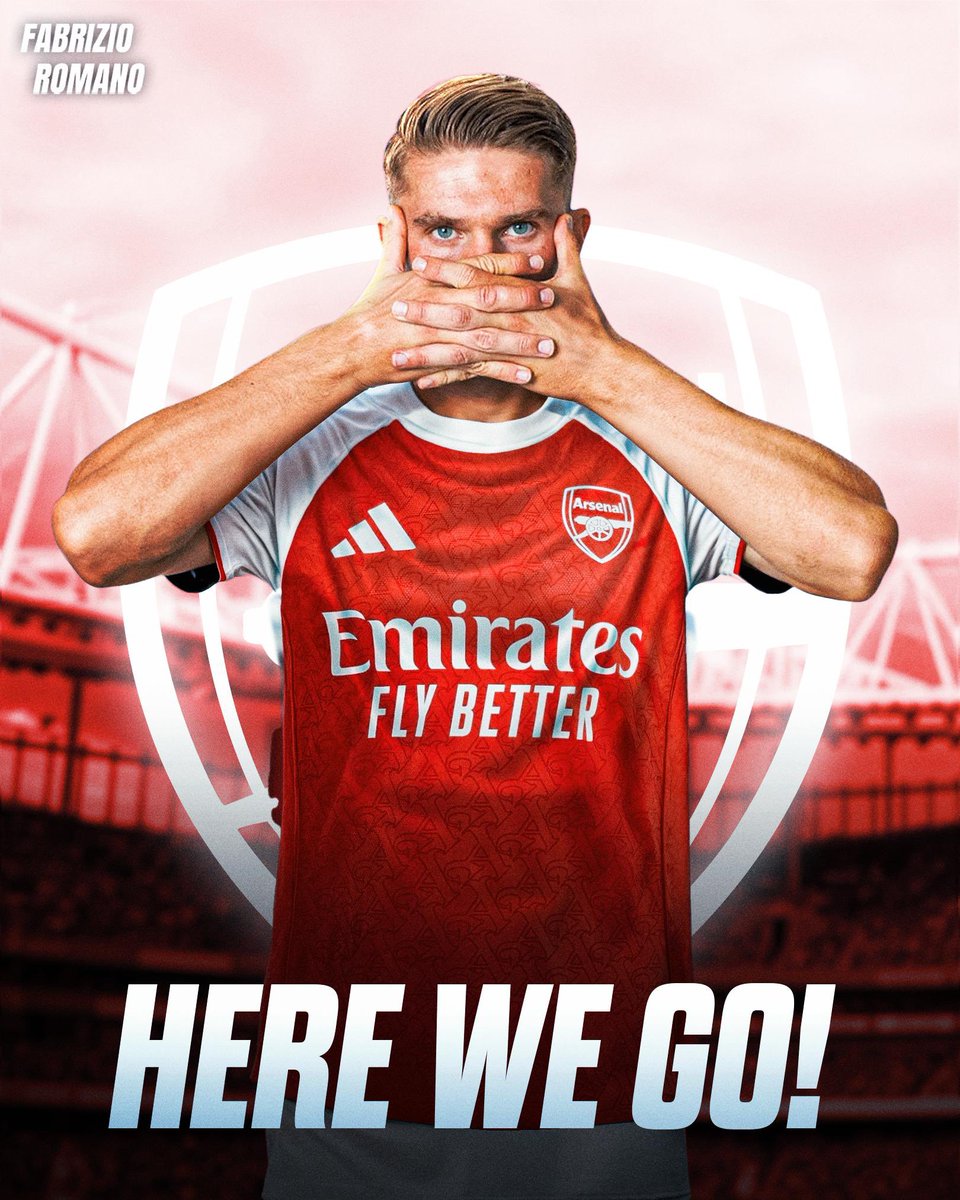
🚨❤️🤍 BREAKING: Viktor Gyökeres to Arsenal, here we go! Verbal agreement in place between all parties involved.
Sporting accept last bid from Arsenal for €63.5m plus €10m, agent will reduce his commission.
Gyökeres will sign five year deal at #AFC. He ONLY wanted Arsenal. 🇸🇪
16,767
51,501
340,750
61,758,870
Kitavi Mutua 🇰🇪 retweeted

15 May 2025
Ruto Angers America:
U.S. concerned over Kenya’s ties with China
Ruto’s comments in Beijing trigger diplomatic tension
U.S. Senator Risch questions Kenya -U.S. relations
Risch: Time to re-evaluate our ties with Kenya
#CitizenTonight @SamGituku
190
248
1,125
109,205
Kitavi Mutua 🇰🇪 retweeted

12 May 2025
The British head of state is an unelected hereditary monarch called Charles Windsor, and he Britiah upper house of parliament (House of Lords) is made up of 800 unelected life members drawn from the UK elite who have the power to introduce legislation and delay bills from the (elected) House of Commons.
The more you step out of the mental cage that colonisers created for you, the more you realise that "democracy" is just a story they have told very successfully - the power structure at the core of their society is NOT democratic, and the core processes that define their societies are guided by elite consensus and NOT 1-man-1-vote.
If African countries have competent leadership that understands and aspires to sovereignty, Africans should learn to completely ignore these white people when they start using their loaded terms like "junta" and "regime" to narratively attack their legitimacy.
Ibrahim Traore has been in power in Burkina Faso since 2022. The House of Windsor has been in power in the UK since 1826, when it was still known by its original German name "House of Saxe-Coburg and Gotha." Before having anything to say about Ibrahim Traore and Burkina Faso, the BBC should first explain to British people why they have spent 199 years under the control of one family and its 800 elite associates from finance, industry, arts & culture, and academia.
They should fix their "junta" at home in Westminster before rubbernecking their long oyibo necks 6,000 km across the Atlantic at a country on another continent. Nobody is buying this nonsense.
11 May 2025

Why Burkina Faso's junta leader has captured hearts and minds around the world bbc.in/4dd50f1
695
7,970
18,515
1,477,321
10 May 2025
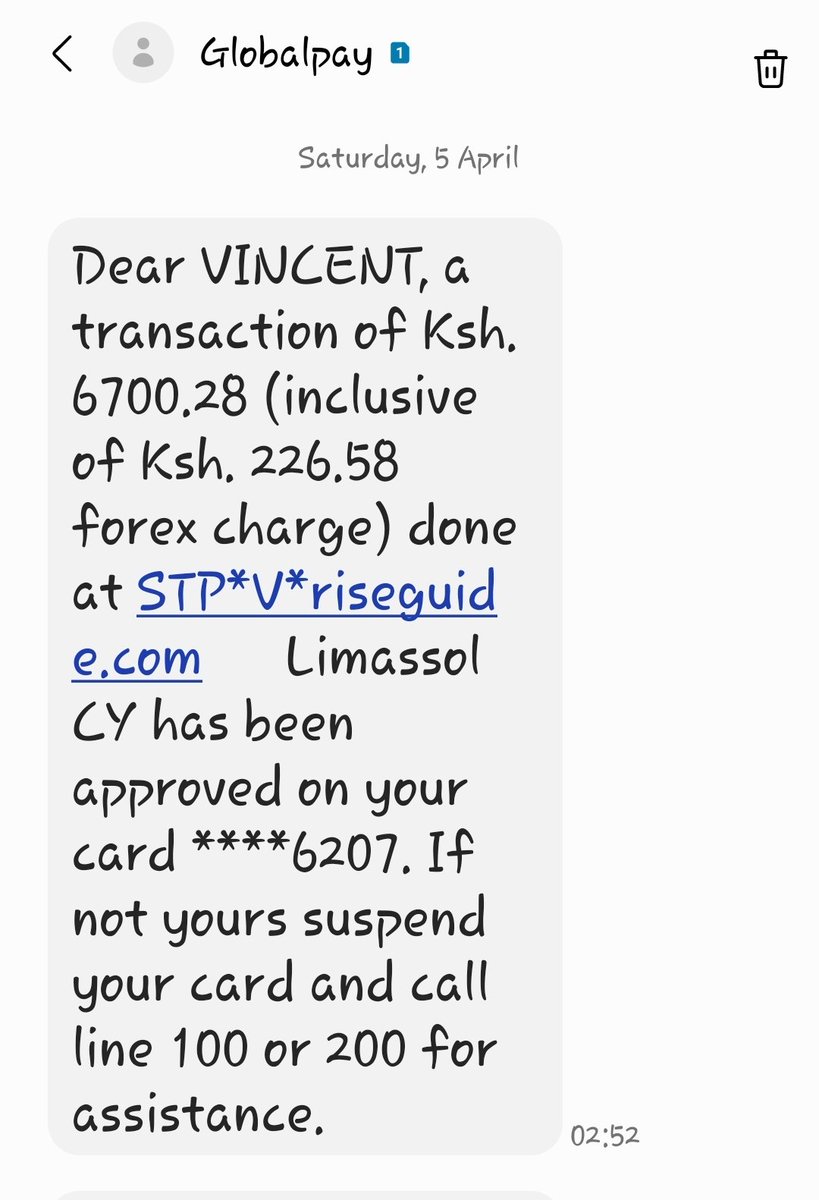
Who will stop these online fraudsters @RiseGuide hacking people's @GlobalPayInc visa cards and emptying mobile wallets? Victims need justice. @DCI_Kenya
@Safaricom_Care @SafaricomPLC @GlobalPayWorld

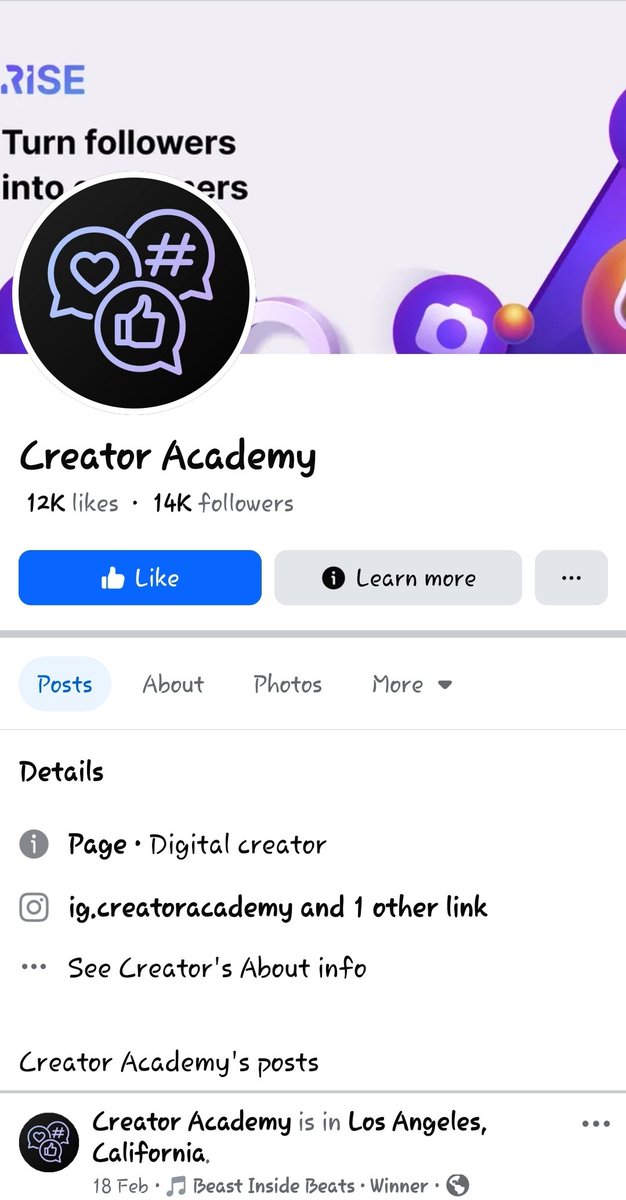
1
192
5 Apr 2025
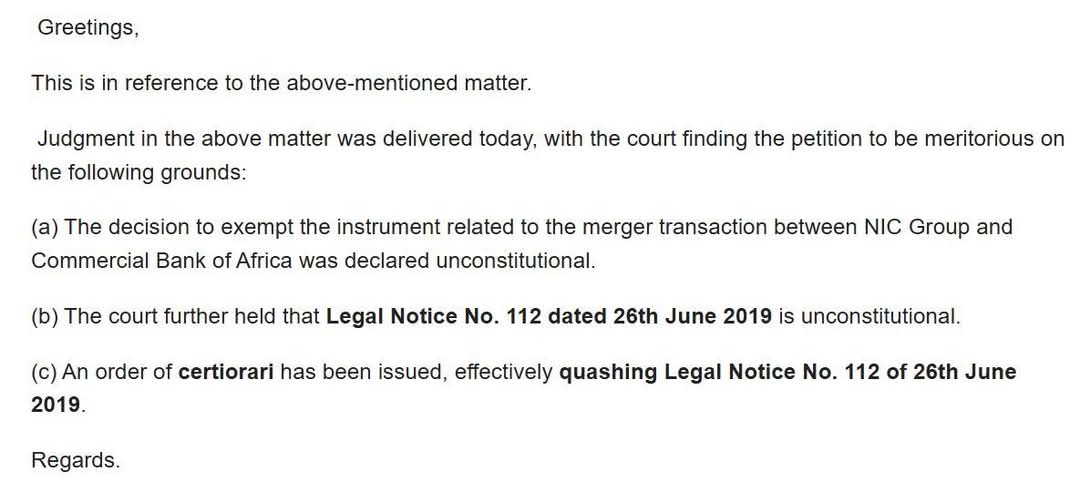
This landmark ruling against @NCBABankKenya. Wacha tu. Senator @OkiyaOmtatah no joke.
1
38
Kitavi Mutua 🇰🇪 retweeted

13 Mar 2025
Told you I deactivated b'coz I was going for a mammogram
My titties just decided to be extremely Painful. Couldn't sleep!
Painkillers, wapi! Nikasema, bas. Breast Cancer ndio hiyo. All symptoms, tick
Turns out, when I left the country for holidays in Dec - mara Rwanda, Uganda, my hormones shook
It was nothing but hormonal imbalance caused by "change of environment" Doc said ☺️
So yah... Women go through confounding bottlenecks. I'll be the last to judge
Still, I seek to disabuse us from one thing - men are NOT intimidated by successful women 👇
This is not even a conversation to have
Look at the most successful women in the world, they have men
President Samia suluhu of TZ is very much married
Forbes 2025 most successful business woman is Hana Al Rostamani of UAE- married with THREE kids
Serena Williams is Goat of women's sports - married with two kids
The PM of Denmark is a woman. Her HUSBAND is a mere film maker
Margaret Thatcher died a married woman, with twins - she's the epitome of modern feminine political power
Rihanna - married to ASAP, a rapper most of us know none of his songs coz he's useless like that
Shida ya average Kenyan woman, the moment she's elected chair of her Chama aka kamweretho, men become useless
Defense CS Soipan left her MCA husband the moment Ruto made her Waziri
Wanga doesn't share her bed with her husband. She's juggled btwn Murang'a Governor and state house deep state
Nakuru Governor anabinjwa na county secretary who's 32. She's 51
Men can be a problem. But we are THE bigger problem
Look at someone like Aoko - drink ntapiga kuliko your Boyz, Ugali nayo I can cook impeccably,
Kizungu ninayo Mingi, Degree sina but Akili ninayo kuliko half of National Assembly
Kiburi 💯, tattoo, check. Sasa is it fair if I start blaming men for my choices yawa?
Tukubali yaishe
132
166
1,178
144,506
Kitavi Mutua 🇰🇪 retweeted

20 Feb 2025
Congenital Incompetence.
20 Feb 2025

Shock, disbelief after Foreign Affairs PS shares CNN deep fake video praising Kenya’s peace effort in Sudan citizen.digital/news/shock-d…
235
1,854
5,892
192,187
26 Dec 2024
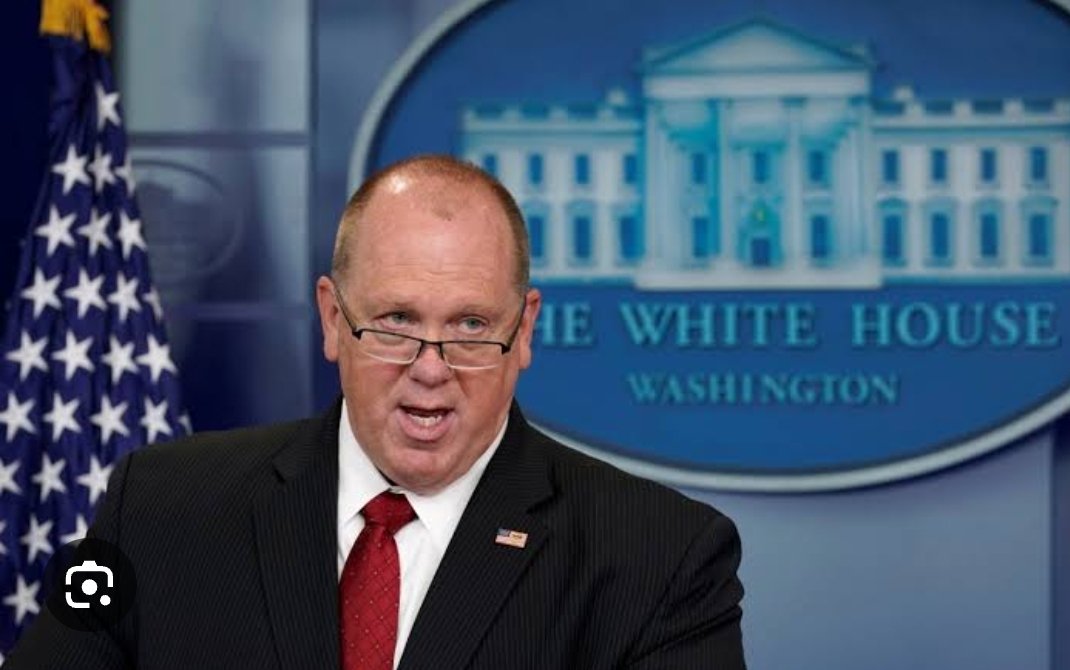
“You knew you were in the country illegally and chose to have a child. So you put your family in that position.” ~ US President elect @realDonaldTrump incoming @WhiteHouse border czar @TomHoman_ @washingtonpost
1
41
Kitavi Mutua 🇰🇪 retweeted

22 Nov 2024
There’s a particular mindset that I find both puzzling and concerning.
Imagine encountering someone whose behavior and track record clearly scream “red flags.” If it’s a man, he might have multiple baby mamas, shows no sense of responsibility, and leaves chaos in his wake. If it’s a woman, she might have a toxic personality, a string of failed relationships, and a tendency to leave emotional wreckage behind. Yet, despite all these glaring signs, some people decide to step in as the self-proclaimed savior.
It’s like walking into a burning building with no fire extinguisher, convinced that your presence alone will put out the flames. But what happens? The fire consumes you instead.
What makes you think you’re so special, so uniquely equipped, that you’ll succeed where everyone else has failed? What gives you the confidence to believe you can fix someone who has no intention of changing their destructive behavior?
And here’s the ironic part: When things inevitably fall apart, these same people run to social media, venting about how relationships are hopeless, toxic, or unbearable. They seek advice, sympathy, or validation, even though the problem was clear from the start. Worse still, when well-meaning advice is given, it’s often dismissed or ignored.
Isn’t it time we stop playing the “messiah” in other people’s chaos and recognize that some problems can’t be solved unless the individual actively chooses to change? Before jumping into someone else’s mess, maybe we should reflect on why we’re drawn to these situations in the first place. Is it naivety? A savior complex? Or simply ignoring the warning signs in favor of wishful thinking?
Accountability begins with acknowledging that not everyone is your project to fix, and sometimes, walking away is the best way to protect your peace.
3
33
81
4,321