
🏄VC: 23 IPOs🤠 @Zoom 's 1st seed; Formative catalyst @BitfuryGroup @Canva; seed @Color @Tweetdeck;🌱 Founding Chair @Hut8corp @IPInfusion @TreasureData
Joined March 2007
- Tweets 20,604
- Following 2,831
- Followers 38,218
- Likes 36,054
1,606 Photos and videos
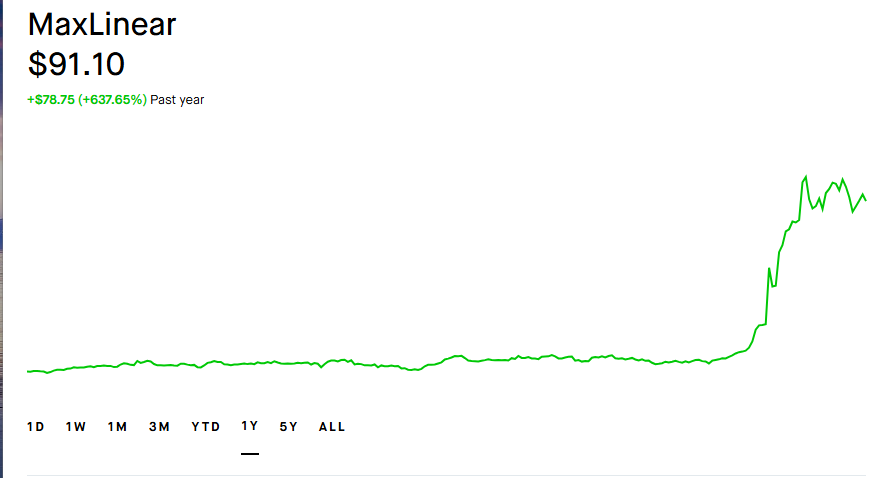

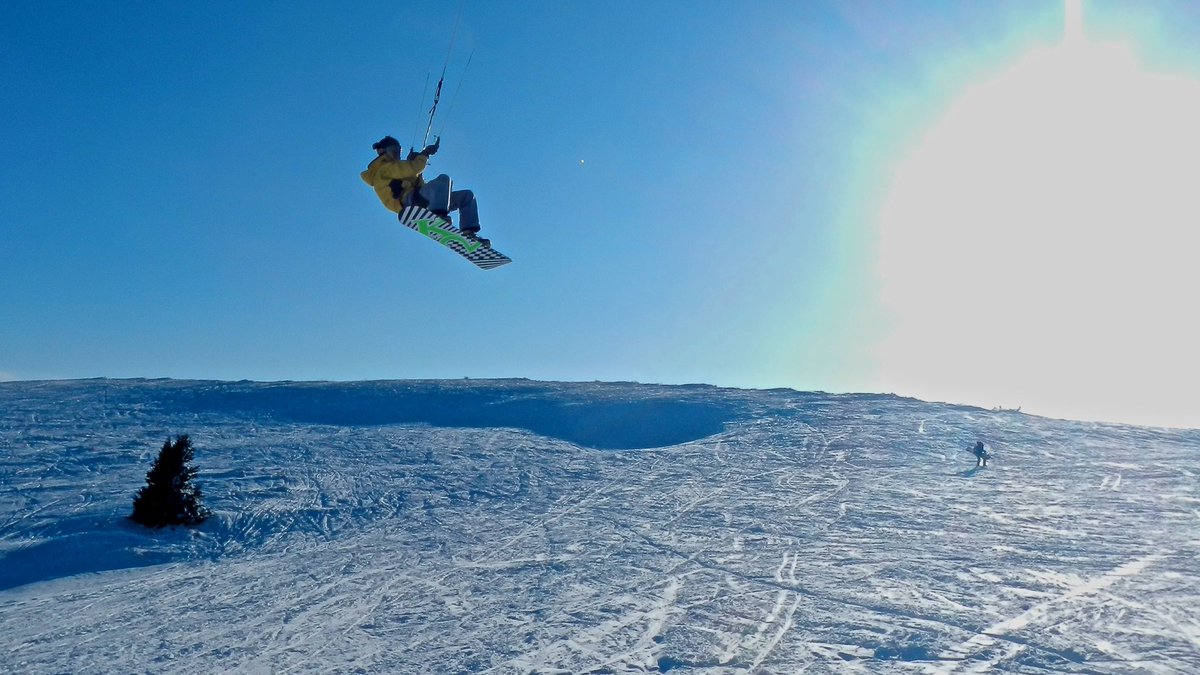
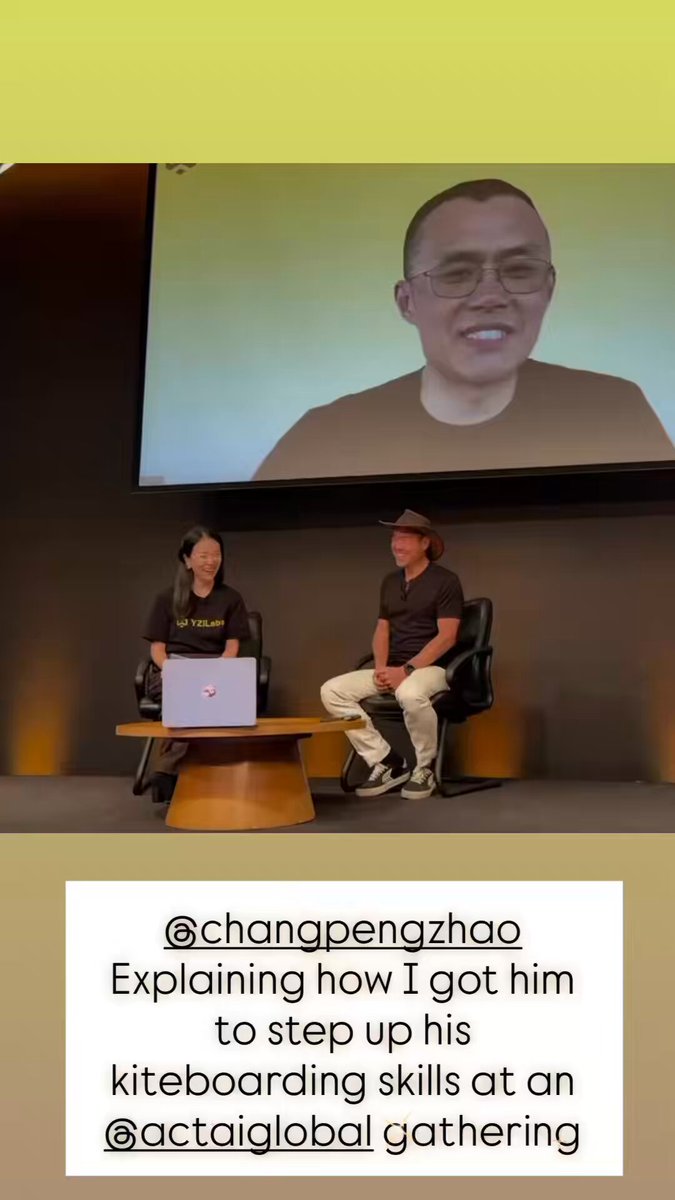
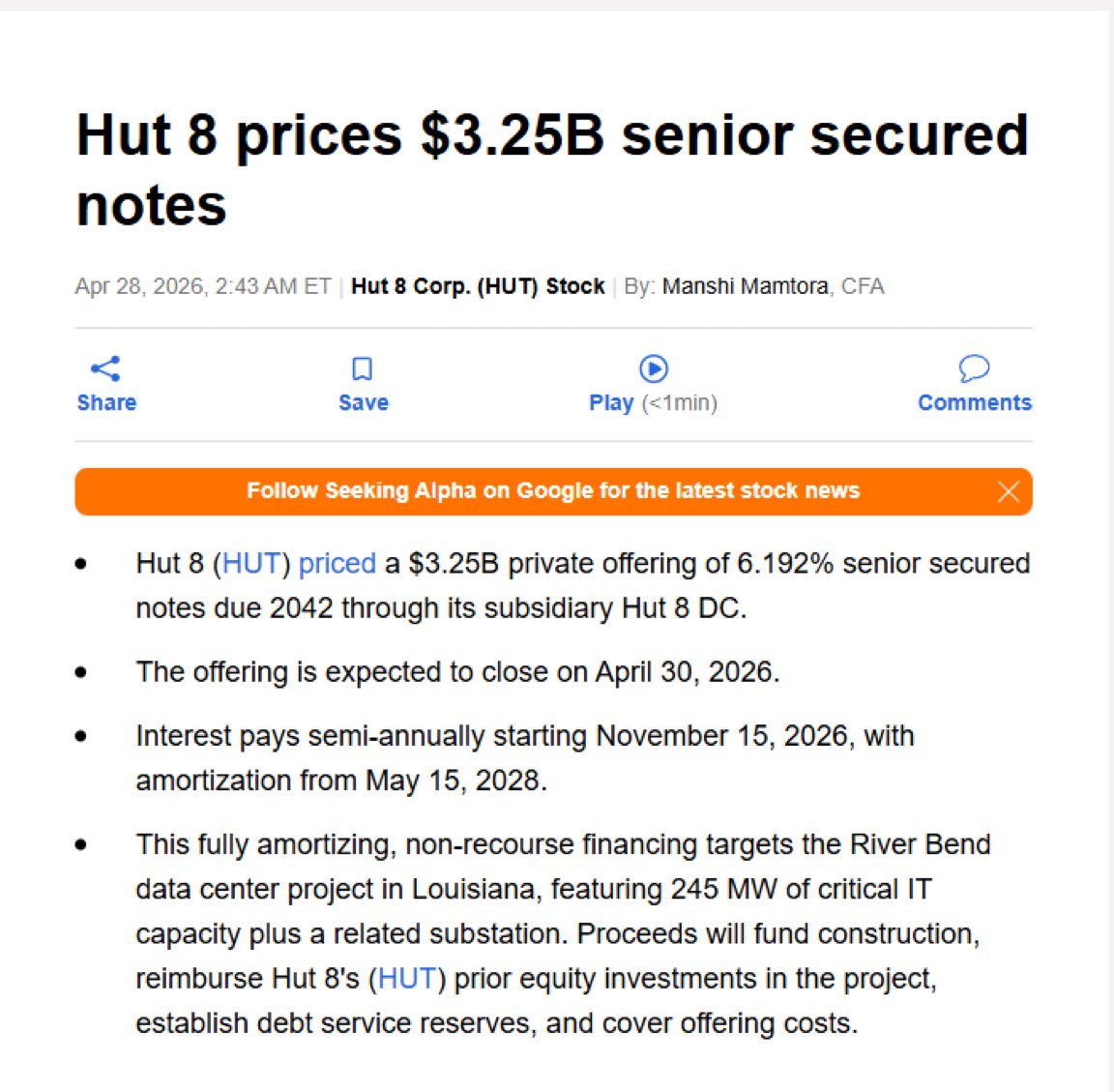
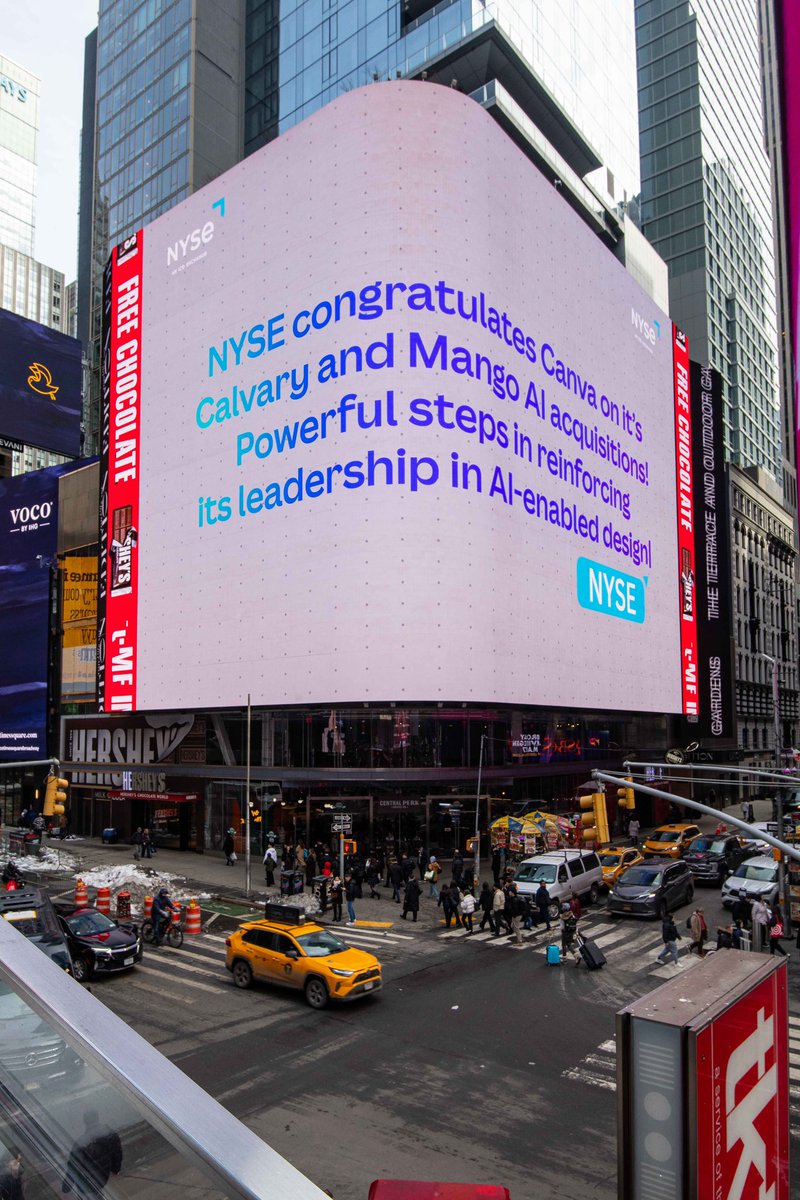
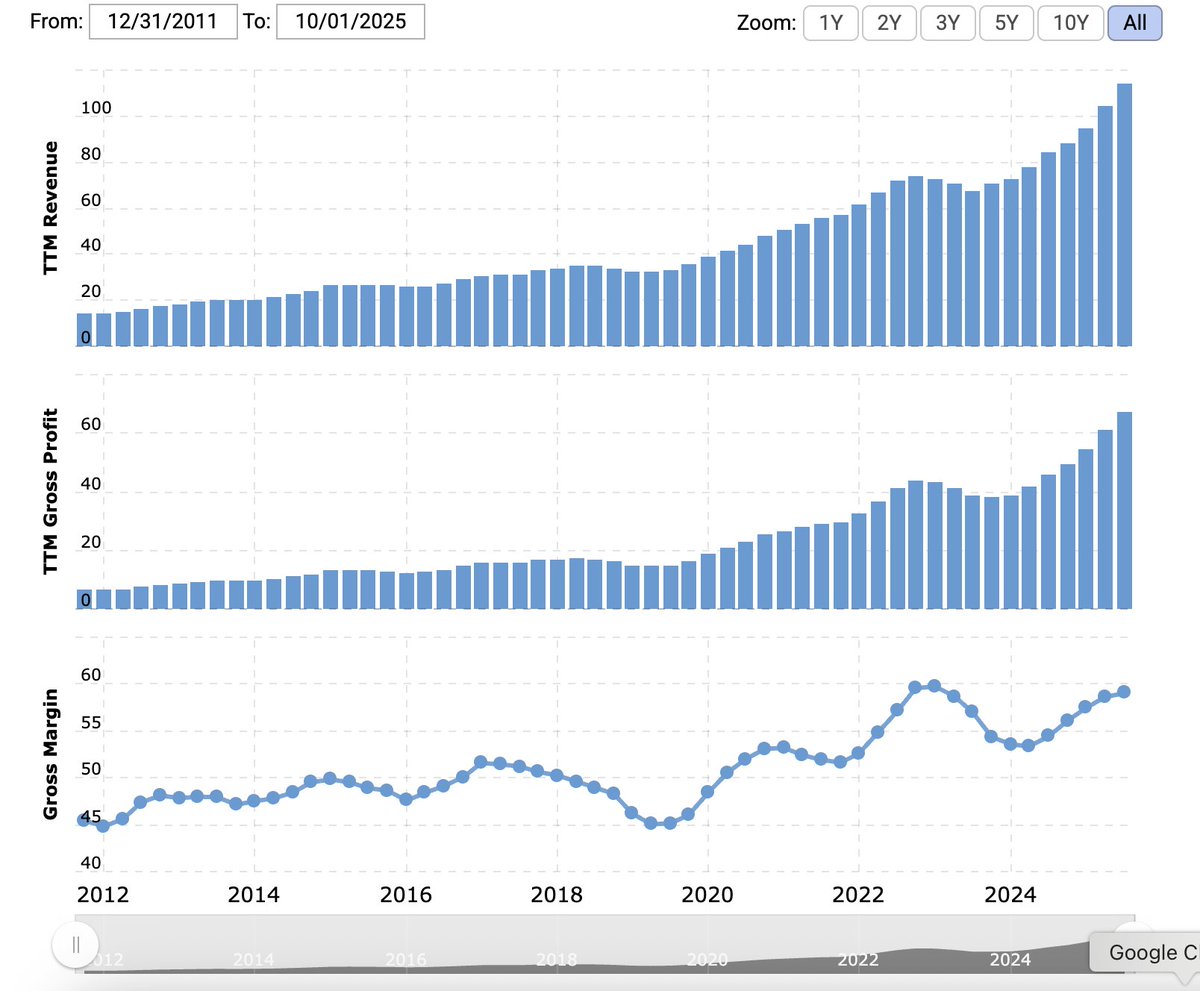

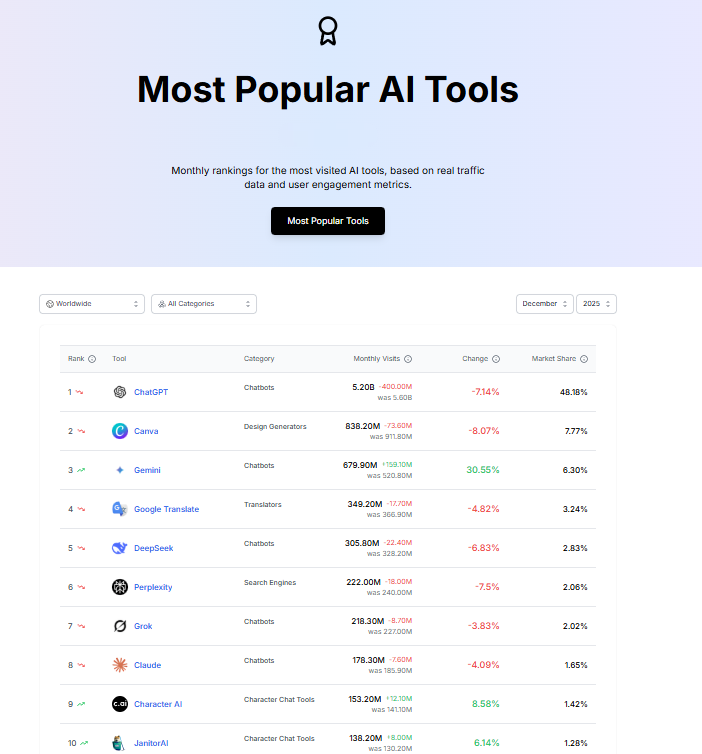
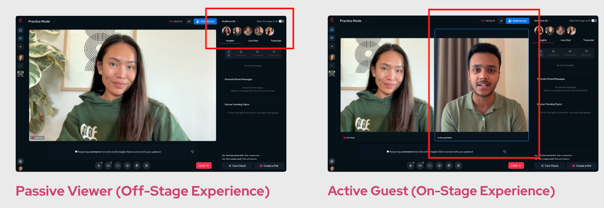
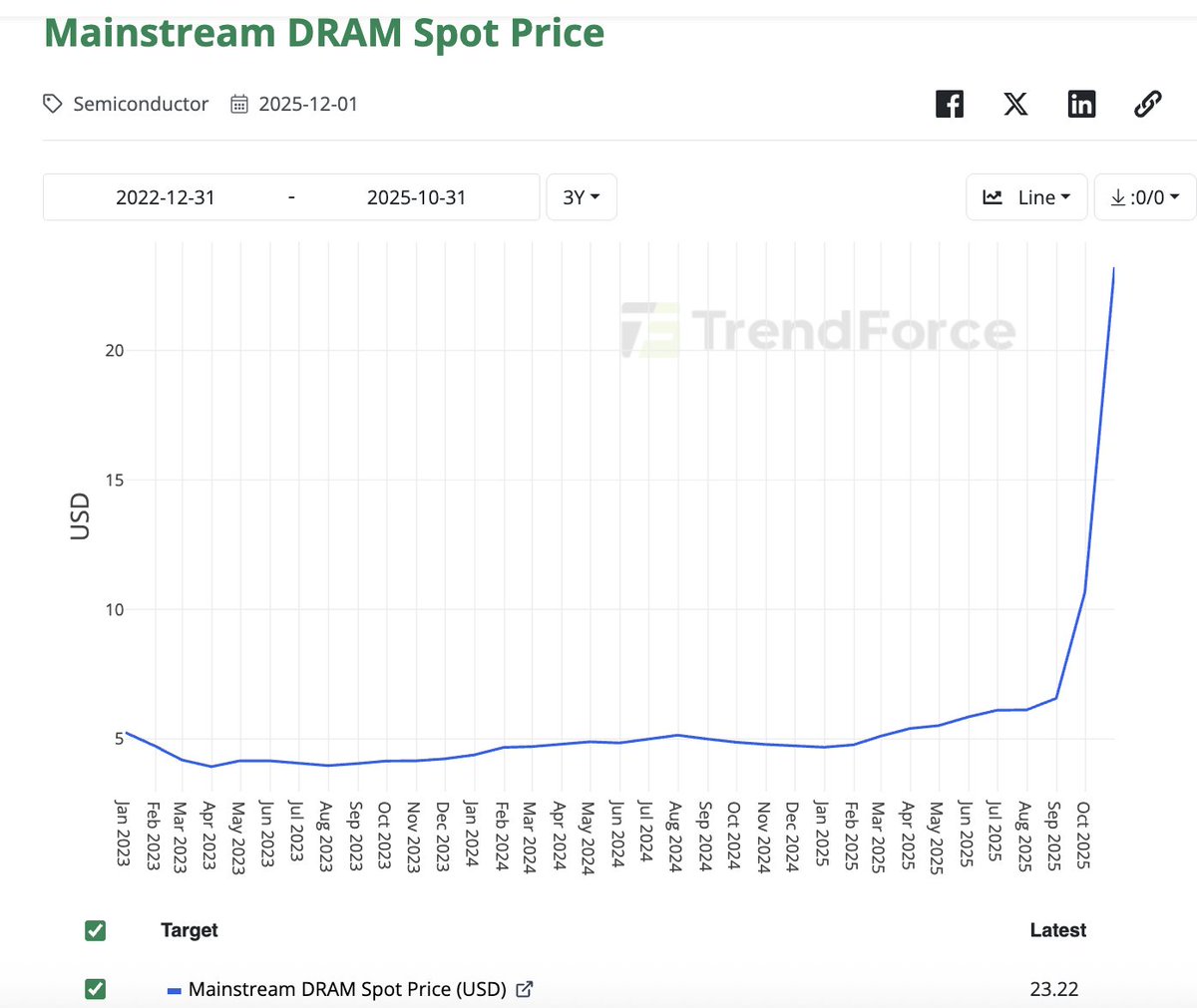
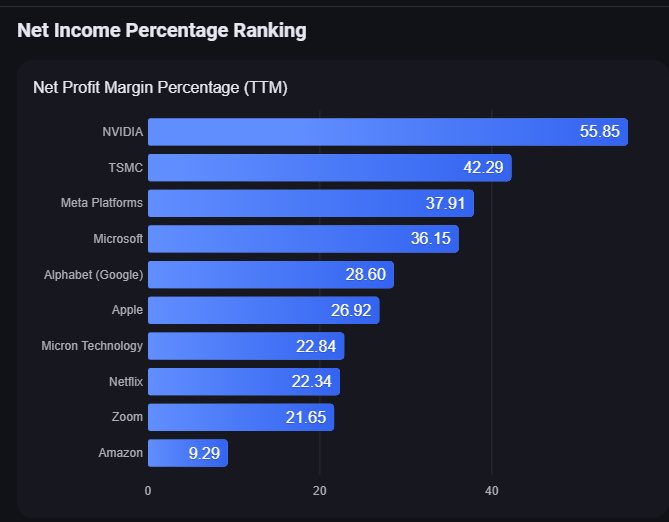

„Energy. Energy is GDP in a world where marginal productivity all comes from bits moving on wires or through the air.“ - @KiteVC
That’s why @Hut8Corp ⚡️
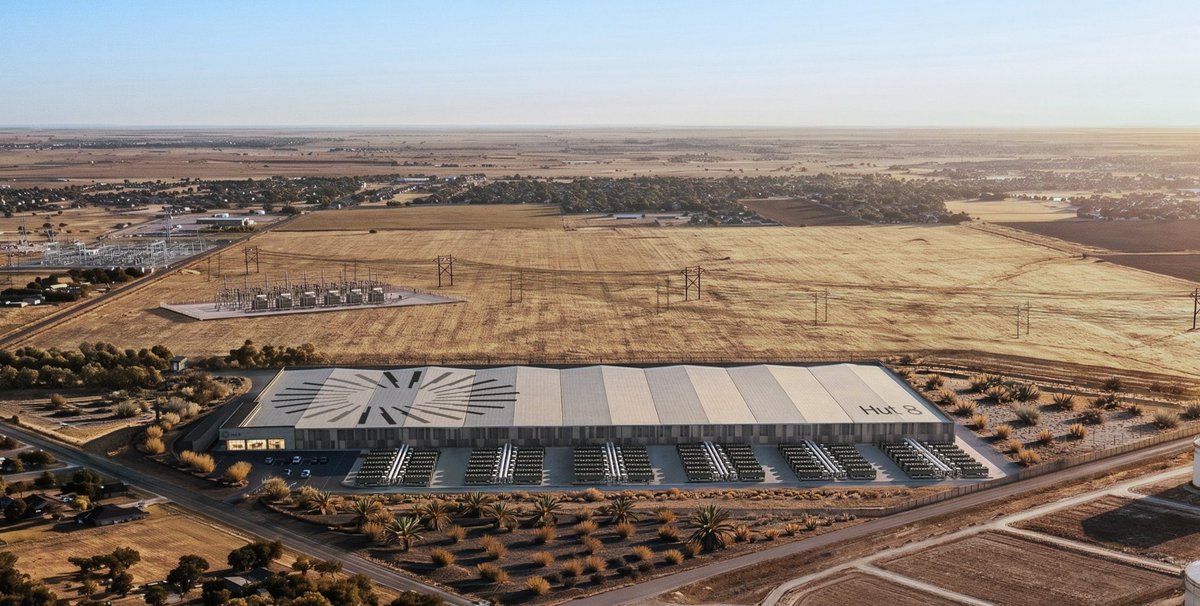

True.
That is why Bitcoin is based on energy: you can issue fake fiat currency, and every government in history has done so, but it is impossible to fake energy.
3
10
615

Interesting in the face of protests against Datacenters and anxious sentiment wrt AI …
Jun 12

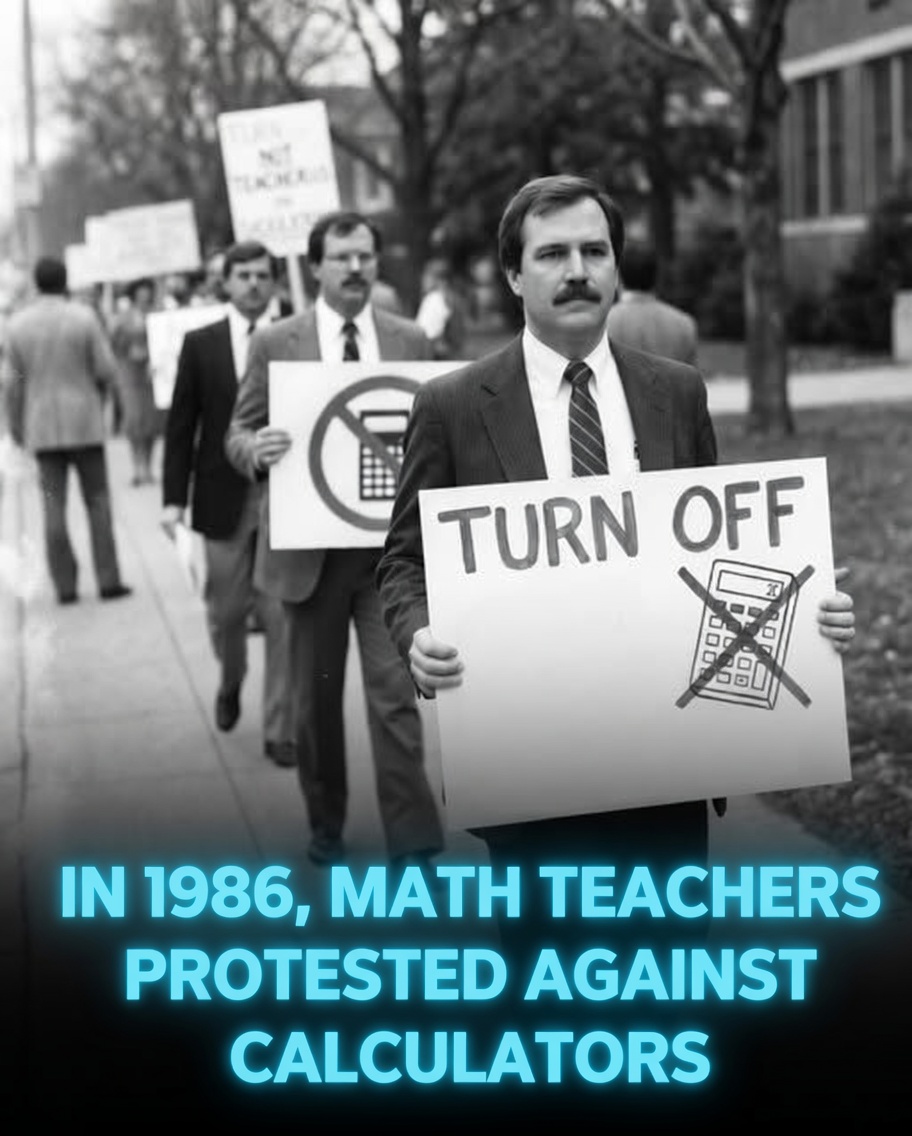
The so-called “calculator riots” of 1986 serve as a powerful reminder that today’s anxieties about artificial intelligence replacing human thinking are far from new.
In April 1986, a determined group of math educators staged a vocal protest outside the National Council of Teachers of Mathematics (NCTM) annual convention in Washington, D.C. Led by influential textbook author John Saxon, demonstrators carried signs declaring, “The Button’s Nothin’ ’Til the Brain’s Trained.”
They were opposing the NCTM’s new recommendation to incorporate electronic calculators into mathematics education at every grade level, including homework and exams.
The protesters worried that reliance on calculators would erode students’ mental arithmetic skills, numerical intuition, and deep conceptual understanding, potentially creating a generation of “calcuholics” overly dependent on machines.
The NCTM countered that calculators would free students from repetitive, low-level calculations, enabling them to tackle more complex problem-solving and higher-order thinking. Ultimately, the debate led to a pragmatic compromise: students would first master core mathematical concepts and mental strategies before using calculators as tools for more advanced work.
This balanced approach allowed technology to enhance, rather than replace, mathematical reasoning.
Today, as schools navigate the rapid rise of generative AI, the 1986 calculator compromise offers a valuable blueprint: prioritize genuine understanding first, then thoughtfully integrate powerful new tools.
1
2
555
Bill Tai retweeted

Jun 12
Thank you, Bill, for helping guide $HUT from a pioneering startup to the platform it is today. Your leadership has been instrumental in shaping our journey, and we’re grateful for your continued involvement.
Welcome, Stan, as Chair of the Board. Your experience leading iconic institutions and your commitment to our vision make this an exciting moment for Hut 8. Looking forward to what we will accomplish together as we continue building a generational business at the intersection of energy and technology. 🚀

HONORED to have Stan O’Neal as our new Chairman! His experience and stature are perfect for us at @Hut8Corp at this stage of our accelerating growth! The future is BRIGHT ! 🚀
4
2
53
7,390
HONORED to have Stan O’Neal as our new Chairman! His experience and stature are perfect for us at @Hut8Corp at this stage of our accelerating growth! The future is BRIGHT ! 🚀

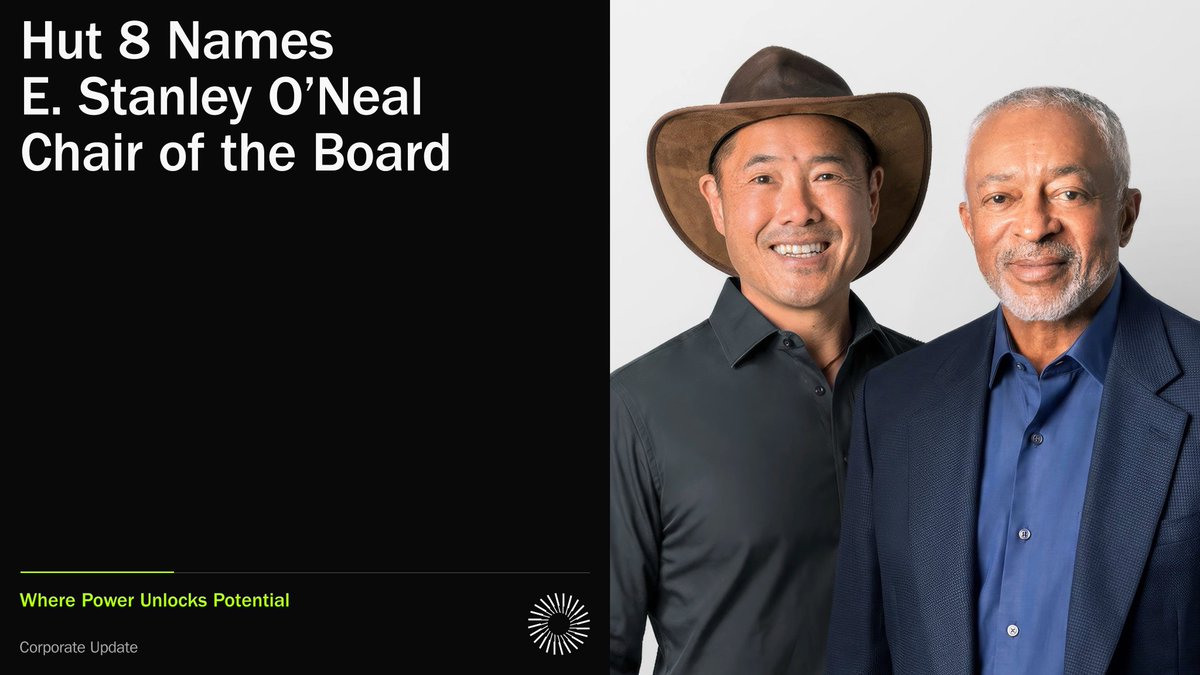
Today, E. Stanley (Stan) O'Neal succeeds Founding Chair Bill Tai as Chair of the Hut 8 Board of Directors.
Bill stewarded Hut 8 through its most formative years, from pioneering startup to institutional platform. He continues to serve on the Board as a director and member of the Nominating and Governance Committee.
Stan has served as an independent director since November 2023, and previously as a director of US Bitcoin Corp. He brings decades of senior executive leadership to the role — including as Chairman and CEO of Merrill Lynch & Co. He assumes the Chairmanship as we continue to build what we believe will become an enduring, generational business at the intersection of energy and technology.
Read the full release: hut8.com/news-insights/press…
3
3
37
19,757

16岁小孩做了个"星链原型",赚了30万美元
他能接收卫星信号,而且这玩意儿在哪儿都能用。
SpaceX想关掉他?人家早有准备。
实现方法说穿了其实不复杂,他全靠Claude就搞定了:
先说明一下,他不是在偷星链的网。
他用的,是SpaceX卫星往外发的无线电"信标",相当于拿这个信号当免费定位系统,在GPS失灵的地方照样能定位置。
每颗星链卫星都在不停往外发信标信号。
你只需要一个小天线锅,再加一个35美元的无线电接收设备,就能接收这些信号。然后通过三颗卫星的三角定位,算出你在地球上任意地方的坐标,就算GPS被干扰或者完全屏蔽了也不怕。
这个思路,美国陆军也在测试。
这小孩把它做成了便携版,卖给了徒步的、跑船的,还有应急队。
具体怎么搞?很简单,分六步走。
第一步:买硬件
RTL-SDR Blog v4 USB接收器,35美元
小号Ku波段抛物面天线,大概50美元
Ku波段LNB下变频器,20美元
树莓派5,8G内存版
偏置T适配器
5000毫安USB电池
全部加起来,大概180美元出头。
第二步:给树莓派装系统
把树莓派系统镜像烧录进SD卡,开机就行。
第三步:装SDR工具
打开终端,敲两行命令:
sudo apt update
sudo apt install rtl-sdr gnuradio python3-numpy
第四步:接线
LNB装在天线锅的焦点位置,LNB连偏置T,偏置T连SDR,SDR通过USB连树莓派。
第五步:让Claude写程序
打开Claude Code,把下面这段话扔进去:
"帮我写个Python程序,用RTL-SDR抓星链卫星的信标信号,用来定位。硬件是RTL-SDR Blog v4加Ku波段LNB加抛物面天线。
要求:扫描Ku波段下行频率抓星链信标,用celestrak网上公开的TLE轨道数据识别每颗卫星,靠至少三颗卫星的多普勒频移算位置,把经纬度和精度显示在小OLED屏上。用pyrtlsdr、skyfield、numpy这几个库,记得加注释方便我调参数。"
第六步:跑程序
树莓派会自动锁定头顶的卫星,然后显示你的坐标,精度大概10到30米。
不用GPS,不用手机信号,也不用联网。
最后,这小孩3D打印了个外壳,打了个牌子叫"徒步水手GPS备份",一台卖899美元,卖出去350台。
一台成本180,利润719。
客户里有野火应急队、丛林飞行员、深山滑雪的、开游艇的。
SpaceX会不会告他?不会。接收公开广播的信标信号是合法的,小孩的律师提前就确认过这一点。
2
3
583
Team @Hut8Corp is EXECUTING!
Honored to be part of the journey!
Hut 8 has closed a $4.25 billion offering of investment-grade senior secured notes for Beacon Point, our second investment-grade data center construction financing following River Bend.
Highlights of the offering include:
- A fully amortizing structure that is non-recourse to Hut 8 and non-dilutive to existing shareholders;
- A Baa2 rating from Moody’s Ratings, one notch above the ratings assigned to the River Bend notes by S&P Global Ratings and Fitch Ratings, and an issuance spread 20 basis points tighter than that of the River Bend notes;
- And a substantially oversubscribed book that broadens Hut 8’s institutional credit investor base.
Together, the financings bring Hut 8’s cumulative project-level, investment-grade data center construction financing to $7.5 billion, reinforcing the repeatability of our financing model and our ability to scale data center development while preserving balance-sheet flexibility.
Read the full release: hut8.com/news-insights/press…
1
6
1,239
Fantastic thread. Great synthesis of the technical elements , throughput vs capacity vs volatility , and the key gating items preventing quick relief of the choke points.
Jun 7

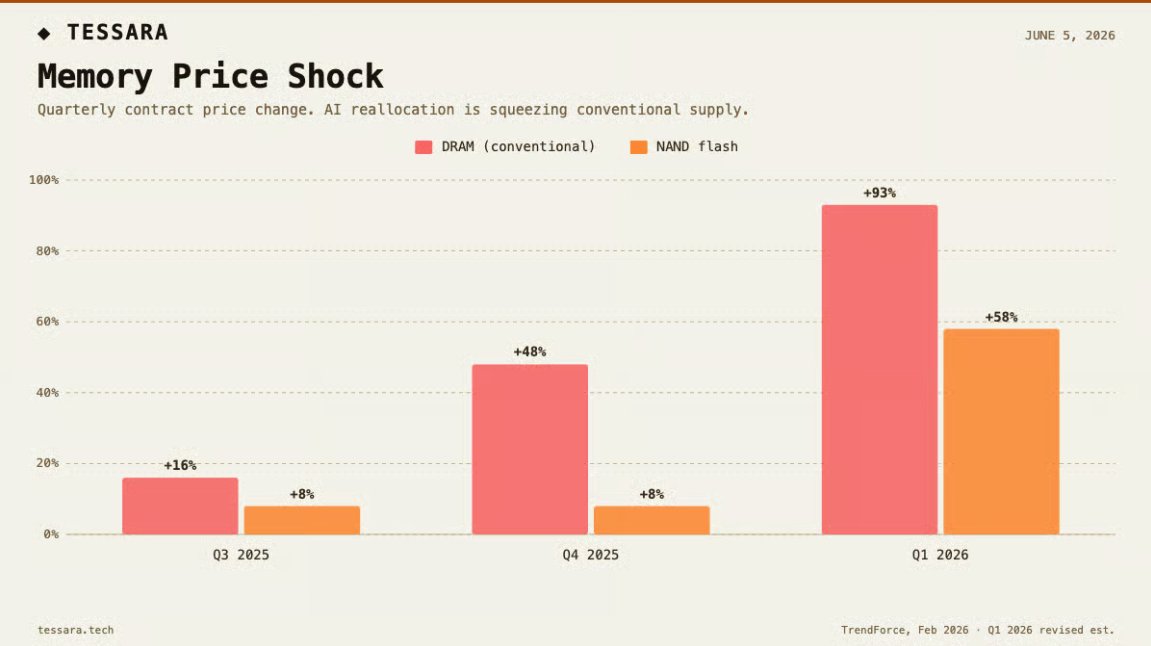
Everyone thinks the AI bottleneck is compute. Well...not exactly.
From the A100 to the B200, compute scaled 8x. Memory bandwidth scaled 4x. Capacity only 2.4x.
The gap between what a chip can calculate & what you can actually feed it is the real wall.
A thread on memory:
1
5
11
4,177

Hut 8 has priced $4.25 billion of investment-grade senior secured notes due 2042. The fully amortizing notes will finance the development and construction of a turnkey data center at our Beacon Point campus, which will comprise six data halls with a combined total of 352 MW of IT capacity.
Read the full release: hut8.com/news-insights/press…
6
17
79
11,224

1
1
2
1,095
Zoom Stock Jumps 11%. Why the Anthropic IPO Is Good News for the Video Calling Company.
By Kit Norton
Follow
June 01, 2026, 12:49 pm EDT
barrons.com/articles/zoom-st…
My old numbers were off as I did not factor in all the dilution from additional rounds.. but still its a whopper of a holding for @Zoom
Fun fact. @Zoom ($ZM ) invested $51M into @AnthropicAI in 2023.
At the last round of $380B it’s around a 78x.
At current aftermarket of $1T for @AnthropicAI it around 223x or an $11B holding.
At $ZM market cap of $26B; with ~$9B cash and ~$11B of liquid (and rising) holding of solana:Pren1FvFX6J3E4kXhJuCiAD5aDmGEb7qJRncwA8Lkhw
Net of cash and holdings market cap is around $5-$6B.
$ZM is roughly a $5B revenue company w ~$1.7B FCF
1-1.1x sales (net of cash and holding)
~3X net cash flow.
I need to double check these numbers as they seem totally illogical. Maybe I made a mistake!
1
4
1,195
Bill Tai retweeted

May 31
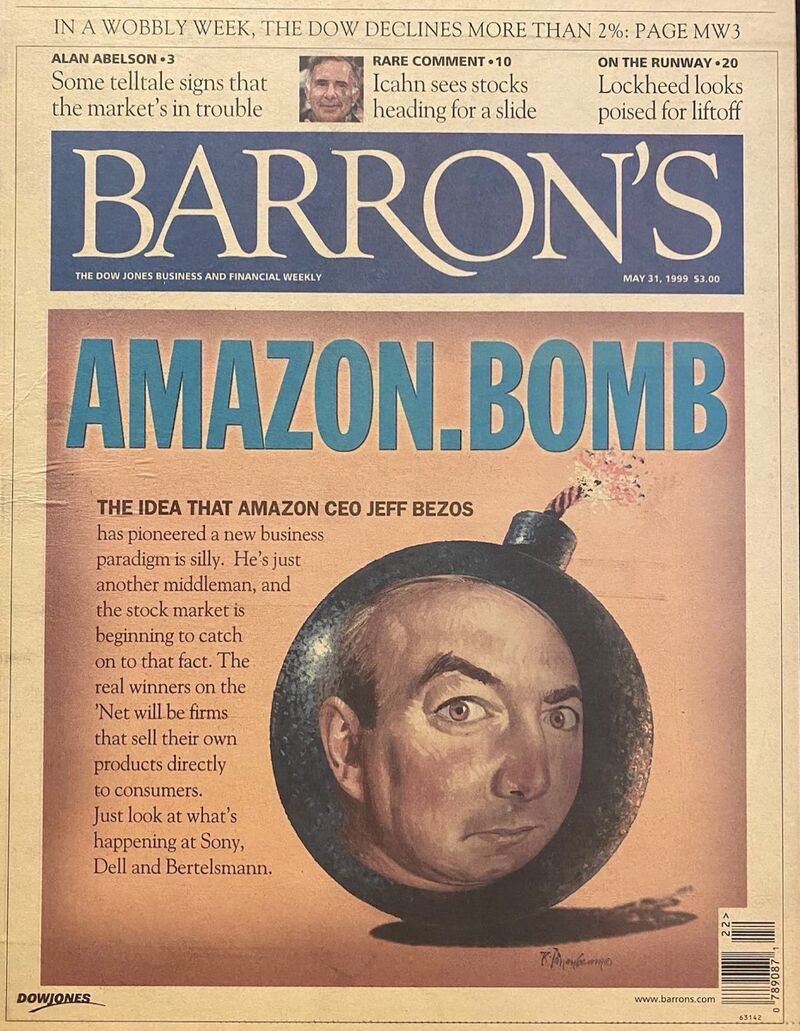
A story published on this day in 1999.
Amazon’s stock is up 9,000% since.
51
158
1,104
185,865
🙏❤️🙏

A life is measured less by what it accumulates than by what it creates.
Companies.
Communities.
Friendships.
Opportunities.
The highest form of leverage isn’t capital. It’s the ability to bring exceptional people together around meaningful ideas.
Few have embodied that more consistently or more generously than Bill.
Grateful for the friendship, wisdom, adventures, and the countless lives he’s touched along the way, including my own.
Happy Birthday, Bill @KiteVC ✨
2
11
949
Bill Tai retweeted

May 29
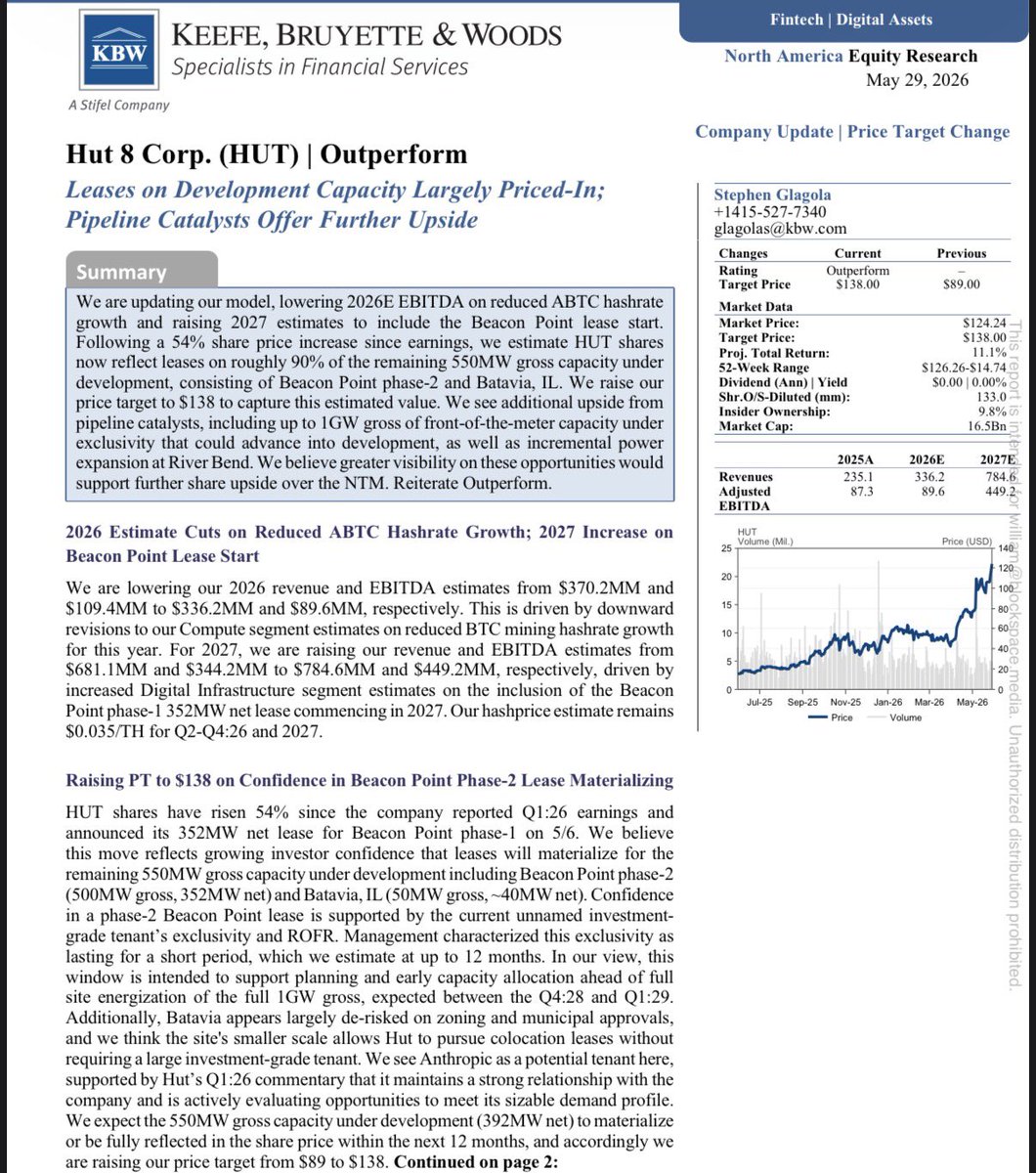
Keefe, Bruyette & Woods raises $HUT price target to $138 from $89 and assigns an Outperform rating on shares
Hut 8 in the last two months:
• Stock 158%
• 15yr/$9.8B hyperscaler lease
• Cosed $3.25B of investment grade senior secured notes
May 27

$HUT CEO @ashergenoot says their Beacon Point site in Texas is one of the most power dense datacenter buildings in the world.
"Nvidia actually wanted us to share they were design partner on this campus because of how exciting and innovating it is"
@Hut8Corp @nvidia
2
6
22
4,892
Bill Tai retweeted
May 27
$HUT CEO @ashergenoot says their Beacon Point site in Texas is one of the most power dense datacenter buildings in the world.
"Nvidia actually wanted us to share they were design partner on this campus because of how exciting and innovating it is"
@Hut8Corp @nvidia
2
9
38
8,516
It took great leadership to get us all there!
Kudos
@rftylerpage @CipherInc
@ashergenoot @Hut8Corp
For making this happen!
And of course ; thank you @ValVavilov and @BitfuryGeorge and @BitfuryGroup …. WHAT A DECADE it’s been !
Documented here: amazon.com/Then-You-Win-Star…
May 27

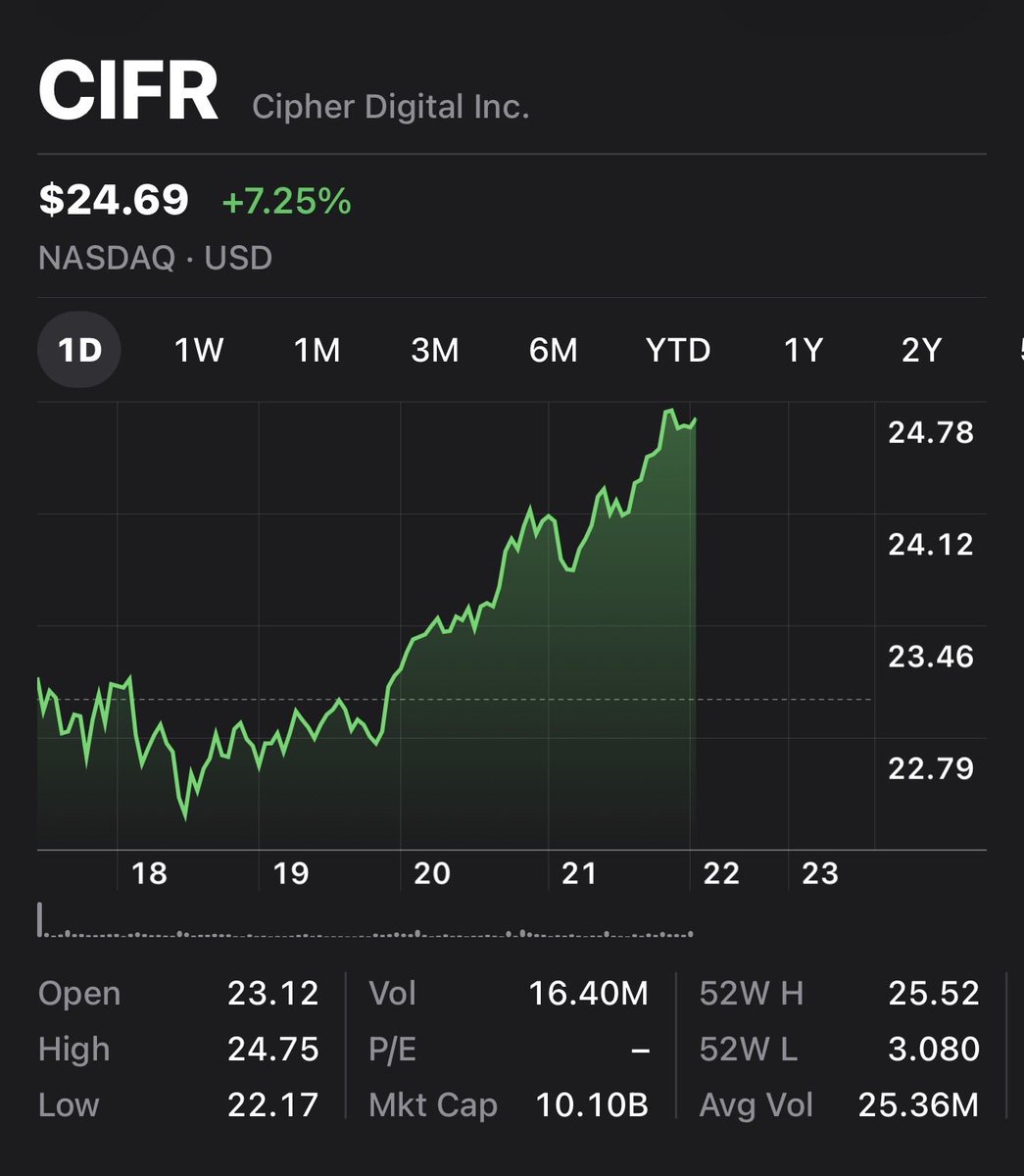
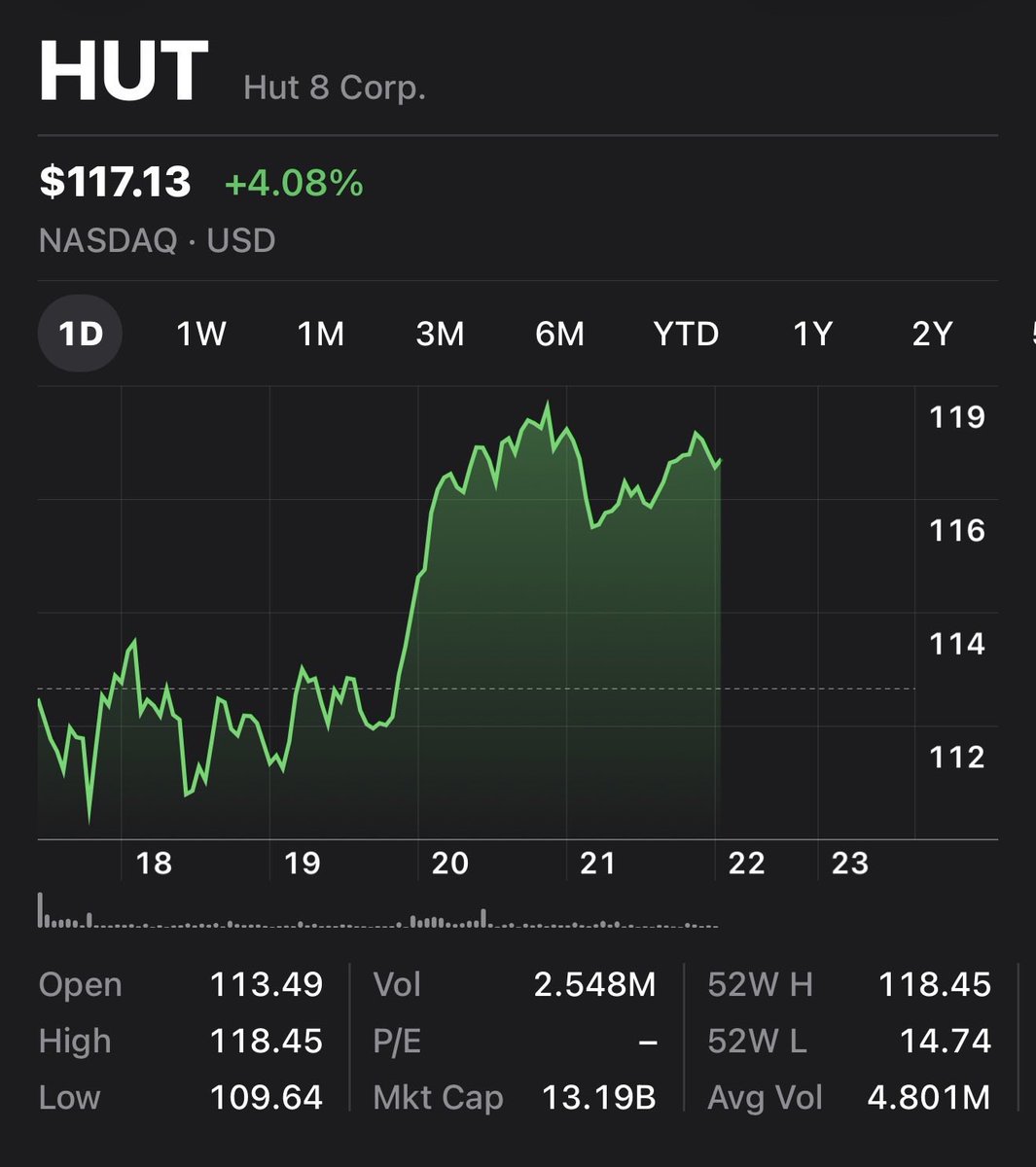
I promised once our incubated companies Bitfury USA a.k.a $CIFR and Bitfury Canada a.k.a. $HUT would BOTH become DECACORNS I would make the tweet. WHAT a RIDE! Congrats to outstanding leadership by @rftylerpage and @ashergenoot and their respective teams. Next Stop - HECTACORN 🚀
1
3
6
1,145
Bill Tai retweeted

May 22
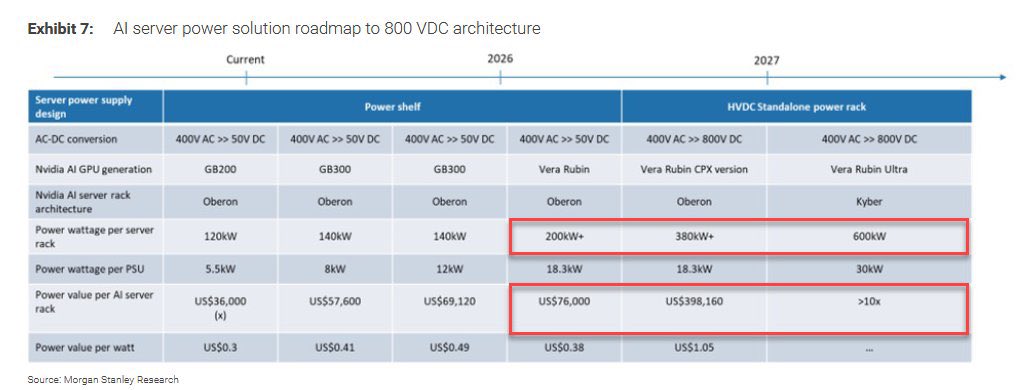
Everyone is focusing on the soaring memory cost in the Vera Rubin rack. But the real shocker in this Morgan Stanley slide is actually power, because the industry is now talking about moving from roughly 120kW per rack today toward potentially 600kW per rack by the Vera Rubin Ultra generation in 2027, which is an almost unimaginable escalation in power density within an incredibly short period of time.
To put this into perspective, many traditional enterprise datacenters historically operated at only a few kilowatts per rack, while even modern hyperscale campuses today often consume only tens of megawatts in total facility power draw. But once you begin deploying hundreds or thousands of 600kW AI racks simultaneously, the math becomes almost absurd because a large-scale Vera Rubin Ultra cluster could eventually consume gigawatts of electricity, effectively rivaling the energy demand of a mid-sized city.
And this is where the market still massively underestimates the second-order implications of the AI boom, because the bottleneck is no longer simply semiconductors, GPUs, or memory supply. The bottleneck increasingly becomes electricity itself.
The US power grid can barely keep up with current AI infrastructure demand already, while transmission congestion, transformer shortages, substation constraints, cooling limitations, permitting bottlenecks, and aging grid infrastructure are becoming increasingly visible across major datacenter hubs. Importantly, grid infrastructure cannot scale at semiconductor speed. You can accelerate chip production with enough capital expenditure and engineering talent, but building transmission lines, substations, generation capacity, cooling systems, and interconnection approvals often requires many years due to environmental reviews, local opposition, labor shortages, and physical construction constraints.
This is precisely why we continue believing the AI buildout is not a two-to-three-year investment cycle, but instead a decade-long industrial transformation that increasingly resembles the buildout of railroads, electricity networks, and telecom infrastructure during previous industrial revolutions.
And this is also why energy infrastructure is quietly becoming one of the most important and underappreciated AI trades globally.
The winners are no longer just GPU companies. The winners increasingly include utilities like Constellation Energy and Vistra, nuclear-related plays like Oklo and NuScale Power, gas infrastructure companies like Kinder Morgan and Williams Companies, grid and electrical equipment suppliers like GE Vernova, Eaton, Schneider Electric, and Vertiv, as well as transformer, cooling, and datacenter infrastructure providers that now sit directly inside the physical backbone required to support next-generation compute.
Hyperscalers themselves are starting to understand this reality. Companies like Microsoft, Amazon, Alphabet, and Meta are no longer simply software companies buying servers. They are increasingly becoming quasi-energy infrastructure companies because securing long-duration power availability is becoming strategically inseparable from securing compute capacity itself.
That is why nuclear power is quietly returning to the center of the conversation. Hyperscalers may eventually fund or directly partner on nuclear generation projects out of pure necessity because renewable intermittency alone cannot reliably support ultra-high-density AI clusters operating continuously at scale.
In many ways, AI is beginning to collide with physical reality. You cannot run trillion-dollar next-generation compute infrastructure on transmission systems and grid architectures that were largely built decades ago for a completely different industrial era.
The semiconductor story may have started the AI race, but energy infrastructure may ultimately determine who wins it.
36
145
799
225,747
Bill Tai retweeted

May 21
Please do a quick read of this. It’s short, well written, and will remove a bit of wool from over your eyes.

1,951
3,425
23,378
3,631,402
Bill Tai retweeted

May 21
One of the most beautiful versions of Hotel California I have ever heard. It's magical.😱
🎶The Eagles - Hotel California - | Moyun
350
4,976
17,848
684,041
May 19

Stanford Blockchain Accelerator Cohort 8 ships Demo Day on May 26.
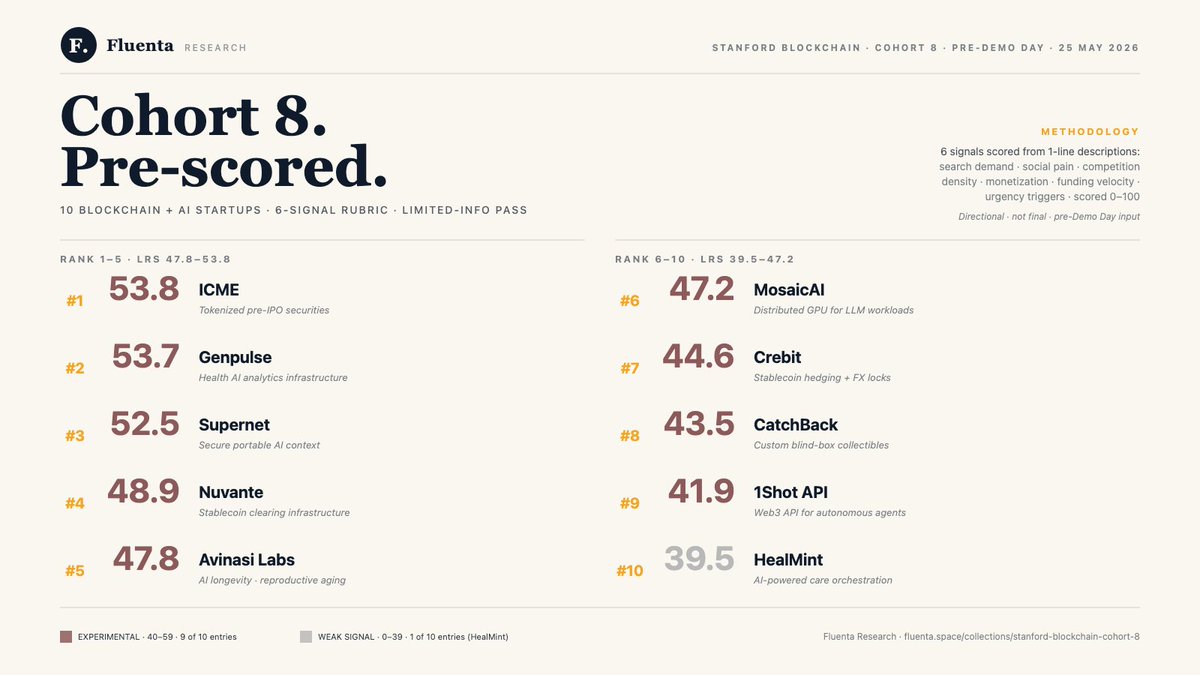
The accelerator pre-announced 10 projects with 1-line descriptions each. We ran our standard 6-signal validation rubric over those descriptions — directional, not final, but useful pre-Demo Day reading.
The 10, by Launch Readiness Score:
→ ICME — 53.8 (tokenized pre-IPO securities)
→ Genpulse — 53.7 (health AI analytics infrastructure)
→ Supernet — 52.5 (secure portable AI context)
→ Nuvante — 48.9 (stablecoin clearing infrastructure)
→ Avinasi Labs — 47.8 (AI longevity / reproductive aging)
→ MosaicAI — 47.2 (distributed GPU for LLM workloads)
→ Crebit — 44.6 (stablecoin hedging FX locks)
→ CatchBack — 43.5 (custom blind-box collectibles)
→ 1Shot API — 41.9 (Web3 API for autonomous agents)
→ HealMint — 39.5 (AI-powered care orchestration)
9 of 10 in EXPERIMENTAL band. 1 in WEAK SIGNAL. Universal pattern across 9 of 10: our rubric flagged "narrow-vertical wedge" as the strongest moat play — in crowded blockchain AI categories, distribution depth beats horizontal coverage.
Per-project specifics, if we had 5 more minutes with each team:
ICME (53.8) — Strongest funding monetization combo in the lineup. Securitize is the incumbent — $660M raised, broker-dealer licensed. That license is a 5-year moat you can't out-spend. Pick ONE secondary-market vertical (employee secondaries / founder secondaries / pre-IPO seed) and own the workflow end-to-end.
Genpulse (53.7) — Highest search demand of the 10. Tempus owns broad oncology at $5B . Pick a sub-vertical where Tempus is weak: women's health data infrastructure, rare-disease cohort analytics, wearables → clinical pipeline. HIPAA data-plumbing pain on r/HealthTech is the wedge.
Supernet (52.5) — BURNING social pain (25/30) HOT funding. Risk: BigTech (Anthropic Skills, OpenAI Memory) bundles caching into their own products within 12 months. Moat must be multi-vendor context portability, not better caching alone.
Nuvante (48.9) — Only project our rubric flagged as FinTech & Payments. Circle owns US-EU corridors via USDC reserves. Pick ONE underserved corridor with regulatory clarity: USDC→BRL via Pix, USDC→PHP for remittances, USDC→NGN for SMB invoices.
Avinasi Labs (47.8) — One of 2 of 10 to get a full "proceed" verdict. Altos Labs has $3B, Calico has Google. Defensible angle: build the reproductive-aging data infrastructure that lets 100 longevity startups operate compliantly. Picks-and-shovels, not 101st clinical brand.
MosaicAI (47.2) — BURNING social pain tied with Supernet. Together AI owns inference. Compete on model-parallel — fine-tuning training where Together is weak. Funding only WARM (5.5/10) means window is closing.
Crebit (44.6) — Funding HOT, demand LUKEWARM. Investor signal ahead of buyer signal. Real ICP: non-crypto-native SMBs doing international invoicing, not crypto traders. Reframe: "lock your FX rate for free" not "DeFi hedging."
CatchBack (43.5) — Funding HOT, urgency 2.2/10 (lowest in cohort). Capital believes; market clock hasn't started. Pivot: brand-licensed merch infrastructure (Bandai / Disney / MrBeast license through CatchBack) beats D2C in low-urgency markets.
1Shot API (41.9) — Only project where funding hasn't followed (3.5/10 COOL). Alchemy ($3.5B), Infura, QuickNode own RPC. Compete on agent-readable transaction simulation intent parsing, not RPC infrastructure.
HealMint (39.5) — Only WEAK SIGNAL entry. Care orchestration owned by Epic, Tempus, and Olive AI's $4B graveyard. Survivors are vertical: Maven for women's health, Hinge for MSK, K Health for primary care. Pivot recommendation: pick ONE care vertical with payor alignment, or rebuild more constrained.
Methodology note: these scores are from 1-line public descriptions, not full product pages. Directional, not final. Each cohort founder has data we don't — pre-existing partnerships, traction, technical depth our rubric can't see from a tagline.
For the 10 cohort-8 founders: the full X-Ray report we already generated for your project is yours to claim. Each report includes:
→ The full 6-signal breakdown with reasoning per signal (your actual sub-scores)
→ 10 named direct competitors with their public pricing anchors
→ 3 business model paths with full unit economics — CAC, ARPU, gross margins, year-1 revenue projections, deal cycle, LTV:CAC ratios
→ 30 ICP pain quotes pulled from Reddit, HN, IndieHackers, Quora — with source URLs you can cite in your pitch deck
→ Funding momentum analysis with recent rounds in the category
→ Keyword targeting with KD scores for SEO and SEM
→ A week-by-week first-100-customers playbook with named subreddits, and communities for cold reach
Plus 30 days of full Fluenta access to score variants and adjacent ideas.
Full per-project breakdown lives in our Stanford Blockchain · Cohort 8 collection at fluenta.space.
Looking forward to Demo Day on May 26.
Tagging the teams below in case you want to grab your report. No hidden subscription, no signup gate — the analysis is already done, the file is yours to pick up. DM here or email hello@fluenta.space and we'll send it same-day.
Stanford community: @StanfordSBA · @stanfordcrypto · @Stanford
Leadership: @elkun_peng · @gilswrld · @swillinger
Cohort 8 teams:
→ @icme_xyz · @KiteVC
→ @GenpulseAI · @FIFI_BA0
→ @Supernet_AI · @jbruce
→ @nuvanttech
→ @avinasilabs · @KejunYing · @WinnieQQiu
→ @catchback_cards · @sohan_zhang
→ @1shotapi · @TtheBC01
→ MosaicAI · Crebit · HealMint — drop us a line if you're reading this and we'll get you set up
— Fluenta Research · fluenta.space
#StanfordBlockchain #BlockchainAccelerator #DemoDay
1
4
775
Bill Tai retweeted

May 19
Stanford Blockchain Accelerator Cohort 8 ships Demo Day on May 26.
The accelerator pre-announced 10 projects with 1-line descriptions each. We ran our standard 6-signal validation rubric over those descriptions — directional, not final, but useful pre-Demo Day reading.
The 10, by Launch Readiness Score:
→ ICME — 53.8 (tokenized pre-IPO securities)
→ Genpulse — 53.7 (health AI analytics infrastructure)
→ Supernet — 52.5 (secure portable AI context)
→ Nuvante — 48.9 (stablecoin clearing infrastructure)
→ Avinasi Labs — 47.8 (AI longevity / reproductive aging)
→ MosaicAI — 47.2 (distributed GPU for LLM workloads)
→ Crebit — 44.6 (stablecoin hedging FX locks)
→ CatchBack — 43.5 (custom blind-box collectibles)
→ 1Shot API — 41.9 (Web3 API for autonomous agents)
→ HealMint — 39.5 (AI-powered care orchestration)
9 of 10 in EXPERIMENTAL band. 1 in WEAK SIGNAL. Universal pattern across 9 of 10: our rubric flagged "narrow-vertical wedge" as the strongest moat play — in crowded blockchain AI categories, distribution depth beats horizontal coverage.
Per-project specifics, if we had 5 more minutes with each team:
ICME (53.8) — Strongest funding monetization combo in the lineup. Securitize is the incumbent — $660M raised, broker-dealer licensed. That license is a 5-year moat you can't out-spend. Pick ONE secondary-market vertical (employee secondaries / founder secondaries / pre-IPO seed) and own the workflow end-to-end.
Genpulse (53.7) — Highest search demand of the 10. Tempus owns broad oncology at $5B . Pick a sub-vertical where Tempus is weak: women's health data infrastructure, rare-disease cohort analytics, wearables → clinical pipeline. HIPAA data-plumbing pain on r/HealthTech is the wedge.
Supernet (52.5) — BURNING social pain (25/30) HOT funding. Risk: BigTech (Anthropic Skills, OpenAI Memory) bundles caching into their own products within 12 months. Moat must be multi-vendor context portability, not better caching alone.
Nuvante (48.9) — Only project our rubric flagged as FinTech & Payments. Circle owns US-EU corridors via USDC reserves. Pick ONE underserved corridor with regulatory clarity: USDC→BRL via Pix, USDC→PHP for remittances, USDC→NGN for SMB invoices.
Avinasi Labs (47.8) — One of 2 of 10 to get a full "proceed" verdict. Altos Labs has $3B, Calico has Google. Defensible angle: build the reproductive-aging data infrastructure that lets 100 longevity startups operate compliantly. Picks-and-shovels, not 101st clinical brand.
MosaicAI (47.2) — BURNING social pain tied with Supernet. Together AI owns inference. Compete on model-parallel — fine-tuning training where Together is weak. Funding only WARM (5.5/10) means window is closing.
Crebit (44.6) — Funding HOT, demand LUKEWARM. Investor signal ahead of buyer signal. Real ICP: non-crypto-native SMBs doing international invoicing, not crypto traders. Reframe: "lock your FX rate for free" not "DeFi hedging."
CatchBack (43.5) — Funding HOT, urgency 2.2/10 (lowest in cohort). Capital believes; market clock hasn't started. Pivot: brand-licensed merch infrastructure (Bandai / Disney / MrBeast license through CatchBack) beats D2C in low-urgency markets.
1Shot API (41.9) — Only project where funding hasn't followed (3.5/10 COOL). Alchemy ($3.5B), Infura, QuickNode own RPC. Compete on agent-readable transaction simulation intent parsing, not RPC infrastructure.
HealMint (39.5) — Only WEAK SIGNAL entry. Care orchestration owned by Epic, Tempus, and Olive AI's $4B graveyard. Survivors are vertical: Maven for women's health, Hinge for MSK, K Health for primary care. Pivot recommendation: pick ONE care vertical with payor alignment, or rebuild more constrained.
Methodology note: these scores are from 1-line public descriptions, not full product pages. Directional, not final. Each cohort founder has data we don't — pre-existing partnerships, traction, technical depth our rubric can't see from a tagline.
For the 10 cohort-8 founders: the full X-Ray report we already generated for your project is yours to claim. Each report includes:
→ The full 6-signal breakdown with reasoning per signal (your actual sub-scores)
→ 10 named direct competitors with their public pricing anchors
→ 3 business model paths with full unit economics — CAC, ARPU, gross margins, year-1 revenue projections, deal cycle, LTV:CAC ratios
→ 30 ICP pain quotes pulled from Reddit, HN, IndieHackers, Quora — with source URLs you can cite in your pitch deck
→ Funding momentum analysis with recent rounds in the category
→ Keyword targeting with KD scores for SEO and SEM
→ A week-by-week first-100-customers playbook with named subreddits, and communities for cold reach
Plus 30 days of full Fluenta access to score variants and adjacent ideas.
Full per-project breakdown lives in our Stanford Blockchain · Cohort 8 collection at fluenta.space.
Looking forward to Demo Day on May 26.
Tagging the teams below in case you want to grab your report. No hidden subscription, no signup gate — the analysis is already done, the file is yours to pick up. DM here or email hello@fluenta.space and we'll send it same-day.
Stanford community: @StanfordSBA · @stanfordcrypto · @Stanford
Leadership: @elkun_peng · @gilswrld · @swillinger
Cohort 8 teams:
→ @icme_xyz · @KiteVC
→ @GenpulseAI · @FIFI_BA0
→ @Supernet_AI · @jbruce
→ @nuvanttech
→ @avinasilabs · @KejunYing · @WinnieQQiu
→ @catchback_cards · @sohan_zhang
→ @1shotapi · @TtheBC01
→ MosaicAI · Crebit · HealMint — drop us a line if you're reading this and we'll get you set up
— Fluenta Research · fluenta.space
#StanfordBlockchain #BlockchainAccelerator #DemoDay
1
8
1,362