
Live life beyond fear...there lies the real you!
Joined July 2017
- Tweets 768
- Following 302
- Followers 150
- Likes 1,243
133 Photos and videos




Pinned Tweet

30 Apr 2023
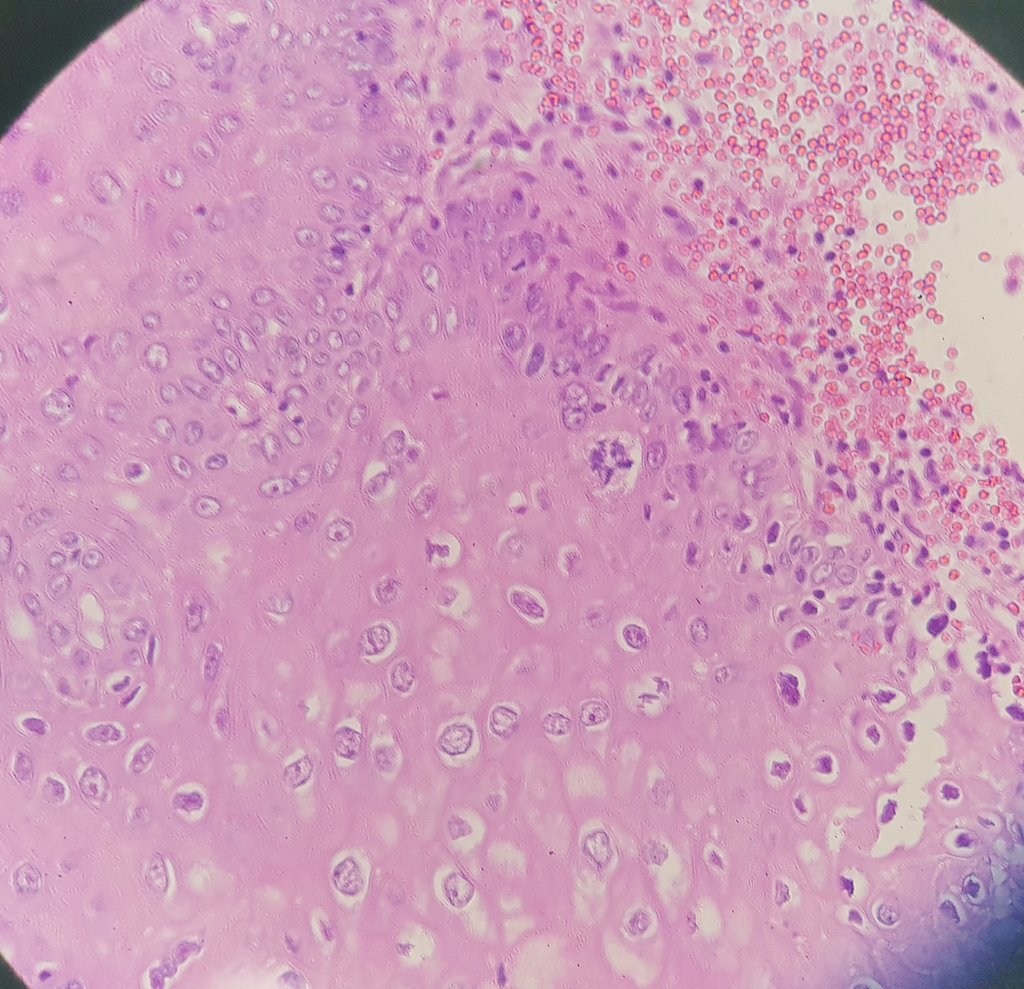
Pap smear with LSIL...followed biopsy with extensive koilocytic change can make it difficult to differentiate - no dysplasia to CIN 1 or CIN2. Presence of these atypical mitoses( floral bloom or star burst)in lower 1/3 epithelium n no nuclear overlapping is CIN1 #purelab
1
591
Komal retweeted

12 Aug 2024
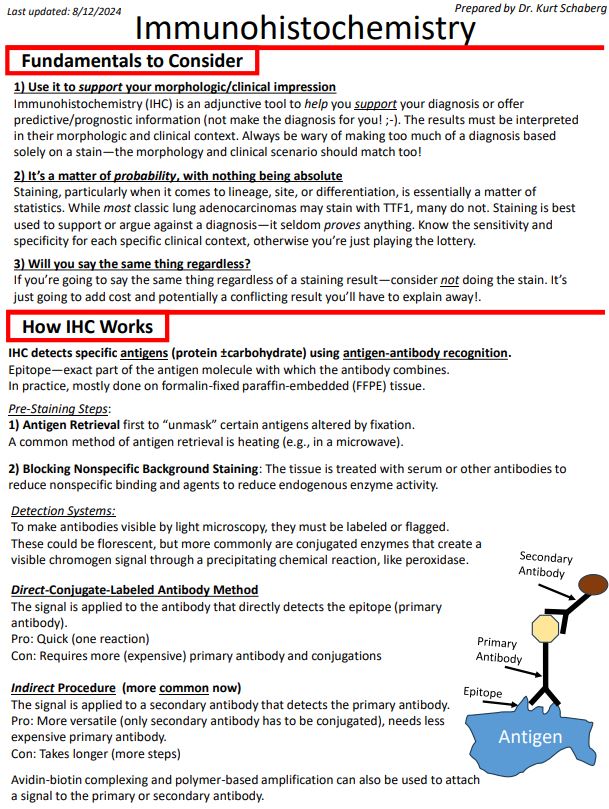
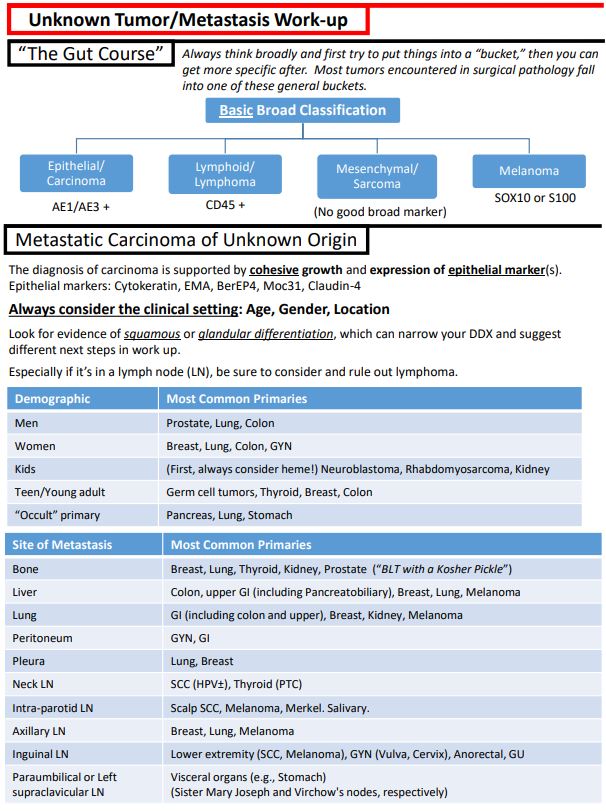
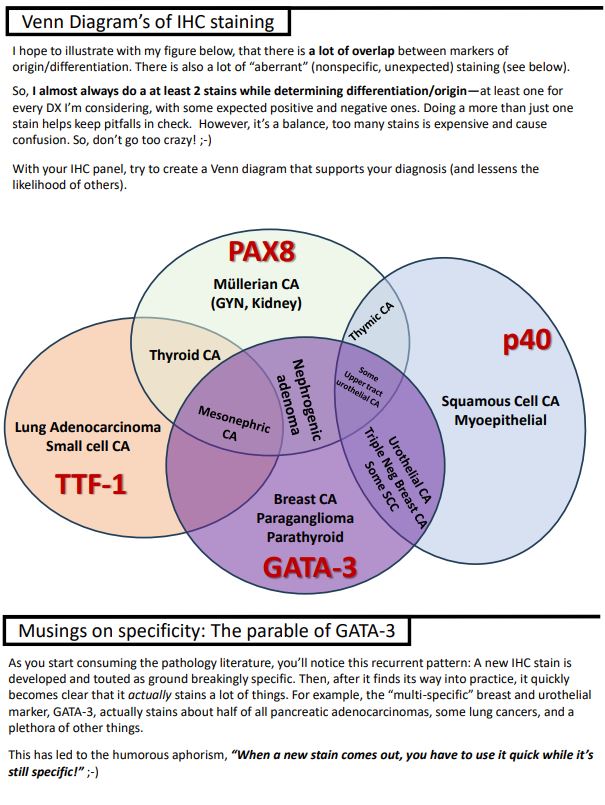
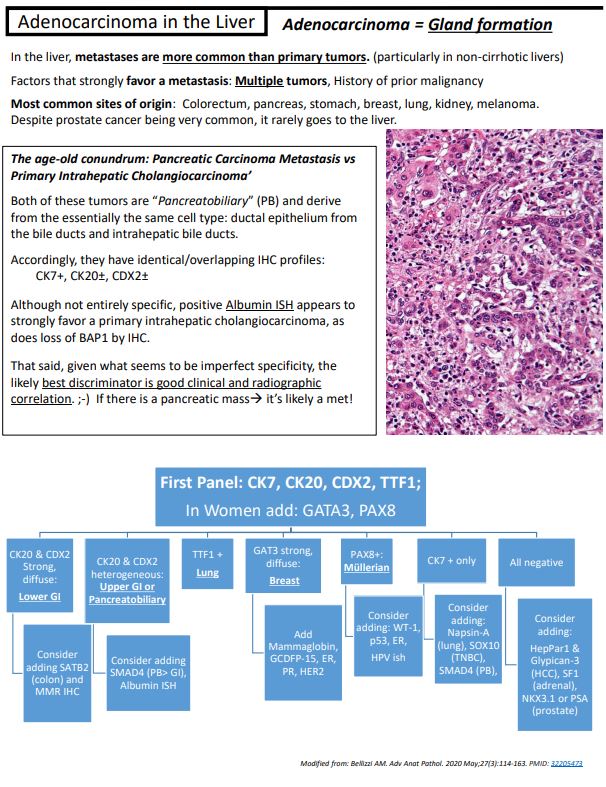
I just finished my notes on immunohistochemistry for my teaching website, "Kurt's Notes" (kurtsnotes.net/). I have a couple other "Intro" notes planned too (e.g., molecular).
🔬🔬🔬🔬🔬🔬🔬🔬🔬🔬🔬🔬🔬🔬🔬🔬
Full notes available here: schaberg.faculty.ucdavis.edu…
15
140
491
24,335
Komal retweeted

19 May 2024
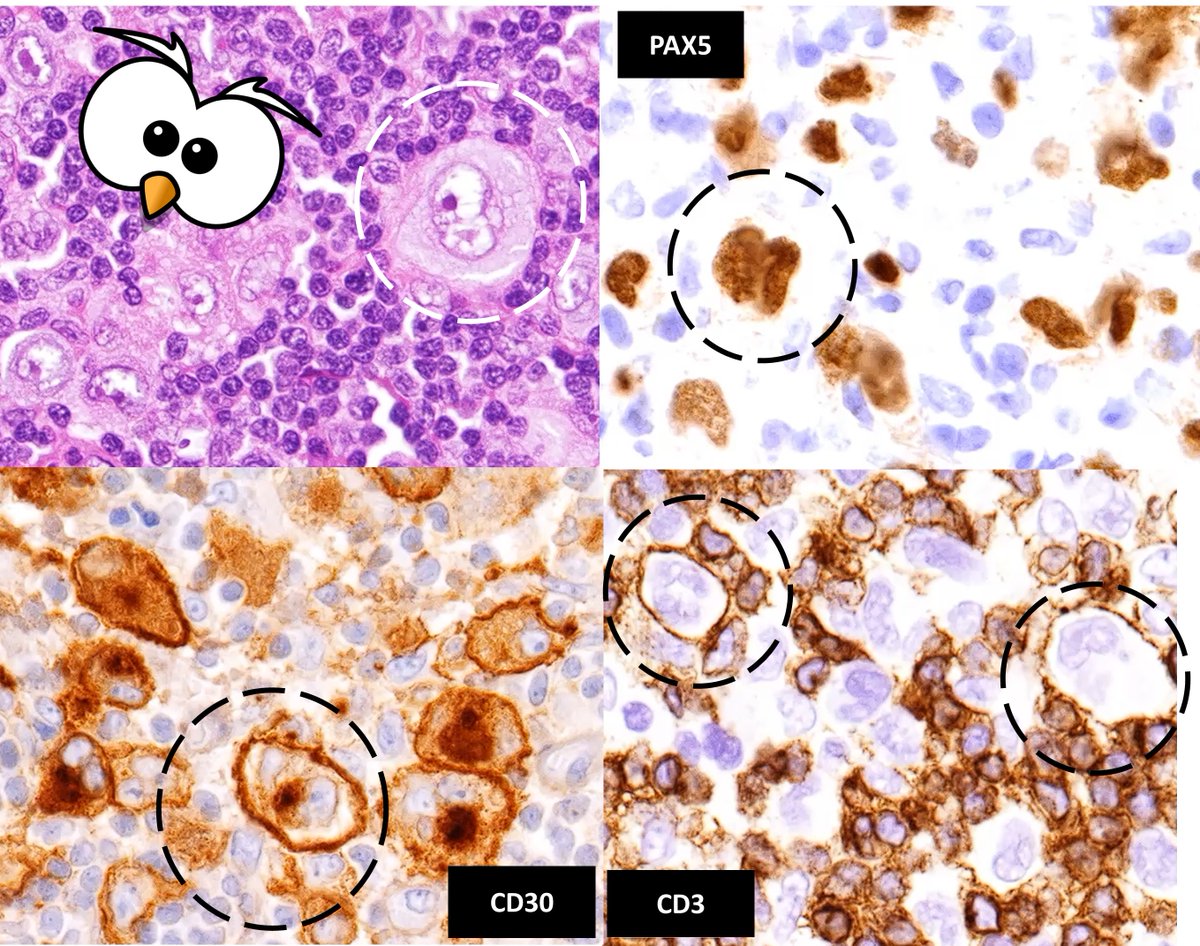
Reed Sternberg (RS) cells are germinal center-derived B-cells that have hidden their B-cell identity and escaped apoptosis.
Aberrant T-cell antigen (e.g., CD3) in RS-cells can be seen in ~5% of classic Hodgkin lymphomas.
These RS-cells lack TCR rearrangement and remain genotypically B cells (i.e., PAX5)
Aberrant T-cell antigen is associated with ↓ survival (event free & overall). PMID: 23305738
✅B-cell
ncbi.nlm.nih.gov/pmc/article…
#HemePath #PathTwitter #Pathology
7
41
1,206
19 May 2024
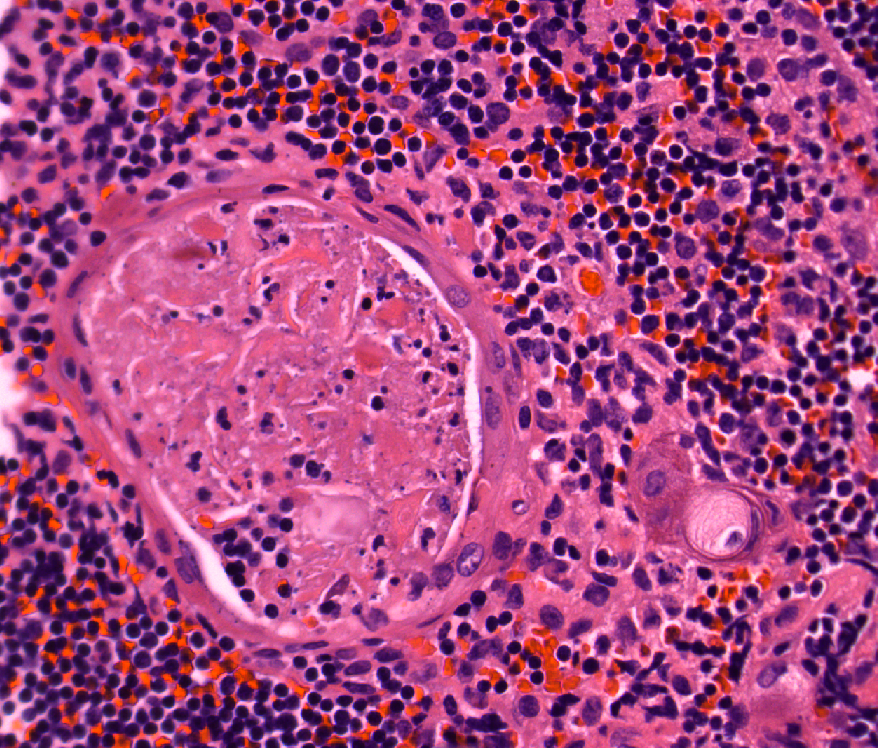
Thymus...Hasals corpuscle!

1
20
22 Apr 2024
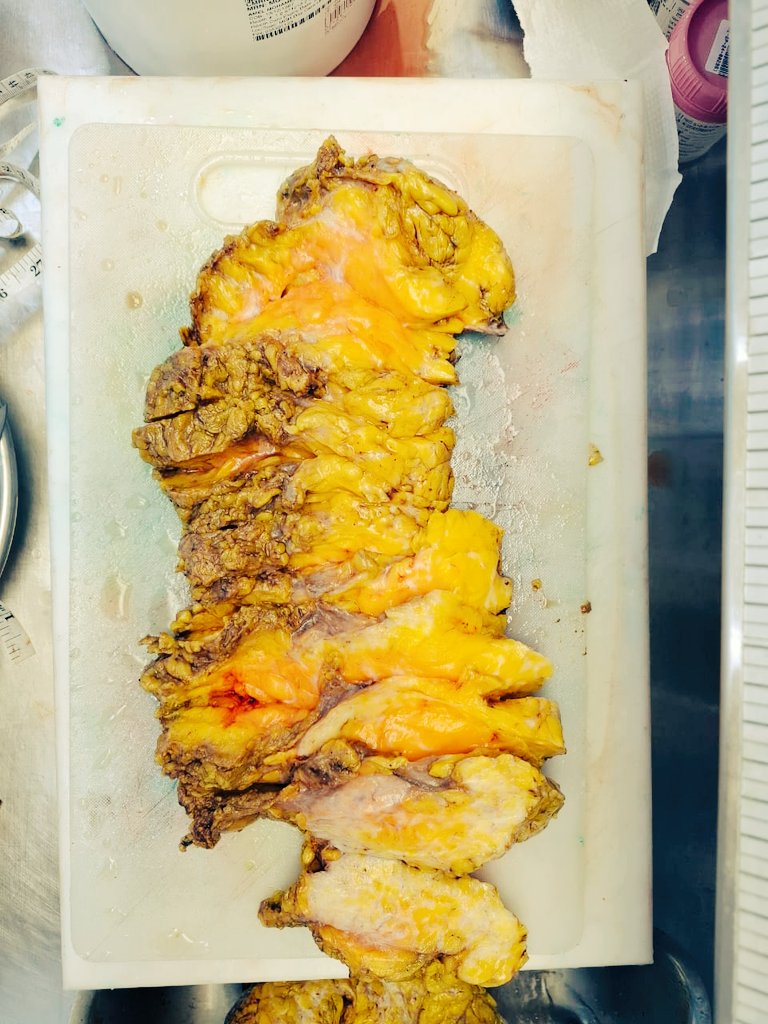
A breast reduction specimen needs to be weighed n sliced with 1cm thickness if not suspicious for malignancy! This particular one weighted 1.8kgs..what a download of excess tissue! #surgicalpath #PathTwitter @VijayPatho #breast @kriyer68 #purelab
ALT when a breast reduction specimen is grossed;. you can assume the grey_ white Solid areas (bottom) are the actual gland part while the top yellow soft parts as the axillary part when Orienting ...however its always best when surgeon clears it for you...especially if suspicious for malignancy!
103
2 Apr 2024
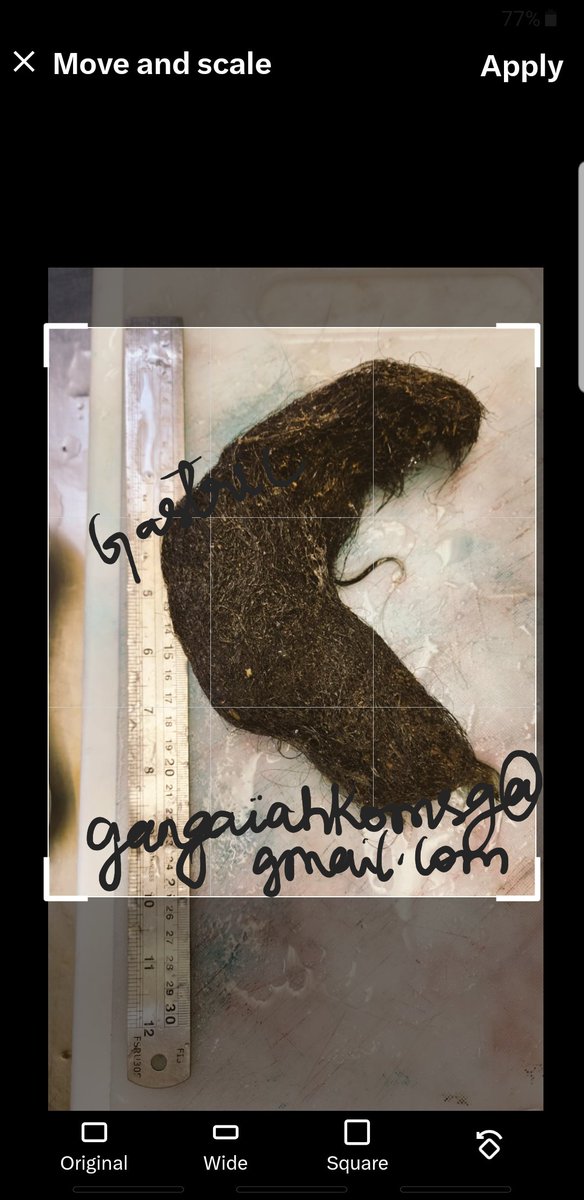
A gastric trichobezoar taking shape of stomach...common in adolescent girls!. Fascinating gross!! Formed of hair tuft with entangled food particles. Other 2 types of bezoars are phytobezoars and pharmabezoars. #histopathology @VijayPatho @smlungpathguy #PathTwitter @kriyer68
1
2
232
8 Mar 2024
Heightened energies Heightened spirit Heightened life experences tonight #AwakeWithAdiyogi
1
10
Komal retweeted

17 Dec 2023
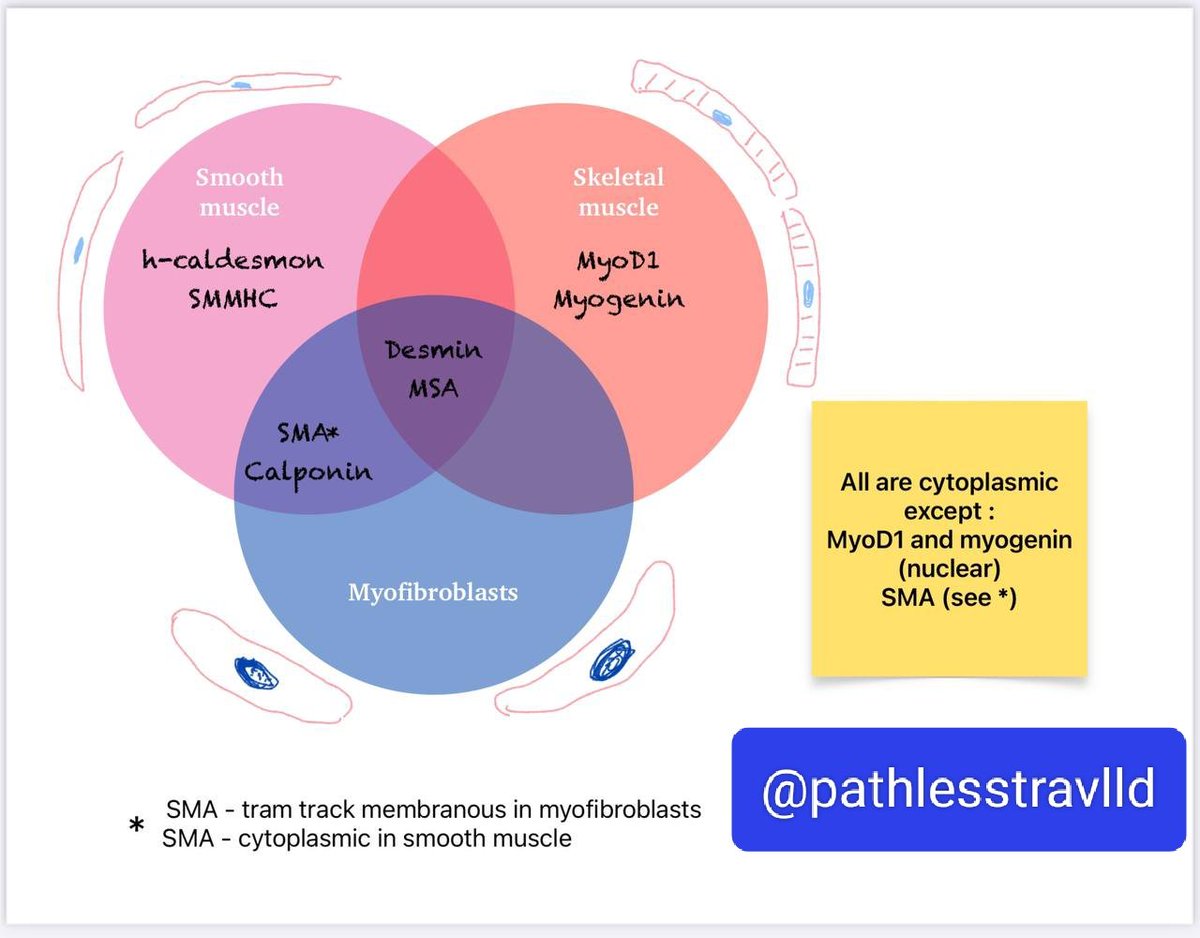
I always thought #IHCPath would be so much simpler with the help of Venn Diagrams
#bstpath #pathology #pathX #pathtwitter
5
26
76
6,644
Komal retweeted

14 Dec 2023
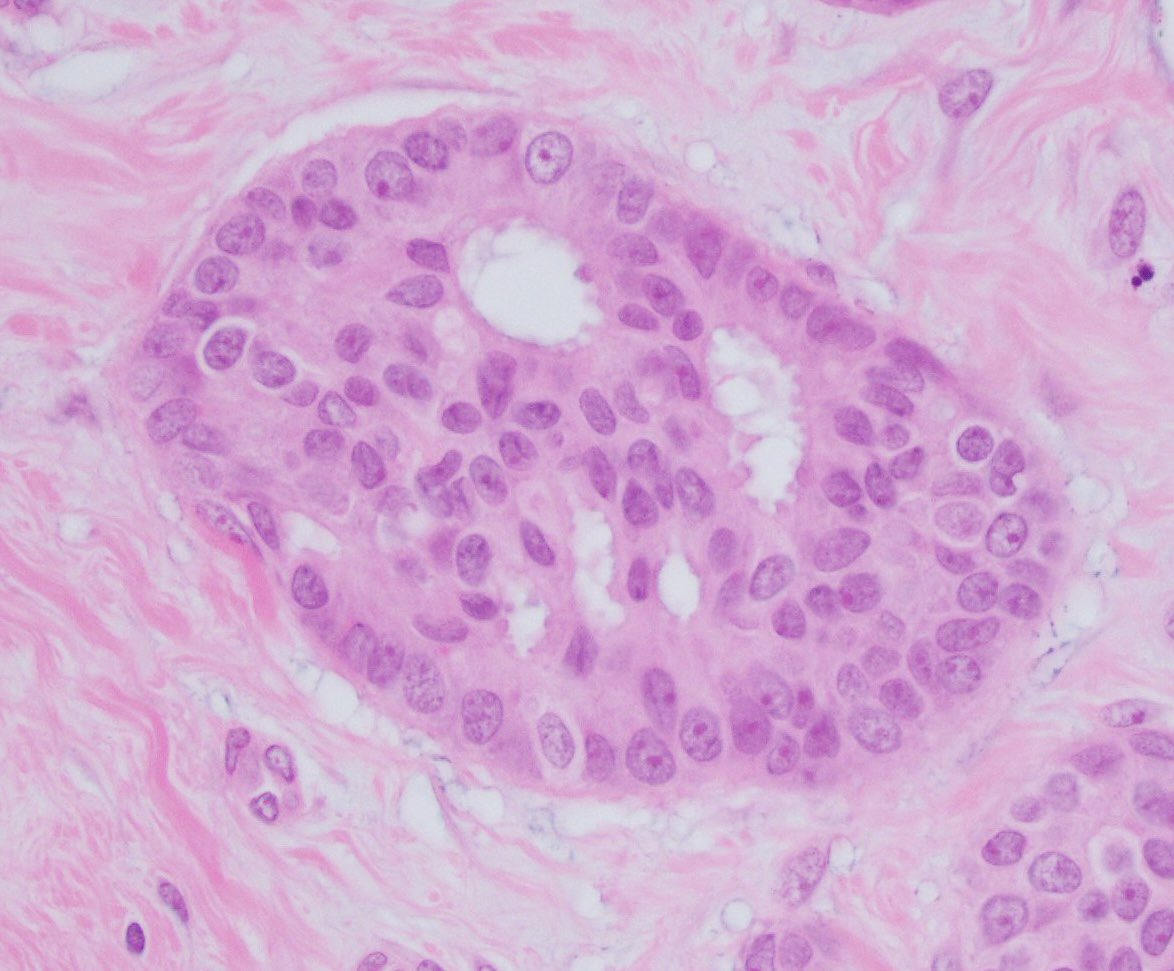
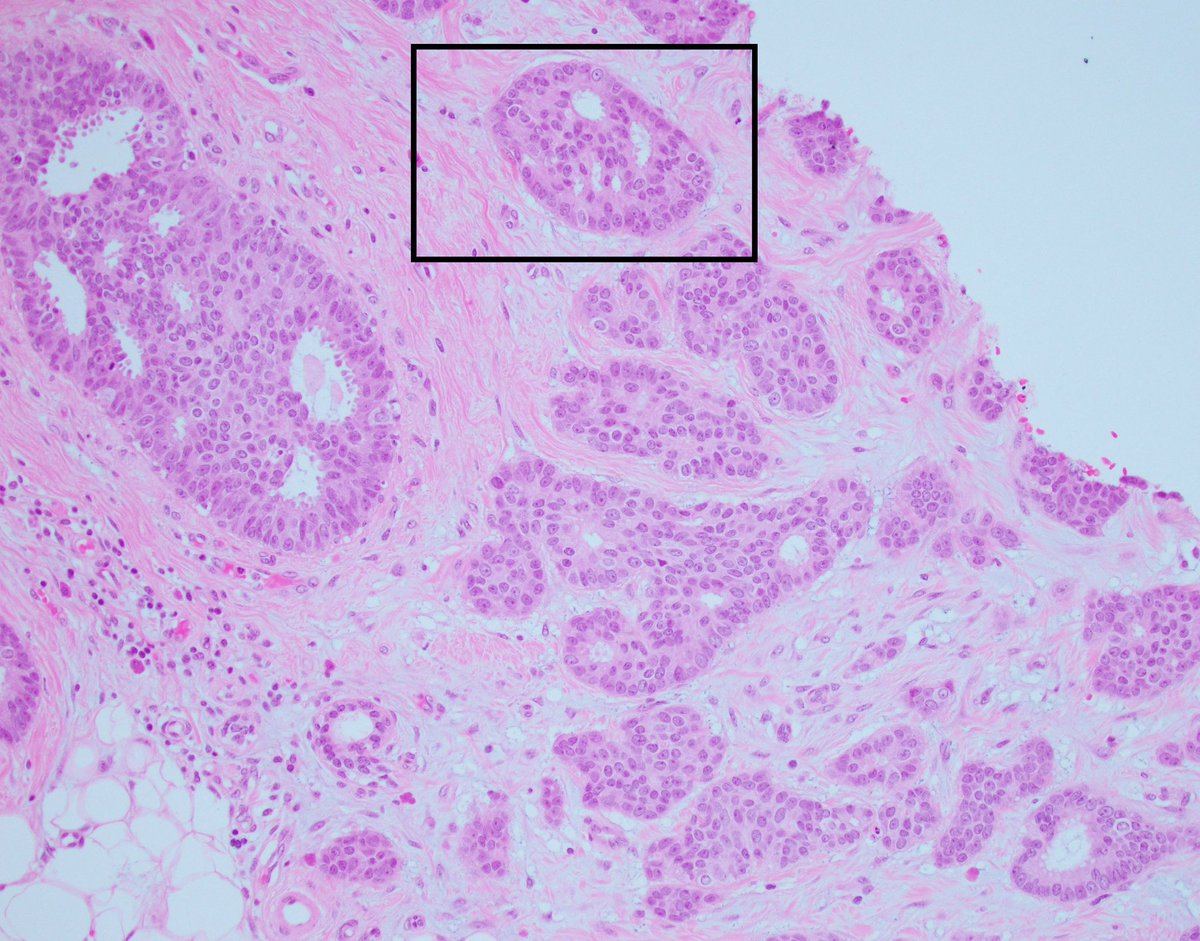
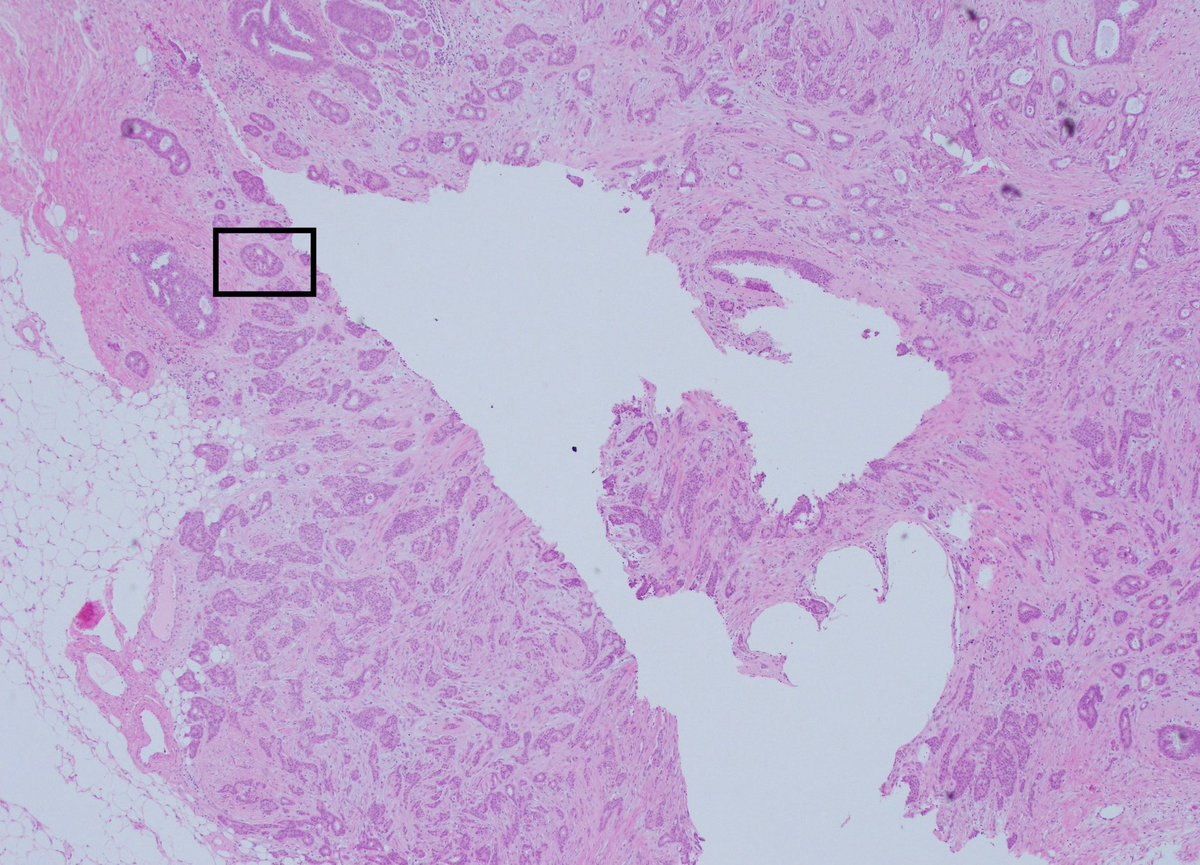
Tuesday’s quiz was not fair, because it was not intended to get a correct answer but to illustrate two things. First, the importance of context, second the limitations of morphology.
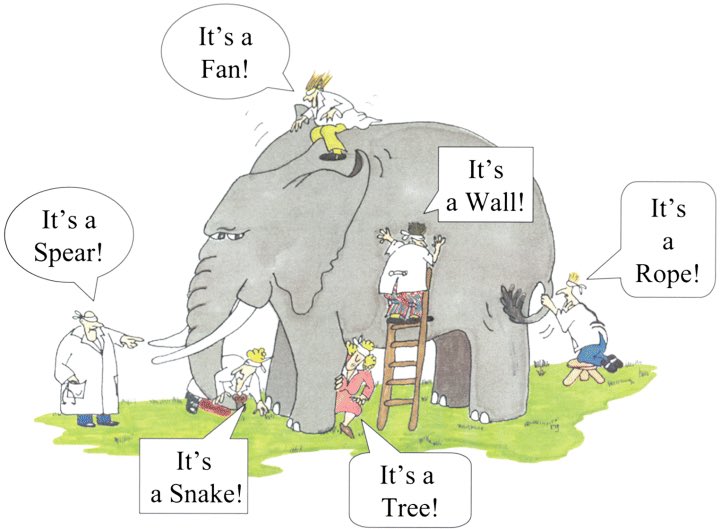
1. Context is everything. A lion at the zoo is not a lion in the living room, a swimsuit on the beach is not a swimsuit at a funeral, cocci on the skin are not cocci in the blood etc. Another way to look at it is through the age old elephant and six blind men problem. Each blind man interprets one part of the elephant as something specific but none of them knows it’s an elephant.
2. We have a particular mental image of what UDH is supposed to look like and what ADH and DCIS are supposed to look like. This mental image is of course essential, as it allows us to navigate the majority of situations and diagnoses. But it boxes us into a rigid framework that may prevent us from being open to alternative interpretations and new patterns and novel criteria for diagnosis.
The image I shared was called UDH by roughly 50% of about 180 participants. That’s exactly what I wanted to see and what I expected based on the polymorphism of the cells, the slit like spaces, the uneven disposition and the peripheral palisading of the nuclei.
But it’s not UDH, nor ADH, nor DCIS. It is something else.
It’s invasive ductal carcinoma.
@wusm_pathology @washupathedu #breastcancer #breastpath #PathTwitter #PathX
8
23
86
8,382
Komal retweeted

29 Nov 2023
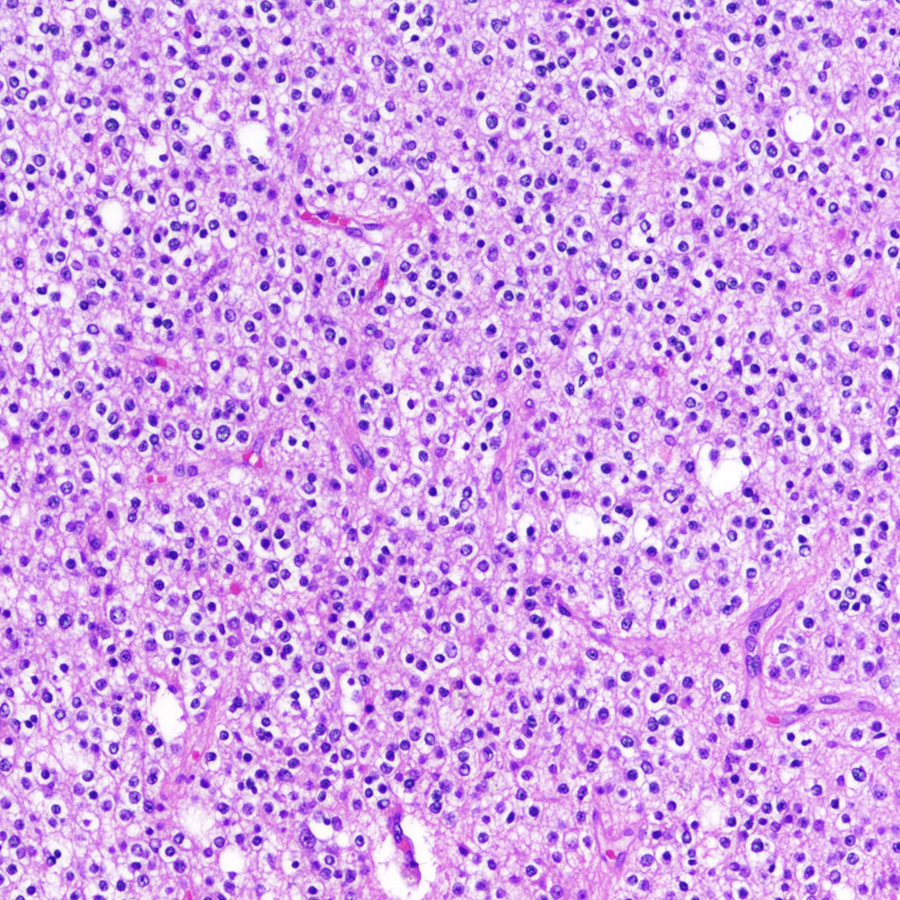
Even the non-#neuropath people can take a crack at diagnosing this brain mass in a thirtysomething year-old woman. One slide is all you need. What's the diagnosis and probable genotype? #pathology #PathTwitter
27
36
182
30,061
30 Nov 2023
Sclerosing adenosis pitfall
1 Nov 2023

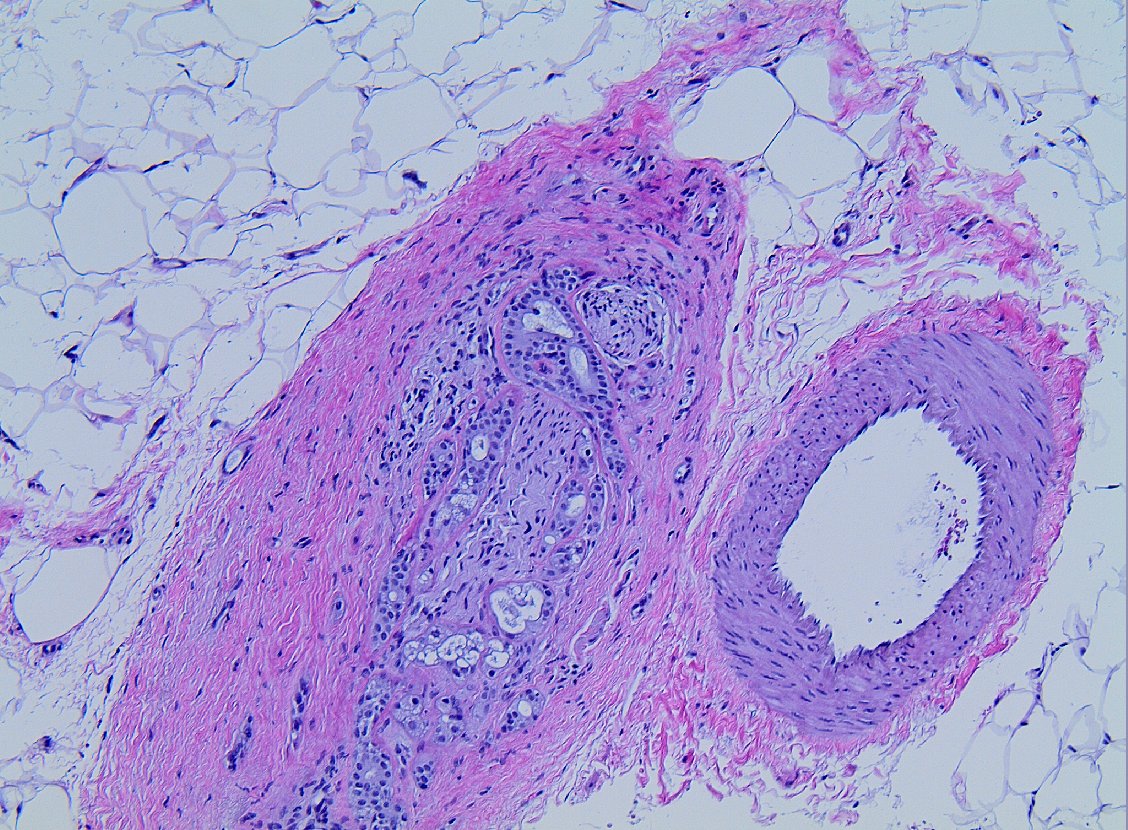
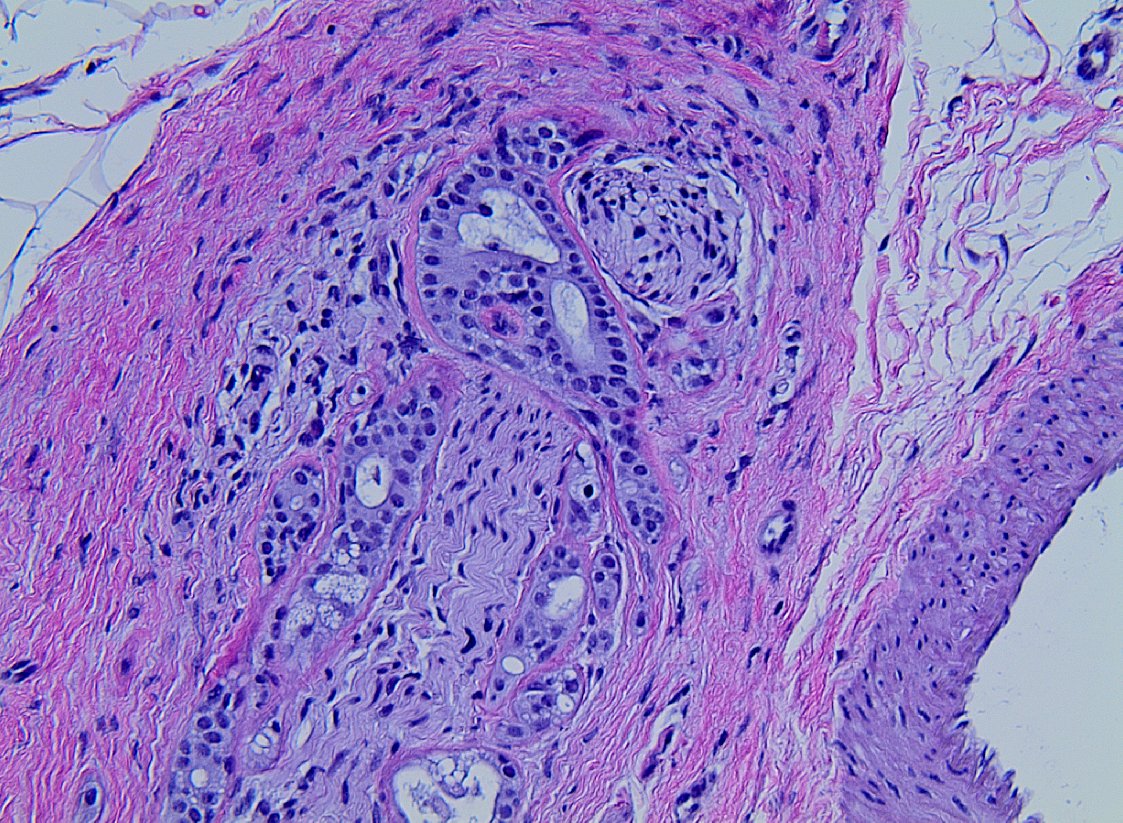
#Breastpath Perineural invasion What do you think?
Cancer or Benign? If Benign what is explanation?
1
23
Komal retweeted

18 Nov 2023
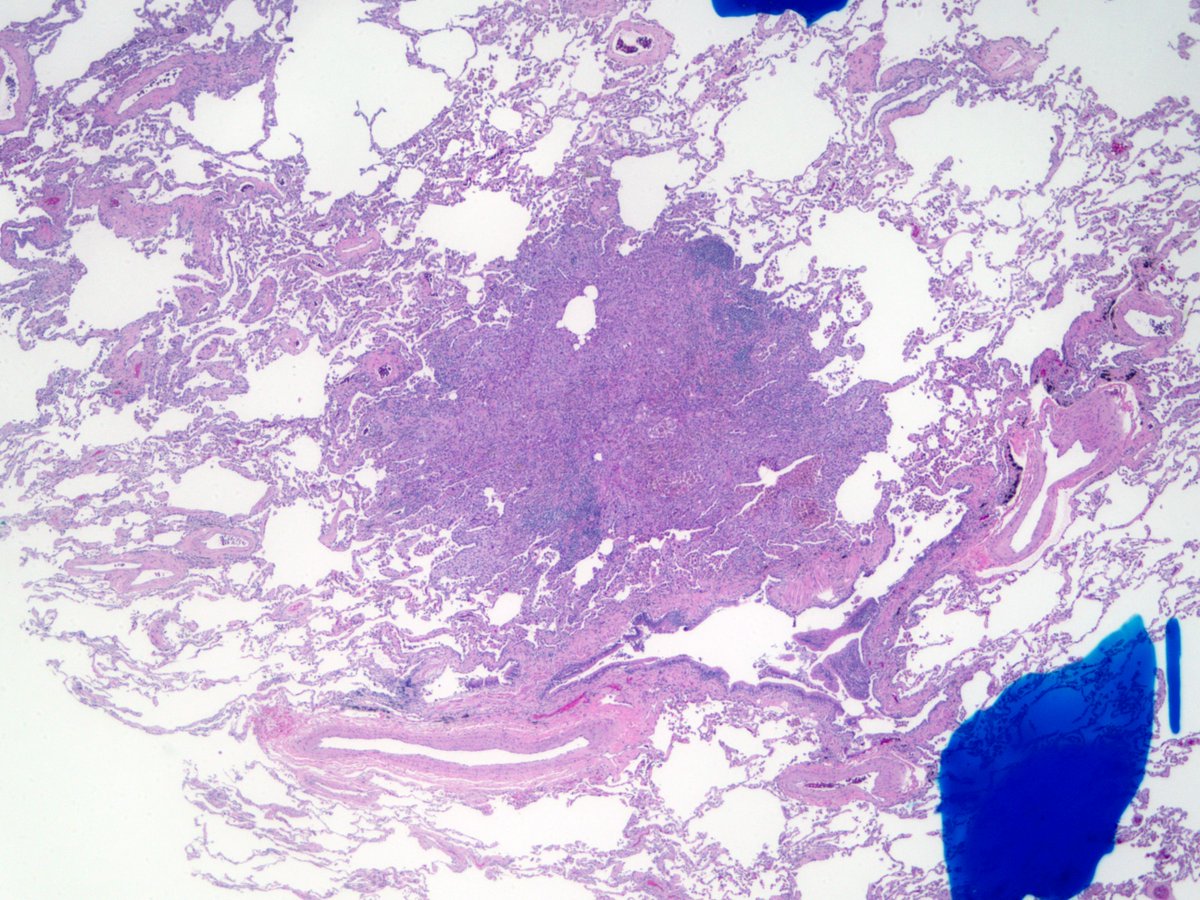
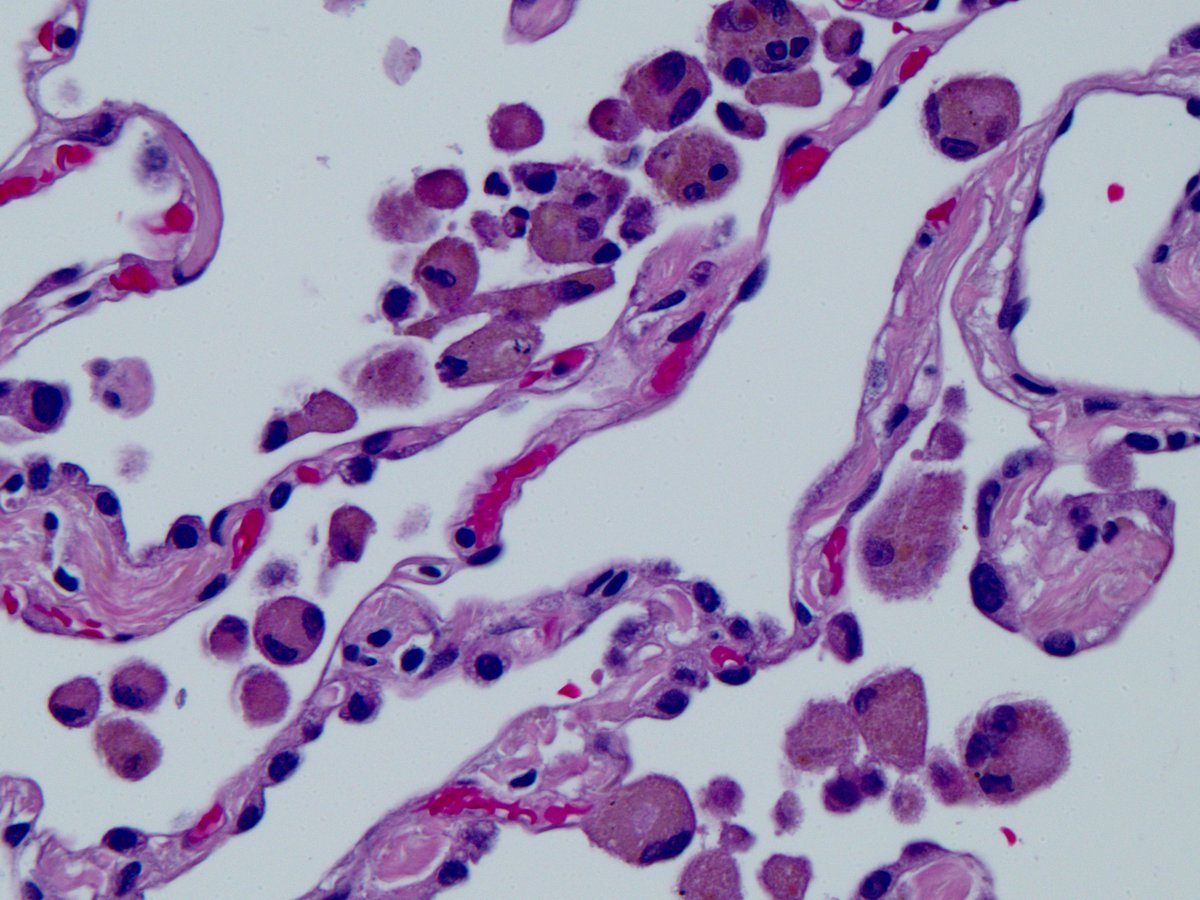
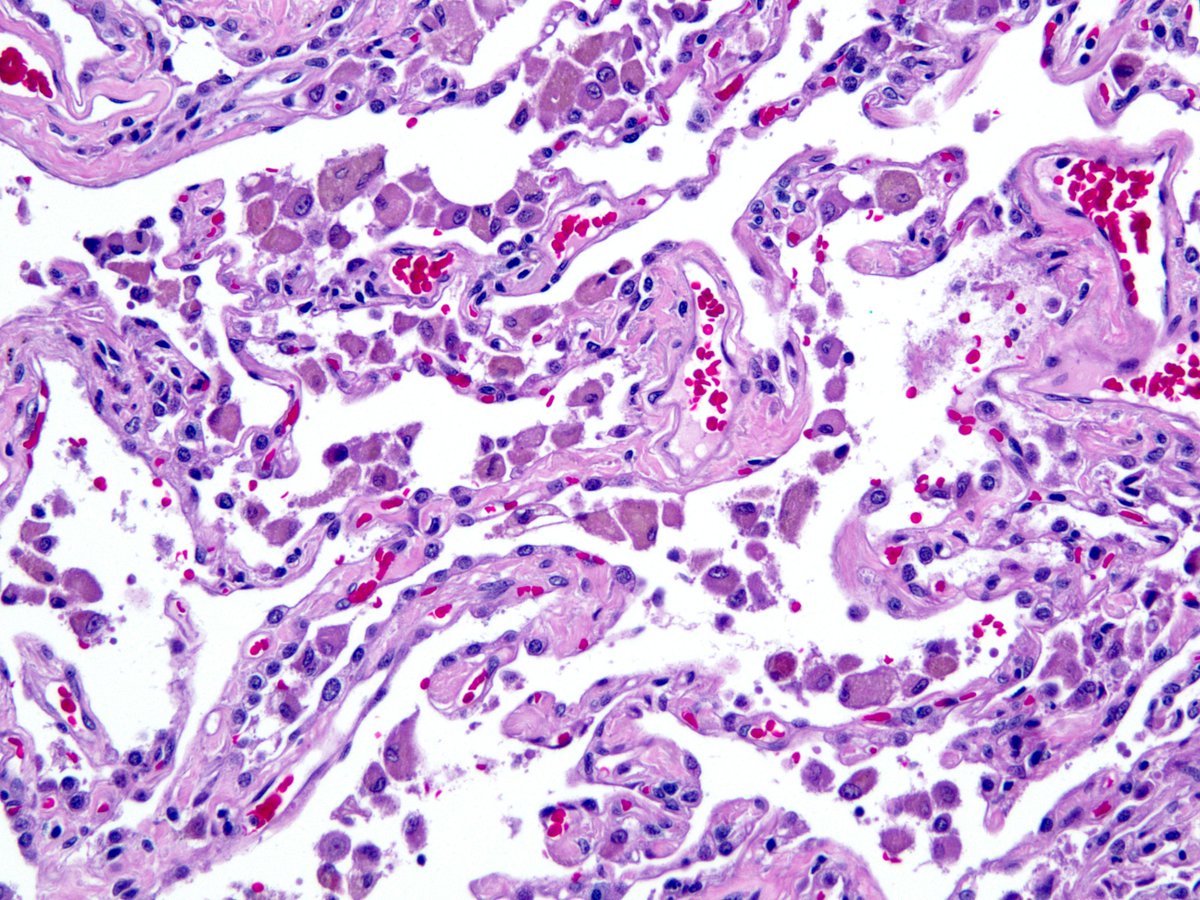
What is this, and what is it caused by?
#pathology #pulmpath
5
19
67
14,190
Komal retweeted

4 Oct 2023
Make joy your constant companion! Transform your life in 7 steps with Sadhguru through Inner Engineering – an online program offering tools to take charge of your body, mind, emotions and energies, and live a joyful, fulfilling life.
Register Now: isha.co/IE-tw
#MyTransformation #TransformYourLifeWithSadhguru
#InnerEngineering
60
796
1,224
27,828
26 Sep 2023
My journey post 50 yrs of age has changed in ways i never imagined...the child in me has awaken again full of happiness...a gift from Sadhguruji Namaskaram #MyTransformation @ishafoundation
1
3
38
Komal retweeted
27 Jul 2023
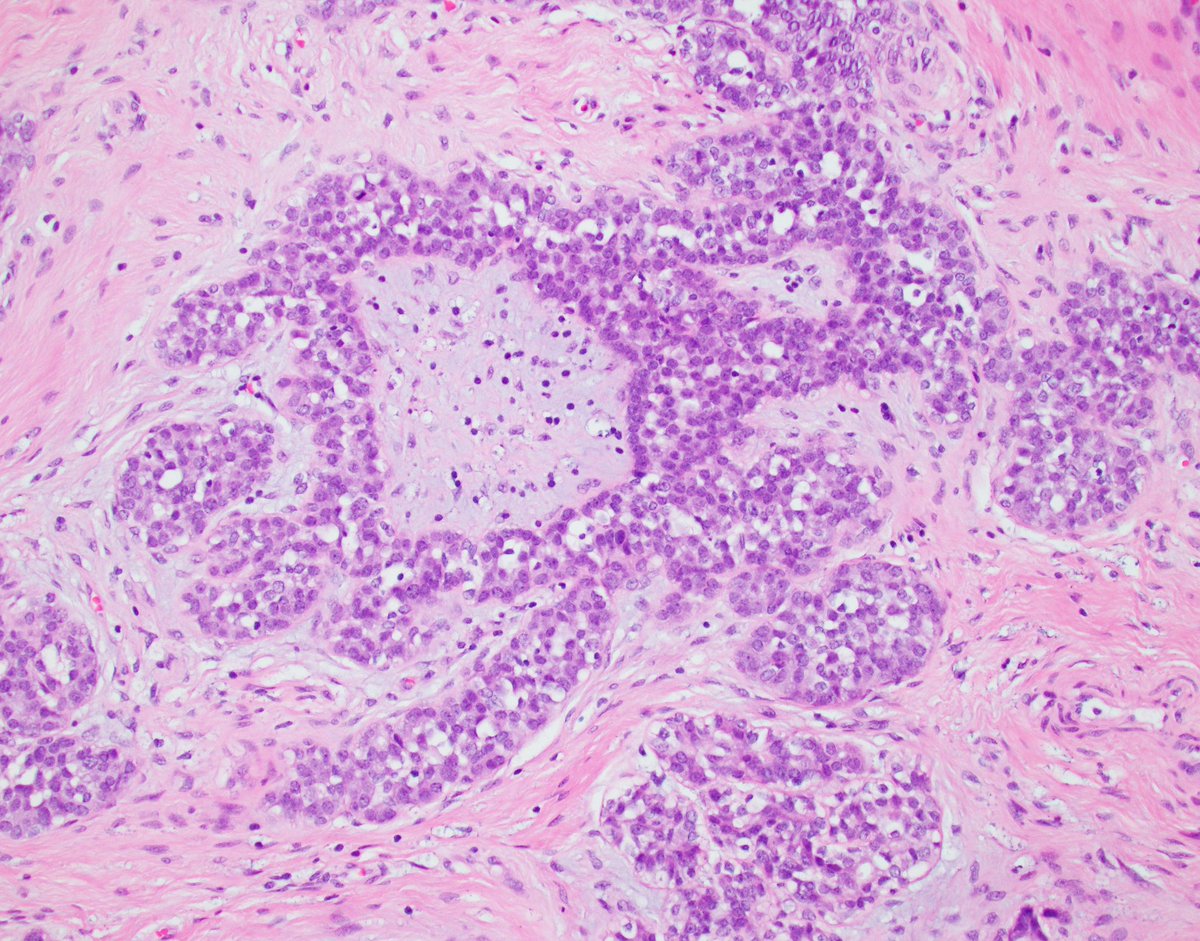
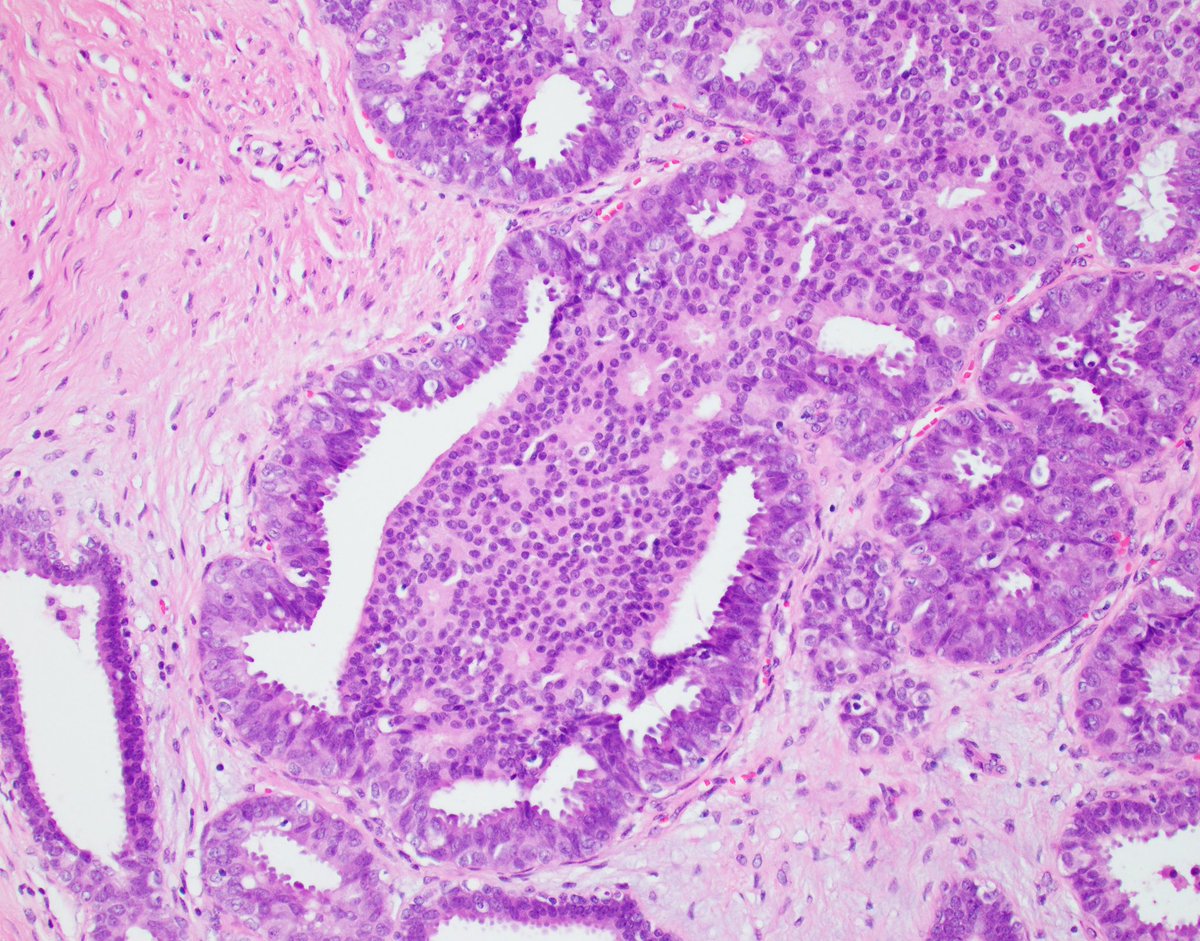
Thank you all for participating in yesterday’s case.
It is indeed a complex fibroadenoma with both atypical ductal hyperplasia (I did not pull the trigger on DCIS) and atypical lobular hyperplasia. This is a very rare combination although atypia in a fibroadenoma is common enough many pathologists will encounter examples of it in their practice.
The other reason I wanted to share this case is the attributed significance of such findings (complex FA and atypia in FA) as far as cancer risk is concerned. Here’s a summary of the main literature on the topic:
1. Dupont et al. Complex fibroadenoma confers a greater (statistically significant) breast cancer risk than regular fibroadenoma
2. Carter et al. Atypical hyperplasia in a fibroadenoma does not increase breast cancer risk and does not predict atypical hyperplasia outside the FA
3. Nassar et al. The risk associated with FA goes hand in hand with what is going within and outside the FA ie it’s the hyperplasia not the FA that determines cancer risk. Complex FA on the other hand will have a significant increase in risk of two features of complex FA are present but not if 3 features are there
I grew up believing the first 2 studies without questioning them because they were the product of the genius of David Page, my mentor and hero. And I attributed the conclusion that no risk is associated with atypical hyperplasia in FA to the hypothesis that the FA is a separate environment where the rules are different and cannot be extrapolated.
The problem with this line of thinking is a glaring inconsistency. Cysts and adenosis and calcifications increase the cancer risk of a Fibroadenoma but not atypical hyperplasia? This just doesn’t add up. In Nassar’s study, 2 features of a complex FA increase the risk but not 3? Again, this is just illogical.
Here’s the problem and the main point of this long tweet. All of the conclusions above were drawn from less than 20 cases, a puny number in the large and complicated tapestry of breast cancer risk.
This is the law of small numbers at work.
There is a famous case detailed in *Thinking Fast and Slow” another excellent read, that caused even the Gates Foundation to draw false conclusions and misallocate resources:
Many researchers have sought the secret of successful education by identifying the most successful schools in the hope of discovering what distinguishes them from others. One of the conclusions of this research is that the most successful schools, on average, are small. In a survey of 1,662 schools in Pennsylvania, for instance, 6 of the top 50 were small, which is an overrepresentation by a factor of 4. These data encouraged the Gates Foundation to make a substantial investment in the creation of small schools, sometimes by splitting large schools into smaller units...Unfortunately, the causal analysis is pointless because the facts are wrong...The truth is that small schools are not better on average; they are simply more variable, and they also account for the worst schools in the group. But everyone missed that fact or just ignored it.
So, if you’re still here, common sense still prevails, statistics should be taken with a grain of salt, literature should be read critically even when originating from highly respected sources, and beware the law of small numbers.
Happy Thursday! 🙂
@wusm_pathology @washupathedu #PathTwitter #breastpath #breastcancer #pathology
12
24
88
11,979
Komal retweeted

12 Jun 2023
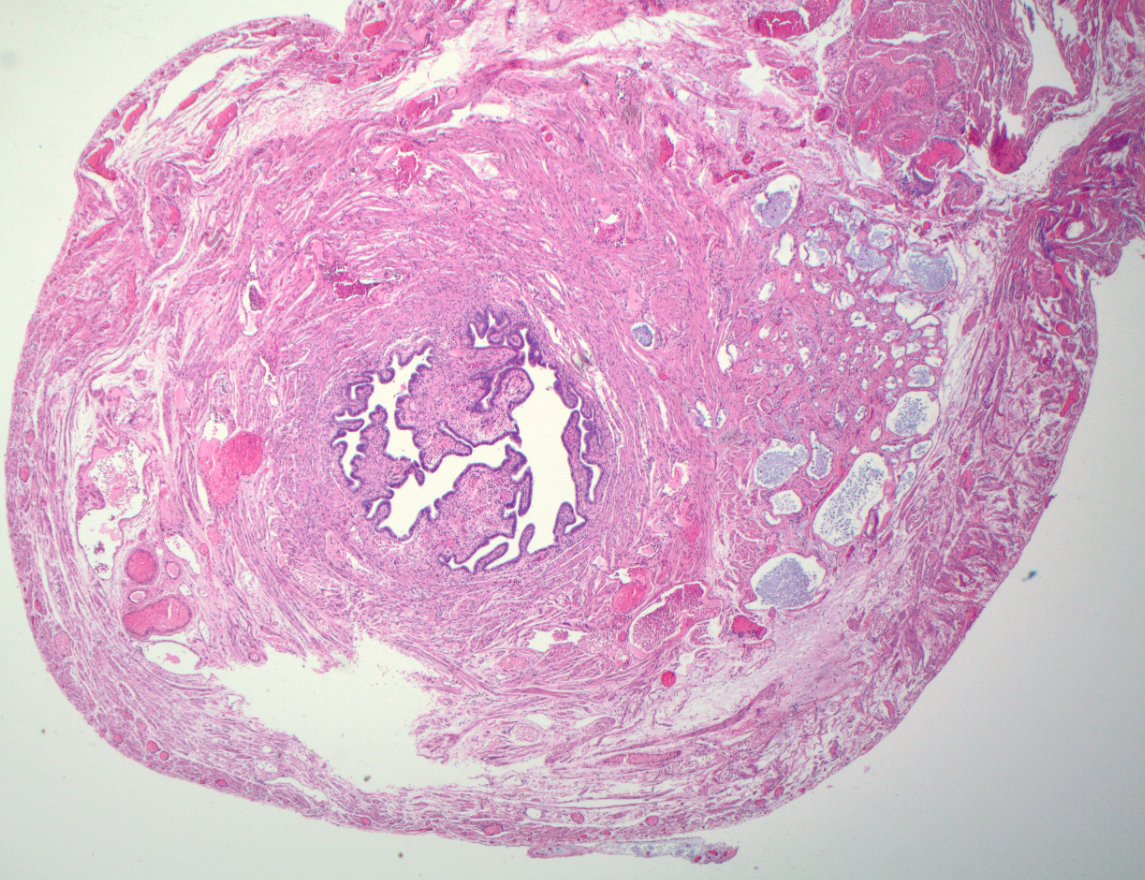
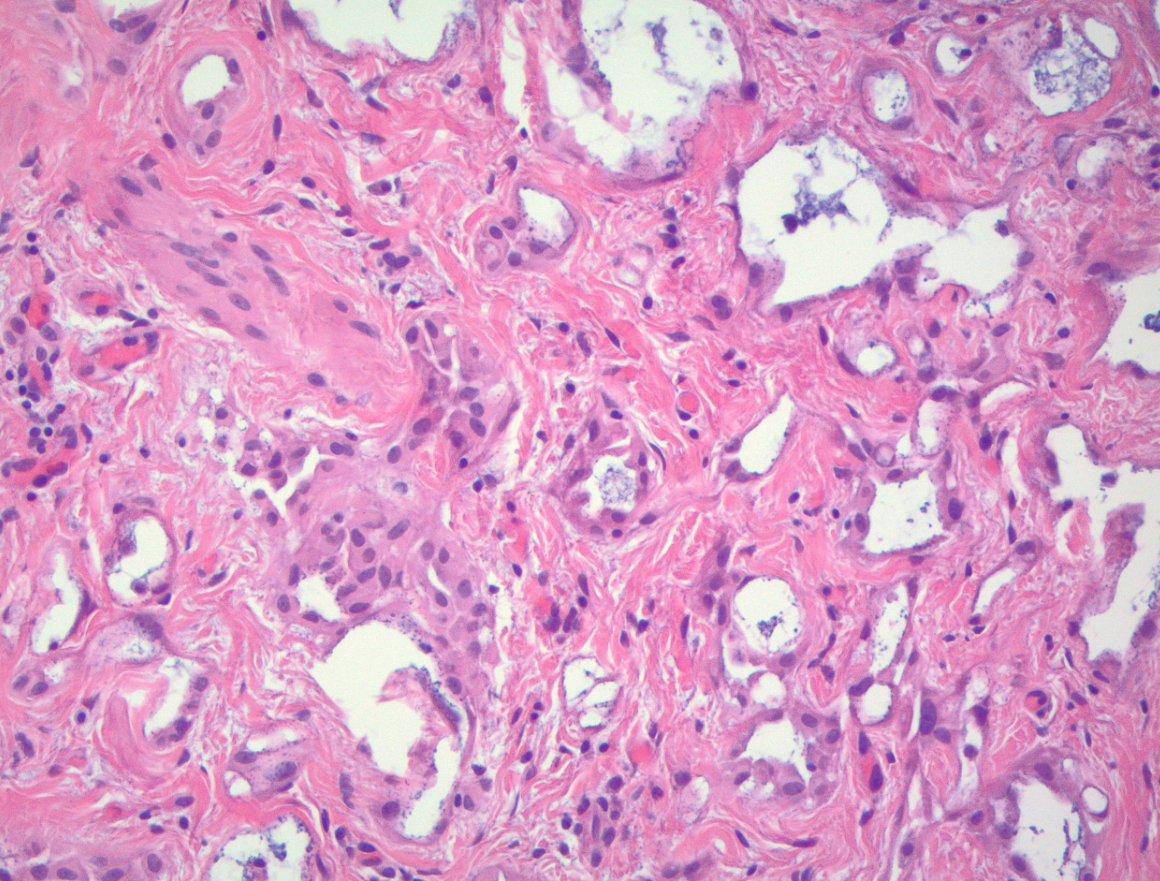
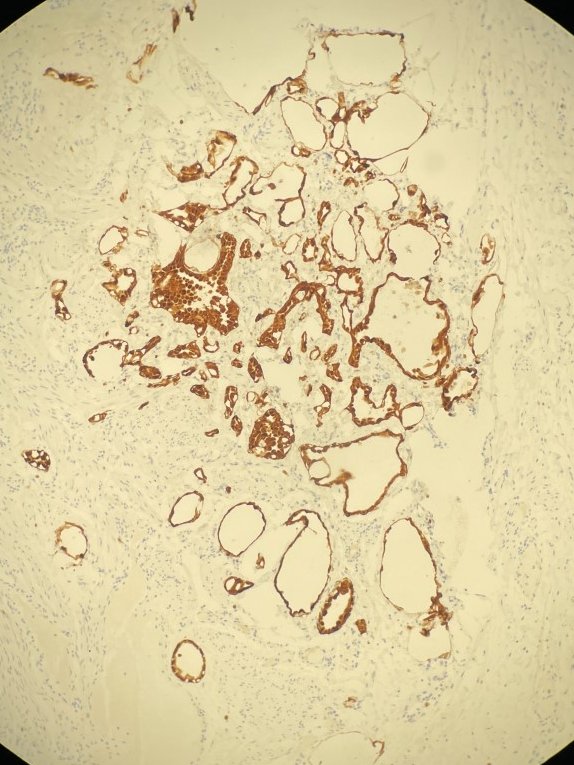
Incidental finding in a tubal ligation specimen. What do you think the lesion might be? Can you guess the IHC?
#PathTwitter #gynpath #MedTwitter

9
35
111
13,944