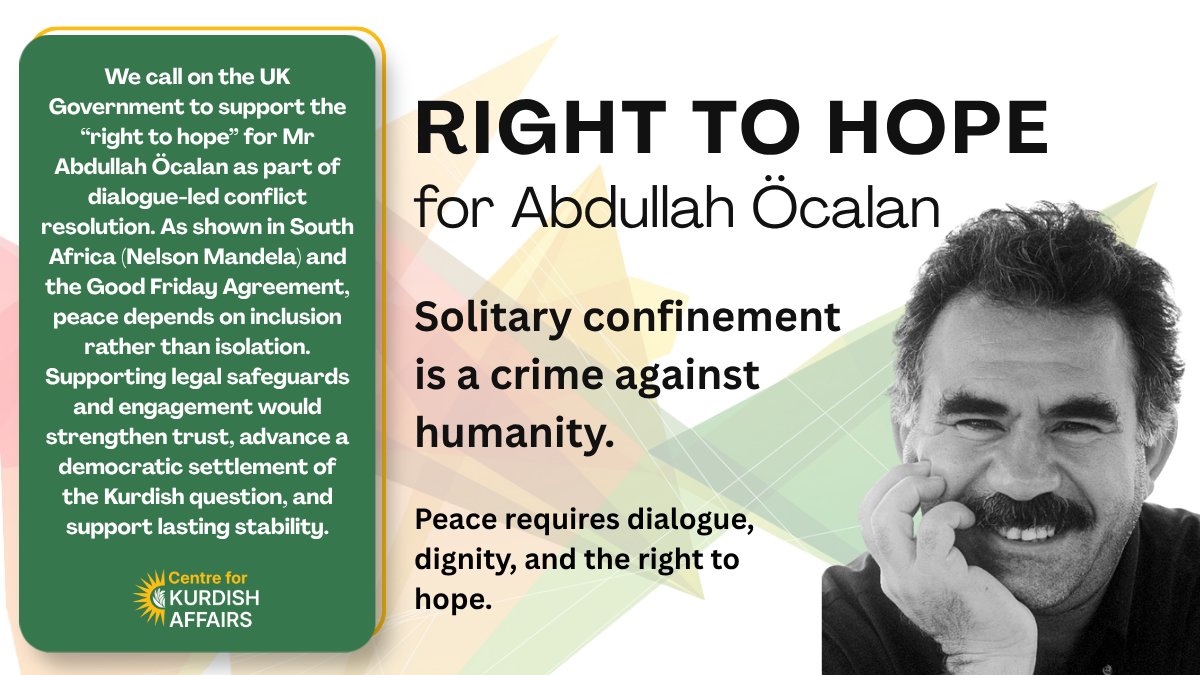
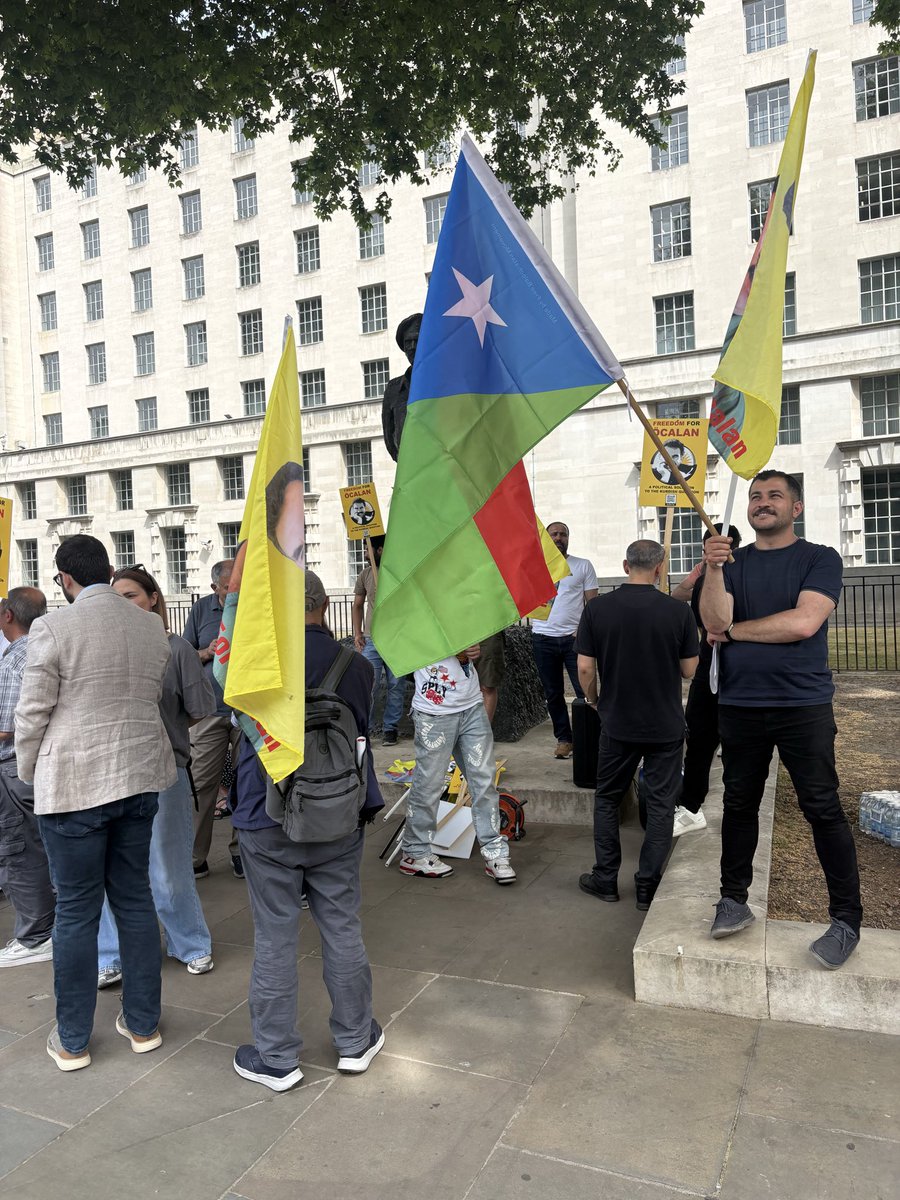
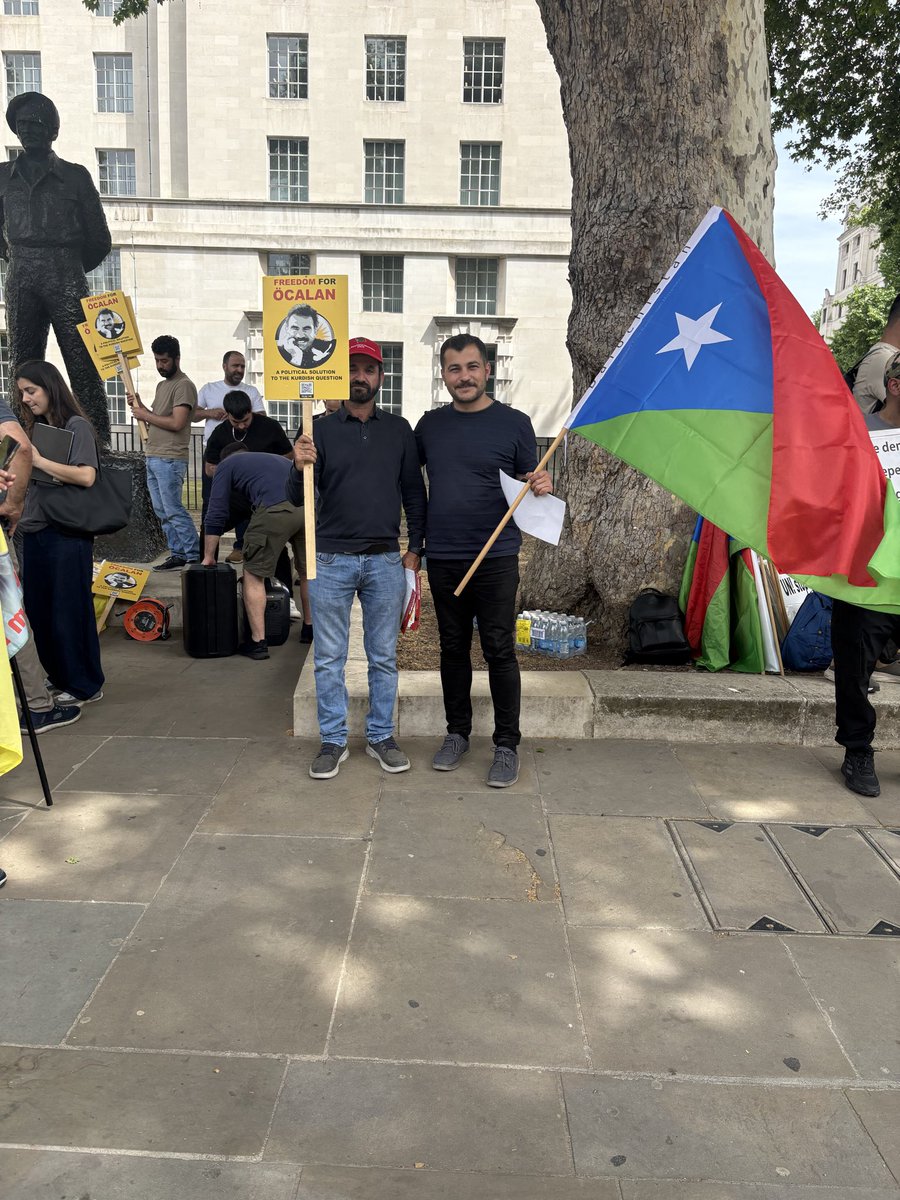
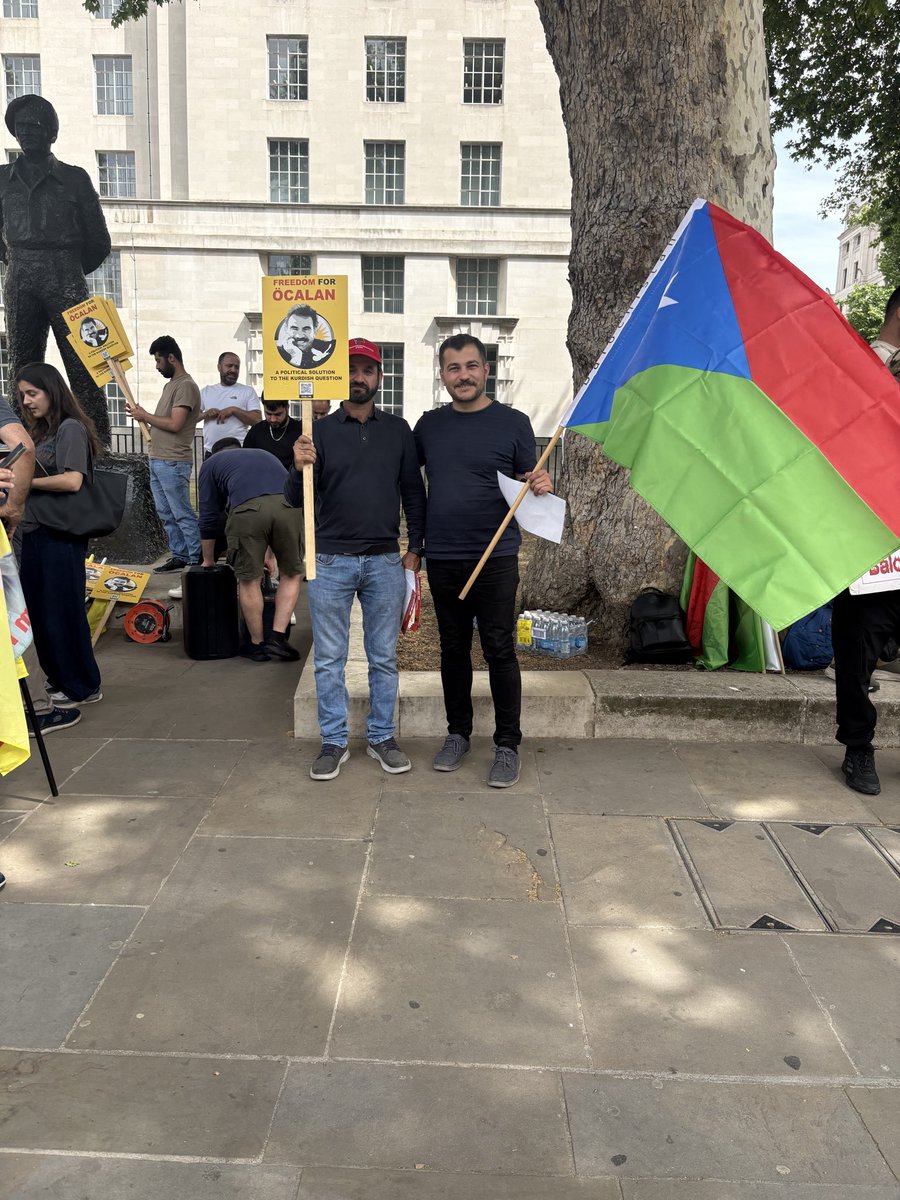
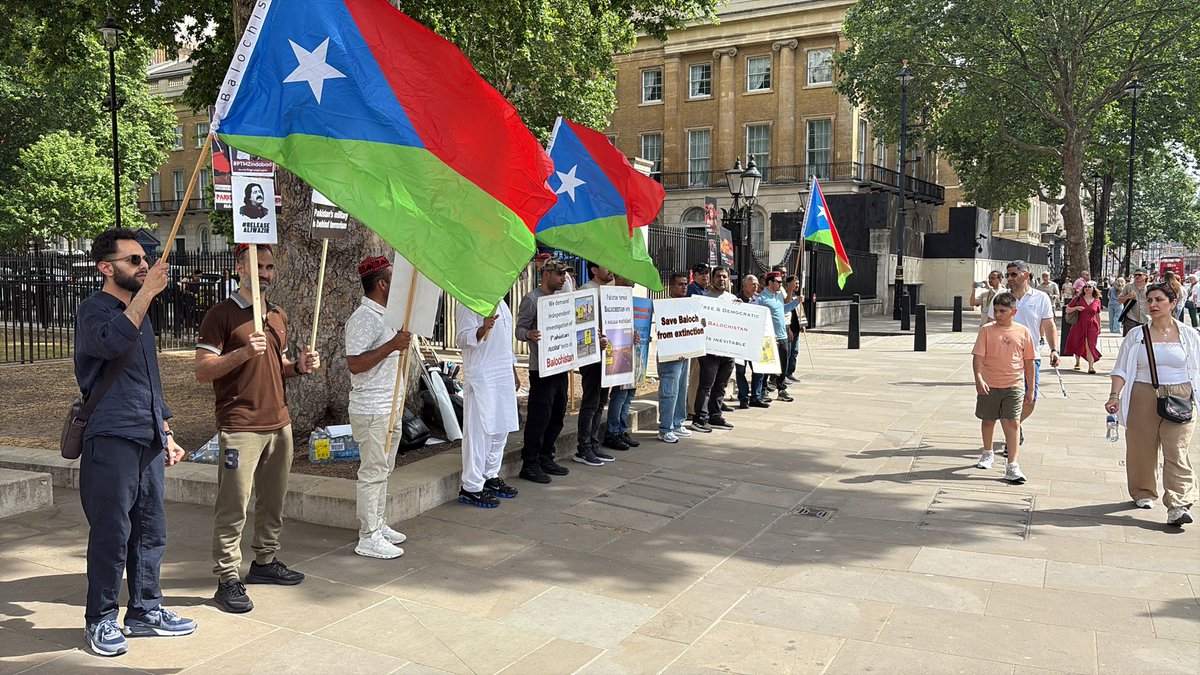
Our Call to the UK Government: Support the Right to Hope for Mr Abdullah Öcalan
Experience from many peace processes shows that conflict can be resolved when influential political figures are treated not only as security concerns but also as potential partners in dialogue. In South Africa, the transition from apartheid to democracy became possible when Nelson Mandela and the ANC were recognised as essential interlocutors. In Northern Ireland, the Good Friday Agreement emerged through a process that brought former adversaries into lawful political negotiations.
These examples do not ignore past suffering or abandon justice. Rather, they demonstrate that lasting peace requires a broader understanding of justice; one that includes accountability, democratic participation, reintegration and the prevention of future violence. When leaders with influence over communities and armed actors choose peace and democratic engagement, their inclusion can become necessary for ending conflict. Isolation and permanent criminalisation often deepen mistrust; lawful engagement can foster responsibility, transparency and hope.
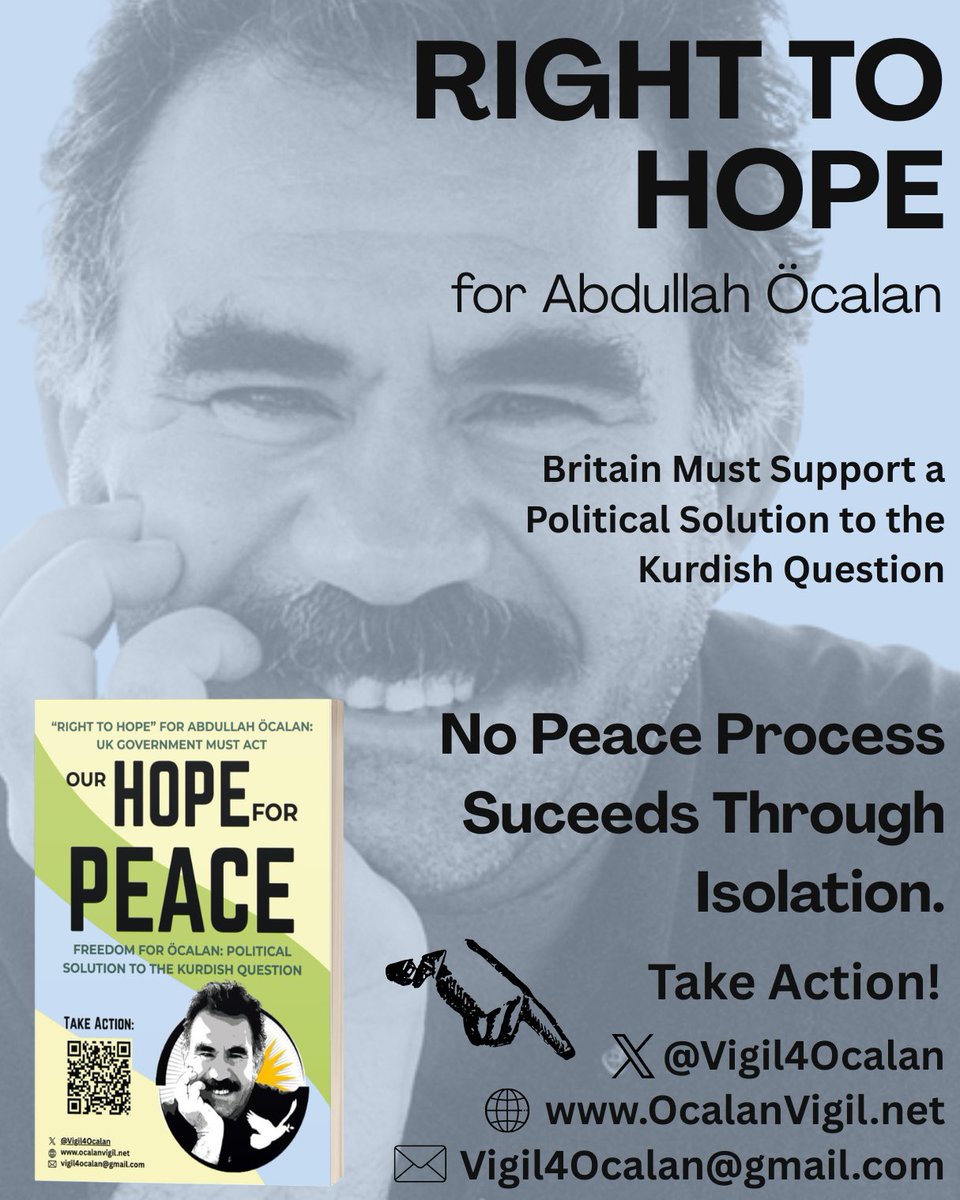
The same principle should be applied to Mr Abdullah Öcalan. For many years, he has expressed support for a peaceful and democratic solution to the Kurdish question, emphasising dialogue, coexistence, equality and human rights. Regardless of political disagreements, he remains a key figure for a significant part of Kurdish society and the wider peace process. Any realistic policy must recognise this reality.
For a renewed process to succeed, Mr Öcalan must be able to participate under conditions consistent with human dignity, legality and meaningful dialogue. This requires ending restrictions that isolate him from lawyers, family members and relevant political actors. It also requires addressing his legal status through a transparent framework consistent with the “right to hope” and the standards of the European Convention on Human Rights. In this context, decriminalisation should not be understood as impunity but as removing barriers that prevent a peace-oriented political actor from contributing openly and responsibly to a democratic settlement.
The Kurdish question cannot be resolved through security measures alone. It is a political and democratic issue involving language, culture, representation, local democracy, equality before the law and the shared future of all peoples in Turkey. A peace process that excludes the person many Kurds regard as their principal interlocutor will remain fragile. One that enables his constructive participation can help transform conflict into democratic politics.
For this reason, European institutions, governments, parliaments and human rights organisations should support dialogue rather than isolation. Recognising Mr Öcalan’s right to hope, improving his detention conditions and enabling his participation as a meaningful interlocutor would be important steps towards peace, democratisation and reconciliation.
As British Kurds, our message to the UK Government is clear: Britain should draw on its experience in conflict resolution and support democratic transition in Turkey. Its expertise in dialogue, negotiation and peace-building can make an important contribution to the current process. We urge the UK Government to support efforts that build trust, strengthen democratic institutions, protect human rights and create conditions for lasting peace. A just solution to the Kurdish question would benefit not only Kurds and Turks but also regional stability and democratic progress across the Middle East. Britain should therefore actively support dialogue, the implementation of the “right to hope”, and recognition of Mr Abdullah Öcalan’s role as a key interlocutor in the peace process.