Interested in health & politics | @universityofga '21 @HopkinsMedicine ‘27 || he/him
Joined March 2016
- Tweets 6,073
- Following 1,886
- Followers 815
- Likes 21,784
67 Photos and videos


Kyle Patel retweeted
🚨New opinion piece @BMJ_Open
With @25Mehjabeen @KylePPatel
• Decolonizing global health through implementation science: defining the path to equity & structural transformation
• We argue that decolonizing global health means rethinking how evidence is generated, valued & applied
bmjopen.bmj.com/content/16/5…
@Dhananjayasha19 @AnantBhan @DrKhan_do @Mundra08 @docVRK @juliomayo @smkaty @keithmartinmd @RantingSid @SushilaT36099 @hayfarani @pash22 @USIEF @khosla_rajat @MehrAdeelRiaz @drskyind
1
14
20
922
Kyle Patel retweeted

When I was born, Georgia’s Senator was an arch segregationist. Now I sit in that seat.
May 12

What historical fact sounds fake but is true?
1,497
2,657
24,726
677,132
Kyle Patel retweeted
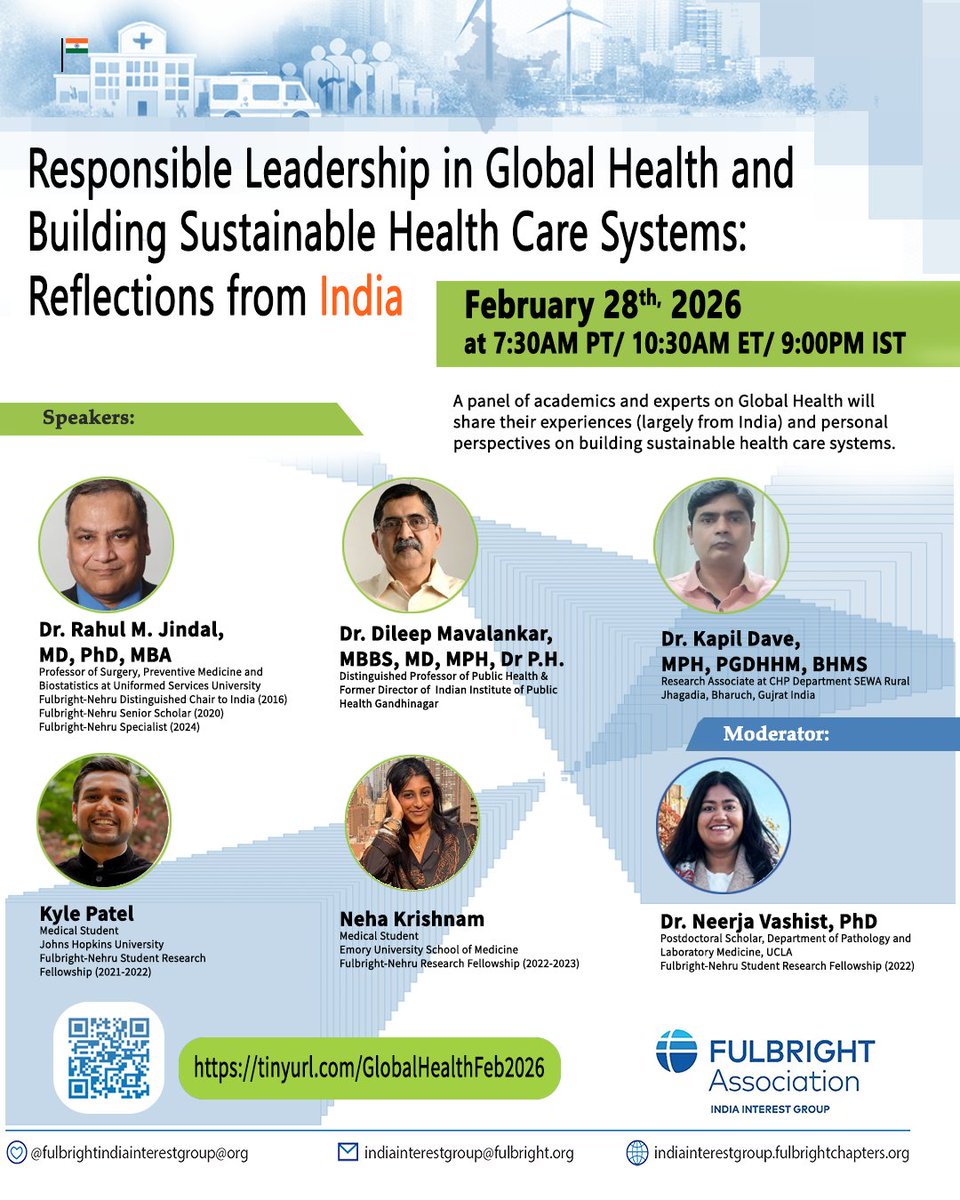
Pleased to participate in the #Fulbright #Indiainterestgroup
@FulbrightAssoc @FulbrightPrgrm @USIEF @KylePPatel
1
4
15
362
Kyle Patel retweeted

7 Nov 2025
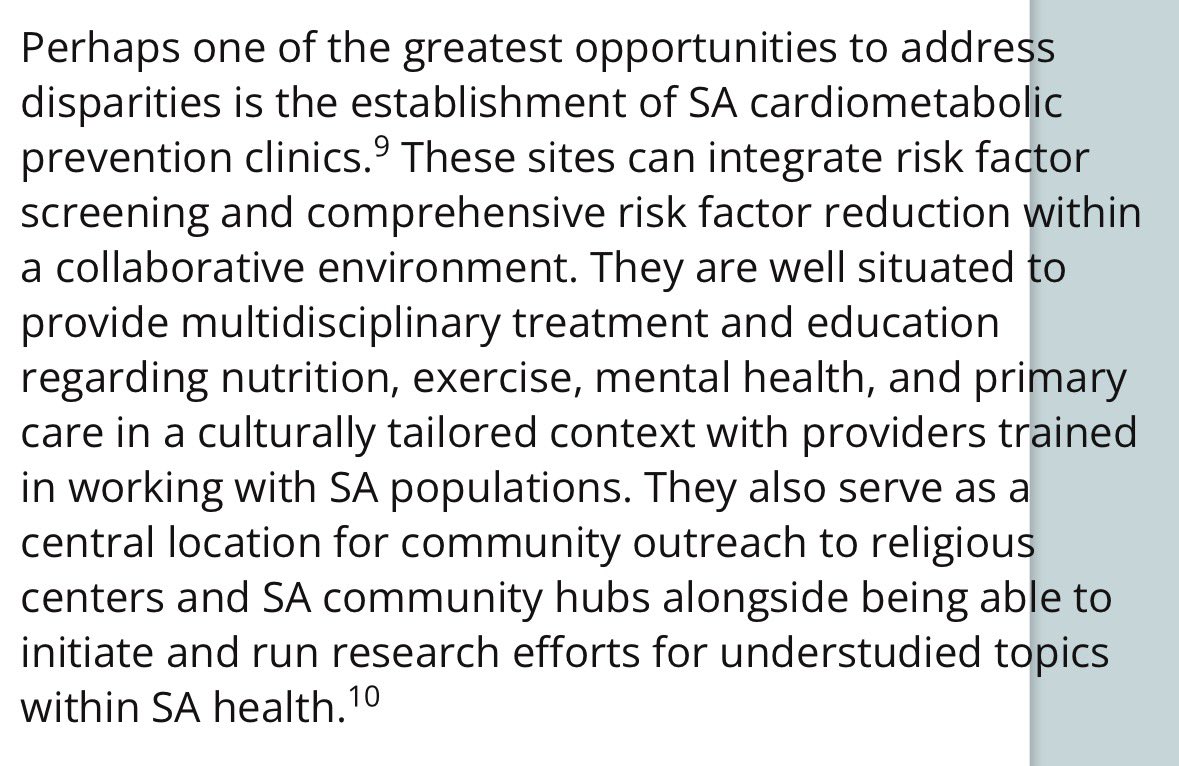
Very proud of @HopkinsMedicine 🌟 Med student @KylePPatel on preparing this summary of a recent @ASPCardio Clinical Practice Statement focused on South Asian CVD Health for @ACCmediacenter
@KevinShahMD @DrMarthaGulati @AKulkarniMD @CiccaroneCenter
7 Nov 2025

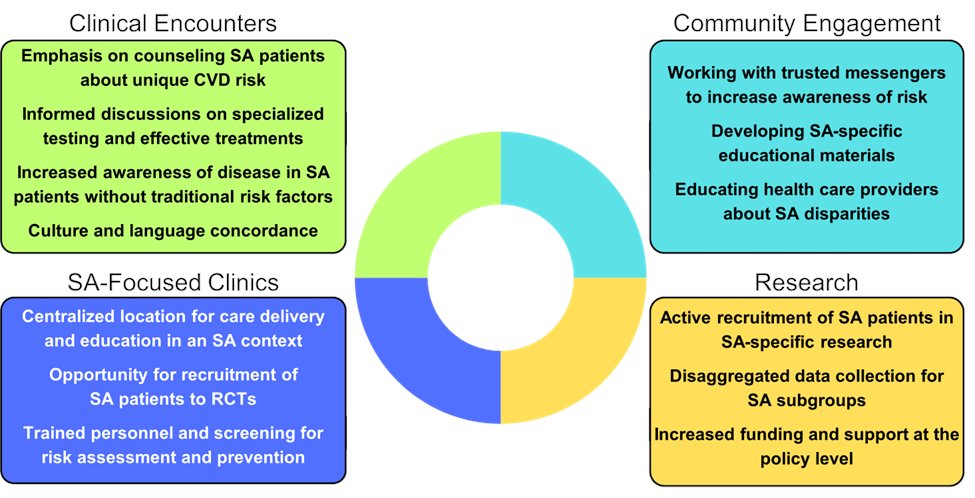
The ASPC clinical practice statement provides a roadmap for clinicians, communities, and academia to address cardiometabolic disease in South Asian individuals residing in North America.
Read the full expert analysis ➡️ bit.ly/3Lpll6p #cvPrev
9
21
4,071

7 Nov 2025
Proud to share our analysis published earlier this week!
In summary, a comprehensive, approach that involves all stakeholders will be the most impactful way to optimize the identification, prevention, and treatment of CVD among South Asians in the United States.
7 Nov 2025
The ASPC clinical practice statement provides a roadmap for clinicians, communities, and academia to address cardiometabolic disease in South Asian individuals residing in North America.
Read the full expert analysis ➡️ bit.ly/3Lpll6p #cvPrev
1
1
1
302
Kyle Patel retweeted
4 Oct 2025
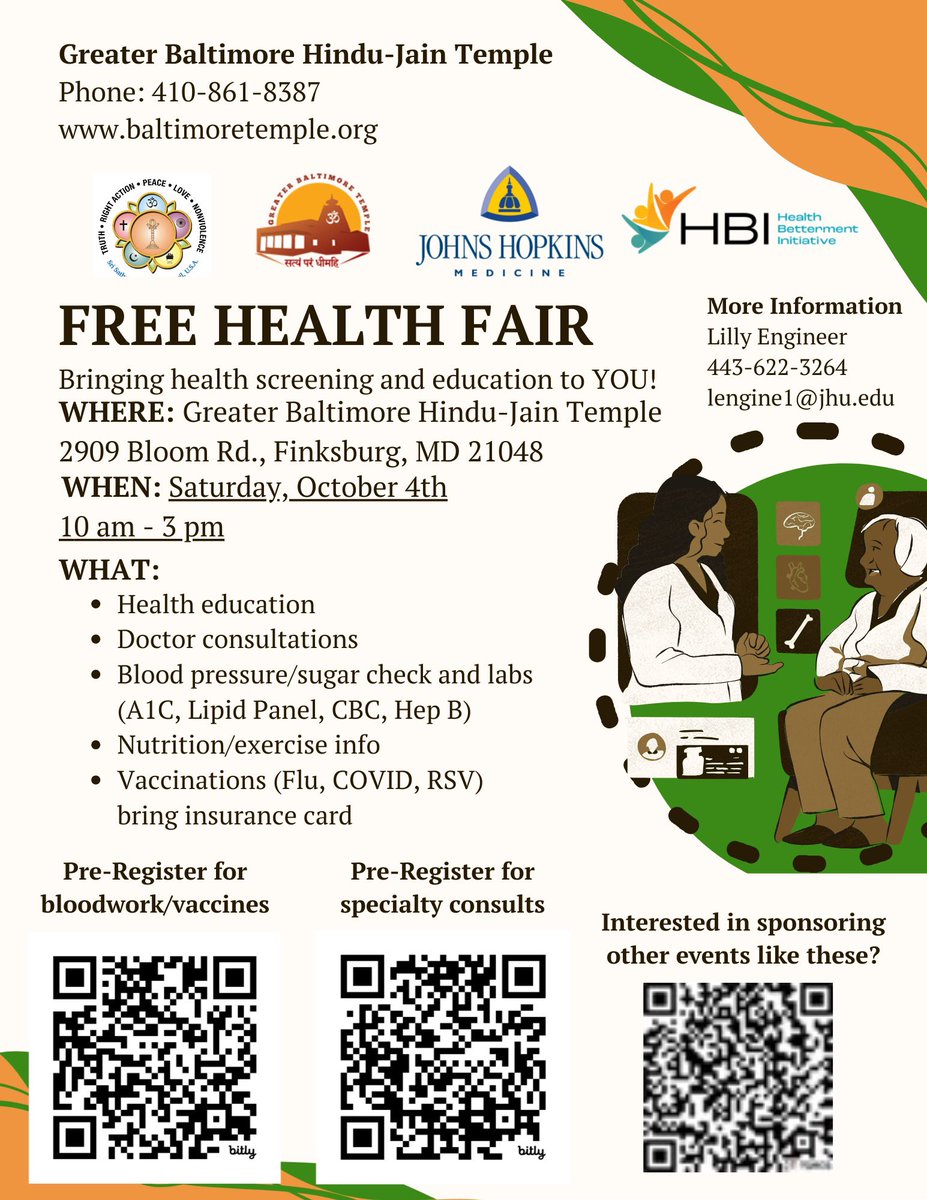
We’re in the community!
@HopkinsMedicine @CiccaroneCenter
#SACHI great initiative led by our South Asian Medical Student Association #SAMSA 👏🏼
@KylePPatel
4
12
729
Kyle Patel retweeted

21 Jul 2025
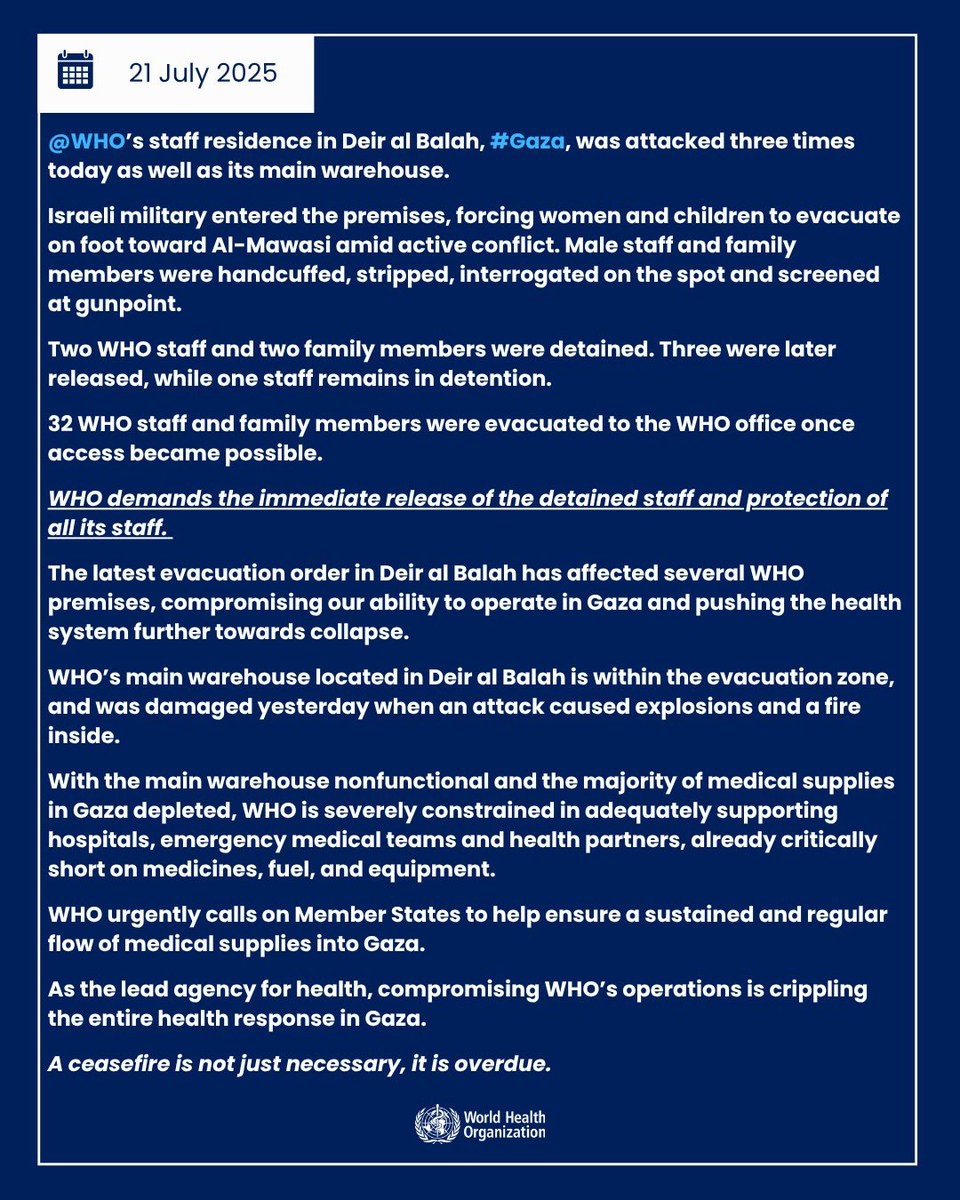
.@WHO’s staff residence in Deir al Balah, #Gaza, was attacked three times today as well as its main warehouse.
Israeli military entered the premises, forcing women and children to evacuate on foot toward Al-Mawasi amid active conflict. Male staff and family members were handcuffed, stripped, interrogated on the spot and screened at gunpoint.
Two WHO staff and two family members were detained. Three were later released, while one staff remains in detention.
32 WHO staff and family members were evacuated to the WHO office once access became possible.
WHO demands the immediate release of the detained staff and protection of all its staff.
The latest evacuation order in Deir al Balah has affected several WHO premises, compromising our ability to operate in Gaza and pushing the health system further towards collapse.
WHO’s main warehouse located in Deir al Balah is within the evacuation zone, and was damaged yesterday when an attack caused explosions and a fire inside.
With the main warehouse nonfunctional and the majority of medical supplies in Gaza depleted, WHO is severely constrained in adequately supporting hospitals, emergency medical teams and health partners, already critically short on medicines, fuel, and equipment.
WHO urgently calls on Member States to help ensure a sustained and regular flow of medical supplies into Gaza.
As the lead agency for health, compromising WHO’s operations is crippling the entire health response in Gaza.
A ceasefire is not just necessary, it is overdue.
335
1,494
2,120
296,610
Kyle Patel retweeted

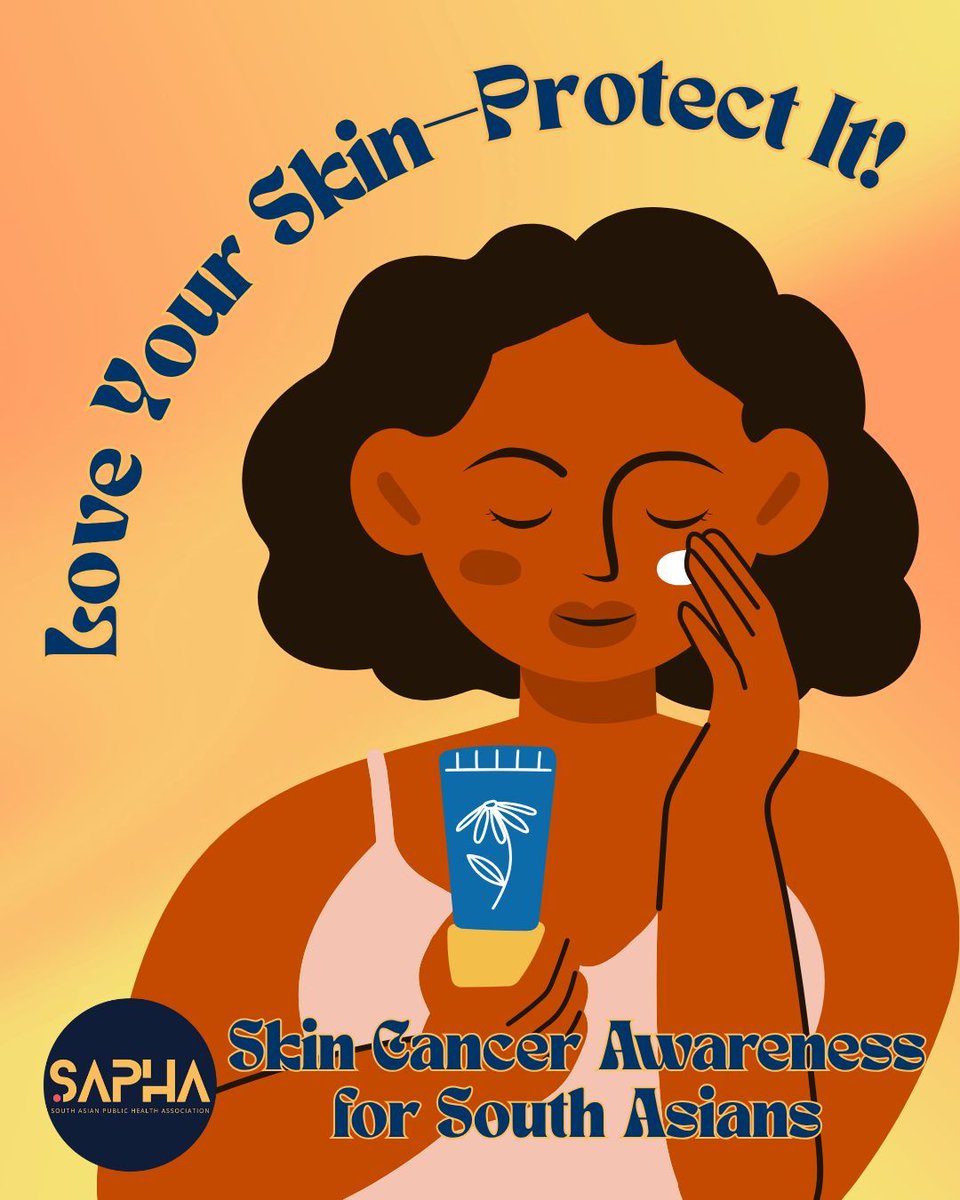
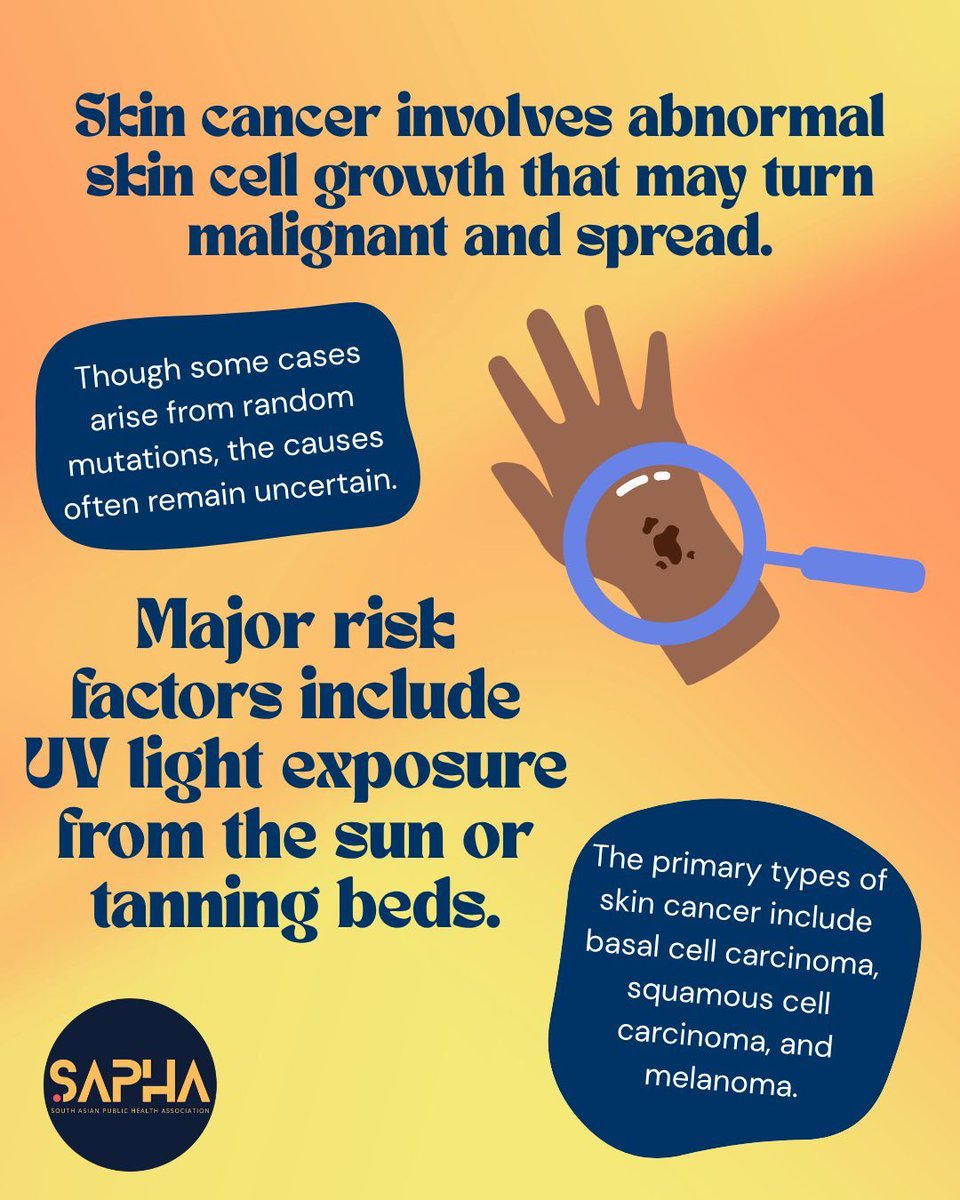
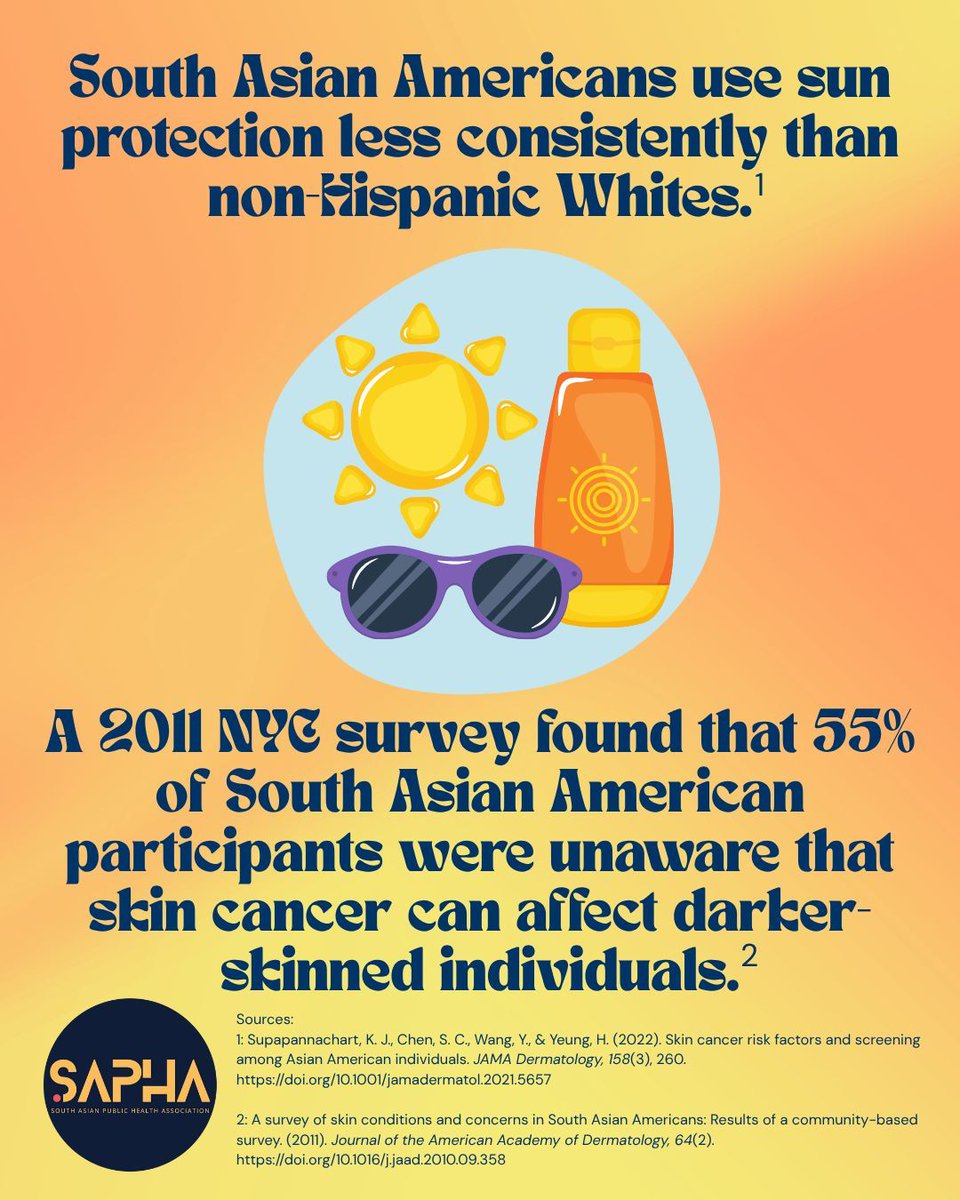
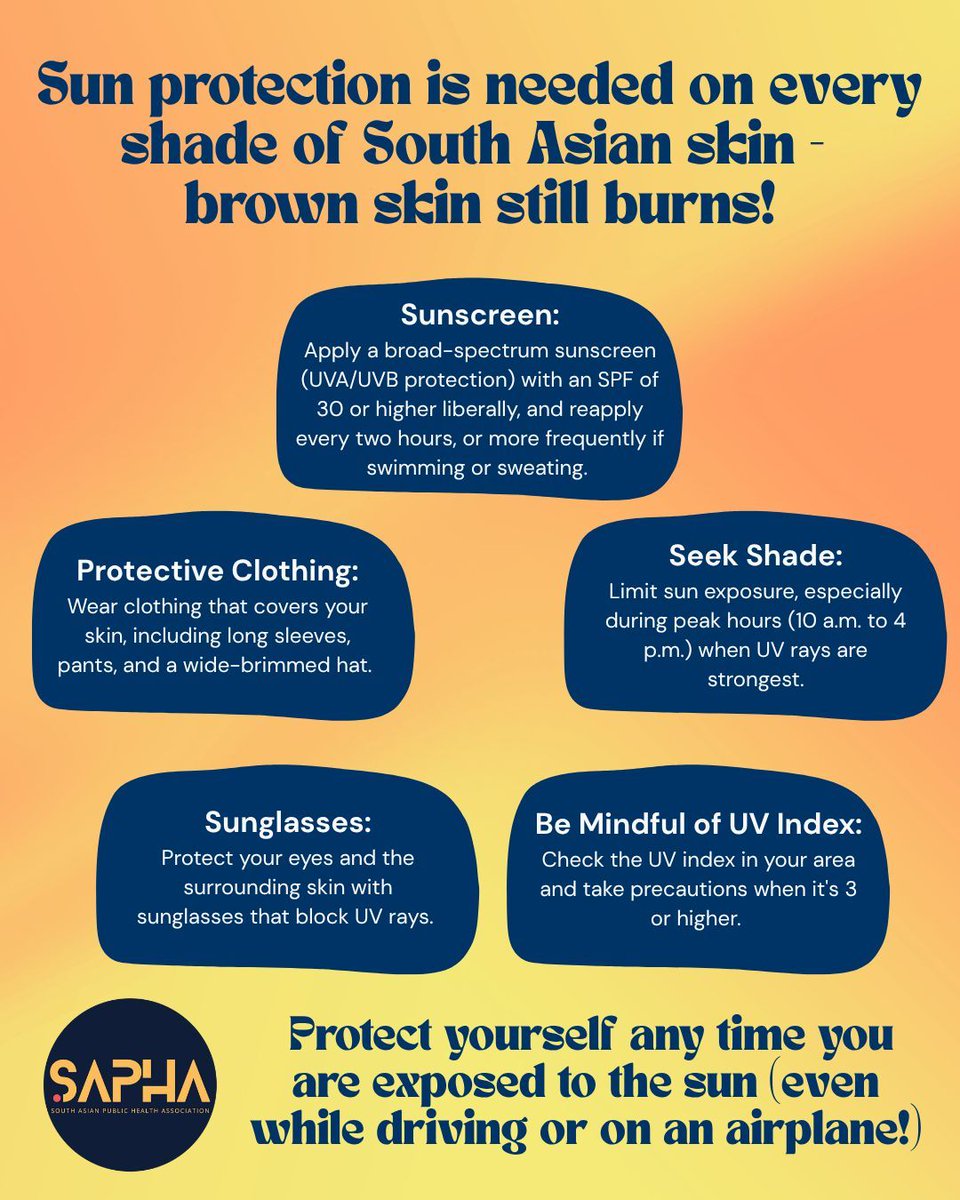
Did you know that even darker-complexioned individuals are at risk of developing skin cancer? 🤯 Skin cancer is the most common type of cancer, but also one of the most preventable. Make sure to use sun protection anytime the UV index is above 3! 🌞
2
2
135
Kyle Patel retweeted

6 Jul 2025
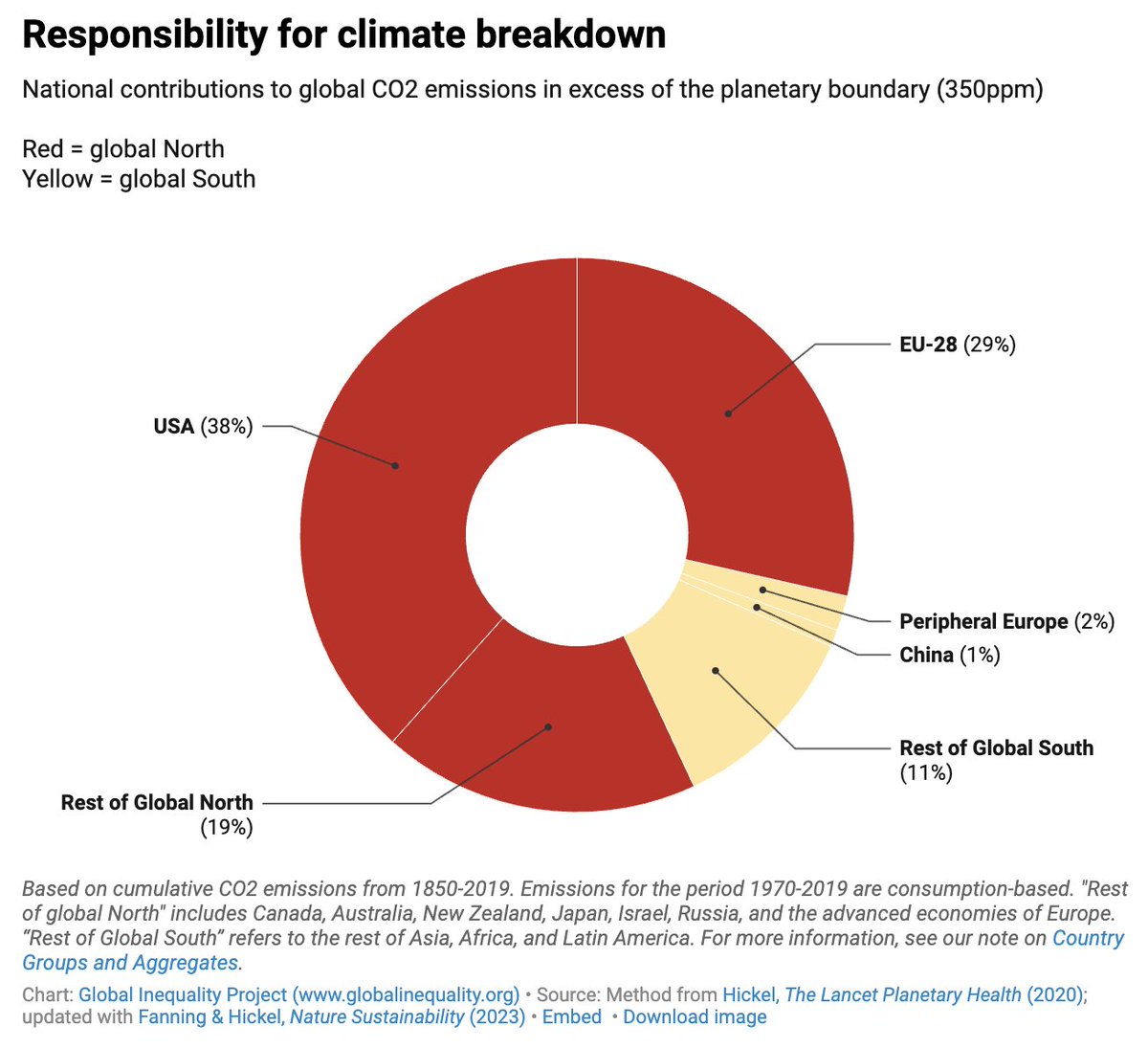
Who is driving climate breakdown? Buckle up for some striking data... 🧵
1. First, global North countries are responsible for 86% of cumulative emissions in excess of the safe planetary boundary.
China is responsible for 1%. The rest of the South and peripheral Europe is responsible for 13%.
These results arise from taking the safe carbon budget and dividing into national "fair shares" on a per-capita basis, and then assessing national emissions against national fair-shares.
201
2,019
4,688
339,716
Kyle Patel retweeted

1 Jul 2025
🚨New Scoping review
Proud to share our scoping review published in @BioMedCentral with @25Mehjabeen @kyleppatel summarizing research on decolonizing global health & current gaps
bmchealthservres.biomedcentr…
@Dhananjayasha19 @AnantBhan @DrKhan_do @BestOrthoDr @Mundra08 @docVRK @juliomayo @smkaty @SonaliVaid @theG4Alliance @keithmartinmd @RantingSid @SushilaT36099 @SKThakur56 @hayfarani @pash22 @angryoldman27 @lonimdixit @USIEF
6
37
52
4,626
Kyle Patel retweeted
12 Jun 2025
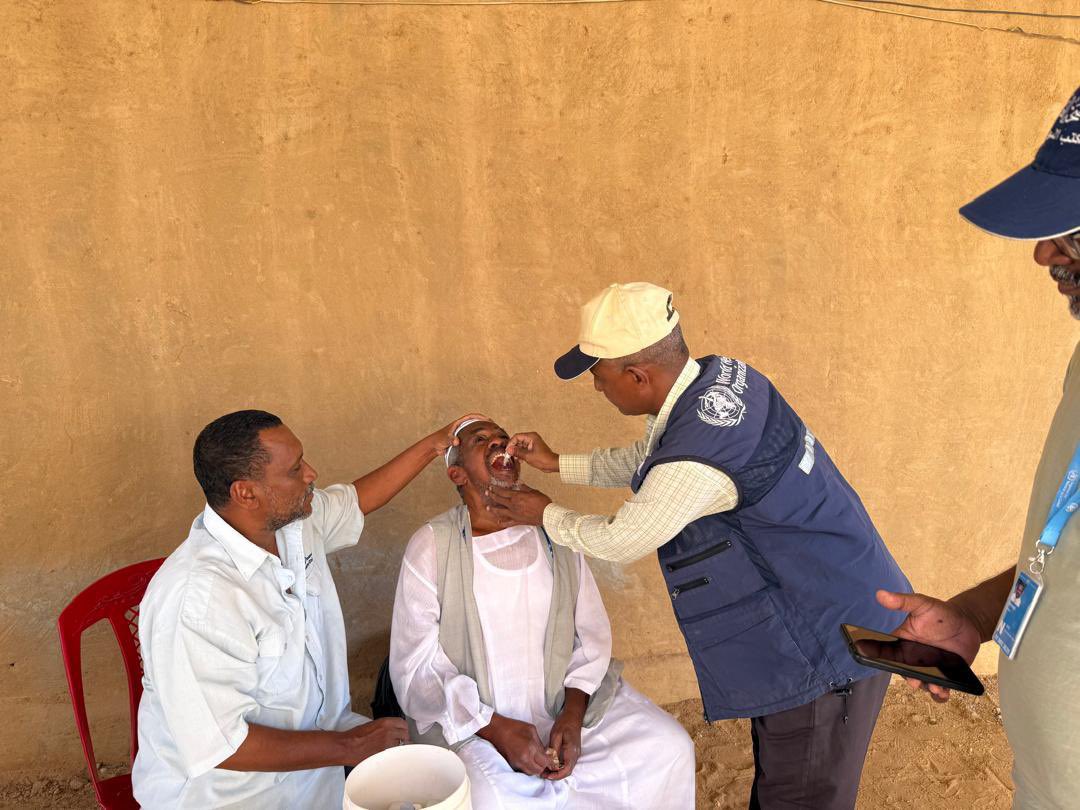
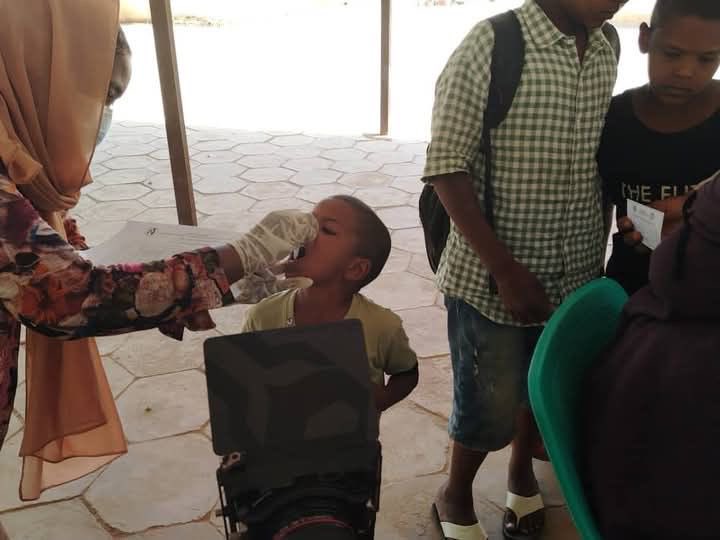
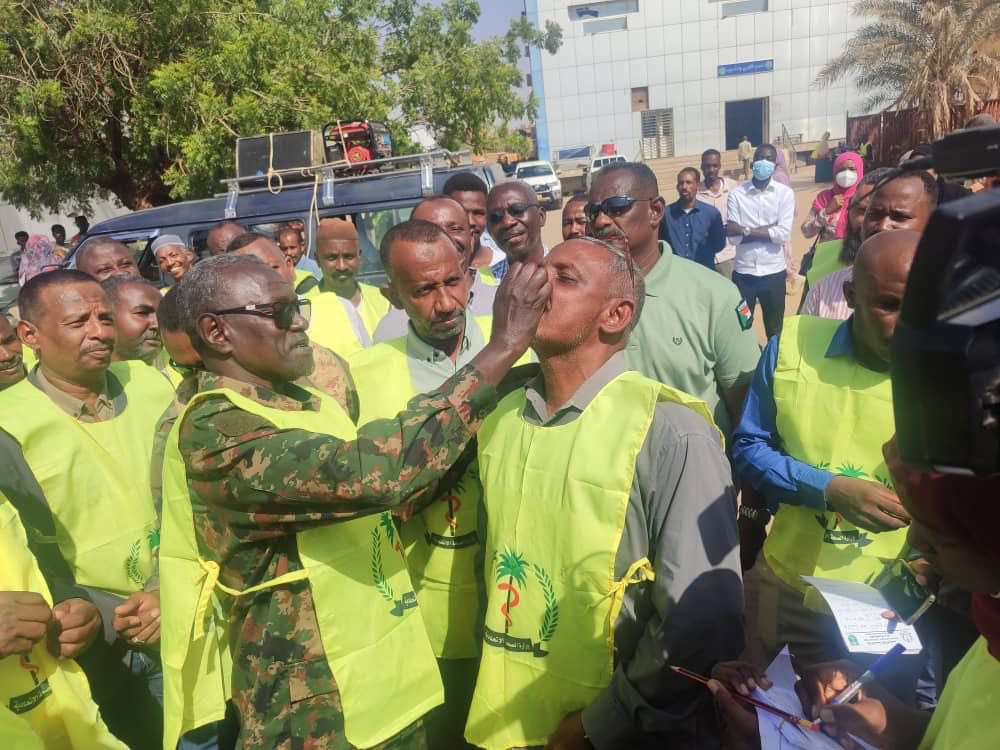
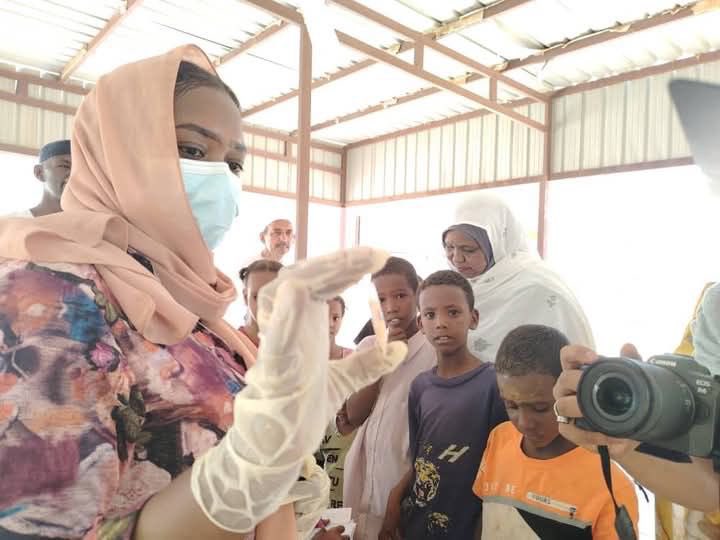
.@WHO and @UNICEF supporting the launch of a 10-day oral #cholera vaccination campaign in #Sudan’s Khartoum State to protect more than an additional 2.6 million people and contain the outbreak: bit.ly/446qlmi
8
27
59
6,604
Kyle Patel retweeted

4 Jun 2025
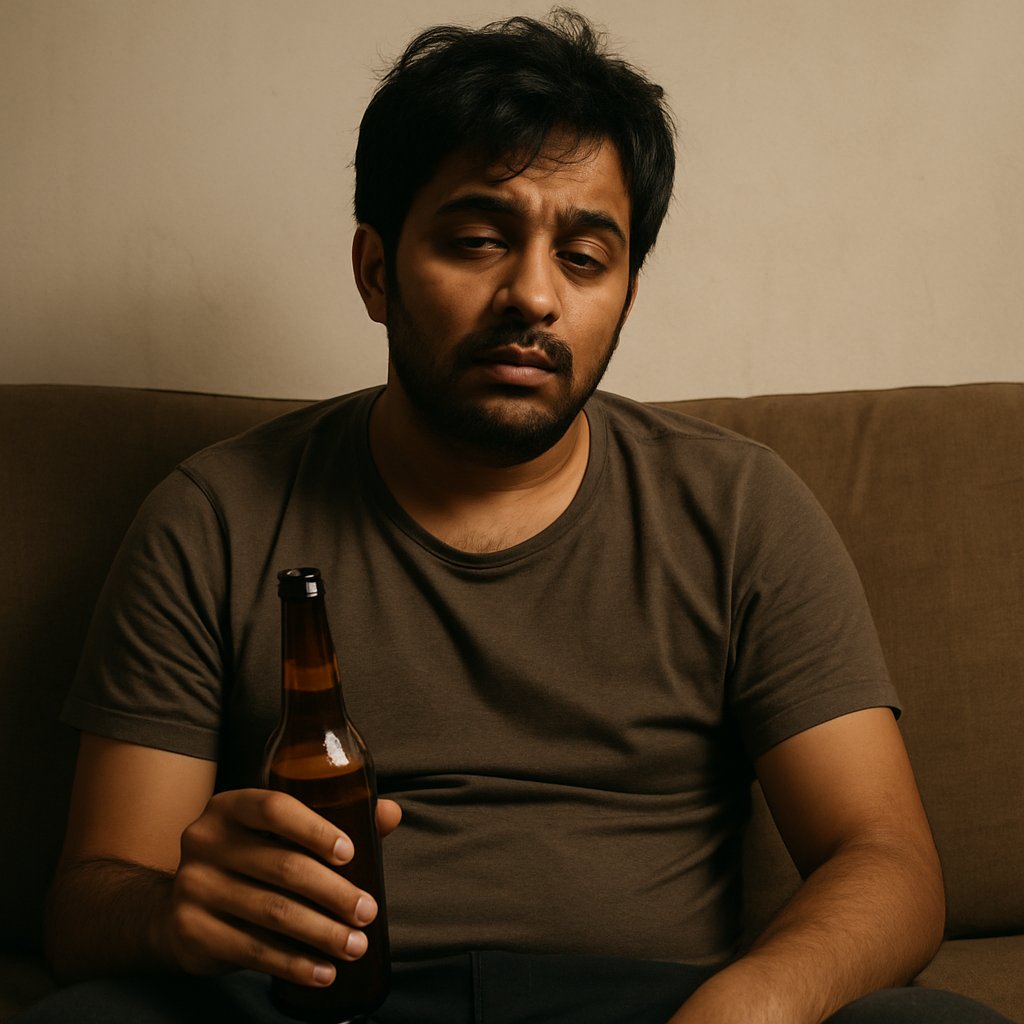
The Weight of the Bottle🍻
▶️At thirty, Ajay’s life was a shadow of what it could have been. Twelve years ago, he was a vibrant college student, chasing dreams of becoming a graphic designer. A beer here, a shot there—it started innocently, a way to unwind with friends. But the drinks became a crutch, then a necessity. By his mid-twenties, Ajay’s days revolved around the bottle, and by thirty, it had taken nearly everything from him.
▶️The first sign something was wrong came at twenty-five. Ajay noticed his hearing fading, like someone was slowly turning down the volume on the world. At first, he brushed it off—maybe it was just loud music or earwax. But an ENT evaluation confirmed sensorineural hearing loss, a condition linked to chronic alcohol abuse. The damage was irreversible. Conversations became a struggle, and the world grew quieter, isolating him further.
▶️Two years later, his vision started to blur. Reading emails or sketching designs became impossible. Another diagnosis: optic neuropathy, inflammation/damage of the optic nerve, likely triggered by years of alcohol poisoning his system. His once-sharp eyes, critical for his art, now betrayed him. He could barely make out faces across a room, let alone create the vibrant designs he’d once dreamed of.
▶️Walking was no easier. Ajay’s steps grew unsteady, his balance faltering as if the ground itself was tilting. Clinical evaluation by a neurologist was suggestive of Myeloneuropathy—a neurological condition caused by alcohol’s toxic assault (with additional vitamin B12 deficiency) on his spinal cord and nerves. His legs felt heavy, unreliable, and a burning, tingling sensation in his feet kept him awake at night. Simple tasks like walking to the store became daunting, and the pain in his feet was a constant reminder of the price he was paying.
▶️Ajay’s health wasn’t the only casualty. His graphic design career, already shaky from missed deadlines and sloppy work, collapsed entirely. Clients stopped calling, and his portfolio gathered dust. Unemployment followed, and with it, financial ruin. Bills piled up, and his small apartment became a cluttered prison of unpaid notices and empty bottles. Friends drifted away, tired of his excuses and the chaos that followed him. His family tried to help, but Ajay’s pride and denial pushed them back.
▶️One evening, sitting alone in the dark, Ajay poured another drink. His hands trembled, not from need but from the nerve damage that made even holding a glass a challenge. He stared at the amber liquid, its familiar burn no longer a comfort but a taunt. This was his life now: deafened, half-blind, stumbling, and broke. The bottle had promised escape but delivered a slow, relentless destruction.
▶️Another visit to the neurologist was a turning point. Ajay was asked to join alcohol deaddiction program. Reluctantly, he went. There, he heard stories like his—lives unraveled by alcohol, bodies and futures broken. For the first time, he saw his path clearly: continue drinking and lose what little remained, or fight for a chance at redemption.
▶️Ajay chose to fight. Sobriety was grueling. Withdrawal shook him to his core, and the cravings were relentless. But with each sober day, he felt a flicker of hope. He leaned on the support group, reconnected with his family, and sought medical care to manage his conditions. His hearing and vision wouldn’t fully recover, and the nerve damage could only be partially recovered, but physical therapy helped him walk with more confidence. He found a part-time job, not in design but in a community center, where he could help others avoid his mistakes.
▶️Ajay’s story isn’t one of a miraculous recovery. The scars of his addiction—physical, financial, and emotional—will never fully fade. But it’s a story of truth: chronic alcohol abuse can steal your health, your livelihood, and your future. It can leave you disabled, jobless, and drowning in debt. Ajay learned too late that the bottle’s promises are lies, but he’s proof that even in the wreckage, there’s a chance to rebuild—if you choose to put the drink down.
▶️Message: Chronic alcohol abuse can devastate your body and life, leading to irreversible disabilities like hearing loss, vision impairment, and neurological damage. It can strip away your career, finances, and relationships, leaving you isolated and struggling. Recovery is possible, but the cost of addiction is steep—don’t wait until it’s too late to change.
(Based on a patient whom I had earlier managed. Name has been changed to maintain privacy)
8
24
116
12,329
Kyle Patel retweeted
30 May 2025
We are appalled by another deadly attack on Eldaman International Hospital in Elobeid, #Sudan, in which six health workers reportedly lost their lives and several were injured.
Attacks on health must stop. We call for protection of all health infrastructure and health personnel.
The best medicine is peace.
21
68
139
47,869
Kyle Patel retweeted

1 Jun 2025
DERM AI now legally authorized to make clinical judgment without dermatologist oversight.
99.8% accuracy, dermatologists: 98.9%.
NHS hospitals use DERM to identify benign lesions without dermatologist review, enabling same-day patient discharge.
@emollick @jbcarmody
15
37
295
94,576
Kyle Patel retweeted

30 May 2025
Republican Sen. Joni Ernst just got heckled at a town hall over Medicaid cuts in the GOP budget bill.
One attendee appeared to yell out: "People are going to die!"
Ernst responded: "Well, we are all going to die."
57
168
764
120,080
Kyle Patel retweeted

26 May 2025
BREAKING: An Israeli airstrike on a school-turned-shelter has killed at least 25 Palestinians, mostly women and children, Gaza's Health Ministry said. The school was hit three times while people slept, setting their belongings ablaze, they added. apnews.com/article/israel-pa…
1,059
3,567
8,680
3,700,810
Kyle Patel retweeted

22 May 2025
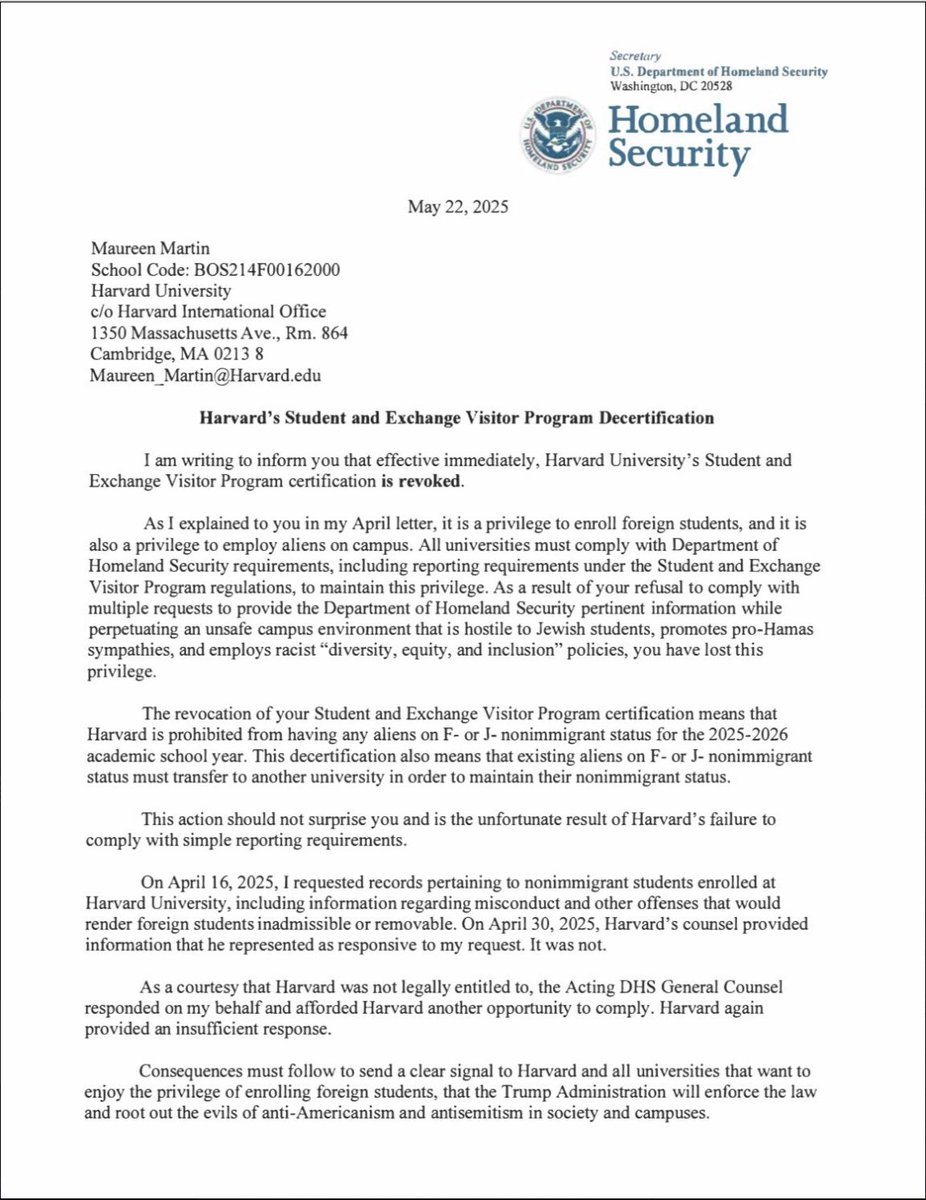
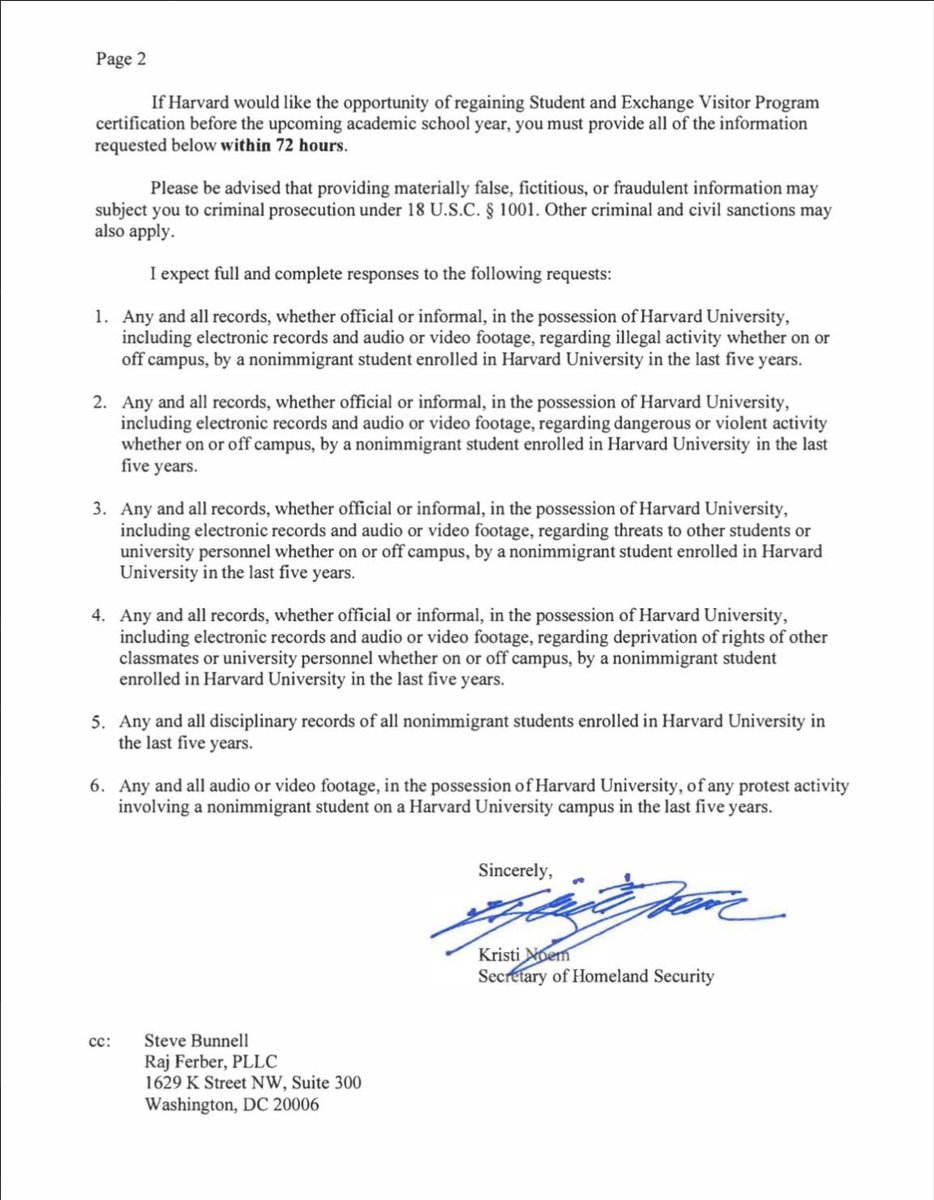
BREAKING: The Department of Homeland Security just told @Harvard it will lose its ability to enroll international students if it doesn't comply with a list of demands within 72 hours.
Among those demands is an astounding requirement that Harvard hand over "all audio or video footage, in the possession of Harvard University, of any protest activity involving a nonimmigrant student on a Harvard University campus in the last five years."
Not just illegal activity. **Protest activity**. Including protected speech. Including if American citizens are involved.
The government also threatens Harvard with criminal prosecution if it provides "materially false, fictitious, or fraudulent information."
The first page of the letter ends by stating that the Trump administration "will enforce the law and root out the evils of anti-Americanism."
But there's nothing American about the government's demands.
The Trump administration is adopting the tactics of Peruvian strongman Óscar Benavides, who once said, "For my friends, everything; for my enemies, the law."
Harvard insisted the administration not violate its First Amendment rights. It filed a lawsuit last month to vindicate those rights.
In return, it's received more of "the law." — and more unconstitutional demands.
Nothing is more un-American than that.
901
2,556
11,448
1,446,824
Kyle Patel retweeted

22 May 2025
the reconciliation bill eliminates grad plus loans which allow grad students to cover the full cost of their attendance. probably will destroy law school, medical schools, and most graduate programs everywhere in the country
777
3,371
20,866
1,441,947
Kyle Patel retweeted

23 May 2025
The bill will throw millions of Americans off Medicaid and take food from about 40 million Americans, all so that the Top 1% can get HUGE tax benefits.
And it adds $3 trillion to our debt.
So yeah. A no-brainer. But not quite how you mean it.

The One, Big, Beautiful Bill delivers permanent tax cuts and bigger paychecks while removing taxes on tips and overtime. It's a no-brainer.
@RepJahanaHayes, @RepJohnLarson, @RepJoeCourtney, @rosadelauro, and @jahimes all voted NO. They are doing a disservice to America & CT.
85
63
323
46,362