Team Leader @263chat | Founder The Lensecape Media | Multimedia SpeciIist | Man United | Family | Photography
Joined October 2013
- Tweets 21,538
- Following 11,903
- Followers 12,573
- Likes 25,703
2,086 Photos and videos


Pinned Tweet

13 May 2024
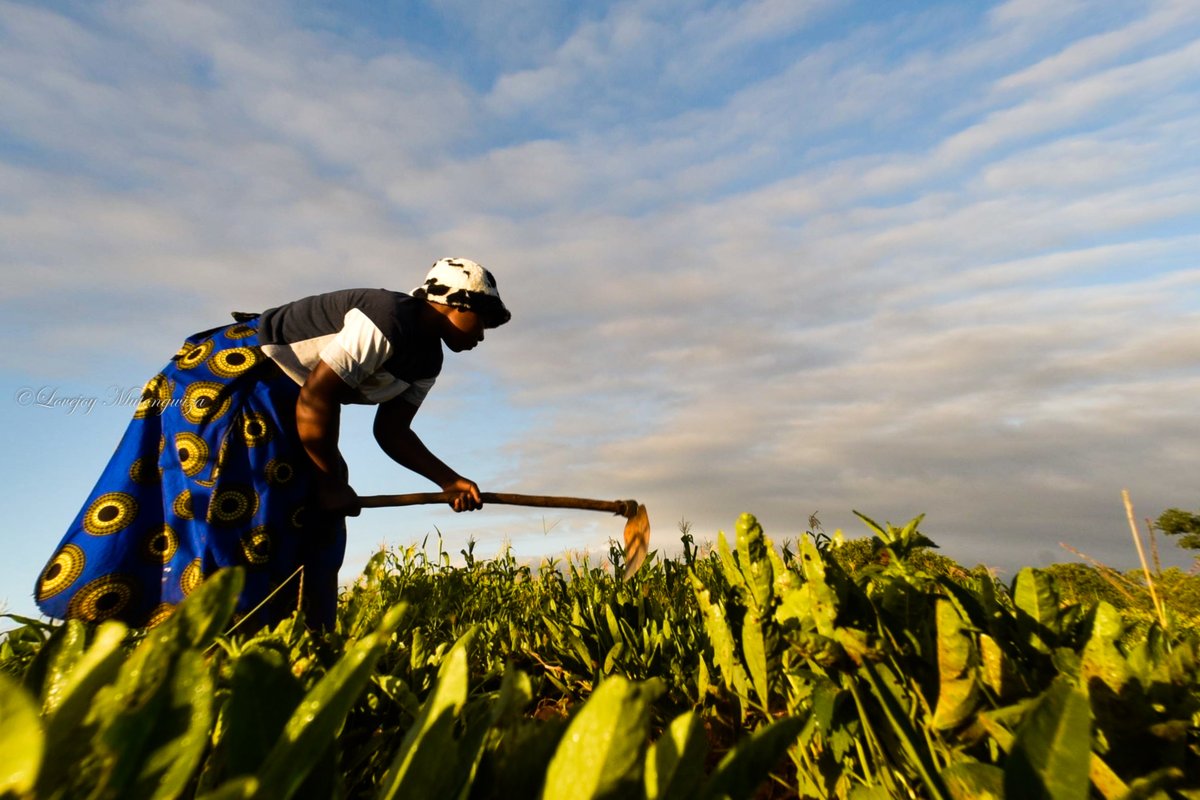
In Masvingo, Zimbabwe, this resilient farmer is part of a sustainable farming group combating the impacts of El Niño-induced drought. Through gender-inclusive farming practices, they're not only addressing climate change but also advancing SDGs on gender equality. #WomenInFarming
2
18
3,940
Lovejoy L-Jay Mtongwiza retweeted

Steel girder installation, reinforcement works and deck slab preparations are in progress as teams work tirelessly to deliver this transformative infrastructure project.
Building the future, kilometer by kilometer 🇿🇼🇿🇼
9
27
126
19,855
Grow Your Brand with @263Chat
Looking to reach a wider audience and boost your visibility?
Partner with 263Chat , the leading digital platform with massive social media reach.
Get in touch on 263771666865 or email lovejoy@263chat.com, kuda 263chat.com
80
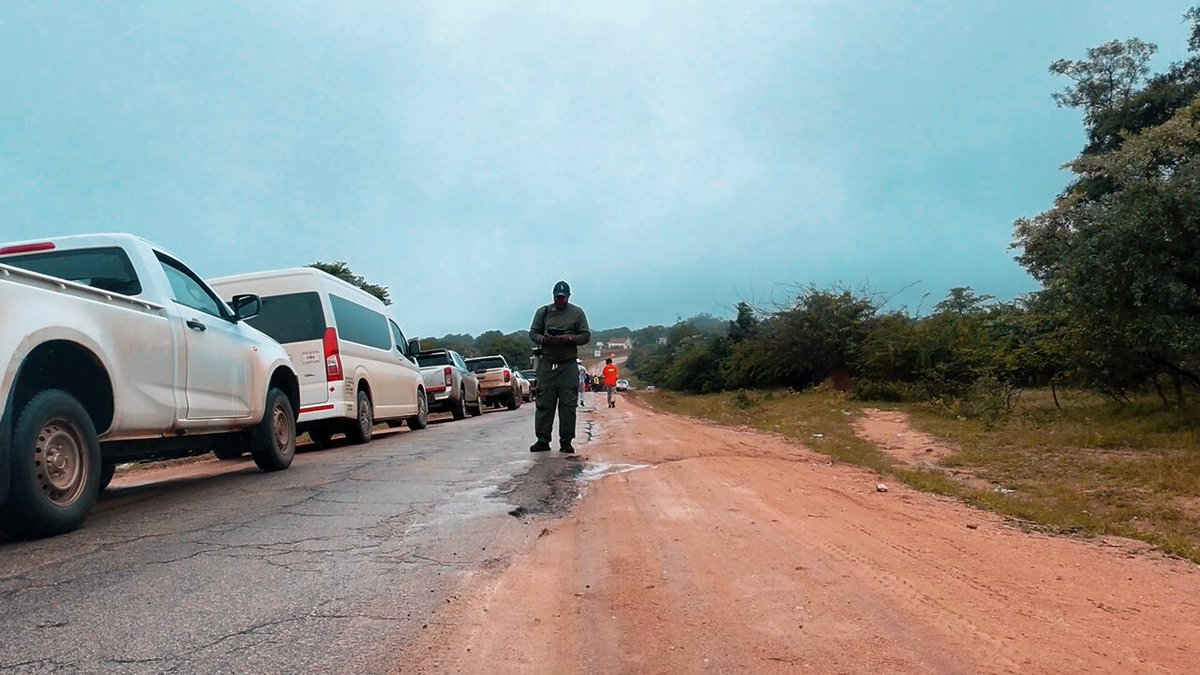
Authorities in Maphisa, Matabeleland South, are clearing sand from bridges ahead of Independence Day 🇿🇼
Heavy rains had blocked waterways, raising flooding risks and road safety concerns.
Engineers say the clean-up will restore flow and improve safety.
1
400


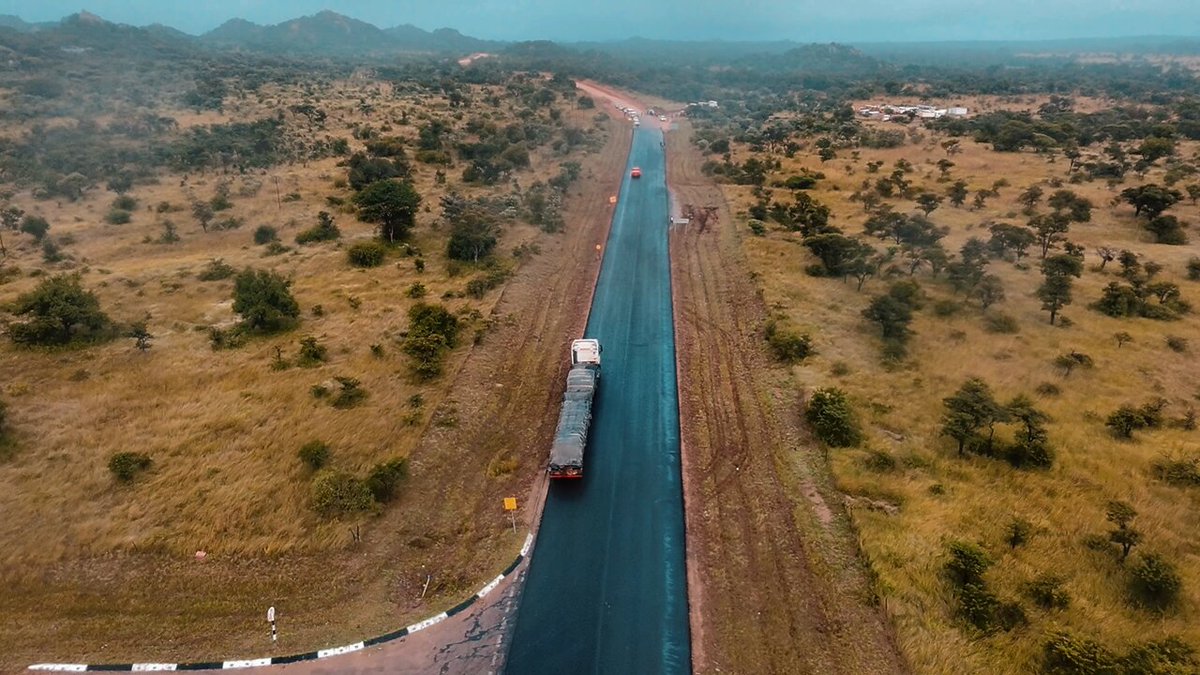
Aerial view of ongoing works on the Byo–Kezi–Maphisa road.
The rehabilitation is part of the govt’s ERRP2, which aims to restore key transport routes across Zimbabwe and improve connectivity for communities and businesses.
@MinistryofTID @Mhonafelix2 @ZiFMStereoNews @KMutisi
2
8
547
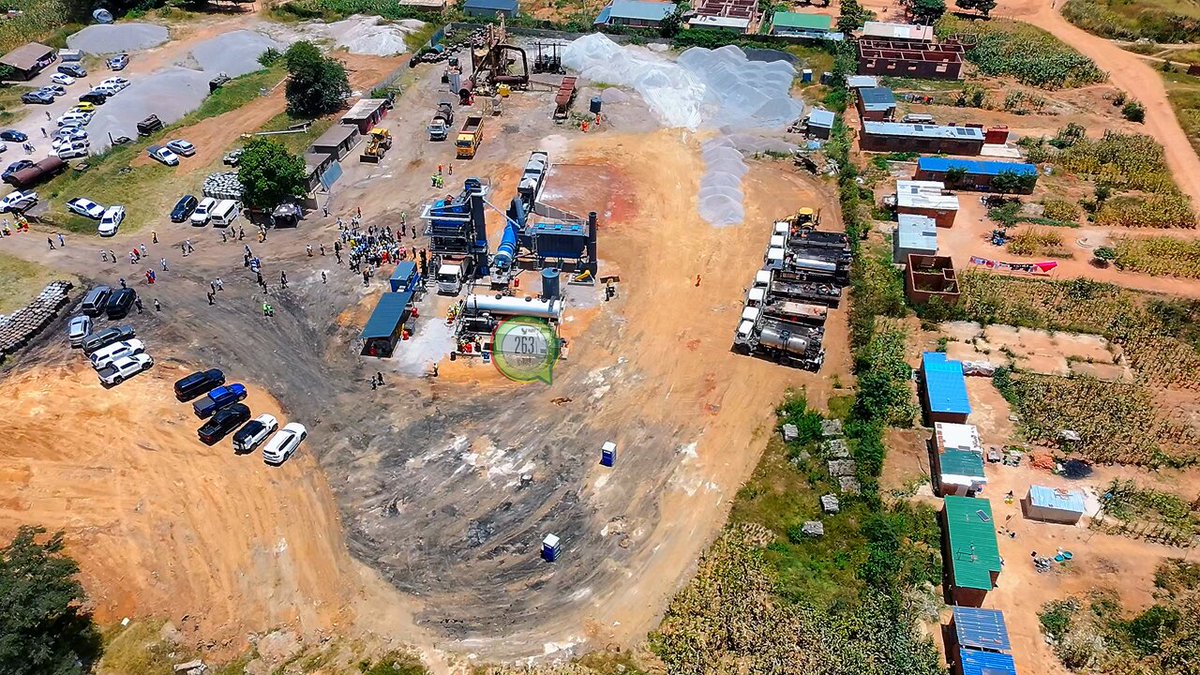
Still learning this drone thing...
This is an aerial view of the recently commissioned Skyline Asphalt Plant, which will service all 92 local authorities across Zimbabwe, ending years of reliance on expensive private contractors for road rehabilitation
2
2
9
1,411
Lovejoy L-Jay Mtongwiza retweeted

Feb 17
We’ve done it! 🇿🇼 🥳
#T20WorldCup

1,146
5,197
64,014
553,661
Lovejoy L-Jay Mtongwiza retweeted

Zimbabwe to Australia 👇🏿
(c) @L_JayMut

Feb 17

#Zimbabwe’s match against @cricketireland has been washed out without a ball being bowled. That means that Zimbabwe qualifies for the @cricketworldcup Super 8s.
Not the way we all would have wanted it but this qualification is thoroughly well deserved given how our lads played in the first two matches.
1
9
416
No, he didn't...🥲🥲🥲


80
Lovejoy L-Jay Mtongwiza retweeted
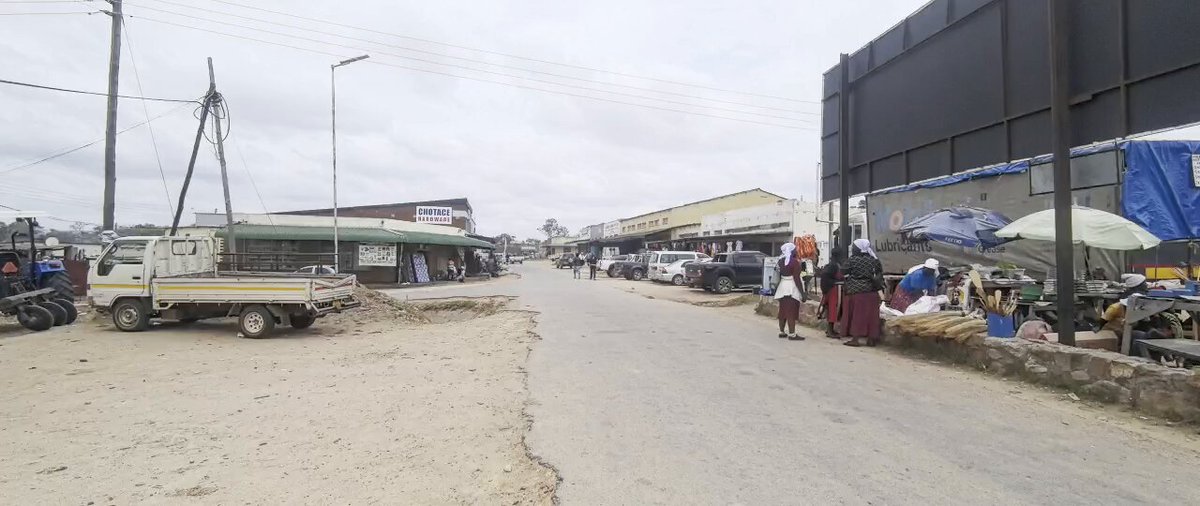
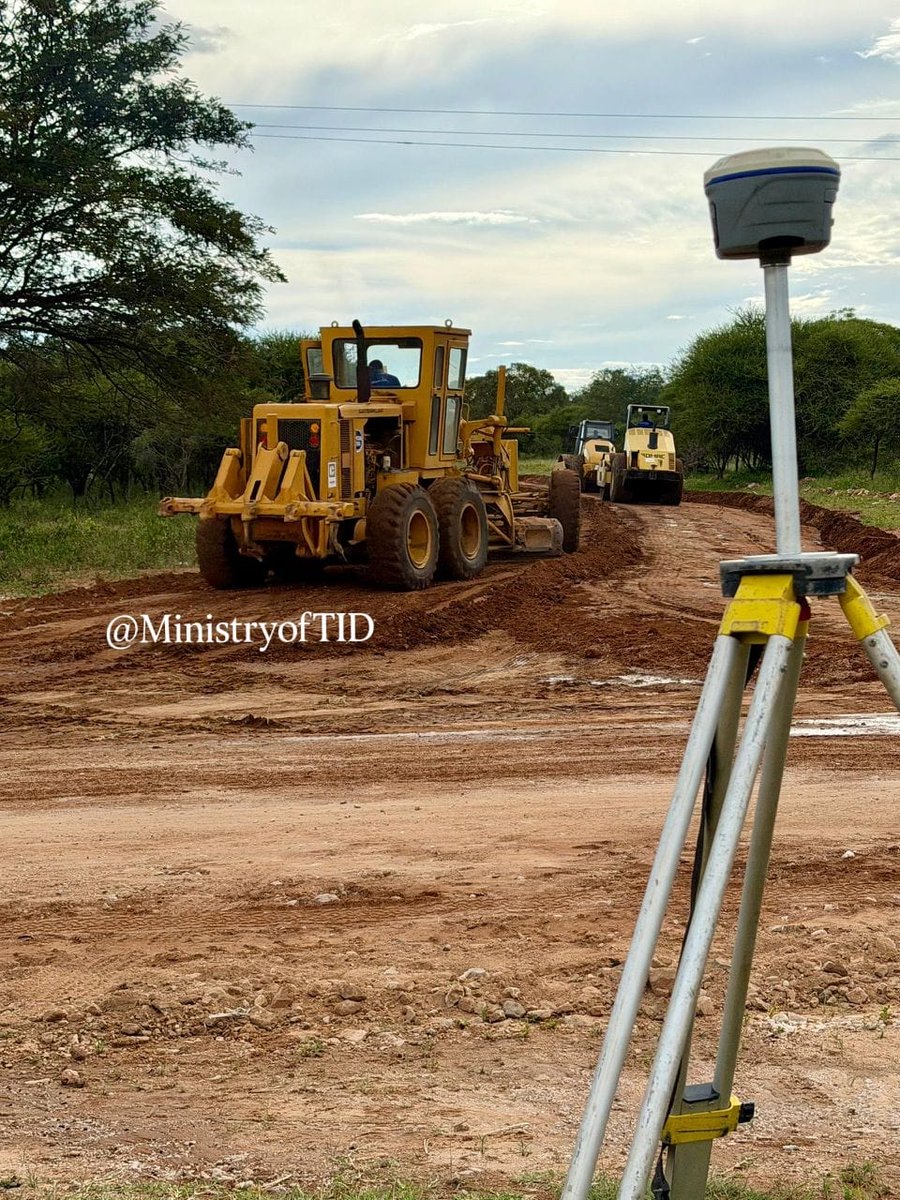
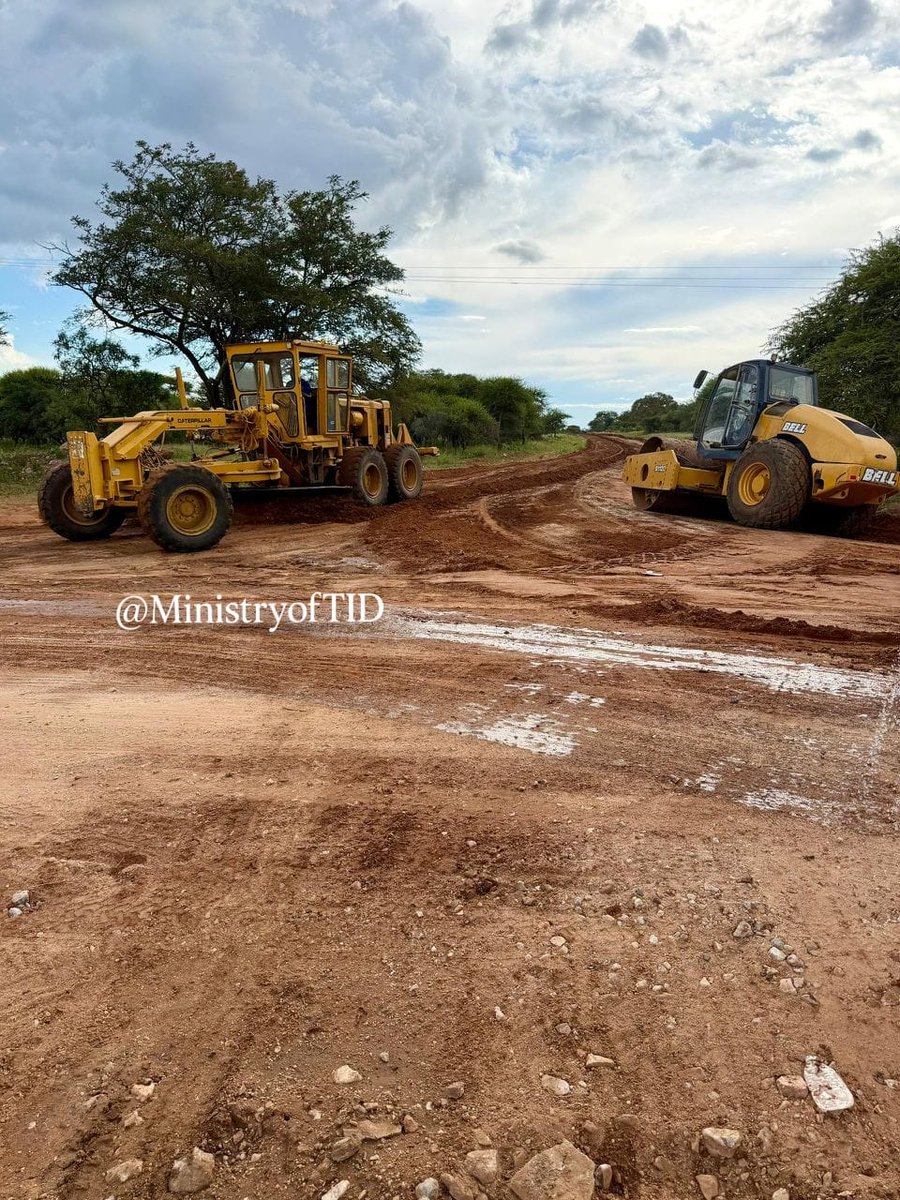
CONSTRUCTION OF MAPHISA TOWN BOARD ROADS
Construction of access roads in Maphisa is currently in progress. Maphisa, once a modest rural business centre in the Matobo District, was recently elevated to town board status. This recognition reflects its projected growth into a regional hub, driven by mining, agriculture, and investment from the diaspora community.
As a town board, Maphisa now enjoys greater autonomy in planning, infrastructure development, and service delivery, positioning it as a key growth point in Matabeleland South.
Within the business centre, these roads link shops, markets, government offices, and residential areas; they are vital for local commerce and daily life. #KilometerbyKilometer
4
13
35
5,122
Lovejoy L-Jay Mtongwiza retweeted
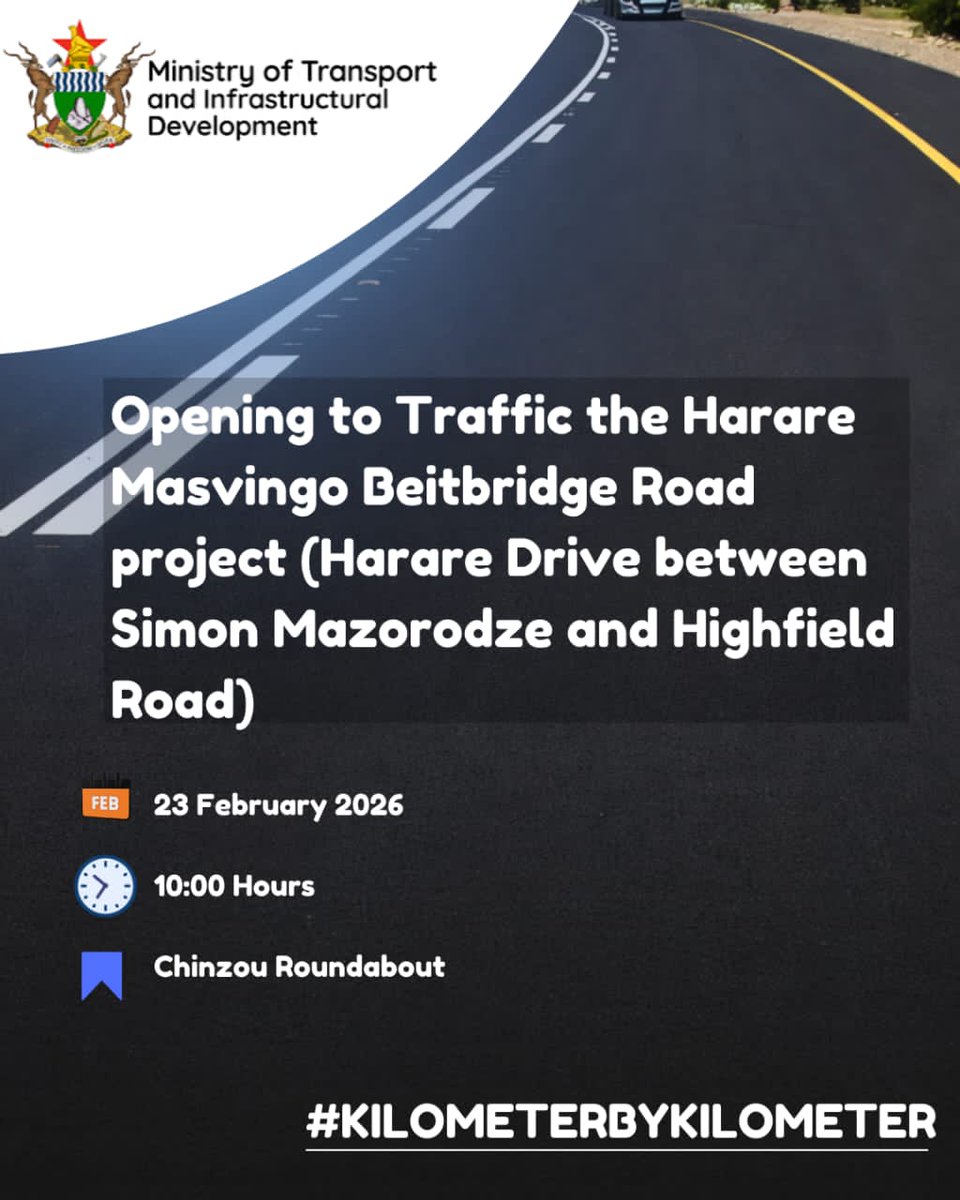
Save the Date!!!
Mark your calendars for February 23, 2026.
Join us at Chinzou Roundabout as we open the newest stretch of the Harare-Beitbridge highway, the Harare Drive between Simon Mazorodze and Highfield Road, to traffic.
Better roads, better journeys.
#KilometerbyKilometer
23
13
37
6,990
Umwe anongangurwa chete
Jan 11

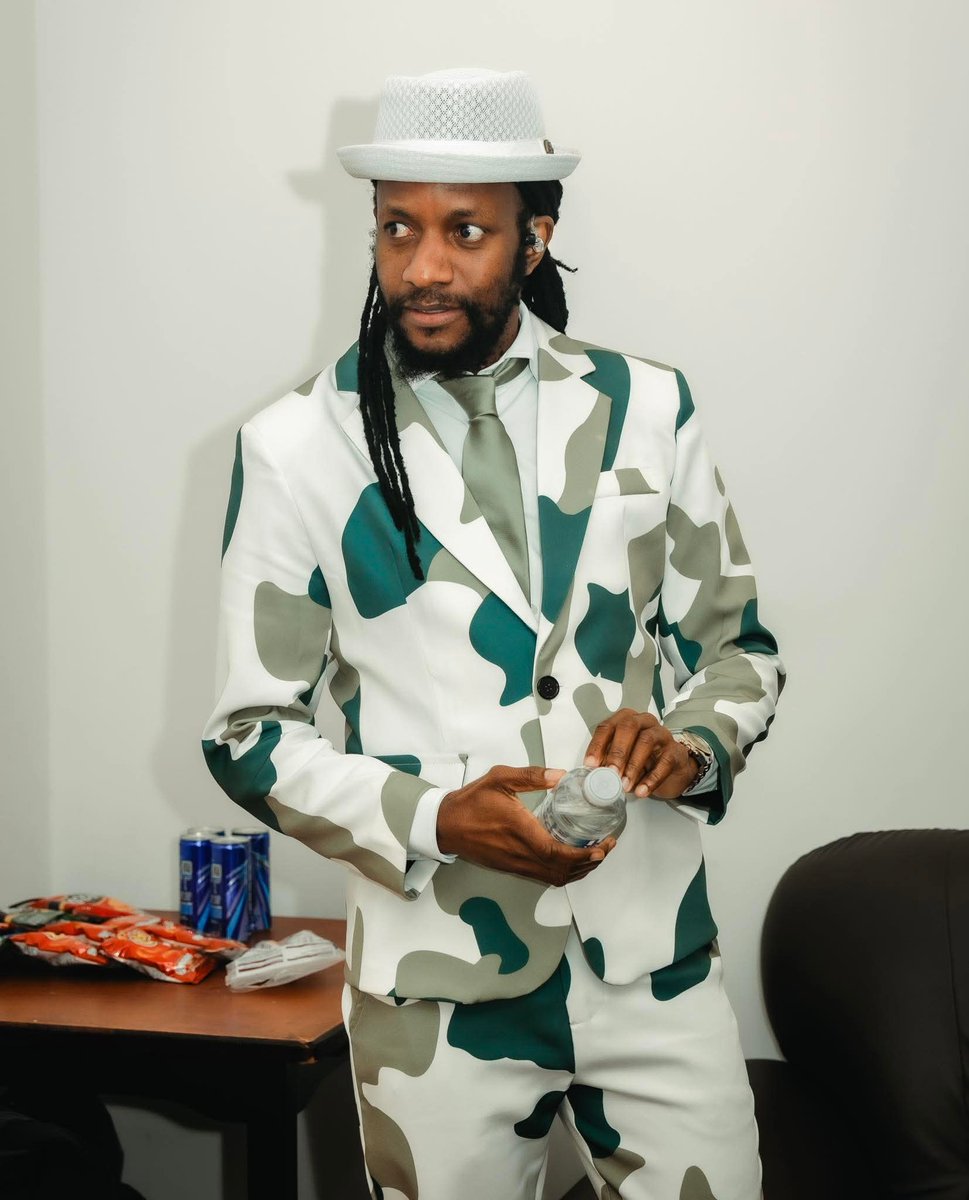
Winky D 🫂 kiss£d KVG live on stage about 6 years ago at Star FM ZIMNTULIKAZ celebrations 🍾
after that they performed "mugarden" & KVG sang Gemma Griffiths part of that song....
that's when Magafa started smelling a rat ....
1
1
157
Victoria Falls IN ZIMBABWE... this is basic knowledge..
Thank you for paying attention to this matter.

97
Lovejoy L-Jay Mtongwiza retweeted
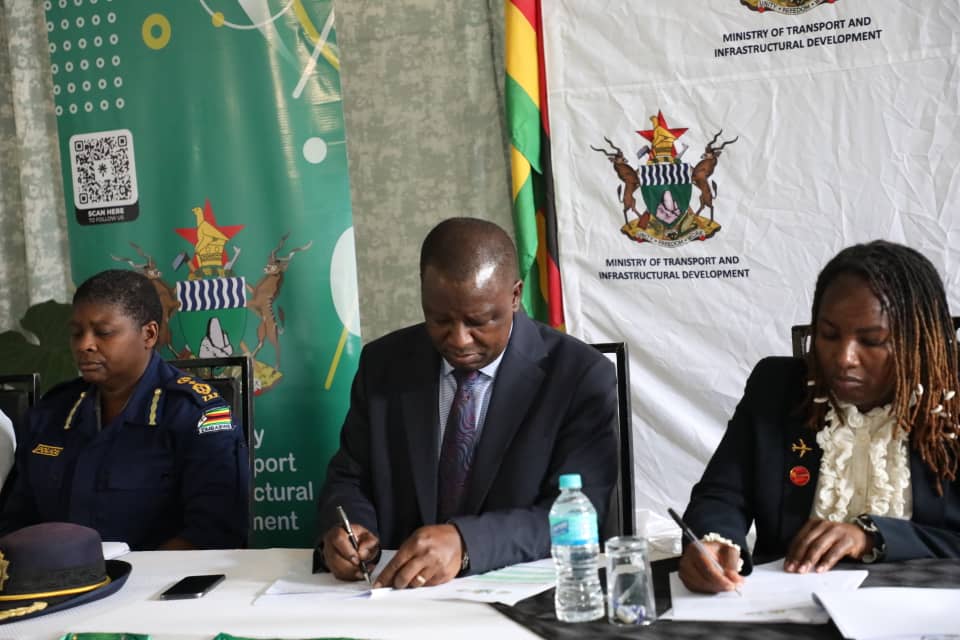
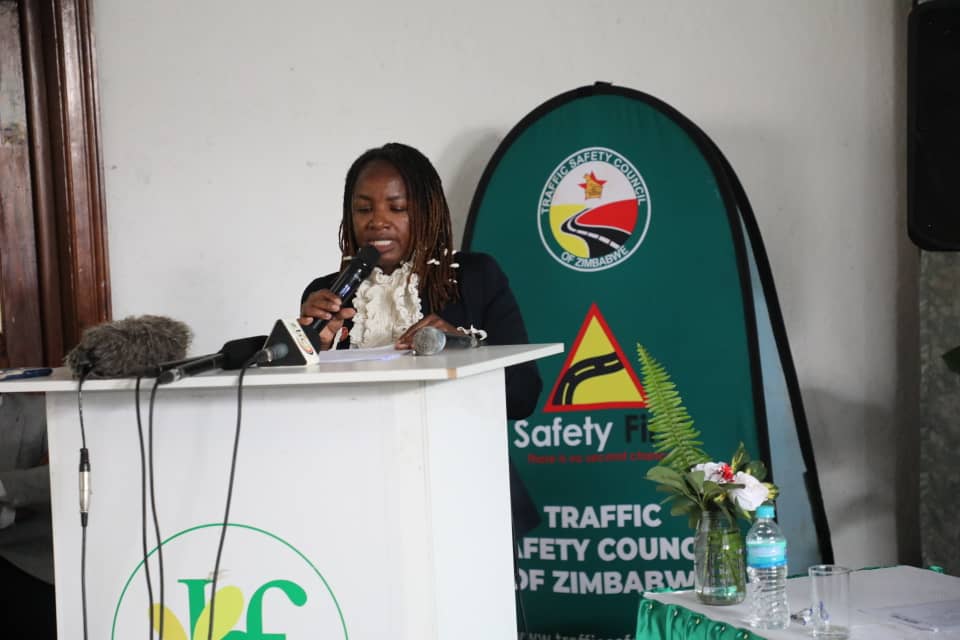
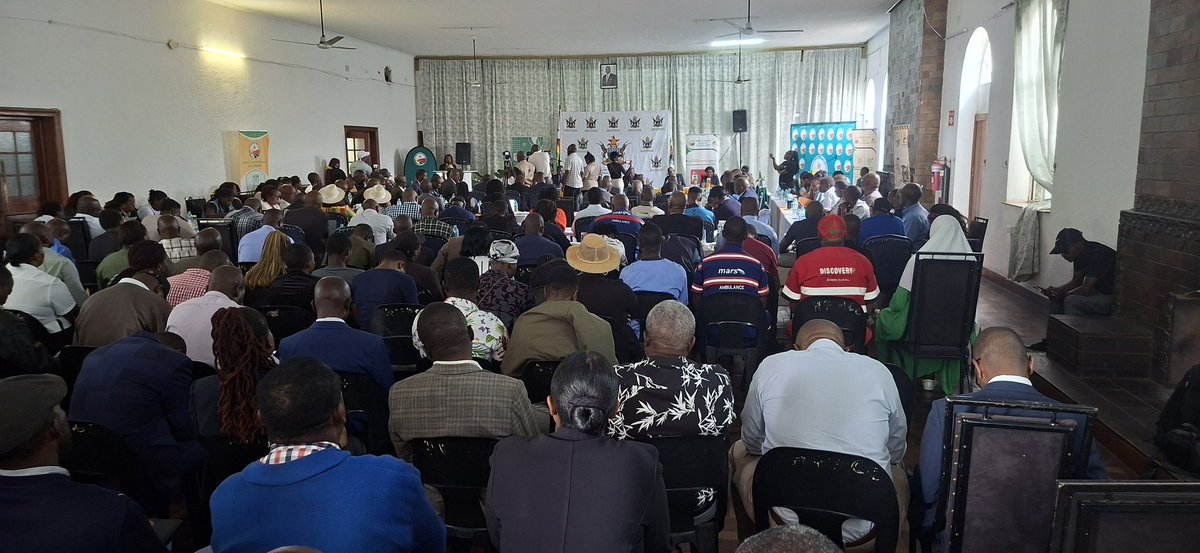
Transport and Infrastructural Development Ministry led by Permanent Secretary Eng J. P Makumbe began the second round of national public consultations on the proposed Road Accident Fund (RAF) Bill, a landmark piece of legislation designed to overhaul Zimbabwe’s post-crash response and establish a social safety net for all accident victims.
The consultations, which commenced in Marondera today, seek direct input from the public and stakeholders to finalise the Bill. The proposed Fund represents a significant policy shift, moving away from the current fault-based, third-party insurance system to a no-fault compensation model.
In a keynote address read by Eng Makumbe, she highlighted the urgent need for reform, citing grim national statistics: a road crash occurs every 15 minutes, with over 1,800 deaths and 10,000 injuries annually.
Eng Makumbe underscored that Road Accident Fund mechanism will spread the social safety net to take care of every citizen involved in road traffic accidents, including vulnerable road users, emphasizing that claimants would no longer need to prove who was at fault to receive support for medical costs, funeral expenses, and other related claims.
The Fund will be financed by reallocating a portion of the existing third-party insurance premium. Under the proposal, 35% of the current premium will be directed to the RAF, 34.3% will remain with insurance companies to cover vehicle damage, and the remainder covers broker fees, regulator costs, and road safety awareness.
The new system promises to cut the complex legal delays currently plaguing insurance settlements.
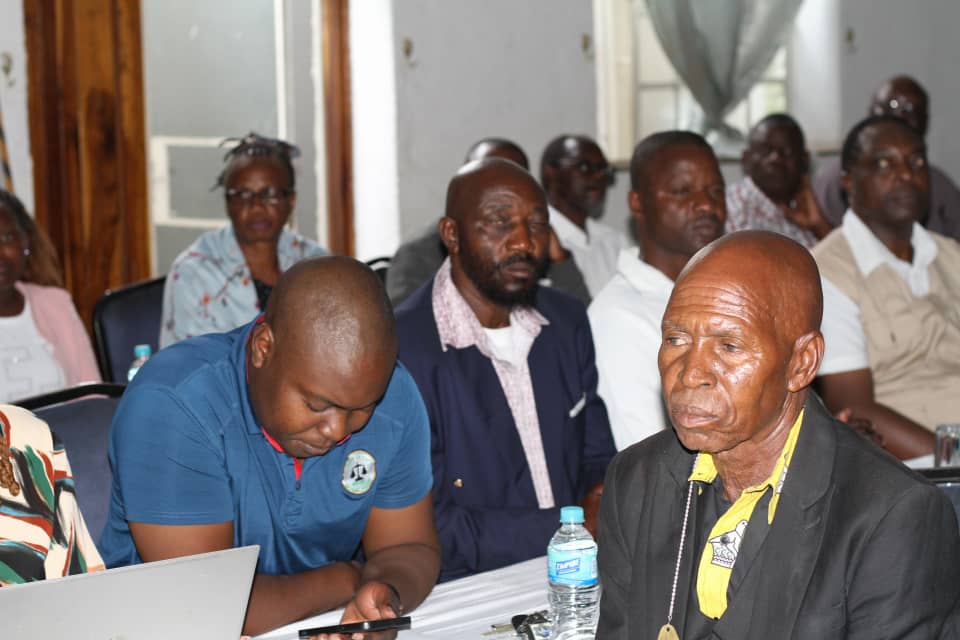
The consultative process in Marondera brought together a wide range of stakeholders, including various government ministries, the police, insurance companies, transport operators, health service providers, tradition leaders and civic organisations.
The proposed RAF is as a critical step towards achieving Vision 2030 and aligns with global road safety targets under the UN’s Decade of Action, which aims to halve road deaths and injuries by 2030.
3
4
15
2,256
5 Dec 2025
He sure looked like he was Resting In Peace
3 Dec 2025

Took my dad to the SPA for his Birthday.
Happy birthday Baba.🥳❤💯

2
398
27 Nov 2025
Vanhu vanoita izvi vatori nehama dzinovada? 🫤
26 Nov 2025

Slack line at Victoria Falls. Only for those who are bold, courageous and daring. 🙌🏾🙌🏾
23 November 2025, it happened.
Given a chance, would you do it?
#TravelZimbabwe
2
195
Lovejoy L-Jay Mtongwiza retweeted

18 Nov 2025
Almost like we trying to find a navigable route to the sea, we not too far from that.
1
2
280
17 Nov 2025
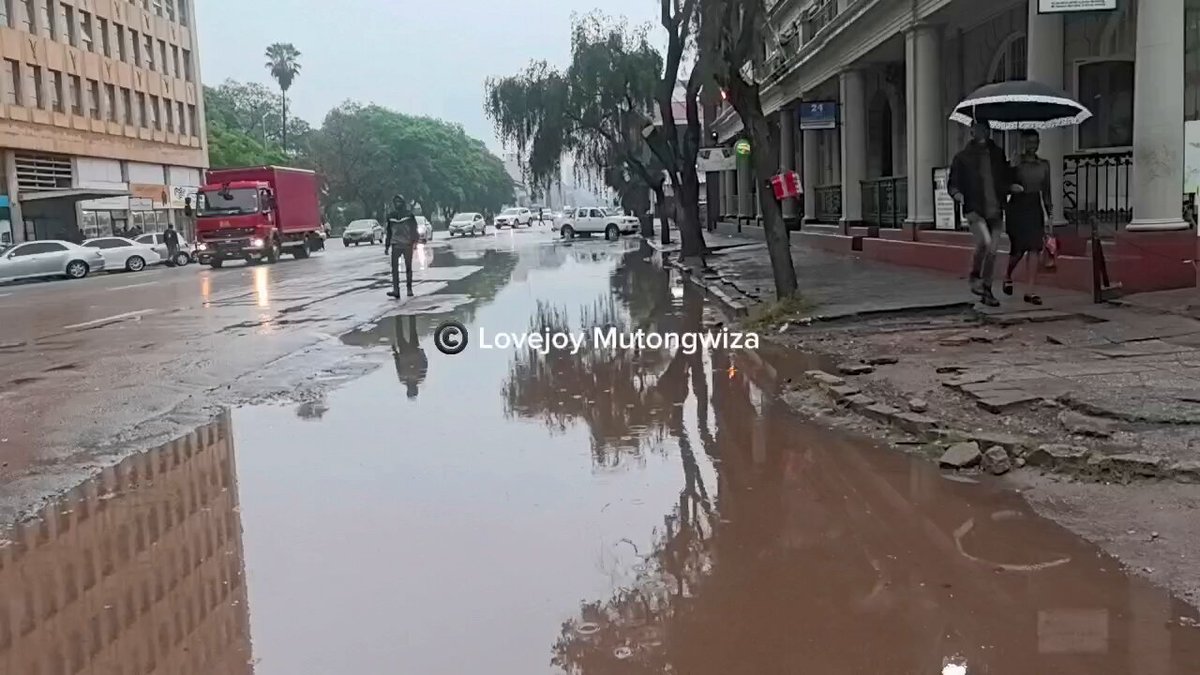
We really need to fix our drainage system in Harare.
Mayor @JMafume Harare is a mess.
29
18
61
7,884
13 Nov 2025
Pringles 😏😏😬

197
Lovejoy L-Jay Mtongwiza retweeted

10 Nov 2025
Over 300 families in Glenview 3 are at risk as sewage bursts contaminate water & spread diseases.
ZimRights' investigation reveals ongoing health hazards and calls for urgent action to address this crisis.
Residents' right to health & safety must be protected!
@zhrc365 @JMafume @DenfordNgadzio1 @263Chat @iharare @MoLGPWZim @chitrest2020 @ChraHarare @nangozimbabwe @amnesty_zim @ParliamentZim @OpenParlyZw @psczimbabwe @ZELA_Infor @VisionAfricaZim @ZESN1
1
4
6
575