
Laboratorio de Tecnología Biomédica y de Física Electrónica UTN FRA.
Joined February 2020
- Tweets 1,046
- Following 1,047
- Followers 237
- Likes 2,961
100 Photos and videos

Lab. de Tecnología Biomédica y Física Electrónica retweeted

May 10
A visualization showing how gravity curves spacetime
[🎞️ Daniel Ibarra]
121
767
4,422
413,089

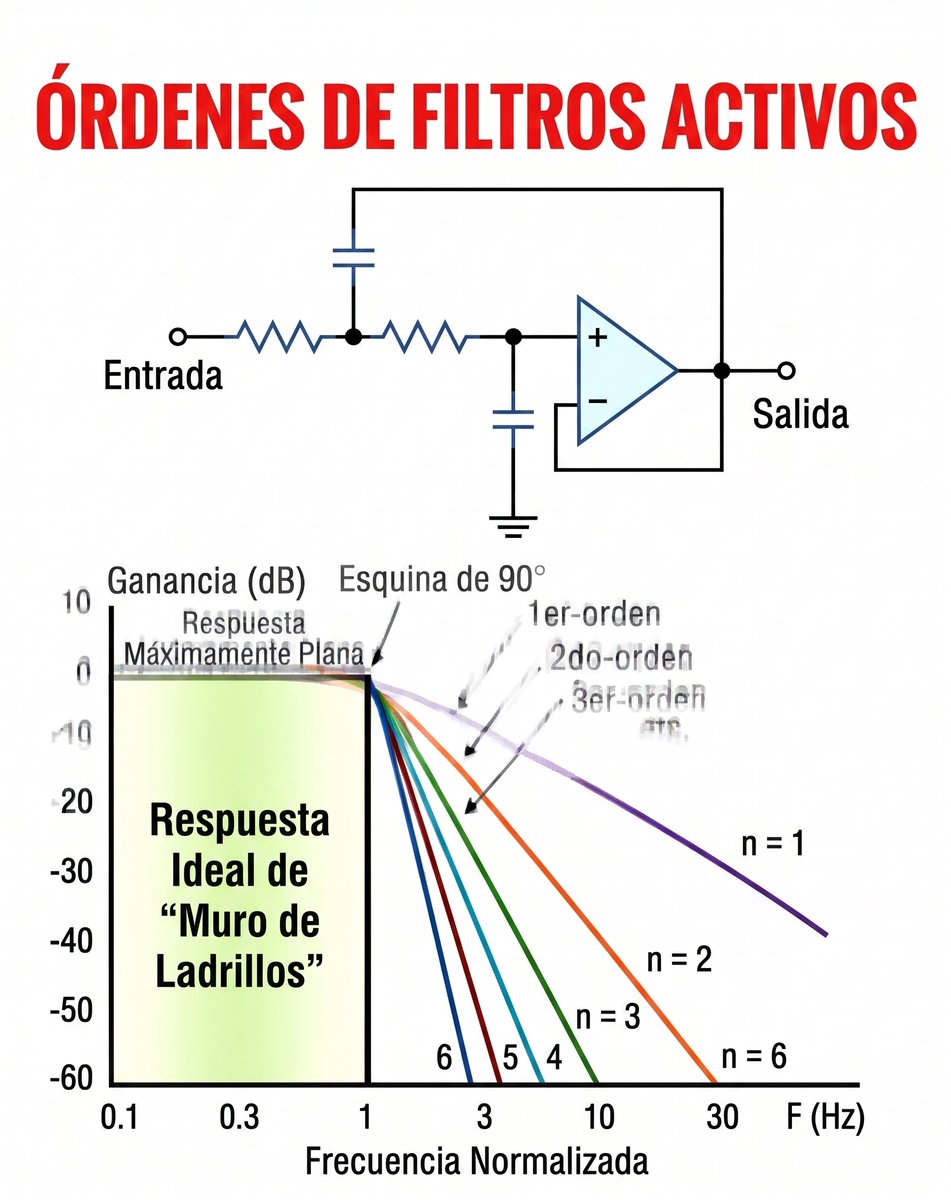
¡La importancia del orden en la electrónica!
¿Sabías que mientras más alto es el orden de un filtro activo, más se acerca a la respuesta ideal ?
n=1: Caída suave(20 dB/déc.
n=6 : Corte abrupto y preciso.
Perfecto para limpiar señales y eliminar ruido.#Electrónica
189
Lab. de Tecnología Biomédica y Física Electrónica retweeted

Apr 24
The web is disappearing 🕳️
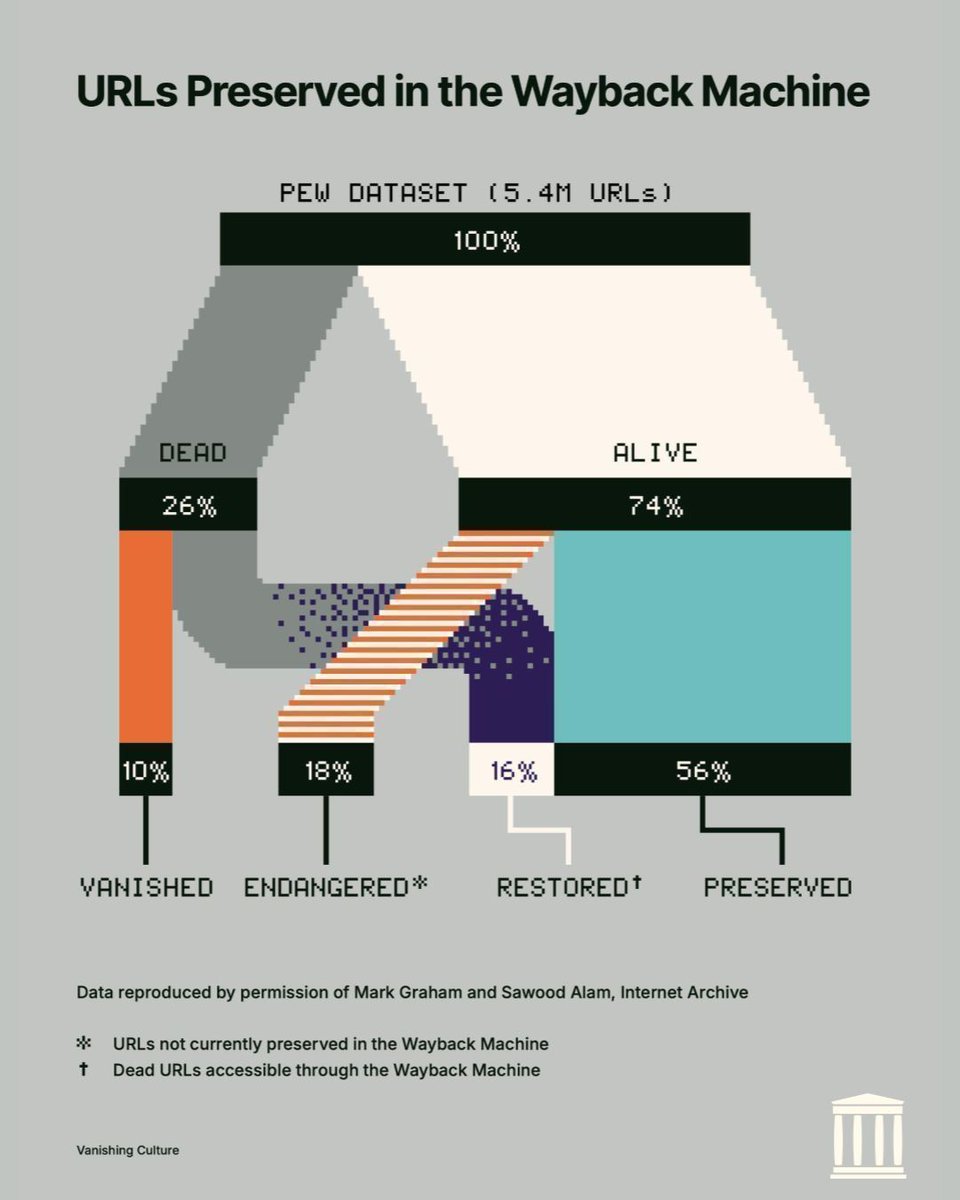
According to a Pew Research Center report, 26% of pages from 2013-2023 are no longer accessible.
But that’s not the whole story.
In a new study published in Internet Archive's book, VANISHING CULTURE, data scientists working with the Wayback Machine have found:
16% have been restored through the Wayback Machine.
56% are preserved before they disappear.
Preservation is the remedy for cultural loss.
📚 Read VANISHING CULTURE free from the Internet Archive
📖 Download & read: archive.org/details/vanishin…
🛒 Purchase in print: betterworldbooks.com/product…
#VanishingCulture #DigitalMemory #InternetArchive #BookTwitter
180
4,384
12,246
484,840
Lab. de Tecnología Biomédica y Física Electrónica retweeted

Apr 23
¿Quién es Peter Thiel? ¿Qué es Palantir? ¿Qué buscan en Argentina?
Un resumen de @FlorHalfon sobre el desembarco del gigante de los datos y la vigilancia para toda la audiencia de @somosgelatina en Demasiada Presión.
6
96
219
6,532

Peter Thiel bajo la lupa: quién es mega millonario cercano a Milei que no cree en la democracia
Figura clave del ecosistema tecnológico global, su trayectoria combina inversiones tempranas en empresas líderes, influencia en el sector de defensa y posturas ideológicas que cuestionan la democracia liberal. Su rol genera debate sobre poder corporativo y control de datos.
infonews.com/peter-thiel-per… a través de @INFOnews
2
16
11
1,444
Lab. de Tecnología Biomédica y Física Electrónica retweeted

Mar 9
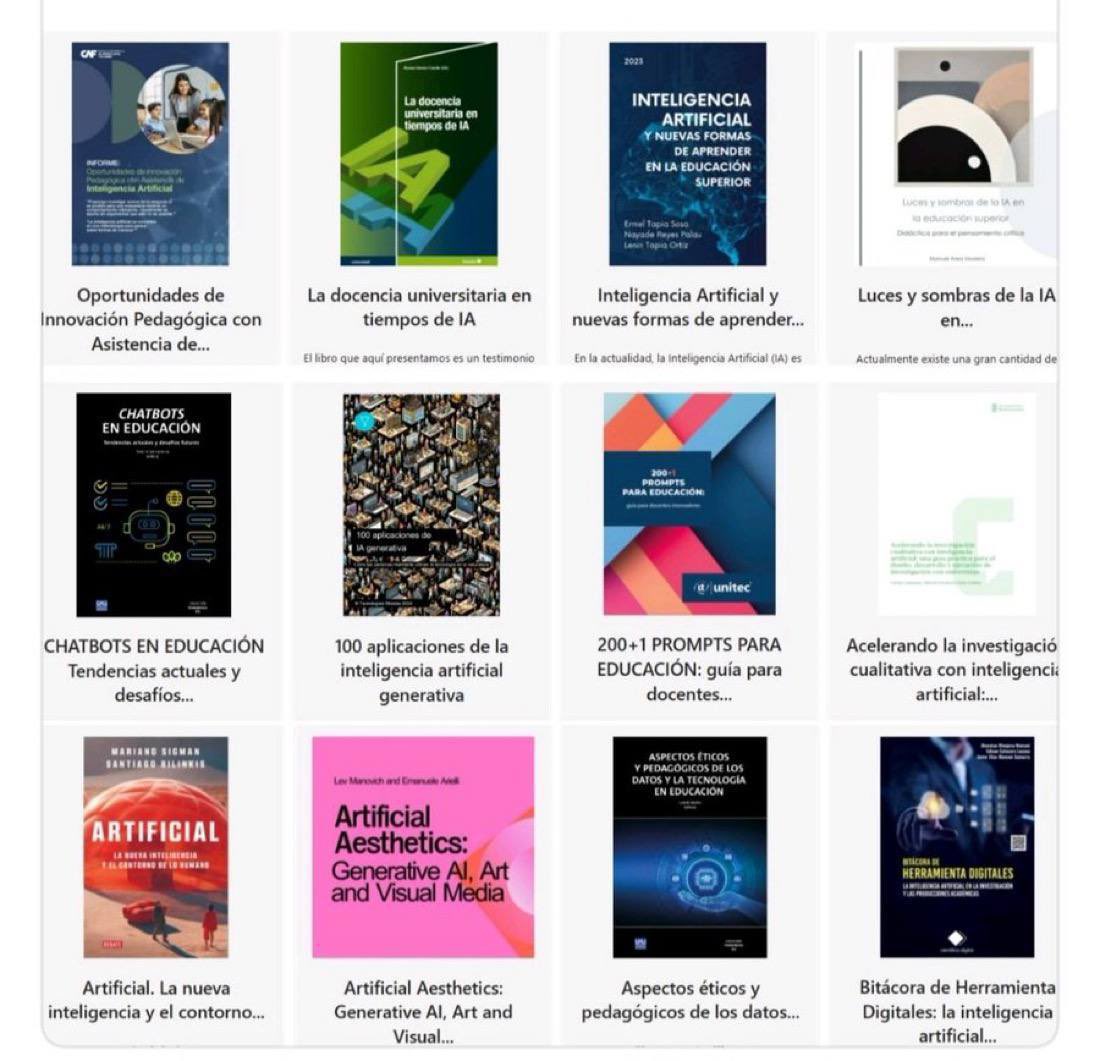
MÁS DE 200 LIBROS GRATIS SOBRE INTELIGENCIA ARTIFICIAL
raeia.org/books
7
87
424
18,389
Lab. de Tecnología Biomédica y Física Electrónica retweeted

18 Dec 2025
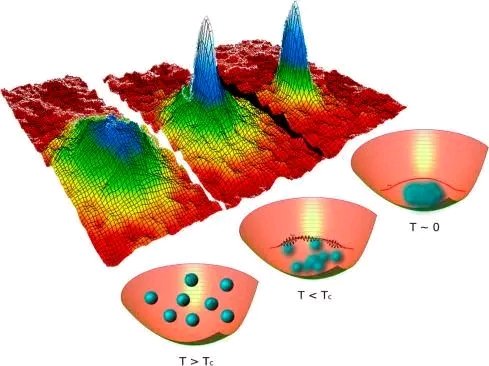
A Bose-Einstein Condensate (BEC) is a unique state of matter where atoms, cooled to near absolute zero, lose individual identities and behave as one single quantum entity, a macroscopic wave, showing quantum effects on a large scale, like a superfluid or "atom laser". Predicted by Satyendra Nath Bose and Albert Einstein in the 1920s, it was first created in 1995, revealing bizarre quantum behaviors that challenge classical physics.
36
116
641
23,168
Lab. de Tecnología Biomédica y Física Electrónica retweeted

12 Dec 2025
2
43
296
7,838
Lab. de Tecnología Biomédica y Física Electrónica retweeted
12 Dec 2025
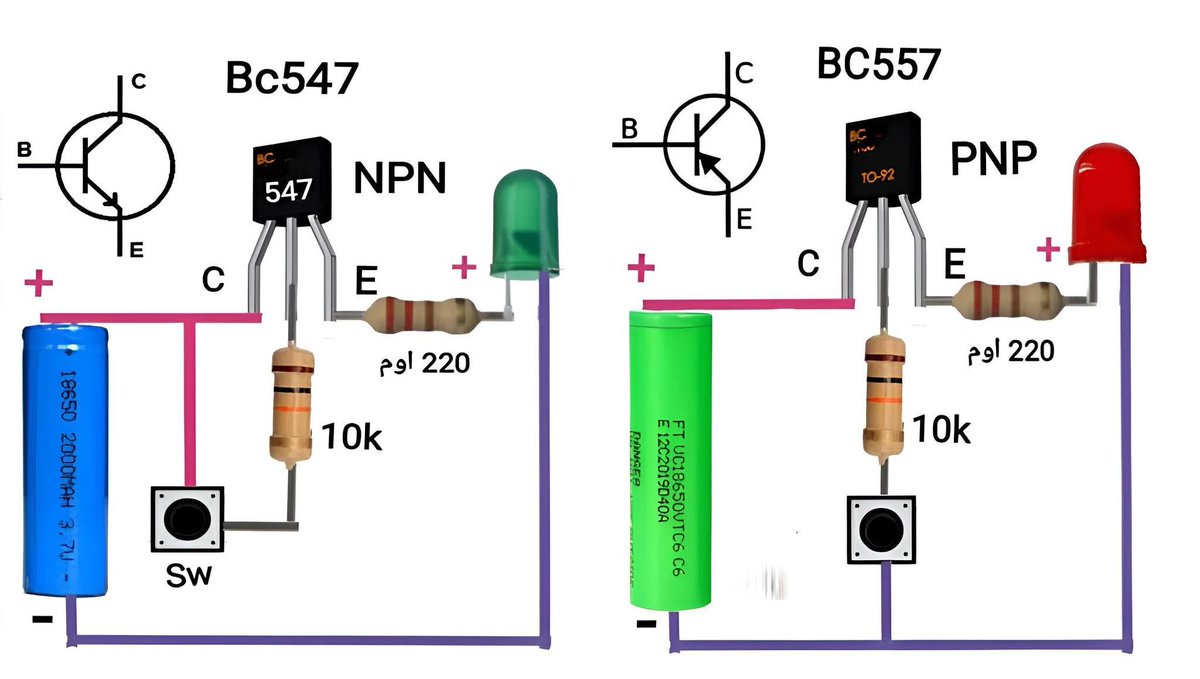
This is an example of a basic circuit for lighting an LED with NPN and PNP transistors.
The transistor acts as an electronic switch, activated by a small current coming from a pusher through a base resistance.
18
54
364
89,580
Lab. de Tecnología Biomédica y Física Electrónica retweeted

10 Dec 2025
how doctors carry out a laser atherectomy.
1
61
316
124,333

A sinusoidally-excited dipole antenna radiates equally in all directions perpendicular to its axis. The xz view is the "side view" which shows the length of the antenna, and the xy view is the "top view" which looks down along the antenna axis. The middle plots show two antennas spaced a quarter wavelength apart, with their electrical excitations offset by 90 degrees. This "directional array" radiates preferentially toward one side. The right plots show four antennas, spaced by a quarter wavelength and with a 90-degree electrical shift between adjacent antennas (basically, just an extension of the two-antenna case). The main beam gets even tighter and more focused, but this comes at the expense of the radiation pattern developing "side lobes" which are visible in the xy view. The total input power is the same in all three cases, to make a fair comparison.
14
104
718
39,110
Lab. de Tecnología Biomédica y Física Electrónica retweeted

8 Dec 2025
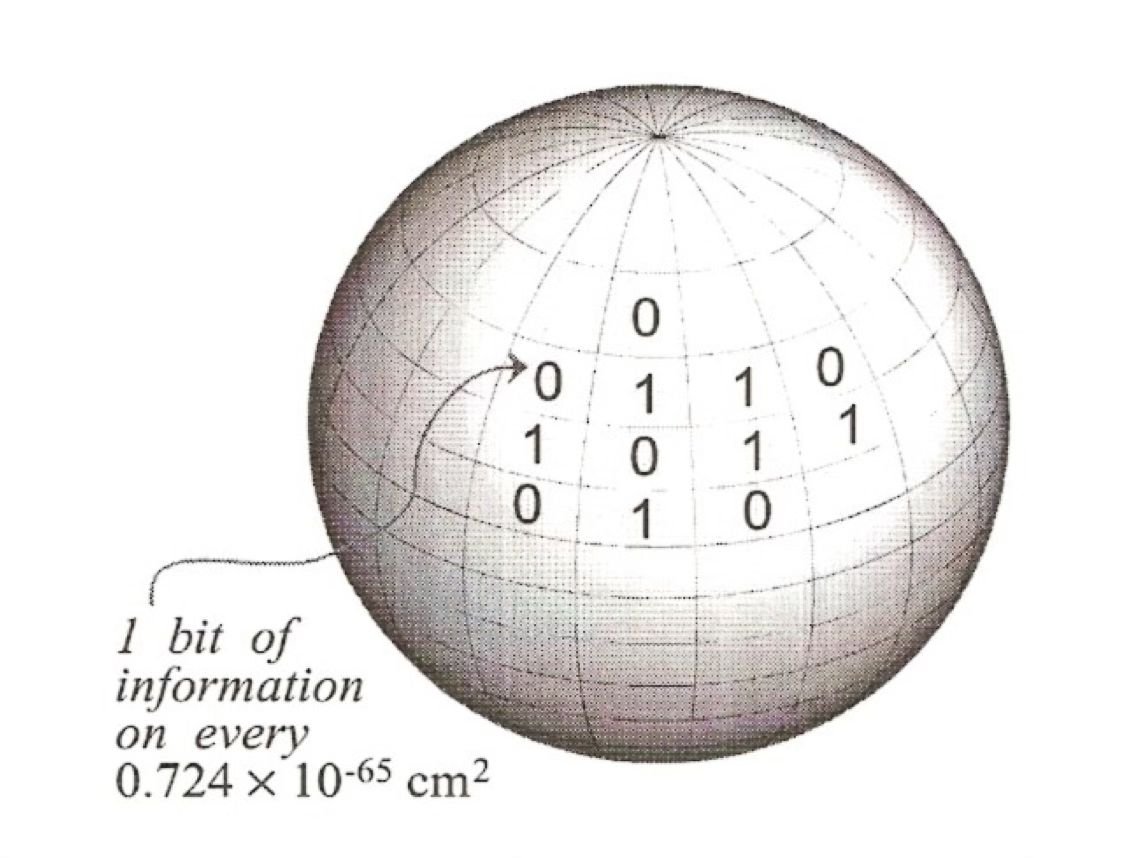
The Bekenstein bound limits how much information fits in a region, making “epistemic limits” concrete:
finite area → finite entropy → finite information.
black holes saturate the bound via Bekenstein–Hawking entropy.
30
111
757
38,036
Lab. de Tecnología Biomédica y Física Electrónica retweeted
9 Dec 2025
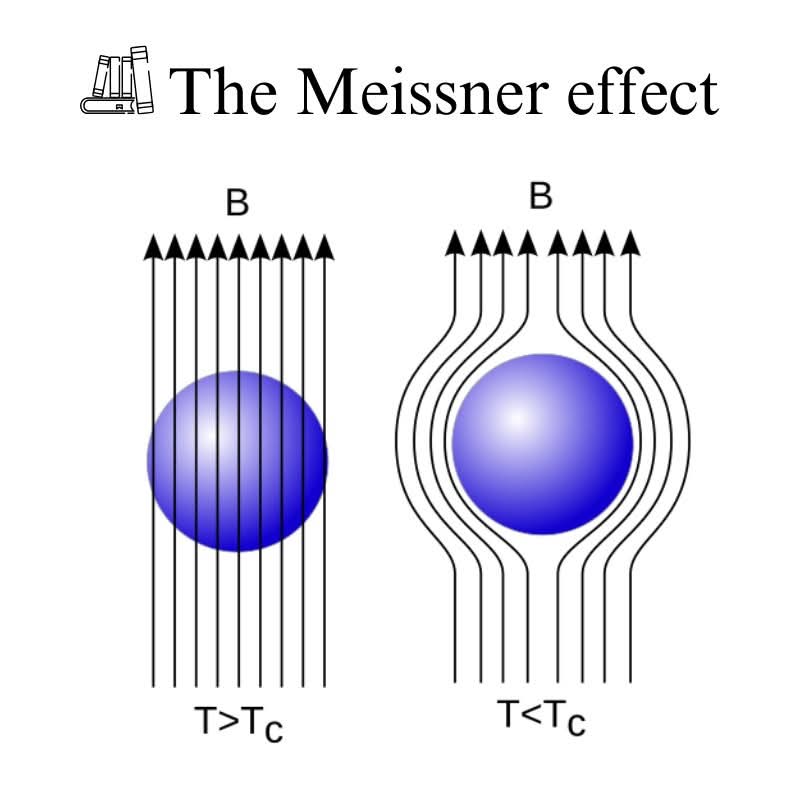
In condensed-matter physics, the Meissner effect is the expulsion of a magnetic field from a superconductor during its transition to the superconducting state when it is cooled below the critical temperature. This expulsion will repel a nearby magnet.
In this diagram of the Meissner effect; Magnetic field lines, represented as arrows, are excluded from a superconductor when it is below its critical temperature.
16
125
768
25,394
Lab. de Tecnología Biomédica y Física Electrónica retweeted

9 Dec 2025
How an electromagnetic wave travels
82
754
4,084
171,598
Lab. de Tecnología Biomédica y Física Electrónica retweeted
6 Dec 2025
How the procedure of seawater desalination works.
[🎞️ infospherewanderer]
12
169
700
61,916

Visit the Reference Design Library often - new designs added daily!
Start here: dky.bz/3PwThML

1
36
205
8,837
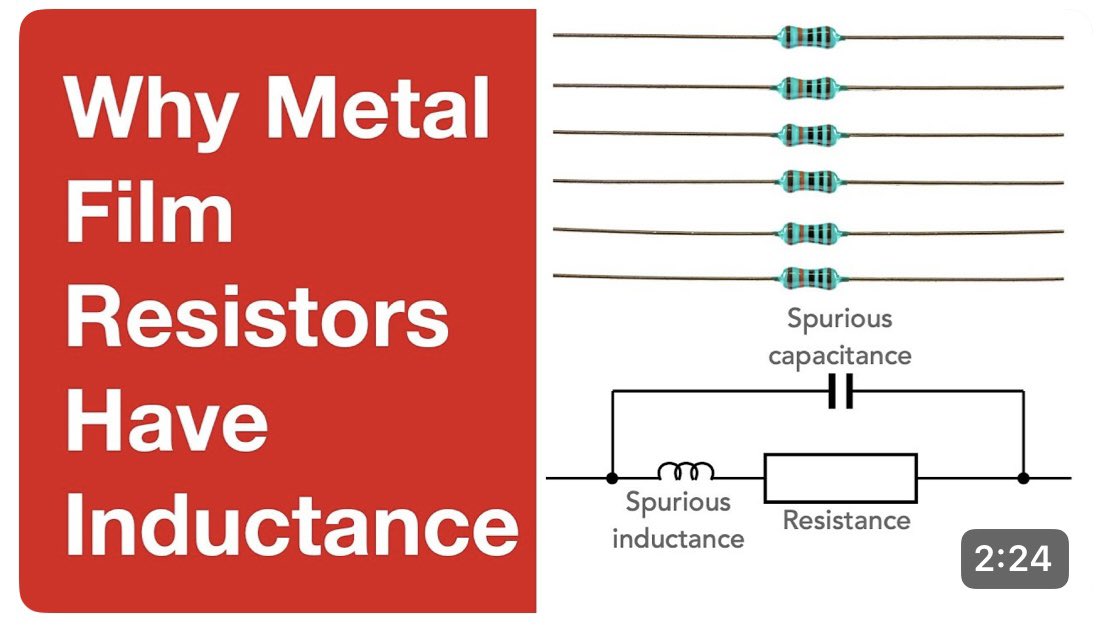
¿Por qué las resistencias de película metálica tienen inductancia? A menudo utilizamos resistencias sin pensar en algunos de los atributos secundarios espurios o no deseados. : youtu.be/XNyl0Pxas64 #resistors #inductance #metalfilm #electroniccomponents
5 Dec 2025

Why Metal Film Resistors Have Inductance
Often we use resistors without thinking of some of the spurious or unwanted side attributes.
Normally this is absolutely fine, but in occasions there are effects we need to note.
Metal film resistors have inductance and this needs to be considered in some circuit designs.
In this video I explain why these resistors have inductance and where they can be used.
Check out the video now: youtu.be/XNyl0Pxas64
#resistors #inductance #metalfilm #electroniccomponents
36
Basta con mirar un péndulo: las ecuaciones diferenciales para la frecuencia de resonancia son idénticas en forma. La resonancia natural es la frecuencia a la que la energía fluctúa entre los modos de almacenamiento de un sistema con la máxima eficiencia.
5 Dec 2025

do you want to understand electrical resonance?
just look at a pendulum, the differential equations for resonant frequency are identical in form.
natural resonance is the frequency at which energy will slosh between a system's storage modes with max efficiency.
in the pendulum, mass oscillates through space while energy is sloshing between gravitational potential energy and kinetic energy.
in an LC tank, charge oscillates through the circuit while energy sloshes between the magnetic field (in the inductor) and the electric field (in the cap).
full yt video i made on how electrical resonance is used in tesla coil in comments 👇
24
Lab. de Tecnología Biomédica y Física Electrónica retweeted

2 Dec 2025
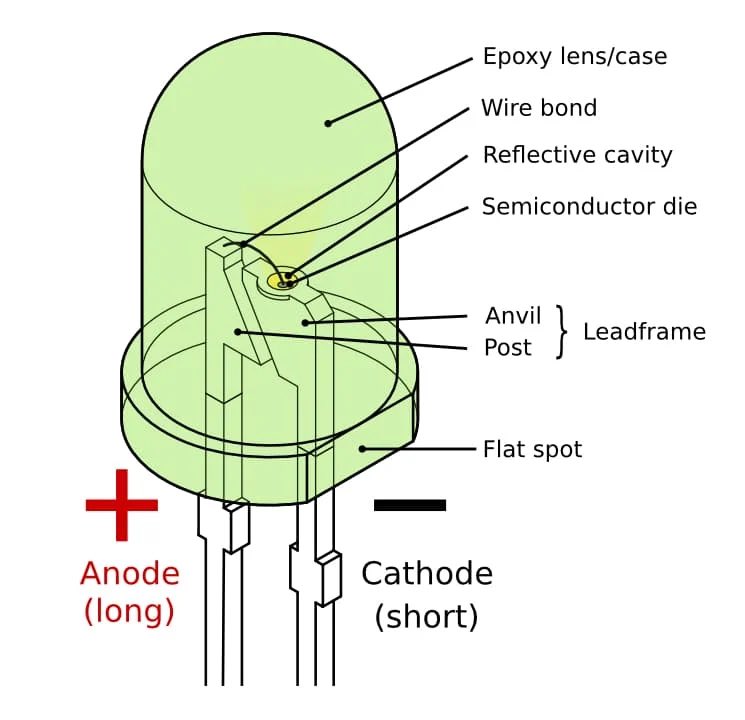
How do LEDs work?
LEDs are an amazing technology, we use them for all sorts of things. They’re actually super simple and easy to understand.
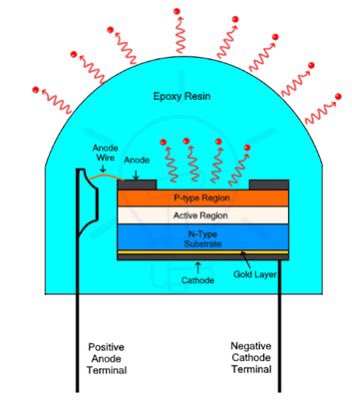
The picture on the left shows the geometry of an LED. The pic on the right is more of a ‘not to scale’ diagram to better show the active parts.
But essentially there is an Anvil (cathode) and a Post (anode). Electrons flow up the cathode and flood the N-type semiconductor in the tiny semiconductor die.
These electrons then flow across the active material in the middle of the sandwich because the anode wire forma a circuit.
As electrons flow from the N-type semiconductor to the P-type semiconductor, they release a photon of light. Why? Why do they do this?
Well it’s because electrons in an N-type semiconductor occupy a higher energy level than electrons in a P-type semiconductor. So as the electrons flow from N to P then have to release this excess energy and they release it as a photon.
So an LED is just a sandwich of materials with slightly different electron energy levels and when electricity flows from higher level to lower level it emits light.
Likewise the electrons cannot flow from low level to high level because they don’t have a local energy source.
So the electrons cannot flow only flow one direction, from N to P. Which is why LEDs are diodes.
Amazing stuff eh.
Super simple really.
19
83
524
22,196