Neuroscientist working on brain connectivity & aging | Director & Professor for Anatomy Institute for Anatomy I @hhu_de | Group leader 'Connectivity'@fz_juelich
Joined November 2019
- Tweets 230
- Following 146
- Followers 347
- Likes 93
2 Photos and videos
Svenja Caspers retweeted

May 26
More than 160 researchers, clinicians, infrastructure experts, patient associations, the private sector as well as policymakers from 24 countries gathered in Munich on 21–22 May for the EBRAINS Roadmap Symposium, a milestone in shaping the EBRAINS Roadmap 2026–2036 and the future direction of European digital neuroscience.
Read more 👇 ebrains.eu/news-and-events/2…
4
6
161
Svenja Caspers retweeted
May 5
Would you like to start using EBRAINS for your research? Hear from other scientists about how they use the infrastructure!
In this new testimonial, PD Dr. Christiane Jockwitz explains how she uses EBRAINS to understand the aging brain 👇
2
3
189
Svenja Caspers retweeted

🔬 New preprint: We introduce NEOFC—a framework linking brain connectivity to neurotransmitter systems. Reveals robust neurochemical signatures, strong noradrenergic effects, and sensitivity to drugs & psychosis.
📄 biorxiv.org/content/10.64898…
#Neuroscience #Neuroimaging
1
8
20
1,435
Svenja Caspers retweeted
Feb 2
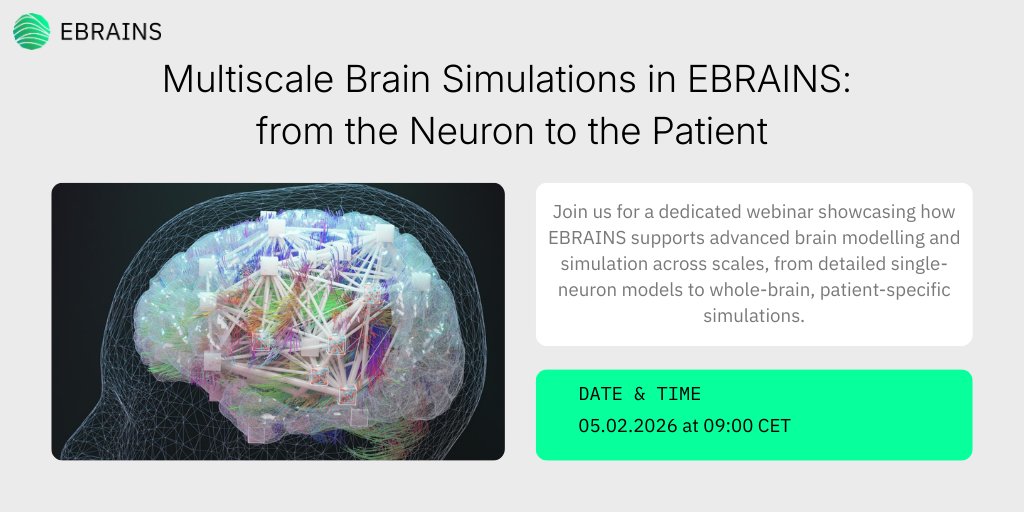
Just a few days until our 'Multiscale Brain Simulations in EBRAINS: from the Neuron to the Patient' webinar!
Join us on Thursday at 09:00 CET for presentations by Viktor Jirsa, Chief Science Officer of EBRAINS, and Egidio D’Angelo, Director of the Neurophysiology Unit at the University of Pavia.
Together, they will introduce how multiscale brain simulations on EBRAINS enable the integration of data and models across different levels of brain organisation, bridging cellular mechanisms and whole-brain dynamics.
Register here: ebrains.eu/news-and-events/e…
5
4
323
Svenja Caspers retweeted
Jan 16
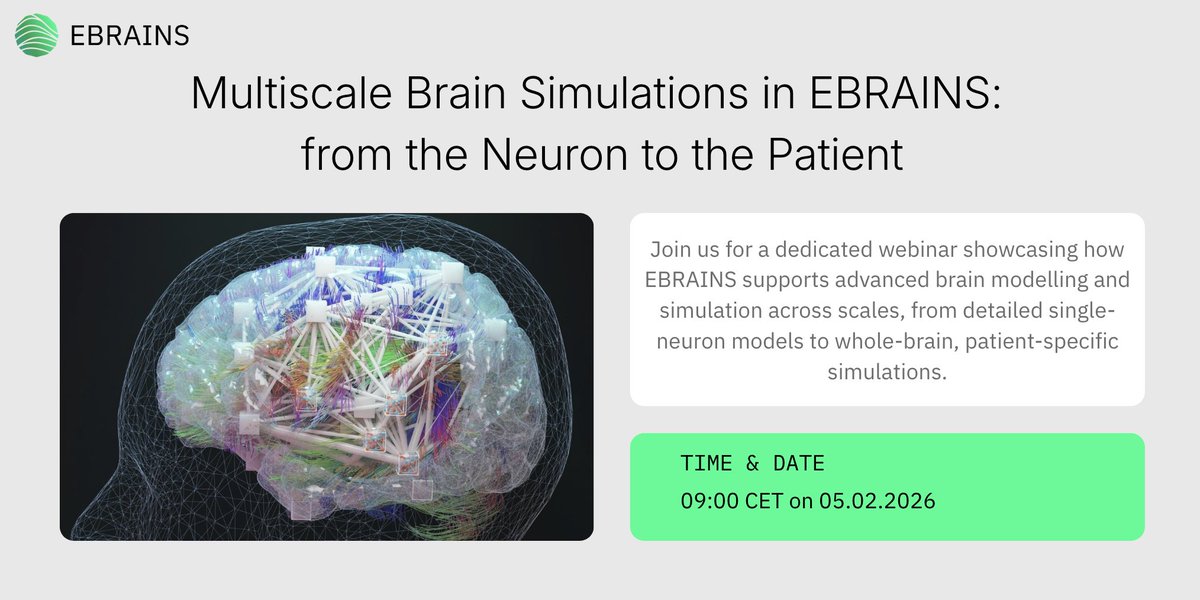
🧠 Webinar | Multiscale Brain Simulation with #EBRAINS
📅 5 Feb 2026 | 9:00–10:00 CET
From single-neuron models to whole-brain simulations, with @ViktorJirsa & Egidio D’Angelo.
🔗Learn more and register: ebrains.eu/news-and-events/e…
2
5
398
Svenja Caspers retweeted
27 Aug 2025
Towards precision #neuroscience!
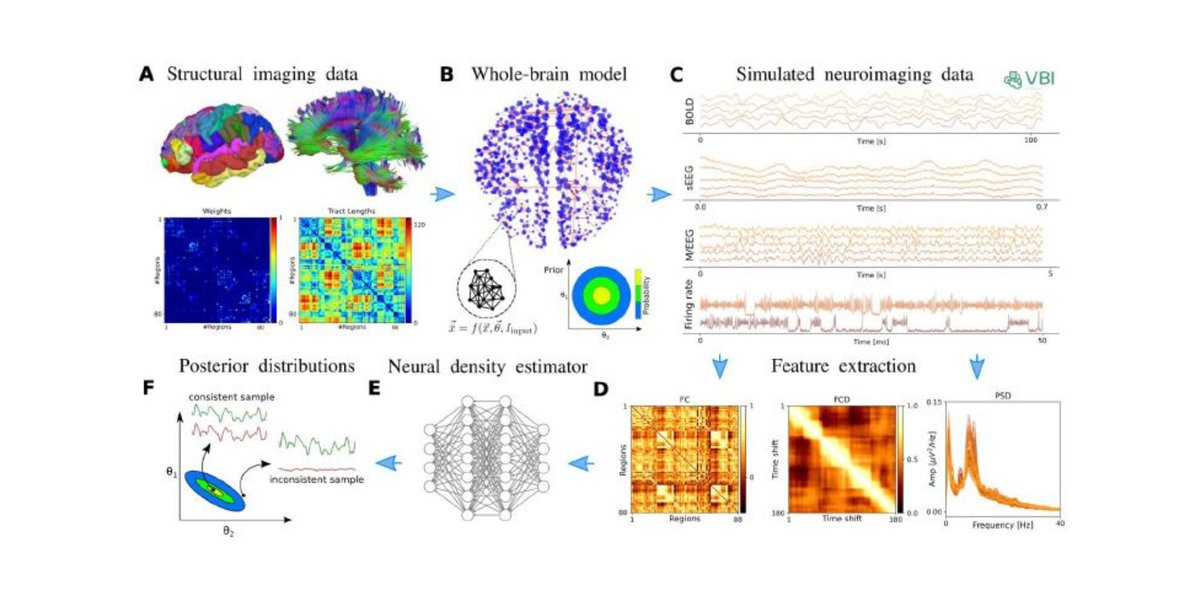
EBRAINS researchers release Virtual Brain Inference (VBI) toolkit.
Find out how It makes whole-brain simulations more accurate and clinically relevant - advancing personalised medicine in epilepsy, #Alzheimer’s & more.
👉 ebrains.eu/news-and-events/e…
#VBT project
1
6
20
941
Svenja Caspers retweeted

5 Jul 2025
Our new paper in @eLife: The interplay between homeostatic synaptic scaling and homeostatic structural plasticity maintains the robust firing rate of neural networks doi.org/10.7554/eLife.88376
7
16
712
Svenja Caspers retweeted

11 May 2025
(1/3) New work from our lab and @MASI_Lab creating White matter brain charts across the lifespan. Brain charts for 72 pathways, both microstructure (DTI) and macrostructure (volumes, lengths) - using data from >40 harmonized population studies
biorxiv.org/content/10.1101/…
1
16
33
2,962
Svenja Caspers retweeted

5 May 2025
Finally out in "Sleep Medicine Reviews":
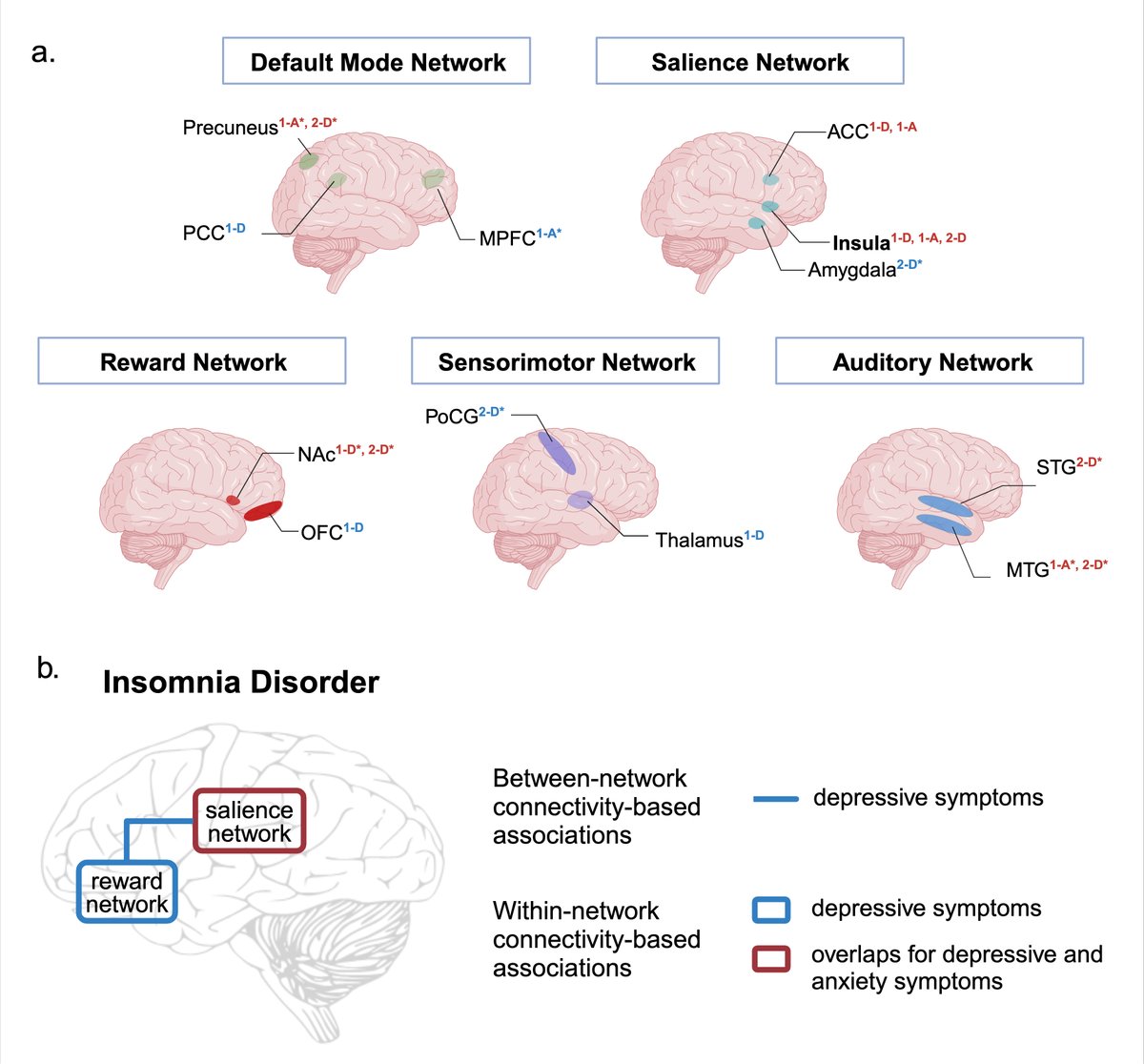
Neural correlates of #insomnia with #depression and #anxiety from a #neuroimaging perspective: A systematic review
doi.org/10.1016/j.smrv.2025.…
#Sleep #Brain @fzj_inm7 @INM7_ISN @jchen_ML_Psy
30 Oct 2024

🧠💤 What are the neural links between #insomnia, #depression, & #anxiety?
Our latest systematic review dives into the neuroimaging insights of #sleep and #MentalHealth across 54 studies. A thorough work led by Chen Peng, @jchen_ML_Psy, @INM7_ISN, et al.
doi.org/10.1101/2024.10.22.2…
3
20
1,562
Svenja Caspers retweeted
23 Apr 2025
🧠 Just out in @brainstimj: Our review explores how rTMS modulates microglia, influencing neuroinflammation, plasticity, and brain repair. Ready to explore the immune dimension of neuromodulation ?! #Freiburg #Neuroanatomy
👉 brainstimjrnl.com/article/S1…
6
21
1,245
Svenja Caspers retweeted

16 Apr 2025
📢New Open🔓 Access Article in GeroScience
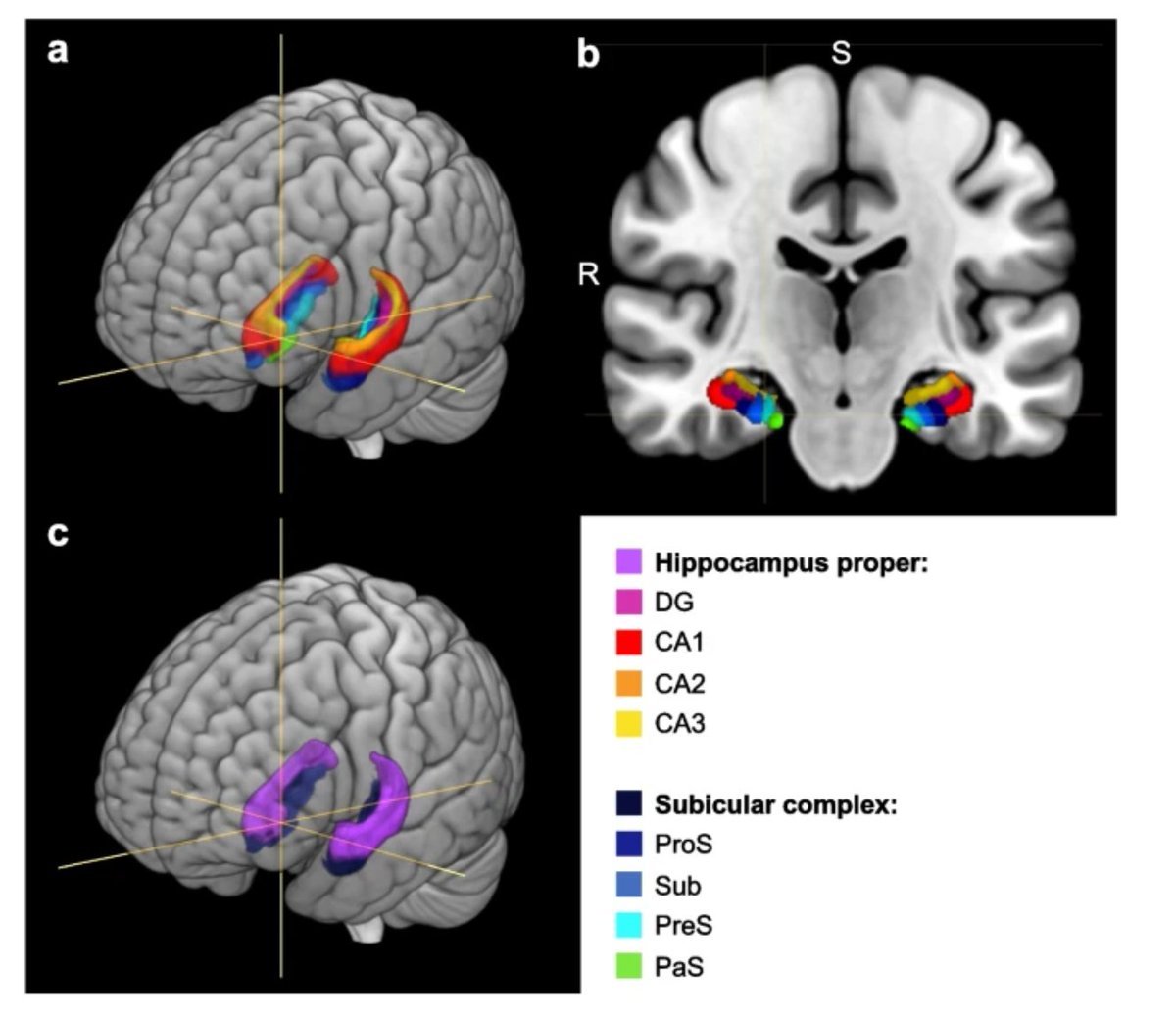
Bilingualism and “brain reserve” in subregions of the hippocampal formation by Katharina Peitz & Svenja Caspers (@LabCaspers) et al.
rdcu.be/eh2jx
#aging #bilingualism #hippocampus #graymatter #brain
2
4
220
Svenja Caspers retweeted

11 Apr 2025
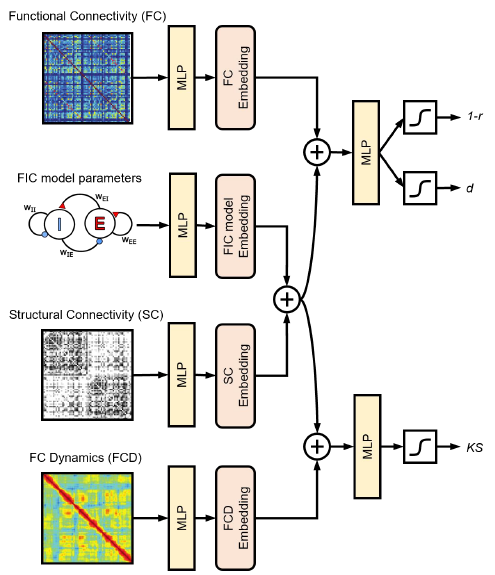
While the world burns, we cook up a new preprint! doi.org/10.1101/2025.04.07.6…
Biophysical modeling is a key tool to derive mechanistic insights into the brain. These models are governed by biologically meaningful parameters (unlike deep neural nets), but the dirty secret ... 1/N
2
61
160
19,557
Svenja Caspers retweeted
7 Apr 2025
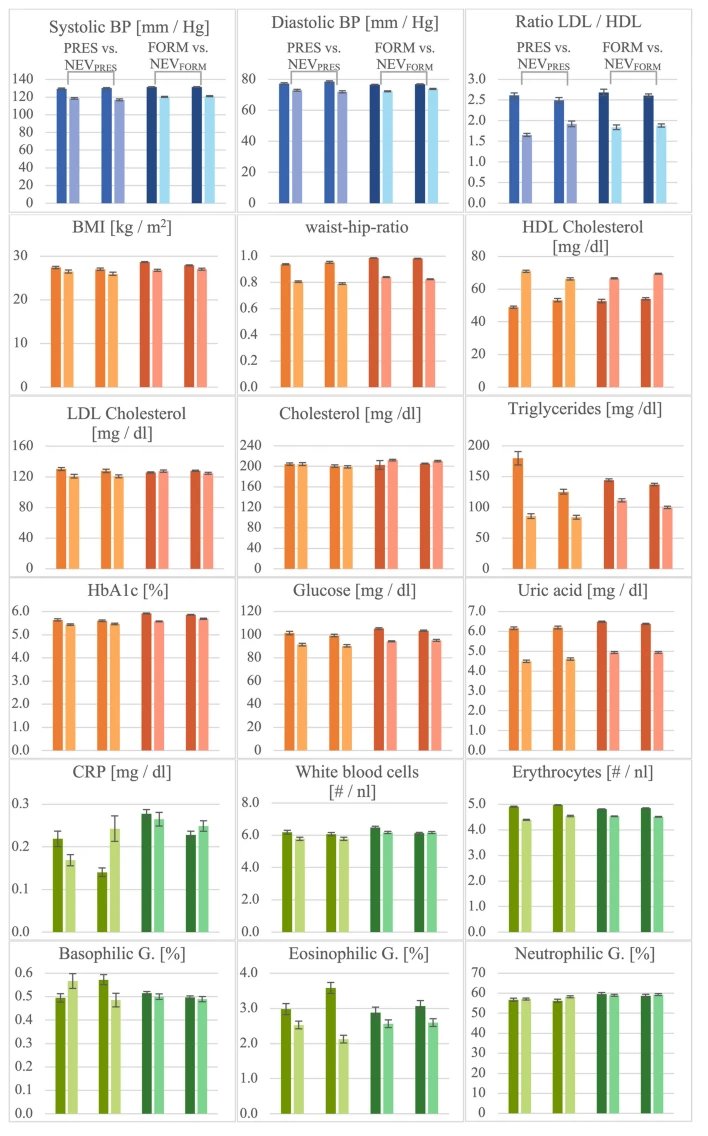
📢New Open🔓 Access Article in GeroScience
Association between night shift work and markers of metabolism, cardiovascular and immune system in a population-based German cohort by Nora Bittner & Svenja Caspers (@LabCaspers) et al.
rdcu.be/egCcd
#anthropometric #metabolism, #cardiovascular #Immunesystem #nightshiftworker #health
2
4
265
Svenja Caspers retweeted

17 Dec 2024
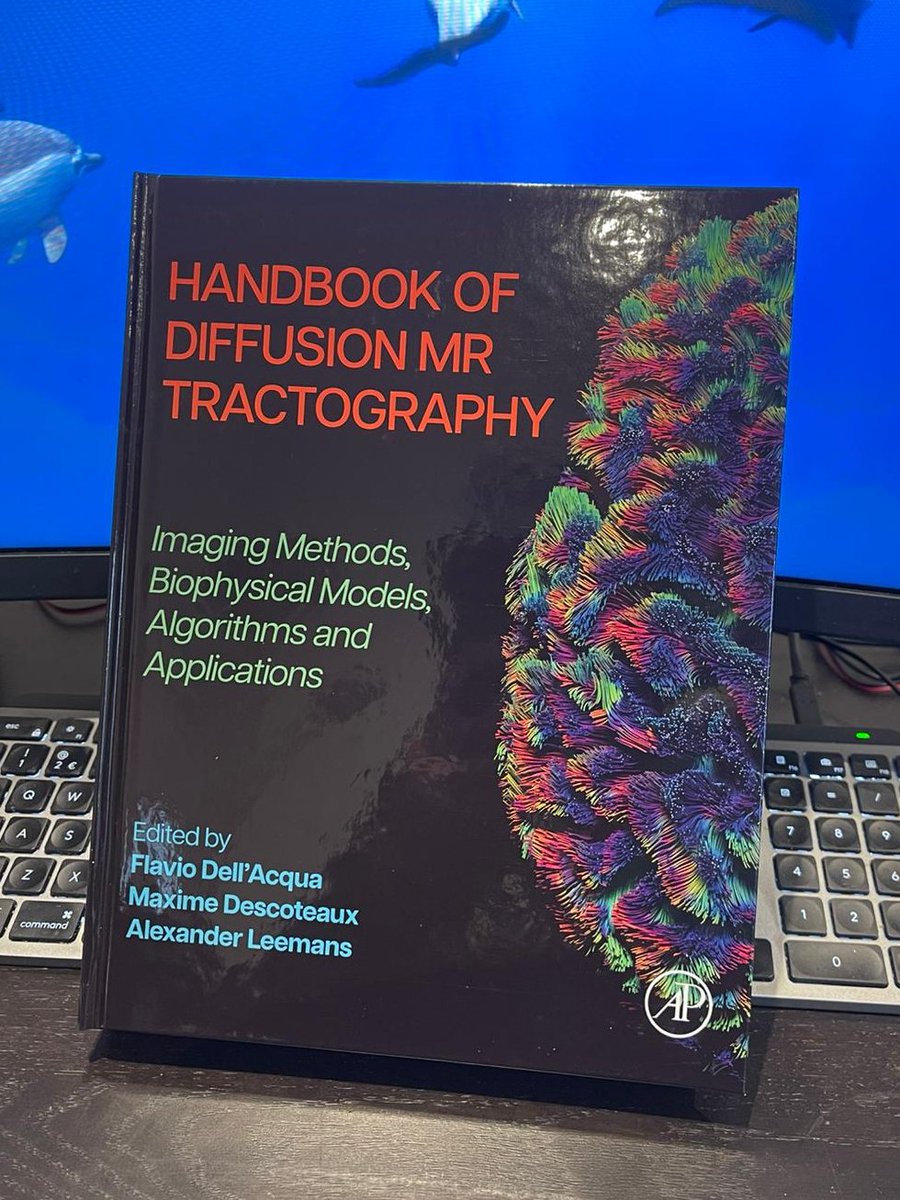
📢 We are excited to announce that the Handbook of Diffusion MR Tractography is finally out! 🎉
Huge thanks to all the authors and the ever growing tractography community at IST @tractography and DSG-ISMRM @DiffusionISMRM !!
From @flaviodellacqua, @maxdescoteaux, @Alex_Leemans
1
40
115
6,744
Svenja Caspers retweeted

13 Dec 2024
25 neue Impulse aus der #Wissenschaft für #acatech: Wir heißen unsere 25 neuen Mitglieder herzlich willkommen. Sie bringen ihre Expertise mit #Technologie-Bezug in den Dialog mit #Politik und #Gesellschaft ein. 📷acatech/Svea Pietschmann
acatech.de/allgemein/neue-mi…
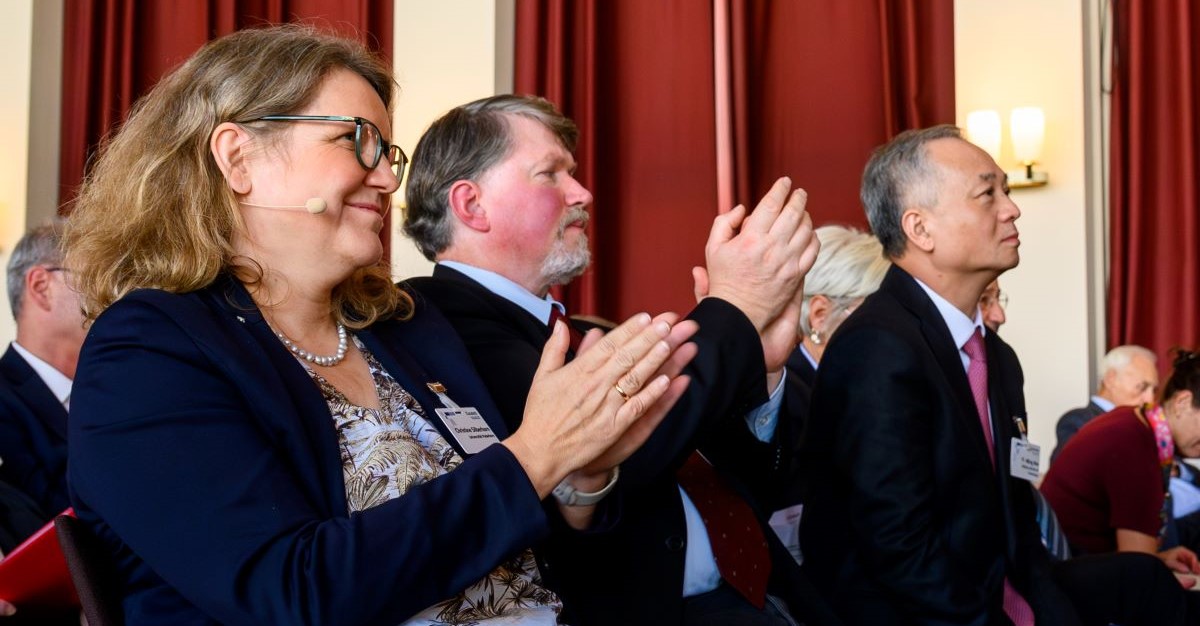
ALT acatech Mitglieder auf der Mitgliederversammlung 2024 in Berlin
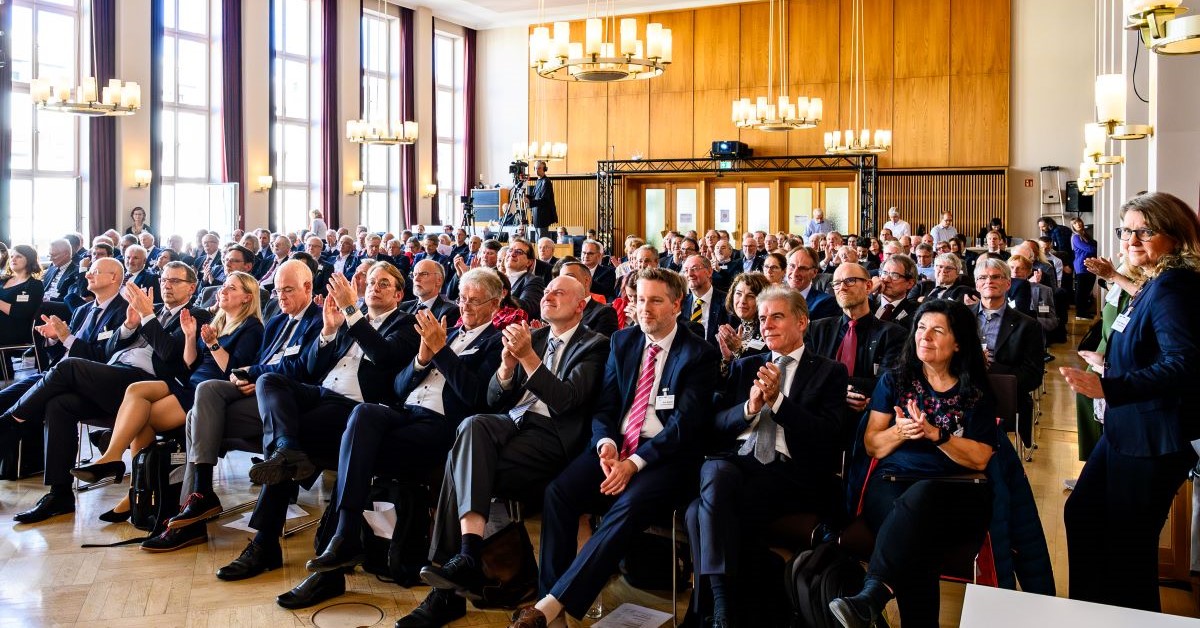
ALT acatech Mitglieder auf der Mitgliederversammlung 2024 in Berlin
ALT acatech Pins für Mitglieder
2
5
405
Svenja Caspers retweeted

13 Nov 2024
After @MRtrix3 was a finalist at the Australian Museum @eurekaprizes ceremony, I conducted an interview with @ARDC_AU to speak about my involvement with that project and my opinions on the research software ecosystem.
11 Nov 2024

🧠 A Senior Research Officer at @TheFlorey, Dr Robert Smith @Lestropie has worked on developing sophisticated processing and reconstruction techniques for analysing image data, especially diffusion magnetic resonance imaging (#MRI) with a view to advance #BrainScience. One project he's been invovled in is #MRtrix3, a freely available #software package used for guiding clinical decision making in #neuroscience.
"For instance, it’s used to determine surgical candidates and margins for brain tissue resection," Rob reports. One of their core analysis pipelines has been applied across a very broad spectrum of neurological disorders. The software was also used to investigate the effects of microgravity on brain microstructure and morphology.
In the 5 years since the article decribing MRtrix3was published, 2,000 citations have been recorded. Having a low barrier to access and not requiring registration, though, the software has most certainly seen more usage. There are also nearly 2,000 accounts on the community forum, which is an under-estimate of the user base considering that registration is optional. Seeing the issues and feature requests coming from the community, it's natural for Rob to continually and diligently maintain the software.
"I don’t think that I ever made a conscious decision of 'I’m going to maintain research software' ... When you have a personal investment in software you develop a vested interest in ensuring it does what it claims, does it well, and expands in its capabilities."
Earlier this year, MRtrix3 was named a finalist for the 2024 ARDC-sponsored #Eureka Prize for Excellence in #ResearchSoftware.
"It’s obviously great to have individual software projects recognised for their contribution to research, but for me the key impact of this award is the promotion of research software as a domain worthy of recognition. This prize is one of many steps to recognise software as a reportable and valuable output of research."
🔗 Read more about MRtrix3 and Rob's experience in the latest of our monthly interviews with leading research software engineers (#RSEs) in Australia > ardc.edu.au/article/shaping-…
#ResearchSoftwareAU

ALT Card with the article title against a photo of Dr Robert Smith in front of a Eureka Prize and Australian Museum branded backdrop
4
23
1,593
Svenja Caspers retweeted
29 Oct 2024
🧠 Just published in @BrainComms! Our latest study explores the structural and functional properties of superficial pyramidal neurons in the adult human neocortex. Age-related changes of synaptic properties… Freiburg #Neuroanatomy
academic.oup.com/braincomms/…
4
20
1,411

Svenja Caspers retweeted

29 Aug 2024
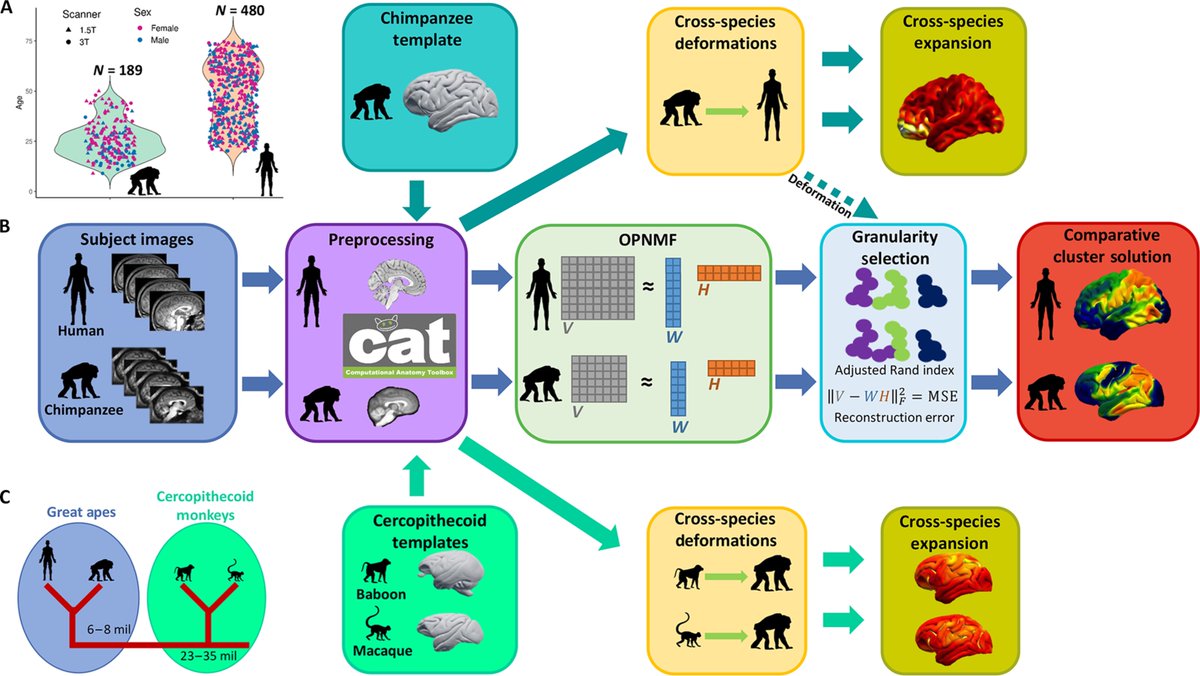
Great coverage on our recent work led by Sam Vickery
-> the relation between human brain aging and evolutionary expansion in @ScienceAdvances (science.org/doi/10.1126/scia… ):
-> "Humanity’s newest brain gains are most at risk from ageing" @Nature: nature.com/articles/d41586-0…
16
48
4,353

15 Aug 2024
Great work from our PhD student - check it out!
15 Aug 2024

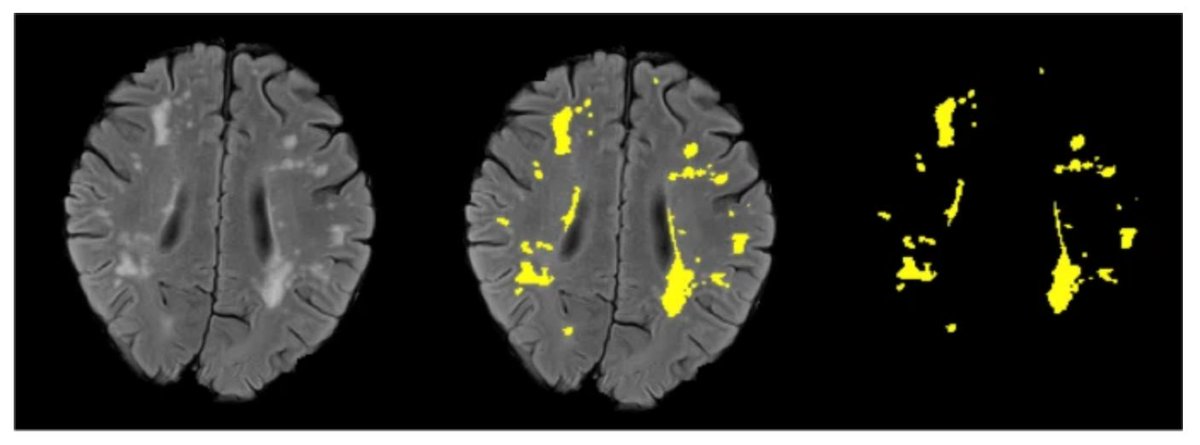
📢New Open🔓 Access Paper
Identifying sources of bias when testing three available algorithms for quantifying white matter lesions: BIANCA, LPA and LGA by Tatiana Miller, Nora Bittner, Susanne Moebus & Svenja Caspers (@LabCaspers).
rdcu.be/dQXrU
#whitematterlesion
1
4
201