Labconscious connects biologists to sustainable and eco-friendly laboratory practices. Labconscious.com is a resource for life science from New England Biolabs.
Joined November 2014
- Tweets 2,509
- Following 1,298
- Followers 1,712
- Likes 4,883
562 Photos and videos

Labconscious retweeted

Latest News: Green Chemistry Is Driving Triton X-100 Replacement in Labs dlvr.it/TSCXyP #AirEmissionsPollution #StandardsCertification #CorporateStrategy
2
20

Apr 8
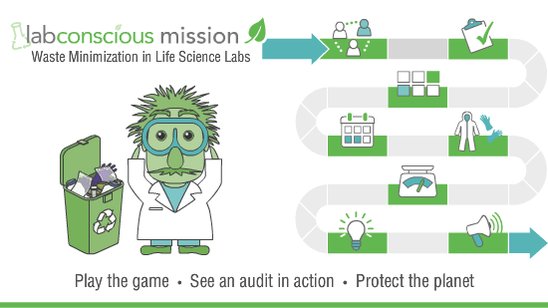
Is your lab ready for Earth Day? Learn what you can do in our new quest-style game!
labconscious.com/laboratory-…
1
27
Apr 7
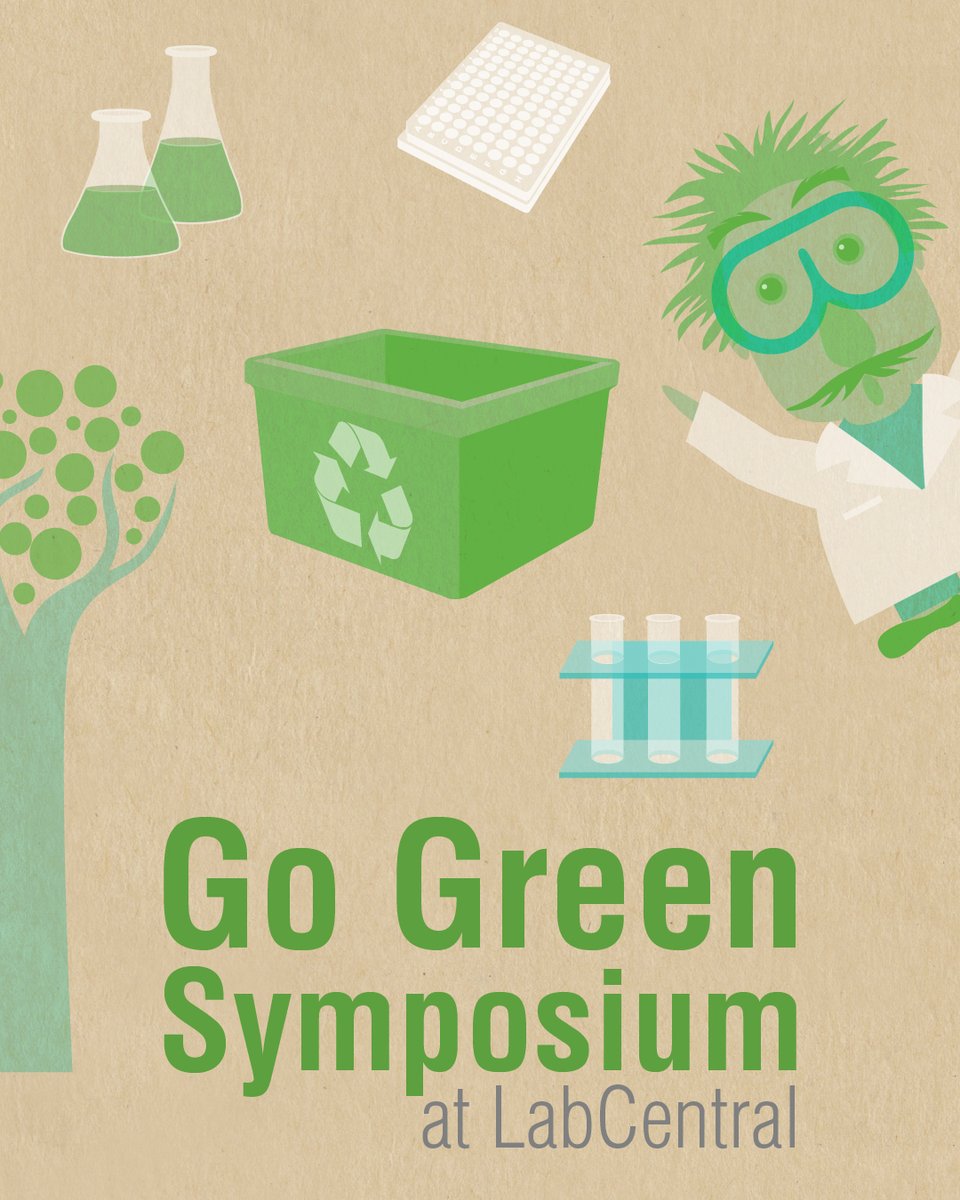
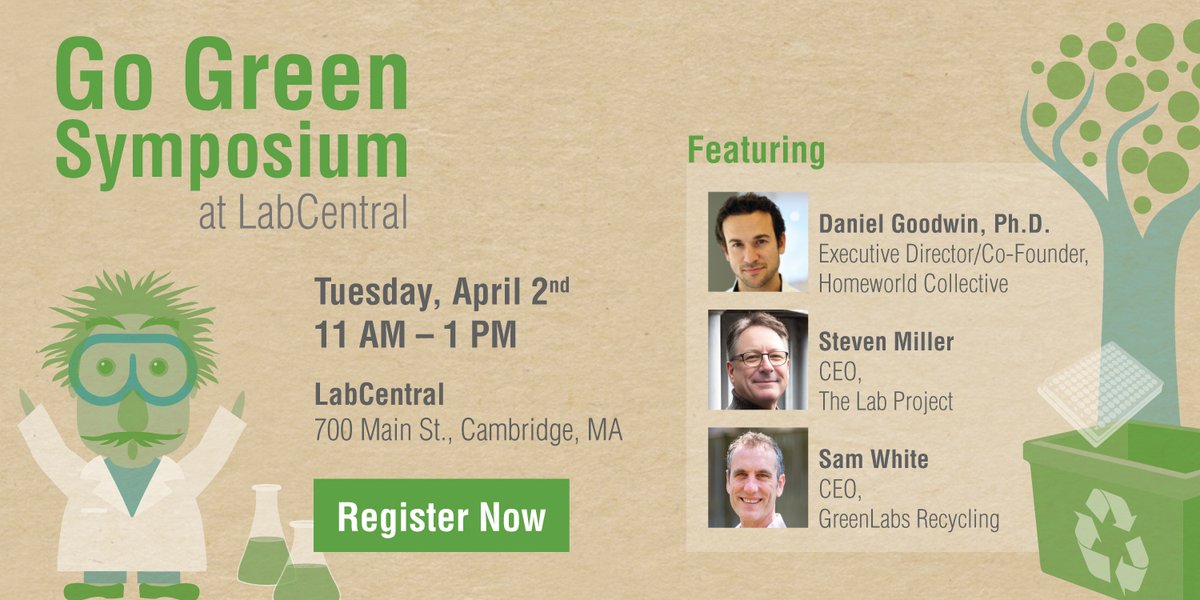
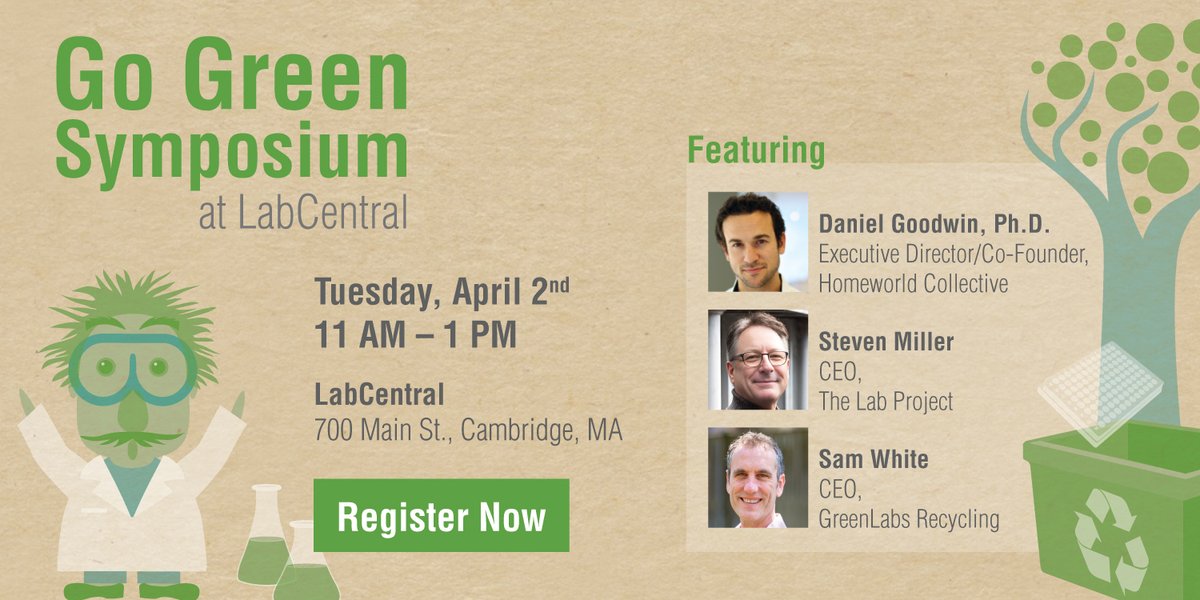
Biologists & students, only two days left to register for these positive talks and a networking lunch in Cambridge, MA! go.neb.com/GoGreen2026
Scientists & sustainability-change makers will share:
✅Wyss Institute engineered materials & systems for a sustainable future
✅A new approach for ambient storage of biomolecules
✅A viable alternative for fossil fuel based plastic labware
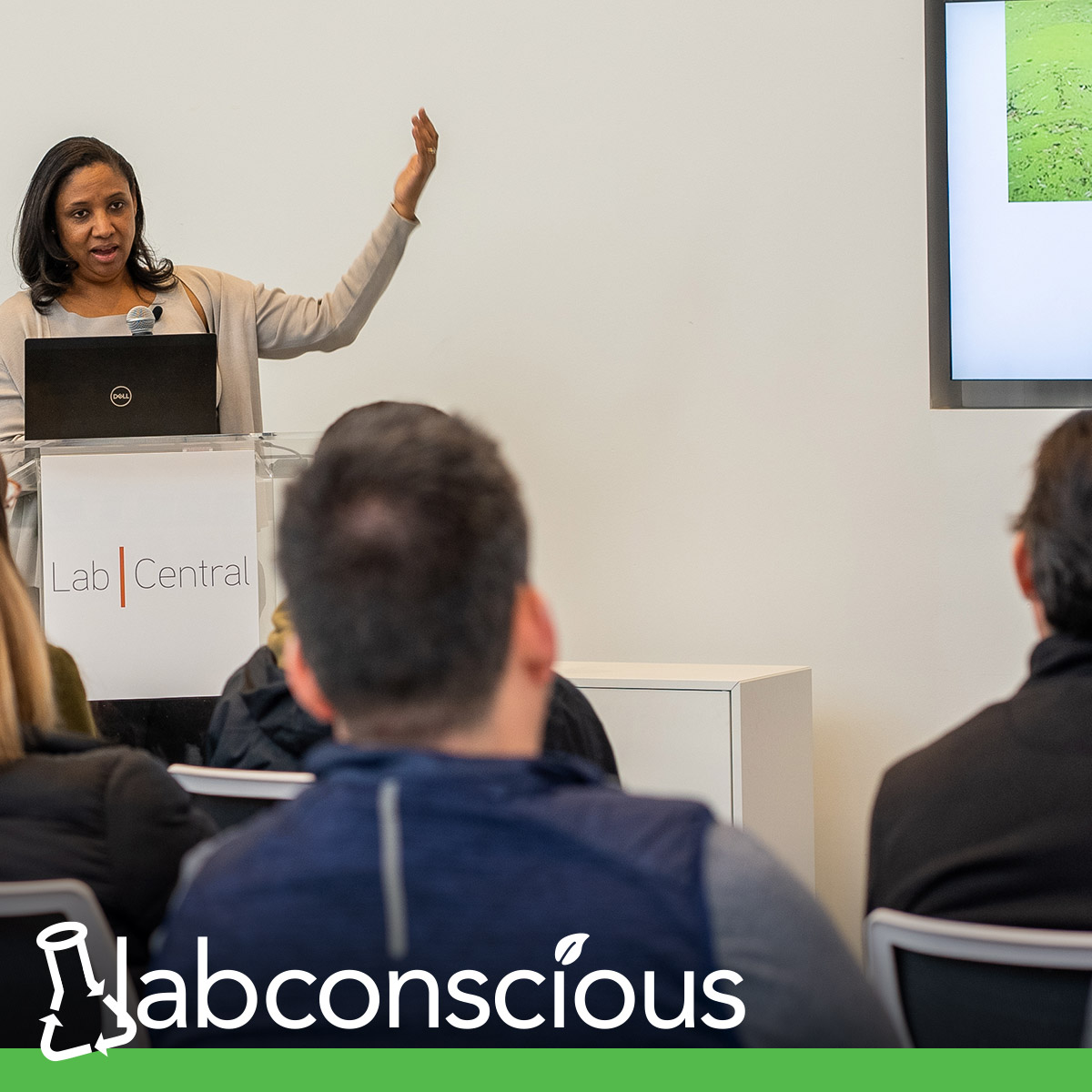
✅ Greener lab practices at Boston Children's Hospital research labs
See you at LabCentral on Thursday!
28
Mar 27
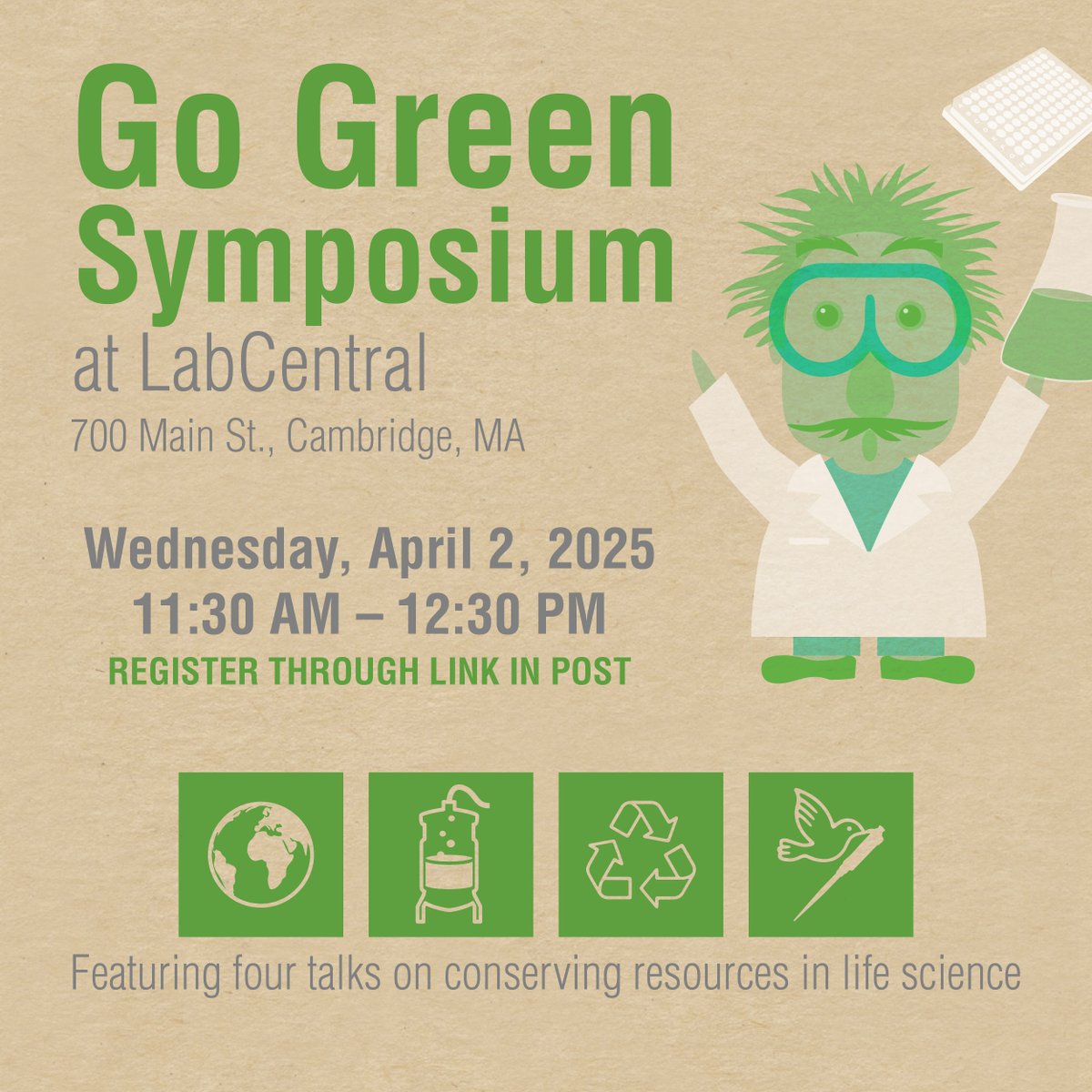
Join us in person! You may be surprised by how reimagined materials, cutting-edge storage techniques and best practices offer eco-friendly outcomes for laboratory work and beyond.
go.neb.com/GoGreen2026
DATE: Thursday, April 9th, 2026
LOCATION: LabCentral, 700 Main St., Cambridge, MA
TIME: 11:00 AM – 1:00 PM
Networking lunch to follow, provided by New England Biolabs.
33
Mar 6
It’s a shame to discard unneeded research materials - but that’s frequently a reality. Cheers to guest blog author Matej Metkovic, CEO and Founder of Wasteless Bio, for sharing their mission, which includes open, compliant exchange of surplus plastic lab consumables and reagents! (Unique? Rare?! Definitely needed!)
labconscious.com/blog/sustai…
1
55
Feb 9
Imagine a future where you can easily process proteins, nucleic acids, and even complex biologics for years of room temperature storage, and how that would help healthcare and research flourish globally. Now you understand why advances in ensilication tactics are so exciting. Enjoy our latest blog post! labconscious.com/blog/can-en…
29
Labconscious retweeted

20 Nov 2025
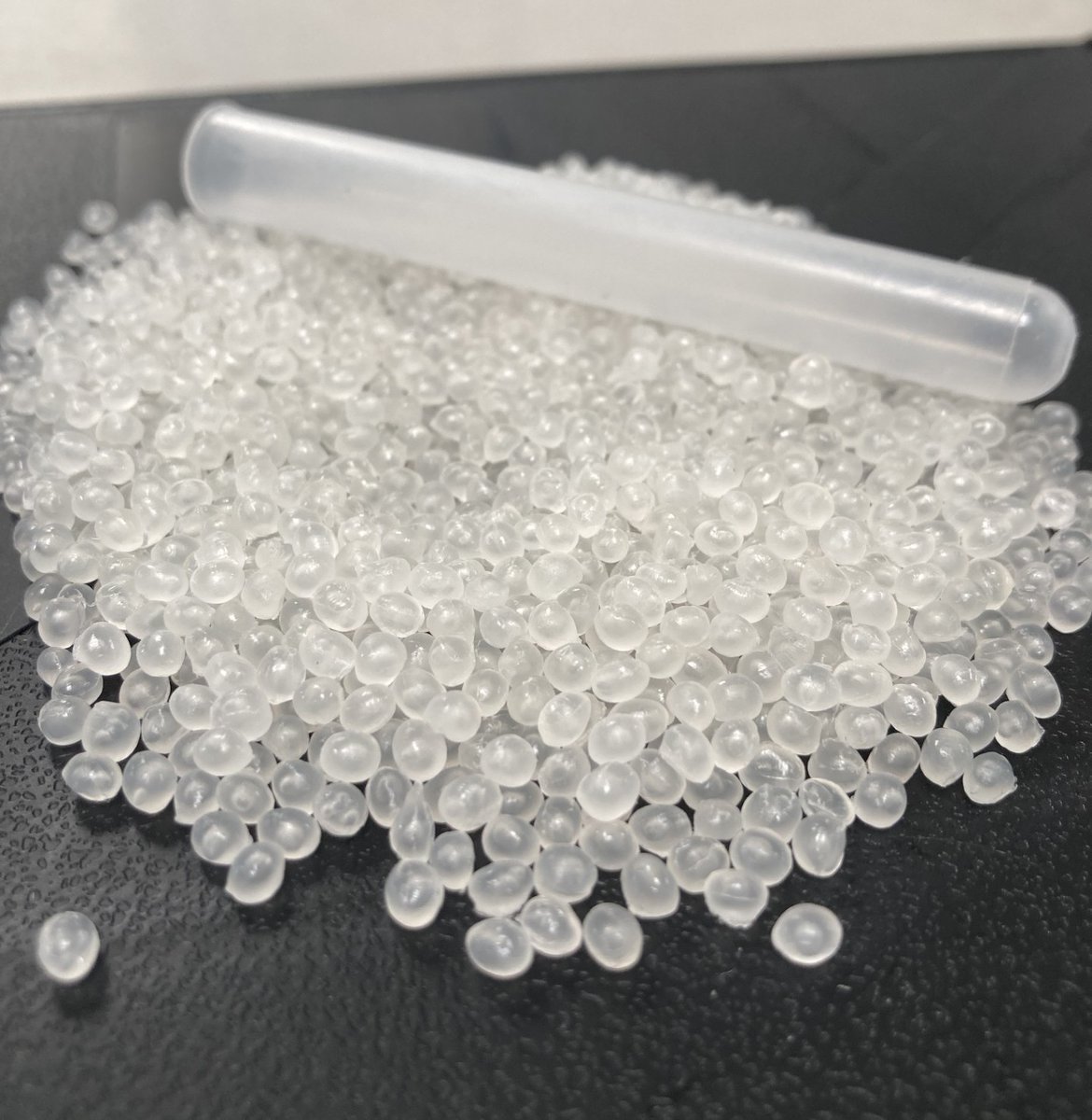
Turning Lab Waste Into Something New: CircuLab
Every day, labs generate huge volumes of single-use plastic. But what if those plastics didn’t have to be the end of the story?
With CircuLab, our recycled polymer, we’re closing the loop.
We collect lab consumables → recycle them → and transform them into high-quality material ready for new products.
CircuLab helps companies:
♻️ Design more sustainable products
🌱 Reduce their environmental footprint
📦 Build circularity directly into their supply chains
Looking to incorporate recycled content into your manufacturing?
If your organisation is exploring recycled materials for new product development, we’d love to talk.
#CircularEconomy #RecycledPlastic #RecycledMaterials #SustainableScience #CircuLab #RecycleLab
1
1
18
Labconscious retweeted

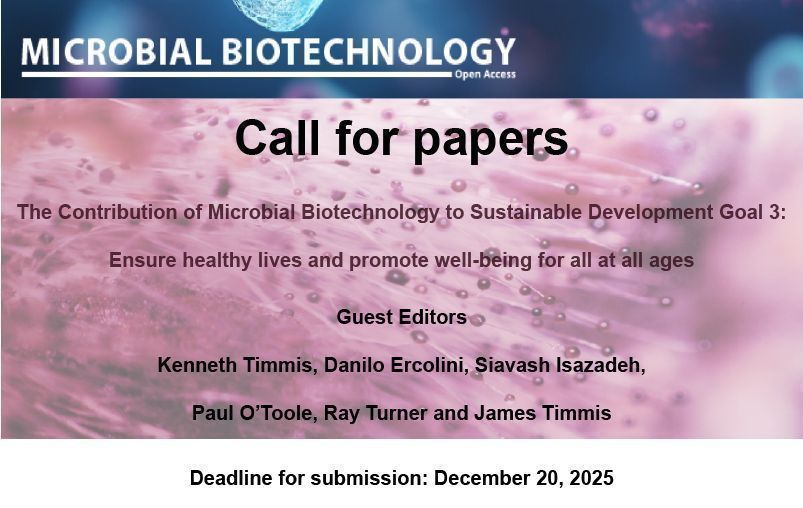
Special Issue on “The Contribution of Microbial Biotechnology to Sustainable Development Goal 3: Ensure healthy lives and promote well-being for all at all ages". Submit your manuscript online at: mc.manuscriptcentral.com/mic…. Deadline 📆 20 December 2025. Thanks for RT
1
5
148
13 Nov 2025
Cultivarium has produced the first genetic toolkit for studies using Piscinibacter sakaiensis (formerly Ideonella sakaiensis).

Some companies try to break plastic. We broke open the microbe that eats it.
The bacterium that naturally degrades PET bottles has been un-engineerable for years. We @CultivariumFRO set out to change that.
1
3
595
Labconscious retweeted
28 Oct 2025
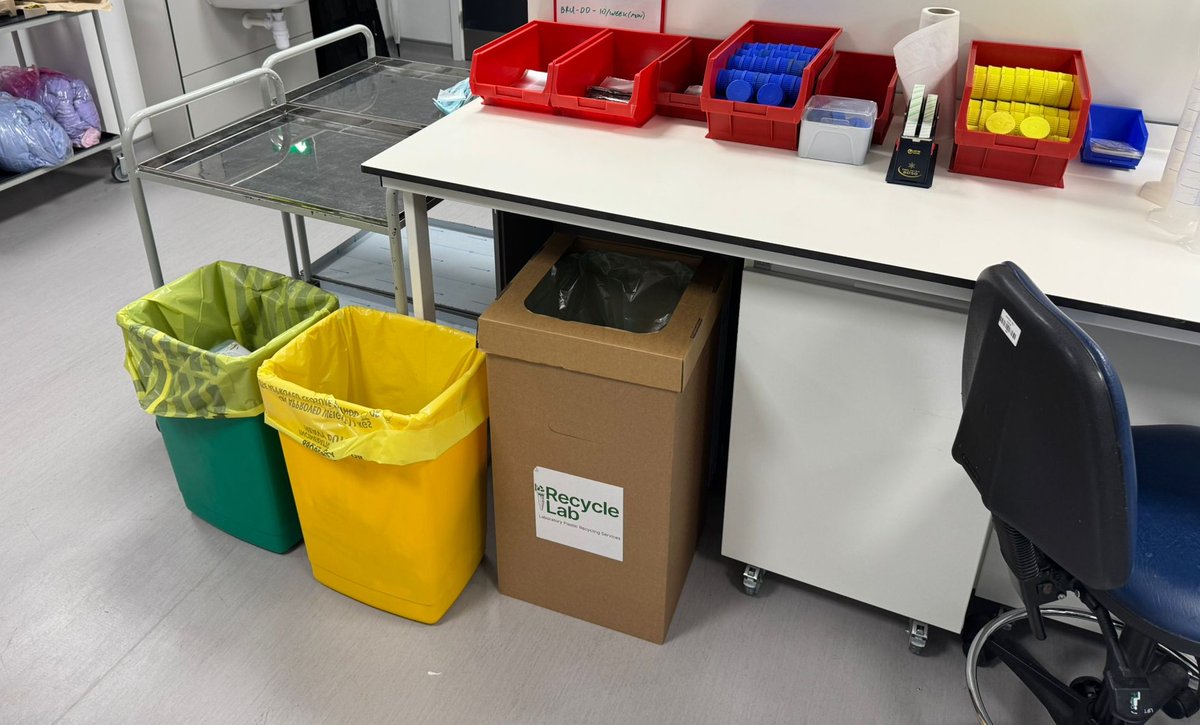
What gets in the way of recycling lab plastics?
We speak to so many labs that want to recycle their plastic consumables, but we know it’s not always easy to make it happen.
Some of the barriers we hear about most often include:
🕒 Time – finding a moment to set up a new waste stream alongside everything else.
🧼 Decontamination – the extra effort needed to clean or sterilise items before recycling.
👩🔬 Engagement – getting everyone in the lab involved and following the new system.
🗑️ Space – squeezing in another bin or storage point in already busy labs.
These are all completely understandable challenges, and they’re exactly the kind of things we try to make simpler through our recycling programmes.
We’d love to hear from you!
What barriers have you come across when trying to recycle in your lab?
#RecycleLab #Sustainability #LabRecycling #CircularEconomy #GreenerScience
1
2
33
29 Oct 2025
Life science R&D is evolving fast. We're excited to share three interviews with biologists and engineers who offer insights into robotics and AI use in lab work. It's good knowledge for any project or career stage. A sustainability mindset helps us to decide how and when to leverage these tools to serve the greater good.
labconscious.com/blog/strate…
19
24 Oct 2025
Deep learning models are one of the most exciting trends to increase success and sustainabilty in life science. Good on the developers of DrugReflector!

An AI model trained on complex data from human cells could provide a shortcut in the race to develop new drugs
go.nature.com/3WltRpq
25

An AI model trained on complex data from human cells could provide a shortcut in the race to develop new drugs
go.nature.com/3WltRpq
3
19
58
14,391
24 Oct 2025
This conference at the Univ. of Cologne, 26–27 January 2026, will focus on how lab operations at universities and research institutions can become more sustainable while maintaining scientific excellence.
uni-koeln.de/en/university/p…
31
19 Aug 2025
E-waste recycling is undergoing a renaissance. Learn why and check out a list of five types of instruments to consider recycling in our latest blog post.
bit.ly/3HHvDx4
38
11 Aug 2025
“Convenience is a roadblock for sustainability everywhere,” remarks Hughson. “It’s like the Amazon syndrome. Why would I go out to the store when I can order it and have it delivered directly to me? At the BSC, we’re a service that has been here and is able to do that for [researchers], but they might not necessarily know that we’re an option right in house, right next door.”
rochester.edu/sustainability…
56
24 Jun 2025
Could your future lab be powered by fuel derived from seawater? MIT is advancing systems to improve the research environment and open avenues to clean power for all. Learn more in our latest blog post: labconscious.com/blog/mit-su…
41
Labconscious retweeted

5 Jun 2025
Having signed up to @ucl’s Laboratory Efficiency Assessment Framework, we're working towards the highest standards of sustainability and efficiency in our labs.
One example of how we're reducing our carbon footprint and tackling plastic pollution on-site #WorldEnvironmentDay
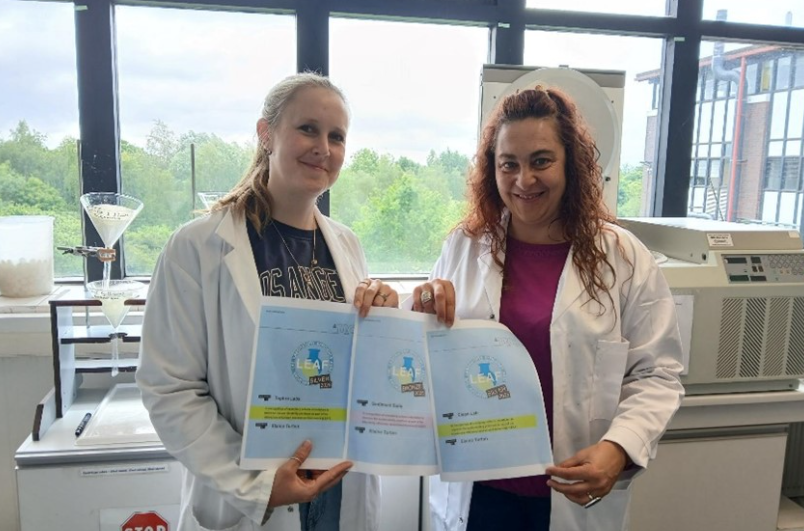
ALT Technicians, Katy Flowers and Dr Marta Perez-Fernandez, with LEAF certificates for their labs in the Department of Geography.
2
5
398
22 May 2025
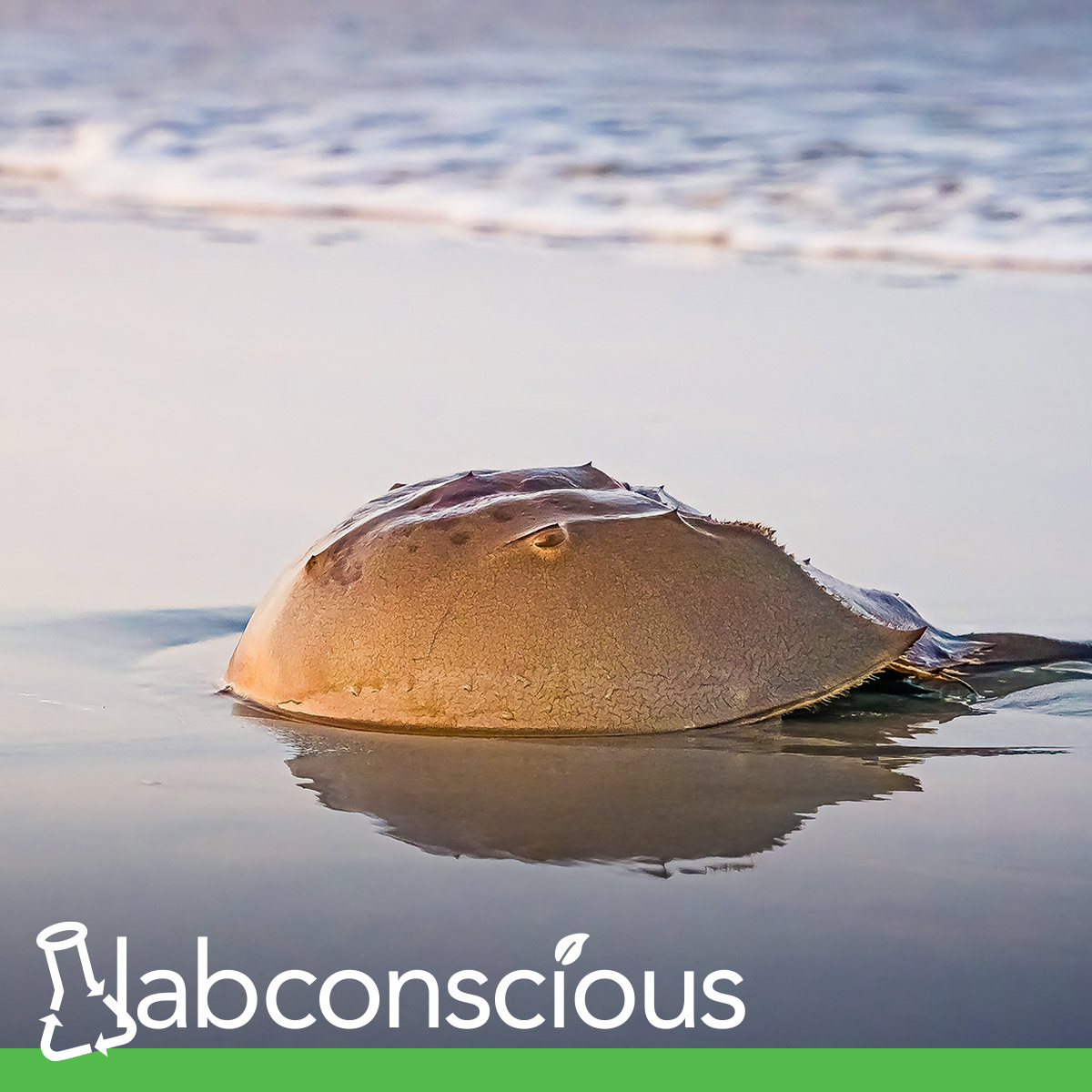
Check out our latest green lab tip contrasting animal-derived reagents to recombinants for endotoxin testing. Even if you’re not a microbiologist, it’s worth understanding why we all have a stake in the fate of the horseshoe crab.
ALT USP Greenlights Endotoxin Testing Using Recombinants that could save 100,000 Horseshoe Crabs every Year and improve scientific quality
50