146 Photos and videos
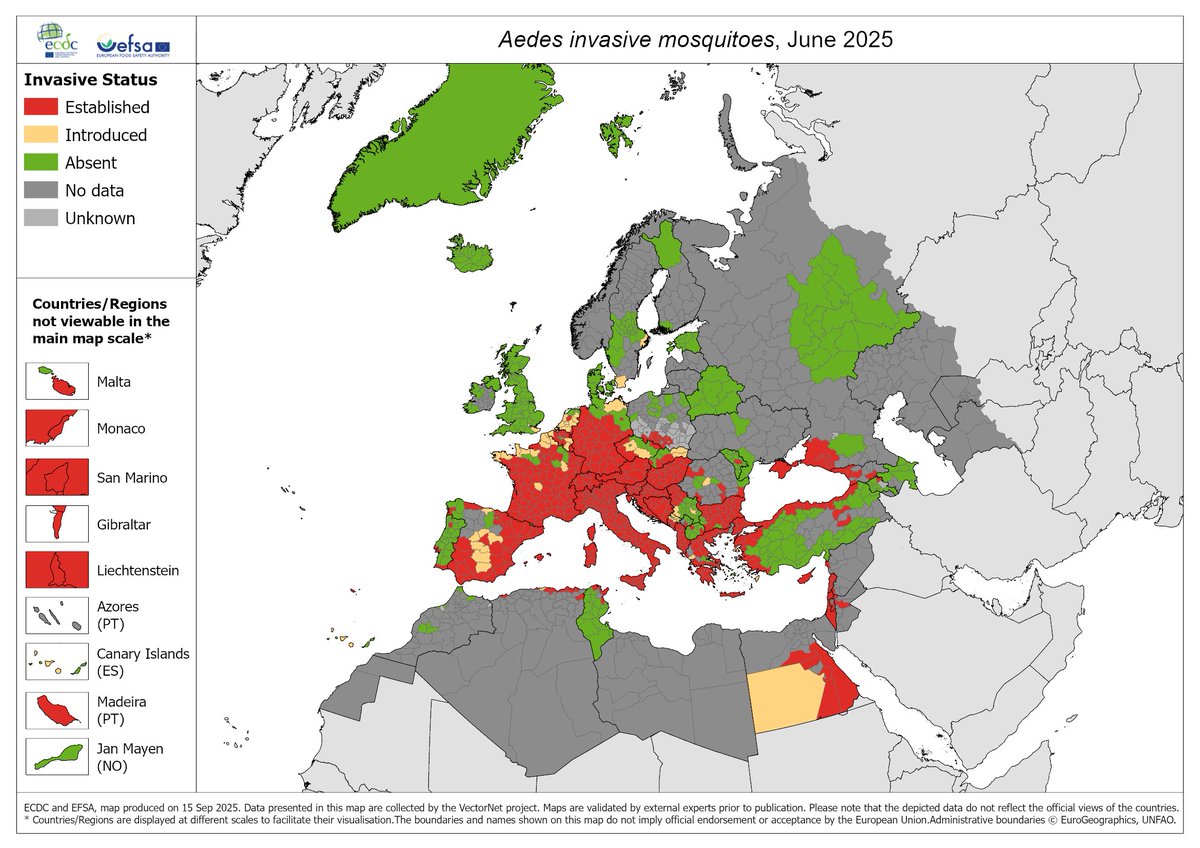
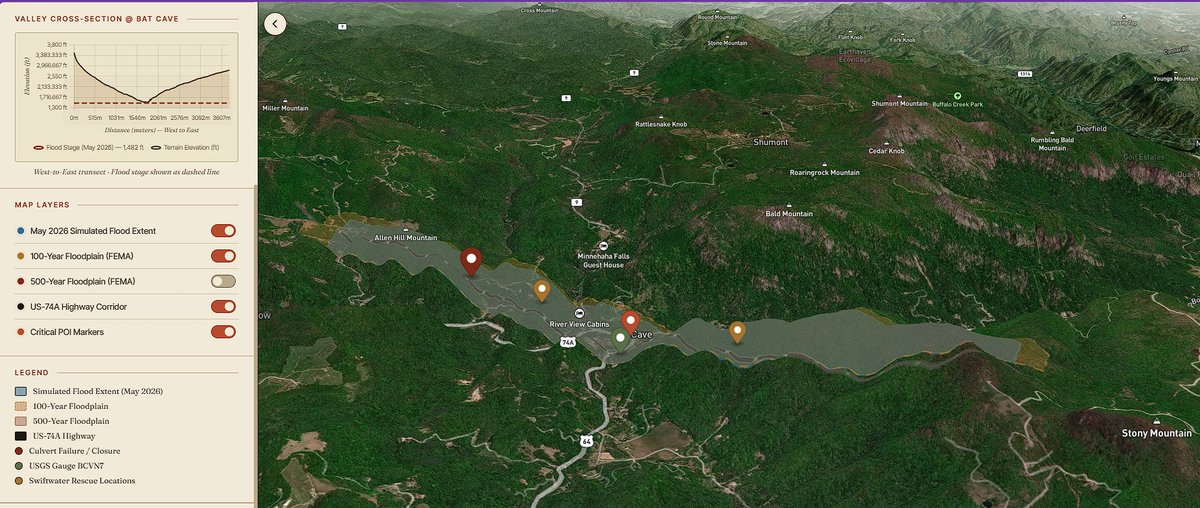
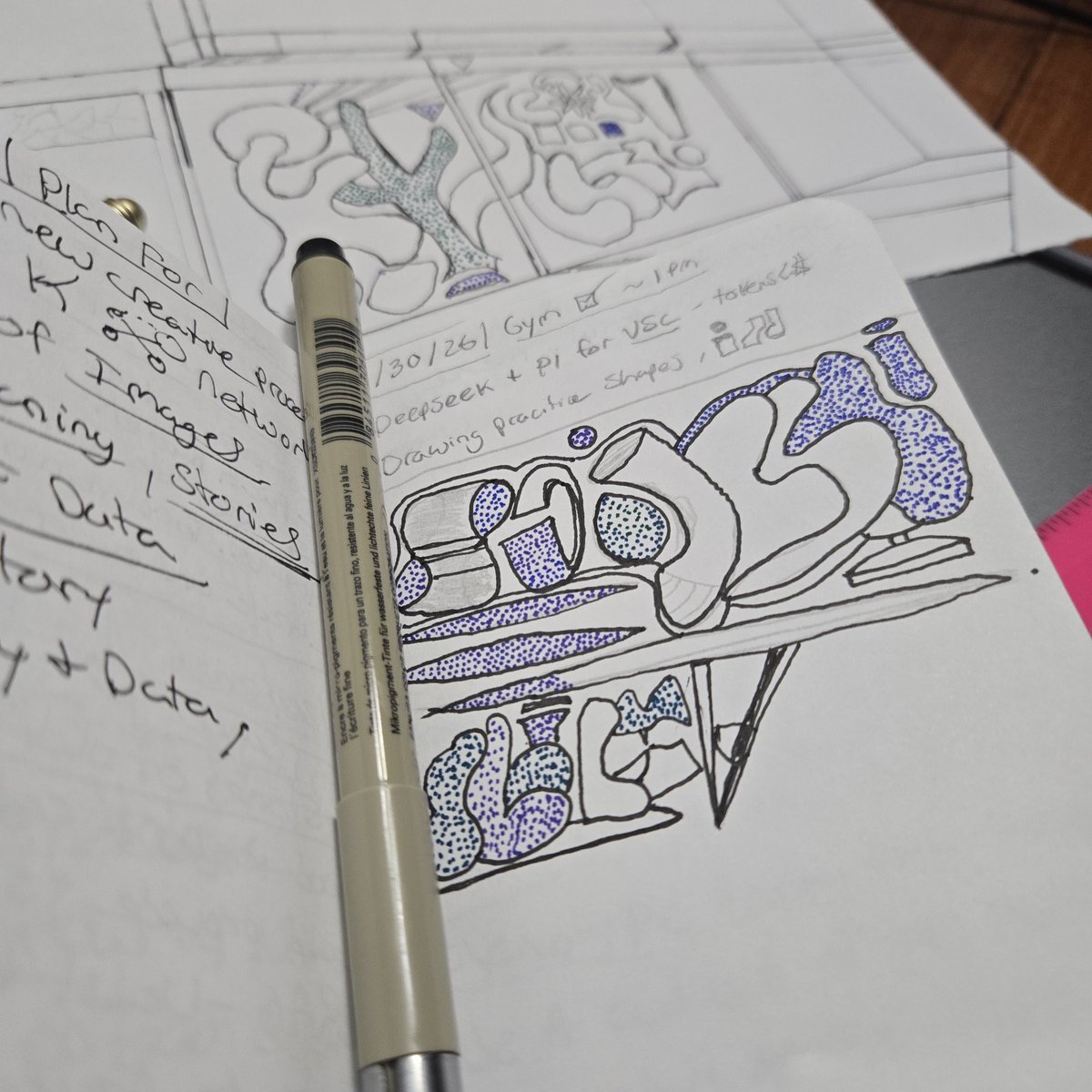


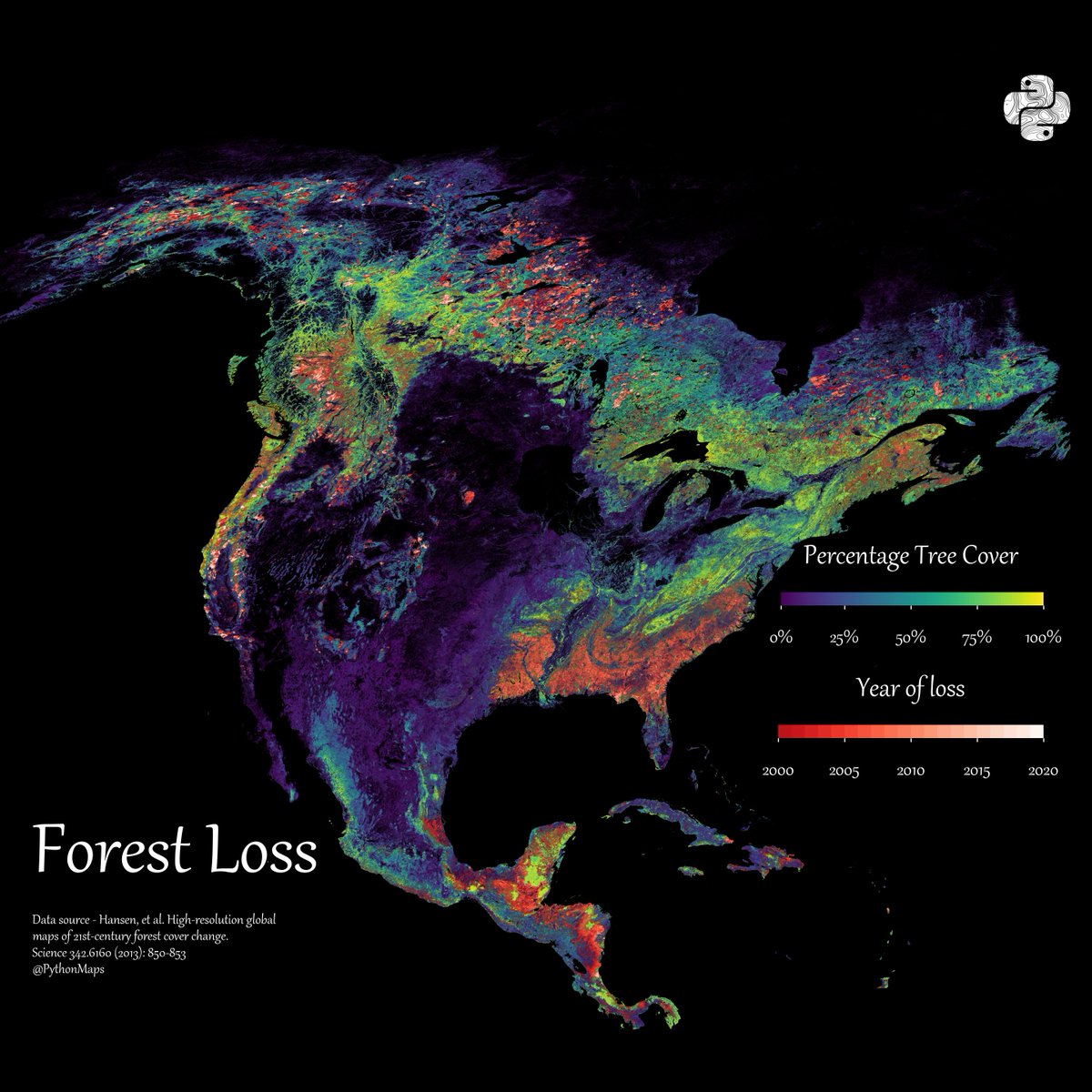
Where I grew up in Georgia a forest goes down every week for townhomes and incredibly badly made homes
Jun 8

Forest Loss. This map shows forest loss since 2000 in North America. Defined as a stand-replacement disturbance, or a change from a forest to non-forest state.
2
I agree with Irving Finkel here, Göbekli Tepe probably had at least proto-language . Then the technical art kind of just makes sense.
Jun 7

Prehistoric art is often described as symbolic.
But some of it is surprisingly technical.
At sites like Göbekli Tepe, Chauvet, Altamira, Karahan Tepe, and Dabous, artists captured posture, weight distribution, muscle shape, and movement in ways that still make the species recognizable today.
How much visual knowledge existed before writing?
19
Digital Continuing Education
Since I quit traveling I knew I would get dumb if I did not go back to school or find these:
- Middle Platonism:
youtu.be/I19wgJ5VKf8
The prophecy is pulling through, we are getting collage level education on YouTube and of course Esoterica is leading the way, although there are many other online places to learn. Another favorite in a completely different direct of learning would be CS50:
- Harvard Computer Science
youtube.com/watch?v=OvK…
Another way to learn is to get the information from a student’s perspective, like a Berkley art student kind of walking you through what she’s reading,
- ART HISTORY!
youtube.com/watch?v=8KD…
Finally here is a student who appears to be studying the classics, which of course you could watch Mary Beard or Bettany Hughes, but sometimes the students have fresh takes right?
- Classics and Ancient history:
youtube.com/watch?v=S4q…
1
12
I wrote about this a while back and glad to see such serious attempts at giving folks a good liberal arts education hahah.
substack.com/home/post/p-170…
1
2
BIG if true
May 29

all apps are dating apps, except dating apps, which are ridesharing apps
21



This guy has a Point hate to say it lol:
youtu.be/-27B8gngS4g?si=1_qI… via @YouTub
7
Salvador Dali style cartoons to this music:
youtu.be/NieyLDdZUDA?si=2COM…
Who wants to do it
1
7

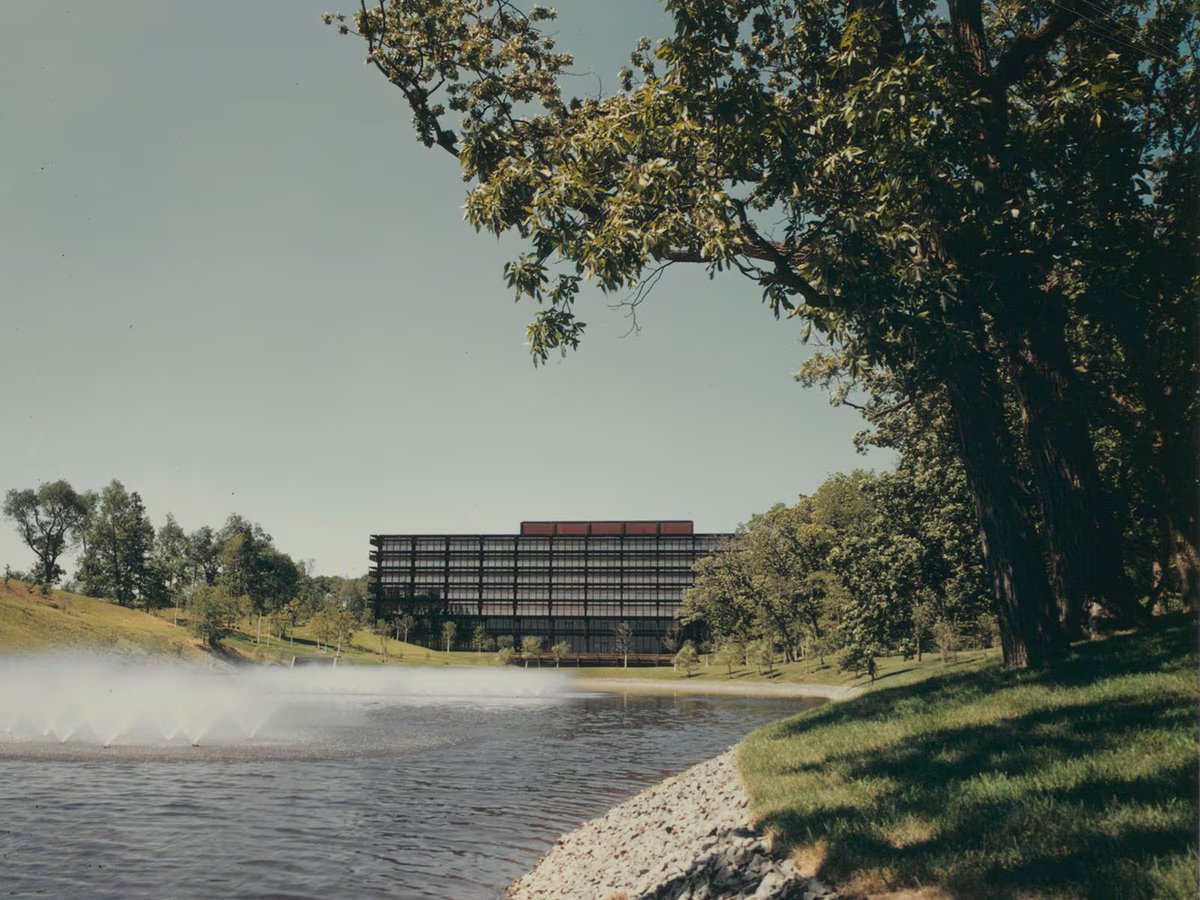

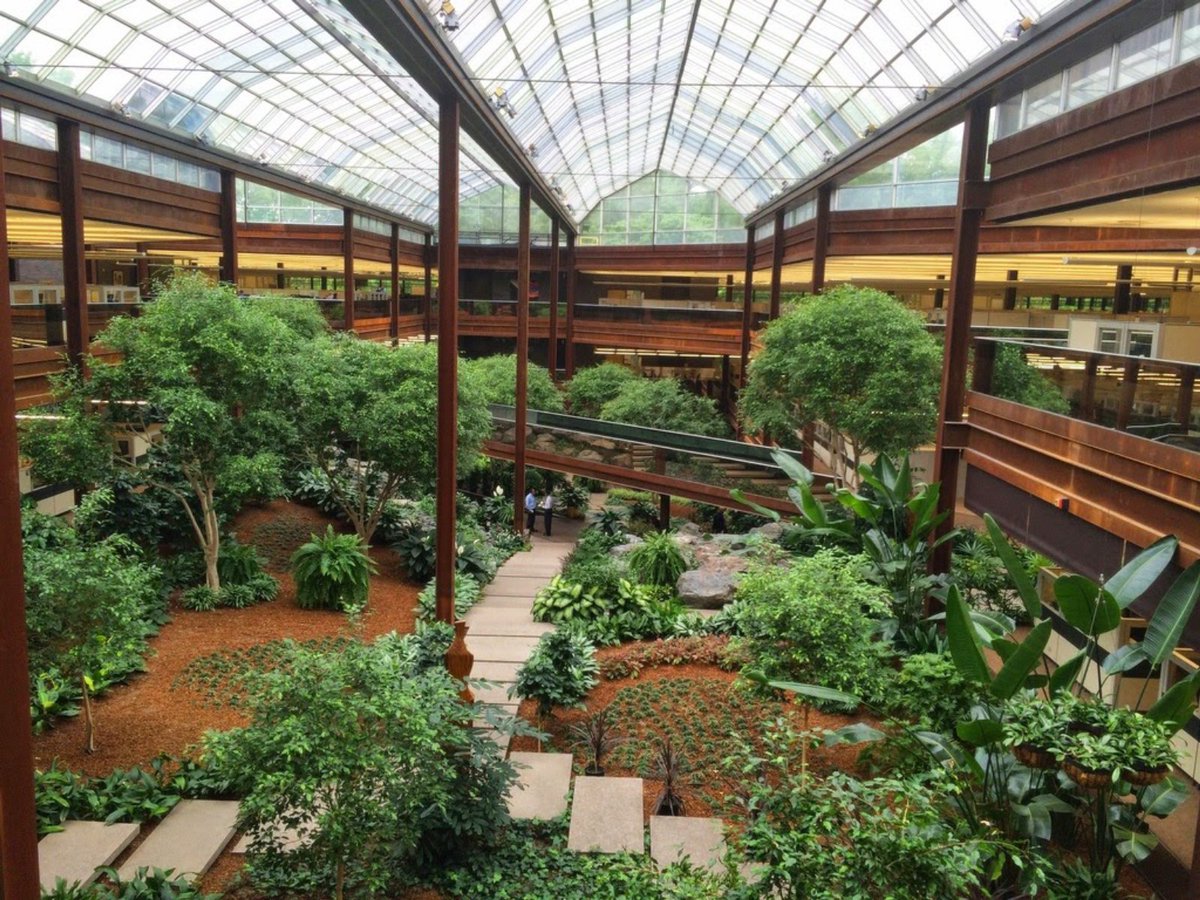
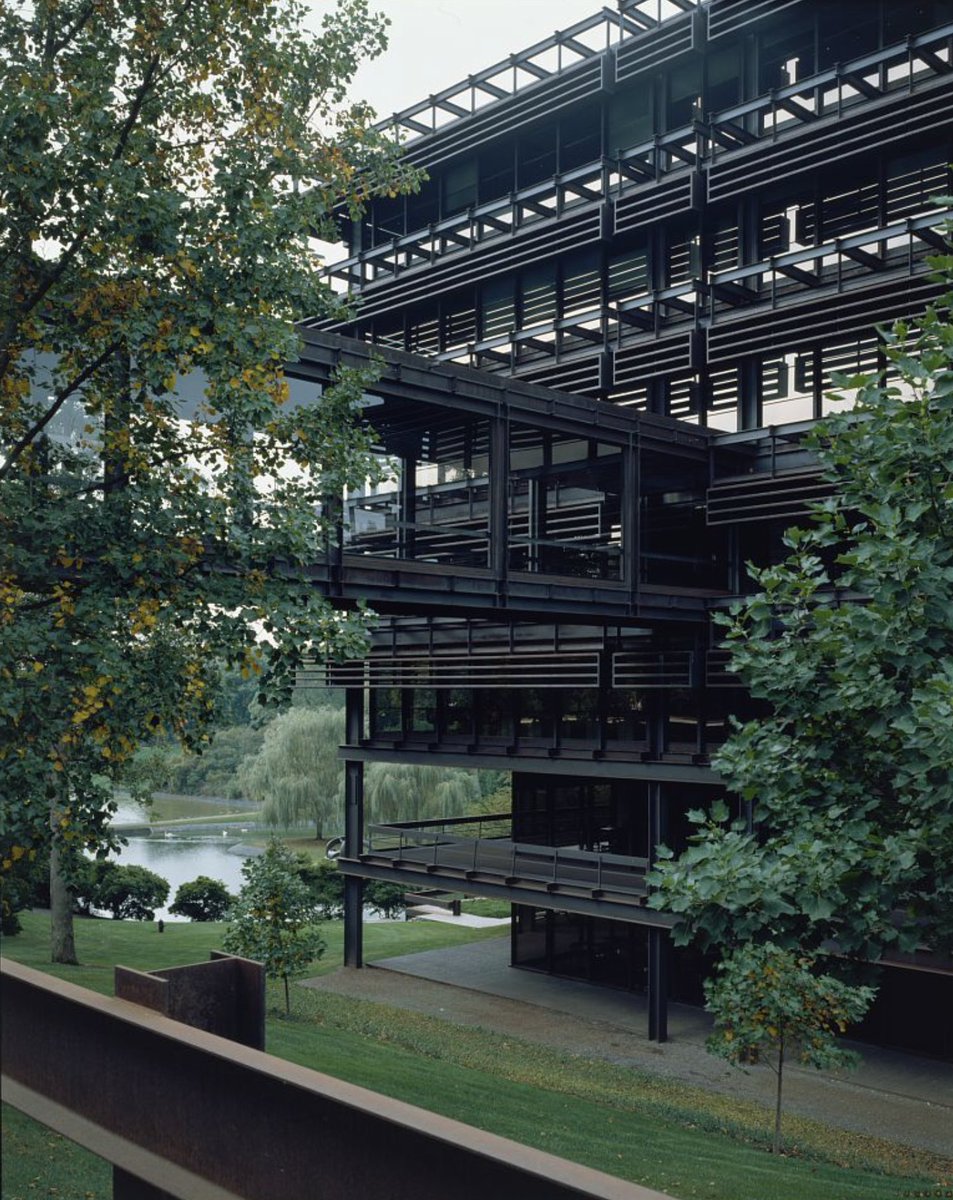
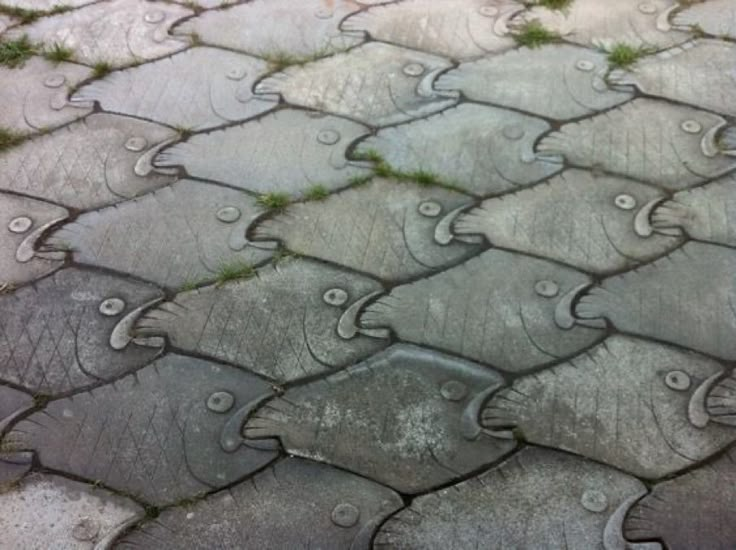
These by a pool would be shwayy cool

5
This looks really cool


1
1
65
This is a really cool Idea nature made its own sunscreen for the lil eggs, I'll be on the lookout for this product.
May 24

Genetically altered bacteria can synthesise gadusol, a naturally occurring compound found in zebrafish eggs that could be developed as an alternative to existing sunscreen products that can harm marine life newscientist.com/article/252…
9
Like the Tibetan Platea, these rivers, regions ecosystems rely on snow melt, Including humans and farmers. I feel like on X, yes, I have to add that last sentence ha-ha!
May 24

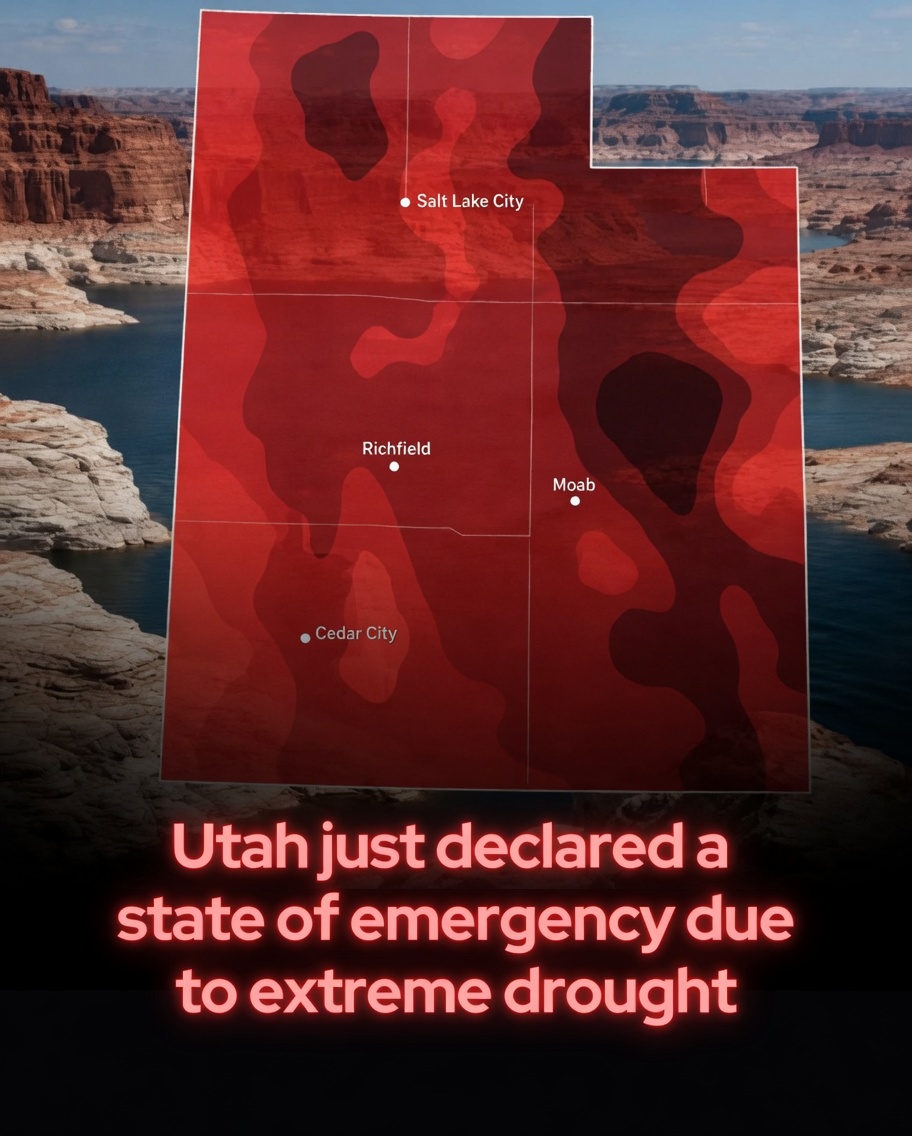
Utah officials have declared a statewide emergency following one of the worst snow seasons on record. This winter was so poor that officials dubbed it a “no-pack” season, with mountain snowpack ending near all-time lows.
Snowpack serves as the West’s natural frozen reservoir. Each spring and summer, melting snow slowly releases water into rivers, reservoirs, farms, cities, and ecosystems. This year, that critical system largely collapsed.
Since April 1, much of Utah has seen only 50–75% of normal precipitation. More than 60% of the state is now in extreme drought. The impacts are already hitting hard. Farmers face sharply reduced water allocations, Salt Lake City has urged residents to cut outdoor water use by 20%, and major reservoirs like Lake Powell sit at critically low levels, threatening hydroelectric power and putting further strain on the entire Colorado River system.
Scientists warn this is part of a broader, long-term shift across the American West. Climate change is driving warmer temperatures that cause snow to melt earlier, increase evaporation, and turn more winter precipitation into rain instead of snow. Rain runs off quickly, making it far harder to store water for the dry summer months ahead.
The drought has also dramatically raised wildfire risk, as dry vegetation and low soil moisture turn landscapes into tinder.
While summer thunderstorms may bring temporary relief, officials say they are unlikely to solve the deepening water deficit.
This crisis underscores just how dependent the Western United States remains on mountain snow, and how fragile that system becomes when winters stop delivering as they once did.
13