
Somatic evolution, cancer genomics, epigenomics (Weill Cornell/New York Genome Center). Hemato-oncologist (NYP). Discl.: bit.ly/2TTlGk8
Joined August 2015
- Tweets 2,018
- Following 2,729
- Followers 11,735
- Likes 14,175
334 Photos and videos





Pinned Tweet

Jun 4
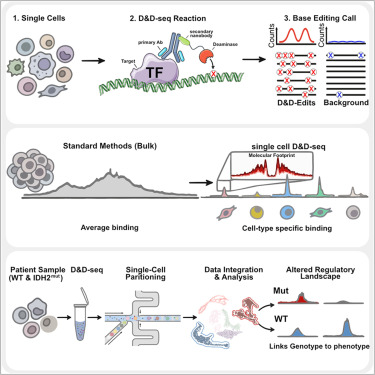
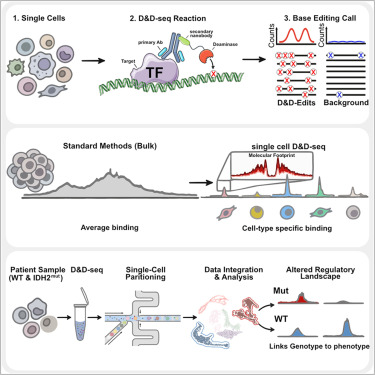
Exciting breakthrough technology from the lab, now live in @CellCellPress ! Instead of cutting the genome where proteins bind (e.g., Cut&Tag), D&D-seq scars the DNA with a deaminase, allowing single cell genome mapping of TFs and chromatin remodellers!
17
168
646
53,034

Dan Landau retweeted

30 Jun 2018
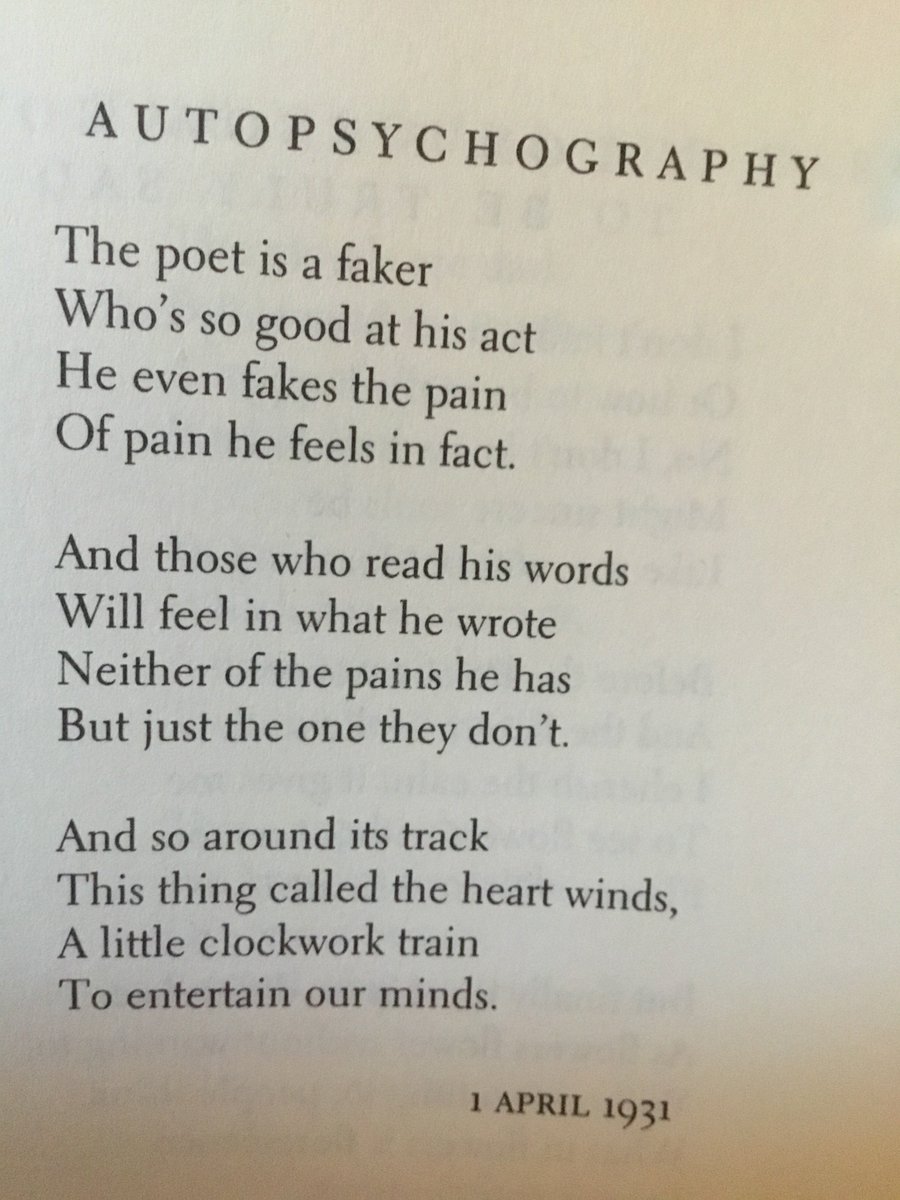
"He even fakes the pain/ Of pain he feels in fact."
From "Autopsychography" by Fernando Pessoa.
@PPresence @DisquietILP
#poetry #poetrycommunity #PortuguesePoets
3
6
Dan Landau retweeted

Jun 12
It was a privilege to reflect on the life and legacy of Greg Hannon in an obituary published in Cell, co-authored with Julius Brennecke. Collaborating on this was a gift: a chance to reminisce, remember, and try to capture what made Greg so extraordinary. bit.ly/4elZcAU
2
6
60
3,375

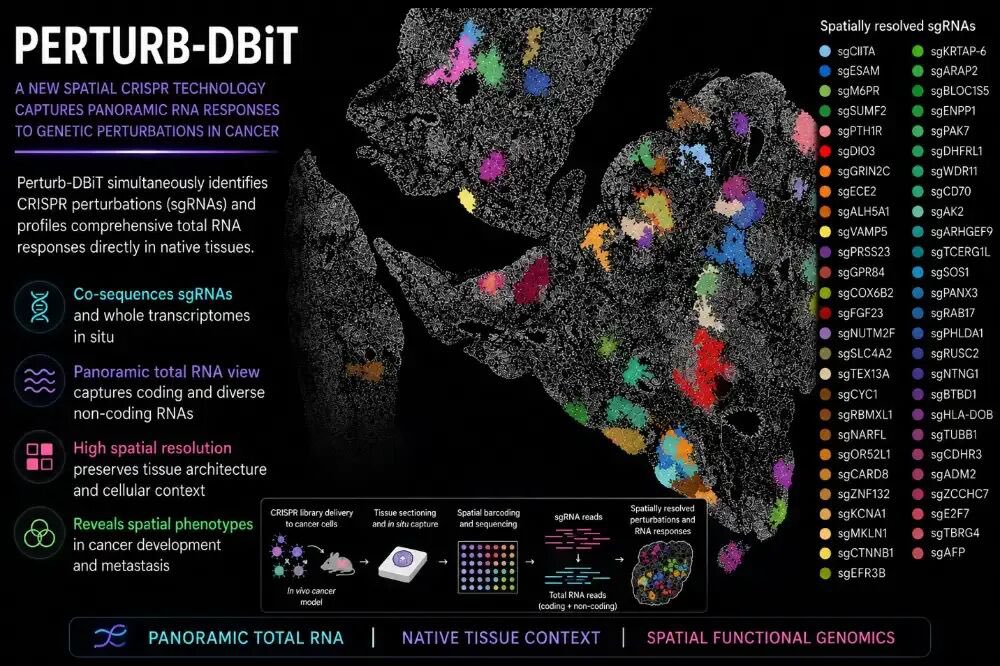
This @NatureBiotech publication takes it to another level, providing the first spatially resolved panoramic view of perturbation responses, capturing not only mRNAs but also total RNA regulatory landscape, including microRNAs, lncRNAs, tRNAs, and other non-coding RNA species.
1
6
16
1,983
🤩 spatial panoramic in vivo CRISPR screen via Perturb-DBiT 🤩 Excited to share our collaborative work with @sidichen lab and many outstanding collaborators, now published in Nature Biotechnology!
nature.com/articles/s41587-0…
4
61
234
16,450
Dan Landau retweeted

Jun 11
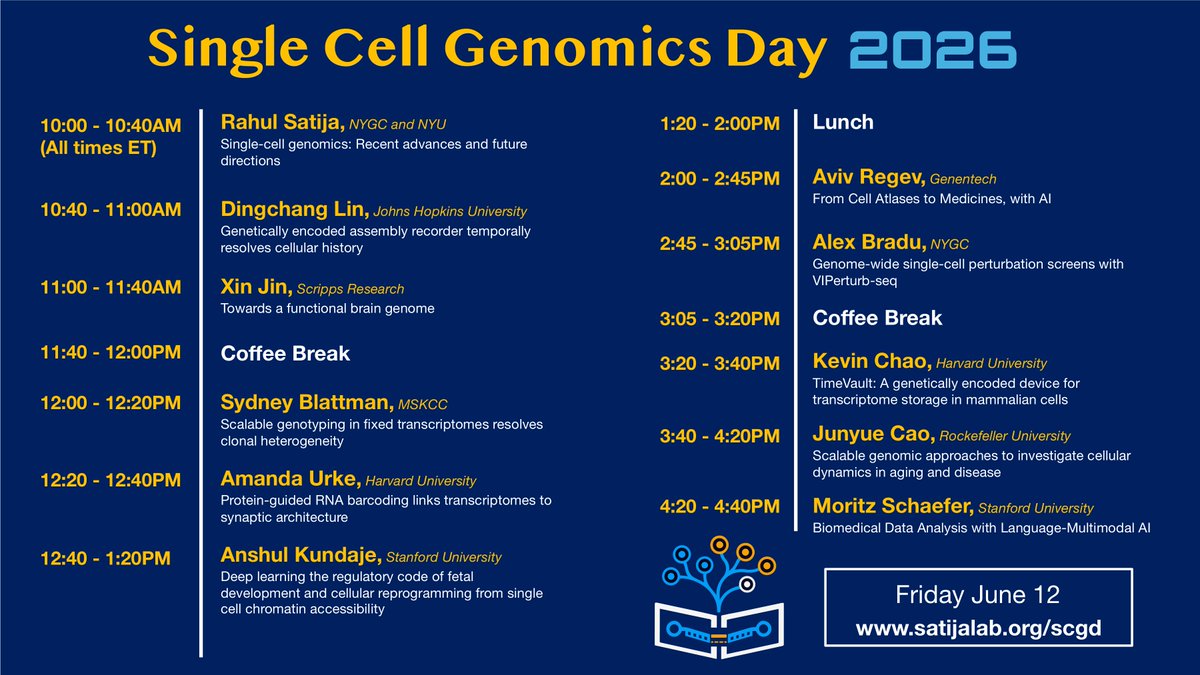
Our stream for Single Cell Genomics Day goes live tomorrow morning at satijalab.org/scgd , look forward to seeing you there for our 10th year!
25
103
10,765
Dan Landau retweeted

Jun 11
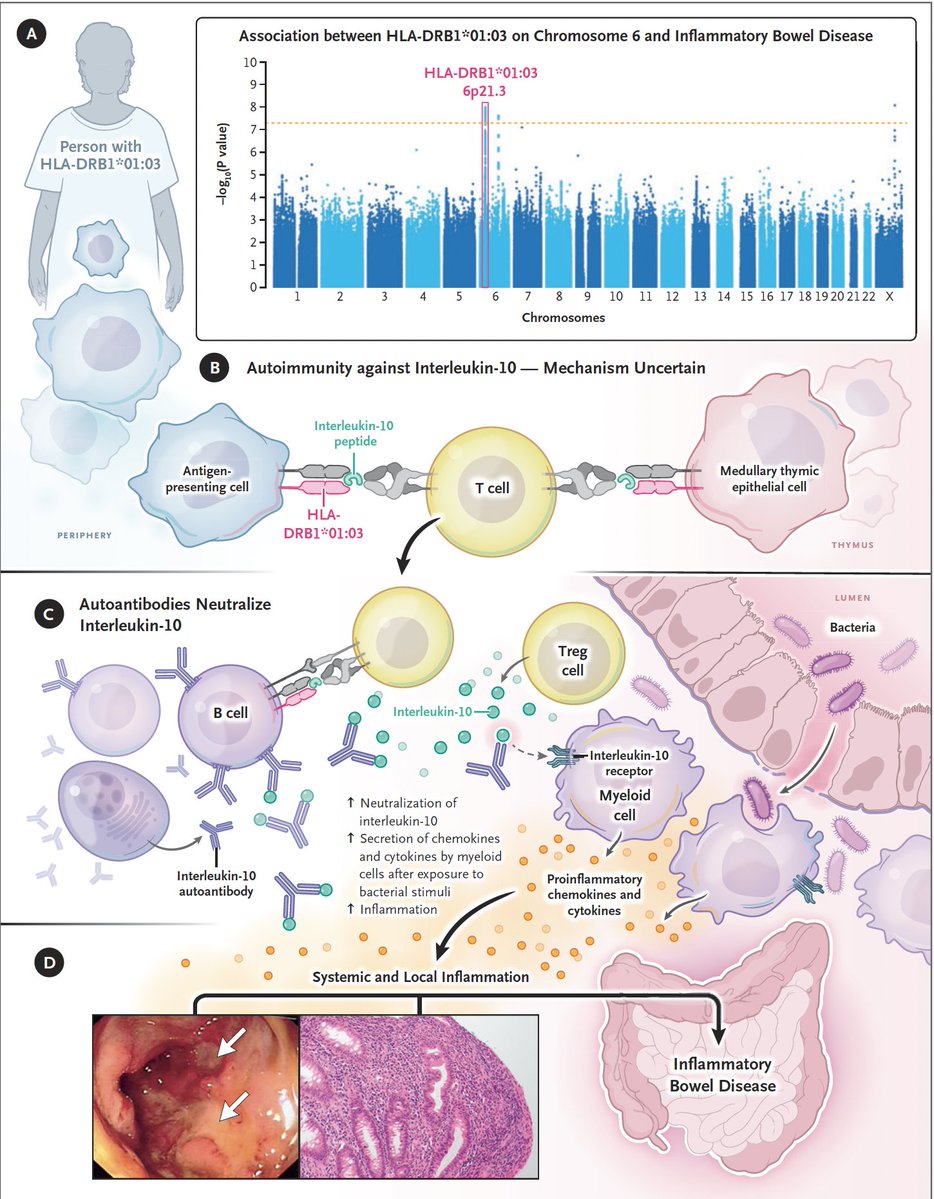
THIS IS THE BEST PAPER OF 2026 SO FAR, A MONUMENTAL BREAKTHROUGH, A REVOLUTION IN THE FIELD OF INFLAMMATORY CONDITIONS:
Interleukin-10 Autoantibodies and HLA-DRB1*01:03 in Inflammatory Bowel Disease | New England Journal of Medicine nejm.org/doi/10.1056/NEJMoa2…
12
103
435
46,771
Dan Landau retweeted

Jun 11
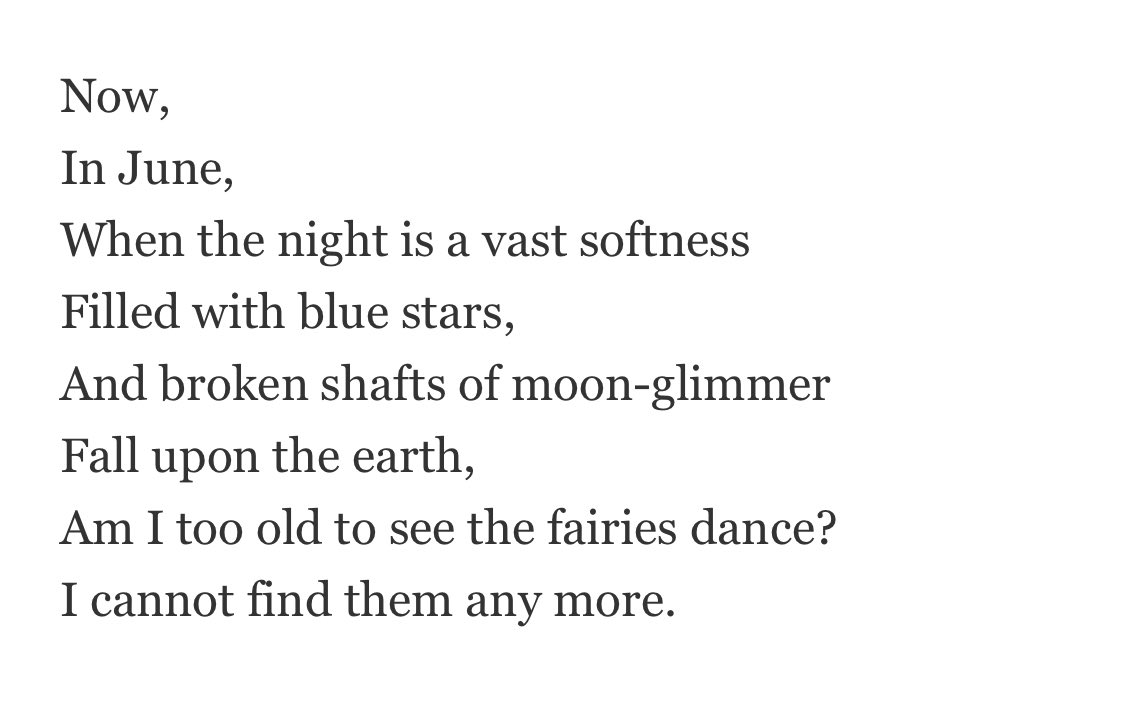
Langston Hughes, "After Many Springs" (1926)
2
79
288
4,468
Dan Landau retweeted

GOOD MORNING NEW YORK CITY.
2,129
15,923
241,538
6,316,483
Dan Landau retweeted

20 Jun 2022
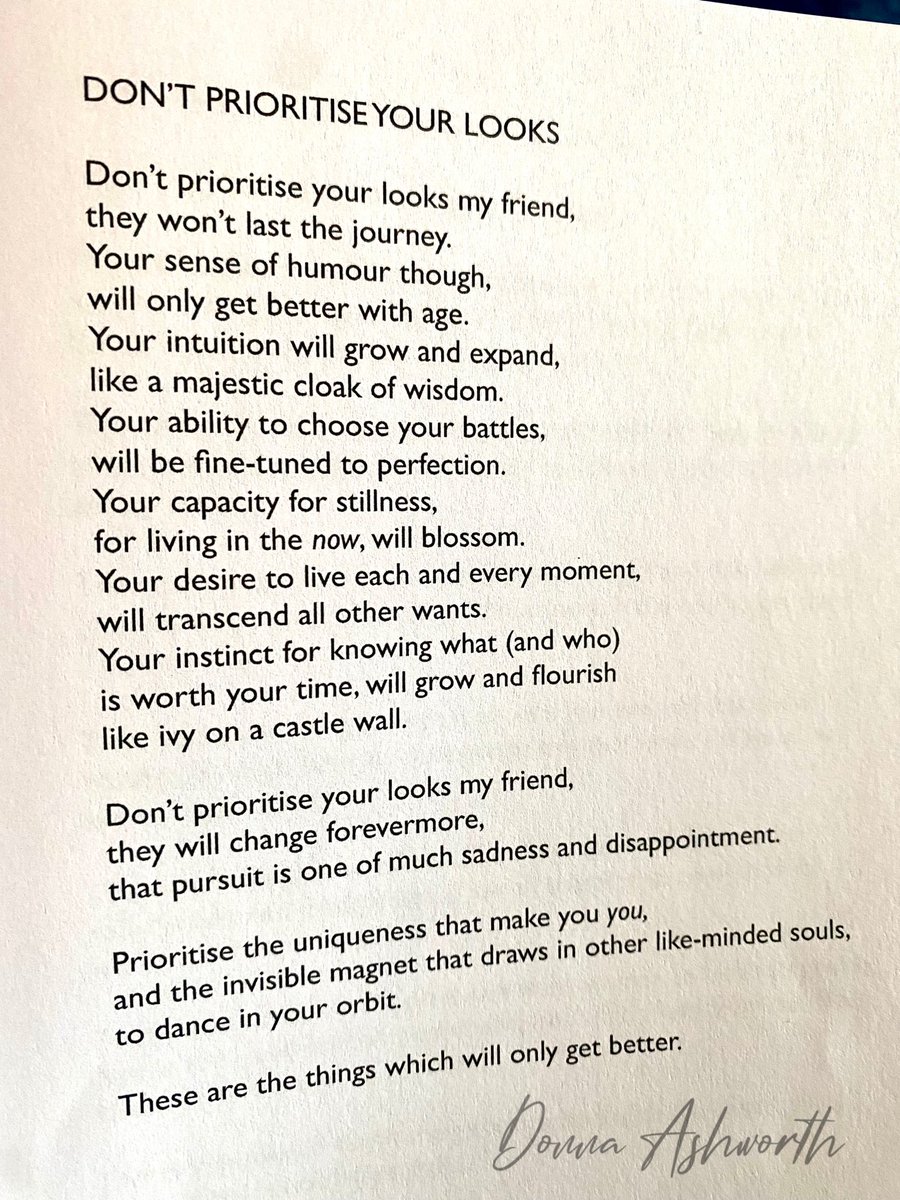
This poem has gone viral, attributed to Dame Judi Dench! I am both flattered and honoured 😂 but it is mine, so do tag me if you see it. From ‘the right words’ #damejudidench #viralpoem #dontprioritiseyourlooks
16
32
119
Dan Landau retweeted

Jun 11
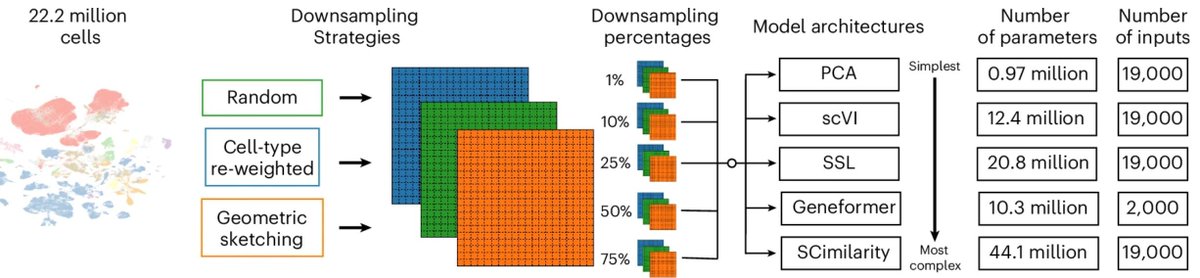
Do single-cell foundation models obey scaling laws?
A somewhat thought-provoking new Nature Methods study by the Crawford lab suggests that, for current single-cell foundation models, the answer may be “not really.” Across a broad range of architectures and downstream tasks, increasing pretraining data from hundreds of thousands to tens of millions of cells yielded surprisingly limited gains, with performance often saturating much earlier than expected.
This is interesting and provides exactly the kind of rigorous benchmarking our field needs. As Felix Fischer and I commented in the accompanying Research Briefing, such studies help move the discussion beyond model size and computational budgets toward actual scientific utility.
At the same time, I am not convinced the key conclusion is that scaling does not work in biology. Rather, it may be that current objectives are not extracting enough information from additional data.
Interestingly, in our recent scConcept work, we observe a markedly different scaling behavior, with continued gains as training data grows toward hundreds of millions of cells. The key difference may be the training objective itself: instead of reconstruction-based masked modeling, scConcept uses a contrastive objective that directly optimizes biologically meaningful cell representations.
biorxiv.org/content/10.1101/…
This raises an interesting question for the field: Have we reached the limits of data scaling, or only the limits of current objectives?
-> My guess is that the next generation of biological foundation models will depend less on simply collecting more cells and more on finding the right representation learning principles for biology.
Nature Methods paper:
nature.com/articles/s41592-0…
Research Briefing:
nature.com/articles/s41592-0…
#SingleCell #FoundationModels #AIforBiology
10
52
230
28,032
Dan Landau retweeted

Jun 10
Not every day you see an odds ratio of 50 (for interleukin-10 autoantibodies and a common HLA allele).
~80% of patients with inflammatory bowel disease (IBD) have this HLA allele
These individuals (~3.5% of IBD) may benefit from B cell depletion (such as achieved via CAR T).
nejm.org/doi/full/10.1056/NE…
nejm.org/doi/full/10.1056/NE…
9
99
437
40,139
Dan Landau retweeted

A central limitation of cellular barcoding analyses has been the loss of native spatial context. With @insitubiology, we developed an adaptable platform for multiclonal lineage analysis that links clonal history to spatially resolved gene expression. cell.com/cell-stem-cell/full…
3
34
166
15,131
Dan Landau retweeted

Finally out in @Cellcellpress!
Proteins with long intrinsically disordered regions (IDRs) are prone to misfolding during protein synthesis.
This is prevented by mRNA 3′UTRs that act as mRNA-based IDR chaperones.
cell.com/cell/fulltext/S0092…
9
108
436
31,188
Dan Landau retweeted

Dr. Gail Roboz @WeillCornell led #research published in @NEJM showing that an all-oral drug combination for older patients with acute myeloid #leukemia (#AML) is an effective alternative to current standard of care, leading to recent @US_FDA approval: bit.ly/4u8SsvP
3
6
1,120
Dan Landau retweeted

Jun 5
“My Mayor is Muslim, my bagel is Jewish, my Christian’s Dior… Knicks in 4”
— unknown poet, early 21st century, the American Northeast
92
14,107
140,120
2,210,485
Dan Landau retweeted

Jun 5
D&D-seq, a single-cell immune-tethering strategy, captures weak and transient DNA-protein interactions to enable integrated, genome-wide analysis of transcription factor binding across chromatin states @CellCellPress @landau_lab @raimondi_ivan
cell.com/cell/fulltext/S0092…
8
28
1,783