Assistant Prof @YalePathology, @YaleMed | Member @YaleAge | Former @HarvardMed | Inflammation, metabolism, aging
Joined April 2012
- Tweets 209
- Following 129
- Followers 299
- Likes 446
8 Photos and videos
Pinned Tweet
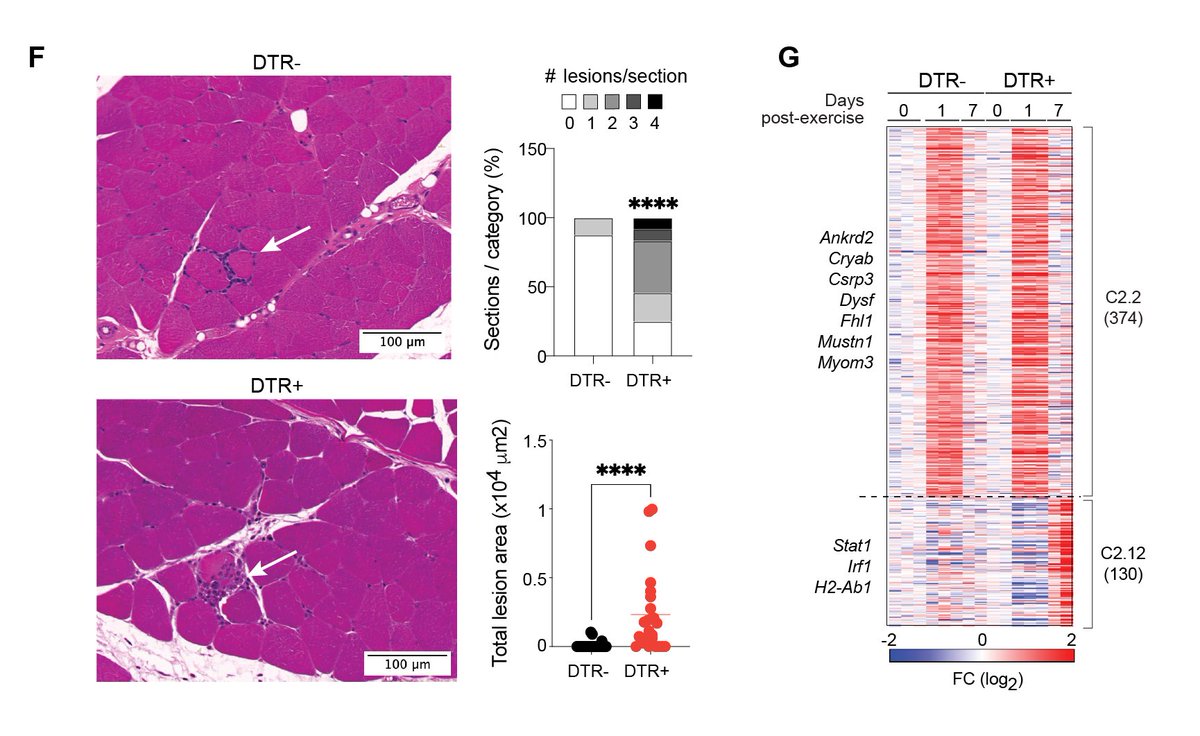
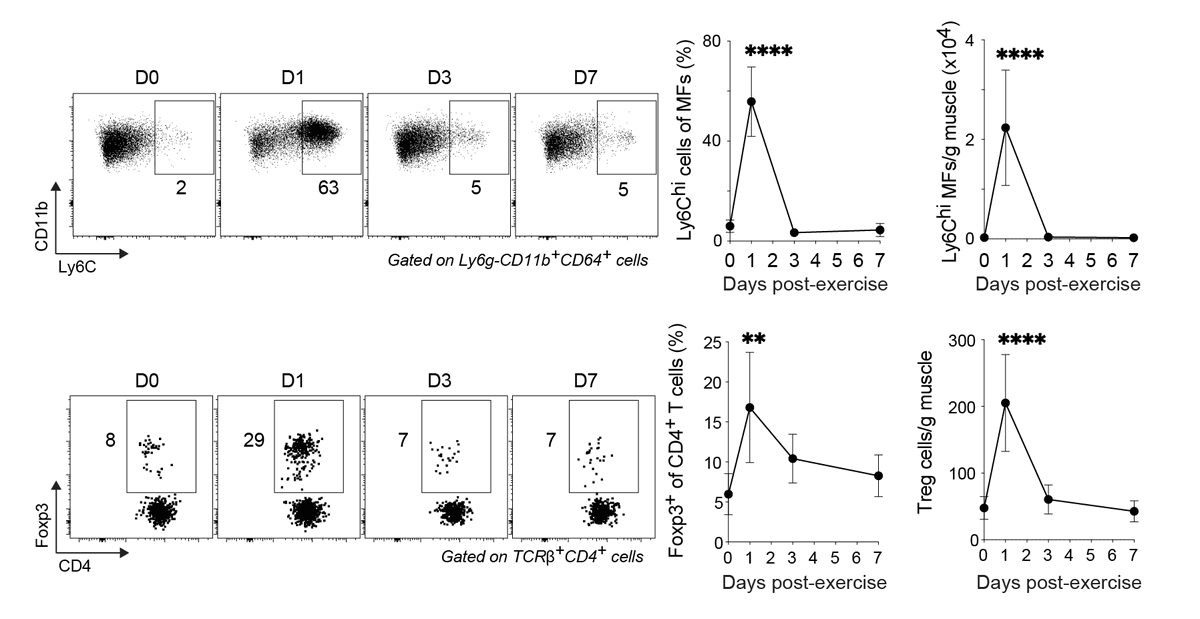
New in @NatImmunol: we uncover mechanosensing by Piezo1 on mesenchymal stromal cells as a fundamental mechanism of stress-induced immunomodulation in skeletal muscle, particularly in contexts of acute exercise and injury.
nature.com/articles/s41590-0…
3
11
55
4,823
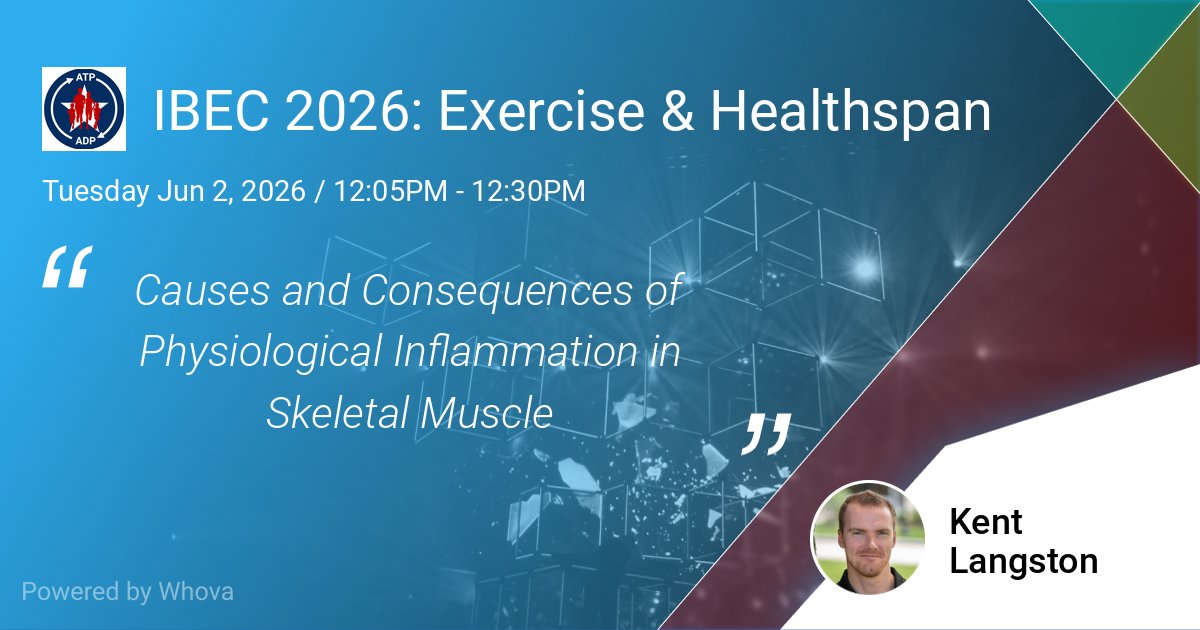
I will be presenting in the Session 7 at #IBEC2026 as well as Course 3 in the post-conference meeting. Hope to see you there! -Kent
3
8
566
P. Kent Langston retweeted

Apr 13
Online now!✨Mining the longitudinal plasma proteome of CALERIE participants, @MishraManish29, @Hee_Hoon_Kim et al link C3a to inflammaging. In aged mice, visceral fat macrophages produce C3a and neutralizing it blocks inflammaging @VishwaDeepDixi1 nature.com/articles/s43587-0…
3
37
86
48,308
P. Kent Langston retweeted

Apr 13
1st author paper in Nature Aging🥳
Unbiased CALERIE participants' exoproteome analysis and a reverse translational study found inhibition of C3a, a complement component, is an inflammaging checkpoint. 1/
Kudos to @MishraManish29 @VishwaDeepDixi1 and team!
nature.com/articles/s43587-0…
17
24
67
6,776
P. Kent Langston retweeted
When we discovered irisin in 2012 (Bostrom et al), we described its actions in terms of the browning of the white fat and anti-diabetic effects. Here, in collaboration with the Mathis lab, we re-examine this in mechanistic detail. nature.com/articles/s42255-0…
30
104
9,542
New job posting: Interested in immunology, exercise, and aging? The Langston Lab is recruiting a highly motivated postdoc with a strong background in immunobiology and/or biomedical engineering.
Join our growing team @YaleMed @yalepathology @YaleAge
postdocs.yale.edu/posts/2026…
12
31
2,557
P. Kent Langston retweeted

Caloric restriction in humans reveals immunometabolic regulators of health span | Science science.org/doi/10.1126/scie…
Effects on thymus rejuvenation in humans (functional thymic vol and TRECs) were one of the unexpected finding from NIA funded CALERIE trial.
1
31
102
9,329
P. Kent Langston retweeted

Mar 16
In the @Langston_Lab at @YaleMed, researchers work to understand how cells in tissues sense exercise & how exercise impacts inflammation w/the goal of unlocking therapies for chronic disease & age-related frailty. bit.ly/4burGab

3
5
853
New in @NatImmunol: we uncover mechanosensing by Piezo1 on mesenchymal stromal cells as a fundamental mechanism of stress-induced immunomodulation in skeletal muscle, particularly in contexts of acute exercise and injury.
nature.com/articles/s41590-0…
3
11
55
4,823
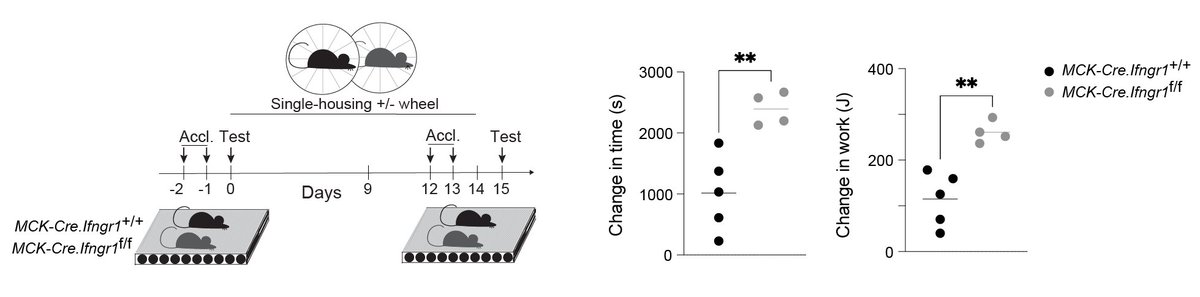
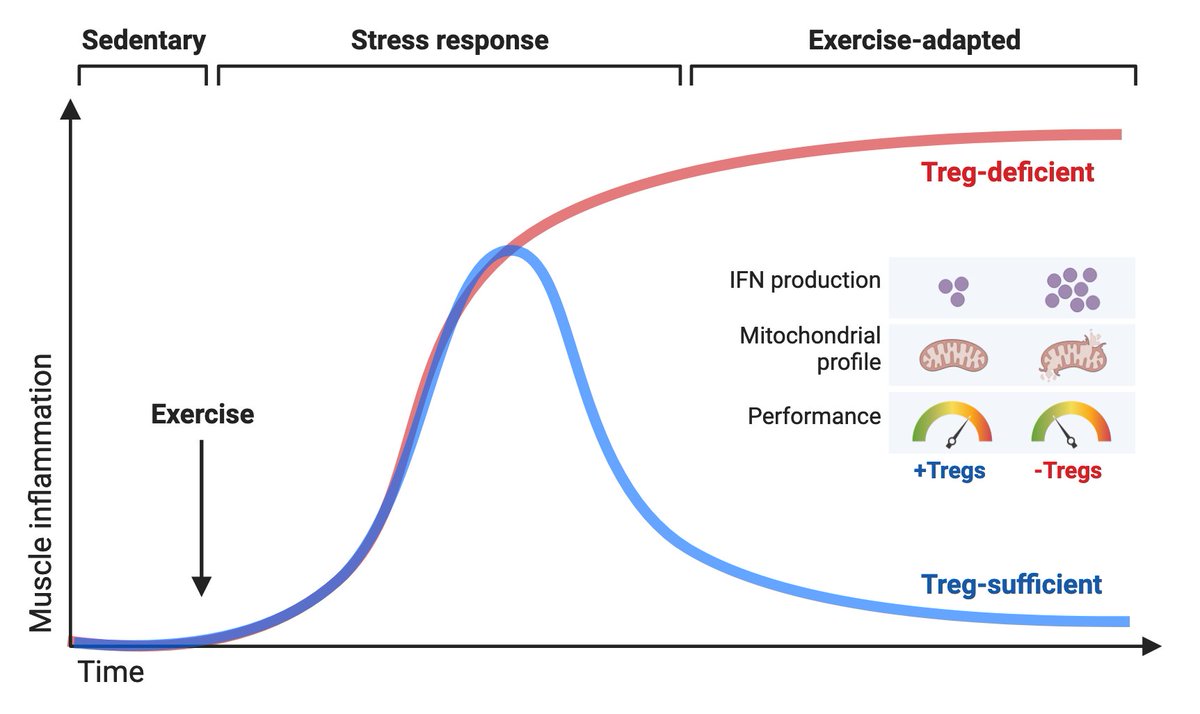
This study builds on our prior work in @SciImmunology demonstrating that muscle inflammation is not merely a feature of the stress response to exercise but a regulator of exercise adaptation science.org/doi/10.1126/scii…
1
1
3
269
We continue to explore how non-parenchymal cells regulate muscle function, exercise benefits & age-related decline in the Langston Lab!
@YaleMed @YalePathology @YaleAge
We are recruiting a postdoc – please reach out if interested.
3
202
P. Kent Langston retweeted

Feb 25
Ampk alpha2 T172 activation dictates exercise performance and energy transduction in skeletal muscle | Science Advances science.org/doi/10.1126/scia…
1
9
34
4,056
P. Kent Langston retweeted

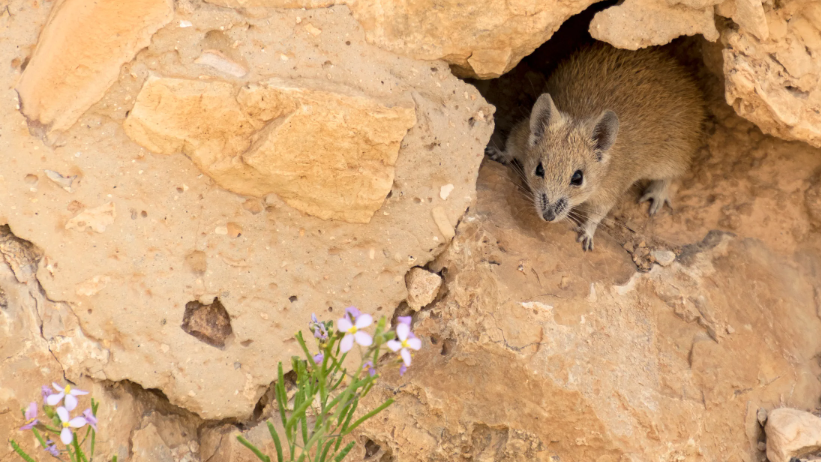
New study from the Lab of @VishwaDeepDixi1 & lab member @Hee_Hoon_Kim of @YaleMed begins to uncover how a wild mouse native to the Middle East resists physical, cognitive & immunological decline while living 6 to 7 times longer than other wild mice. #Aging shorturl.at/6BS1G
6
12
422
P. Kent Langston retweeted

💪👀SPEAKER ANNOUNCEMENT 👀💪
@Langston_Lab from @YalePathology @YaleMed @YaleAge is speaking at #IBEC2026 on an emerging area, exercise and #Immunology!
4
8
835
P. Kent Langston retweeted
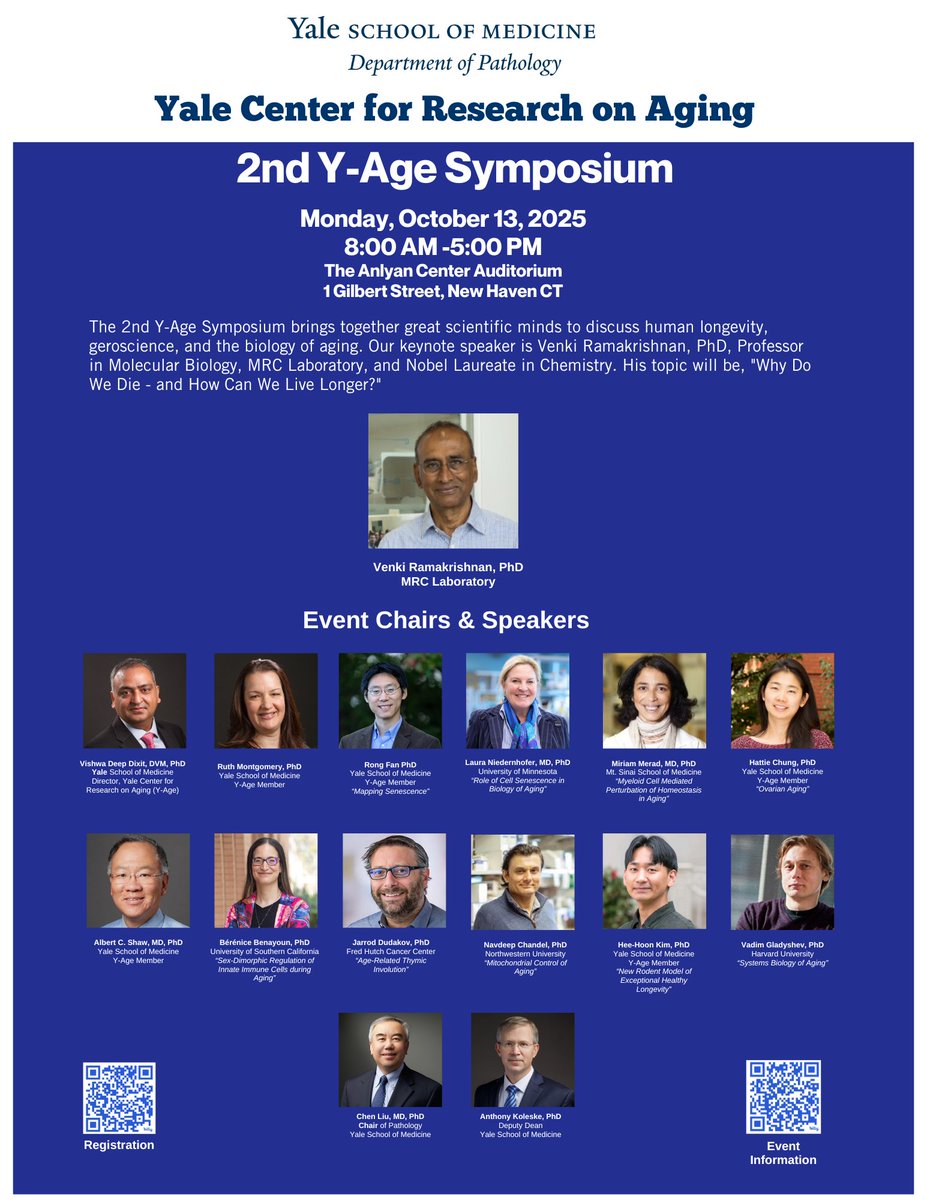
The 2nd Yale Center for Research on Aging (Y-Age) Symposium is set for Monday, October 13 at the Anlyan Center Auditorium at @YaleMed. Join us for a day-long discussion on human longevity, geroscience, and the biology of #aging. bit.ly/470j7D9
2
5
25
2,307

1 Sep 2025
Excited to share that I’ve joined @YaleMed as an Assistant Professor in @YalePathology & member of @YaleAge.
The Langston Lab studies how the immune system regulates muscle function, exercise benefits & age-related decline.
Follow langstonlab.substack.com for updates.
6
3
37
3,085
1 Sep 2025
I am deeply grateful to my mentors, colleagues, and collaborators for their guidance and support, and I look forward to building new connections and collaborations in this exciting next chapter at Yale.
7
292
P. Kent Langston retweeted

25 Jul 2025
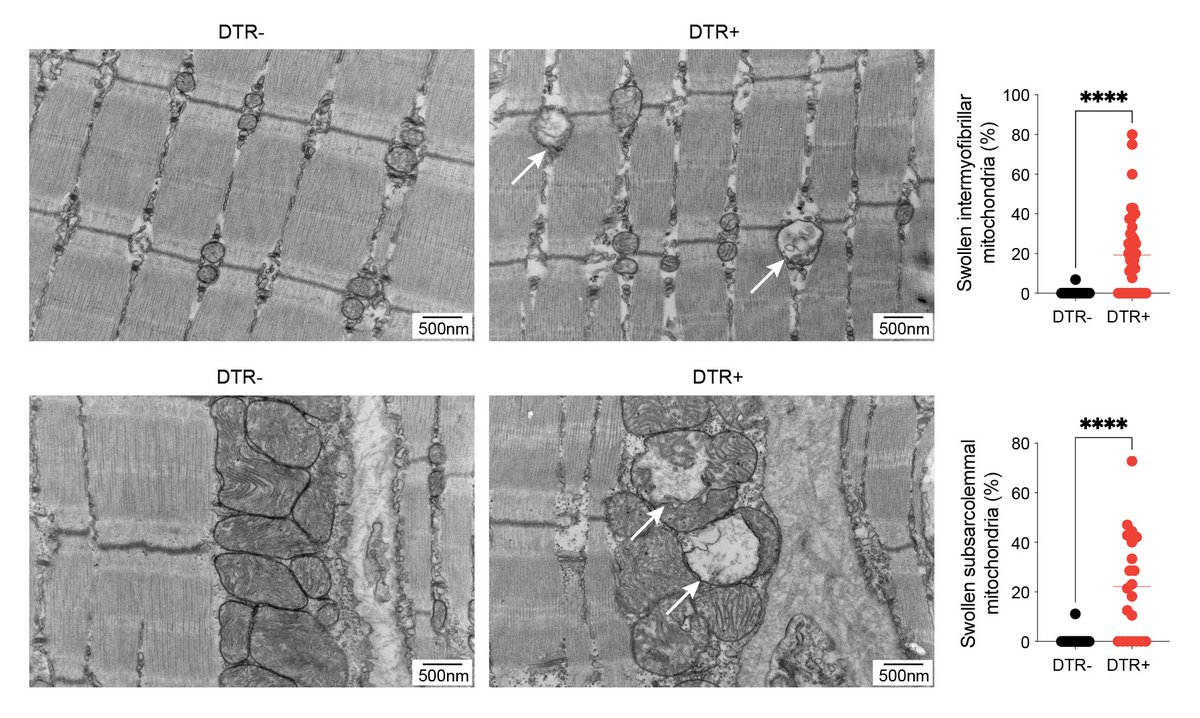
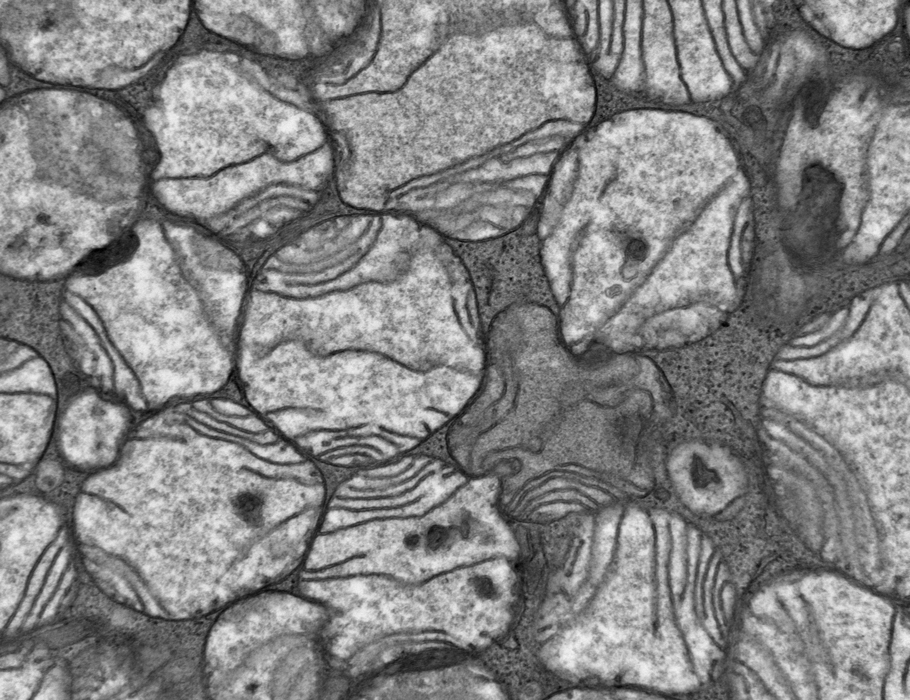
Regulatory T cells (#Tregs) support body heat generation by brown #adipose tissue by preventing interferon-γ–induced mitochondrial damage, according to new research in mice. @natzam7 @harvardmed
Learn more in Science #Immunology: scim.ag/3TXAKMq
3
26
106
15,157
P. Kent Langston retweeted

28 May 2025
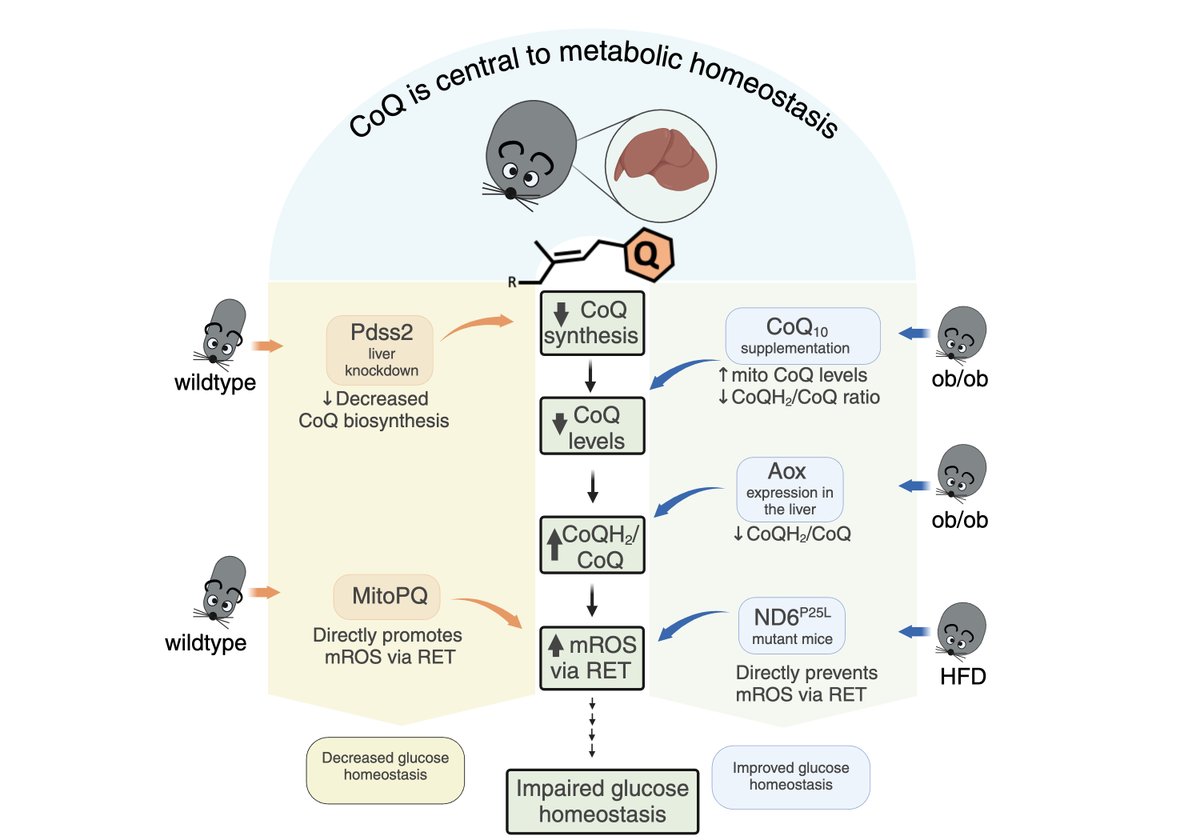
Thrilled to share that our latest study is now published in @Nature!
Grateful to our amazing collaborators at @gshlab and @MET_HSPH.
nature.com/articles/d41586-0…
nature.com/articles/s41586-0…
5
10
35
2,461
P. Kent Langston retweeted

17 Feb 2025
Does the lack of correlation between PGC1a RNA and protein give you a headache? Us too. Phillip Dumesic has uncovered a key factor controlling PGC1a mRNA translation authors.elsevier.com/a/1kdIZ…
2
28
113
8,824