
27. ☔️.🦄🎀. ✊🏽 Add second pages for legal news @noir_lex . Everything is now allegedly. In case I get packed up @LocdBarbieHQ
Joined August 2020
- Tweets 23,667
- Following 1,626
- Followers 1,630
- Likes 49,407
4,750 Photos and videos









Pinned Tweet

Jun 7
They trying to get pages packed up so in case my page is no longer available. I can be found here. 🥴 SMH.

2
6
60
2,067


Jun 11
I always knew I could believe in yall
Jun 11

Last year I crashed out on the Knicks lmao this year I’m trying not to but y’all trying me man. Why do you not want to WINNNN.
1
6
514
Jun 11
Last year I crashed out on the Knicks lmao this year I’m trying not to but y’all trying me man. Why do you not want to WINNNN.
3
1,450
Riri🫶🏽 retweeted

Jun 11
Imagine they called themselves clocking me, when none of what they addressed has anything to do with what’s being referenced below based on a recording I heard! ⬇️
What I’m talking about doesn’t have anything to do with Bun B, Richard Lomax, or none of dem people you mentioned. It damn sure don’t have anything to do with Adam 22, especially since you went to run your mouth to bloggers giving “exclusives” BEFORE no jumper put out their video—5 days before to be exact! Find someone else to play with. You spent years trying to help get people sued when you did and still do worse. FOH!
Jun 9

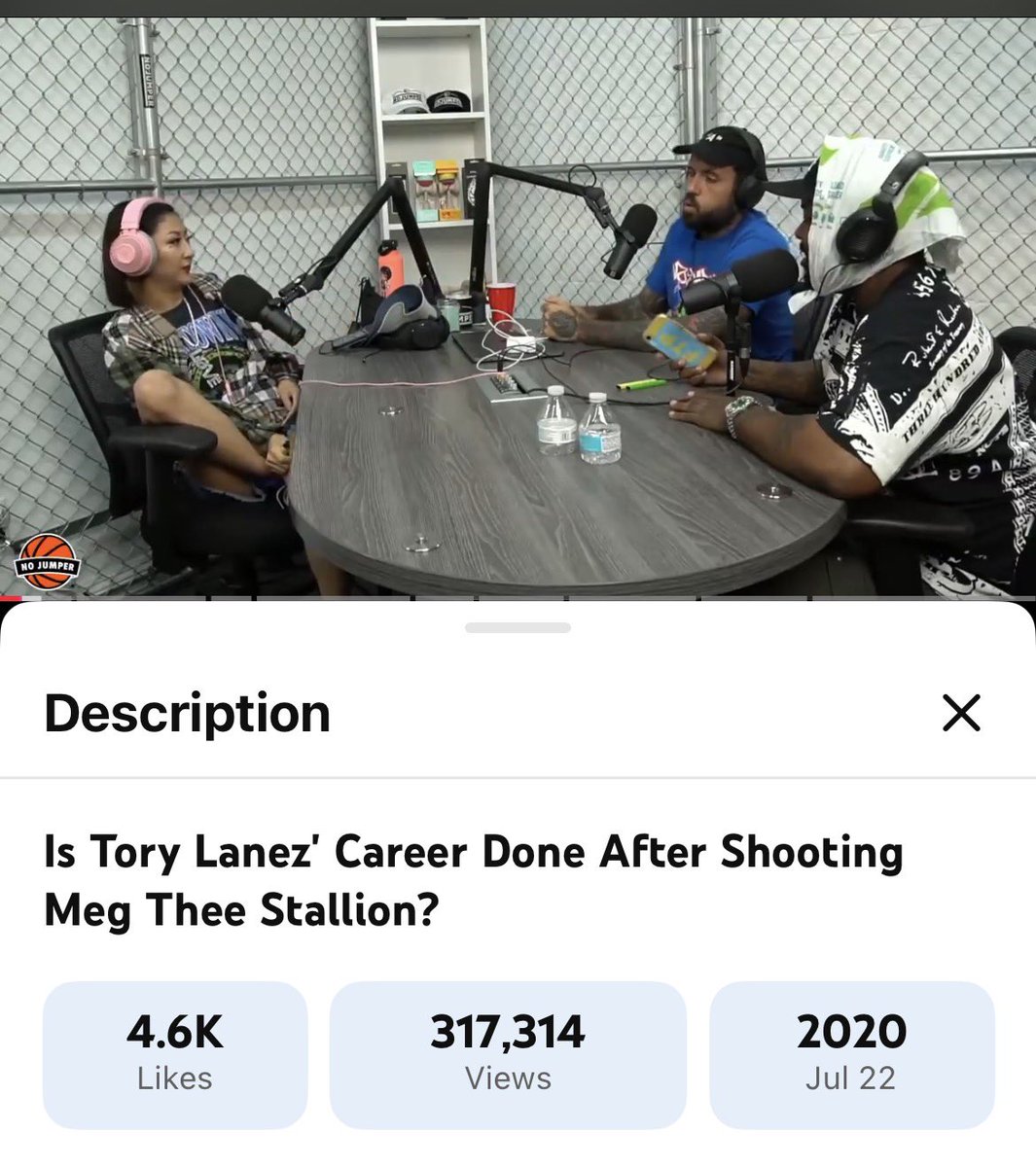
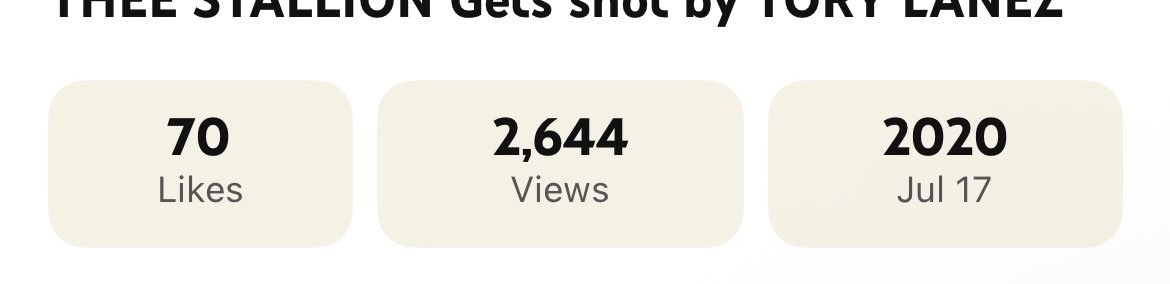
Ohh he’s from HOUSTON, TX. Sir are you the alleged cousin of Megan Thee Stallion that Opinionated Truths states on a public platform on 7/17/2020 that that Tory Lanez shot Megan inside of the car? The same alleged cousin that she claimed told her that Tory and Megan has never been intimate with each other. Are you the alleged cousin that she stated Tory had to watch his P’s and Q’s when he got out at the time? Though he was out by then.
Is this why you are trying to locate me?
Are you the alleged cousin? I don’t know if there really is a cousin. Or if that lady is like Yolanda Saldivar and thinks she and Megan are real friends. Who knows.
But opinionated truth said on a public that she got information about what happened on 7/12/2020 shortly after from Megan’s cousin. I have the recordings, which are still online to my knowledge.
So again, are you the cousin sir? Should I be in fear for my life?
Thank you for your attention to this.
7
47
3,271
Jun 10
Seeing young people in situations like this triggers me because I worked in the system and saw firsthand how it operates. I watched young black teens get sent back to holding cells for minor offenses while older white adults walked out on their own recognizance after being accused of far more serious crimes.
When I see Karmelo, I see kids I used to talk to just to give them hope. If you’ve worked with vulnerable populations or watched young boys become men within the system, often yearning for guidance, love, and support through their attorneys, it’s hard not to see them in him.
Can some people be beyond redemption? Yes. But watching people paint what is essentially a kid who made a tragic lapse in judgment as a stone-cold killer is triggering.
4
4
41
1,191
Jun 10
I have to see this for my self before I run with anything but I don’t even have the emotional capacity to.
Jun 10

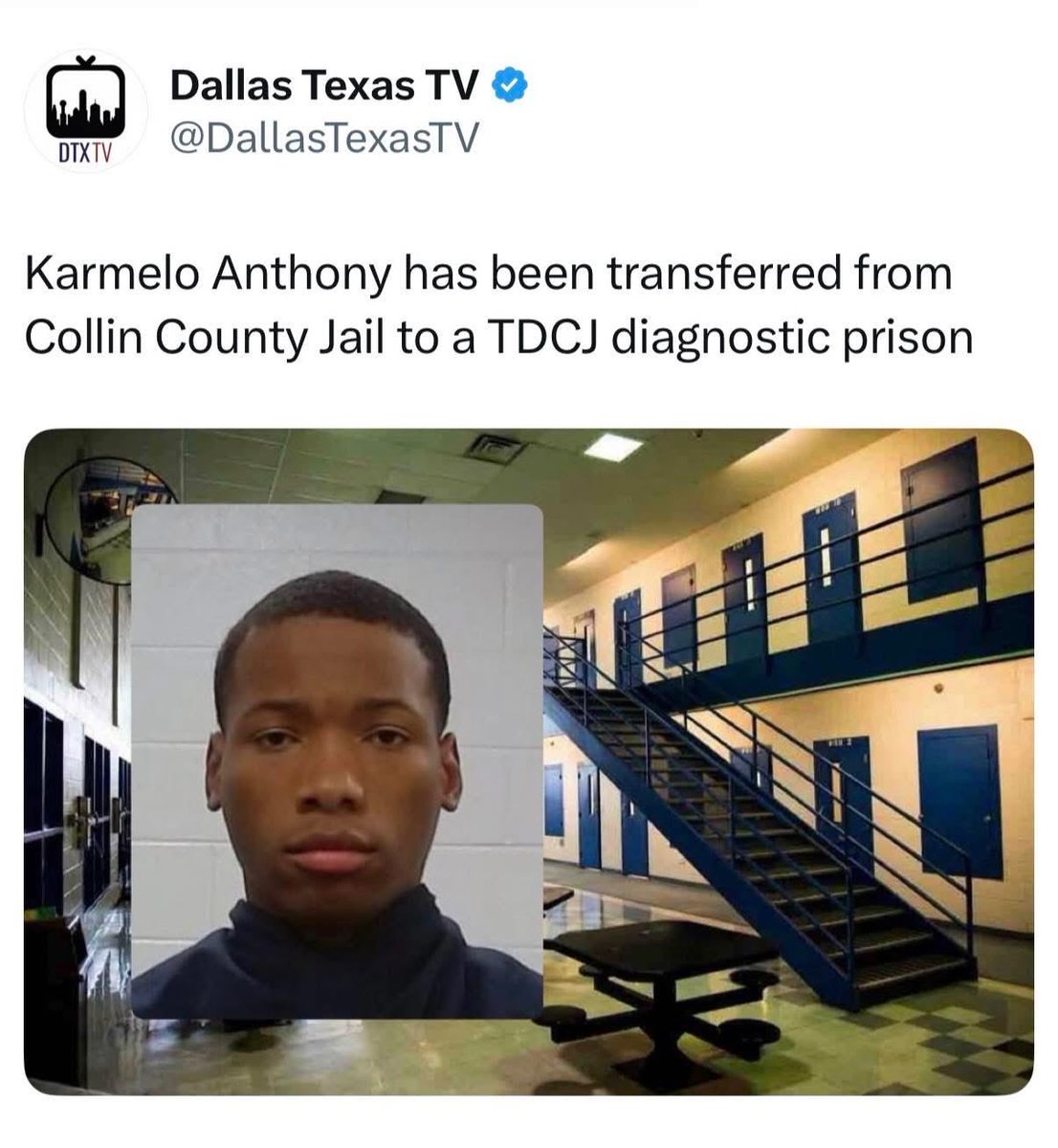
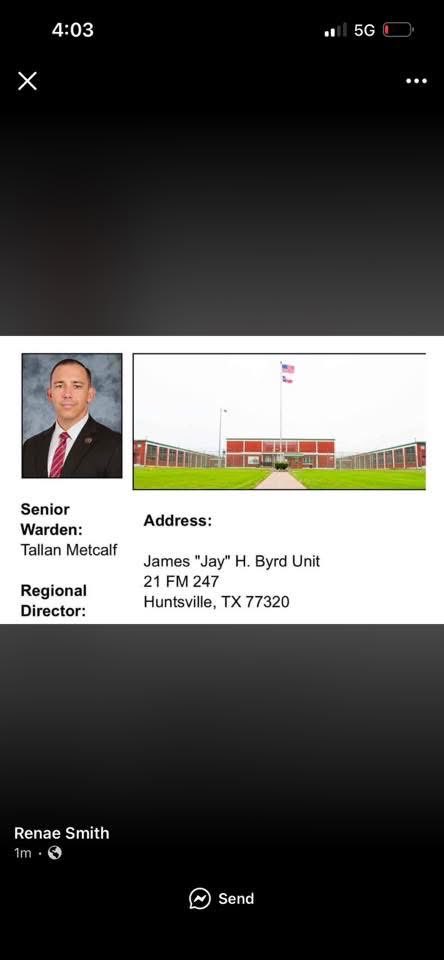
Karmelo Anthony was transferred from the Collin County Detention Facility to the Texas Department of Criminal Justice this morning. Guess who runs TDCJ???
1
1
20
1,982
Riri🫶🏽 retweeted
Jun 10
🚨Quinn Emanuel responded to Tony Buzbee’s response and is asking the Texas court to dismiss the claims against them entirely.
Their argument is straightforward:
They say Buzbee stated that the barratry claims are no longer directed at Quinn Emanuel.
They argue the remaining allegations boil down to Quinn Emanuel representing a client against Buzbee in the California and New York litigation and conducting an investigation related to those cases.
Quinn Emanuel says Buzbee has produced no clear evidence linking the firm to any alleged solicitation efforts, no evidence of damages, and no evidence of a conspiracy.
They also argue that hiring investigators to gather information about a litigation opponent is a routine legal function protected by attorney immunity.
In short, Quinn Emanuel’s position is that Buzbee is trying to turn aggressive litigation tactics into a lawsuit without proof that Quinn Emanuel actually committed any wrongdoing.
The court will ultimately decide whether these claims move forward or get dismissed under Texas’ anti SLAPP statute.
Full document:
drive.google.com/file/d/1fh1…
3
12
36
1,407
Riri🫶🏽 retweeted
Jun 10
🚨The Buzbee Law Firm v. Roc Nation
This was actually filed back in February, but it’s worth revisiting to provide clarity on recent filings.
In its Motion to Dismiss, Roc Nation argued that:
• Anthony Buzbee is a public figure.
• The alleged communications involved matters of public concern and ongoing litigation.
• The TCPA protects speech, petitioning activity, association, and the gathering of consumer opinions.
• Buzbee failed to identify specific contracts, lost business relationships, or actual damages.
• The barratry and conspiracy claims lacked sufficient evidence.
Roc Nation also argued the lawsuit was retaliation for Jay-Z challenging Buzbee’s conduct in separate litigation and asked the court to dismiss all claims and award attorneys’ fees.
See the follow-up posts for recent filings.
Document:
drive.google.com/file/d/1hZY…
13
51
1,270
Riri🫶🏽 retweeted
Jun 10
🚨🚨 The Buzbee Law Firm recently filed a Second Amended Complaint in its lawsuit against Quinn Emanuel, Roc Nation, Marcy Croft, Lex Intelligence and others.
According to the filing, Buzbee alleges Defendants engaged in a coordinated effort to identify former and current clients of the firm, spread false information about the firm, and solicit clients to bring lawsuits against Buzbee and his law firm.
Among the allegations:
• Investigators allegedly contacted former and current clients across multiple states.
• Some investigators allegedly claimed they were “from the State” and displayed badges.
• One former client allegedly was offered up to $10,000 to sue the firm.
• Buzbee claims investigators told clients there was a growing “class action” against the firm.
• The filing alleges Roc Nation financed the effort, while Quinn Emanuel, Marcy Croft and others helped coordinate it.
The amended complaint also points to the recent $3 million sanctions order entered against Quinn Emanuel in federal court, where the judge adopted findings describing what was characterized as a firmwide culture of discovery misconduct. Buzbee cites that order as part of his allegations regarding Quinn Emanuel’s conduct and credibility.
Buzbee is seeking more than $25 million in damages and alleges tortious interference, civil conspiracy, reputational harm, and unlawful client solicitation.
Also worth noting: Quinn Emanuel, Marcy Croft, and MJ Legal have all moved to strike Buzbee’s Second Amended Complaint, arguing it was filed too late. There was a hearing on June 8, but I have not seen any order on the docket yet showing how the judge ruled. Law360 reported developments that suggest the court may not be leaning toward outright dismissal, but I haven’t seen anything filed that confirms that. I’ll keep looking and post any updates I find. 👀
Full Document:
drive.google.com/file/d/1Sum…
3
64
170
9,997
Jun 10
@NYPDHELP since we tagging jurisdictions that have nothing to do with me.
1
1
70
1,964
Jun 10
Lmfaooo it’s the emojis for me
Jun 10

#Oschino dropped a freestyle diss to #JayZ using #Drake’s #MakeThemPay
SN: emojis were added because them ppl like sending copyright strikes when the content isn’t favorable #CeaseAndDesistAreForHoes
1
138
Riri🫶🏽 retweeted
Jun 10
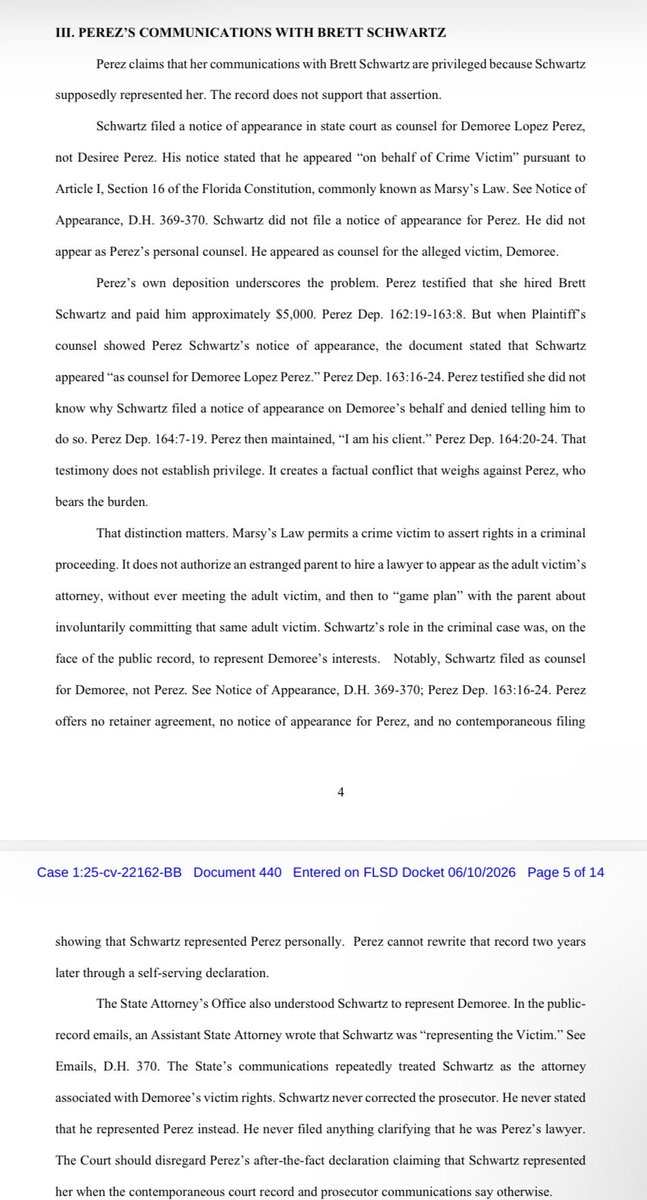
🚨Update: Demoree Hadley Fires Back at Desiree Perez’s Privilege Claims
A new filing was submitted today in which Demoree Hadley asks the Court to reject most of Desiree Perez’s attorney-client privilege objections and compel her to answer questions she previously refused to answer during her deposition.
The filing argues that attorney-client privilege protects legal advice, not facts. According to Demoree, Perez is attempting to shield entire events and actions from scrutiny simply because attorneys were involved.
One of the most significant disputes involves attorney Brett Schwartz.
Demoree argues that public court records show Schwartz appeared on behalf of Demoree under Marsy’s Law, not Desiree Perez. The filing points to court records and communications that allegedly identified Schwartz as representing “the victim.” Demoree argues that Perez cannot now retroactively claim privilege over communications involving Schwartz while simultaneously maintaining that he was acting as her personal attorney.
The filing also revisits the February 1, 2024 email chain that has generated significant attention in this case.
According to the filing, those emails referenced keeping Javon “on edge,” discussions about delaying proceedings, consulting a “brainwashing expert,” and exploring an involuntary commitment plan concerning Demoree. Demoree argues these communications are evidence of a coordinated strategy and should not be protected by privilege.
Another major issue involves the Marchman Act petition and guardianship proceedings.
Demoree argues that she is not seeking privileged legal advice. Instead, she wants answers to basic factual questions:
Why were these petitions filed?
What was the factual basis?
Why were they later dismissed?
The filing argues that a party should not be able to file petitions against someone, later abandon them, and then refuse to explain the reasoning by simply saying, “My lawyer told me to.”
The filing also targets Rachel Bernstein, who has previously been described as a cult expert or brainwashing specialist.
Demoree argues that Bernstein was not retained for this federal lawsuit and therefore should not automatically receive protections normally afforded to non-testifying litigation experts. The filing seeks information regarding why Bernstein was brought into the situation, who retained her, and what role she allegedly played.
The dispute extends further to private investigators, and the forensic extraction of data from Demoree’s phone and computer.
Demoree argues that questions regarding who possessed her devices, who authorized the data extraction, whether consent existed, and how information was obtained are factual questions that cannot be hidden behind privilege claims.
Overall theme of the filing:
Demoree argues that Perez repeatedly initiated legal actions, criminal complaints, investigations, petitions, and proceedings against her, then later dismissed some of those efforts. According to the filing, Perez is now attempting to avoid answering questions about those actions by broadly invoking attorney-client privilege.
The Court will now decide whether Perez properly asserted privilege or whether she must return and answer the questions she previously refused to answer under oath.
If the Court sides with Demoree, the questions surrounding Brett Schwartz, the February 1 emails, the Marchman Act petition, the guardianship petition, Rachel Bernstein, and the phone extraction could become some of the most important discovery issues in the case.
Full Document:
drive.google.com/file/d/1amQ…
19
77
233
7,439
Jun 10
That’s what I keep saying. But I’m coming from a different perspective. In NY that would’ve been manslaughter. Self defense was never on the table for me. It’s the overcharging that’s my problem.

I Was Leaning With Manslaughter, Because The Facts Are The Facts💯
1
7
384
Jun 10
How psychotic is it, that I have been stalked and harassed for telling people to read a transcript? That was my offense.
3
3
60
1,060
Jun 10
Exactly, all she does is sit on a fake moral high ground while she does so much worse. Nobody over here tags people to get them caught up. Nobody is over here feeding information to anybody. No one over here is boasting that they are close to people’s teams. It’s all her and them. If we’re so crazy, why are you concerned?
Jun 10
That’s her fckin problem. SHE sat on phones getting information about the Tory and Meg situation (her words), and then went to give “exclusives” to a content creator within DAYS after the incident, and before he was even charged for assault. She didn’t even know that they were sleeping together. But she took her ass online to condemn him before he had his day in court. She and others are the same ones that used a vague jail call to justify why Tory deserved 10 years in prison. Now she wanna come preach to us. Miss me with bullshit and fake outrage.
1
3
31
1,198
Jun 10
Damn his peers is on his head 🤭
Jun 10
🚨🚨Oschino has dropped his diss track against Jay Z using a Drake beat👀
Will he respond?
14
775
Riri🫶🏽 retweeted

Quinn Emanuel partners are "printing money." - via @atlblog abovethelaw.com/2026/06/when…
1
6
15
1,020
Jun 10
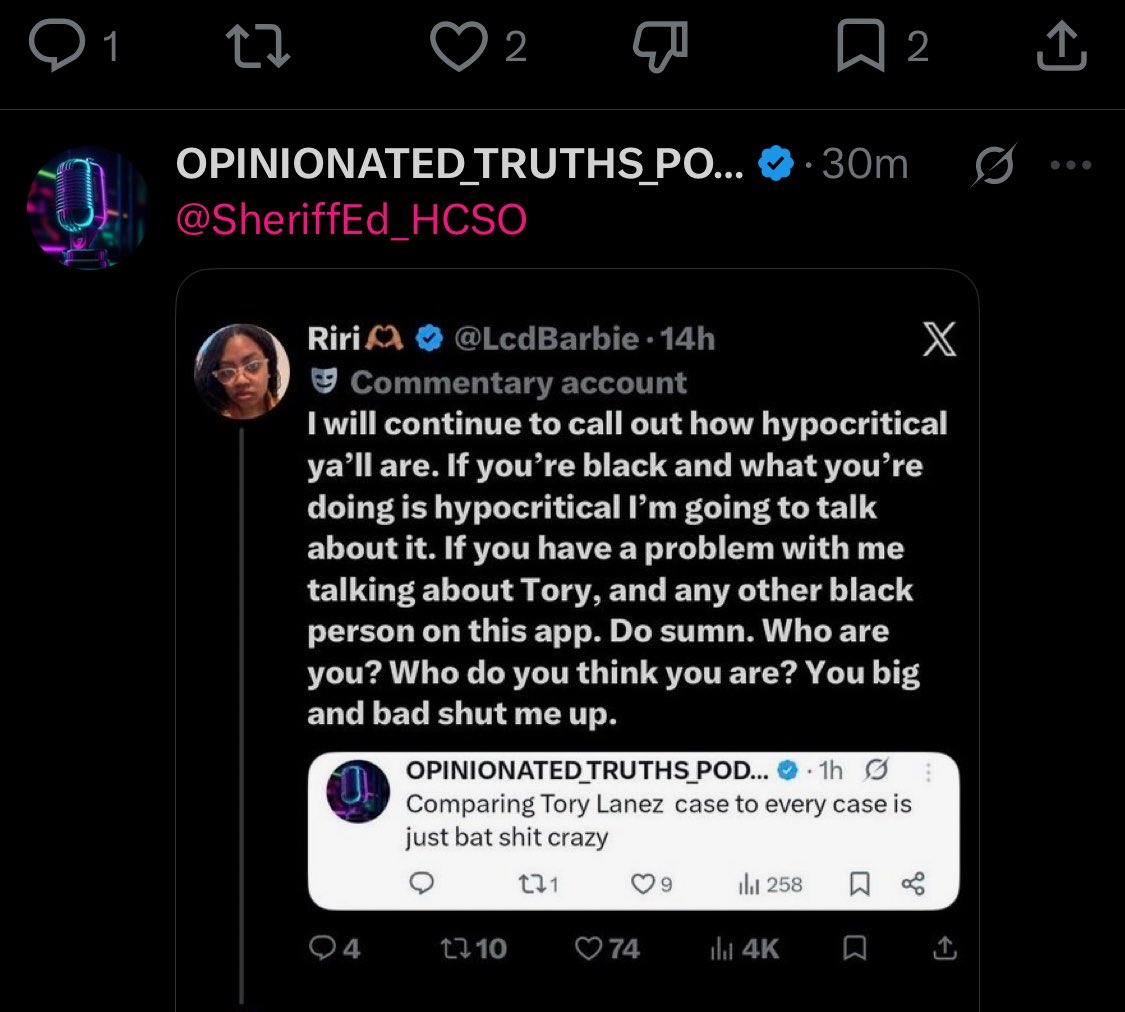
I will continue to call out how hypocritical ya’ll are. If you’re black and what you’re doing is hypocritical I’m going to talk about it. If you have a problem with me talking about Tory, and any other black person on this app. Do sumn. Who are you? Who do you think you are? You big and bad shut me up.
4
9
81
4,591