Leaders Read!! Giving out free books every Christmastime!! #Gottabook

Joined May 2011
698 Photos and videos
LeadersThru Literacy retweeted
Jun 13
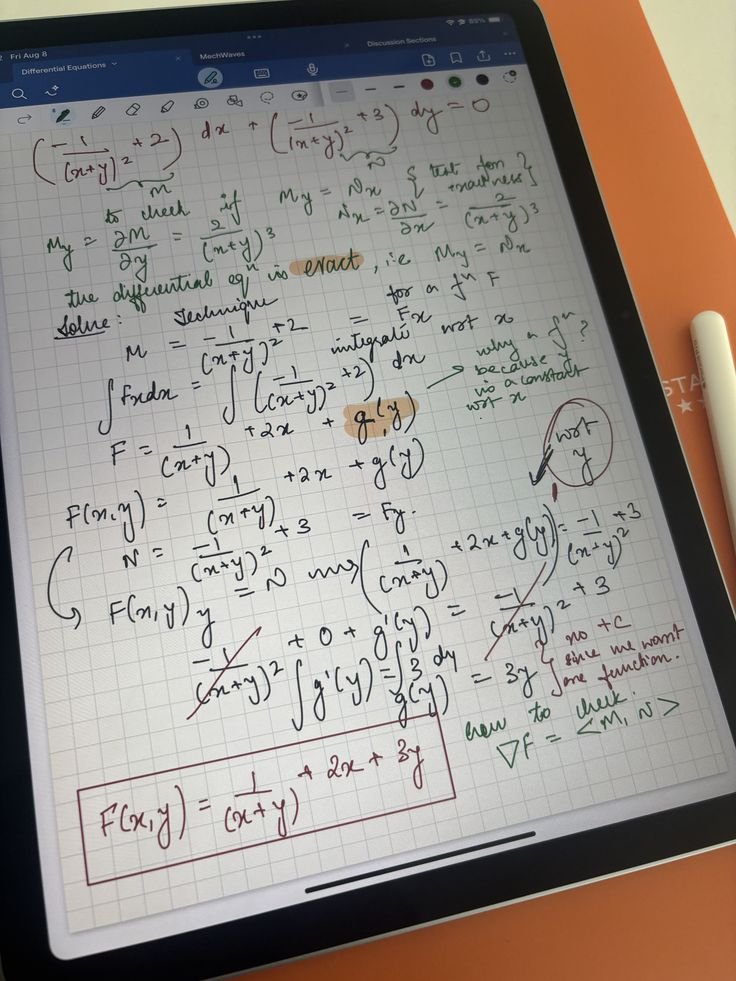
Study calculus. not because exams exist. because reality moves. • derivatives → how things change • integrals → how change accumulates • limits → what happens at the edge • gradients → where systems want to go • differential equations → how nature evolves motion, heat, fluids, control, optimization, robotics, ML. all of it speaks calculus. without it, you see outputs. with it, you see dynamics.
55
654
4,014
128,345
After a recent “long term” stint at a public school, we are revising our model. We need serious change.
3
LeadersThru Literacy retweeted
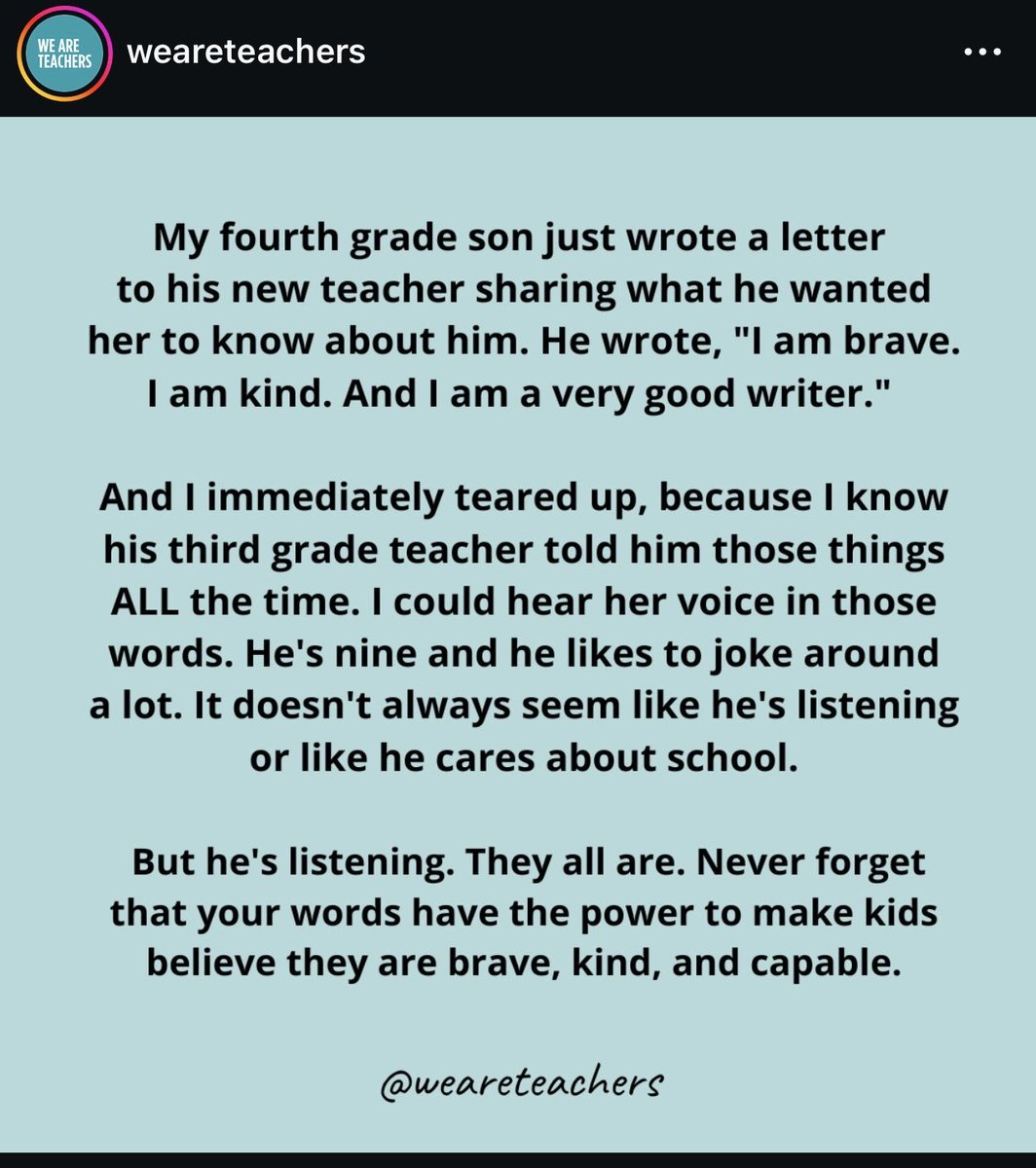
english teachers recognizing ur potential is the kind of validation that stays w u forever
1,045
86,680
437,920
6,036,663
LeadersThru Literacy retweeted
A reminder.
69
592
4,328
100,570
LeadersThru Literacy retweeted
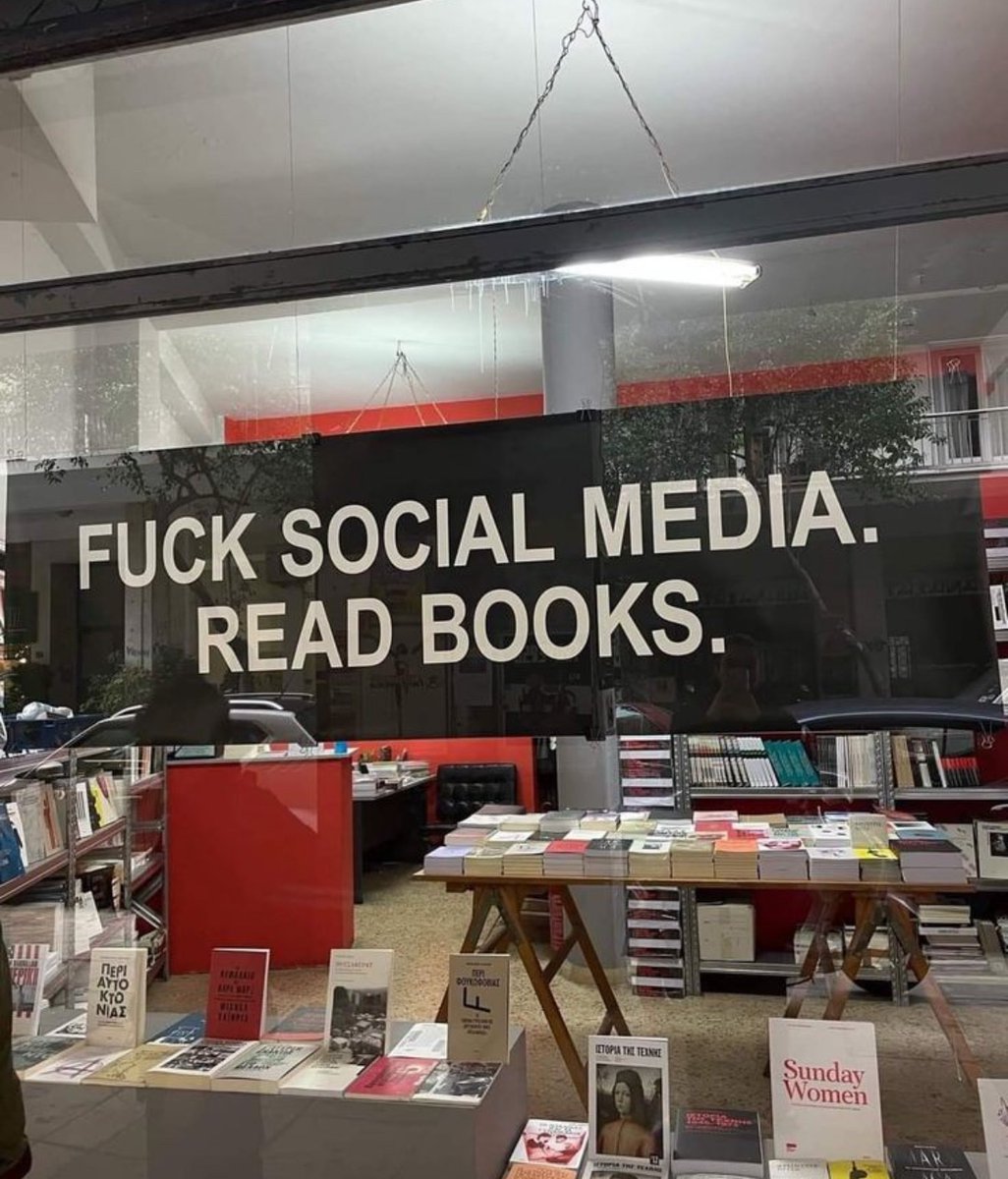
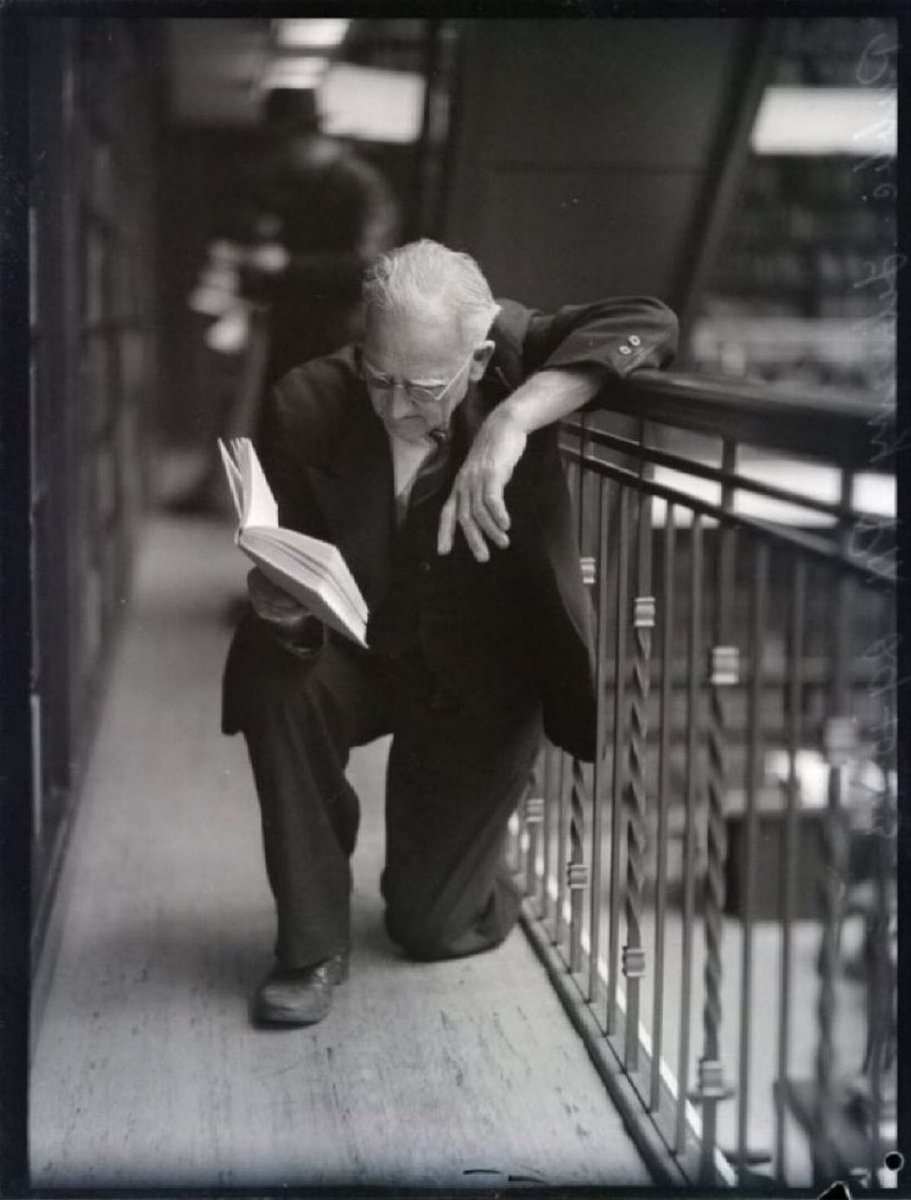
Who still sits down and reads an actual physical book?
241
41
1,095
63,414
Arguing that TECH focus helps students escape the Rothschild “employee training” model when ironically that is exactly what it is doing, itself, as opposed to classical pedagogy to learn critical thinking
15
LeadersThru Literacy retweeted
i refuse to participate in the culture that wakes kids up at 7am forces them to sit down and shutup in awful schools under toxic blue lighting gives them less outdoor time than prisoners feeds them seed oil garbage and prescribes then legal meth when they dont want to focus on the bullshit they're taught. a healthy future requires healthy, happy kids.
71
389
2,761
56,574
being a teacher is a privilege 👩‍🏫
1
LeadersThru Literacy retweeted
ultimate privilege for kids - two loving parents - married parents - growing up religious - mom stays home with kids - healthy parents - breast feeding - growing up on a farm - dad runs a business - homeschooled - grandparents nearby - mom who cooks real food
48
133
1,996
45,946
LeadersThru Literacy retweeted
this 🫠
15
65
383
8,949
LeadersThru Literacy retweeted
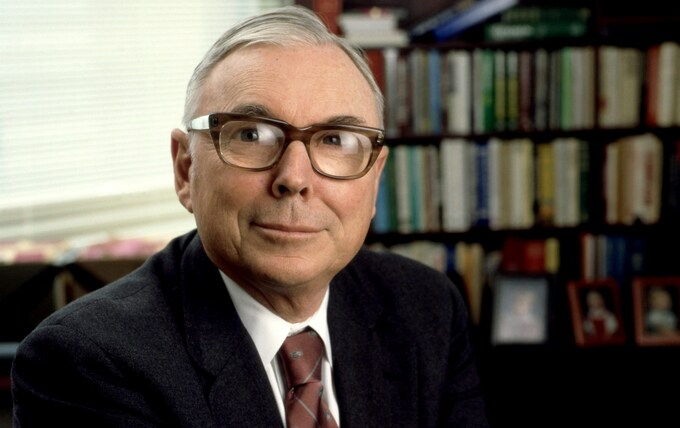
Charlie Munger was one of the most successful and respected investors of our time. Munger was obsessed with reading and read 10-20 books a WEEK. Here are 25 reading quotes from him: 1) “In my whole life, I have known no wise people (over a broad subject matter area) who didn’t read all the time – none, zero.” 2) “As long as I have a book in my hand, I don’t feel like I’m wasting time.” 3) “Most books I don’t read past the first chapter. I’m not burdened by bad books.” 4) “I don’t think you can get to be a really good investor over a broad range without doing a massive amount of reading. I don’t think any one book will do it for you.” 5) "Develop into a lifelong self-learner through voracious reading; cultivate curiosity and strive to become a little wiser every day.” 6) "It's been my experience in life if you just keep thinking and reading you don't have to work." 7) “If it’s wisdom you are after, you are going to spend a lot of time sitting on your ass and reading.” 8) “If you get into the mental habit of relating what you’re reading to the basic structure of the underlying ideas being demonstrated, you gradually accumulate some wisdom.” 9) “Warren and I do more reading and thinking and less doing than most people in business. We do that because we like that kind of a life. But we’ve turned that quirk into a positive outcome for ourselves. We both insist on a lot of time being available almost every day to just sit and think. That is very uncommon in American business. We read and think.” 10) "I have always loved to sit and read. And I never knew anything that was really worth a damn that wasn’t learned in that fashion.” 11) "If you take Warren Buffett and watched him with a time clock, I would say half of all the time he spends is sitting on his ass and reading." 12) “We read a lot. I don’t know anyone who’s wise who doesn’t read a lot. But that’s not enough: You have to have a temperament to grab ideas and do sensible things. Most people don’t grab the right ideas or don’t know what to do with them.” 12) “I met the towering intellectuals in books, not in the classroom, which is natural. I can’t remember when I first read Ben Franklin. I had Thomas Jefferson over my bed at seven or eight. My family was into all that stuff, getting ahead through discipline, knowledge, and self-control.” 13) "I am a biography nut myself. And I think when you're trying to teach the great concepts that work, it helps to tie them into the lives and personalities of the people who developed them." 14) “Obviously the more hard lessons you can learn vicariously, instead of from your own terrible experiences, the better off you will be. I don’t know anyone who did it with great rapidity. Warren Buffett has become one hell of a lot better investor since the day I met him, and so have I. If we had been frozen at any given stage, with the knowledge we had, the record would have been much worse than it is. So the game is to keep learning.” 15) "That sounds funny, making friends among the eminent dead, but if you go through life making friends with the eminent dead who had the right ideas, I think it will work better in life and work better in education." 16) “Look at this generation, with all of its electronic devices and multitasking. I will confidently predict less success than Warren, who just focused on reading.” 17) “It's just God's gift. If you're into self-education, there's nothing like reading. Of course, people who do a lot of it have an enormous advantage.” 18) "I don’t think you can get to be a really good investor over a broad range without doing a massive amount of reading. I don’t think there’s any one book that will do it for you." 19) “I either skim or read through 20 books a week. I get lots of books. I read a lot of biography and some history. I read almost no fiction.” 20) “I read myself to sleep every night. I read enormously. I like doing it. Not only that, what I found very early in life was that once I learned to read and handle elementary math, I really didn’t need professors or anything. I could figure out almost anything I wanted better from the written material than from having some professor tell it to me, because he’d be going too fast or too slow or telling me something I already knew or didn’t want to know. 21) "You look at [Andrew] Carnegie and [Benjamin] Franklin, they had a few years of primary school, they learned everything by themselves by reading. Whatever they needed, they just learned. It’s not that hard. Imagine educating yourself by firelight, no lamps, no electricity, after a day’s brutal work. Our ancestors had it tough.” 22) "The beauty of doing a lot of reading and thinking is that if you’re good at it, you don’t have to do much else." 23) “I think I learn a little something from everything I’ve read. I think that one of the reasons I was as economically successful as I was in life is because I read so damn much all my life, starting when I was about six years old. I don’t know how to get smart without reading a lot.” 24) “I met the towering intellectuals in books, not in the classroom, which is natural. I can't remember when I first read Ben Franklin. I had Thomas Jefferson over my bed at seven or eight. My family was into all that stuff, getting ahead through discipline, knowledge, and self-control.” 25) "But you know I spent my whole life with dead people. They’re so much better than many of the people I’m with here on earth. All the dead people in the world, you can learn a lot from them. And they’re very convenient to reach. You reach out and grab a book."

5
39
202
13,574
LeadersThru Literacy retweeted
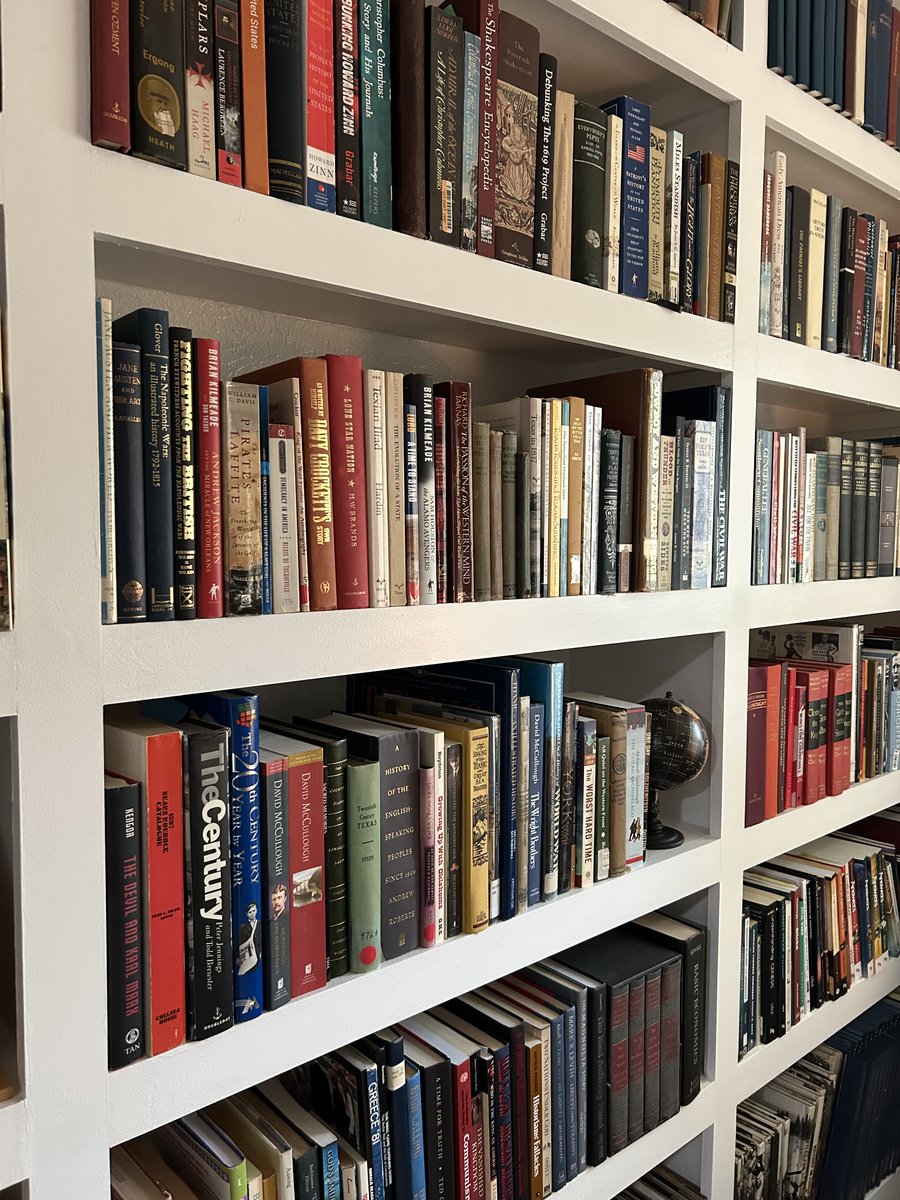
Three reasons a home library is vital to western civilization: 1. Internet censorship 2. Changeable and vanishing eBooks 3. Artificial intelligence If hundreds of homes preserved the good books in print, we would not have to worry about losing our documented history.
212
1,211
4,605
93,628
LeadersThru Literacy retweeted
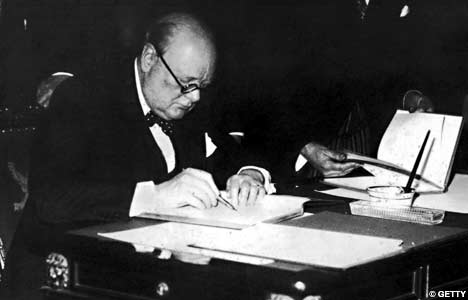
"What shall I do with all my books?" - Read them, or if you cannot read them, at any rate handle them, fondle them. Peer into them. Let them fall open where they will. Read on from the first sentence that arrests the eye. Then turn to another. Make a voyage of discovery, taking soundings of uncharted seas. Set them back on their shelves with your own hands. Arrange them on your own plan, so that if you do not know what is in them, you at least know where they are. If they cannot be your friends, let them at any rate be your acquaintances. If they cannot enter the circle of your life, do not deny them at least a nod of recognition. - Sir Winston Churchill.
23
173
700
19,051
LeadersThru Literacy retweeted
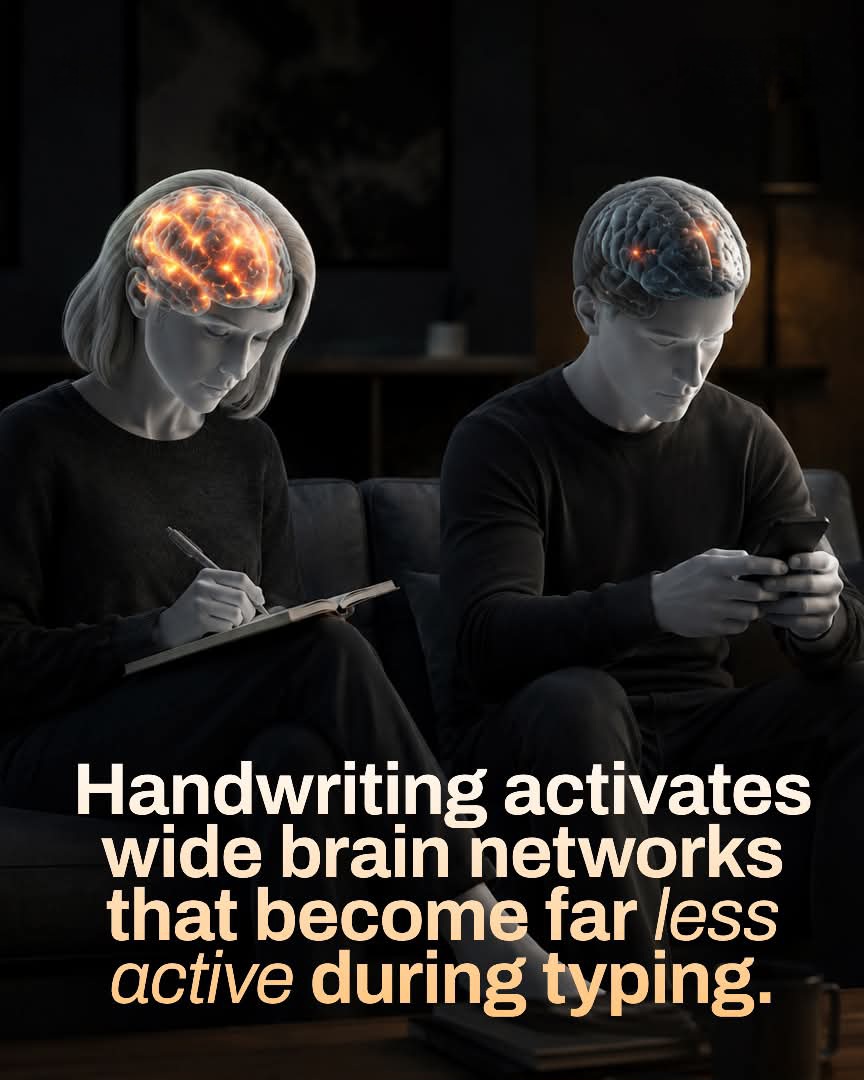
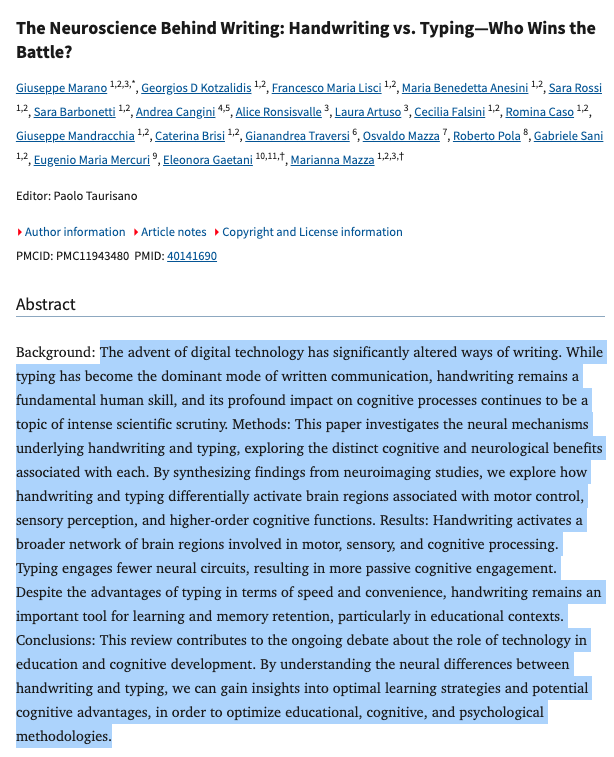
Writing by hand activates large brain regions linked to memory, learning, movement, language, and visual processing. Forming each letter requires unique, precise motions that strengthen neural connections and help the brain encode information more deeply. Typing uses repetitive key presses, reducing activity in many interconnected sensorimotor and memory-related networks compared to handwriting. Source: Norwegian University of Science and Technology (NTNU)
15
122
385
10,538
LeadersThru Literacy retweeted
Unpopular opinion: half of parenting is learning to regulate yourself, not your child.
270
2,688
23,917
691,574
LeadersThru Literacy retweeted
In my whole life, I have known no wise people who didn't read all the time, none, zero. —Charlie Munger
22
214
1,038
34,326
LeadersThru Literacy retweeted
"Everyone is cheating their way through college... ChatGPT has unraveled the entire academic project," per Intelligencer.
417
664
8,785
502,572
LeadersThru Literacy retweeted
Cultivating healthy self-esteem in early childhood can start with a simple nighttime routine. Encouraging toddlers to reflect on their small daily wins helps them focus on their own efforts and builds intrinsic motivation, rather than relying on constant praise. Child psychologists suggest that this habit strengthens the brain pathways linked to self-worth and emotional resilience. When children regularly recognize their own value, they become better prepared to handle academic challenges and social situations as they grow. This calm reflection at bedtime also helps the body unwind after a busy day, supporting deeper sleep and a more balanced emotional state the next morning. Over time, children begin to internalize their achievements, turning everyday moments into lasting confidence. They learn to self-soothe and approach challenges with a steady, positive mindset. Creating these small, intentional moments each night is a powerful way to support lifelong emotional strength and self-belief.
12
117
550
59,526
LeadersThru Literacy retweeted
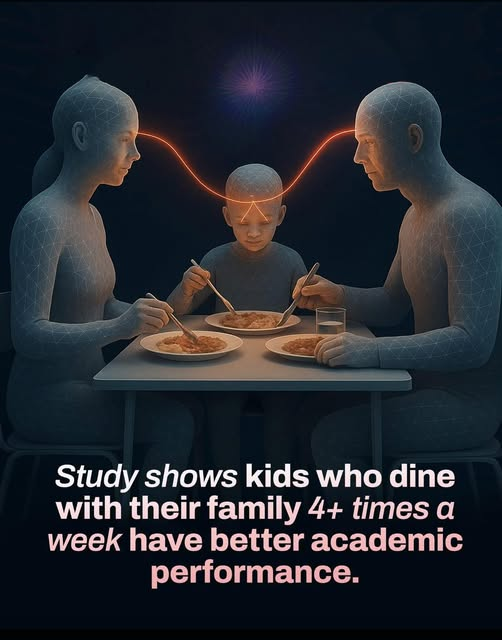
Studies show family meals are literally linked to better grades. According to a Columbia University study by the National Center on Addiction and Substance Abuse (CASA), children who frequently share dinner with their families achieve higher grades in school. The data reveals that teens eating five or more family meals weekly are far more likely to earn excellent marks and demonstrate advanced communication and vocabulary abilities. This research underscores how routine family engagement fosters a nurturing, stable setting that enhances emotional well-being and self-assurance—vital factors in scholastic achievement. The advantages go further: shared mealtimes provide a secure forum for self-expression, absorption of family principles, and honing of analytical thinking. Notably, the study also shows that adolescents with more family dinners are markedly less prone to risky activities like smoking or alcohol use. In today’s world of packed agendas and digital distractions, these findings highlight how the straightforward act of dining together can significantly influence a child’s trajectory. [Columbia University, National Center on Addiction and Substance Abuse (CASA). April 2025]
13
94
433
37,545
LeadersThru Literacy retweeted
Your brain physically rewrites itself every time you pick up a pen. Neuroscientists at Norwegian University scanned students' brains while they handwrote letters versus typing the same letters on a keyboard. The results shattered decades of assumptions about how we process information. Handwriting activated massive networks in the sensorimotor cortex, the visual processing centers, and the hippocampus simultaneously. Complex neural symphonies lit up across multiple brain regions, creating rich interconnected pathways between motor control, visual recognition, and memory formation. Typing the same letters? The brain activity looked like someone had dimmed the lights across entire cognitive districts. The neural networks that flourished during handwriting simply went dark. The difference? When you form letters by hand, your brain constructs elaborate spatial maps of each character. The motor cortex learns the precise pressure, angle, and trajectory needed to create an 'A' versus a 'B.' Your visual system tracks the ink flowing from pen to paper in real time. Your parietal lobe integrates hand position with eye movement. Your hippocampus encodes not just what you wrote, but how the writing felt, where you paused, which words required more pressure. Typing activates almost none of that circuitry. You press a key, a letter appears. The motor movement is binary. The visual feedback is uniform. The spatial relationship between thought and symbol gets mediated by a machine that standardizes every character into identical fonts and spacing. Your brain treats these as fundamentally different cognitive tasks. The evolutionary context makes this obvious once you see it. Human hands developed for manipulation, creation, and fine motor control over millions of years. We painted on cave walls, carved bone tools, and shaped clay vessels long before we invented written language. When writing emerged 5,000 years ago, it built on top of existing neural infrastructure that already connected hand movement with symbolic thinking. Keyboards appeared 150 years ago. Touchscreen typing maybe 20 years ago. From an evolutionary timeline perspective, we started using them approximately yesterday. Our brains are still running ancient software that expects physical engagement with symbols. That software produces dramatically different learning outcomes. Students who take handwritten notes consistently outperform students who type the same information on memory tests, comprehension assessments, and creative applications of the material. The difference persists even when researchers account for typing speed, note length, and time spent studying. The act of forming letters by hand forces deeper processing at the moment of information encounter. You cannot handwrite as fast as someone speaks, so your brain must actively filter, summarize, and prioritize information in real time. The motor effort required to form each word creates additional memory traces that typing does not generate. Children who learn to write letters by hand develop reading skills faster than children who learn letters primarily through typing or screen interaction. The sensorimotor experience of creating letterforms helps their brains recognize those same letterforms when they encounter them in text. Adults who handwrite shopping lists, daily schedules, or meeting notes remember the information better than adults who type identical lists into phones or computers. The spatial memory of where you wrote something on a page provides retrieval cues that digital text does not offer. These findings collide directly with how education and work environments have evolved over the past two decades. Schools replaced handwriting instruction with typing classes. Offices converted from paper systems to fully digital workflows. Students take notes on laptops. Professionals draft documents on screens. We optimized for speed and efficiency while accidentally severing the neural pathways that evolution spent millions of years developing. The implications reach beyond memory and learning into fundamental questions about human cognition. If the physical act of forming symbols changes how your brain processes ideas, what happens to thinking itself when you remove the physical component? Digital text is infinitely searchable, instantly editable, and perfectly shareable. But it may be creating brains that process information more superficially, store memories less durably, and connect ideas more weakly than brains that regularly engage in handwriting. The neuroscience suggests we traded cognitive depth for technological convenience without realizing what we were giving up. Some of the most innovative thinkers across history were obsessive handwriters. Darwin kept detailed handwritten journals. Einstein worked through complex theories in handwritten notebooks. Virginia Woolf wrote her novels by hand before transcribing them. Steve Jobs famously took handwritten notes during Apple meetings even as he was building the most advanced computers on Earth. Perhaps they intuited something about the relationship between hand, brain, and insight that we measured in brain scanners but somehow forgot in practice. Your pen is literally a cognitive enhancement device that activates neural networks digital keyboards cannot reach.
101
1,435
4,174
174,450