
Regarder Écouter Lire | Critiquer est une compétence, admirer est un art | à2voix: l'un.e ou l’autr.e | @LegendumEst | legendusest.bsky.social
Joined October 2013
- Tweets 57,170
- Following 5,093
- Followers 2,235
- Likes 40,902
7,920 Photos and videos






Pinned Tweet
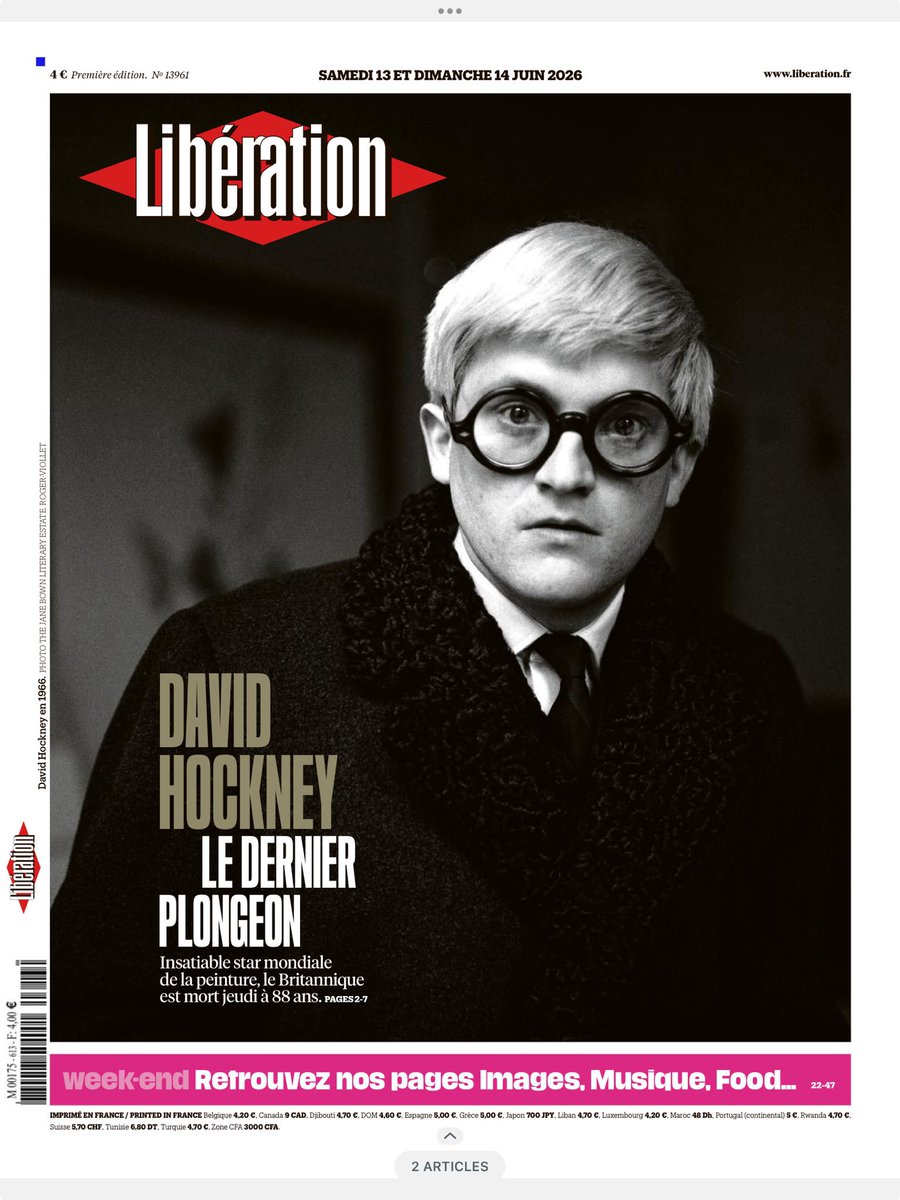
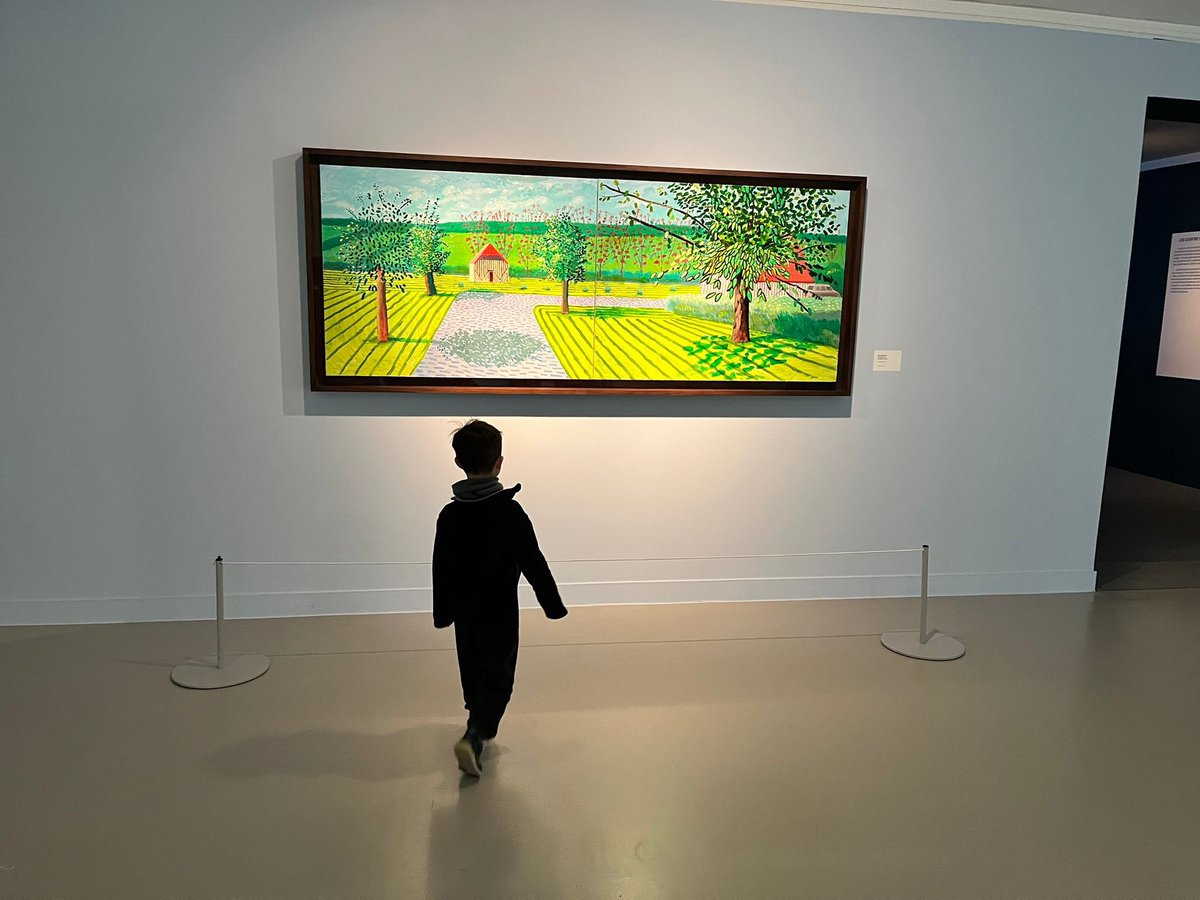
Triste d’apprendre le décès de David Hockney
5
17
429
Marie & Philippe 🇺🇦🇪🇺 retweeted

24 Aug 2019
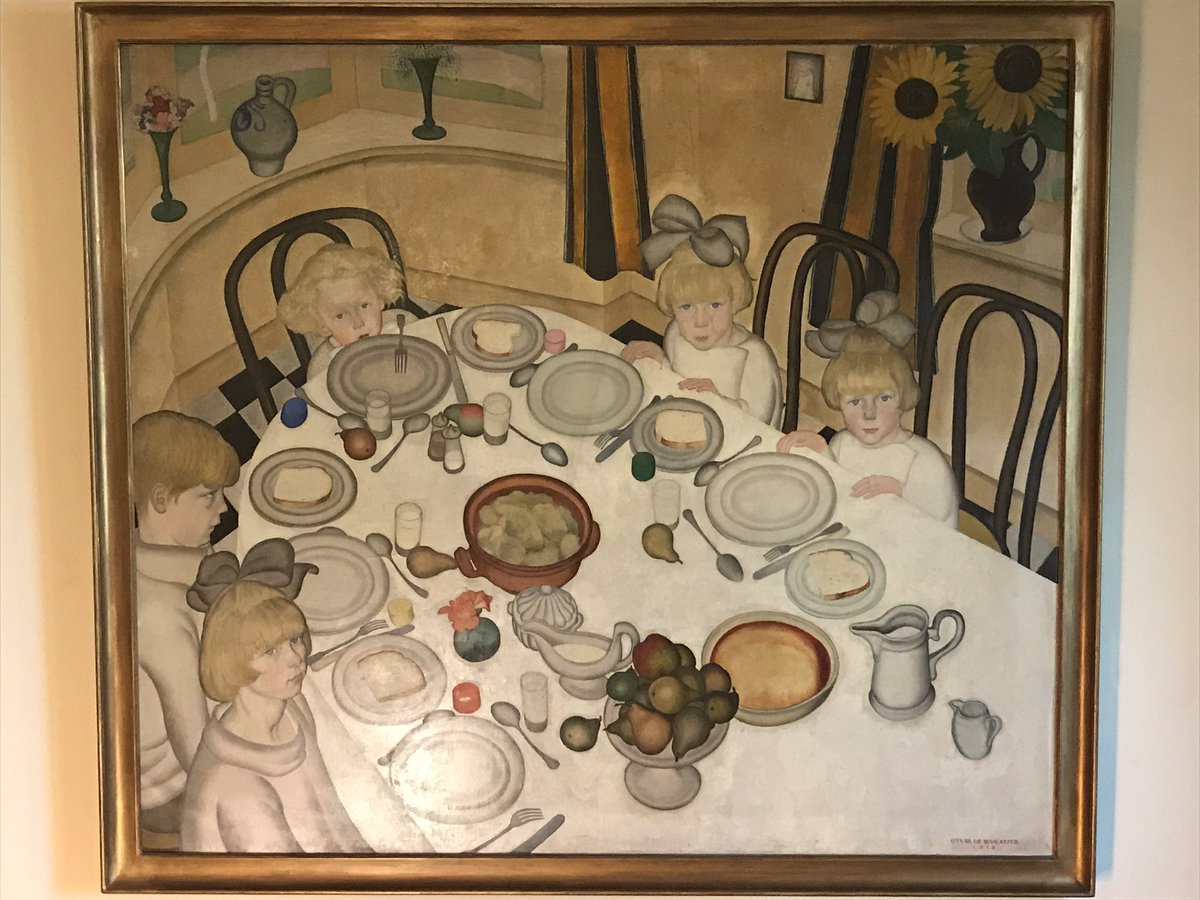
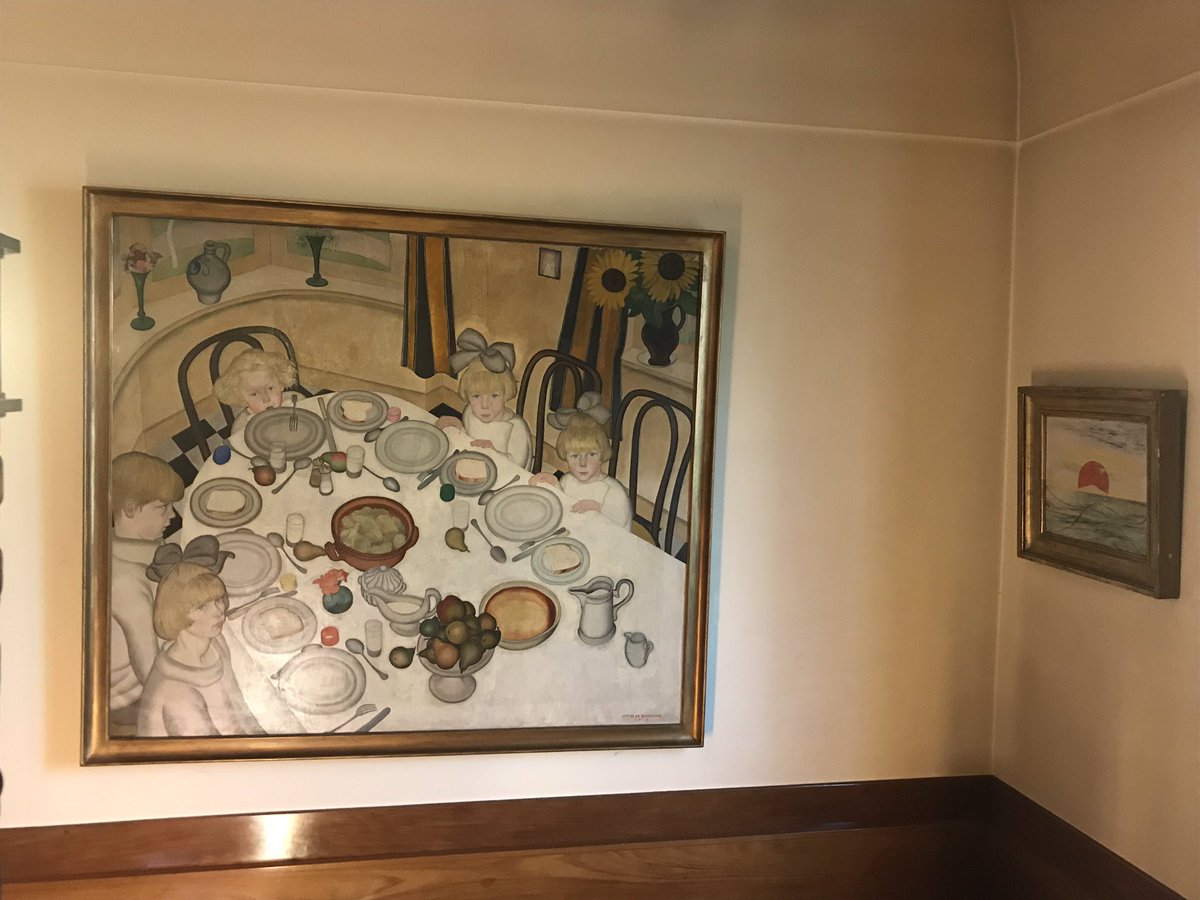
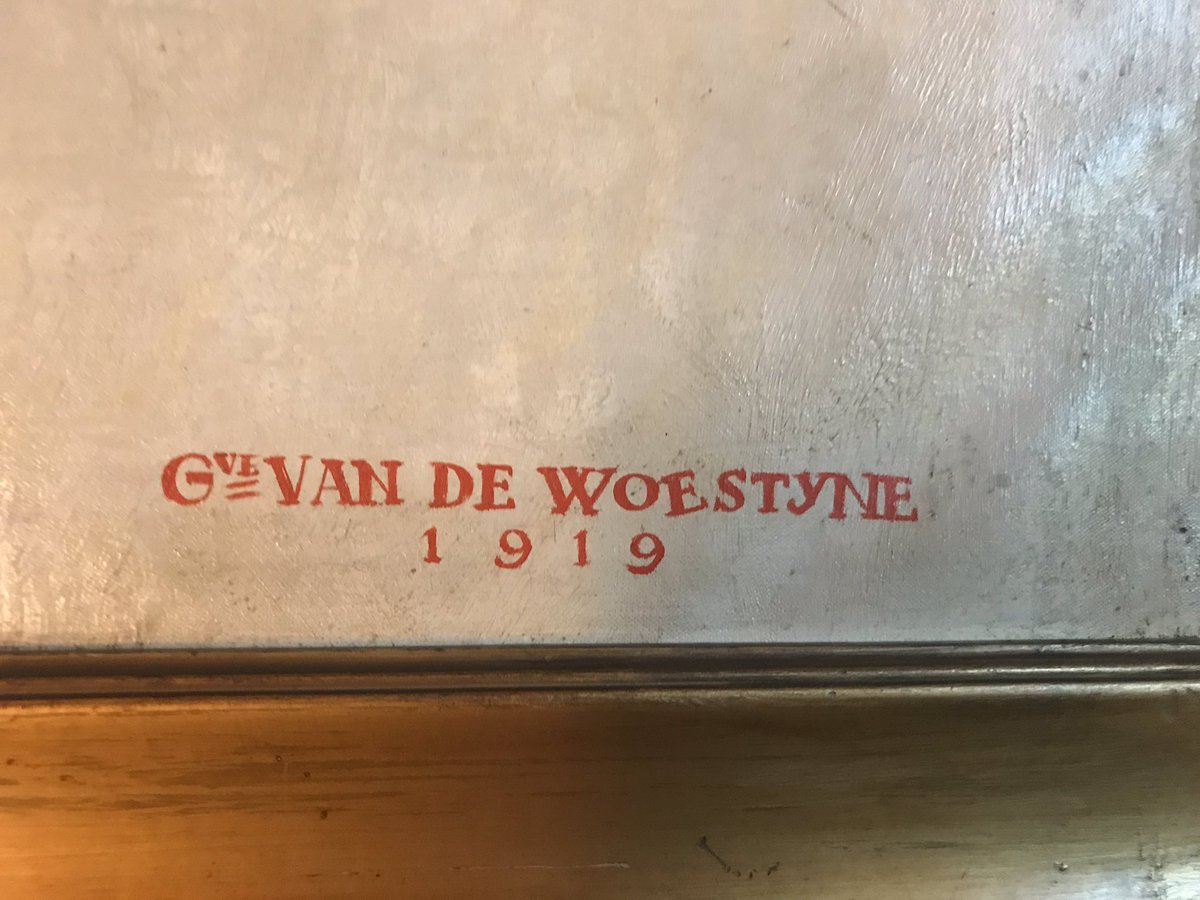
Van de Woestyne
1
1
1
Marie & Philippe 🇺🇦🇪🇺 retweeted

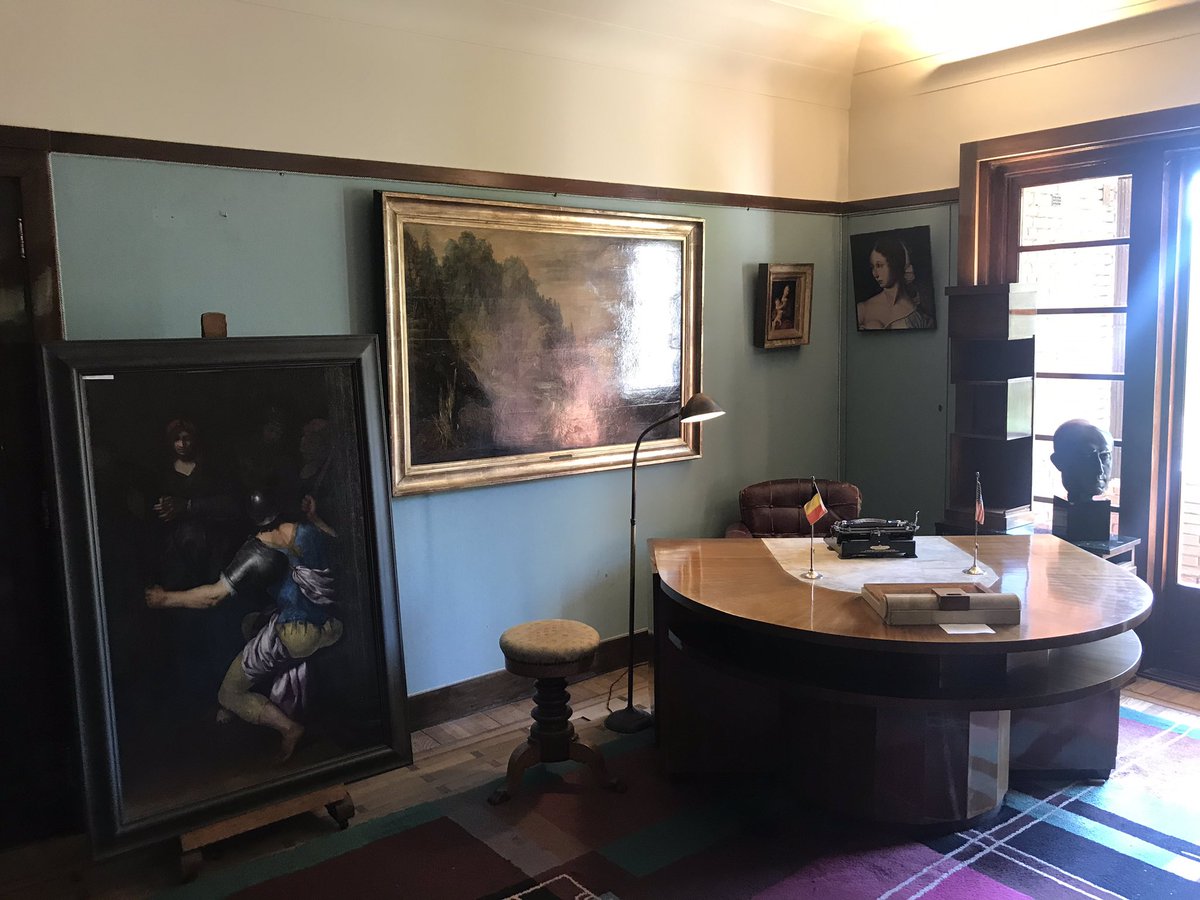
Gustave van de Woestyne: "Natureza-morta com cafeteira branca" (1928)

1
15
216



L'œuvre infinie de Virginia Woolf - En attendant Nadeau (plusieurs articles) en-attendant-nadeau.fr/virgi…
1
28
Marie & Philippe 🇺🇦🇪🇺 retweeted

Jun 14
Des milliers de livres ont été sauvés après l'incendie du cloître de la cathédrale de Condom, qui abritait le fonds historique de la ville. Le lendemain du sinistre, agents administratifs et bénévoles se sont mobilisés pour tenter de faire sécher les ouvrages.
2
15
33
1,663
Marie & Philippe 🇺🇦🇪🇺 retweeted

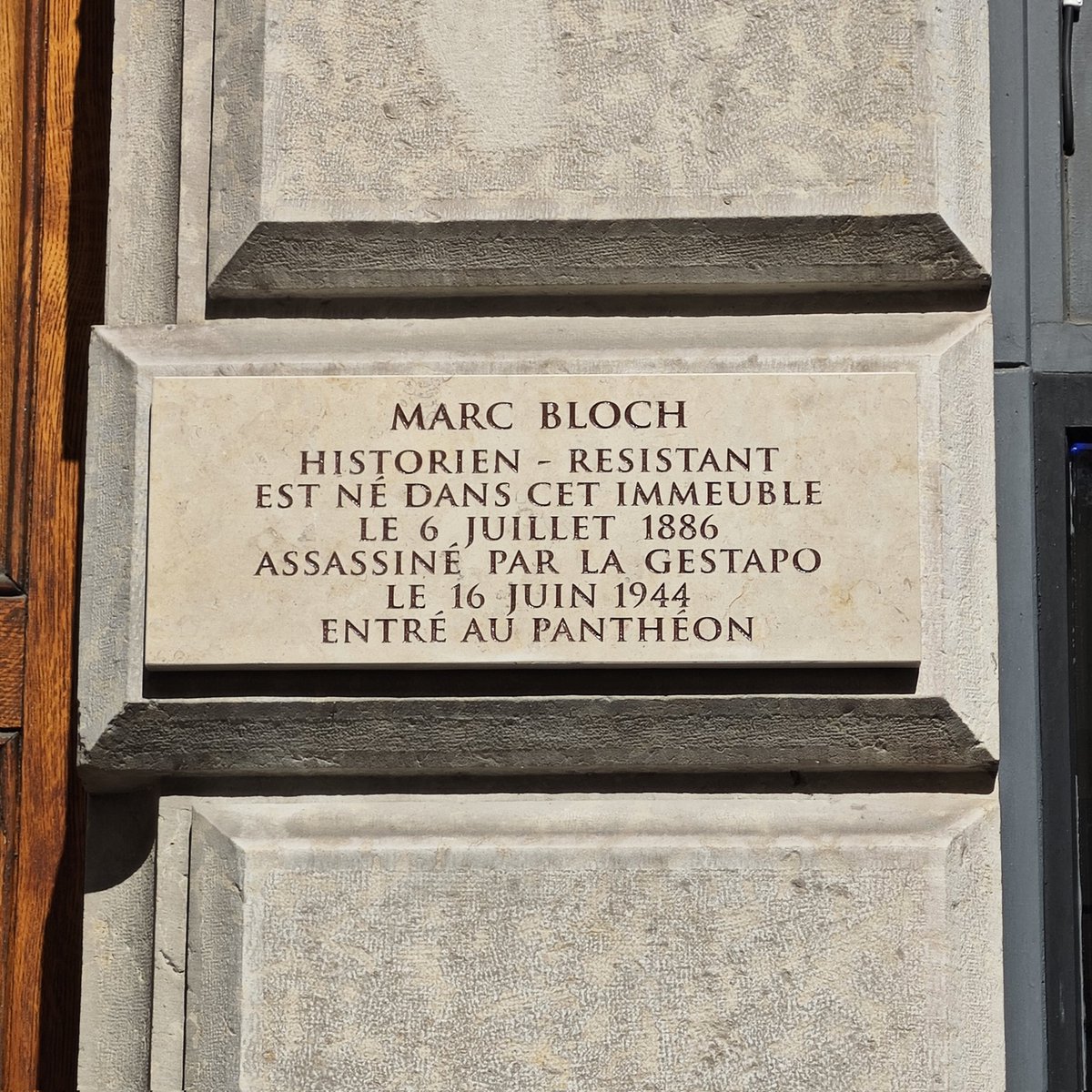
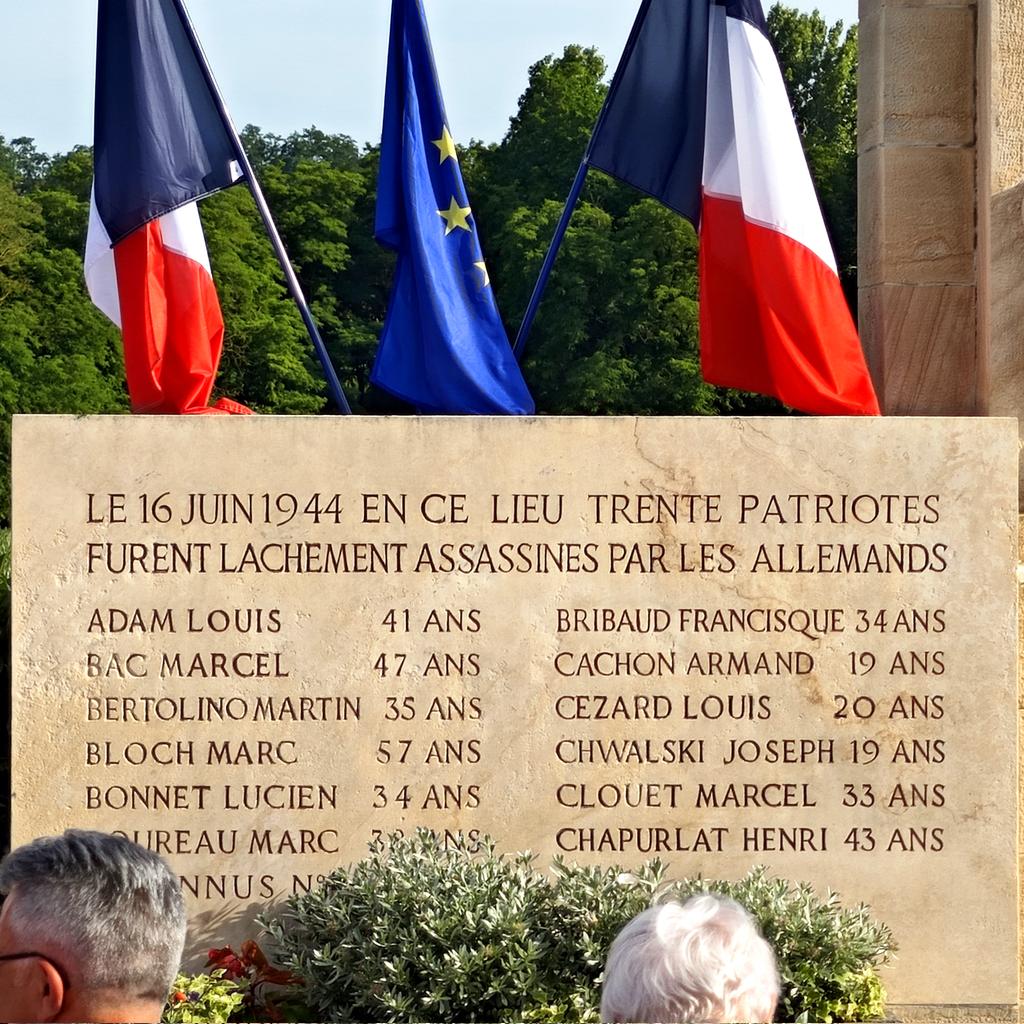
Il y a 82 ans, le 16 juin 1944, Marc Bloch tombait sous les balles nazies.
Une semaine avant son entrée au Panthéon, une plaque a été inaugurée sur la façade de l'immeuble où il vit le jour le 6 juillet 1886, au 66 rue de la Charité, dans le 2e arrondissement de Lyon.
2
120
346
8,408
Marie & Philippe 🇺🇦🇪🇺 retweeted
Ce soir, souvenons-nous.
3
43
178
5,262

Marie & Philippe 🇺🇦🇪🇺 retweeted

Jun 16
The oldest sounds of big Ben (in Elizabeth Tower) from a world that no longer exists.
8
108
549
13,964
Marie & Philippe 🇺🇦🇪🇺 retweeted

Jun 16
👉 Le coût total des grands chantiers patrimoniaux du ministère de la culture pourrait au minimum doubler, entre la décennie passée (2 Md€) et celle qui s’ouvre (5 Md€).
Face à l’impasse budgétaire qui se profile, la Cour propose des solutions.
🔎 ccomptes.fr/fr/publications/…

4
17
33
5,271
Marie & Philippe 🇺🇦🇪🇺 retweeted

La proposition de loi relative aux restes humains Kali'nas a été adoptée hier.
Ce podcast de @franceculture éclaire sur les enjeux de la restitution des biens culturels ⤵️
radiofrance.fr/franceculture…
2
2
15
981
Marie & Philippe 🇺🇦🇪🇺 retweeted

"Je m'étais dit : tant qu'Olivier Nora reste, je reste, le jour où il part, je pars."
Hélène Gestern, au sujet de l'affaire Grasset, au micro de @jburbain, dans #MusiqueMatin 🎙️📻
1
16
26
3,869
Marie & Philippe 🇺🇦🇪🇺 retweeted

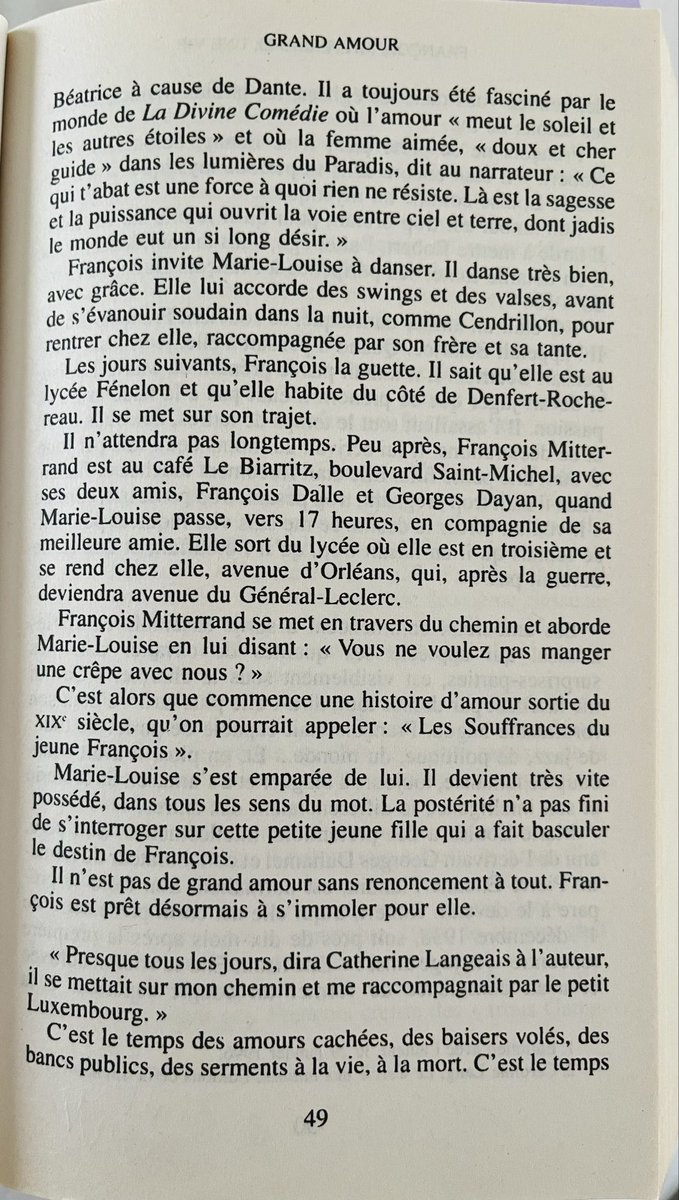
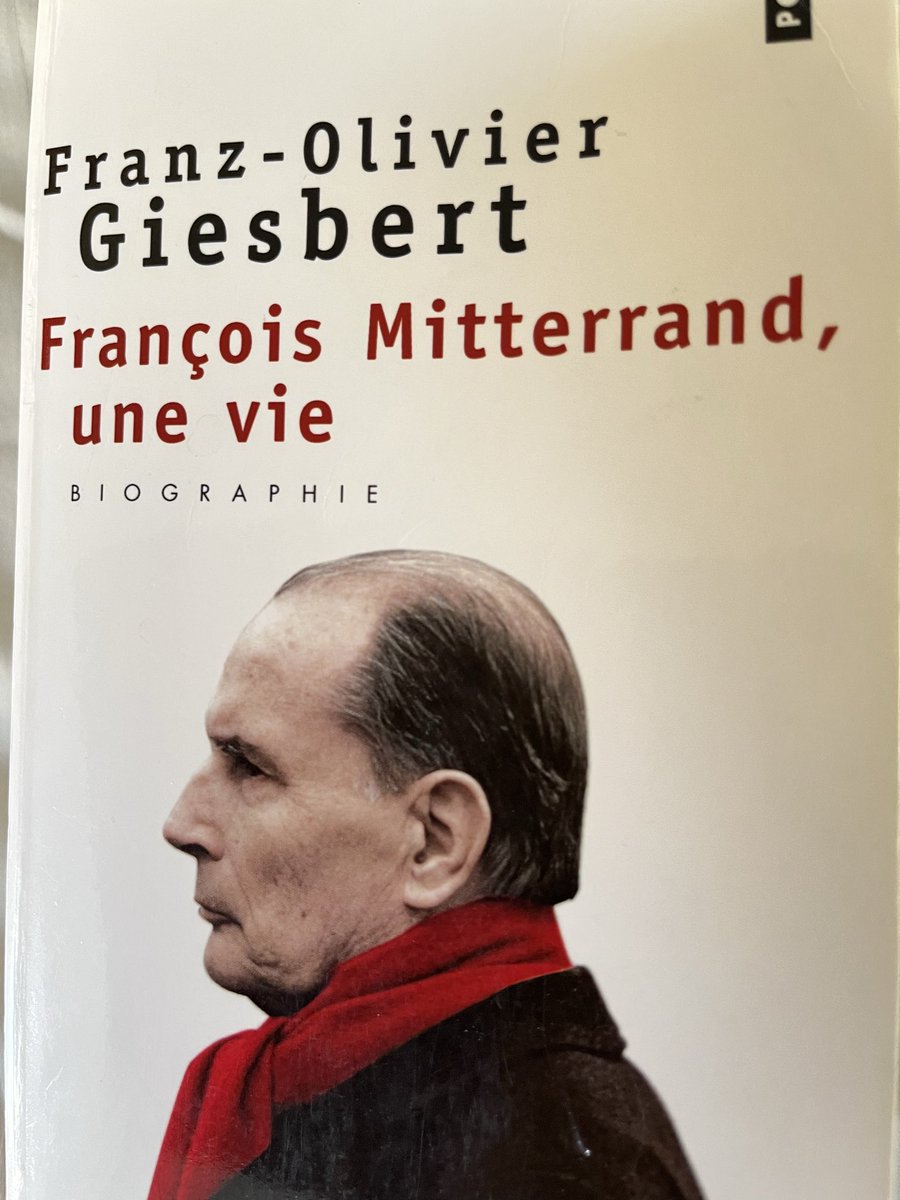
Le boulevard Saint Michel et les idylles.
@fogiesbert #FrançoisMitterrandUneVie P. 49
1
1
116
Marie & Philippe 🇺🇦🇪🇺 retweeted

Jun 16
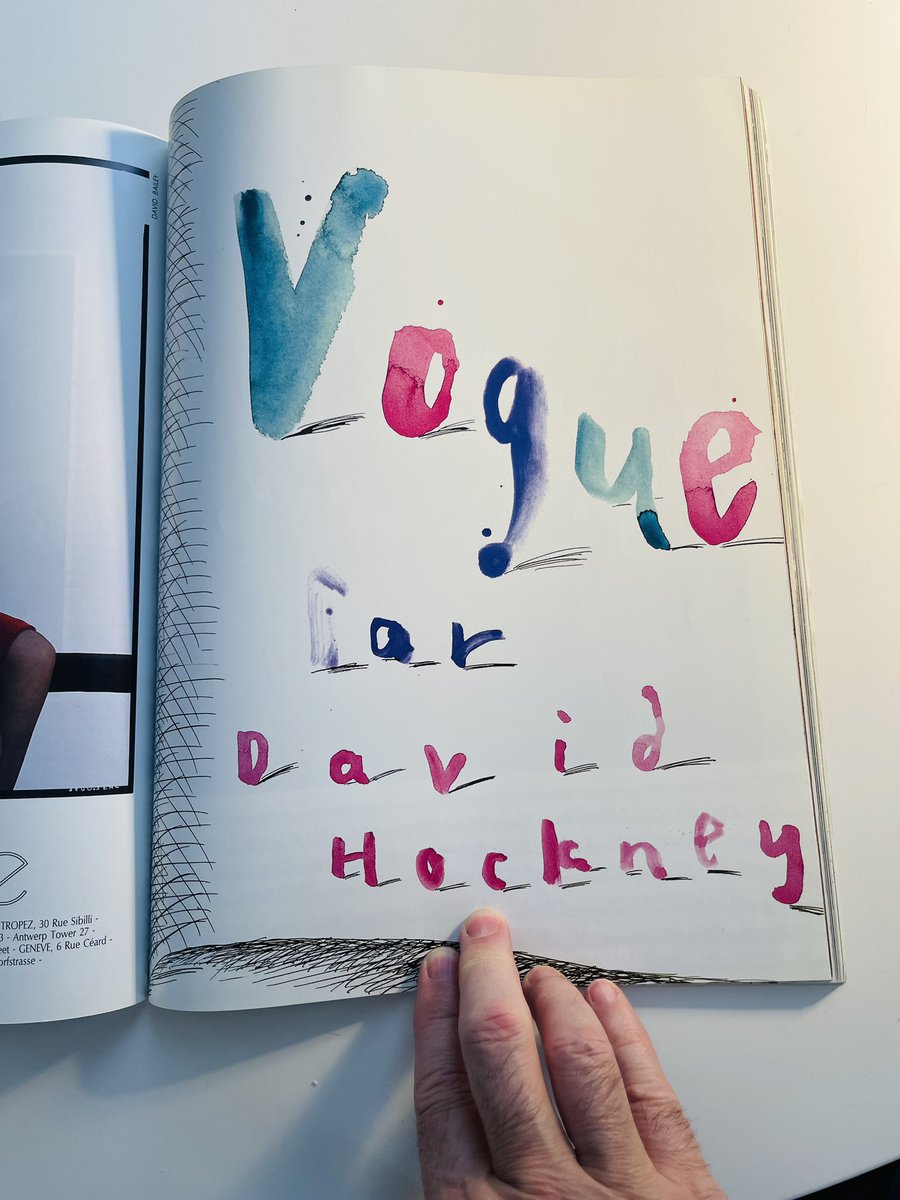
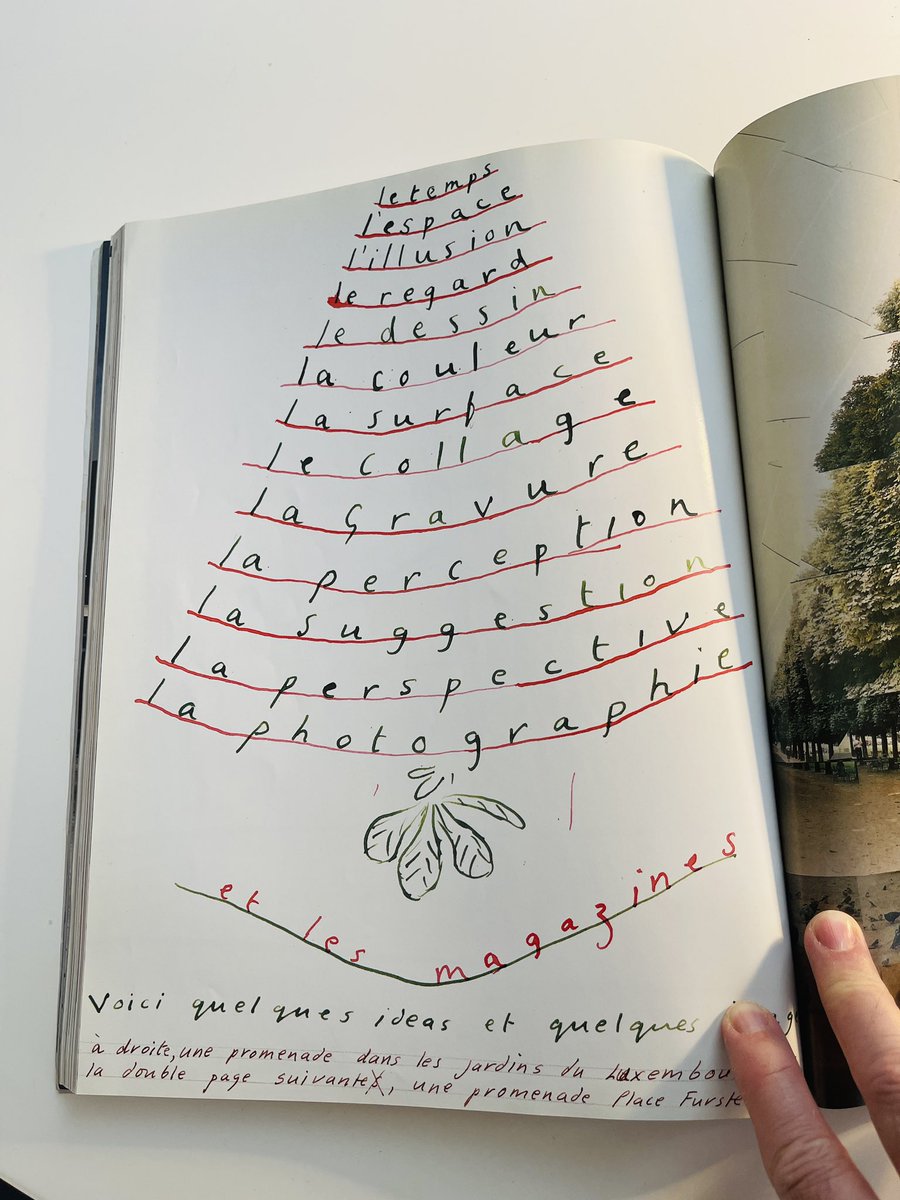
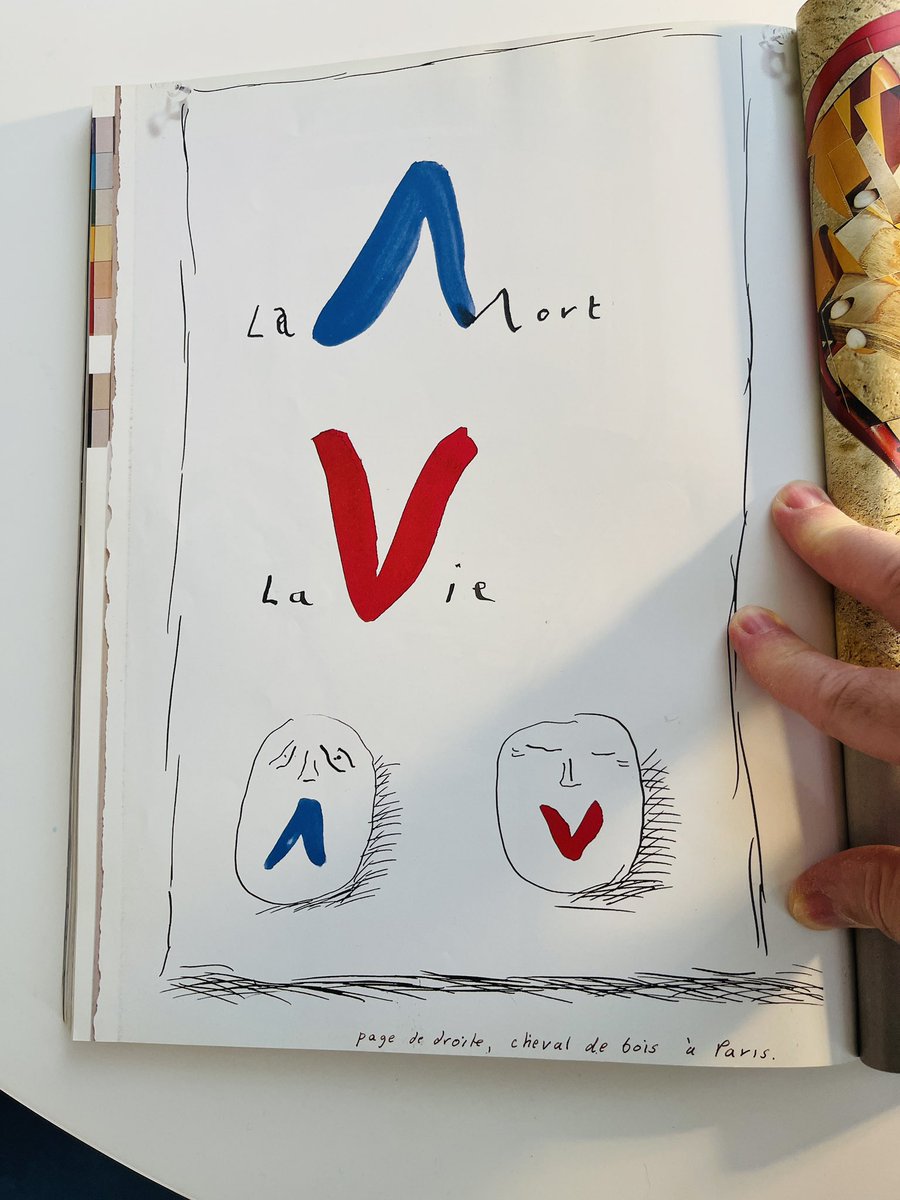
Relique ! Le numéro de décembre 1985-janvier 1986 confié à David Hockney ! La vie… La mort…

1
22
108
4,302
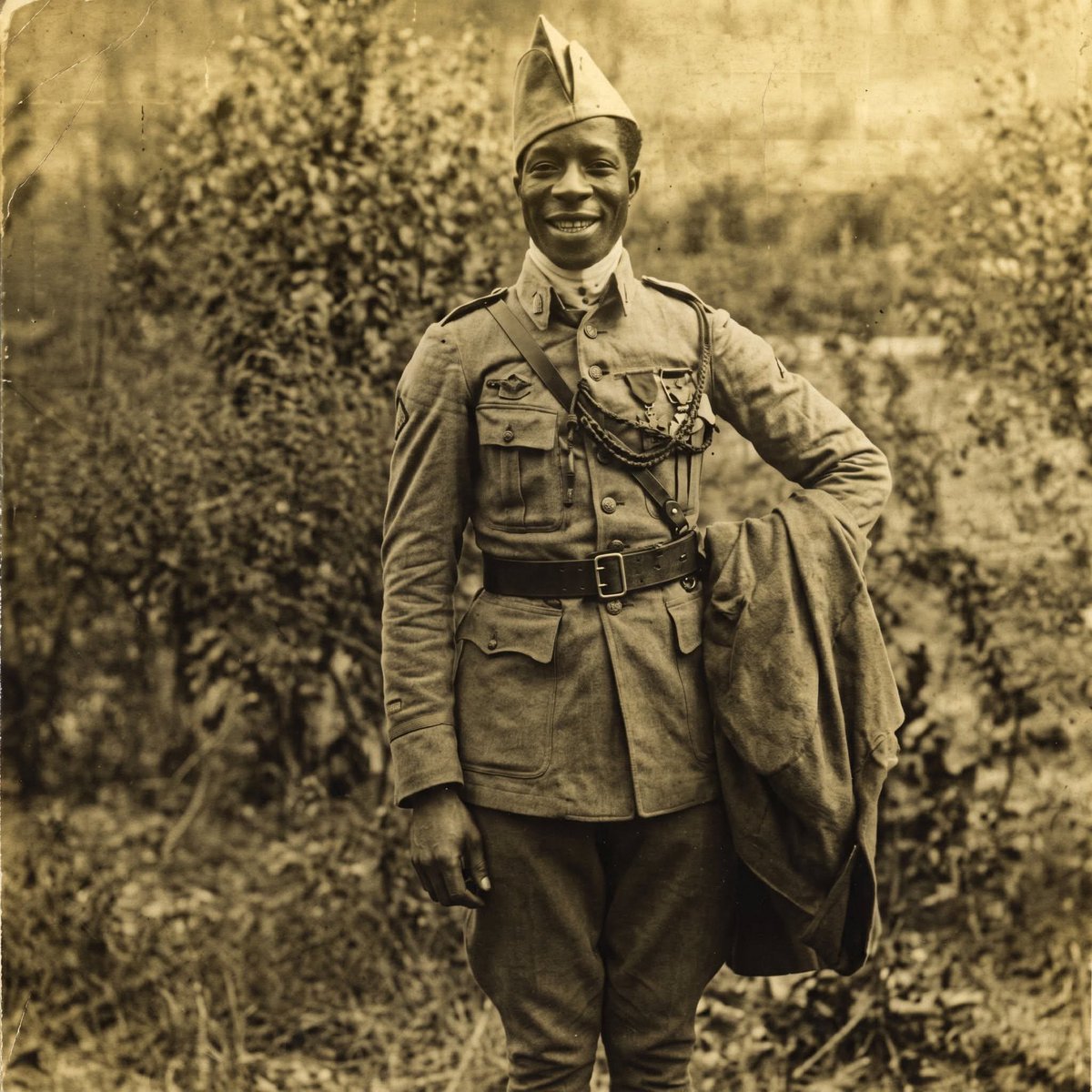
Eugene James Bullard (1895-1961)
fr.wikipedia.org/wiki/Eugene…
28
Magnifique.
Jun 7

When the President of France visited the United States in April 1960, he asked the FBI to help him find a man.
The man he was looking for was an American citizen. He was sixty-four years old. He had been awarded fifteen French military decorations and — six months earlier, in a ceremony in Paris — had been made a Knight of the Légion d'honneur, the highest civilian honor France can give. The medal had been pinned to his chest by the President himself, who had publicly called him un véritable héros français. A true French hero.
The FBI located the man within a few days.
He was operating an elevator at Rockefeller Center in New York City.
The elevator operator's name was Eugene Bullard. He had been born in Columbus, Georgia, in 1895, the son of a man whose own father had been a slave.
He had run away from Columbus at the age of eleven, after watching a white mob nearly lynch his father.
He spent the next several years drifting through the American South. At sixteen, he stowed away on a German freighter at Norfolk, Virginia. He landed in Aberdeen, Scotland. From there he made his way to London, where he learned to box. By 1913, at eighteen, he was prizefighting in Paris.
When Germany invaded France in August 1914, Bullard was nineteen years old. He had no legal obligation to fight. He had no French citizenship.
He went to the recruiting office on October 19, 1914, and signed up for the French Foreign Legion.
He spent the next eighteen months as an infantryman in some of the worst fighting of the war — at the Somme, at Champagne, at Verdun. He was wounded three times. The third wound, on March 5, 1916, tore open his thigh and left him with permanent damage to his leg.
He was twenty years old. The doctors told him he would not return to the infantry.
He decided he wanted to fly.
In a Paris café in the spring of 1916, while he was recovering, Bullard mentioned to three white American friends that he was thinking of joining the French air service. A Mississippian named Jeff Dickson laughed.
Gene, Dickson said, you know damn well there aren't any Negroes in aviation.
Bullard answered: Sure do. That's why I want to get into it. There has to be a first to everything, and I'm going to be the first.
Dickson bet him two thousand dollars he would not make it.
Bullard took the bet. He earned his pilot's license on May 5, 1917. He won the bet.
He reported to the front in August 1917 and flew approximately twenty combat missions over the next three months in a SPAD VII. The fuselage was painted with a bleeding heart pierced by a knife and the French phrase Tout le Sang qui Coule est Rouge — All Blood that Flows is Red.
He carried, on every combat flight, a small capuchin monkey named Jimmy in the front of his flight jacket.
The French press began calling him L'Hirondelle Noire — the Black Swallow.
When the United States entered the war in 1917, Bullard immediately applied to transfer to the U.S. Army Air Service.
His application was rejected.
The U.S. Army Air Service had a policy, in 1917, of not accepting Black pilots. The other American pilots flying for France in his unit, all of them white, were transferred to the U.S. Air Service.
He was the only one who was not.
For the next twenty years, he was one of the most familiar faces in the Montmartre nightlife of Paris between the wars. He owned a nightclub called L'Escadrille. He spoke fluent French, English, and German. Hemingway drank there. Fitzgerald drank there. Langston Hughes drank there. Josephine Baker performed there. Louis Armstrong was a personal friend.
When Germany invaded Poland in 1939, Bullard was forty-four. His fluent German and his ownership of a nightclub frequented by German officers made him useful to the French Resistance. He became an intelligence agent — eavesdropping in his own bar on conversations between German officers who did not know he understood every word.
When France fell in June 1940, friends in the Resistance smuggled him across the Spanish border before the Gestapo could arrest him.
He came back to the United States for the first time in twenty-eight years.
He arrived in New York with thirty dollars in his pocket and a permanent limp.
He did not return to a hero's welcome. He returned to a country that had no idea who he was.
He worked at a perfume counter. He worked as a security guard. He worked at the Staten Island shipyards. By the late 1940s, he had taken the job that he would hold for most of the rest of his life.
He operated the elevator at Rockefeller Center.
He was wearing the elevator uniform on the day a producer from NBC came down from the studios upstairs to ask if he was the man Charles de Gaulle had been looking for.
A few weeks later, NBC sent a film crew to interview him in the lobby. The studios where NBC produced The Today Show were on the floors above. He had operated the elevator that took the network executives up to those studios every morning for nearly ten years. He had not been recognized as he did it.
He went back to operating the elevator the following Monday.
He died of stomach cancer on October 12, 1961, three days after his sixty-sixth birthday.
He was buried in the French War Veterans' section of Flushing Cemetery, in Queens, in the uniform of the French Foreign Legion. The casket was draped with the French flag.
In 1994 — thirty-three years after his death — the United States Air Force formally commissioned Eugene Jacques Bullard as a Second Lieutenant, posthumously.
It was the first commission the U.S. military had ever offered him.
He had been the first Black combat pilot in American history.
The French had been calling him a hero since 1917.
The Americans got around to it in 1994.
61
Marie & Philippe 🇺🇦🇪🇺 retweeted

Jun 7
This Gallup poll from last September represents a national catastrophe and should be a primary focus on debates on the state of universities and academia.
An earlier Pew Poll indicates what I think is the main explanation, a loss of belief in the importance of education in labor market success (a belief that is not empirically justified).
pewresearch.org/social-trend…
Given the recent storm over the Yale and Vanderbilt/Washington University St. Louis, let me express my skepticism that this decline is in a significant way due to ideological excesses on campuses per se rather the demagogic exploitation of various contexts where this happens.
I also believe that there is a lower frequency cultural issue: the diminution of the value attached to college as end in itself. The ideas that college produces a richer life by opening students to the world of ideas and culture, and produces citizens as opposed to labor force participants appear quaint in 2026, but I do not think was the case when I entered in 1976. For me I perfectly understood when I left home that my life was going to transform.

1
6
36
4,867
Marie & Philippe 🇺🇦🇪🇺 retweeted

Jun 15
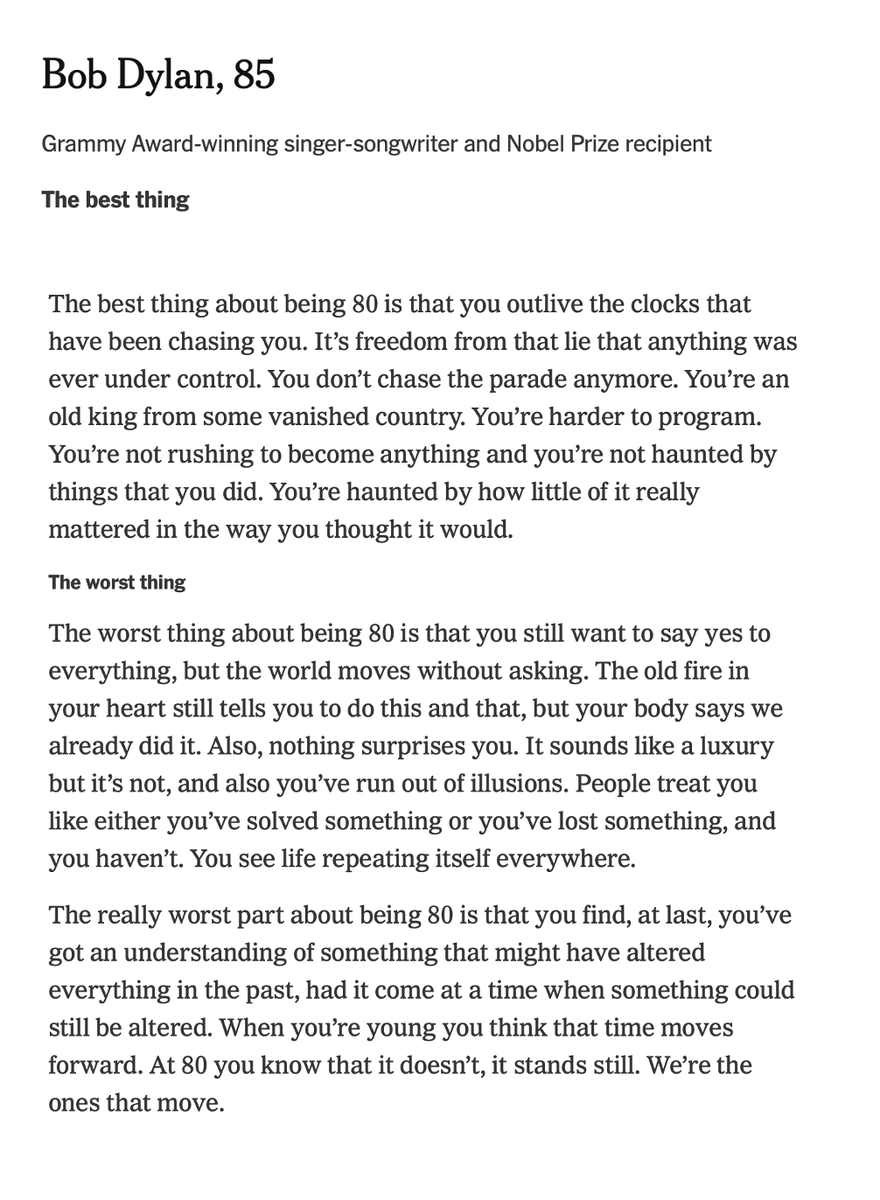
this 81 year old rather loves this - especially the "best" part
Jun 14

Bob Dylan in the NYT today, in a piece where artists in their 80s were asked to describe the best and worst parts of being that age, and whether they had advice for the president on his reaching the milestone. (Dylan apparently passed on the final question, not surprisingly.)
12
64
360
24,319
Marie & Philippe 🇺🇦🇪🇺 retweeted

De l’amour de la culture russe à la défense de l’Ukraine, la quête de vérité de Georges Nivat. Très beau portrait par @lauremandeville
lefigaro.fr/international/de…
4
6
27
4,273
Marie & Philippe 🇺🇦🇪🇺 retweeted

May 22
Et vous, ne serait-ce que 5 choses que vous aimeriez faire avant de mourir ?
25 choses à faire avant de mourir, selon Georges Perec - #CulturePrime youtu.be/Gh81fubFMEw?is=8S3o… via @YouTube
3
4
11
2,249