
#renewables #Energiewende #power2gas #getup #solar #planetism #ScottMorrison #greens #hydrogen #auspol #stopadani #climatechange #bushfire #atheism #sportsrort
Joined November 2013
- Tweets 146,859
- Following 4,693
- Followers 2,371
- Likes 11,820
8,479 Photos and videos













Pinned Tweet

If elections were today? #IstandwithuncleRay #auspol
0%
Labor
100%
Greens
0%
Ind
0%
Other
1 votes • Final results
1
1
75


☀️ Lord Coalton RT 🌏 Global 🇬🇱 retweeted

Agreed, Trumps obsession for being a “Billionaire”,
has distracted him from his oath to
‘Protect & Serve” all Americans rich or poor, black or White,
he’s too focused on the Epstein class to care about his ‘Oath’!

3
13
177
☀️ Lord Coalton RT 🌏 Global 🇬🇱 retweeted

1
6
10
246
☀️ Lord Coalton RT 🌏 Global 🇬🇱 retweeted

Jun 10
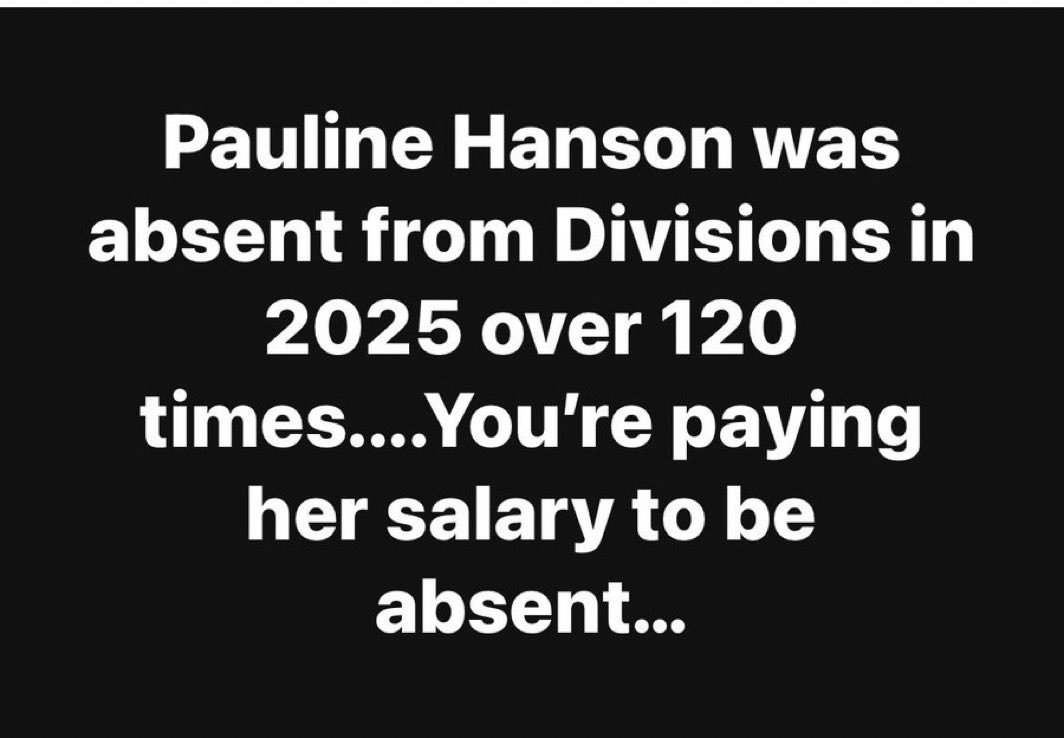
Obviously, you have never listened to yourself Pauline. You can show the Australian electorate some respect by turning up for work once in a while you know.
2
3
25
306
☀️ Lord Coalton RT 🌏 Global 🇬🇱 retweeted

Jun 10
Oh echoes of Donald Trump - demonising the press…manufacturing outrage, manipulating voters. You accuse the Liberals of stealing ur playbook & there u go - stealing trademark Trump billionaire behaviour…we see you!
3
5
47
539
☀️ Lord Coalton RT 🌏 Global 🇬🇱 retweeted

Jun 10
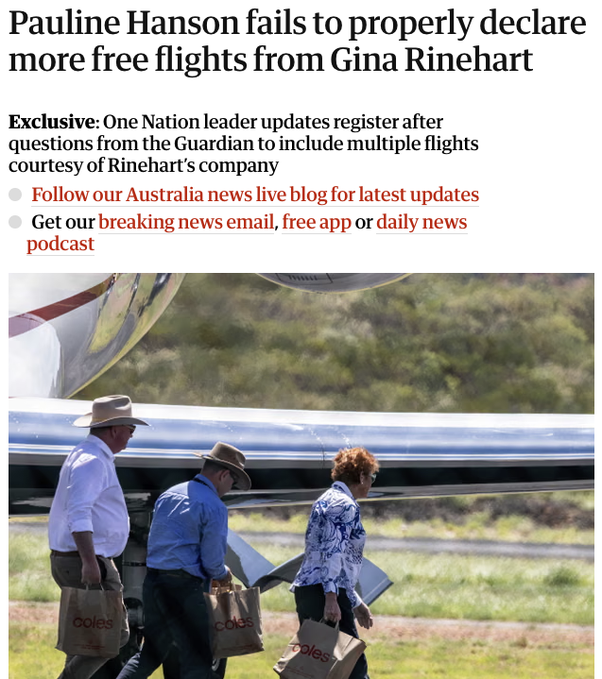
Here are some examples of "disrespectful"...

2
7
72
1,166
☀️ Lord Coalton RT 🌏 Global 🇬🇱 retweeted

Jun 10
Just like Trump, get a question you don't like so attack the journalist or ban their network. #temuTrump Suck it up princess.
5
6
111
984
☀️ Lord Coalton RT 🌏 Global 🇬🇱 retweeted

Jun 5
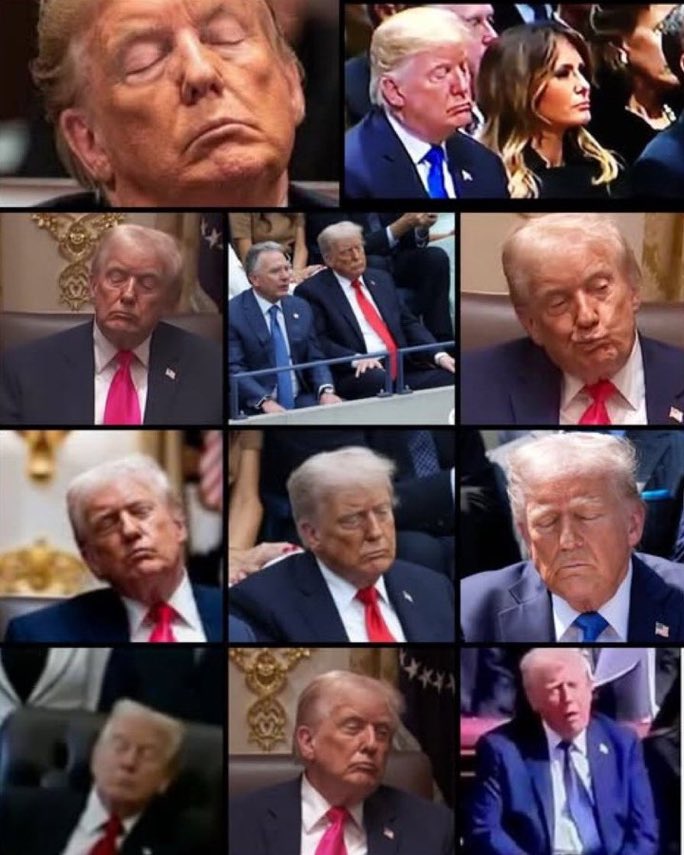
Shhhhhhhhh, don't wake the baby.
507
6,105
21,562
394,532


☀️ Lord Coalton RT 🌏 Global 🇬🇱 retweeted
Jun 6
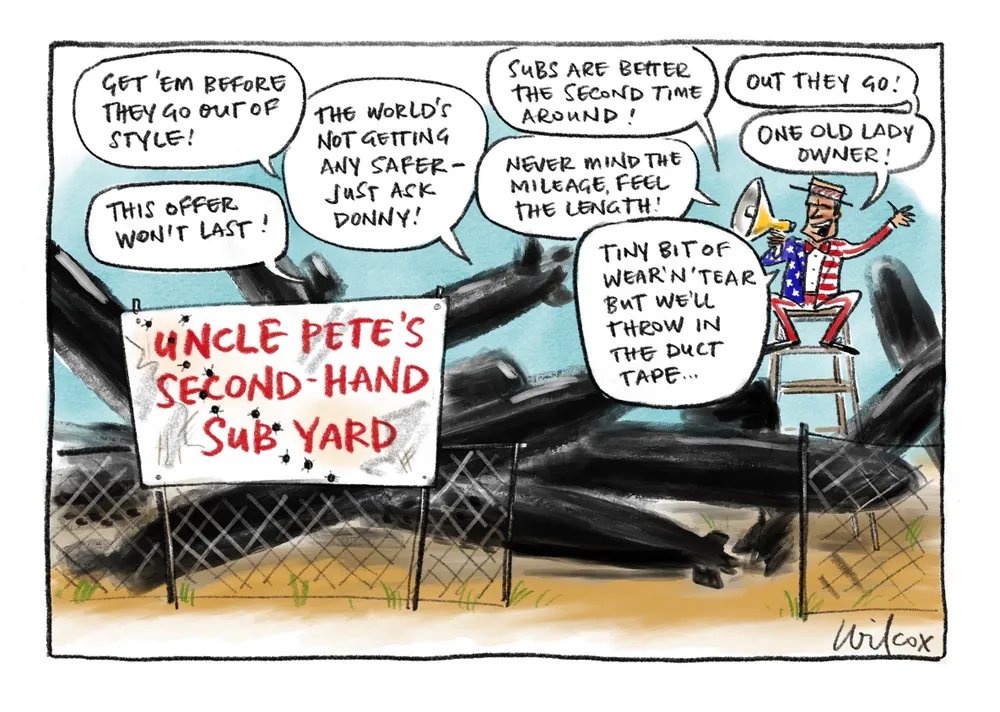
It's a never-never plan that does nothing now but pour $billions into the pockets of mining billionaires like Gina for a share of projects that won't pay off for years, if ever.
1
4
11
92
☀️ Lord Coalton RT 🌏 Global 🇬🇱 retweeted

8
83
196
1,706
☀️ Lord Coalton RT 🌏 Global 🇬🇱 retweeted

Jun 4
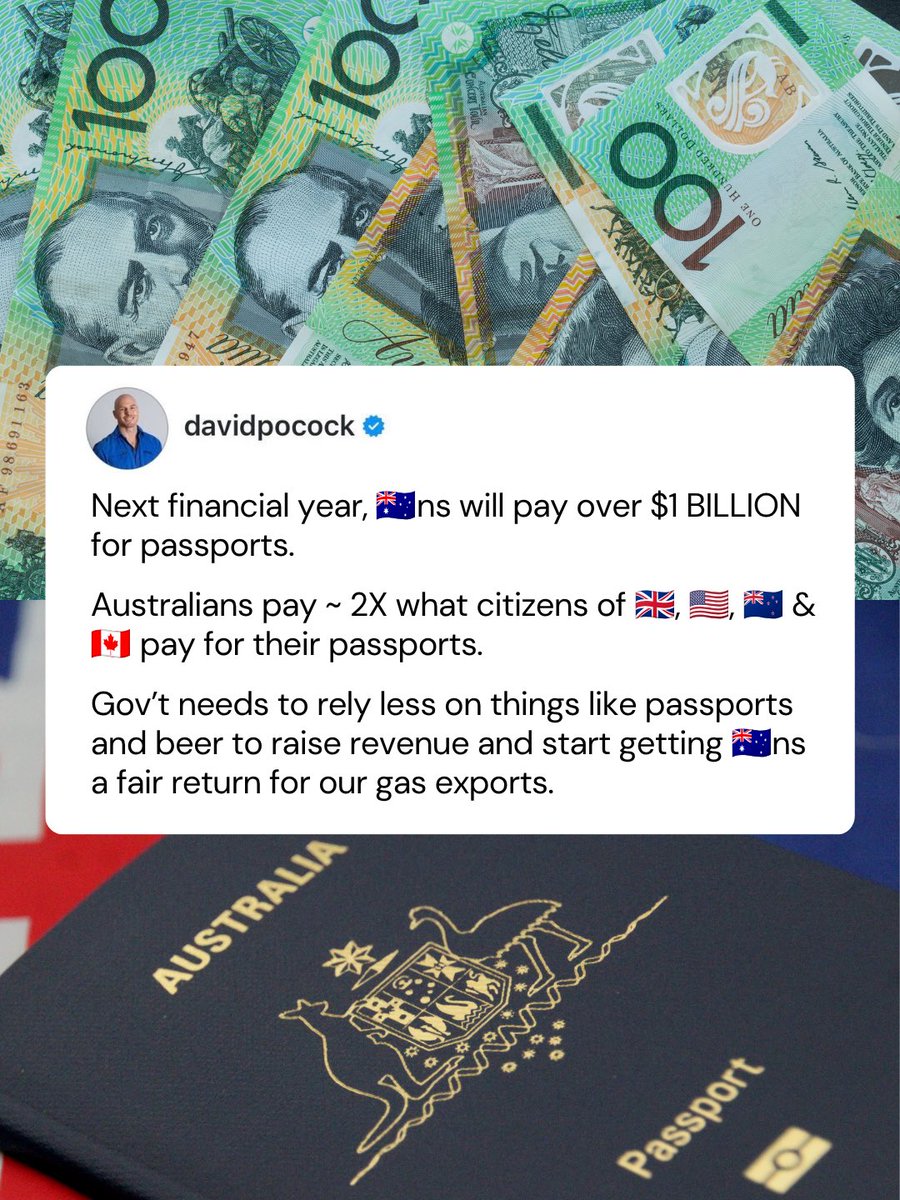
Approximate passports costs:
🇨🇦 Canada = ~$170
🇬🇧 United Kingdom = ~$195
🇺🇸 United States = ~$180
🇳🇿 New Zealand = ~$225
Australian 🇦🇺 passport cost...$422
Passport fees and charges are expected to generate $1.12 billion for the 2029/30 FY. In the same FY, expected revenue for PRRT is projected to be $1.25 billion
190
630
1,831
40,058
☀️ Lord Coalton RT 🌏 Global 🇬🇱 retweeted

Jun 4
Now who sold off our gas for loose change?

43
298
791
7,259
☀️ Lord Coalton RT 🌏 Global 🇬🇱 retweeted

Jun 4
Would you vote for this ticket in 2028?
Yes 👍
No 👎

2,731
740
5,655
73,293
☀️ Lord Coalton RT 🌏 Global 🇬🇱 retweeted

Jun 5
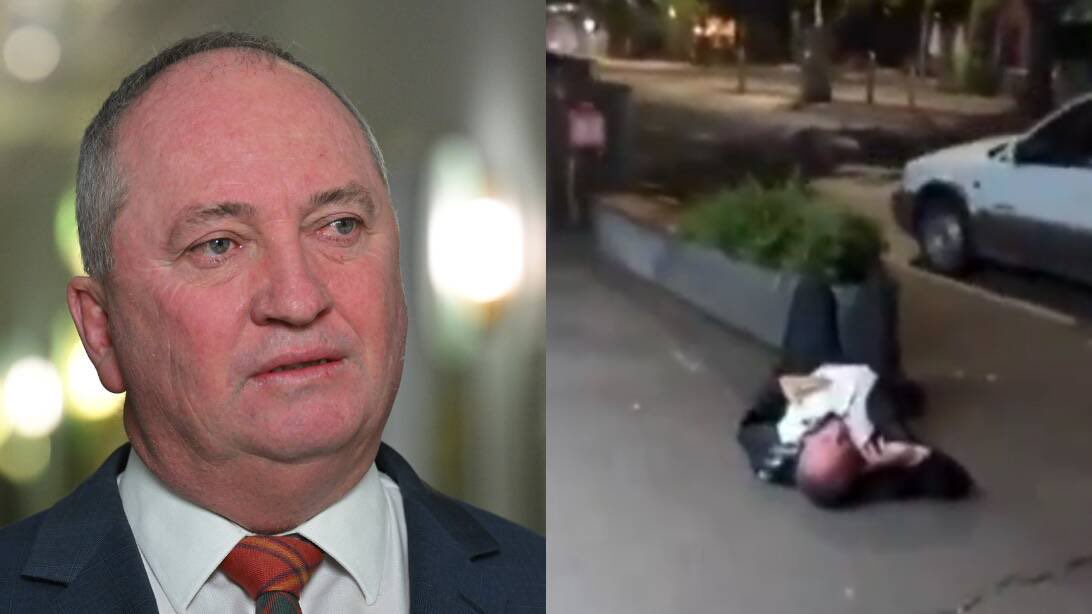
Barney is head over heels about Porleen 🍺🤡
1
2
37
☀️ Lord Coalton RT 🌏 Global 🇬🇱 retweeted

Can’t wait for the 2028 election when the right loons can’t work out why she isn’t PM

1
1
3
18

☀️ Lord Coalton RT 🌏 Global 🇬🇱 retweeted

I'm old enough to remember when the White House wasn't the trashiest place in America.

1,066
2,139
14,248
227,237
☀️ Lord Coalton RT 🌏 Global 🇬🇱 retweeted

Jun 4
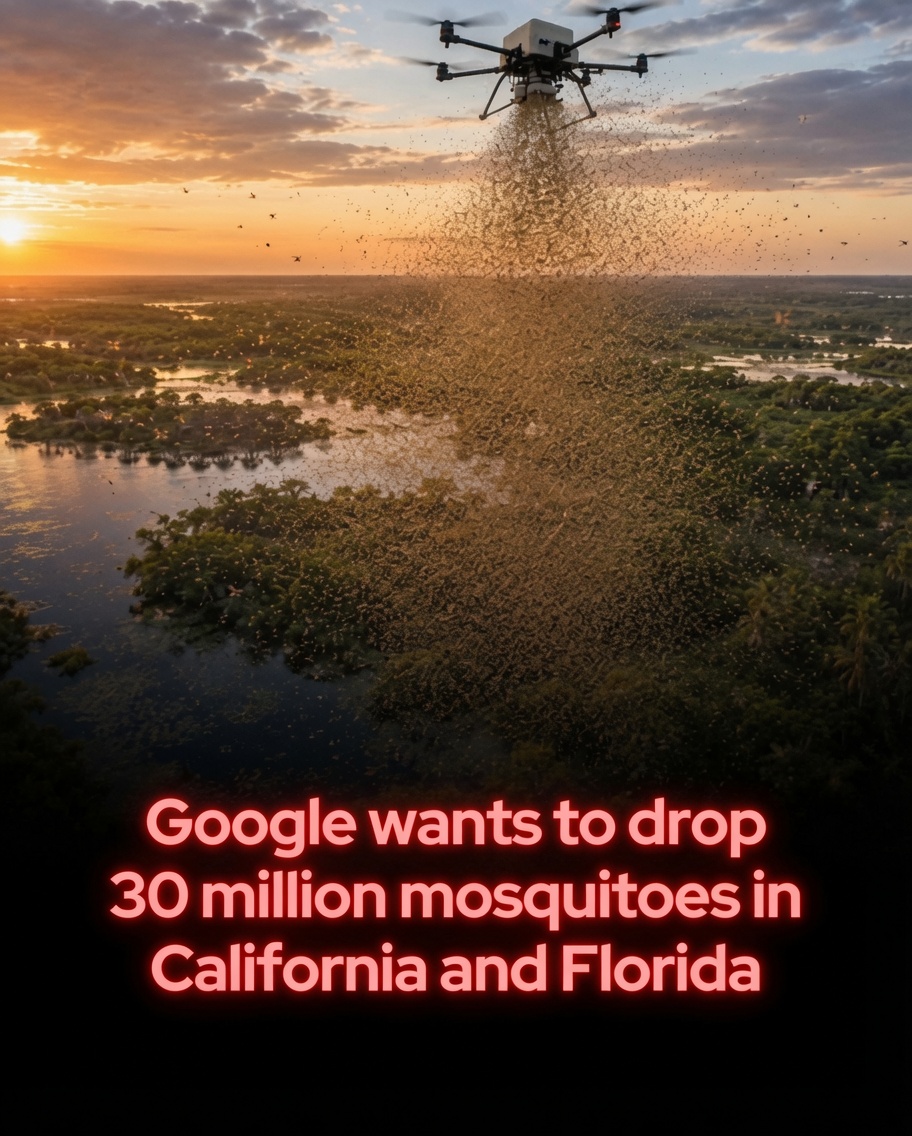
Google is seeking federal approval to release up to 32 million mosquitoes across California and Florida over the next two years as part of an ambitious effort to combat deadly mosquito-borne diseases.
The project, run through Google’s Debug program (recently acquired from Alphabet’s Verily), targets the invasive Aedes aegypti mosquito, the primary vector for dengue, Zika, and yellow fever. Instead of using chemical pesticides, the initiative relies on a biological approach: releasing sterile male mosquitoes infected with the naturally occurring Wolbachia bacteria.
When these lab-reared males mate with wild females, the resulting eggs fail to hatch, gradually suppressing the local mosquito population over generations. The males do not bite and pose no threat to humans.
To enable large-scale deployment, Google has developed advanced AI-powered computer vision systems and automated rearing technology to efficiently sort males from females. The method has already proven highly effective in Singapore, where Debug releases reduced targeted mosquito populations by 80–90% and cut dengue cases by more than 70%.
The U.S. Environmental Protection Agency (EPA) is currently reviewing the proposal, with the public comment period closing on June 5, 2026. A decision on whether to approve this large-scale biological intervention on American soil is expected soon.
This would mark a significant expansion of high-tech, eco-friendly mosquito control in the United States.
62
26
89
24,103
☀️ Lord Coalton RT 🌏 Global 🇬🇱 retweeted

Apr 28
1
8