Joined May 2019
- Tweets 4,420
- Following 89
- Followers 64
- Likes 3,656
614 Photos and videos
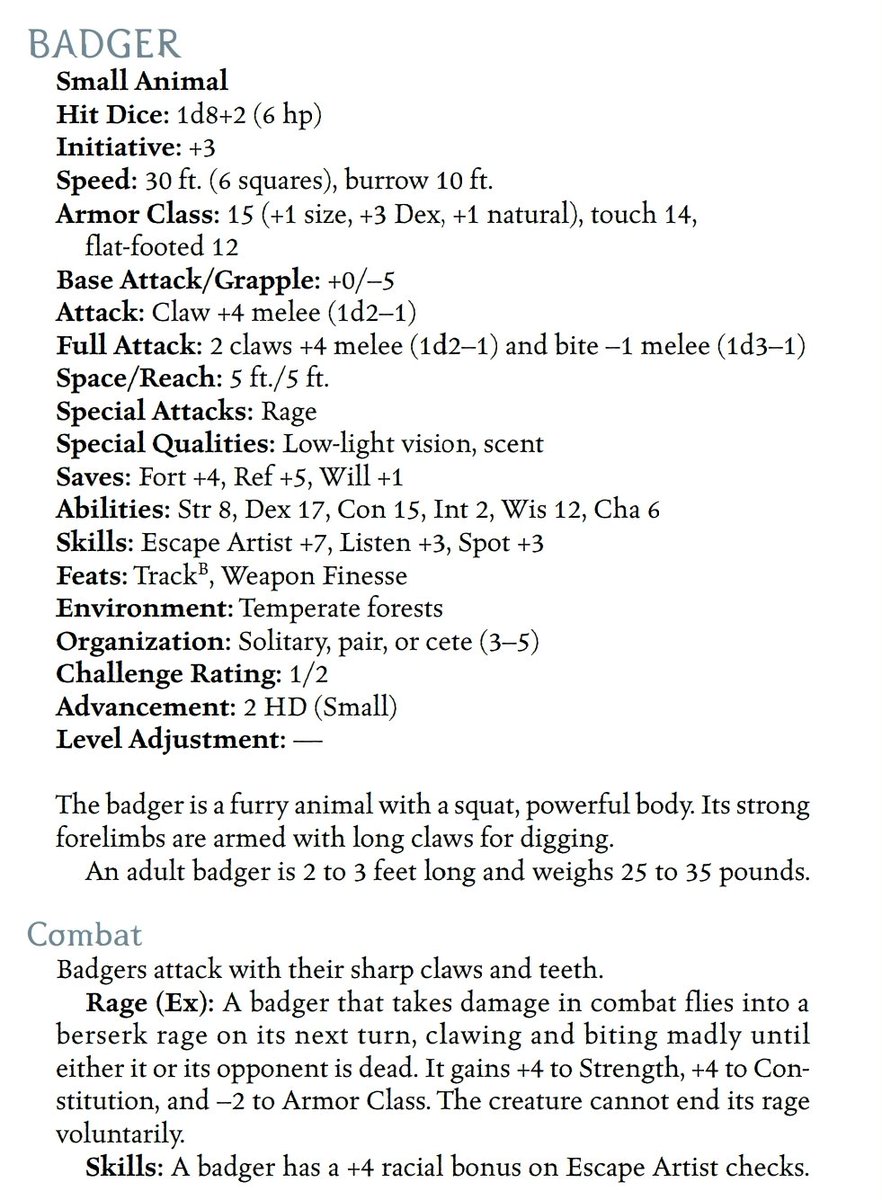

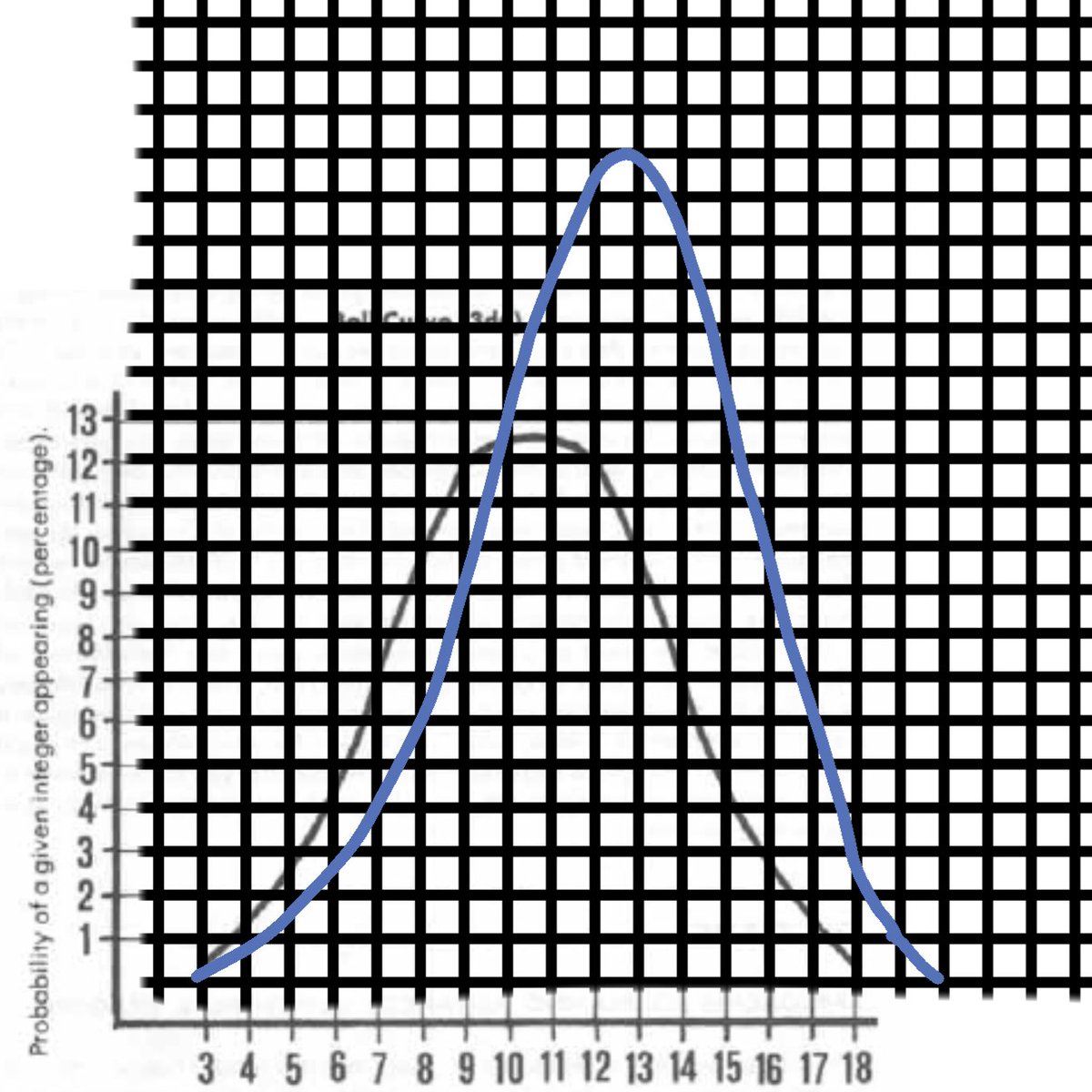

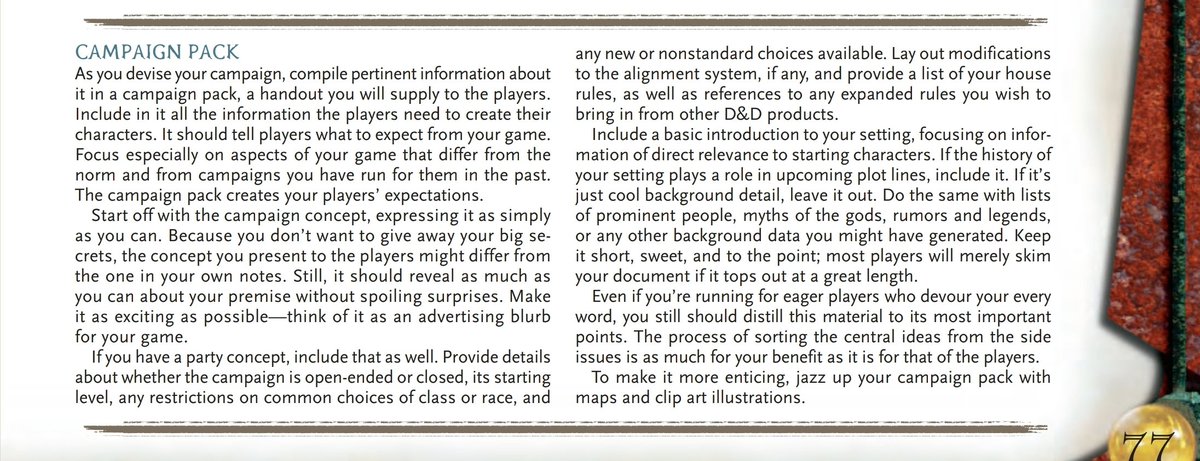


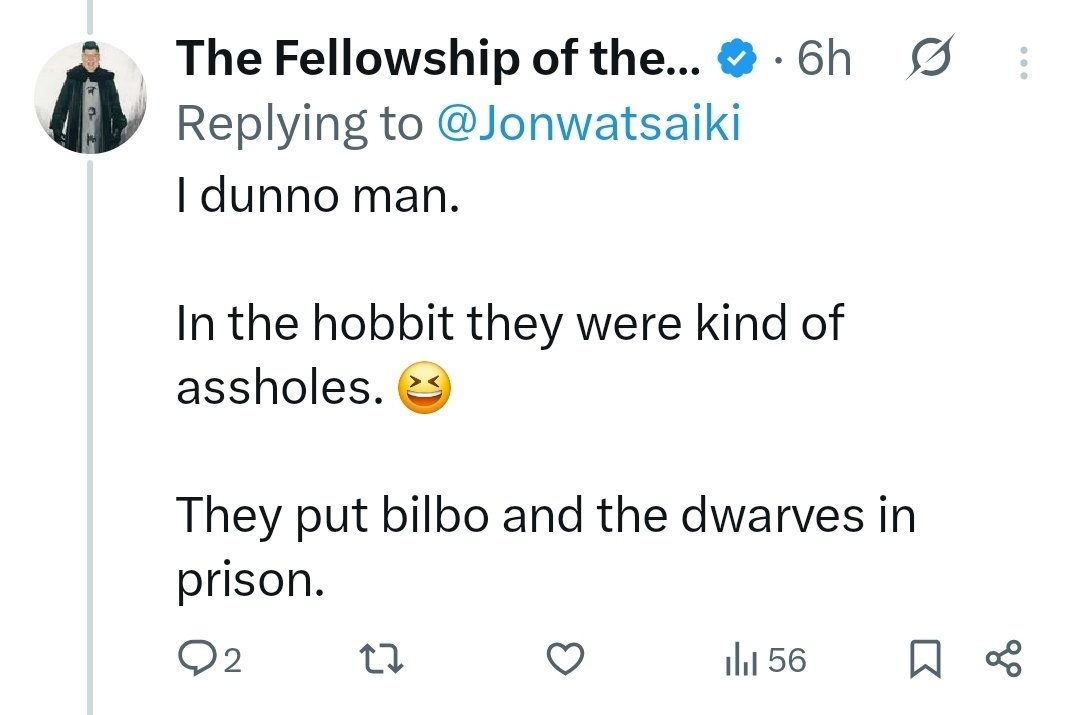
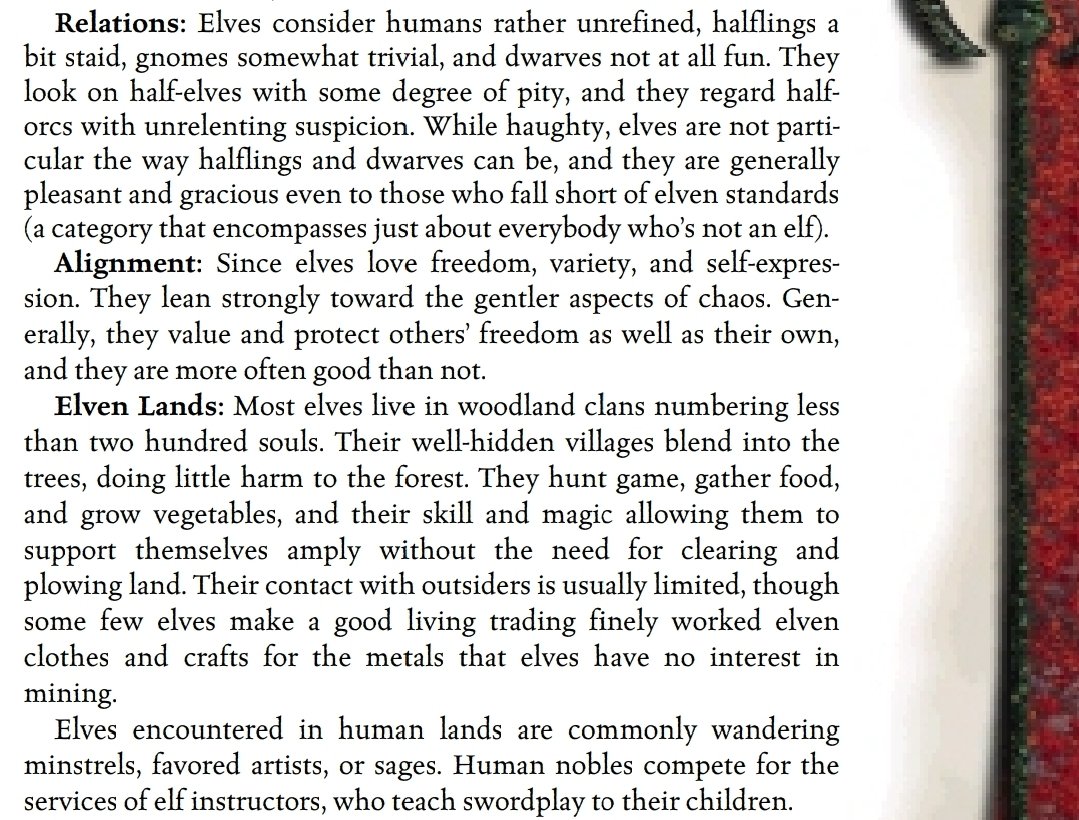

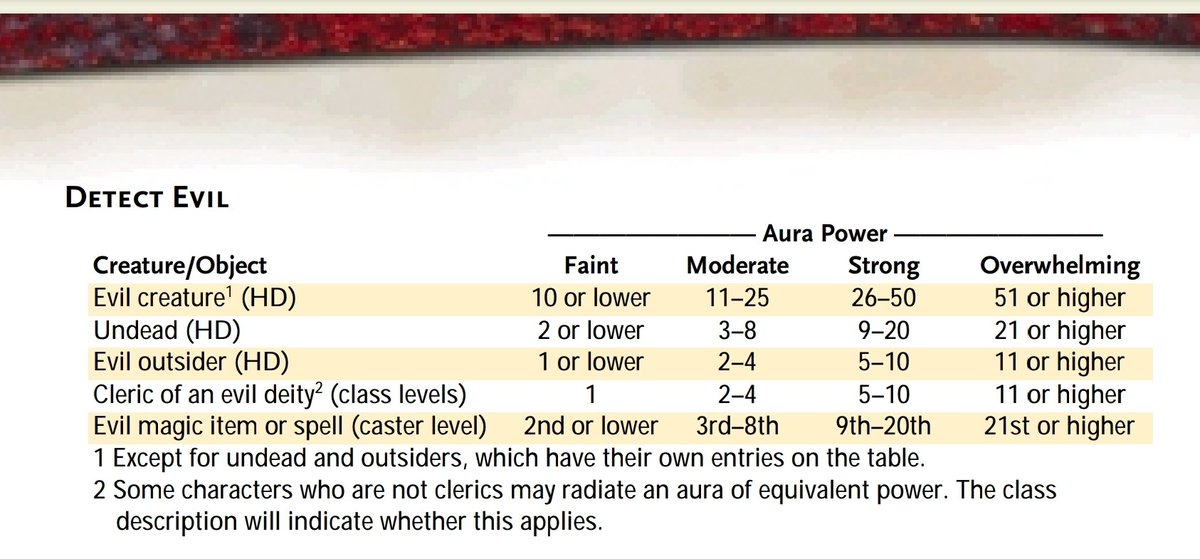

I couldn't have said it better. Actually, I don't think it can be said better. If I could have said it this well, I would have 7 years ago.
@archon explaining why you need skills and going 95% as far down that road as I do, stopping just short of skill points.
BUT ...
Jun 10

youtu.be/PwVLwbIzXZ4?si=f2Bb…
Debunked by the The Autarch himself.
1
1
38
There are times when success is guaranteed, there are times when failure is guaranteed, and there are times in the middle. PC actions swing that needle one way or the other constantly and most of us don't even think about it consciously. It's the DM's job to arbitrate that.
2
13
Reposting bc wrong qrt.
"Coup de grace." That one's on me and I'm sorry for it.
However numbers just aren't everything. Sometimes a PC can just do a thing that the situation calls for. 5e doesn't have "the numbers;" PC actions can change the status quo.
x.com/i/status/2064555857631…

It's setup and payoff. If you hit an NPC with sleep darts or poison his drink to incapacitate him, yeah, you can just punch him.
With a CHA check, there's more going on because the NPC also has to be persuadable. But there's no real reason you can't "coup de gras" a CHA check.
5
Tend to agree. You're better off if your game has a broader scope than your table is using so that when odd situations arise your GM, the smartest person at the table, the one most willing and able to read that much game material, hopefully knows where to find that rule.
vs ...

Most tables aren't trying to simulate civilizations, mass combat, or economics. They have a smaller, less grand scope. They are trying to simulate a fantasy novel. And fantasy novels have deus ex machina.
You're far better off using a robust, rules heavy system like ACKS and having a judge who intervenes to maintain cozy vibes when necessary, than using a rules lite system that is incapable of doing the grand campaign stuff later on, forcing your "Guru Mediator" to scramble for satisfying rules for how many barrels of whiskey are available.
I haven't checked for this rule specifically, but I'm sure ACKS already does that.
2
1
12
352
... Having a minimalist ruleset read by the most willing, who is less often the most capable, that hardly covers the scope of the table's interests so that when the party deviates even a little bit the GM has to make up a whole sub/system on his own.
1
9
39
Evard's tentacles are black.

It's fascinating how every fantasy setting universally agrees that "corruption" is purple, causes insanity, and there are tentacles.
23
#DnD This is why my world allows monsters like vampires and stuff to affect all humanoids, not just humans. It's also why I often find it difficult to work ghouls, lycanthropes, and liches into most places areas while keeping the world coherent.
...

1
35
... These things could be sent or called from other planes, but deities usually discourage that for good reasons--the same reasons they don't just all attack directly. It's exceedingly rare for someone to become powerful enough to pull this crap on his own.
3
3-point-X-ter Metagames.Errata retweeted

Jun 14
Number Four: candles weren't common among the poor. You see, candles take time and effort to make. You have to buy them from the chandler. It's MUCH easier to just use a simple oil lamp - these would basically look like Aladdin's lamp.
The reason you light a candle in someone's memory at church is because it's literally a sacrifice. Not just something you do at the drop of a hat. Which is also why you wouldn't normally see a lot of candles burning at once, except at a church or if a lord is showing off his wealth with that fancy chandelier.
You guys have more examples than these I'm sure. Fire arrows, Greek fire, fire starting. Let me know.
4/4
8
4
316
11,076
3-point-X-ter Metagames.Errata retweeted

Jun 13
The 10th circle of hell is trying to pitch a ttrpg campaign idea to your very uncooperative players who never know what they want
2
1
4
231
I misspelled "coup de grace." That one's on me and I'm sorry for it.
However the number just aren't everything. Sometimes a player can just do a thing because the situation calls for it. 5e doesn't have "the numbers;" PC actions can change the status quo.
x.com/i/status/2064554431991…
One of the edition's strength is actually the incremental status effects that you can apply for inhibitions. We all know it's POSSIBLE to miss while swinging a hammer at a statue half asleep, drunk as a skunk, and staggering. 3.x lets you feel like the penalty isn't arbitrary.
13
Okay. So his meal was stolen, he is literally begging to have some of it back, and it's adorable to watch. Appreciate the full explanation of behavior, that's awesome, but you just described why wolves become beggars.
Jun 12

That wolf is not begging. It's running a cost-benefit calculation that wildlife biologists have been studying for 30 years.
What you're watching is kleptoparasitism. The wolf likely made this kill, and the grizzly walked up and took it. In Yellowstone, grizzlies usurp wolf kills constantly, sometimes within hours. One Yellowstone biologist watched a single bear hold 24 wolves off a bull elk they had brought down. The wolves sat and waited their turn.
The "playful puppy" posture is the wolf reading the odds. A hunt is dangerous and usually fails. Staying near a carcass a bear has claimed costs almost nothing. So the wolf lowers its body, keeps its distance, and waits for the bear to eat its fill and leave scraps. That submissive crouch is the optimal move, not affection.
The counterintuitive part: this theft makes wolves kill less, not more. For 20 years researchers assumed bears stealing carcasses forced wolves to hunt more often to make up the loss. Then a study across Yellowstone and Sweden found the opposite. Brown bear presence lowers the wolf kill rate in both ecosystems. Same finding, two continents, which is what convinced the biologists it was real.
Wolves put extra food on the landscape for bears. Bears give nothing back. They take a share of the shared prey and pirate the kills outright. For a Yellowstone boar, meat can run as high as 80 percent of the diet, and a lot of that protein arrives pre-hunted by a pack that did the dangerous work.
What looks like a puppy asking for a treat is one apex predator subsidizing another, and getting nothing in return.
1
19
3-point-X-ter Metagames.Errata retweeted

Or the Roos all made their saving throw and I was just DM narration 🤣
2
1
5
71
Pet-free rangers are an interesting idea. I have those options in my games. But it never should have been the majority of the class. That was one of 5e's dumbest moves.
Jun 4

Breaking that mold means we can create classes with much different power bases. For ranger, I'd make the pet a core part of the class and move away from 1/day casting. For monk, I'd make Ki a resource you spend each round (start of turn, refill back to X ki).
1
1
41
Ki as an x/dy resource pool, to me, always feel like martial arts is suddenly magic somehow. Like "Sorry guys. I'm out of literal life force for the day." So good call on that, but uh ... Mike? The game already has resources that refill every turn. They're called actions. lol
1
1
22