
Lifewealth exists to achieve peace of mind and happiness for our clients, people and communities by understanding what matters to them most.
Joined July 2009
- Tweets 6,775
- Following 1,505
- Followers 543
- Likes 2,924
39 Photos and videos






Lifewealth Group retweeted
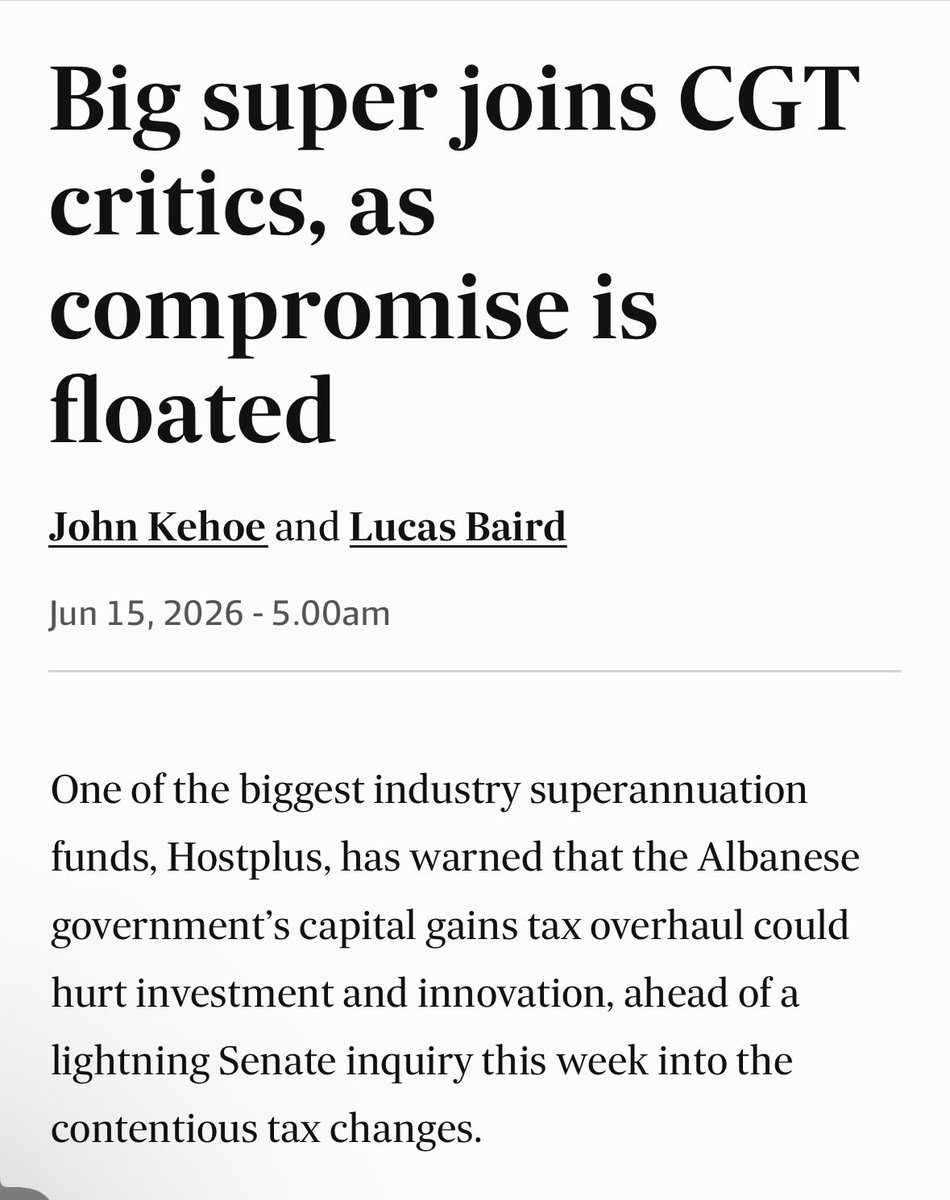
Potential CGT Carve Outs for Startups
afr.com//politics/federal/go…
There is discussion of fast tracking exemptions for startups from the changes to capital gain tax.
I think that's problematic. It should be extended to all small businesses and equities and not simply one section.
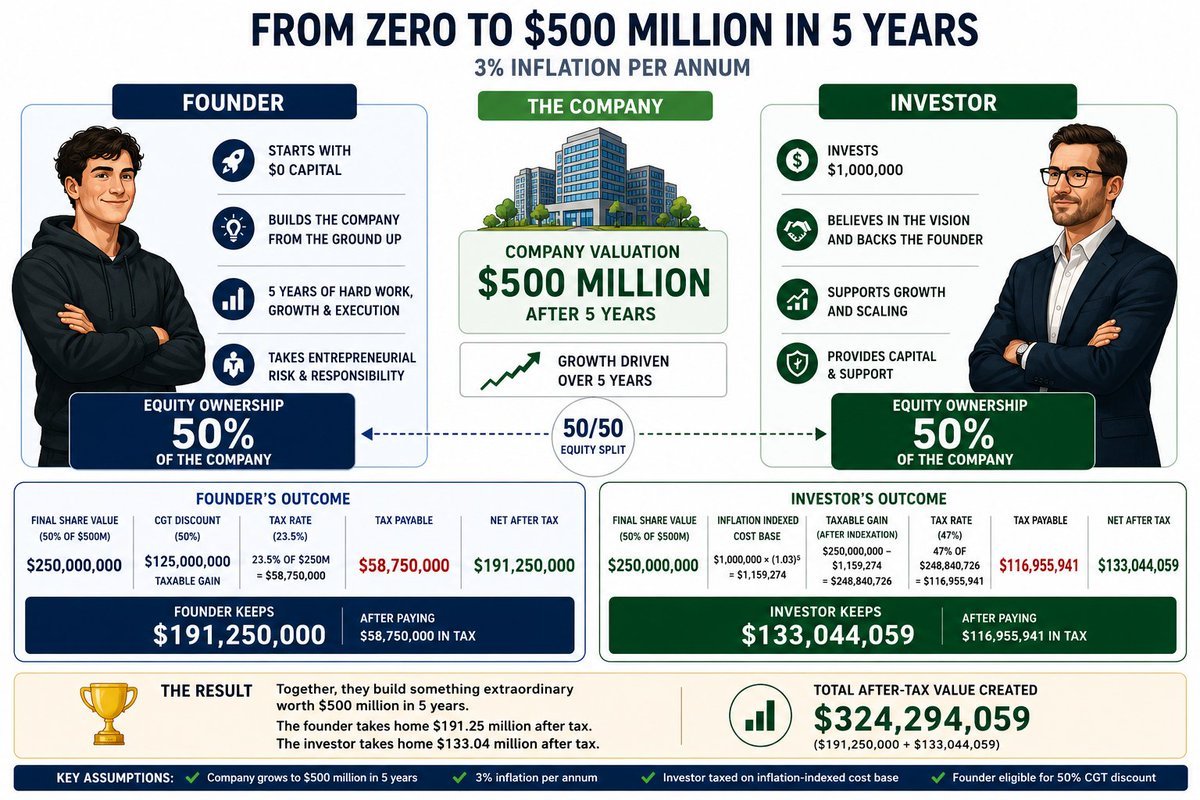
The reason? Well, consider a startup where the founder gets 50% "sweat" equity and an investor puts in $1m for the other 50% equity. Over the next 5 years it grows to $500m and is sold to Google. The inflation is 3%pa during this time.
The founder ends up with $192m while the investor ends up with $133m. That's an ~$60m difference.
The founder pays ~$60m tax the investor pays ~$120m.
Why should the founder and investor be rewarded differently?
We speak a lot about founders as being a special breed, and they are, but if these things fail they can walk away as long as it's non recourse and start again because it's accepted that it is at risk capital.
The investor may have put in their life savings and how do they start again?
It's a false equivalence to say only the founder takes the risk. It really depends on the situation.
A further argument is that the baseline cost for the founder is very low. Well, yes, that's because the investor puts in the money, and the investor's baseline cost on that one deal is also low. So it applies to both situations.
But lets accept for the moment the founder is a special species that should have a carve out.
Then we discover the next problem which is who is going to give that money to the founder? It sure as hell won't be an Australian being taxed at that confiscatory rate. Often angel investors fund multiple deals which have highly volatile outcomes, a few winners, a much larger number of losers, which means the effective taxation is huge given losses are not indexed with inflation which many of us has modelled can mean 70% taxation on your portfolio.
No Australians won't invest in these startups.
It will be a foreigner who invests as they pay no capital gains, and so once again all the best ideas that actually work out will end up in foreign hands. Another own goal for Labor.
It's entirely misconceived just like this change to capital gains.
It should be opposed for all equities and businesses, and startups should push for that outcome as well if they wish to get local funding.
Together we stand or we fall.
2
1
7
344
Lifewealth Group retweeted

18h
Stanley Druckenmiller: “One of the most important things to do is not to play when you don’t see a fat pitch.”
“Historically, I [only] deal in 5 or 6 asset buckets.
It tends to keep me out of trouble…”
Patience & Circle of Competence: knowing when & where to swing.
2
25
165
17,993
Lifewealth Group retweeted
I'll just post my Senate submissions here, given Labor is refusing to do so: Link to my first submission saying the new CGT tax rate is 50%, highest in the world, economy wrecking 147% above world average. All the calculations are transparently provided:
docs.google.com/document/d/1…
4
29
111
2,477
Lifewealth Group retweeted

What about the Nobel laureates in optimal tax theory who advocate asymmetric (lower) taxation of capital gains vs income?
nobelprize.org/prizes/econom…
1
2
22
Lifewealth Group retweeted

Jun 1
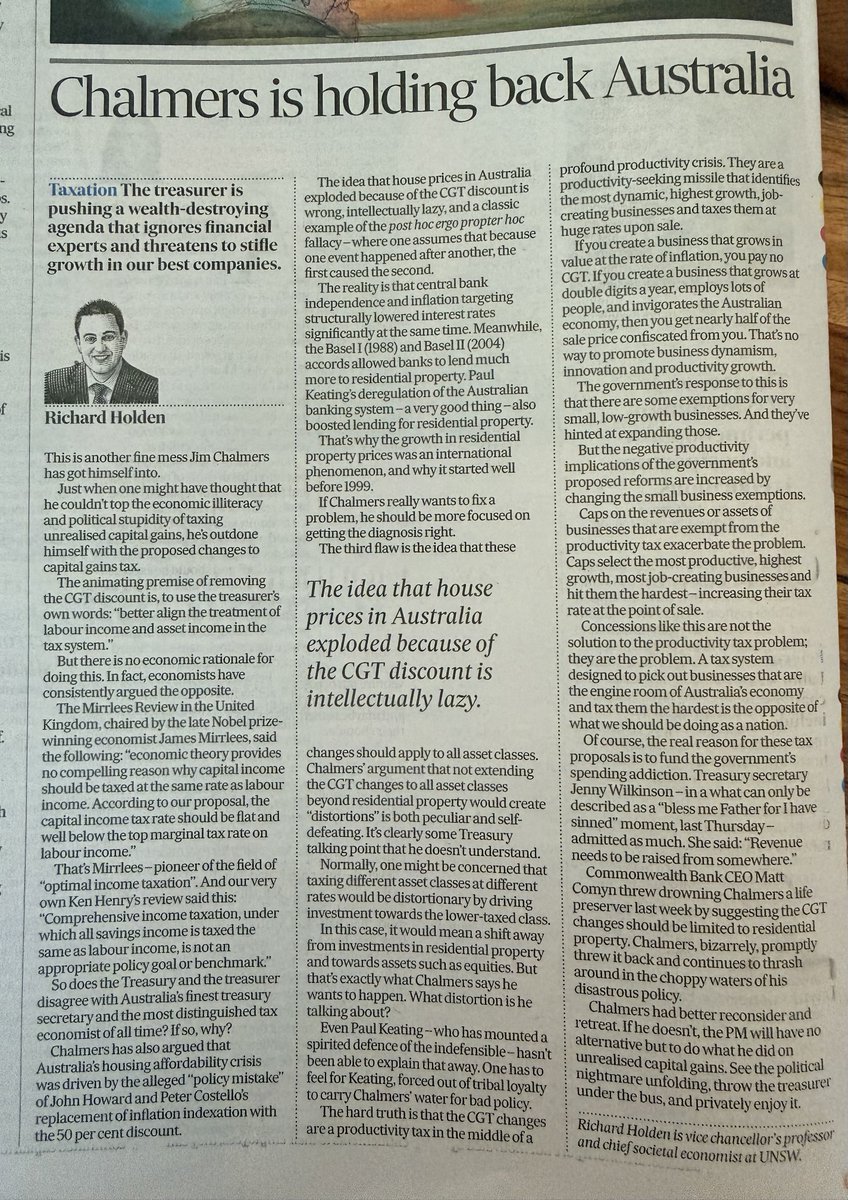
Great article in the AFR today from @profholden. The proposed changes to CGT are an act of self-harm which will incentivise businesses to stay small and grow slowly--the opposite of what we should be doing in a productivity crisis.
53
101
643
17,708
Lifewealth Group retweeted

Australia's CGT changes threaten to kill angel investing and strangle startups. Cheryl Mack explains why policy is failing innovation. startupdaily.net/advice/opin…
3
5
218
Lifewealth Group retweeted
I'm not an "all tax is theft" loon.
I'm not a laffer curve acolyte.
I'm not a flat tax ideologue.
I'm a realist.
Capital and talent in AU are already biased to moving offshore.
A 47% #CGT on high growth startups and assets will just amplify that and hurt AU in the end.
16
3
51
3,313

Australians take note. We seem to be following a lot of what the UK has done. Not sure we are choosing the right example

High tax doesn’t just take a slice of your profit. It marks down the price of your entire company.
UK companies are worth less than US companies because they operate within a more burdensome system.
Here’s the part politicians and wealth tax campaigners miss: a valuation is based on future after-tax returns. Crank up the tax and regulatory drag, and the same business with the same revenue, same team, same customers is simply worth less here than it would be across the Atlantic.
So a buyer sitting in a lighter regime can pay more than any domestic owner ever could, and still walk away with a better return. The high-tax economy doesn’t become a fortress. It becomes the bargain bin.
The longer it runs, the worse the spiral. The best assets drift into foreign hands. Profits get routed out to wherever the rate is kindest.
UK Founders exit to US acquirers. All future growth and profit is on their books. This isn’t theory, I see it happening regularly.
A British company worth $100m will be worth $130m on the balance sheet of an American company.
The state thinks it’s squeezing capital harder. What it’s actually doing is discounting the whole country and putting it on the shelf for someone else to buy.
You don’t tax your way to wealth.
You tax your way to being foreign owned.
3
Lifewealth Group retweeted

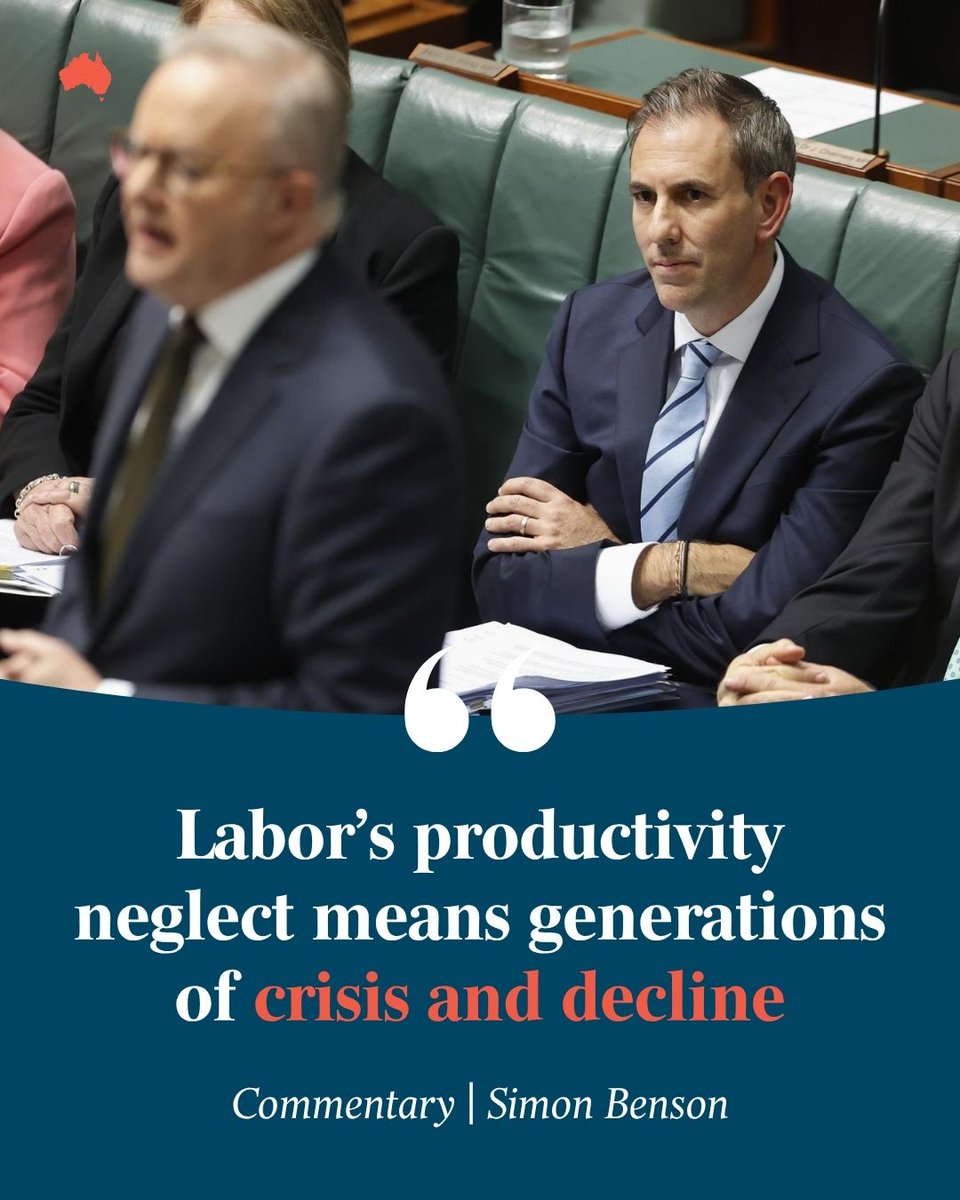
Opinion: Considering productivity is a key to rising living standards, it would appear to lie at the heart of the intergenerational inequity problem the government says it is trying to solve. Read more: bit.ly/4gk37Av
13
9
18
1,805
Lifewealth Group retweeted

Growing up I got to witness my friend’s parents Lynn and Pete.
They worked their asses off to build a pest control business with 40 vans on the road.
On weekends they also renovated run down houses.
Lynn found dozens of small ways to save and invest. Pete was always visibly exhausted.
Their phone never stopped ringing with customers and employees. They always answered it with a smile.
They eventually sold the company and invested their proceeds.
At 55 they bought their dream home, started taking holidays and got newer cars. They could afford to because their net worth had cruised up above $20m.
Decades of delayed gratification finally paid off.
Over the years I’ve met countless wealthy people. There are some lucky ones and some inherited ones. Mostly they fit the description similar to Lynn and Pete… hard working, responsible, independent people who sacrifice for the dream of financial freedom.
These are the people wealth tax campaigners hate and want to punish.
11
17
260
19,347
Lifewealth Group retweeted

13h
The ALP wants to impose a CGT floor that is higher than most developed countries ceiling.
4
6
127
2,586
Lifewealth Group retweeted

One more time. And I've heard zero rebuttal of this or the economic theory behind it. Probably because there isn't one.
**
The Mirrlees Review in the United Kingdom, chaired by the late Nobel prize-winning economist James Mirrlees, said the following: “economic theory provides no compelling reason why capital income should be taxed at the same rate as labour income. According to our proposal, the capital income tax rate should be flat and well below the top marginal tax rate on labour income.”
That’s Jim Mirrlees – pioneer of the field of “optimal income taxation”. And our very own Ken Henry’s review said this: “Comprehensive income taxation, under which all savings income is taxed the same as labour income, is not an appropriate policy goal or benchmark.”
afr.com/policy/economy/there…
25
27
137
6,724
Lifewealth Group retweeted

We are in uncharted waters in Australia. There are deep cracks in both the political and economic foundations that have shaped this country for decades.
For 80 years we had a stable two-party system, where the main centre-right and centre-left parties together attracted more than three quarters of the primary vote. In recent years there has been a political earthquake. Support for the major parties has fallen below 50% of the primary vote. A party that sat at the margins of Australian political debate for 30 years is suddenly the most popular party in the country.
This political earthquake isn’t occurring in a vacuum.
“It’s the economy, stupid.” A lot has changed in recent decades. One thing hasn’t. Australians reasonably expect that economic prosperity will be the non-negotiable foundation of the Australian promise, and that each generation will be better off than the one before it.
That is no longer our reality. Productivity growth is the foundation of national prosperity, and it has been anaemic in Australia for over a decade. Real income per household is still below pre-Covid levels and the cost of living is soaring.
So why are we in a post-productivity era, and why are Australians doing it so tough?
There are many reasons: low levels of business investment, excessive red tape, fewer new businesses being created, and plummeting business dynamism, with fewer people moving from established, low-productivity companies to newer, more dynamic ones.
There is plenty of blame to share. Our current federal and state Governments inherited many of these challenges. They have been decades in the making, as the benefits of the great economic reforms of the 1980s and 1990s wore off and were replaced by poor policy settings.
This is the reality we are operating in. We desperately need an economic reboot, and pro-productivity, pro-growth policies.
The Government’s response is a budget that does the opposite. It destroys the incentive for companies to invest. It destroys the incentive for companies to hire. It destroys the incentive for people to start something new. It is exactly the wrong set of policies at exactly the wrong time.
There is a silver lining. For the first time in a long time, we are having a real debate about the kind of country we want to be. Australians are making their voices heard, advocating for an Australia where ambition and aspiration are admired and encouraged, not denigrated.
We are a remarkable country with a great standard of living and quality of life and high levels of social cohesion. It is time to stop taking these things for granted and fighting for a better Australia.
That is the conversation we need to have.
28
17
205
13,998
Lifewealth Group retweeted

Jun 13
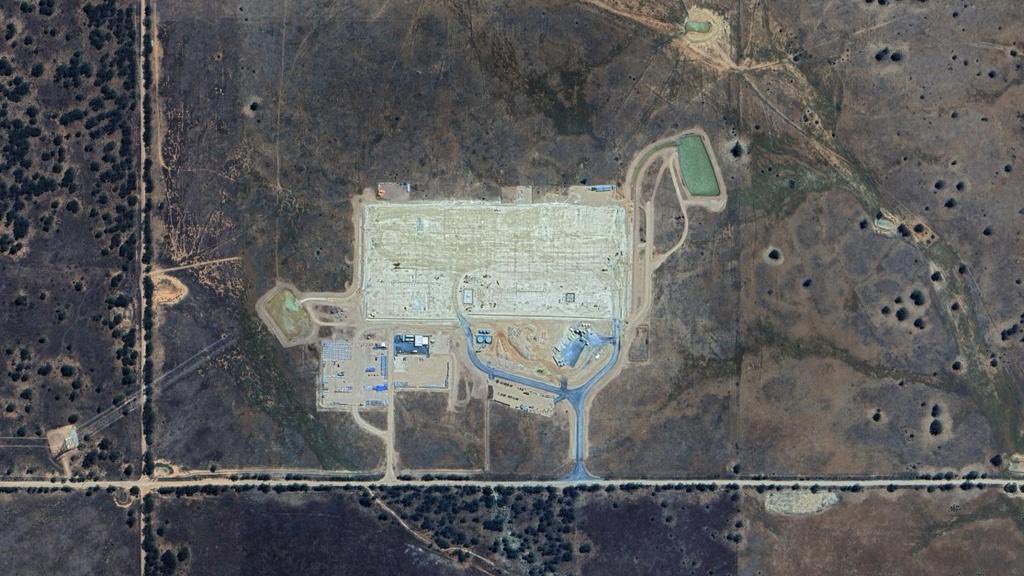
$IREN satellite image of planned data center in South Australia (google earth) 🇦🇺
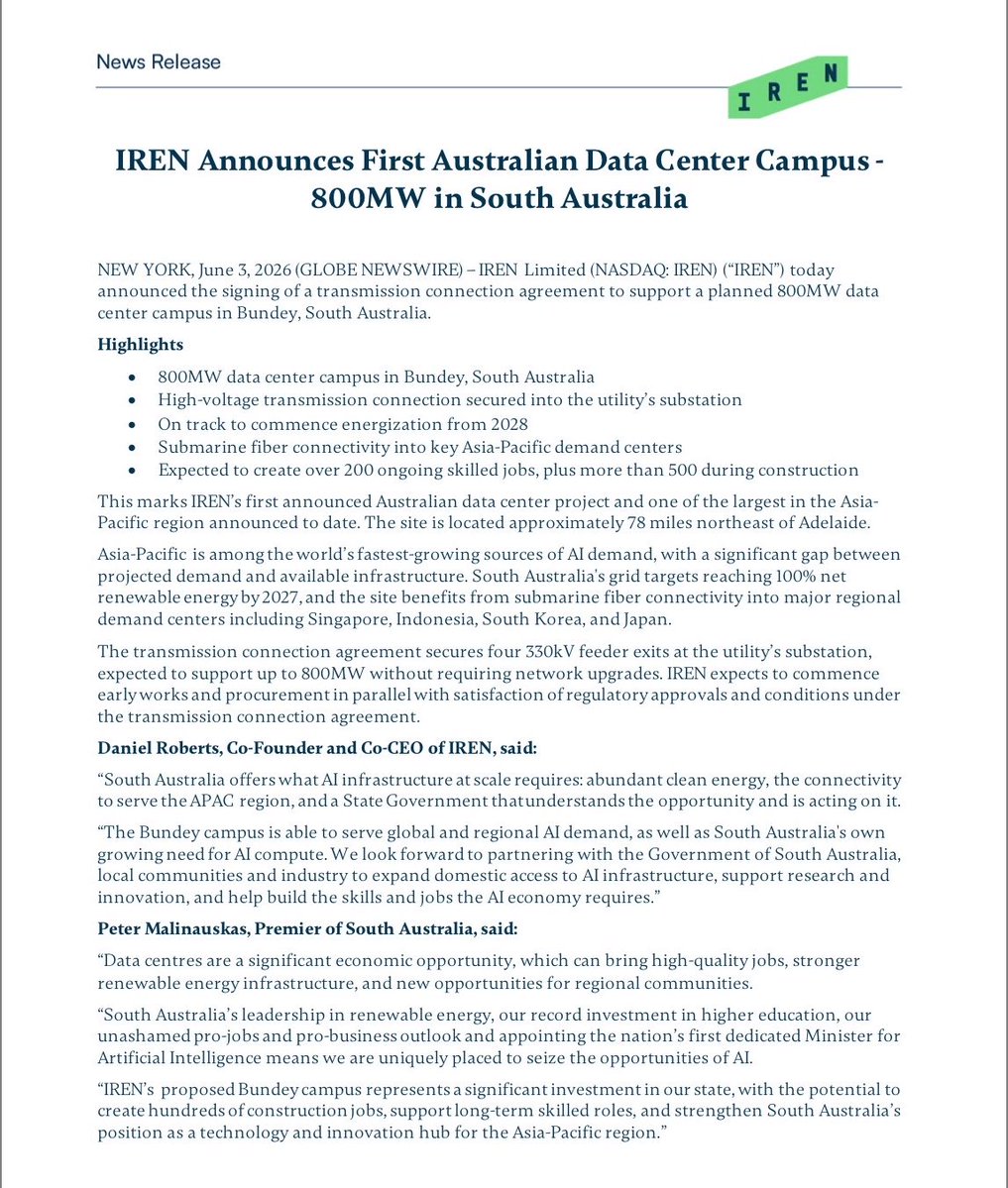
At 800 MW this would be the largest data center in Australia. The current largest is CDC data centres’ 504 MW campus.
The real question is how long till delivery and will Anthropic Microsoft’s recent investment in the region have anything to do with this project.

$IREN ANNOUNCES FIRST AUSTRALIAN DATA CENTER CAMPUS - 800 MW IN SOUTH AUSTRALIA 🇦🇺
21
48
341
59,468
Lifewealth Group retweeted

West Australian entrepreneur Adrian Fry says the next generation of AI businesses are ‘globally mobile and scalable’, making it an easier decision to relocate ebx.sh/gFXwqx
2
2
5
1,782
Lifewealth Group retweeted
ANZ chief executive Nuno Matos has bluntly warned that the nation’s obsession with safety is choking its economic growth. ebx.sh/CgHeqP
4
4
18
3,304
Lifewealth Group retweeted

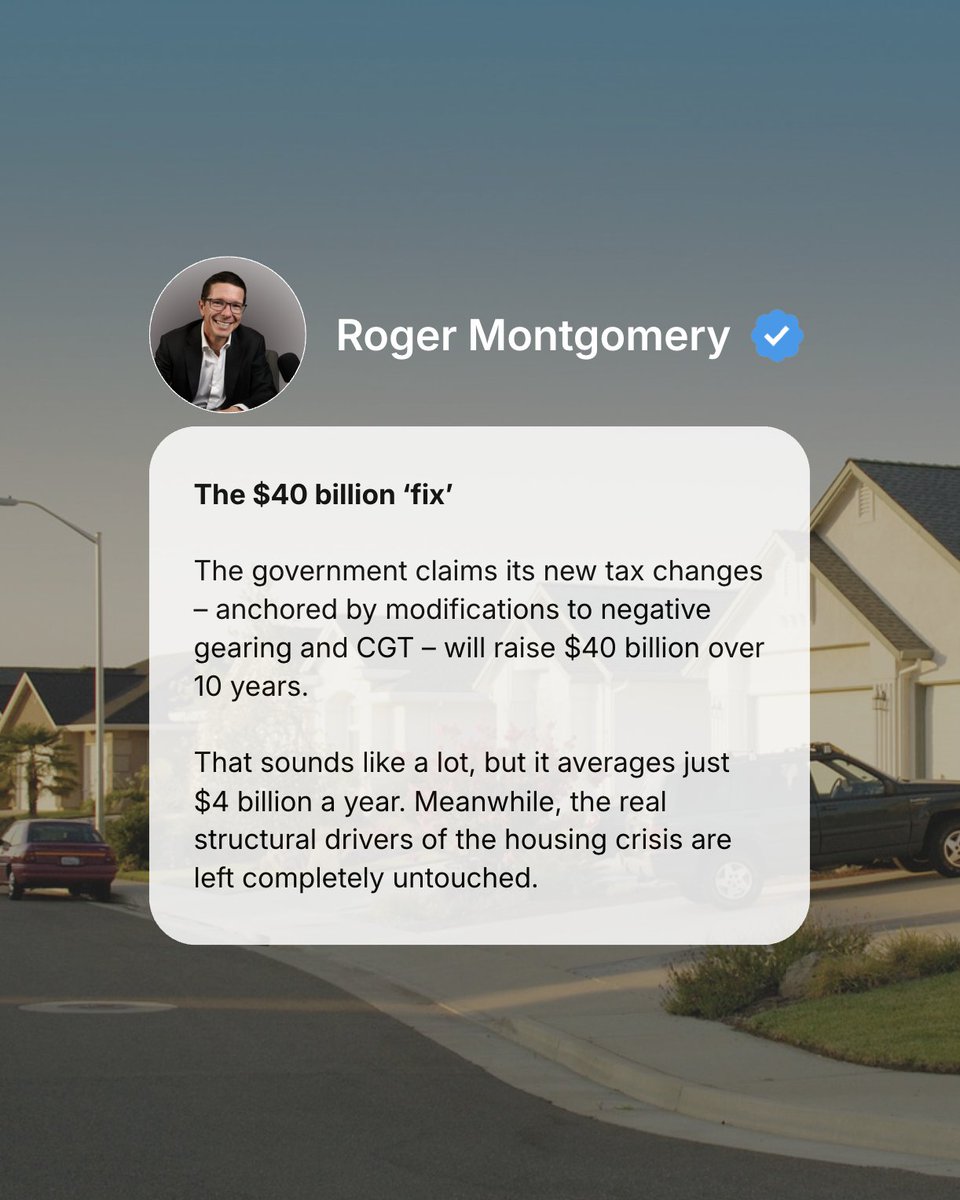
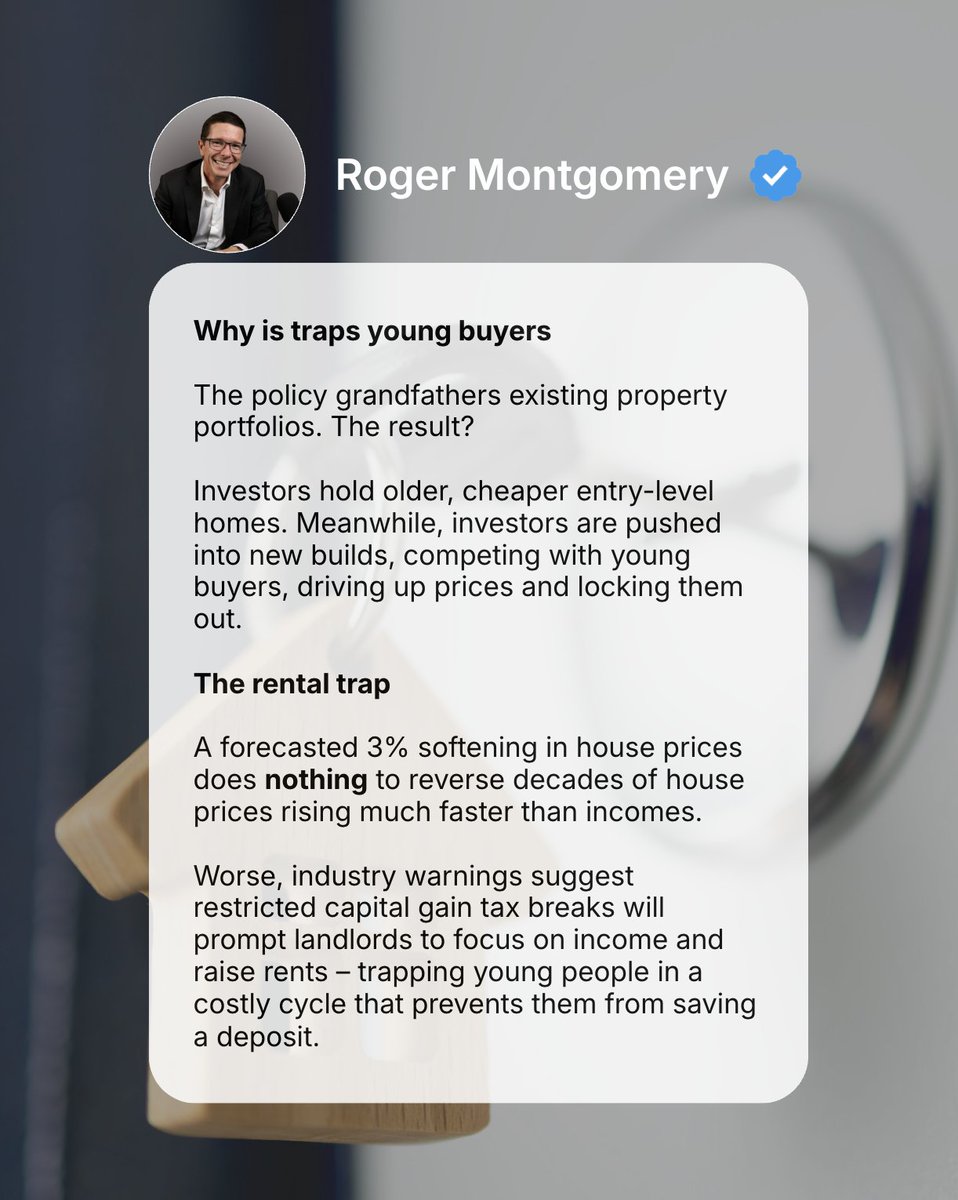
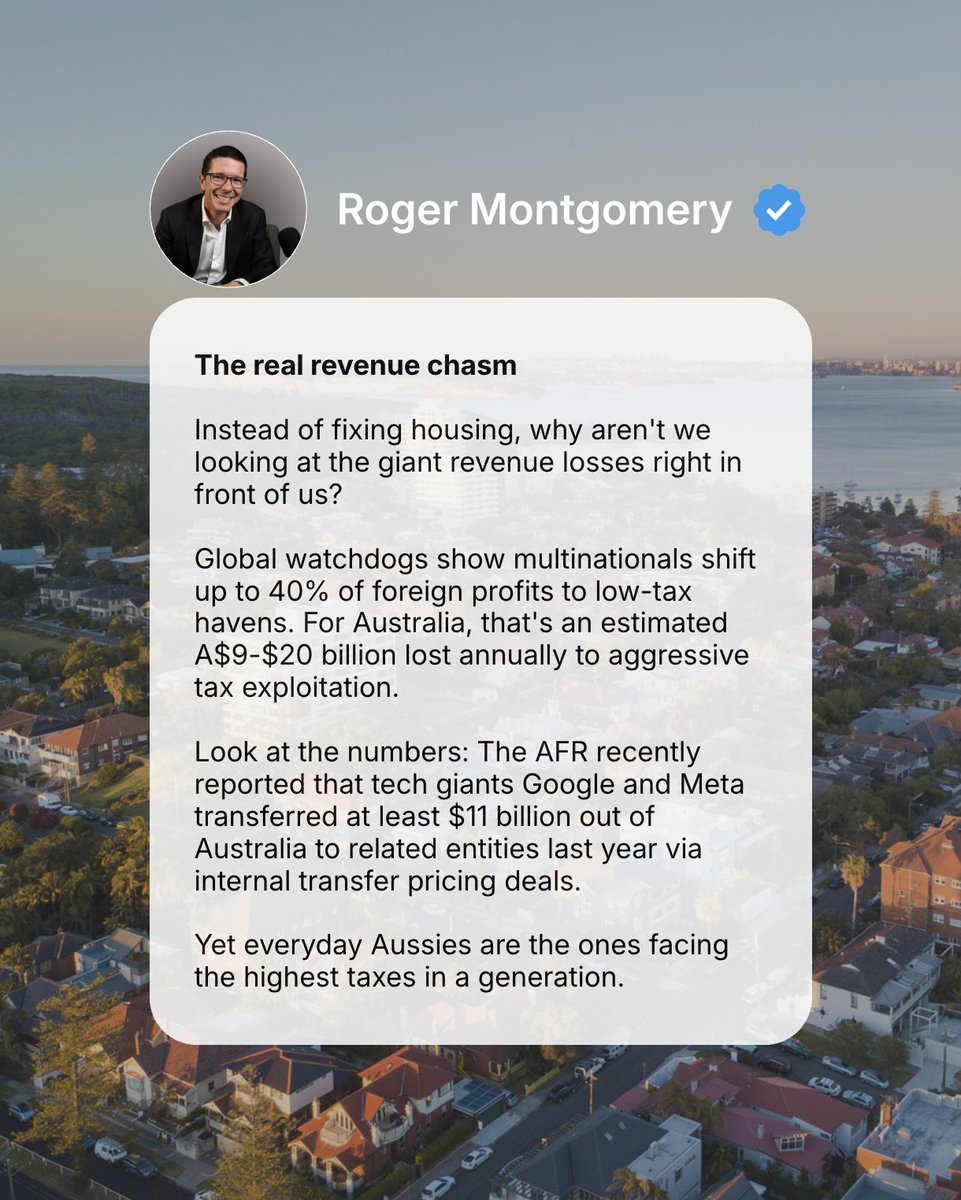
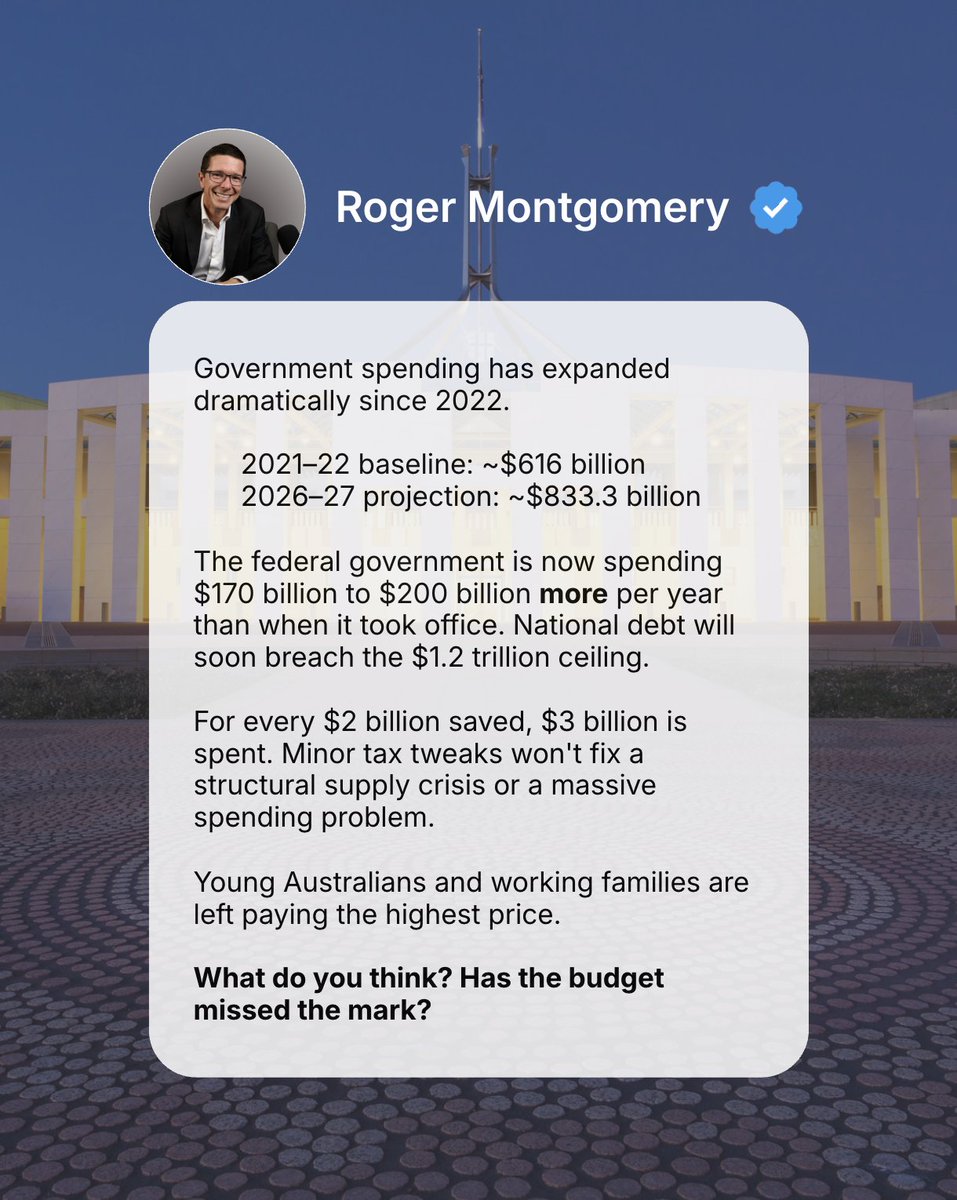
Why the 2026 Budget could leave young Australians holding the bill.
The latest 2026–27 Federal Budget relies on marginal tax tweaks to fix a massive, structural housing crisis – while ignoring billions lost to multinational profit shifting and skyrocketing government spending.
Instead of helping young people buy a home, these changes risk locking them into an expensive rental cycle while the economic drivers of the crisis remain intact. Swipe through to see the real numbers behind the budget.
#AusPol #FederalBudget #HousingAffordability #AustralianEconomy #NegativeGearing #TaxReform
8
15
42
1,621
Lifewealth Group retweeted

17h
Over 1000 Submissions to Senate Enquiry on CGT
One of our agents have been in touch with the Senate this morning.
There were over ONE THOUSAND submissions.
They stated there was no way they will all be published before the hearings begin, they are just not capable of that turnover.
They understood that this could be interpreted by some as a deliberate white wash. They assure us that is not the intention.
The lack of disclosure and transparency should be placed right at the door of Anthony Albanese and Jim Chalmers for this Whitewash.
If they are so confident of the wisdom of their plan why have they silenced over 90% of submissions?
It's a disgraceful abrogation of their fiduciary obligations to open and transparent governance.
@mcranston1 @PhillipCoorey @GeoffWilsonWAM @PaulineHansonOz @AngusTaylorMP @ajamesbragg
14
44
184
5,105
Lifewealth Group retweeted

Jun 14
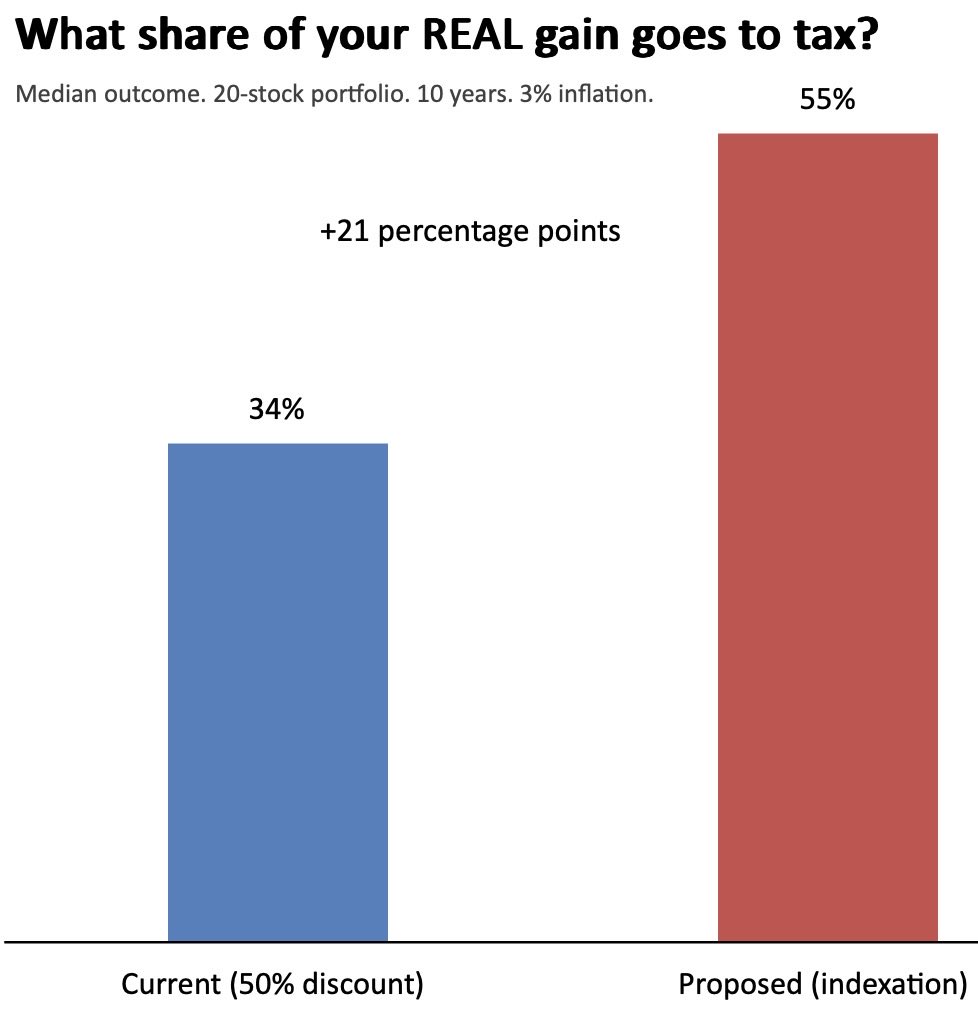
That’s genuine analysis from David M, 60 per cent increase in CGT tax from 56,000 runs on historical data, in contrast to the gaslighting and dishonesty from Jim C on this giant CGT tax grab!
x.com/David_McMahon75/status…

I’m seeing lots of assertions that the CGT policy changes won’t affect the average share market investor. This is dead wrong. I simulated 50,000 different 20-stock portfolios using actual historical share price returns on 26,000 stocks. The typical investor is far worse off.
4
13
76
3,514
Lifewealth Group retweeted

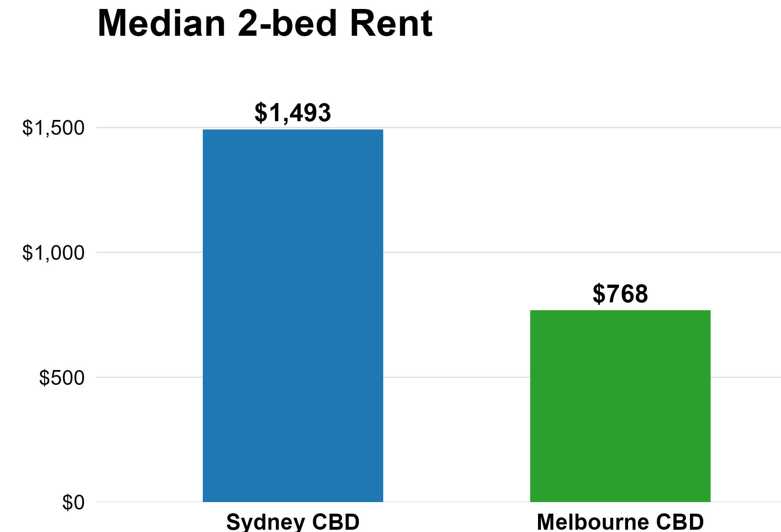
Over the past decade, the City of Melbourne has allowed about 10,000 more dwellings than the City of Sydney (which you can see by looking at the skylines).
As a result, rent in Melbourne is half that of Sydney.

13
24
246
17,242