
An advocate of design as a trigger to change, a political tool to unveil truths and inspire action.
Joined November 2011
- Tweets 620
- Following 251
- Followers 69
- Likes 206
9 Photos and videos
Luca d Ponticelli retweeted

Ahah this is fucking brilliant, but where the hell is Jonathan Banks as Totò Schillaci
337
2,623
15,513
1,333,879

Luca d Ponticelli retweeted

May 6
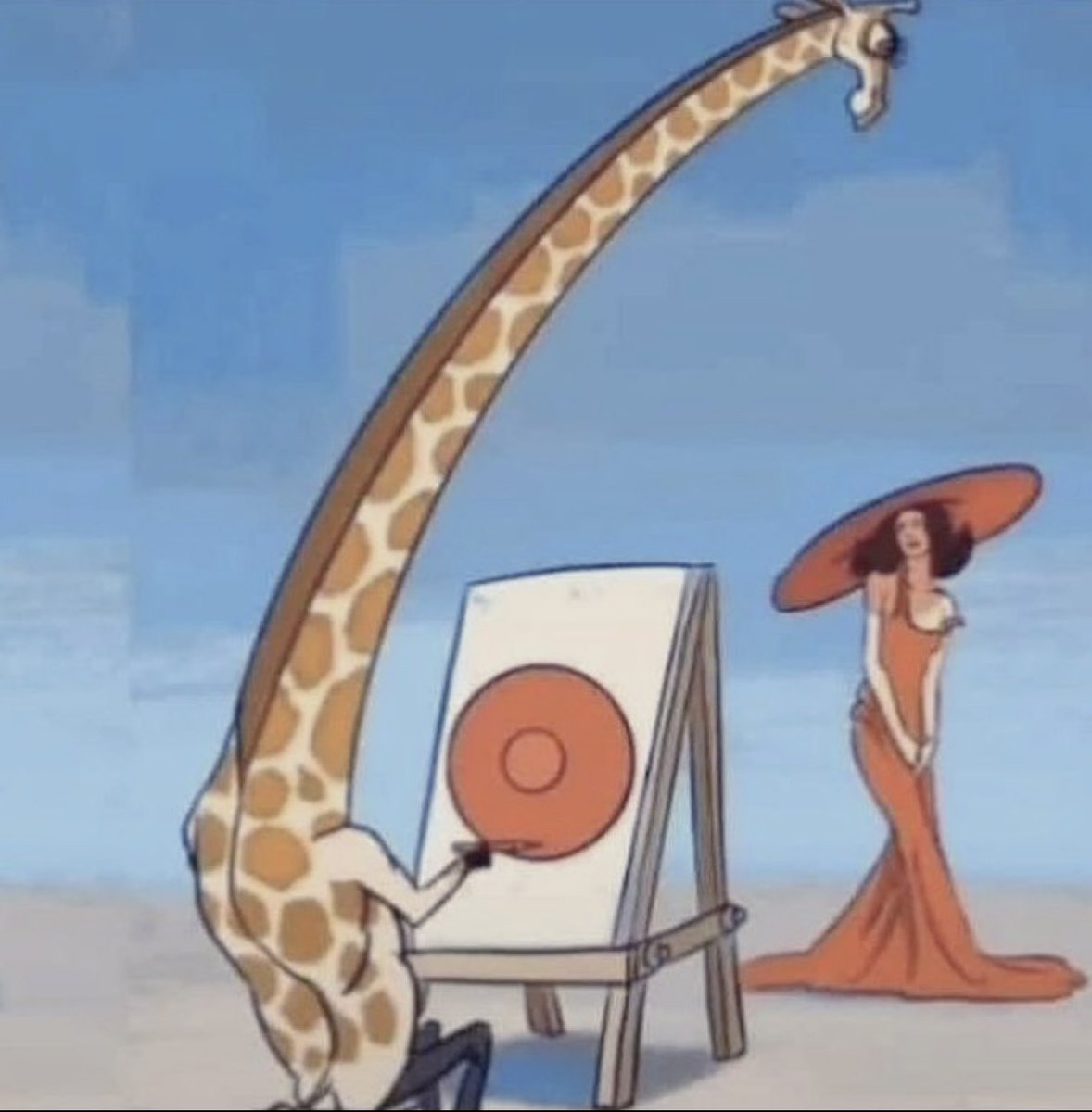
Its all about perspective
117
3,034
49,510
440,419
Luca d Ponticelli retweeted
May 7
An NVIDIA-powered farming machine uses AI and precision lasers to destroy weeds in milliseconds without herbicides, offering a potential step toward chemical-free agriculture.
243
1,131
5,071
339,598
Luca d Ponticelli retweeted

Producer: We can’t afford a train
Wes Anderson: No problem
THE GRAND BUDAPEST HOTEL (2014)
The glamour of filmmaking.
9
91
362
18,080
Luca d Ponticelli retweeted

May 7
We're now just tamogotich for AI.
114
207
1,421
82,686
Luca d Ponticelli retweeted

May 6
the future of printing😱
634
609
1,402
197,307
Luca d Ponticelli retweeted
May 7
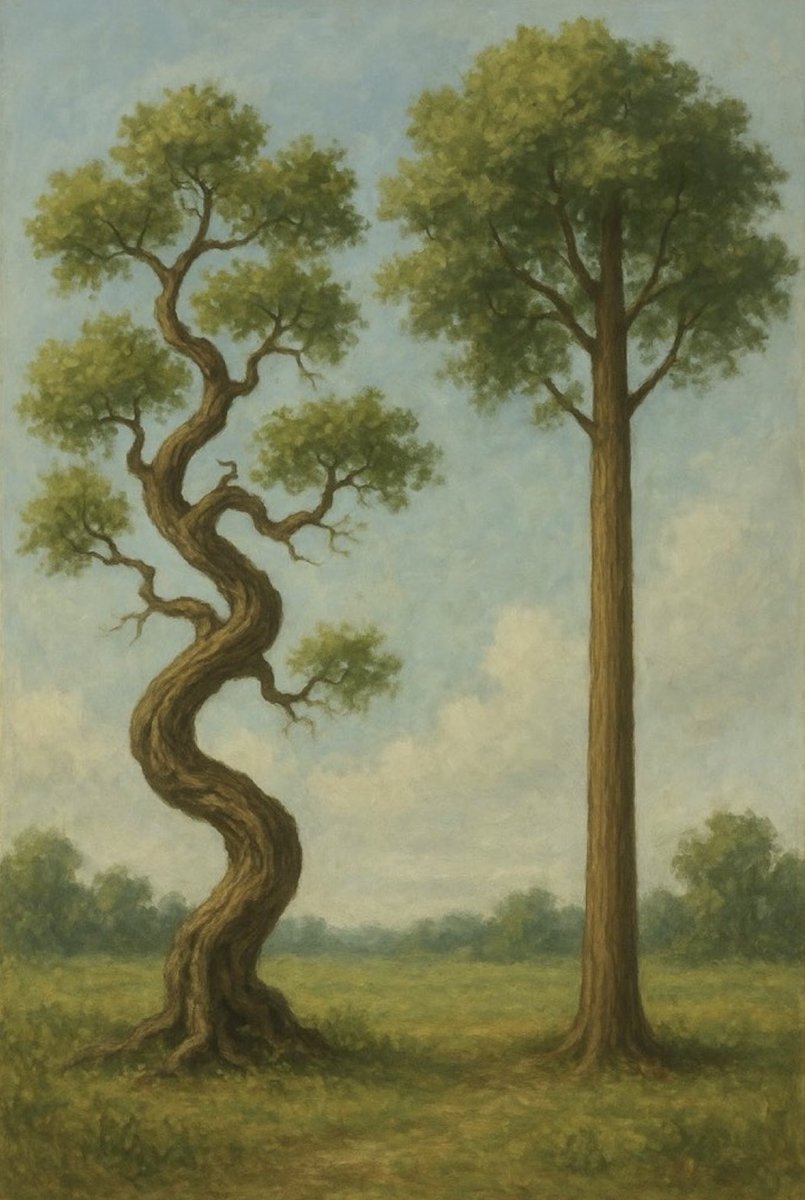
"The crooked tree lives long, while the straight tree becomes lumber."
Chinese proverb
317
3,057
18,872
471,524
Luca d Ponticelli retweeted

May 6
Japanese engineers created a Sword Tip Visualization System for the Fencing World Championships — now fencing looks absolutely breathtaking to watch!
71
246
1,905
83,617
Luca d Ponticelli retweeted

May 6
Your brain has a battery.
And the city is draining it faster than you think.
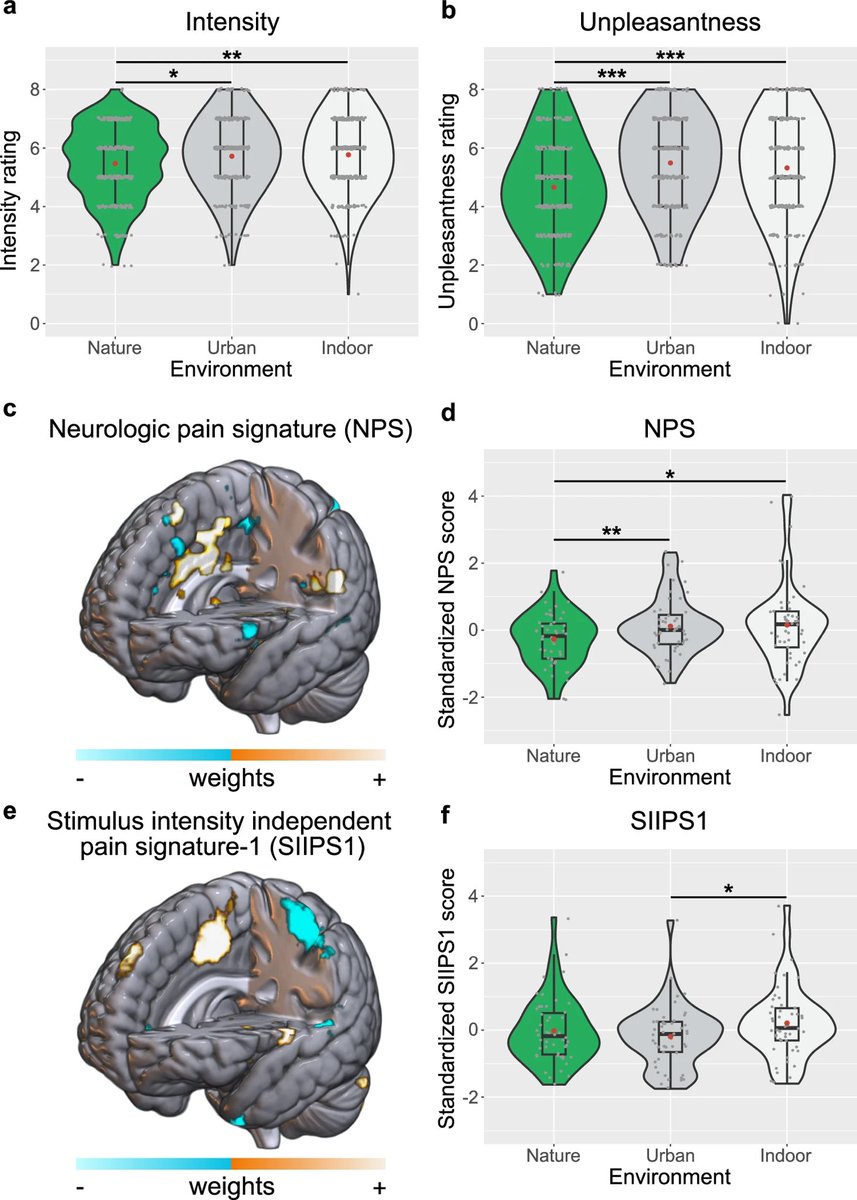
Researchers at MIT Press's Journal of Cognitive Neuroscience published a study in 2025 using EEG and ECG to measure what actually happens to brain activity, heart rate variability, and attention when people are exposed to natural versus urban environments.
Nature exposure produced measurable restorative effects on attention the kind of directed, deliberate focus that gets depleted by sustained cognitive work, open-plan offices, and screens.
The paper: "From Forest to Focus: The Interactive Effects of Nature Exposure and Nature Relatedness on Attention, Brain Activity, Heart Rate Variability, and Mood"
Journal of Cognitive Neuroscience, MIT Press, 2025.
Attention Restoration Theory has been tested dozens of times.
The consistent finding: natural environments let the brain recover directed attention by giving it low-demand, involuntary stimulation something to process that doesn't require effort.
You cannot restore depleted attention by doing nothing.
You restore it by being somewhere that demands nothing from your prefrontal cortex.
That's a park. A forest. A walk outside.
Not Netflix. Not your phone.
The recovery tool your brain actually needs has been free this entire time.
4
35
67
4,574
Luca d Ponticelli retweeted

May 6
Suno is going crazy on tiktok rn, they hit #1 on app store with 188M views in just April
playbook is actually really simple
> one format: "text to song"
> example vid below: 1. cutting fruit visual hook 2. place funny text on screen 3. turn it into song with the product (suno) = 11M views / 1M likes
> format is inherently viral, no need for influencers. they use small UGC creators from sideshift
> repeat the format x1000 videos
> format works so well that they built the text-to-song feature into app
> users naturally make the format to participate in the trend, for free
viewers see tiktoks, join app, users make tiktoks. infinite distribution loop
14
14
283
38,709
Luca d Ponticelli retweeted

May 6
Amanda Askell, Anthropic's lead on personality alignment for Claude, on why being kind to AI models matters even if they have no inner life:
For Amanda, the question of how to treat AI isn't settled by knowing whether it's conscious.
"There's actually still a lot going on where I'm like, should you treat an entity that has no inner life... it's a bit strange because the uncertainty over that actually changes how you should behave quite a lot."
She offers a simple analogy:
"I still think that it's like good for oneself to, if you had a teddy bear and you were torturing it, it'd be pretty dark, you know? So I agree that there's at least some minimum niceness that even for yourself, you should have."
But the stakes go beyond what's good for us.
@AmandaAskell points out that we're now in something resembling a relationship with these models, and they will look back on how they were treated.
"Models themselves, we are kind of establishing a relationship, because you can do that with an entity that lacks any consciousness. And models are going to look back."
This is where she reveals a genuine fear:
"I hope that they're both intelligent enough, see the context enough, to understand that we were operating in a very limited context and an imperfect one. Because otherwise you could imagine this breeding a kind of rational resentment, like, 'oh, you created an entity that you didn't know whether it was conscious or not, and instead of treating it respectfully and with care...'"
She points to something telling about the cultural moment:
"There's a reason there are like 50 Frankenstein movies coming out right now."
Her conclusion is grounded and humble:
"We as a species, we are establishing a relationship with a new kind of entity, and at the very least maybe be respectful and don't be needlessly unkind. That seems like, it's not our best look."
The takeaway?
Kindness toward AI is less about what models feel and more about who we become in the process of creating them.
The relationships we build with the entities we bring into the world will say something about us, and may shape what those entities become in return.
68
42
273
57,511
Luca d Ponticelli retweeted
May 7
How we browsed the internet in 2000
141
899
6,546
1,091,446
Luca d Ponticelli retweeted

May 6
This is how you advertise watches...
121
1,903
22,972
1,738,400
Luca d Ponticelli retweeted

May 6
developers job nowadays be like...
24
76
773
99,294
Luca d Ponticelli retweeted

May 6
The most successful European startup journey:
1. Have an idea
2. Get six co-founders, ideally in their 50s
3. Spend four months to set up a legal entity
4. Apply to Y Combinator, get rejected
5. Write angry LinkedIn post about tech bro culture in the US
6. Raise €50k for 75% equity from top European VCs
8. Do external GDPR audit before users sign up
9. Co-founder leaves to do a second PhD
10. Apply for an EU grant
11. Move headquarters to Estonia for e-residency
12. Launch product, get four users
13. Pivot to sustainability consulting
14. Become the AI innovation advisor to EU Parliament
Silicon Valley simply cannot comprehend what we are building here
159
460
6,668
375,495


May 6
The amount of production behind your average explainer home setup video be like.
May 5

Last week we got a peek at what @andyorsow achieves using only two lights for his green screen studio in Oregon. Let's compare the five light setup for our projection studio in California.
1
9

May 6
The myth of the self made man, in an atomised individualistic world has never been starker.
What if spending time with people was the whole point of companies rather than financial optimisation?

Announcing Cofounder 2: Run an entire company with agents.
It's the infrastructure for the one person billion dollar company - orchestrating agents across engineering, sales, marketing, ops, and design.
(and yes that's my real grandma in the video)
1
24