
CEO @Premierroofco. Previously @Bellhopmoving @Uber @HarvardHBS Tweeting lessons learned along the way in business and in life.
Joined June 2012
- Tweets 298
- Following 695
- Followers 1,482
- Likes 31,625
36 Photos and videos







Luke Marklin retweeted

11 Sep 2025
Americans don’t understand just how special they are, how much light the American revolution brought into the world, and how much all the great competing revolutions of the past 300 years have been a darkness and a blight on the world that has only ever been pushed back by America’s example or American power.
The communists and Islamists and others never liberated a single soul or brought anyone out of destitution into prosperity or helped anyone turn democratic. Only America, with all its faults and fissures and self-doubt, ever did that.
I was asked several times over the past day what I thought of Charlie Kirk’s assassination. I didn’t answer because I was confused by my own reaction, by how deeply and powerfully it affected me.
I thought at first it was because he supported Israel’s existence at a time of normalized bigotry, and that’s probably part of it. But I couldn’t imagine feeling quite this strongly for most other defenders of my people’s right to exist. This went deeper.
Maybe I was sympathizing with the prevailing mood among American conservative friends over the past 24 hours. Maybe. But it felt deeper still.
It felt personal.
Which is strange, because I have no strong views or meaningful knowledge of most of the issues and culture wars Charlie took part in. America’s great debates on gun control, abortion, gender or healthcare are all mostly foreign to me. Yet I felt like I personally lost something in Charlie’s death.
And then it hit me.
Steven Pinker and many others have made this point a million times before, this essential point about America, about the American-led world, and, despite America’s obsessively discussed failings and imperfections, how infinitely better this world is than the world before America.
And Charlie, who hailed from a generation almost defined by its loss of faith in the West, became a kind of engine of renewed faith in Americanness - in the America that any Jew who knows their history can’t help but love.
My people, my own children, could live and thrive in the world Charlie believed in, the world America made, sometimes with its power but mostly by its example.
Charlie was a political pugilist. People may disagree bitterly with him on a dozen issues I scarcely understand. I can only comment on this one small thing - this very big, defining thing - that I know something about.
Charlie believed in the good that America brought to the world, believed it was still America’s fundamental story, and carried that gospel into the American culture wars with the earnestness of the evangelists of old.
May his death, like his life, raise a generation of new believers in that American promise. It isn’t fashionable to say it nowadays, but the truth isn’t always fashionable: The future happiness of humanity still, despite everything, depends on it.
9 Sep 2025

The French Revolution was a disaster: killed 2 million people, led to the rise of Napoleon--perhaps the world's first totalitarian fascist dictator, who began wars of conquest that killed an additional 4 million people, led to the restoration of slavery, to the restoration of the monarchy, and a delay of democracy in France by perhaps a century.
Russian Revolution killed several million, led to the Russian Civil War--which killed another 9 million--led to the rise of Stalin, who killed 20 million.
There's an old cliché: you can't make an omelette without breaking a few eggs. Well, it ignores the fact that people aren't eggs, and that generally does not result in an omelette.
Again, the Chinese Revolution, perhaps the most disastrous event in history, led to the Great Leap Forward and the Cultural Revolution, killed perhaps 30 to 40 million people altogether.
Clip from the @IAI_TV
156
1,082
4,417
596,870
Luke Marklin retweeted

21 Feb 2025
One of the coolest moments I’ve ever witnessed. The ENTIRE arena sang the US National Anthem in unison. The ending is impossible to describe…
811
4,361
35,019
1,358,814
Luke Marklin retweeted

26 Nov 2024
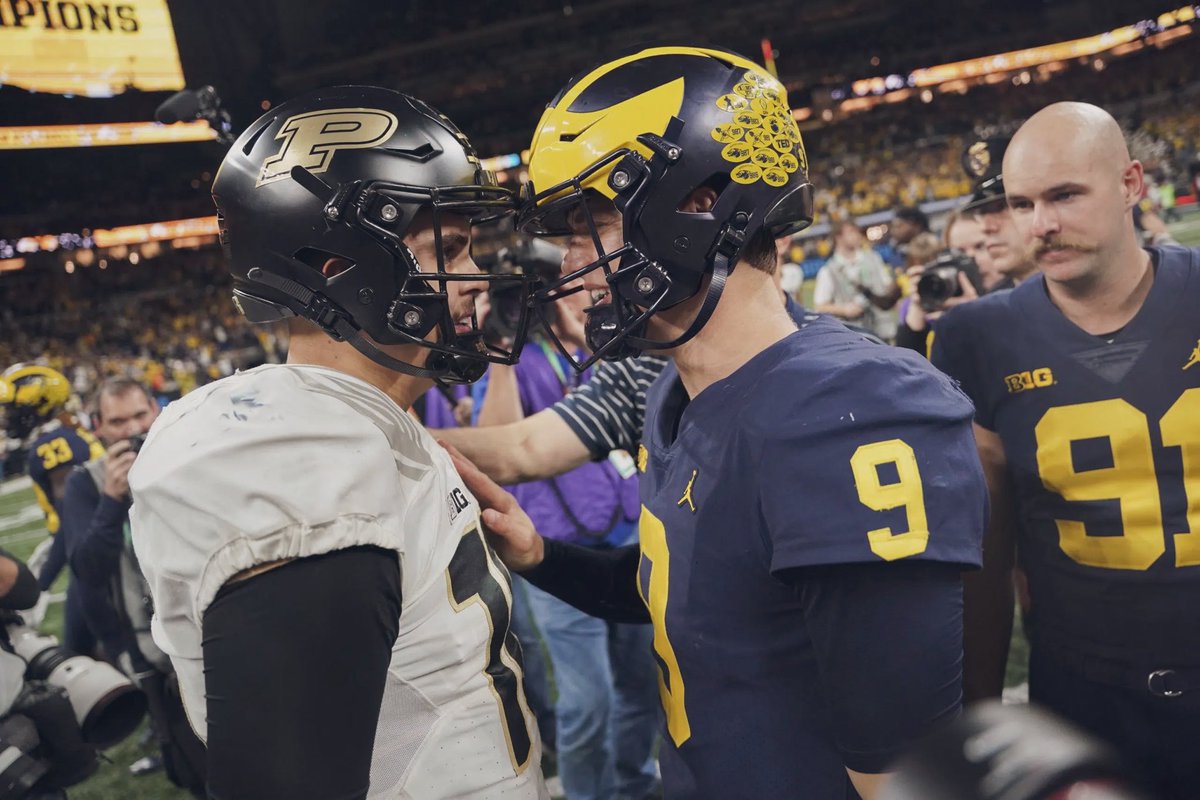
Purdue football was in the Big Ten Championship game on December 3rd, 2022. With one hire, it took Mike Bobinski and Tiffini Grimes less than 2 years to completely destroy the program.
And now, instead of taking ownership on hiring the worst football coach in Purdue history, rumors are saying they’re going to double down. Bring this clown back for another year. But don’t worry, they’re going to bring in an all-star cast of assistants to surround him with! So, Walters failing so miserably hiring his own staff of friends instead of experienced coaches isn’t a fireable offense at Purdue? You get another chance for being a horrendous head coach? What other program is giving this dude another year? Idk about division 1 but I’m sure as shit no other P2 program is.
And what assistants are going to come work under this lame duck HC? No one worth a damn. All because of a $9 million buyout. How much is it going to cost to revamp the entire staff just to maybe go 2-10 next year? That’s hiring 10-ish new assistant coaches. Big Ten schools start receiving $65 million per year in tv revenue next season and Purdue is still being cheap ole Purdue over $9 million that wouldn’t even be paid out as a lump sum.
$9 million lol, what a giant F U this would be to its fanbase. The same fanbase that knew Hazell was done during year 2 and watched him still get years 3 and 4. ND alum Bobonski would retire on time than bother fixing the trainwreck he caused. And if grimes is the next AD and gets to make that football hire, we are SCREWED. Get them both out of here with Walters and bring in someone competent who wants to treat Purdue and its fans like the Power-2 program it is.
You can win at Purdue. Brohm did it 17 times in his final two seasons. Own the mistake and go get a proven winner. Purdue is the only power-2 job that would be opening, will the AD take advantage or keep being an unserious, national embarrassment?
43
46
658
76,225
Luke Marklin retweeted

2 Nov 2024
NEW: The owner of Peanut the squirrel explains how New York officials raided his house, took Peanut and his raccoon, and k*lled them.
7-year-old Peanut and Fred the raccoon were euthanized after anonymous complaints.
“Officers raided my house as if I was a drug dealer. I was sat outside my house for five hours. I had to get a police escort to my bathroom.”
“I wasn't even allowed to feed my rescue horses breakfast or lunch. I was sit, sat there like a criminal after they interrogated my wife to check out her immigration status.”
“Then proceeded to ask me if I had cameras in my house. Then proceeded to go through every cabinet, nook and cranny of my house for a squirrel and raccoon.”
“They got a search warrant for departments, and a judge signed off on a search warrant for a squirrel in a raccoon. And then they took them and k*lled them.”
Video: @TMZ
11,142
37,317
155,271
89,356,243

13 Dec 2021
Jamal, if you ever are looking for a career after b ball, @BellhopMoving has lots of job openings for someone of your character.
12 Dec 2021

Houston guard Jamal Shead stayed to clean up after his team following a tough loss to Alabama.
Leading by example 🙌 (via @AustinRader24)
4
Luke Marklin retweeted

12 Dec 2021
Houston guard Jamal Shead stayed to clean up after his team following a tough loss to Alabama.
Leading by example 🙌 (via @AustinRader24)
372
2,963
34,571
6 Dec 2021
6 yr old is learning how to text on his iPad. Actually going pretty well...
27 Nov 2021
Was putting up Xmas lights and without thinking said they don’t make them like they used to. I’m 37 and this was my first time saying it. I’m pretty proud about that.
5
Luke Marklin retweeted

17 Oct 2021
Our student section vs. everyone else’s.
👏👏👏 Best fans in the land!
25
354
2,209
28 Mar 2021
Had a great time this week speaking with @grassoroots. David's a wiz at asking the right questions. We spoke on changing moving and building startup culture. We got pretty far off the PR talking points - but I think I mostly stayed out of trouble!
23 Mar 2021

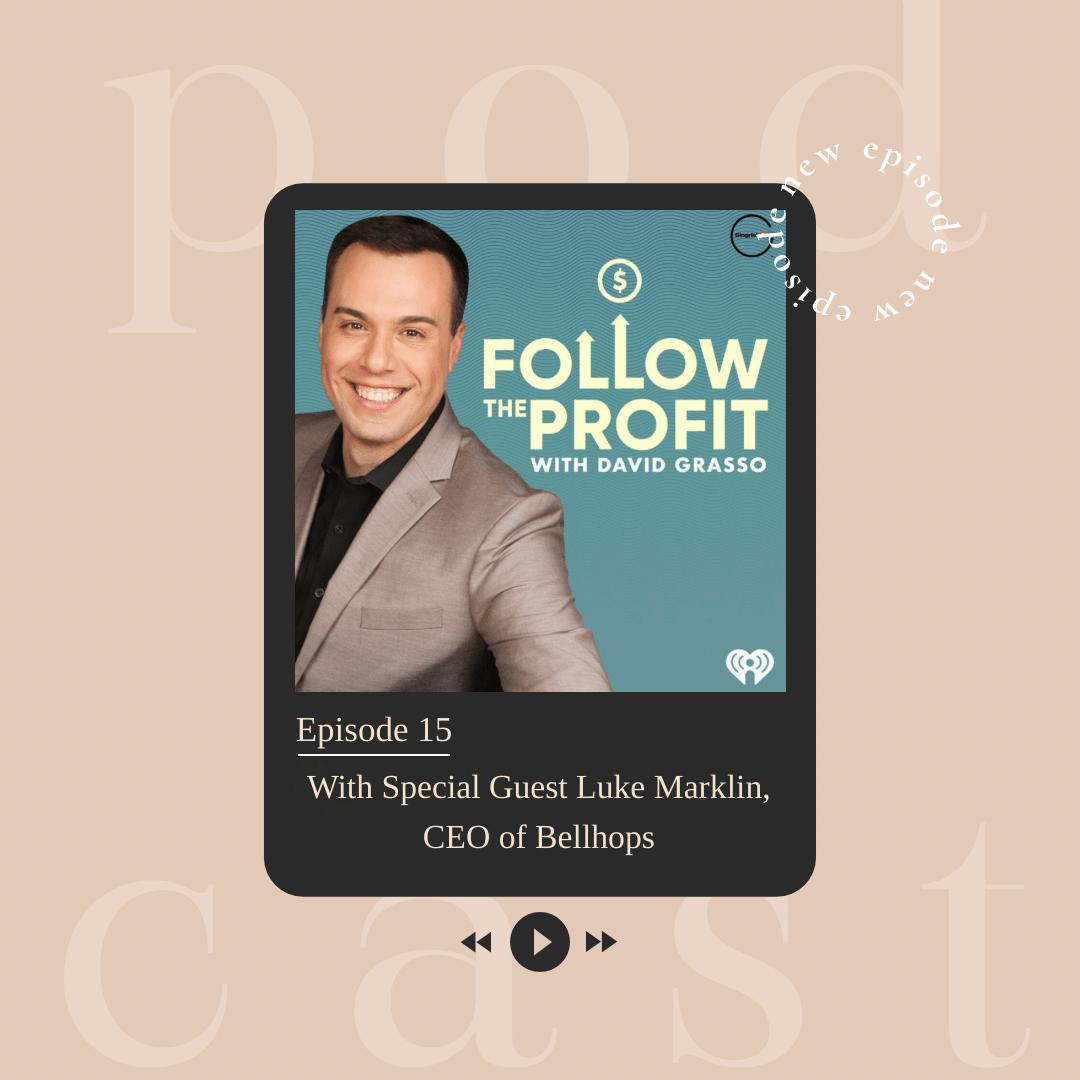
Happy Tuesday! NEW Podcast Episode!
Have you thought about moving? Many of us are doing it right now, and we need to move to enter the 21st century.
My guest this week, @LukeMarklin, is the CEO of @BellhopMoving, and he’s here to talk about how he did it:apple.co/3eVQOuI
1
5
23 Oct 2020
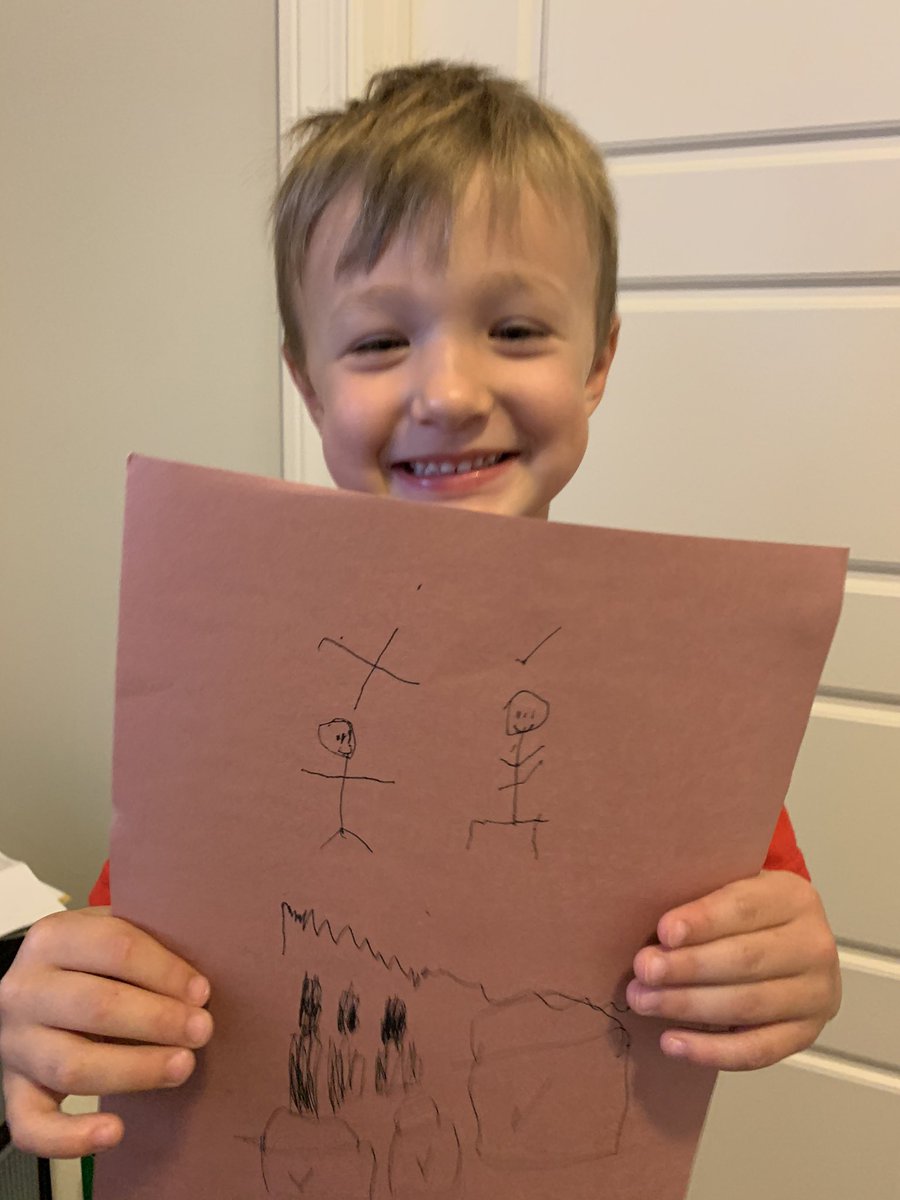
Proud dad moment - Our 5yr old this morning surprised us and asked me to mail in his ballot for him. You can guess the winner, but (as depicted) he felt they’re going to have a big impact on ‘the stocks’ and getting rid of the ‘dang coronavirus’. #GoVote
1
13
13 Oct 2020
The coronavirus pandemic has impacted nearly every industry, and the moving industry is no exception. Yesterday I spoke with @zGuz of @YahooFinance about some of the interesting trends we're seeing at @BellhopMoving. finance.yahoo.com/video/2-6-…
1
12
Luke Marklin retweeted

13 Jun 2020
In the teenage world you win by perfect performance on easy tests (wearing just the right clothes, answering multiple-choice questions correctly), while in the adult world you win by adequate performance on hard tests.
56
322
2,868
3 Jun 2020
1.) We are reaching out to HBCUs in Atlanta, GA to see how we can support them. @BellhopMoving was founded on a college campus, & we want to ensure all people and colleges receive the resources they need for a quality education. More info to come.
1
5
3 Jun 2020
3.) Our Pros now all have my direct email so I can keep listening and learning directly from them. In the past few days, many have already reached out to me to share their concerns and the injustices they face daily. It has broken my heart.
1
1
3 Jun 2020
None of the above measures are a magic wand, but my hope is that they are the first of many steps we can take as a company to be part of the solution.
1