
Grassroots organization advocating for health policy that promotes equity & justice through a patient-centered approach grounded in Primary Care/Family Medicine
Joined February 2024
- Tweets 85
- Following 270
- Followers 38
- Likes 133
1 Photos and videos
MA Primary Care Alliance for Patients (MAPCAP) retweeted
Together, Medi-Cal, CalPERS and Covered California cover nearly 45% of Californians.
As they make big investments in primary care, learn in a new @CHCFNews article the five key conditions needed to enable this at such a large scale. ⬇️
chcf.org/resource/how-califo…
1
1
82
MA Primary Care Alliance for Patients (MAPCAP) retweeted

May 29
Primary Care Is a Public Good. It's Time We Started Treating It Like One.
A recent article in JAMA calls for the creation of a multi-payer—or all-payer—primary care financing system. The concept itself is not new, but it arrives at a particularly important moment in our national health policy debate.
Too often, conversations about new ideas begin with what is missing or what is wrong. We should resist that tendency. Any discussion of this proposal should start with what the authors get right: primary care is a common good that benefits not only individual patients, but also families, communities, and society as a whole.
The authors make a particularly important observation: “Primary care has long fit awkwardly as an insurable risk in the marketplace. Insurance is designed to protect against large, unpredictable expenses. Yet primary care is largely predictable, similar to food, housing, and other common necessities.”
That insight deserves serious consideration. The proposal does not seek to replace the broader health insurance system. Rather, it seeks to establish a sustainable financing mechanism for universal access to primary care—one that exists outside the economic and administrative complexities of insurance. That is a conversation worth pursuing.
Many health care services can deliver value during discrete episodes of care. None, however, can match the long-term impact of comprehensive primary care. Nor can any consistently produce the same value per dollar spent. The evidence supporting this conclusion is overwhelming. It is also why the highest-performing health systems around the world are built upon universal access to primary care.
In fact, universal primary care may be the single most important distinction between the world's highest-performing health systems and the United States health care system as it exists today.
The authors' use of the term public good is especially important. Like clean water, public safety, and fire protection, the benefits of primary care extend well beyond the individual who receives the service. Strong primary care creates healthier communities, strengthens workforce participation, reduces avoidable health care spending, and contributes to economic stability. Its value is both personal and societal.
One of the most compelling aspects of this proposal is its potential to eliminate variation in financing and administration. A universal primary care financing model could finally create the conditions necessary for true prospective, population-based payment—payment that rewards access, continuity, prevention, and innovation rather than volume.
Importantly, such a model would not require a single practice structure. Direct primary care practices, community health centers, independent practices, and integrated health systems could all continue to operate and innovate. Patients would benefit from a more consistent experience, while practices would be relieved of many of the payer-specific rules, reporting requirements, and administrative burdens that increase costs and create barriers to care.
The authors describe their proposal as a compromise between single-payer and free-market approaches. That characterization feels accurate. With oversight delegated to states and room for diverse delivery models, the proposal reflects a pragmatic approach to reform rather than a wholesale restructuring of the health care system.
No proposal is perfect, and this one is no exception. Important questions remain about implementation, governance, accountability, and financing. Those questions deserve thoughtful debate.
But one thing is clear: primary care is a public good, and our current health care system has denied too many people access to its full value for far too long.
The conversation started by this proposal is the right one. At a time when confidence in our health care system continues to erode, we should focus less on preserving the status quo and more on building the foundation that every high-performing health system requires.
That foundation is primary care. And it should be available to every person and every community.
jamanetwork.com/journals/jam…
2
10
17
1,237
MA Primary Care Alliance for Patients (MAPCAP) retweeted

28 Nov 2025
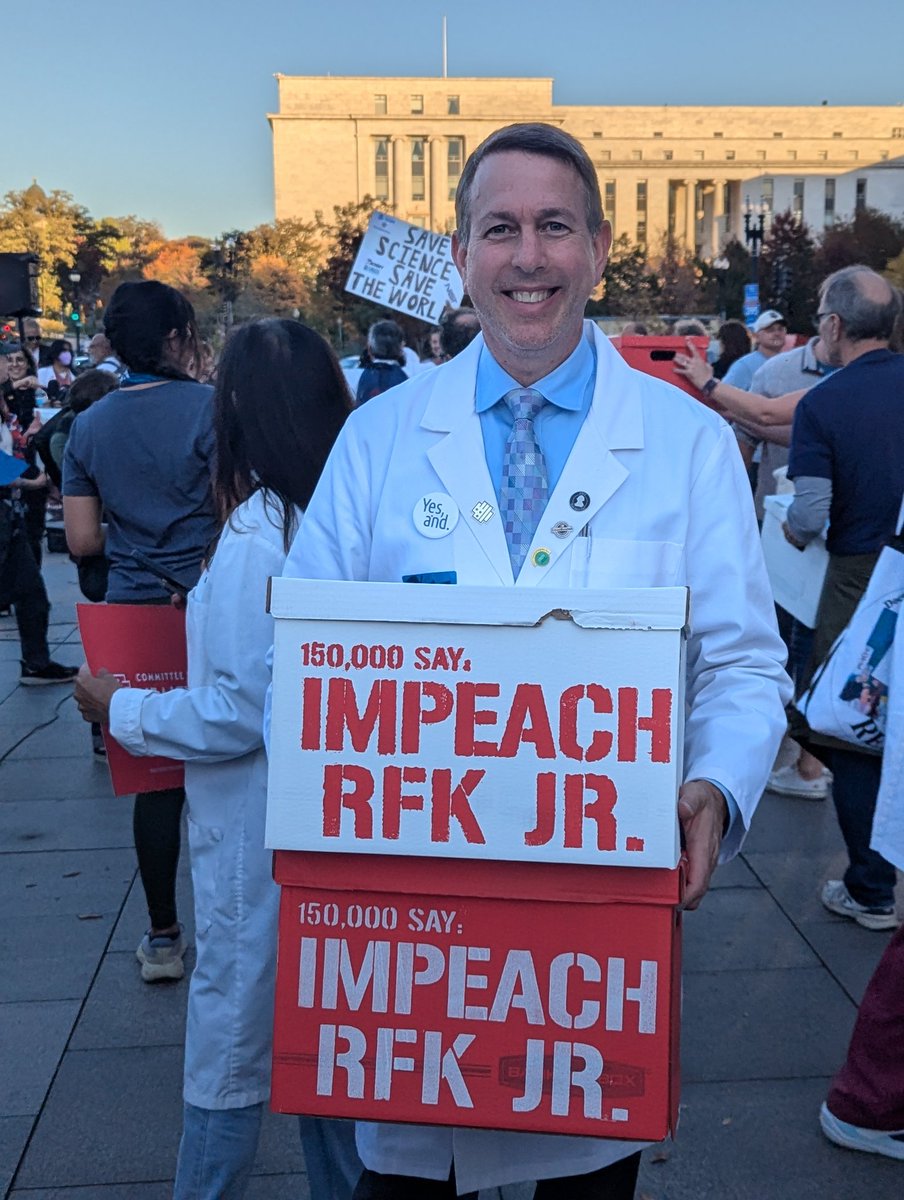
It is dangerous for national leadership to ignore science in favor of conspiracy theories. A few weeks back, I was proud to march in DC with The Coalition for a Healthy America and the Committee to Protect Healthcare, calling for the firing of RFK Jr.
1
1
2
95
MA Primary Care Alliance for Patients (MAPCAP) retweeted

24 Jul 2025
This is sooo good
23 Jul 2025

Ozzy Osbourne's Crazy Train on a xylophone is proof why every school needs a fully funded music program
13
23
294
35,651
MA Primary Care Alliance for Patients (MAPCAP) retweeted
30 Jun 2025
#PC4YOU was featured as a solution to the Primary Care crisis in a great article in the Worcester Telegram and Gazette @telegramdotcom. Thank you @EricDicksonCEO for your support of this legislation. Thank you @henrytelegram for excellent reporting. @MAPCAP_ @TuftsMedSchool @aafp
1
2
126
MA Primary Care Alliance for Patients (MAPCAP) retweeted
29 Jun 2025
#PC4YOU momentum! 2 new endorsements for our landmark MA Primary Care legislation: SGIM & the Worcester Board of Health. Check out med students Archie Goyal and Vineeth Amba discussing PC4YOU on the KevinMD Podcast
open.spotify.com/episode/6P9…
@TuftsMedSchool @MAPCAP_ @aafp @MassAFP
1
1
3
115
MA Primary Care Alliance for Patients (MAPCAP) retweeted
11 Jun 2025
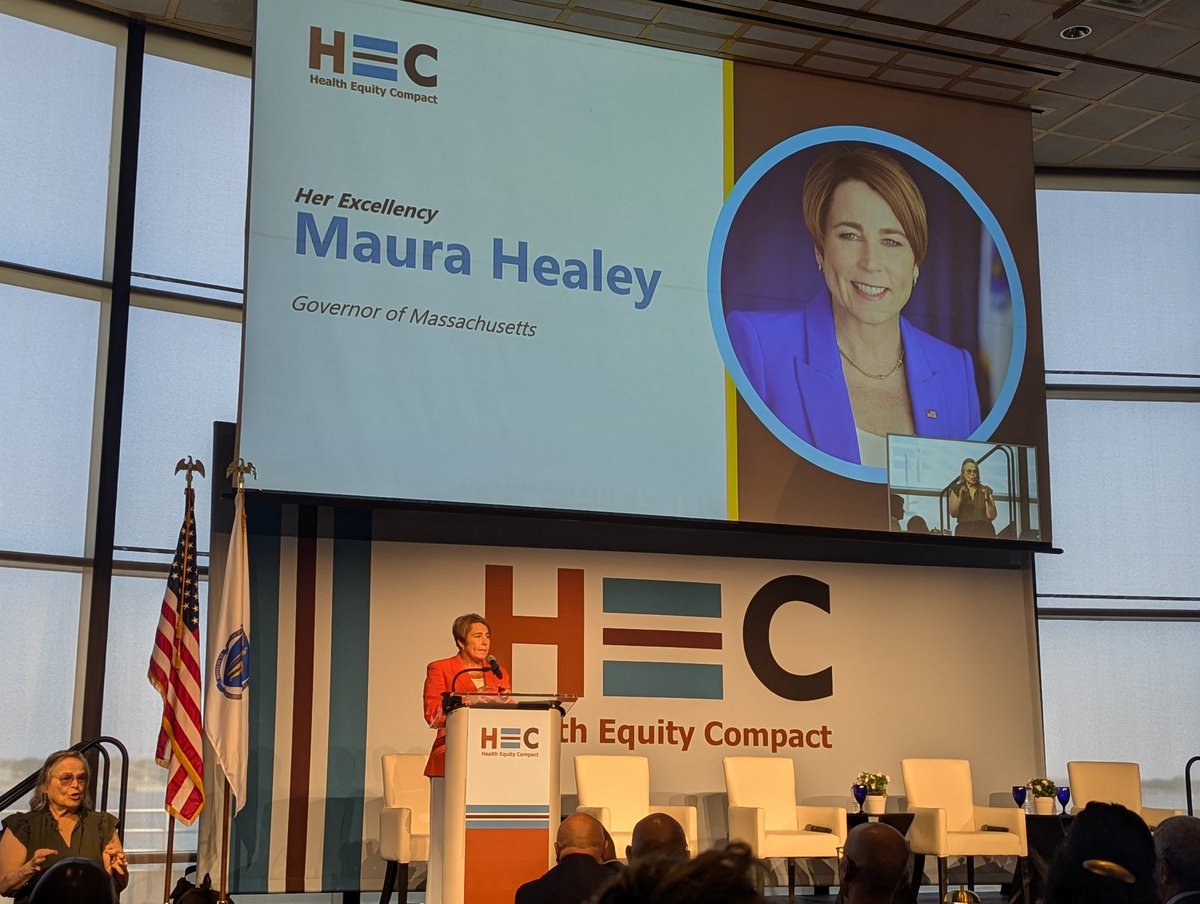
MA Gov Maura Healey speaking at the 2025 Health Equity Trends Summit calls out increased funding for Primary Care as a key to delivering health equity. #PC4YOU
@MAPCAP_ @aafp @TuftsMedSchool @MassAFP
1
1
4
110
MA Primary Care Alliance for Patients (MAPCAP) retweeted
11 Jun 2025
Thank you @AAFP for your leadership and voice.
We must insist on and fight for the values of health, science, and professionalism, among others. The removal of the ACIP is a huge leap in the wrong direction.
@MAPCAP_ @MassAFP
aafp.org/news/media-center/s…
1
5
113
MA Primary Care Alliance for Patients (MAPCAP) retweeted
5 Jun 2025
I was honored to participate in this great summit at UC Davis brainstorming how we fix Primary Care in the US.
health.ucdavis.edu/family-me…
@aafp @MAPCAP_
#PC4YOU
2X PC Investment, shift from FFS to Value, separate health insurance from PC, and no co-pays or deductibles in PC!
1
2
70
MA Primary Care Alliance for Patients (MAPCAP) retweeted
5 Jun 2025
Senator Sheldon Whitehouse from RI, speaking at the Primary Care Collaborative Annual Conf, proposes the prior auth for prior auths law, requiring any value-based Medicare program to get permission from CMS for any prior auth proprosal. Cool!
@PCPCC @AnnGreiner1 @MAPCAP_ @aafp
1
2
76
MA Primary Care Alliance for Patients (MAPCAP) retweeted
5 Jun 2025
Sen Whitehouse, at the Primary Care Collaborative Conf, suggests that Medicaid cuts being proposed by the Trump admin will cause irreparable harms. If you have a Republican Senator, please call them in the next wk to urge them to spare Medicaid
@PCPCC @AnnGreiner1 @MAPCAP_ @aafp
1
1
55
MA Primary Care Alliance for Patients (MAPCAP) retweeted

4 Jun 2025
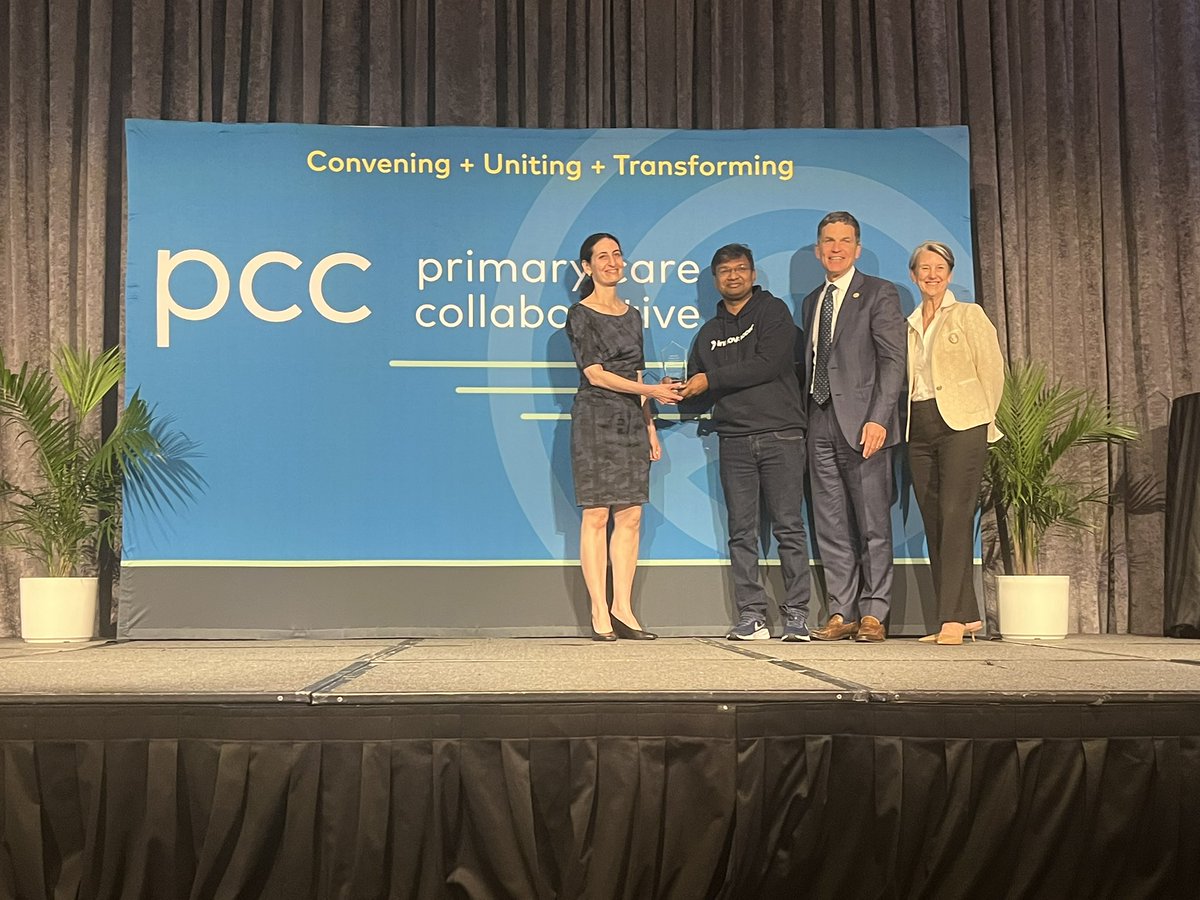
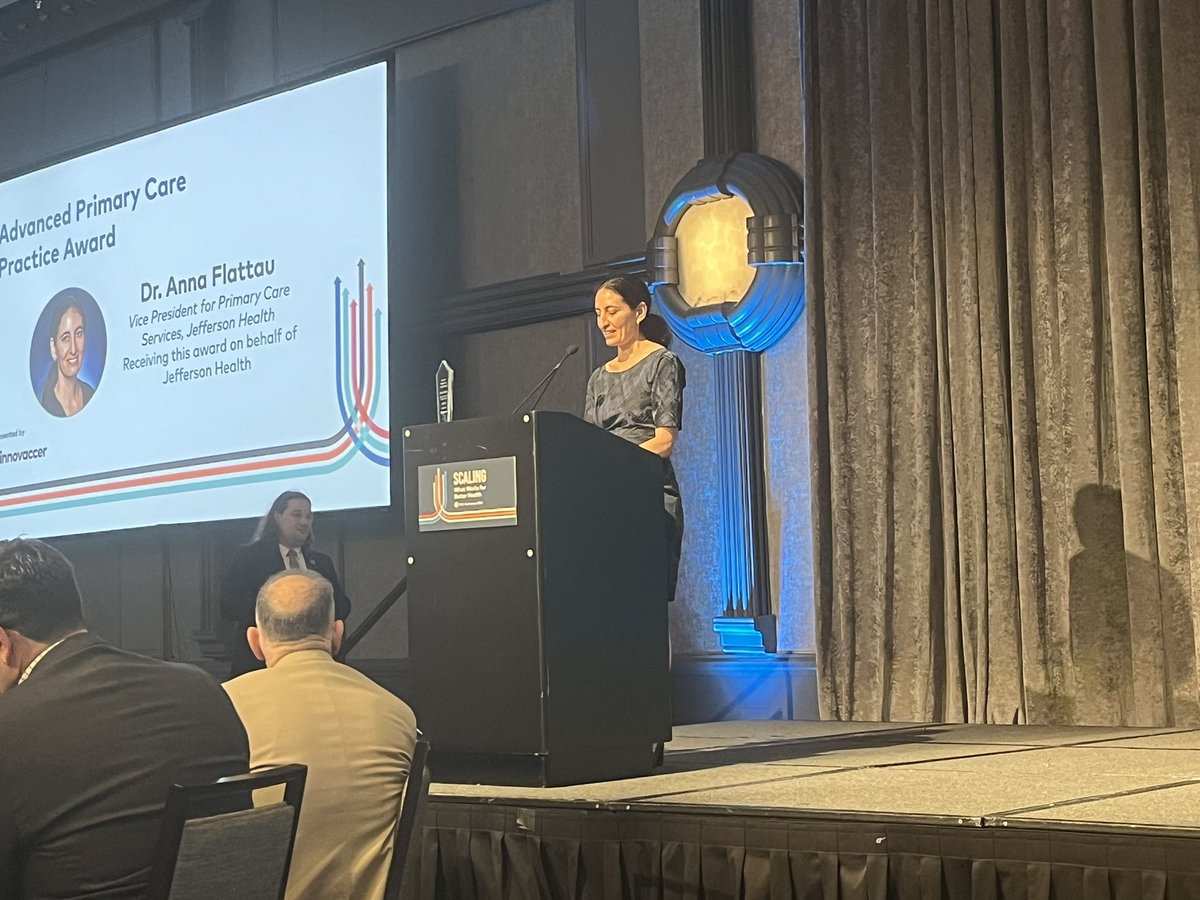
The PCC is proud to honor Anna Flattau on behalf of Jefferson Health with our Advanced Primary Care Practice Award.
This award is presented to an organization that is an extraordinary primary care practice!
1
3
87
MA Primary Care Alliance for Patients (MAPCAP) retweeted
24 May 2025
Thanks @WendyBarrMD & @doc_kgb for your OpEd in today's Boston Globe highlighting the crisis in Primary Care, the need for academic medical centers to be a part of the solution, and how legislation can address this crisis. @TuftsMedSchool @MAPCAP_ #PC4YOU
bostonglobe.com/2025/05/24/o…
3
3
123

Thanks @WendyBarrMD & @doc_kgb for your OpEd in today's Boston Globe highlighting the crisis in Primary Care, the need for academic med centers to be a part of the solution, and how legislation can address this crisis. @TuftsMedSchool @MAPCAP_ #PC4YOU
bostonglobe.com/2025/05/24/o…
16
MA Primary Care Alliance for Patients (MAPCAP) retweeted

17 May 2025
The focus on addressing the primary care workforce shortage is essential. Highlighting the factors deterring medical students from this field is a great step. Kudos to the team for diving deep into this issue!
1
1
24
To address the Primary Care workforce shortage, we must understand 'What is Driving Medical Students Away From Primary Care.' Many thanks to my 2 star medical student coauthors (Archie Goyal/Vineeth Amba). @kevinmd @TuftsMedSchool @aafp @MAPCAP_ #PC4YOU
kevinmd.com/2025/05/whats-dr…
1
2
4
689
MA Primary Care Alliance for Patients (MAPCAP) retweeted

2 May 2025
All “feedback” isn’t the same. Allen Shaughnessy of TUSM and co-author Christopher Shaughnessy break it down in @STFM_FM: correction, criticism, feedback, and feedforward—each with its time and place. 🩺
🔗 ow.ly/YbaU50VLEjy
#MedEd #TUSM #STFM

ALT Allen Shaughnessy of TUSM
2
5
230
MA Primary Care Alliance for Patients (MAPCAP) retweeted
16 Apr 2025
Join @pcpcc and leaders from across the health care landscape to explore how innovative #PrimaryCare delivery and payment models can be successfully scaled at our conference June 4-5.
Register now: thepcc.pub/Scaling-What-Work…
1
1
48
MA Primary Care Alliance for Patients (MAPCAP) retweeted
8 Apr 2025
"Doctors rise to their best by serving the least of the their patients - the least insured, the least curable, the least attractive, the least responsible, the least grateful, the least like us." - Dr. David Loxterkamp, author and family physician @TuftsMedSchool @MAPCAP_ @aafp
1
3
68

The AAFP will never stop advocating for policies that strengthen family medicine and access to #primarycare. AAFP president Dr. Jen Brull, president-elect @SCNosalMD and board chair @sfurrmd were on Capitol Hill yesterday advocating to protect #Medicaid, ensure long-term funding for teaching health centers and enact #Medicare physician payment reform.
1
6
15
772